
Research article · 2025 · Full text
International Journal of Agriculture and NutritionReview of nutraceutical integration of astaxanthin extract from shrimp shell and moringa powder as chewable gummies for glycemic control
Volume 7(8) · Pages 97–99 · DOI: 10.33545/26646064.2025.v7.i8b.273 ↗
Research areasMoringa oleifera research and applications
Abstract
Author-writtenThis review explores the potential of astaxanthin derived from shrimp shells and Moringa oleifera as bioactive components in chewable gummies for glycaemic control. Astaxanthin, a potent antioxidant carotenoid, and Moringa, rich in bioactive compounds, demonstrate promising effects in managing blood glucose levels and mitigating oxidative stress associated with diabetes. The paper examines their extraction, bioactivity, and synergistic potential in a nutraceutical gummy formulation. It also assesses the sustainability of shrimp shell-derived astaxanthin, Moringa’s pharmacological benefits, formulation challenges, and future research directions. This integrative approach highlights a novel strategy for developing functional foods to support glycaemic management.
Summary
Source-checkedPlain-language reading of the full paper, prepared with AI and checked against the text. Each point links to the authors' own words.
Why it matters
- Diabetes mellitus is a significant global health issue affecting more than 460 million people, with numbers expected to reach 700 million by 2045. View evidence ↗
- The condition is marked by chronic oxidative stress and high blood sugar, which can lead to complications including nephropathy, neuropathy, and cardiovascular diseases. View evidence ↗
- There is a growing demand for sustainable, natural nutraceuticals that provide health benefits beyond standard nutrition to manage such conditions. View evidence ↗
The question
- The review aims to explore using Moringa oleifera and astaxanthin from shrimp shells as bioactive ingredients in chewable gummies to control blood glucose levels. View evidence ↗
What they did
- The authors analyzed the bioactivity, extraction methods, and the potential synergy of these components within a gummy formulation. View evidence ↗
- The study assessed the pharmacological benefits of Moringa, the sustainability of using shrimp shells for astaxanthin, and the challenges of formulation. View evidence ↗
What they found
- Shrimp shells serve as a source of astaxanthin, with concentrations ranging from 4.79 to 239.96 µg/g based on the species and how they are processed. View evidence ↗
- High-purity yields of up to 87.34% can be achieved using advanced extraction methods such as enzymatic, ultrasound-assisted, or solvent-based techniques. View evidence ↗
- Astaxanthin has an antioxidant capacity 100 to 500 times higher than α-tocopherol, which helps reduce the oxidative stress that drives diabetes. View evidence ↗
- Clinical trials indicate that supplementing with 2-4 g/day of Moringa leads to significant reductions in HbA1c levels. View evidence ↗
- Using neutral protease treatment for extraction increases astaxanthin yields by 3.7 times compared to traditional extraction methods. View evidence ↗
- The two components are synergistic because astaxanthin's lipid-soluble nature targets cell membranes while Moringa's water-soluble antioxidants provide systemic defense. View evidence ↗
What it means
- The authors conclude that combining Moringa oleifera and shrimp shell-derived astaxanthin in chewable gummies is a promising nutraceutical strategy for managing blood glucose. View evidence ↗
- Further research is required to fully understand the market viability and therapeutic potential of this specific gummy formulation. View evidence ↗
Visual summary
1 visualsIllustrations explain the paper; they do not show study data.
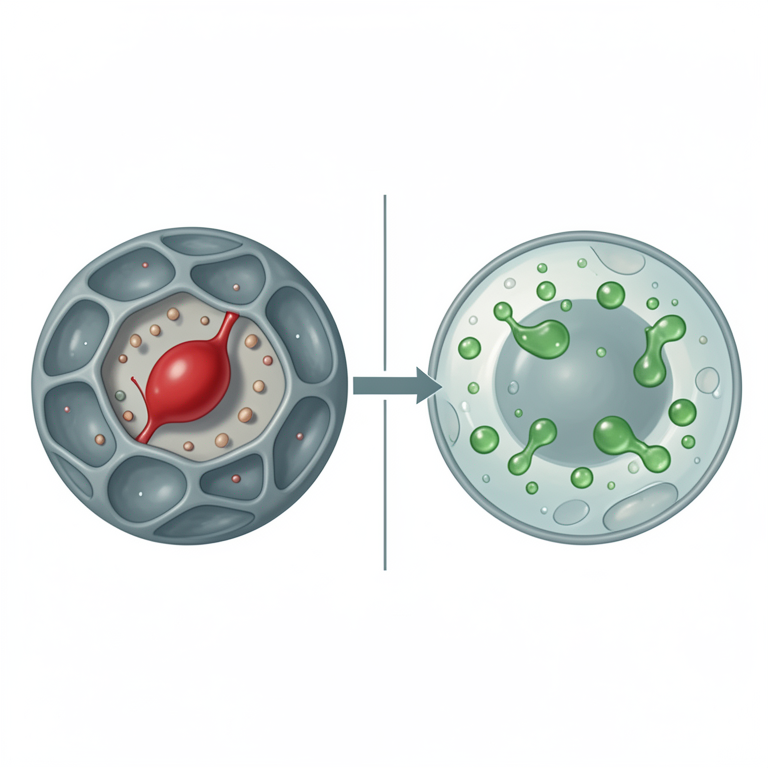
Synergistic Antioxidant Action
AI-generated conceptual illustration (a biological cell with a lipid bilayer membrane). It explains the idea and does not show study data.
View source evidence ↗Introduction
Diabetes mellitus, a global health challenge, affects over 460 million people, with projections estimating a rise to 700 million by 2045 (International Diabetes Federation, 2019) [12] . Characterized by chronic hyperglycaemia and oxidative stress, diabetes contributes to complications such as cardiovascular diseases, neuropathy, and nephropathy (Xia et al., 2020) [25] . The demand for natural, sustainable interventions has driven interest in nutraceuticals food derived compounds offering health benefits beyond basic nutrition. Astaxanthin, a ketocarotenoid from shrimp shells, and Moringa oleifera, a nutrient-rich plant, have emerged as promising candidates for glycaemic control due to their antioxidant and hypoglycaemic properties (Ambati et al., 2014; Leone et al., 2016) [1,13] . This review explores their integration into chewable gummies, a consumer-friendly delivery system, to enhance glycaemic management.
Astaxanthin: Sources and Bioactivity
Shrimp Shells as a Sustainable Source Astaxanthin (3,3'-dihydroxy-β, β-carotene-4,4'-dione) is a potent antioxidant carotenoid found in marine organisms like shrimp, krill, and microalgae such as Haematococcus pluvialis (Shah et al., 2016) [20] . Shrimp shells, a by-product of the crustacean industry, contain astaxanthin at concentrations of 4.79-239.96 µg/g, depending on species and processing methods (Wang et al., 2021) [24] . With shrimp waste constituting 50-70% of total shrimp weight, it offers a sustainable and cost-effective source for astaxanthin extraction (Ambati et al., 2014) [1] . Advanced extraction techniques, including solvent-based, ultrasound-assisted, and enzymatic methods, achieve high-purity yields (up to 87.34%) (Wang et al., 2021; Zhao et al., 2019) [24,29] . These methods reduce environmental impact and enhance the economic viability of utilizing shrimp waste.
Bioactivity Relevant to Glycemic Control
Astaxanthin's antioxidant capacity, 100-500 times greater than α-tocopherol, mitigates oxidative stress, a key contributor to diabetes progression (Sila et al., 2015) [21] . In alloxaninduced diabetic rats, shrimp-derived astaxanthin reduced plasma glucose levels, lipid peroxidation markers (e.g., malondialdehyde), and restored antioxidant enzyme activities such as superoxide dismutase (SOD) and catalase (CAT) (Sila et al., 2015) [21] . It also improves insulin sensitivity and reduces inflammation by modulating pathways like NF-KB (Yu et al., 2020) [28] . Studies on diabetic models further demonstrate astaxanthin's protective effects against nephropathy and hepatotoxicity (Sila et al., 2015; Takemoto et al., 2015) [21,22] . Bioactivity relevant to glycaemic control refers to biological processes, molecules, or compounds that regulate blood glucose levels by influencing insulin secretion, insulin sensitivity, glucose uptake, or glucose metabolism. These bioactivities are critical in managing conditions like type 2 diabetes and maintaining metabolic health. Below is a detailed description of key mechanisms and bioactive agents involved, supported by scientific literature.
Insulin and Glucagon Regulation: Insulin, secreted by pancreatic beta cells, facilitates glucose uptake in tissues via glucose transporter 4 (GLUT4) and suppresses hepatic glucose production (gluconeogenesis) (Saltiel & Kahn, 2001) [19] . Glucagon, released by alpha cells, counteracts insulin by promoting glycogenolysis and gluconeogenesis (Quesada et al., 2008) [17] . Bioactive compounds, such as incretin hormones, modulate these hormones to stabilize blood glucose.
Incretin Hormones: Glucagon-like peptide-1 (GLP-1) and glucose-dependent insulinotropic polypeptide (GIP) are gutderived hormones that enhance glucose-dependent insulin secretion, slow gastric emptying, and reduce appetite (Drucker & Nauck, 2006) [6] . GLP-1 receptor agonists (e.g., exenatide) and dipeptidyl peptidase-4 (DPP-4) inhibitors (e.g., sitagliptin) leverage these bioactivities to improve glycaemic control (Nauck, 2016) [14] .
Glucose Transporters
GLUT4 mediates insulin-stimulated glucose uptake in muscle and adipose tissue (Saltiel & Kahn, 2001) [19] . Sodium-glucose cotransporter 2 (SGLT2) in the kidneys reabsorbs glucose; SGLT2 inhibitors (e.g., dapagliflozin) reduce this reabsorption, lowering blood glucose levels (Vallon, 2017) [23] .
Enzymes in Glucose Metabolism
AMP-activated protein kinase (AMPK) enhances glucose uptake and fatty acid oxidation, improving insulin sensitivity (Hardie et al., 2012) [11] . Metformin, a common antidiabetic drug, activates AMPK to reduce hepatic glucose output (Rena et al., 2017). DPP-4 degrades incretins, and its inhibition extends incretin activity, aiding glycaemic control (Nauck, 2016) [14] .
Bioactive Compounds
Polyphenols are found in berries and tea, these compounds improve insulin sensitivity and reduce oxidative stress (Hanhineva et al., 2010) [10] . Dietary Fiber Slows carbohydrate absorption, stabilizing postprandial glucose (Anderson et al., 2009) [3] . Omega-3 Fatty Acids May enhance insulin sensitivity, though evidence is mixed (Flachs et al., 2014) [7] . Plant-Derived Compounds are Berberine activates AMPK and inhibits gluconeogenesis, showing promise in glycaemic control (Yin et al., 2008) [27] .
Inflammation and Oxidative
Stress: Chronic inflammation impairs insulin signalling, while antioxidants like alpha-lipoic acid reduce oxidative stress, supporting glycaemic control (Packer et al., 2001) [16] .
Gut Microbiota: Gut microbiota metabolites, such as shortchain fatty acids, modulate insulin sensitivity (Cani et al., 2012) [5] . Prebiotics and probiotics may enhance these effects, contributing to better glucose regulation. Bioactive compounds and drugs targeting these pathways (e.g., metformin, GLP-1 agonists, SGLT2 inhibitors) are cornerstones of type 2 diabetes management (American Diabetes Association, 2023) [2] . Dietary interventions, including polyphenol-rich foods and fiber, complement pharmacological approaches (Anderson et al., 2009) [3] . Ongoing research explores novel bioactive, such as plant alkaloids and microbial metabolites, for their potential in diabetes prevention and treatment (Yin et al., 2008; Cani et al., 2012) [27,5] .
Moringa oleifera: Nutritional and Pharmacological Profile
Moringa oleifera, known as the "miracle tree," is rich in vitamins (A, C, E), minerals (calcium, potassium), and bioactive compounds such as polyphenols, flavonoids, and glucosinolates (Leone et al., 2016) [13] . Its leaves contain high levels of quercetin and chlorogenic acid, contributing to its antioxidant and anti-inflammatory properties (Leone et al., 2016) [13] . Moringa leaf extracts exhibit hypoglycaemic effects in both animal and human studies. They reduce fasting blood glucose and improve glucose tolerance by enhancing insulin secretion and sensitivity (Nova et al., 2019) [15] . Bioactive compounds like isothiocyanates inhibit hepatic glucose production, while antioxidants reduce oxidative stress, a contributor to insulin resistance (Leone et al., 2016) [13] . Clinical trials report significant reductions in HbA1c levels with Moringa supplementation at doses of 2-4 g/day (Nova et al., 2019) [15] .
Synergistic Potential of Astaxanthin and Moringa
The combination of astaxanthin and Moringa leverages their complementary mechanisms. Astaxanthin's lipid-soluble nature targets cell membranes, neutralizing reactive oxygen species, while Moringa's water-soluble antioxidants enhance systemic oxidative defence (Ambati et al., 2014; Leone et al., 2016) [1,13] . Both compounds modulate inflammatory pathways, potentially improving insulin signalling and reducing diabetic complications (Yu et al., 2020; Nova et al., 2019) [28,15] . Their synergistic effects could enhance glycaemic control by addressing oxidative stress and glucose metabolism simultaneously.
Astaxanthin Extraction:
Green extraction methods, such as supercritical fluid extraction and enzymatic hydrolysis, improve astaxanthin yield from shrimp shells. Neutral protease treatment increases yields by 3.7 times compared to traditional methods (Wang et al., 2021) [24] . Ethanol-based extraction achieves high purity (up to 85.1%) suitable for nutraceutical applications (Zhao et al., 2019) [29] . ensuring efficacy for glycaemic control (Leone et al., 2016) [13] . Spray drying or freeze-drying maintains stability for incorporation into gummies.
Moringa
Sustainability and Economic Considerations: Shrimp shells, constituting 50-70% of shrimp weight, offer a sustainable source of astaxanthin, reducing waste in the aquaculture industry (Gómez-Estaca et al., 2016) [8] . Moringa, a fast-growing plant, is economically viable for cultivation in tropical regions. Combining these ingredients in gummies aligns with consumer demand for eco-friendly, natural products.
Conclusion
The integration of shrimp shell-derived astaxanthin and Moringa oleifera in chewable gummies offers a promising nutraceutical approach for glycaemic control. Their complementary antioxidant and hypoglycaemic properties, combined with sustainable sourcing and a consumerfriendly delivery system, position this formulation as a viable functional food. Continued research will further elucidate its therapeutic potential and market viability.
References
29 in the original paper- Ambati RR, Phang SM, Ravi S, Aswathanarayana RG. Astaxanthin: Sources, extraction, stability, biological activities and its commercial applications A review. Mar Drugs. 2014;12(1):128-52.
- American Diabetes Association. Standards of medical care in diabetes-2023. Diabetes Care. 2023;46(Suppl. 1):S1-S291.
- Anderson JW, Baird P, Davis RH, Ferreri S, Knudtson M, Koraym A, et al. Health benefits of dietary fiber. Nutr Rev. 2009;67(4):188-205.
- Bassijeh A, Ansari S, Hosseini SM. Astaxanthin-loaded microcapsules in beverage systems. J Food Sci. 2020;85(10):3332-40.
- Cani PD, Neyrinck AM, Fava F, Knauf C, Burcelin RG, Tuohy KM, et al. Selective increases of bifidobacteria in gut microflora improve high-fat-diet-induced diabetes in mice through a mechanism associated with endotoxaemia. Diabetologia. 2012;50(11):2374-83.
- Drucker DJ, Nauck MA. The incretin system: Glucagon-like peptide-1 receptor agonists and dipeptidyl peptidase-4 inhibitors in type 2 diabetes. Lancet. 2006;368(9548):1696-705.
- Flachs P, Rossmeisl M, Kopecky J. The effect of n-3 fatty acids on glucose homeostasis and insulin sensitivity. Physiol Res. 2014;63(Suppl. 1):S93-S118.
- Gómez-Estaca J, Calvo MM, Álvarez-Acero I. Characterization and storage stability of astaxanthin esters, fatty acid profile and α-tocopherol of lipid extract from shrimp (L. vannamei) waste with potential applications as food ingredient. Food Chem. 2016;216:340-8.
- Gulzar S, Benjakul S. Microencapsulation of shrimp oil with mung bean protein isolate and sodium alginate. Food Chem. 2020;317:126418.
- Hanhineva K, Törrönen R, Bondia-Pons I, Pekkinen J, Kolehmainen M, Mykkänen H, et al. Impact of dietary polyphenols on carbohydrate metabolism. Int J Mol Sci. 2010;11(4):1365-402.
- Hardie DG, Ross FA, Hawley SA. AMPK: A nutrient and energy sensor that maintains energy homeostasis. Nat Rev Mol Cell Biol. 2012;13(4):251-62.
- International Diabetes Federation. IDF Diabetes Atlas. 9th ed. International Diabetes Federation; 2019.
- Leone A, Spada A, Battezzati A, others. Moringa oleifera seeds and oil: Characteristics and uses for human health. Int J Mol Sci. 2016;17(12):2141.
- Nauck MA. Incretin therapies: Highlighting common features and differences in the modes of action of glucagon-like peptide-1 receptor agonists and dipeptidyl peptidase-4 inhibitors. Diabetes Obes Metab. 2016;18(3):203-16.
- Nova E, Redondo-Useros N, Martínez-García RM. Potential of Moringa oleifera to improve glucose control for the prevention of diabetes and related metabolic alterations. Nutrients. 2019;12(1):17.
- Packer L, Witt EH, Tritschler HJ. Alpha-lipoic acid as a biological antioxidant. Free Radic Biol Med. 2001;19(2):227-50.
- Quesada I, Tudurí E, Ripoll C, Nadal Á. Physiology of the pancreatic α-cell and glucagon secretion: Role in glucose homeostasis and diabetes. J Endocrinol. 2008;199(1):5-19.
- Rena G, Hardie DG, Pearson ER. The mechanisms of action of metformin. Diabetologia. 2017;60(9):1577-85.
- Saltiel AR, Kahn CR. Insulin signalling and the regulation of glucose and lipid metabolism. Nature. 2001;414(6865):799-806.
- Shah MMR, Liang Y, Cheng JJ, Daroch M. Astaxanthin-producing green microalga Haematococcus pluvialis: From single cell to high value commercial products. Front Plant Sci. 2016;7:531.
- Sila A, Ghlissi Z, Kamoun Z. Astaxanthin from shrimp by-products ameliorates nephropathy in diabetic rats. Eur J Nutr. 2015;54(2):301-7.
- Takemoto M, Yamaga M, Furuichi Y, Yokote K. Astaxanthin improves non-alcoholic fatty liver disease in Werner Syndrome with diabetes mellitus. J Am Geriatr Soc. 2015;63(6):1271-3.
- Vallon V. The mechanisms and therapeutic potential of SGLT2 inhibitors in diabetes mellitus. Annu Rev Med. 2017;66:255-70.
- Wang L, Hu J, Lv W. Optimized extraction of astaxanthin from shrimp shells treated by biological enzyme and its separation and purification using macroporous resin. Food Chem. 2021;363:130369.
- Xia W, Tang N, Kord-Varkaneh H. The effects of astaxanthin supplementation on obesity, blood pressure, CRP, glycaemic biomarkers, and lipid profile: A metaanalysis of randomized controlled trials. Pharmacol Res. 2020;161:105113.
- Yamashita E. The effect of a dietary supplement containing astaxanthin on skin condition. Carotenoid Sci. 2006;10:91-5.
- Yin J, Xing H, Ye J. Efficacy of berberine in patients with type 2 diabetes mellitus. Metabolism. 2008;57(5):712-7.
- Yu W, Liu X, Zhao J. The marine carotenoid astaxanthin: A potent antioxidant with multiple health benefits. Front Nutr. 2020;7:594013.
- Zhao X, Zhang X, Liu H. Extraction and purification of astaxanthin from shrimp shells and the effects of different treatments on its content. Food Chem. 2019;274:356-64.