
Research article · 2025 · Full text
International Journal of Geography Geology and EnvironmentCurrent status - Chromium contamination and its toxicity in residents of Kanpur, Uttar Pradesh: A very serious issue
Volume 7(8) · Pages 58–63 · DOI: 10.22271/27067483.2025.v7.i8a.395 ↗
Research areasChromium effects and bioremediation
Abstract
Author-writtenChromium is one of the most versatile and widely used elements. It exists in three common oxidation states, Cr(II), Cr(III) and Cr(VI). In the environment, Cr(II) is most unstable, while both Cr(III) and Cr(VI) are the stable oxidation states. Hexavalent chromium [Cr(VI)] is considered the most toxic form, as it readily passes through cellular membranes and frequently reduced to its trivalent form [Cr(III)]. Inside the cytosol, Cr(III) chromium easily incorporates with several biomacromolecules, including genetic material, resulting in toxic and mutagenic complications. Beside these alterations, Cr(VI) chromium is reported to be a potential carcinogen and teratogen. Currently, chromium and its compounds are used extensively in various industries such as tanneries, textiles, dyeing, electroplating, printing, photographic and medical industries. Its particles enter the environment through effluents generated as waste. Toxicity caused by chromium contamination is a serious issue in Kanpur, primarily due to improper disposal of metal-contaminated waste water, sludge and ash from tanneries, which contaminates water sources and soil, impacting the health of nearby communities. Depending on the quantity, duration and route of exposure, it causes moderate to severe illnesses including gastrointestinal problems, neurological alterations, behavioral changes, skin diseases and respiratory ailments. In this article, the hazardous effects of industrial effluents on residents of badly affected areas of Kanpur and adjacent districts in Uttar Pradesh have been discussed.
Summary
Source-checkedPlain-language reading of the full paper, prepared with AI and checked against the text. Each point links to the authors' own words.
Why it matters
- Hexavalent chromium [Cr(VI)] is the most toxic form of the element because it can easily penetrate cell membranes. View evidence ↗
- Chromium is widely used across multiple industrial sectors, including tanneries, textiles, and electroplating. View evidence ↗
- In Kanpur, the improper disposal of tannery waste, including sludge, ash, and wastewater, has led to severe chromium contamination of soil and water. View evidence ↗
The question
- The authors aim to discuss the hazardous effects of industrial effluents on the residents of Kanpur and its adjacent districts in Uttar Pradesh. View evidence ↗
What they did
- This paper is a review that synthesizes information from various reports and studies regarding chromium toxicity in the Kanpur region. View evidence ↗
What they found
- Chromium levels in the River Ganga at Jajmau reached a maximum of 2.792±0.994 mg/l, significantly exceeding the permissible limit of 0.05 mg/l. View evidence ↗
- Groundwater in Kanpur has shown Cr(VI) concentrations of 6.2 mg/l, which is 250 times higher than the Indian government's public consumption limit of 0.05 mg/l. View evidence ↗
- Some groundwater measurements in and near affected sites have reached Cr(VI) levels as high as 80 mg/l. View evidence ↗
- A health examination in the Jajmau industrial area found that out of 992 people, 530 had skin diseases, 120 had liver diseases, and 42 had lung diseases. View evidence ↗
- In eight severely affected areas, 157 out of 391 people who underwent blood tests were confirmed to have chromium levels above the permissible limit. View evidence ↗
- In Kanpur Dehat, all 132 people whose blood samples were collected were found positive for chromium toxicity. View evidence ↗
- In Fatehpur district, 47 out of 49 people tested had chromium levels above the permissible limit, and 3 had mercury levels above the limit. View evidence ↗
- Medical experts consider the maximum safe blood limits to be 1.4 µg/l for chromium and 20 µg/l for mercury. View evidence ↗
- Chromium toxicity is associated with a wide range of symptoms, including neurological disorders, hypertension, renal impairment, and the destruction of red blood cells. View evidence ↗
What it means
- The authors conclude that urgent action is needed to provide medical facilities and awareness to residents, noting that serious efforts have been lacking. View evidence ↗
- The authors recommend that authorities take immediate and effective remedial measures to address the needs of the affected residents. View evidence ↗
Visual summary
1 visualsIllustrations explain the paper; they do not show study data.
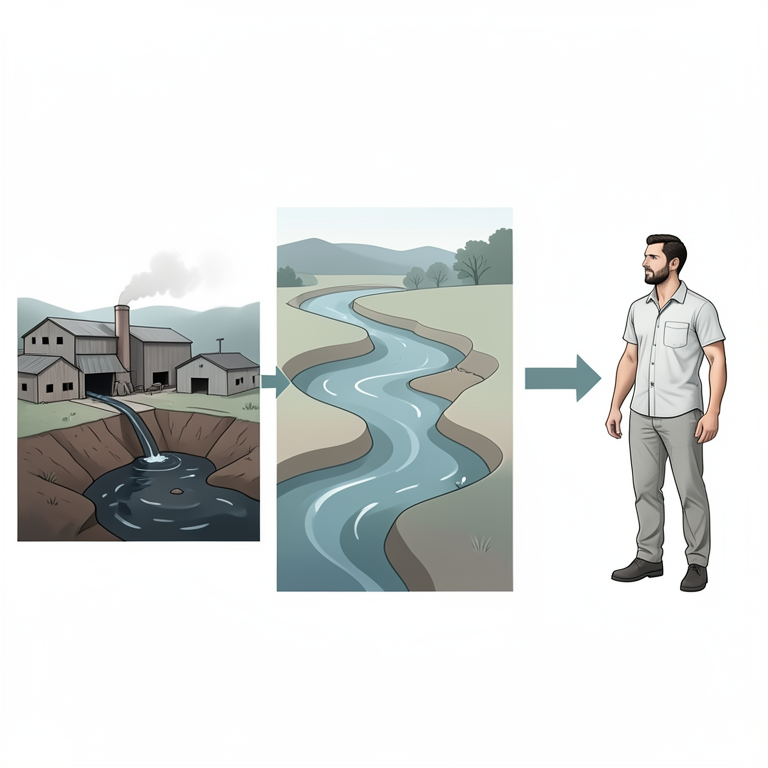
Pathway of Contamination
AI-generated conceptual illustration (Human residents of Kanpur, India). It explains the idea and does not show study data.
View source evidence ↗Figures & tables
From the original paper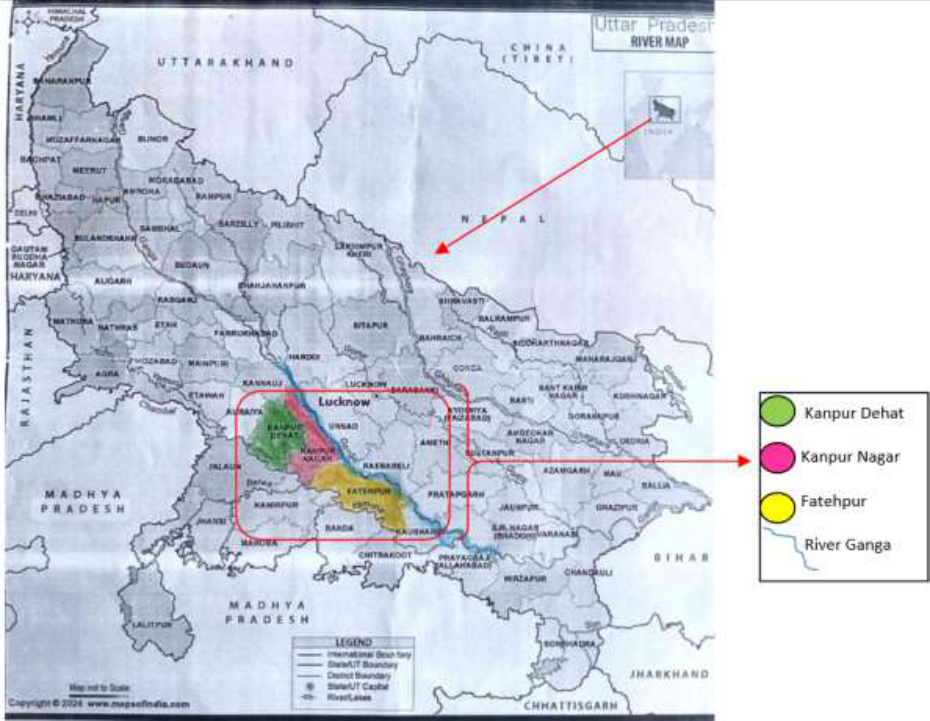 Figure 2
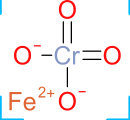 Figure 1
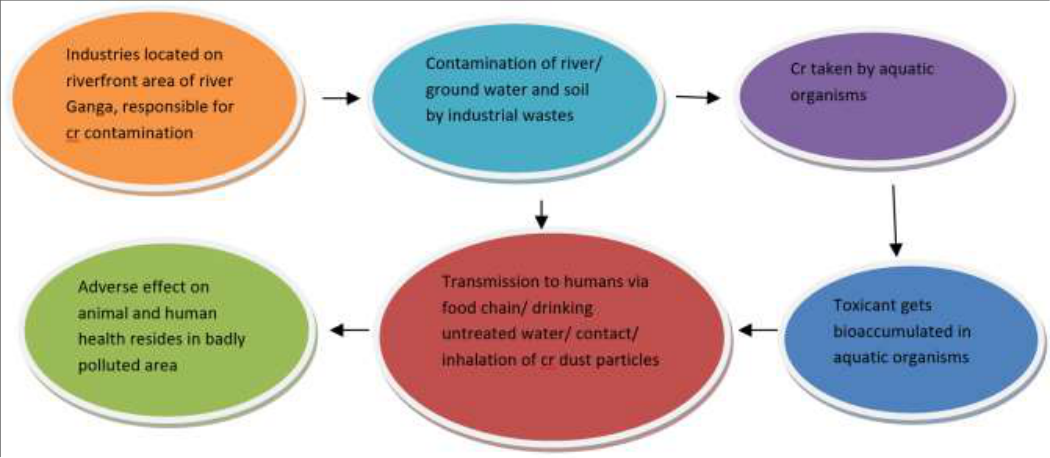 Figure 3
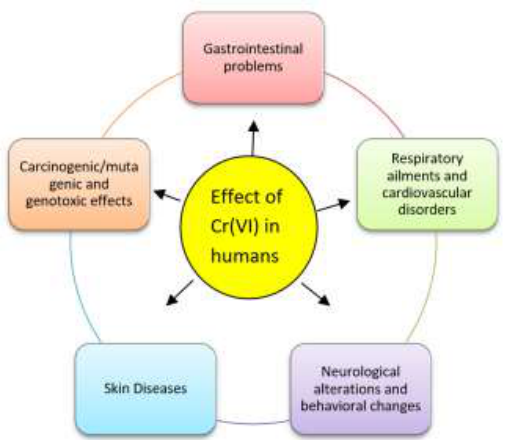 Figure 4
 Figure 5
 Figure 5
Introduction
Chromium is a chemical element, symbolized as Cr with atomic number 24. It is a steelygrey, lustrous, hard and brittle transition metal (Brandes et al., 1956) [1] . In nature, Chromium is not found in pure form, though it is very stable element. In industries, chromium is obtained and purified from Chromite ore (mostly FeCr 2 O 4; Fig. 1) to produce ferrochromium (an iron-chromium alloy), by means of aluminothermic or silicothermic reactions. Pure Chromium metal is produced by roasting and leaching process of chromite to separate it from iron, followed by reduction with carbon and aluminum subsequently (Wikipedia) [2] . In environment, the metal may be present in divalent [Cr(II)], trivalent [Cr(III)], and hexavalent [Cr(VI)] form (Bakshi and Panigrahi, 2018) [3] , while in biological system, Chromium is usually found in the [Cr(III)] form. [Cr(III)] serves as an essential element in mammals, as it plays an effective role in glucose, lipid and protein metabolism. In natural system, it is found in many foods and therefore serves as an essential dietary supplement. It might help to regulate blood sugar level by improving the way the body uses insulin, although evidences remains insufficient. Chromium metal and Cr(III) ions are considered non-toxic because of their low or poor membrane permeability, noncorrosiveness and minimal tendency to biomagnify in the food chain (Bakshi and Panigrahi, 2018) [3] . Though Cr(III) ions are considered non-toxic, chromate and its derivatives-often called hexavalent Chromium, Cr(VI) is toxic and carcinogenic (EFSA Journal, 2014) [4] . In biological system, Cr(VI) easily crosses the selective permeable membranes and, inside the cellular body, is reduced into Cr(III) form, ultimately causing moderate to severe toxicity. From recent years, chromium has emerged as one of the most common pollutants in the aquatic environment. It enters the water system through different industrial effluents drained by large or small industries such as tanneries, textiles, dyeing, electroplating, printing, photographic and medical industries etc. In the biotic system, the metal enters the body either via the respiratory system or the digestive tract. For aquatic fauna, bioaccumulation of the metal depends on several ecological factors i.e. biotic and abiotic, such as age, species type, developmental phase of the organism, acidity or alkalinity, presence or absence and the amount of dissolved salt, temperature etc., in the aquatic medium. Chromium harms the environment, leaving toxic effects on both floral and faunal life. Various research reviews have reported disturbances in hematological, biochemical, neurological and enzymatic activity, as well as behavioral changes due to severe toxicity of chromium in fishes (Khan, 2023) [5] . Environmentalists considered chromium as one of the most critical among 129 priority pollutants and one of the 14 most hazardous heavy metals. Recently, exposure to Cr(VI) has been declared as a definite carcinogen by various agencies (IARC, 1990, US EPA, 1998) [6,7] . Kanpur is a major industrial town of Uttar Pradesh, the largest northern state of India. At present, the city is facing severe industrial pollution. Numerous medium and large scale industries are currently located in the city, discharging untreated effluents-especially from tanneries-into the environment, contaminating groundwater and the River Ganga with toxic chemicals such as chromium, mercury and arsenic. This pollution poses significant health risks to the populations and damages the local ecosystem. Several reports have indicated that the level of chromium exceeds the permissible limit in various residential areas of the city (CPCB, 1996) [8] .
Chromium contamination in Kanpur
Kanpur is ninth-largest and twelfth most populous city in India. In Uttar Pradesh, it is located in the southwest-central part of the state, on the southern bank of River Ganga. It is also known as an industrial city, famous for its leather industries, and is a hub of tanneries and the industries manufacturing Basic Chromium Sulphate compound (BCSa tanning agent, used in tanneries). Kanpur has near about 5500 industries, including 75 medium and large industries such as fertilizer, detergent, chemical and paint industries. Geographically, most of them are situated along the riverside of the River Ganga. More recently, the famed city Kanpur has been declared as one of the most severely polluted cities. Approximate nine million liters of industrial effluent-mostly consisting of waste water and huge amount of sludge from tanneries-is thrown each day, much of which is dumped via illegal manner either directly into the River Ganga and or onto nearby land without treatment (GAP, 2025) [9] (Fig. 2). As per the report (worstpolluted.org 2016) [10] by Blacksmith Institute entitled "2016-World's worst pollution problem: The Toxic beneath Our Feet" the eastern region of Kanpur city features a large number of leather tanneries, many of them discharge untreated or poorly treated waste into local groundwater sources-pits, ponds and the River Ganga. Especially in Jajmau area of Kanpur city, water quality is severely deteriorating due to continuous growth of tannery industries. The waste discharged from these industries enters the water system, leading to changes in the physicochemical properties of the riverine ecology, thereby creating potential danger to the environment. In this area, about 475 different types of industries were known to operate near the banks of the River Ganga, of which at present, 70 are reportedly closed (CPCB, 2023) [11] . These tanneries tend to create high pollution and therefore pose a major threat to water quality, ecology of the river particularly to aquatic life. According to the report, rest approximate 400 tanneries alone generate about 50 MLD of waste. These pollutants contain high levels of heavy metal pollution, majorly chromium, mercury and arsenic. The main source of chromium contamination is tannery effluent, as Cr is widely used as a tanning agent in the leather industry to produce high-quality leather goods. High level of Chromium (Cr) has been reported in the Ganga water of Jajmau area in Kanpur. In the river, the minimum chromium concentration was found to be 0.087±0.046 mg/l at Ganga Barrage, and the maximum was 2.792±0.994 mg/l at Jajmau, which was found higher than the permissible limit (0.05 mg/l) (Misra, 2024) [12] . The Jajmau area considered very unsafe from an ecological perspective. Chromium was found to exceed the standard limit prescribed by BIS 10500-2012 by being almost 50 times more. In addition to tanneries, there are lots of many other large and small industries-such as dyeing industry, printing industry and storage battery manufacturing industry-also discharge their effluents directly or indirectly into the local drainage system, which finally empties into the River Ganga. It may be a significant reason for high levels of heavy metal contamination in the river at Kanpur. The river water in the industrial area is also reported to be very unsafe for domestic use. After analyzing the physicochemical parameters of the river water of Ganga, Saxena et al., (1996) [13] explained about the continuous mixing of untreated sewage and industrial effluent causes extreme pollution in river, which adversely affects the health of the river, its aquatic life, and ultimately generates harmful effects on human health due to ingestion (Fig. 3). In December 2024, a report published in Down to Earth claimed that the continuous mixing of both partially or untreated industrial effluents and excessive heavy metals laden runoff water from agricultural land also contribute to high pollution in River Ganga of Kanpur's Jajmau area. Not only is the river Ganga affected by water pollution, but ground water chromium pollution has also been reported in several areas of Kanpur including Panki Industrial area, Wajidpur, Juhi, Afeem Kothi, Anwarganj, Sisamau, Gola ghat, Nauraiya Kheda, Khanchandpur and Rania Industrial area of Kanpur Dehat (NGT Report, 2020) [15] . According [16] .
Similar situation exists at another site, Nauraiya Kheda, Kanpur where a huge amount of toxic sludge was deposited by an old chemical plant. This dump serves as a major source for chromium contamination and poses severe threat to human health. Inside the sludge due to various chemical reactions, methane gas is produced and trapped in large or small amount, which catches fire during the hot summer season thus releasing harmful toxins into the air. Dust particles blown from the dry sludge, along with hot winds, carry chromium and other toxin particles into the air causing harmful effects when inhaled. During the Monsoon season, by the process of precipitation, infiltration, leaching and percolation of rainwater, chromium from the sludge reaches the river, subsoil and groundwater-the primary source of drinking water for the surrounding community. A report by CPCB (1997) [17] on the groundwater quality in Kanpur revealed the presence of Cr(VI) concentration of 6.2 mg/l, while the Government of India indicates the maximum limit for public consumption is 0.05 mg/l (250 times higher). In Fatehpur (near Baniya Kheda Road) a huge amount of chromium and ash deposits was found on agricultural land. This ultimately results in the powdery layering of toxin on the surface of edible yields, leading to harmful effect on consumer health. The heavy chromium contamination in soil is due to various anthropogenic activities through dumping of Chromiumbearing wastes as industrial sludge, Chromium by-products, ferrochromium slag and Chromium plating bath residues etc.
Current status: Impact of chromium pollution in residents
According to a recent report published in Down to Earth (2024), the abiotic components of environment (water, soil and wind) in the industrial areas of Kanpur and adjacent districts are fully loaded with heavy metals. Traces of these hazardous metals have also been found to exist in the bodies of people exposed to pollution. People residing in those areas are suffering from moderate to serious illness.
According to an interim official report by the National Green tribunal, the situation in the industrial areas of Kanpur and nearby districts has worsened due to heavy pollution (Down to Earth, 2024) [14] (Fig. 2). The common exposure pathways to humans are ingestion, inhalation or dermal contact. Metal entering the body via food chain may lead to severe gastrointestinal problems due to intake of contaminated edibles or drinks. While Inhaling polluted dust along with air causes respiratory ailments. Other symptoms associated with chromium toxicity include the appearance of neurological disorders, behavioral changes, skin diseases and several physiological abnormalities such as hypertension, intermittent or sporadic fever, renal impairment, testicular necrosis, muscular spasms and destruction of red blood cells (Bhattacharya et al., 2006) [18] . A study report (Rastogi et al., 2008) [19] revealed high occurrence of morbidity due to respiratory illness among chromium-exposed workers employed in tanneries. In addition, Cr(VI) is a well-defined carcinogen, and depending on the route, quantity, duration and frequency of exposure, it can increase the risk of various type of cancer (Fig. 4). In a cross-sectional study, Sharma et al., (2012) [20] reported high occurrence of health complaints such as disturbed hematological profile and pulmonary function impairments among inhabitants from Cr(VI) contaminated areas of Kanpur. The prevalence of other clinical abnormalitiesmajorly abdominal discomfort, anorexia, diarrhea, elevated RBCs and lowered platelet counts, as well as skin inflammation or dermatitis-has also been reported in local residents.
As per report (Down to Earth, 2024) [14] , based on a health examination, conducted in Jajmau industrial area, out of total 992 people, 530 were suffering from skin diseases, 42 from lung diseases and 120 from liver diseases. In another survey conducted in Panki industrial area, out of 93 people examined, 2 patients were suffering from skin diseases, 2 from liver diseases while 5 exhibited the symptoms of hypertension. To check the health and fitness status of inhabitant's of badly affected area, three health camps were organized by the Department of Health, Kanpur, in Rakhi Mandi, Nauraiya Kheda and Acid Mill campus area of Kanpur, respectively. According to that analytical report, chromium and mercury traces were found in blood samples of heavily exposed individuals residing there. Cases of skin diseases (Fig. 5), lung disorders, disturbances in liver function, mental health problems and asthma are frequently observed among local residents. drinking water supply of Kanpur Nagar, Kanpur Dehat and Fatehpur districts in Uttar Pradesh. The tribunal also raised serious issues regarding the level of contamination and its impact on public health. To address the environmental health issues faced by people living in severely affected areas, the NGT (January, 2025) ordered the Government of Uttar Pradesh to implement precautionary measures. In accordance with the NGT's directions, medical check-ups were conducted by the Health Department of Uttar Pradesh. The results suggest that residents are suffering from medical conditions ranging from respiratory ailments to neurological disorders.
During the monsoon season, pits on the ground turn into poisonous ponds due to the mixing of rainwater with chromium present in the soil at many locations in Kanpur Nagar, Kanpur Dehat and Fatehpur. The fauna of these localities also face serious health issues due to consumption of contaminated water.
According to a recent report (Hindustan Times 3 July 2025), thousands of metric tons of chromium were dumped by factories in the villages over the years, polluting not only the soil but also the groundwater. Due to this contamination, the villagers started suffering from severe stomach ailments and the matter came to light. The NGT took cognizance of this matter seriously and has demanded from UP Government to impose heavy and strict punishment to the factories, as well as to provide immediate medical aid to sufferers.
As per a report published by India Today on 4 July 2025, residents of the affected regions of the city are suffering from severe health issues, however only 7000 people have undergone medical testing so far. Though, considering the size of the population at risk, this figure is grossly inadequate. Dainik Jagran, the best-selling Hindi newspaper, published an exclusive worrying article titled "Tannery waste is making people sick" (4 July 2025). It explained that chromium used in leather industries has now been detected above the permissible limit in the blood of peoples residing in Kanpur and adjacent districts. Heavy metal mercury is also found to be exceeding beyond the permissible limit. These results were exposed in the blood test from the blood samples of the residents of affected regions during health examinations conducted by Health Department, Uttar Pradesh. A total of 6757 peoples of eight severely affected areas-including Panki Industrial area, Rakhi Mandi, Nauriya Kheda, Acid mill Campus, Anwarganj, Golaghat and Jajmau-were examined for their health condition. Blood tests of only 391 people were conducted in the area. Reports of 157 persons have been confirmed to contain chromium level above limit (livehindustan.com). From Kanpur Dehat (covering three villages including Khanchandpur) health checkup of 1167 people have done besides that blood samples were collected from 132. All of them were found to be positive for chromium toxicity. In Fatehpur district, health examination (479 people) in Ashapur, Baniya Kheda, Abhaypur and badly affected village Godharauli was conducted and blood samples were collected from 49 people. From these 47 revealed Chromium and 3 exhibit mercury in their blood above the permissible limit. In general, the maximum safe limit for human blood is considered as 1.4 µg/ l for chromium and 20 µg/ l for mercury as suggested by medical experts.
Conclusion
In the current scenario, the city of industries "Kanpur", has been converted into a dumping ground for disposal of industrial wastes. Many of the tanneries discharge their waste into the environment, mostly in the form of liquid effluents containing hazardous toxic chemicals such as chromium (Cr), cadmium (Cd), arsenic (As), mercury (Hg), nickel (Ni), lead (Pb), sulphides, various harmful salts, dyes, acids and methane. Currently, approximate 80-90% of tanneries use chromium as a tanning agent to produce good quality leather. Of this, only 50-70% is consumed, while the rest is discharged as waste either into River Ganga-posing severe threats to fish health or illegally dumped into deep borings and open lands, ultimately contaminating groundwater as well as soil. This pollution leads to an adverse impact on human health through direct ingestion of water or via food chain. As per recent report published by NGT, moderate to serious illness can be observed among people residing in heavily affected areas of Kanpur City, Kanpur Dehat and Fatehpur district. Regarding the issue of chromium dumps and its adverse effect on the human health, the green body has been considering the supply of potable water for drinking and other purposes to the residents of the affected regions. Emergent steps including awareness and medical facilities are required to be taken to remediate the problem being faced by the residents. Serious efforts are lacking in this direction. Authorities should be sensitive to the need and the problems of residents of these areas; they should take immediate, effective and remedial measures.
Acknowledgement
AcknowledgementDr. Alka Misra expresses her heartfelt gratitude to Dr. Akanksha Srivastava for her kind support, guidance and contribution in shaping the manuscript. Dr. Misra also wishes to convey her sincere thanks to Principal, Dr. Rajesh Srivastava and Library In-Charge, Dr. Pankaj Kumar Singh, DSN PG College, Unnao, for providing the necessary facilities regarding reference material published in Articles, Journals, Newspapers etc. during the preparation of manuscript.
References
22 in the original paper- Brandes EA, Greenaway HT, Stone HEN. Ductility in chromium. Nature. 1956;178(4533):587.
- Bakshi A, Panigrahi A. A comprehensive review on chromium induced alterations in freshwater fishes. Toxicol Rep. 2018;5:440-447.
- EFSA Journal. Scientific opinion on dietary reference values for chromium. EFSA J. 2014;3485. Published 18 September 2014.
- Khan M. Toxicity responses on the fish behaviour and morphological changes of chromium chloride in Heteropneustes fossilis. Indian J Multidiscip Res. 2023;5(2):1-6.
- United States Environmental Protection Agency (US EPA). Toxicological review of hexavalent chromium. Integrated risk information system. Cincinnati (OH): Office of Health and Environment Assessment, US EPA; 1998. Available from: http://www.epa.gov/iris
- Central Pollution Control Board (CPCB). Groundwater quality in Kanpur: Status, sources and control measures. Delhi: CPCB; 1996.
- Ganga Action Parivar (GAP). Industrial waste management; 2025. Available from: https://www.google.com
- Worstpolluted.org. World's worst pollution problem: The toxic beneath our feet. 2016.
- Central Pollution Control Board (CPCB). Mapping of pollution sources and their impact on River Ganga. Delhi: CPCB; 2023 Jul 21.
- Misra A. Impact of industrial pollution on river Ganga in Jajmau area of Kanpur city, Uttar Pradesh: A review. Akshara Multidiscip Res J. 2024;3:10-12.
- Saxena KL, Chakraborty RN, Khan RN, Chattopadhya SN, Chandra H. Pollution studies of River Ganga near Kanpur. Indian J Environ Health. 1996;8:270.
- Down to Earth. Poison in Kanpur: Report calls situation in city, surrounding districts an "emergency" with chromium and mercury having entered residents' bodies. 2024 Dec 13.
- National Green Tribunal (NGT). Report of the oversight committee. Lucknow (UP): NGT; 2020 May 16.
- Kumar V, Sahu P, Singh R, Gupta A, Singh PK. Statistical analysis and profiling of chromium leaching characteristics in Basic Chrome Sulphate (BCS) sludge dumping at Khanchandpur-Rania district Kanpur Dehat, Uttar Pradesh (India). J Hazard Mater Adv. 2023;9:100231.
- Central Pollution Control Board (CPCB). Report on groundwater quality in Kanpur: Status, sources and control measures, 1996-97. Delhi: CPCB; c1997, p. 1, 4-5. 18. Bhattacharya AK, Mandal SN, Das SK. Bioaccumulation of chromium and cadmium in commercially edible fishes of Gangetic West Bengal. Trends Appl Sci Res. 2006;1(5):511-517.
- Rastogi SK, Pandey A, Tripathi S. Occupational health risks among the workers employed in leather tanneries at Kanpur. Indian J Occup Environ Med. 2008;12(3):132-135.
- Sharma P, Bihari V, Agarwal SK, Verma V, Keshavachandran CN, Pangtey BS, et al. Groundwater contaminated with chromium [Cr(VI)]: A health survey and clinical examination of community inhabitants (Kanpur, India). PLoS One. 2012;7(10):e47877.
- National Green Tribunal (NGT). NGT probe: Toxic metals from Kanpur tanneries causing brain, lung problems in residents. 2025 Jan 30.
- Hindustan. कानपु र प्रद ू षण: लोगों के शरीर में ममला तय मानक से अमिक क्रोममयम. 2025 Jul 3.
- India Today. Green Tribunal flags mercury, chromium in drinking water supply to three UP districts. 2025 Jul 4.
- Dainik Jagran. कानपु र के लोगों के खू न में ममला क्रोममयम: टे नरी का कचरा कर रहा बीमार. 2025 Jul 4.
- Live Hindustan. New report has come out on danger of pollution from leather industry in Kanpur: Chromium found in blood of 157 people. 2025 Jul 5.