
Research article · 2025 · Full text
International Journal of Biology SciencesMonkeypox: A resurgent zoonotic threat in the post-pandemic era
Volume 7(8) · Pages 16–25 · DOI: 10.33545/26649926.2025.v7.i8a.435 ↗
Research areasPoxvirus research and outbreaksZoonotic diseases and public healthBacillus and Francisella bacterial research
Abstract
Author-writtenMonkeypox (mpox), once considered a rare zoonotic infection limited to parts of Africa, has re-emerged over the past few years as a significant global health concern. Since the 2022 outbreak, cases have been reported in over 100 countries, with both Clade I and Clade II viruses contributing to sustained human transmission. The disease, caused by the monkeypox virus (MPXV), has drawn attention not only for its clinical resemblance to smallpox but also for its potential to spread through close contact and cause complications in vulnerable groups. This review highlights the evolving epidemiology, clinical features, and phylogeny of the virus, along with current strategies for diagnosis, prevention, treatment, and vaccination efforts, antiviral options, and global surveillance challenges. With over 140,000 confirmed cases worldwide as of mid-2025, mpox has exposed gaps in outbreak preparedness, vaccine equity, and public health coordination. Addressing these issues through a One Health approach and integrated global action is key to containing mpox and preventing future zoonotic threats.
Summary
Source-checkedPlain-language reading of the full paper, prepared with AI and checked against the text. Each point links to the authors' own words.
Why it matters
- Mpox has transitioned from a rare zoonotic infection restricted to Africa to a major global health threat. View evidence ↗
- The end of routine smallpox vaccination in the 1980s has left much of the global population without cross-protective immunity to Orthopoxviruses like mpox. View evidence ↗
- Environmental factors, including deforestation, urbanization, and increased global travel, have increased human exposure to infected animal reservoirs. View evidence ↗
The question
- The authors aim to provide a comprehensive review of mpox, focusing on its phylogeny, epidemiology, clinical presentation, and current global management strategies. View evidence ↗
What they did
- The paper is a review that synthesizes existing literature and reports from health organizations like the WHO and CDC. View evidence ↗
What they found
- From January 2022 to March 2025, the WHO recorded approximately 137,892 confirmed cases and 315 to 343 deaths across 127 countries. View evidence ↗
- Clade I (Congo Basin) is more severe than Clade II (West African), with a case fatality rate of approximately 10.6% compared to 3.6%. View evidence ↗
- The global outbreak occurring between 2022 and 2025 was primarily caused by Clade IIb, also known as human MPXV. View evidence ↗
- In a study of 338 cases in the DRC during the 1980s, 72.5% of infections were animal-sourced and 27.5% were human-to-human. View evidence ↗
- The incubation period for mpox typically lasts between 5 and 21 days. View evidence ↗
- Historical data suggests that the smallpox vaccine provides approximately 85% effectiveness in preventing mpox infection. View evidence ↗
- JYNNEOS is the preferred vaccine for controlling outbreaks in most non-endemic regions. View evidence ↗
- Tecovirimat (TPOXX) is a promising treatment for mpox that works by inhibiting the VP37 envelope protein. View evidence ↗
What it means
- The authors conclude that a 'One Health' approach and integrated global action are essential to contain mpox and prevent future zoonotic threats. View evidence ↗
- The authors identify a need for more research on asymptomatic transmission, vaccine durability, broad-spectrum antivirals, and scalable diagnostics for low-resource areas. View evidence ↗
Visual summary
1 visualsIllustrations explain the paper; they do not show study data.
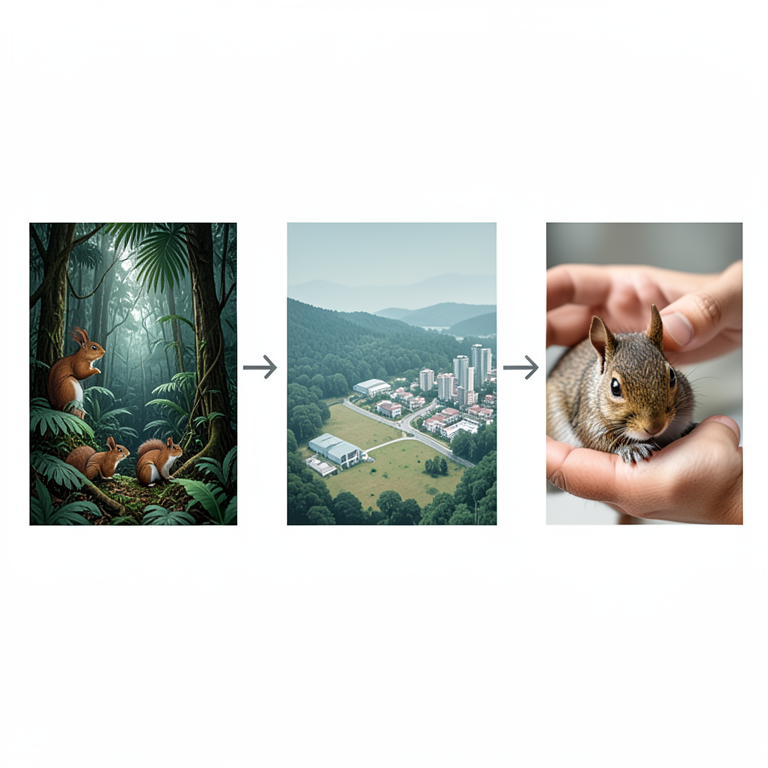
Drivers of Zoonotic Spillover
AI-generated conceptual illustration (African squirrels and humans in a fragmented forest landscape). It explains the idea and does not show study data.
View source evidence ↗Figures & tables
From the original paper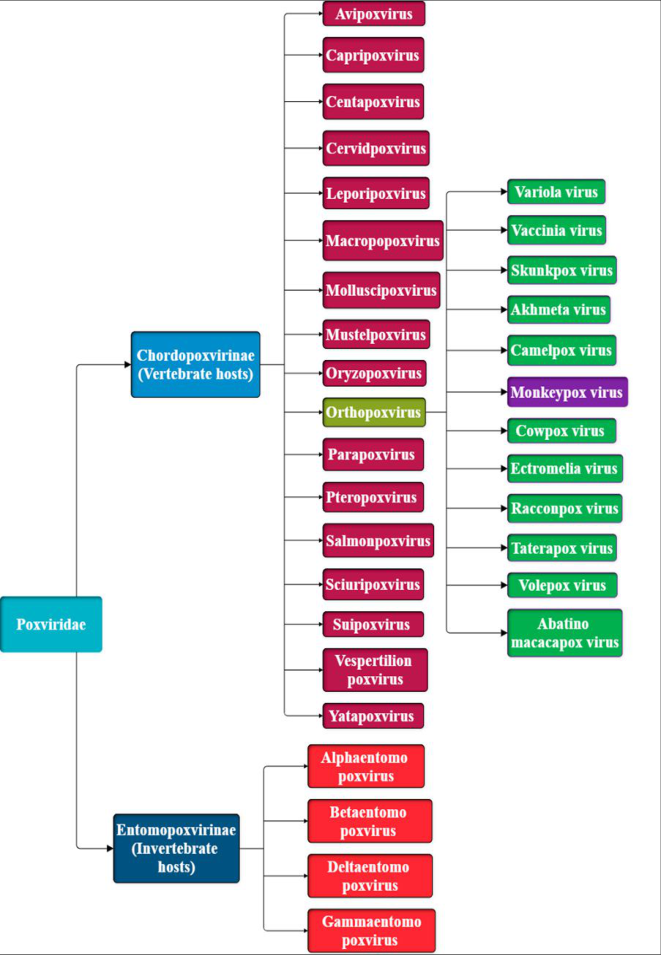 Figure 1
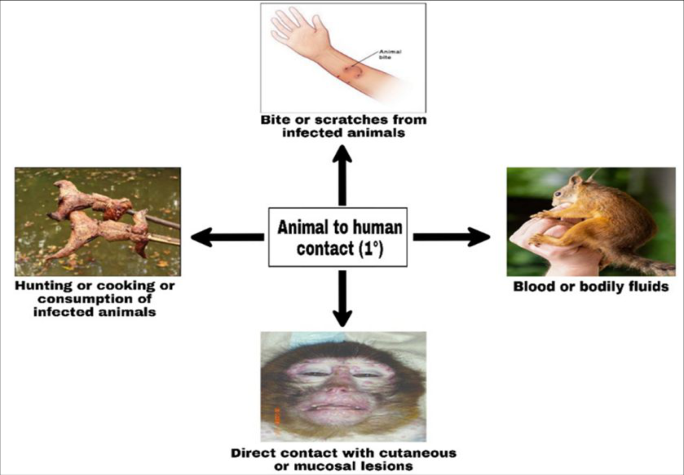 Figure 2
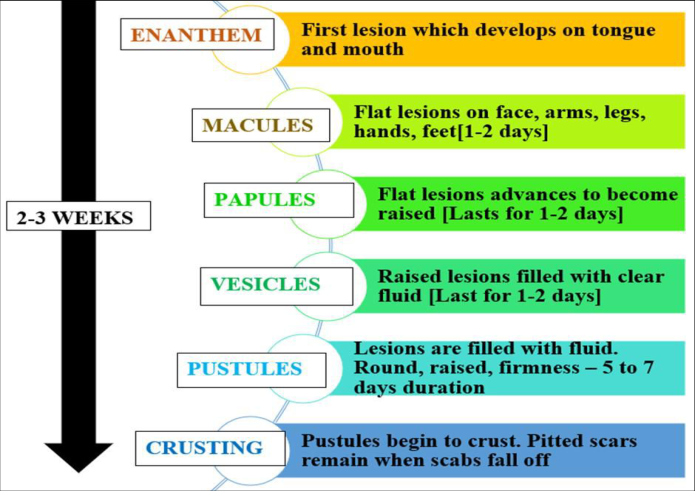 Figure 3
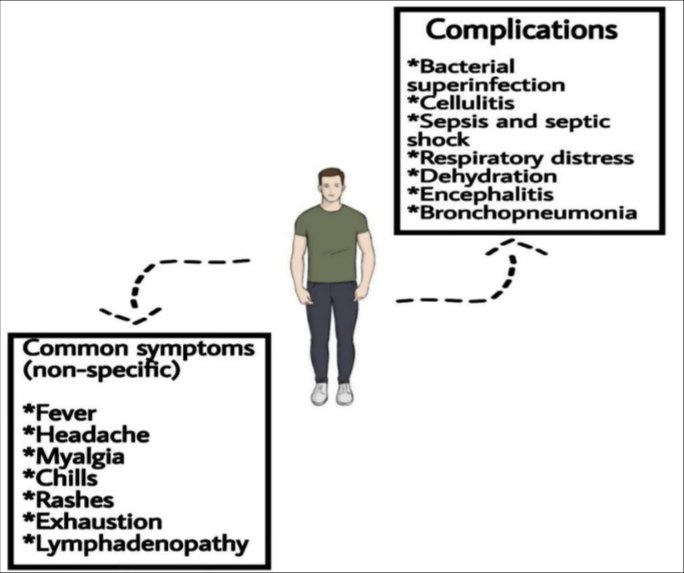 Figure 4
Introduction
The global outbreak of monkeypox in 2022, now officially referred to as mpox by the World Health Organization (WHO), brought renewed attention to a once-neglected zoonotic disease. This outbreak extended well beyond the historically endemic regions of Central and West Africa, leading to confirmed cases in over 100 countries across all inhabited continents and triggering widespread concern among public health authorities [17,66,73] . Mpox is a zoonotic infection caused by the monkeypox virus (MPXV), a double-stranded DNA virus classified under the genus Orthopoxvirus within the family Poxviridae [70] . It was first isolated in 1958 from cynomolgus monkeys used in research in Denmark [67] , and the first human case was identified in 1970 in the Democratic Republic of Congo [51] . Mpox was once considered a rare, self-limiting infection, but this perception has shifted [65] . In the past several decades, sporadic outbreaks have been increasingly reported, both within endemic African regions and in non-endemic countries, often linked to the international trade of exotic pets or human travel. A notable example was the 2003 U.S. outbreak caused by imported rodents from Ghana, which infected pet prairie dogs and subsequently humans [29,58] . The increased frequency of outbreaks over the last 40 years is thought to result from a combination of factors. One of the most significant is the global cessation of smallpox vaccination, which previously conferred cross-protection against mpox [5,60] . As a result, a large proportion of the global population, particularly those born after the 1980s, lacks immunity to Orthopoxviruses. Other contributing elements include rising human population density, urbanization, climate change, environmental encroachment into wildlife habitats (e.g., deforestation), and increased international mobility, all of which enhance human exposure to infected animals [27,42] . The world was still recovering from the COVID-19 pandemic when mpox emerged as another threat with pandemic potential. Although human-to-human transmission of mpox is generally less efficient, clusters of infections, especially among close contacts, have shown the virus's ability to spread within specific communities, including vulnerable groups like children, immunocompromised patients, and pregnant women [64,68] .
Moreover, due to its genetic relation to smallpox, effective vaccines and antiviral options are available, though their global access and deployment remain uneven [43] . Between January 1, 2022, and March 31, 2025, the WHO reported approximately 137,892 confirmed mpox cases across 127 countries, including 315 to 343 deaths [76] . In response to the resurgence of clade I (Ia/Ib) viruses, particularly in the Democratic Republic of the Congo, the WHO declared a new Public Health Emergency of International Concern (PHEIC) in October 2024 [75] . According to the 53rd WHO multi-country outbreak report released in May 2025, clade I continues to circulate in Central and Eastern Africa, while clade II remains active in 122 countries, underscoring the ongoing global threat. Recent CDC updates (June-July 2025) also highlight travelassociated cases involving clade I and II viruses, including imported infections in India, Australia, and Pakistan. In the United States, the majority of clade II mpox infections have occurred among unvaccinated or partially vaccinated individuals, despite the availability of the JYNNEOS vaccine [10] . As the epidemiology of mpox continues to evolve, robust surveillance and early detection systems are essential tools to track transmission patterns and prepare for potential surges. With continued sporadic outbreaks reported into 2024 and 2025, healthcare professionals must stay updated on the clinical management, prophylaxis, and infection control practices for mpox [7,11,66] . A coordinated global response will be key not just to containing this disease, but to integrating it into broader frameworks for pandemic preparedness and One Health surveillance. This review provides a comprehensive overview of the monkeypox virus with particular focus on its zoonotic importance, evolving epidemiology, and implications for global health security.
History of MPOX
The monkeypox virus (MPXV) was first identified in 1958, when outbreaks of a pox-like illness were observed among captive monkeys used for research in Denmark. However, its relevance as a human pathogen wasn't recognized until 1970, when the first confirmed human case was diagnosed in a 9-month-old child in the Democratic Republic of the Congo (then Zaire). The child, initially suspected to have smallpox, tested positive for MPXV marking the beginning of documented human mpox cases [51,67] . Significant outbreaks followed in Central Africa. One of the earliest large-scale events occurred between February 1996 and May 1997, involving over 170 suspected cases across 13 villages in Katako-Kombe, DRC [14] . This outbreak was characterized by frequent human-to-human transmission, with epidemiological investigations estimating that more than 70% of cases were likely acquired through contact with infected individuals rather than animals [39,74] . The disease gained international attention on May 24, 2003, when mpox was identified in the United States for the first time. A 3-year-old girl in Wisconsin developed fever and cellulitis after being bitten by a pet prairie dog. Subsequent investigations linked the case to a shipment of African rodents imported from Ghana, which had been housed with the infected prairie dog. The outbreak ultimately affected 47 confirmed human cases across six U.S. states, Illinois, Indiana, Kansas, Missouri, Ohio, and Wisconsin and was attributed to animal-to-human transmission via contact with exotic pets [8,58,62,70] .
After sporadic reports in the 2000s, a major resurgence occurred in Nigeria in 2017, where more than 200 confirmed and suspected cases were reported. This marked the largest outbreak in West Africa since the 1970s and demonstrated both zoonotic and human-to-human transmission pathways [73,77] . The global landscape shifted dramatically in May 2022, when an imported case of mpox was detected in the United Kingdom in a traveler returning from Nigeria. Within weeks, mpox was reported in multiple non-endemic countries across Europe, the Americas, and Asia. On July 23, 2022, the World Health Organization officially declared the outbreak a Public Health Emergency of International Concern (PHEIC) its highest level of alert [73] . By October 2022, more than 90 non-endemic countries had reported cases, with 77,000+ confirmed infections and several related deaths [59] . The situation continued to evolve through 2023 and 2024, with cases becoming sporadic but persistent in certain regions. In October 2024, the WHO declared a second PHEIC, this time focused on the Democratic Republic of the Congo, due to a large outbreak involving the more virulent Clade I (formerly Congo Basin lineage). This clade was responsible for sustained transmission and increased mortality, prompting urgent global attention [71] . As of March 31, 2025, WHO reports indicate that over 137,000 confirmed cases of mpox have been recorded worldwide since 2022, across 127 countries, with 315 to 343 reported deaths. The 53rd WHO situation report (May 2025) notes continued Clade II activity globally, alongside Clade I endemic transmission in Central and Eastern Africa, reinforcing mpox's status as a resurgent zoonotic threat with pandemic potential [9,10,72] .
Phylogeny of MPOX Virus
The monkeypox virus (MPXV) is a member of the genus Orthopoxvirus in the family Poxviridae, which includes several other notable viruses like variola virus (the cause of smallpox), cowpox virus, and vaccinia virus. All members of this genus are large, double-stranded DNA viruses that infect a wide range of vertebrate hosts, including mammals, birds, reptiles, and insects [34,48] . MPXV is part of the Chordopoxvirinae subfamily and has evolved a broad host range, allowing it to persist in wild animal populations, particularly rodents and occasionally spill over into humans [66] . A defining feature of Orthopoxviruses is their strong immunological crossreactivity: infection or vaccination with one virus in the group often provides some degree of protection against others [18,64] . Monkeypox virus (MPXV) has a wide range of potential host organisms, which has allowed it to circulate in wild animals for a prolonged period of time while sporadically causing human disease through spill-over events [66] . Orthopoxviruses (OPXV) exhibit immunological crossreactivity and cross-protection, and infection with any member of the genus confers some protection from infection with any other members of the same genus [18,63] . Under electron microscopy, MPXV appears as a brickshaped or ovoid particle, measuring around 200-250 nm in size. Its surface is covered with tubular filaments, and it contains a characteristic biconcave core [65] . The MPXV genome is a linear, double-stranded DNA molecule of ~197 kilobases, encoding approximately 200 genes. Core "housekeeping" genes are located centrally in the genome and are well conserved across Orthopoxviruses, while genes involved in host interaction and immune evasion are found near the terminal regions and tend to be more variable [28,78] . Phylogenetic studies have shown that MPXV exists in two major genetic clades, each with distinct geographic and clinical features: Clade I (previously called the Congo Basin clade), which is more virulent and transmissible Clade II (West African clade), further subdivided into Clade IIa and Clade IIb, which are less severe in humans [30,44] .
The strain responsible for the 2022-2025 global outbreak is classified as Clade IIb, sometimes referred to as human MPXV (hMPXV). Genomic surveillance shows that this sub-lineage likely diverged from West African strains but has acquired adaptations favouring increased human-tohuman transmission [66,75] . Importantly, many of the genes in the MPXV genome are non-essential for viral replication in vitro but play crucial roles in modulating host immune responses in vivo, often acting as virulence factors [28,48] . The virus replicates entirely in the cytoplasm of host cells, an unusual trait for DNA viruses, using complex viral machinery to complete its life cycle [48] . Entry into host cells is facilitated by interactions between the viral envelope and glycosaminoglycans (GAGs) on the host cell surface, although the exact receptors remain partially undefined [21,48] . Once inside, the virus produces both intracellular mature virions (IMVs) and extracellular enveloped virions (EEVs), enabling efficient spread within and between hosts. There is some evolutionary evidence suggesting that variola virus (smallpox) may have originated from a rodent poxvirus several thousand years ago, highlighting the longstanding potential of Orthopoxviruses to adapt and emerge as human pathogens [16] . With global smallpox vaccination discontinued in the 1980s, a large segment of the population now lacks pre-existing immunity to these viruses, increasing vulnerability to infections like mpox [60,63] . This genetic plasticity, combined with increased human-animal interaction, underscores the risk of future adaptive mutations that could enhance the transmissibility or severity of MPXV in humans.
Epidemiology and Pathogenesis
Mpox was first identified in 1958, when an outbreak of a pox-like illness occurred among captive Asian monkeys (Macaca fascicularis) transported from Singapore to a research facility in Copenhagen, Denmark [54] . Although the name suggests a primate origin, the actual reservoir hosts are believed to be African rodents. Today, mpox is considered a zoonotic disease endemic to forested regions of Central and West Africa, with intermittent outbreaks among humans [19] . Phylogenetic and epidemiologic studies have identified two genetically distinct clades of MPXV: the West African clade and the Congo Basin (Central African) clade. These clades differ in both severity and transmissibility. The Congo Basin clade (now known as Clade I) has a higher case fatality rate (CFR) of approximately 10.6%, while the West African lineage (Clade II) generally causes milder disease with a CFR around 3.6% [11] . Initial attempts to understand mpox pathogenesis date back to 1969. A major challenge in studying disease progression has been the lack of suitable animal models that accurately mimic human infection. Common laboratory animals like guinea pigs and hamsters are often non-susceptible or fail to reproduce the full clinical spectrum [2,31,37] . MPXV is believed to be stable on surfaces (fomites), and only a low infectious dose may be needed to cause disease. A retrospective analysis of 338 mpox cases in the DRC during the 1980s found that 72.5% of infections were traced to animal sources, while the remaining 27.5% likely resulted from human-to-human transmission [38] . However, sustained person-to-person transmission has historically been limited. Seroprevalence surveys suggest that up to 28% of infected individuals may be asymptomatic, potentially contributing to occasional silent spread [28,55] . Risk factors for transmission include close physical contact, such as sleeping in the same bed or sharing utensils. Respiratory droplets may also play a role in transmission during prolonged face-to-face contact [6,38,52] . Vertical transmission from mother to foetus has been reported, leading to congenital infections. Although close physical contact is a clear route of transmission, the possibility of sexual transmission remains under investigation [73] . Environmental risk factors, such as sleeping on the ground, bushmeat hunting, and living near forests, also increase the risk of animal-to-human transmission [22,25,40] . Animal-to-human transmission usually occurs via direct contact with infected animals or their bodily fluids, including saliva, respiratory secretions, and skin or mucosal lesion exudates. Viral shedding in faeces may also contribute to environmental contamination [36] . In regions with limited food access, hunting and consumption of small mammals have been implicated as a major risk factor [36] . MPXV enters the human body through oropharyngeal, nasopharyngeal, or intradermal routes, where it initially replicates at the inoculation site and then spreads to local lymph nodes [37] . After an incubation period of 1 to 3 weeks, early symptoms appear, including fever, chills, sore throat, backache, headache, malaise, and lymphadenopathy [15,70] . These are followed by the appearance of a rash, typically on the face and extremities. The lesions progress from macules to papules, vesicles, pustules, and finally scabs, which resolve in 2-4 weeks [6] . Histologically, lesions are characterized by acanthosis (epidermal thickening), necrosis, spongiosis, and inflammatory cell infiltration. Blister formation and degeneration of infected cells are common features [69] . Complications can include secondary bacterial infections, bronchopneumonia, sepsis, encephalitis, and ocular involvement, which may lead to blindness and corneal scarring. The most frequent long-term outcome is pitted scarring at the site of healed lesions [47] . Severe disease is more frequently observed in young children, immunocompromised individuals, and pregnant women, who are more susceptible to pneumonia, pharyngeal abscesses, and encephalitis [68] . Patients remain infectious until all lesions have crusted and scabs have fallen off, revealing a new layer of skin. The case fatality rate for mpox is estimated to range from 0% to 11%, depending on clade, access to healthcare, and host factors [5,73] .
Fig 2: Transmission pathways of the monkeypox virus
Fig 2: Transmission pathways of the monkeypox virus
Clinical Features
The clinical presentation of mpox closely resembles a milder form of variola virus infection (smallpox), although with some distinguishing features [41] . It can affect both adults and children, and typically progresses through three distinct phases: the incubation, prodromal, and eruptive (skin lesion) stages [15,35,39,47,55] .
Incubation Phase
The incubation period ranges from 5 to 21 days, during which the virus replicates without causing symptoms [24,30,73] .
Promodoral Phase
The incubation period ranges from 5 to 21 days, during which the virus replicates without causing symptoms. This is followed by the prodromal phase, usually lasting 1 to 5 days, characterized by nonspecific systemic symptoms suchas fever, headache, chills, sore throat, myalgia, and pronounced fatigue. A defining clinical hallmark is lymphadenopathy, which occurs early and may be unilateral or bilateral, affecting cervical, axillary, or inguinal lymph nodes [1,32,50,56] . This feature is particularly important in differentiating mpox from diseases with similar rash patterns, such as varicella or measles.
Eruptive Phase
A rash typically appears within one to three days after fever onset. It follows a centrifugal distribution, beginning on the face or oral mucosa and spreading to the extremities, trunk, palms, and soles. Lesions evolve in a synchronous progression from macules to papules, vesicles, pustules, and finally crusts that slough off over a two to four-week period, often leaving behind pitted or depigmented scars [2,30,50] . In some cases, lesions may appear at different stages simultaneously within the same area, deviating from the classic uniform rash pattern [55] .
Systemic Findings and Complications
Although generally self-limiting, mpox can lead to complications requiring hospitalization. These may include mucosal ulcers, dysphagia, nausea, vomiting, and adenopathy. Laboratory abnormalities frequently observed include elevated transaminases, hypoalbuminemia, low blood urea nitrogen, leucocytosis, and thrombocytopenia [35,49,56,77] . More severe outcomes such as secondary bacterial infections, bronchopneumonia, sepsis, encephalitis, and ocular complications (e.g., keratitis, corneal ulceration) may occur, particularly in immunocompromised individuals and children. Permanent pitted scarring is the most common long-term sequela [47,68] . Patients remain infectious from symptom onset until all lesions have crusted, scabs have fallen off, and new skin has formed [73] .
Clinical Features in Animals
In the 2003 U.S. outbreak, infected prairie dogs presented with signs including respiratory distress, cough, fever, conjunctivitis, inappetence, and skin lesions. Similar symptoms were also observed in infected non-human primates, helping establish animal models for research and zoonotic surveillance [8] .
Diagnosis
The diagnosis of monkeypox relies on careful clinical evaluation and a detailed history. Clinicians should inquire about risk factors such as recent travel to endemic areas, contact with wild animals or exotic pets, and close contact with known monkeypox cases. Characteristic clinical features (like fever, rash, and lymphadenopathy) should raise suspicion, but definitive diagnosis is made via laboratory testing, typically by detecting viral DNA using a polymerase chain reaction (PCR) assay on lesion samples [64] . A high index of suspicion is especially important given the atypical presentations observed in the 2022 outbreak, for example, some patients presented with genital or anal lesions and minimal prodromal symptoms, which differ from the classic monkeypox presentation seen in prior endemic outbreaks. When evaluating an acute rash illness with nonspecific symptoms (fever, headache, muscle aches, fatigue, etc.), monkeypox should be included in the differential diagnosis alongside diseases like chickenpox, measles, and other vesicular rashes. One distinguishing feature of monkeypox is the presence of lymphadenopathy (swollen lymph nodes) during the early prodromal stage, which is not typically seen in varicella (chickenpox) or variola (smallpox) infections [47] . Noting this finding can aid in clinical differentiation of monkeypox from other rashcausing illnesses.
Prevention and Control Isolation and Infection Control Guidelines
Preventing monkeypox infection involves both public health measures and individual precautions. It is advisable to avoid contact with potentially infected animals, especially rodents or primates that appear sick or are found dead in regions where monkeypox is known to circulate. Likewise, avoid handling materials such as bedding or clothing that have been in contact with infected animals [7] . If a person is suspected or confirmed to have monkeypox, they should be isolated from others to prevent spread the of the disease. The patient should ideally be placed in a single-person room; they should wear a mask, and their lesions should remain covered [26] . Close contact behaviours that facilitate transmission (such as sharing a bed, room, or eating utensils with an infected person) must be avoided. Strict hand hygiene is essentialwashing hands thoroughly with soap and water or using an alcohol-based sanitizer after contact with infected people or animals can reduce the risk of transmission. Isolation precautions should be maintained until the infectious period has fully passed, meaning all lesions have crusted over, the scabs have naturally separated, and a fresh layer of healthy skin has formed [64] .
Personal Protective Practices
For healthcare workers, consistent use of personal protective equipment (PPE) including gloves, masks (preferably N95), eye protection, and gowns is recommended when interacting with suspected or confirmed cases [74] . Updated interim guidance in 2024 reaffirmed the importance of contact and droplet precautions, with airborne precautions advised during aerosol-generating procedures [10] .
Public Health Interventions and Surveillance
In addition to individual-level precautions, public health interventions are essential to contain outbreaks. Contact tracing, ring vaccination, and targeted awareness campaigns have limit community spread in recent outbreaks [20] . Enhanced genomic surveillance has also improved understanding of clade-specific transmission patterns, including sustained circulation of Clade IIb in non-endemic regions and emergence of Clade I in DRC and Central Africa [9,71] . Long-term monkeypox control requires robust surveillance, especially in endemic regions with weak health infrastructure. Investment in diagnostic capacity, risk communication, community education, and laboratory networks are crucial. Over the long run, comprehensive strategies to reinforce health system resilience will enhance the capacity for early detection and containment, thereby helping to avoid large-scale outbreaks in the future [75] .
Vaccination and Therapeutics Smallpox-Derived Vaccines
Evidence from past research suggests that prior smallpox vaccination confers significant cross-protection against monkeypox. Historical data indicate that the smallpox vaccine is about 85% effective in preventing monkeypox infection [73] . Individuals who have been vaccinated for smallpox may experience milder illness if they do contract monkeypox [27,31] . This protective effect is attributable to the close genetic relationship between the smallpox (Variola) virus and the monkeypox virus; in fact, smallpox immunization has been shown to protect laboratory animals from lethal monkeypox challenges [13] . However, because routine smallpox immunization was discontinued worldwide in the early 1980s, a growing portion of the population has no immunity to either smallpox or monkeypox. This loss of population-level immunity is thought to contribute to the increased susceptibility to monkeypox outbreaks in recent decades [62] . Ongoing research is needed to determine how well previous smallpox vaccines or newer vaccines might control the current monkeypox outbreaks [9] .
ACAM2000 and JYNNEOS (MVA-BN)
There are two vaccines currently approved for monkeypox prevention in high-risk individuals. ACAM2000 is a second-generation live vaccinia virus vaccine derived from the original smallpox vaccine, given via percutaneous inoculation. The vaccine produces a local lesion indicating viral replication, which can potentially spread to others. It is contraindicated in immunocompromised individuals, pregnant women, and those with eczema due to the risk of serious adverse events such as myocarditis [64] .
JYNNEOS (also known as Imvamune or Imvanex) is a third-generation, non-replicating modified vaccinia Ankara (MVA) vaccine, approved by the FDA and EMA. It is safe for immunocompromised individuals and is administered as a two-dose series, 28 days apart [23] . JYNNEOS is currently the preferred vaccine for outbreak control in most non-endemic settings.
Antivirals Tecovirimat (TPOXX), originally developed for smallpox, has shown promise in treating mpox by inhibiting the VP37 envelope protein needed for viral egress. It has been granted emergency use authorization in multiple countries during outbreaks [52] . Brincidofovir, another antiviral, has been explored for use in Orthopoxvirus infections but with limited data on efficacy and notable gastrointestinal side effects [1,58] .
Vaccine Policies and Prophylaxis
For pre-exposure prophylaxis (PrEP), vaccination is recommended for individuals at occupational risk, such as laboratory personnel working with Orthopoxviruses and designated healthcare workers. The U.S. Advisory Committee on Immunization Practices (ACIP) supports vaccination for these groups based on shared clinical decision-making [9] . For post-exposure prophylaxis (PEP), vaccination with MVA-BN within 4 days of exposure may prevent onset of disease; administration within 5-14 days may reduce symptom severity [57] . Ring vaccination strategies around confirmed cases have been central to outbreak control efforts.
Global health perspective and future directions
Endemic regions, particularly in Central and West Africa, face structural challenges, limited diagnostic capacity, under-resourced healthcare systems, and insufficient vaccine access. In contrast, non-endemic countries face diagnostic unfamiliarity, clinical misrecognition, and misinformation. Global equity in surveillance, diagnosis, and prevention tools remains a significant hurdle. Monkeypox, as a zoonotic pathogen, highlights the need for a One Health approach that bridges human, animal, and environmental health. Integrated surveillance of animal reservoirs, wildlife trade, and land use patterns is essential. This strategy becomes especially urgent given the increased frequency of zoonotic spill over events linked to deforestation, wildlife trafficking, and urban encroachment [24, 56] . Critical research needs include, Better understanding of asymptomatic or subclinical MPOX transmission; studies on vaccine durability and breakthrough infections; Development of broad-spectrum antivirals targeting Orthopoxviruses; Evaluation of simplified, scalable diagnostic tools for low-resource settings. Furthermore, International health bodies must also coordinate standardized case definitions, treatment protocols, and vaccine deployment strategies, especially in outbreak-prone countries.
Conclusion
Monkeypox reaffirms the threat posed by emerging and reemerging zoonotic viruses. Although smallpox eradication was a public health triumph, it has also created a gap in population immunity, leaving many vulnerable to related viruses like mpox. The 2022-2025 outbreak has highlighted both gaps and strengths in our global health framework. As of May 31, 2025, over 140,000 confirmed cases of mpox have been reported across 129 countries, with Clade I transmission persisting in multiple Central and Eastern African nations [72] . Although global case numbers have declined from their peak, the risk of resurgence remains high, especially in endemic regions and among unvaccinated populations. Preventing future outbreaks requires a sustained global vigilance, strong surveillance networks, and equitable access to vaccines, diagnostics, and therapeutics. The response to mpox should be integrated into broader pandemic preparedness frameworks, alongside efforts to counter antimicrobial resistance and climate-sensitive diseases. Monkeypox is not merely a rare tropical disease; it is a test case for global epidemic intelligence and response systems. Acting now, with coordinated investment and international cooperation, is essential to contain mpox and mitigate future Orthopoxvirus threats.
Ethical approval
Ethical approval
Figures and tables from the paper
References
75 in the original paper- Adler H, Gould S, Hine P, Snell LB, Wong W, Houlihan CF, Osborne JC, Rampling T, Beadsworth MB, Duncan CJ, Dunning J. Clinical features and management of human monkeypox: A retrospective observational study in the UK. The Lancet Infectious Diseases. 2022 Aug 1;22(8):1153-62.
- Alakunle E, Moens U, Nchinda G, Okeke MI. Monkeypox virus in Nigeria: infection biology, epidemiology, and evolution. Viruses. 2020 Nov 5;12(11):1257.
- Al-Musa A, Chou J, LaBere B. The resurgence of a neglected orthopoxvirus: Immunologic and clinical aspects of monkeypox virus infections over the past six decades. Clinical Immunology. 2022 Oct 1; 243:109108.
- American Association of Blood Banks. Appendix 2. Monkeypox virus [Internet]. 2009 [cited 2025 Jul 29]. Available from: https://www.aabb.org/docs/defaultsource/default-documentlibrary/regulatory/eid/130s.pdf
- Beer EM, Rao VB. A systematic review of the epidemiology of human monkeypox outbreaks and implications for outbreak strategy. PLoS neglected tropical diseases. 2019 Oct 16;13(10): e0007791.
- Britannica T. Editors of encyclopaedia. Argon. Encyclopaedia Britannica. 2020 Jul.
- Bunge EM, Hoet B, Chen L, Lienert F, Weidenthaler H, Baer LR, Steffen R. The changing epidemiology of human monkeypox: A potential threat? A systematic review. PLoS neglected tropical diseases. 2022 Feb 11;16(2): e0010141.
- Centres for Disease Control and Prevention. 2003 U.S. outbreak of monkeypox [Internet]. 2015 [cited 2025 Jul 29]. Available from: https://www.cdc.gov/poxvirus/monkeypox/outbreak.htm l 9. Centres for Disease Control and Prevention. Mpox in the United States and around the world: Current situation. 2025 Jun 17.
- Centres for Disease Control and Prevention. U.S. clade II mpox case trends and vaccination status. 2025 Jul 1.
- Centres for Disease Control and Prevention. U.S. monkeypox outbreak 2022: Situation summary [Internet]. 2022 [cited 2025 Jul 29]. Available from: https://www.cdc.gov/poxvirus/monkeypox/outbreak/usoutbreaks.html
- Centres for Disease Control and Prevention. U.S. monkeypox outbreaks [Internet]. [cited 2025 Jul 4]. Available from: https://www.cdc.gov/poxvirus/monkeypox/outbreak/usoutbreaks.html
- Choudhary G, Prabha PK, Gupta S, Prakash A, Medhi B. Monkeypox infection: A quick glance. Indian journal of pharmacology. 2022 May 1;54(3):161-4.
- Cohen J. Is an old virus up to new tricks? Science. 1997 Jul 18;277(5324):312-3.
- Di Giulio DB, Eckburg PB. Human monkeypox: an emerging zoonosis. The Lancet infectious diseases. 2004 Jan 1;4(1):15-25.
- Esposito JJ, Sammons SA, Frace AM, Osborne JD, Olsen-Rasmussen M, Zhang M, Govil D, Damon IK, Kline R, Laker M, Li Y. Genome sequence diversity and clues to the evolution of variola (smallpox) virus. Science. 2006 Aug 11;313(5788):807-12.
- European Centre for Disease Prevention and Control. Epidemiological update: Monkeypox outbreak [Internet]. 2022 May 20 [cited 2025 Jul 29]. Available from: https://www.ecdc.europa.eu/en/newsevents/epidemiological-update-monkeypox-outbreak
- Fenner F, Henderson DA, Arita I, Jezek Z, Ladnyi ID, WHO W. Smallpox and its eradication. Geneva: WHO. 1987;210.
- Fenner F. Human monkeypox, a newly discovered human virus disease. Emerging viruses. New York: Oxford University Press, Inc. 1993:176-83.
- Fenner F. The orthopoxviruses. Elsevier; 2012 Dec 2.
- Fine PE, Jezek Z, Grab B, Dixon H. The transmission potential of monkeypox virus in human populations. International journal of epidemiology. 1988 Sep 1;17(3):643-50.
- Fuller T, Thomassen HA, Mulembakani PM, Johnston SC, Lloyd-Smith JO, Kisalu NK, et al. Using remote sensing to map the risk of human monkeypox virus in the Congo Basin. EcoHealth. 2011 Mar;8(1):14-25.
- Gong Q, Wang C, Chuai X, Chiu S. Monkeypox virus: a re-emergent threat to humans. Virologica Sinica. 2022 Aug 1;37(4):477-82.
- Grant R, Nguyen LB, Breban R. Modelling human-tohuman transmission of monkeypox. Bulletin of the World Health Organization. 2020 Jul 8;98(9):638.
- Guagliardo SA, Doshi RH, Reynolds MG, DzabatouBabeaux A, Ndakala N, Moses C, McCollum AM, Petersen BW. Do monkeypox exposures vary by ethnicity? Comparison of Aka and Bantu suspected monkeypox cases. The American journal of tropical medicine and hygiene. 2019 Nov 25;102(1):202.
- Guarner J, Del Rio C, Malani PN. Monkeypox in 2022 what clinicians need to know. Jama. 2022 Jul 12;328(2):139-40.
- Haider N, Guitian J, Simons D, Asogun D, Ansumana R, Honeyborne I, et al. Increased outbreaks of monkeypox highlight gaps in actual disease burden in Sub-Saharan Africa and in animal reservoirs. International Journal of Infectious Diseases. 2022 Sep 1; 122:107-11.
- Haller SL, Peng C, McFadden G, Rothenburg S. Poxviruses and the evolution of host range and virulence. Infection, Genetics and Evolution. 2014 Jan 1; 21:15-40.
- Hammarlund E, Lewis MW, Carter SV, Amanna I, Hansen SG, Strelow LI, et al. Multiple diagnostic techniques identify previously vaccinated individuals with protective immunity against monkeypox. Nature medicine. 2005 Sep 1;11(9):1005-11.
- Harapan H, Ophinni Y, Megawati D, Frediansyah A, Mamada SS, Salampe M, et al Monkeypox: A comprehensive review. Viruses. 2022 Sep 29;14(10):2155.
- Hatmal MM, Al-Hatamleh MA, Olaimat AN, Ahmad S, Hasan H, Ahmad Suhaimi NA, Albakri KA, Abedalbaset Alzyoud A, Kadir R, Mohamud R. Comprehensive literature review of monkeypox. Emerging Microbes & Infections. 2022 Dec 31;11(1):2600-31.
- Heymann DL, Szczeniowski M, Esteves K. Reemergence of monkeypox in Africa: a review of the past six years. British medical bulletin. 1998 Jan 1;54(3):693-702.
- Hobson G, Adamson J, Adler H, Firth R, Gould S, Houlihan C, Johnson C, Porter D, Rampling T, Ratcliffe L, Russell K. Family cluster of three cases of monkeypox imported from Nigeria to the United Kingdom, May 2021. Eurosurveillance. 2021 Aug 12;26(32):2100745.
- Howley PM, Knipe DM, Enquist LW. Fields virology: fundamentals. Lippincott Williams & Wilkins; 2023 Feb 14.
- Huhn GD, Bauer AM, Yorita K, Graham MB, Sejvar J, Likos A, Damon IK, Reynolds MG, Kuehnert MJ. Clinical characteristics of human monkeypox, and risk factors for severe disease. Clinical infectious diseases. 2005 Dec 15;41(12):1742-51.
- Hutson CL, Olson VA, Carroll DS, Abel JA, Hughes CM, Braden ZH, Weiss S, Self J, Osorio JE, Hudson PN, Dillon M. A prairie dog animal model of systemic orthopoxvirus disease using West African and Congo Basin strains of monkeypox virus. Journal of General Virology. 2009 Feb 1;90(2):323-33.
- Hutson, C.L. and Damon, I.K., 2010. Monkeypox virus infections in small animal models for evaluation of antipoxvirus agents. Viruses, 2(12), p.2763.
- Ježek Z, Grab B, Szczeniowski M, Paluku KM, Mutombo MJ. Clinico-epidemiological features of monkeypox patients with an animal or human source of infection. Bulletin of the World Health Organization. 1988;66(4):459.
- Jezek Z, Marennikova SS, Mutumbo M, Nakano JH, Paluku KM, Szczeniowski M. Human monkeypox: a study of 2,510 contacts of 214 patients. Journal of infectious diseases. 1986 Oct 1;154(4):551-5.
- Kaler J, Hussain A, Flores G, Kheiri S, Desrosiers D. Monkeypox: a comprehensive review of transmission, pathogenesis, and manifestation. Cureus. 2022 Jul 3;14(7).
- Kannan S, Ali P, Sheeza A. Monkeypox: Epidemiology, mode of transmission, clinical features, genetic clades and molecular properties. European Review for Medical & Pharmacological Sciences. 2022 Aug 15;26(16).
- Khodakevich L, Szczeniowski M, Jezek Z, Marennikova S, Nakano J, Meier F. Monkeypox virus in relation to the ecological features surrounding human settlements in Bumba zone, Zaire. Tropical and geographical medicine. 1987 Jan 1;39(1):56-63.
- Kozlov M. Monkeypox goes global: why scientists are on alert. Nature. 2022;606(7912):15-6.
- Likos AM, Sammons SA, Olson VA, Frace AM, Li Y, Olsen-Rasmussen M, Davidson W, Galloway R, Khristova ML, Reynolds MG, Zhao H. A tale of two clades: monkeypox viruses. Journal of General Virology. 2005 Oct;86(10):2661-72.
- Malik YS, Singh RK, Dhama K, editors. Animal-origin viral zoonoses. Singapore: Springer; 2020 Sep 23.
- Marennikova SS, Moyer RW. Classification of Poxviruses and brief characterization of the genus Orthopoxvirus. InOrthopoxviruses pathogenic for humans 2005 (pp. 11-18). Boston, MA: Springer US.
- McCollum AM, Damon IK. Human monkeypox. Clinical infectious diseases. 2014 Jan 15;58(2):260-7.
- McFadden G. Poxvirus tropism. Nature Reviews Microbiology. 2005 Mar;3(3):201-13.
- Miller CG, Shchelkunov SN, Kotwal GJ. The cowpox virus-encoded homolog of the vaccinia virus complement control protein is an inflammation modulatory protein. Virology. 1997 Mar 3;229(1):12633.
- Ministry of Health and Family Welfare, Government of India. Guidelines for management of monkeypox disease [Internet]. 2022 [cited 2025 Jul 29]. Available from: https://main.mohfw.gov.in/sites/default/files/Guidelines %20for%20Management%20of%20Monkeypox%20Di sease.pdf
- Moore MJ, Rathish B, Zahra F. Mpox (monkeypox). In: StatPearls [Internet]. Treasure Island (FL): StatPearls Publishing; 2023.
- Nolen LD, Osadebe L, Katomba J, Likofata J, Mukadi D, Monroe B, Doty J, Malekani J, Kabamba J, Bomponda PL, Lokota JI. Introduction of monkeypox into a community and household: risk factors and zoonotic reservoirs in the Democratic Republic of the Congo. The American journal of tropical medicine and hygiene. 2015 Aug 5;93(2):410.
- Pal BK, Baksi K. Chromotropic acid as fluorogenic reagent. I. Fluorimetric determination of beryllium. Microchimica Acta. 1992 May;108(3):275-83.
- Parker S, Buller RM. A review of experimental and natural infections of animals with monkeypox virus between 1958 and 2012. Future virology. 2013 Feb 1;8(2):129-57.
- Petersen E, Abubakar I, Ihekweazu C, Heymann D, Ntoumi F, Blumberg L, Asogun D, Mukonka V, Lule SA, Bates M, Honeyborne I. Monkeypox-Enhancing public health preparedness for an emerging lethal human zoonotic epidemic threat in the wake of the smallpox post-eradication era. International journal of infectious diseases. 2019 Jan 1; 78:78-84.
- Petersen E, Kantele A, Koopmans M, Asogun D, Yinka-Ogunleye A, Ihekweazu C, Zumla A. Human monkeypox: epidemiologic and clinical characteristics, diagnosis, and prevention. Infectious disease clinics of North America. 2019 Apr 11;33(4):1027.
- Pittman PR, Martin JW, Kingebeni PM, Tamfum JJ, Wan Q, Reynolds MG, Quinn X, Norris S, Townsend MB, Satheshkumar PS, Soltis B. Clinical characterization of human monkeypox infections in the Democratic Republic of the Congo. MedRxiv. 2022 May 29:2022-05.
- Reed KD, Melski JW, Graham MB, Regnery RL, Sotir MJ, Wegner MV, Kazmierczak JJ, Stratman EJ, Li Y, Fairley JA, Swain GR. The detection of monkeypox in humans in the Western Hemisphere. New England Journal of Medicine. 2004 Jan 22;350(4):342-50.
- Reuters. Mpox cases and deaths around the world [Internet]. 2022 May 23 [cited 2025 Jul 29]. Available from: https://www.reuters.com/business/healthcarepharmaceuticals/monkeypox-cases-around-world-202205-23/
- Rimoin AW, Mulembakani PM, Johnston SC, Lloyd Smith JO, Kisalu NK, Kinkela TL, Blumberg S, Thomassen HA, Pike BL, Fair JN, Wolfe ND. Major increase in human monkeypox incidence 30 years after smallpox vaccination campaigns cease in the Democratic Republic of Congo. Proceedings of the National Academy of Sciences. 2010 Sep 14;107(37):16262-7.
- Rizk JG, Lippi G, Henry BM, Forthal DN, Rizk Y. Prevention and treatment of monkeypox. Drugs. 2022 Jun;82(9):957-63.
- Sejvar JJ, Chowdary Y, Schomogyi M, Stevens J, Patel J, Karem K, et al. Human monkeypox infection: a family cluster in the midwestern United States. The Journal of infectious diseases. 2004 Nov 15;190(10):1833-40.
- Shchelkunov SN. An increasing danger of zoonotic orthopoxvirus infections. Plos pathogens. 2013 Dec 5;9(12): e1003756.
- Singhal T, Kabra SK, Lodha R. Monkeypox: a review. Indian journal of pediatrics. 2022 Oct;89(10):955-60.
- Sklenovská N, Van Ranst M. Emergence of monkeypox as the most important orthopoxvirus infection in humans. Frontiers in public health. 2018 Sep 4; 6:383729.
- Titanji BK, Tegomoh B, Nematollahi S, Konomos M, Kulkarni PA. Monkeypox: a contemporary review for healthcare professionals. Open Forum Infect Dis. 2022 Jul 1;9(7):ofac310.
- Vouga M, Nielsen-Saines K, Dashraath P, Baud D. The monkeypox outbreak: risks to children and pregnant women. The Lancet Child & Adolescent Health. 2022 Nov 1;6(11):751-3.
- Weedon D. Monkeypox. In: Weedon’s Skin Pathology. 3rd ed. London: Churchill Livingstone; 2010.
- Weinstein RA, Nalca A, Rimoin AW, Bavari S, Whitehouse CA. Reemergence of monkeypox: prevalence, diagnostics, and countermeasures. Clinical infectious diseases. 2005 Dec 15;41(12):1765-71.
- World Health Organization. Declaration of PHEIC for mpox outbreak in Democratic Republic of Congo [Internet]. 2024 [cited 2025 Jul 29]. Available from: https://www.who.int/emergencies/situations/mpoxoutbreak
- World Health Organization. Global trends in mpox cases, 1 Jan 2022a "31 March 2025 [Situation Report #53]. Geneva: World Health Organization; 2025.
- World Health Organization. Monkeypox in the Democratic Republic of the Congo (former Zaire) [Internet]. 1997 Jul 31 [cited 2025 Jul 29]. Available from: https://www.who.int/news-room/detail/31-071997-monkeypox-in-the-democratic-republic-of-thecongo-former-zaire
- World Health Organization. Multi-country mpox outbreak: External situation report #53 [Internet]. 2025 [cited 2025 Jul 29]. Available from: https://www.who.int
- Yadav R, Chaudhary AA, Srivastava U, Gupta S, Rustagi S, Rudayni HA, Kashyap VK, Kumar S. Mpox 2022 to 2025 Update: A Comprehensive Review on Its Complications, Transmission, Diagnosis, and Treatment. Viruses. 2025 May 25;17(6):753.
- Yinka-Ogunleye A, Aruna O, Dalhat M, Ogoina D, McCollum A, Disu Y, Mamadu I, Akinpelu A, Ahmad A, Burga J, Ndoreraho A. Outbreak of human monkeypox in Nigeria in 2017-18: a clinical and epidemiological report. The Lancet Infectious Diseases. 2019 Aug 1;19(8):872-9.
- Zhao K, Wohlhueter RM, Li Y. Finishing monkeypox genomes from short reads: assembly analysis and a neural network method. BMC genomics. 2016 Aug 31;17(Suppl 5):497.
Cited by 1
From OpenAlex, OpenCitations and reference lists read by Scinovex
- Nipah Virus (NiV) at the Human-Animal-Environment Interface: Emerging Insights into Spillover Dynamics, Neurotropism, and Future Pandemic Risk ↗
Trilochan Satapathy, Poonam Sahu, Abhisek Satapathy, Shiv Kumar Bhardwaj, Abinash Satapathy, Neha Yadav et al. · Journal of Drug Delivery and Therapeutics · 2025
Nipah virus (NiV), a highly pathogenic member of the Henipavirus genus within the Paramyxoviridae family, continues to represent a critical zoonotic threat at the intersection of humans, animals, and the environment. First identified in Malaysia in 1998, NiV has since emerged as a paradigm of viral spillover driven by ecological disruption and anthropogenic activities. This review elucidates contemporary insights into…
❝ 3PDF