
Research article · 2025 · Full text
International Journal of Agriculture and Food ScienceSocioeconomic impact of livestock production in Gokuleshowor, Baitadi, Nepal
Volume 7(8) · Pages 377–384 · DOI: 10.33545/2664844x.2025.v7.i8f.635 ↗
Research areasAgricultural Systems and Practices
Abstract
Author-writtenThe study was conducted in the Dilashaini rural municipality of Baitadi district. The study area was primarily based on agriculture. Farmers in the studied area adopted a complex type of farming system that includes livestock, crops, fruits, forestry, and vegetable farming. This study was mainly conducted to identify key problems faced by farmers and the socioeconomic importance of livestock farming. A key informant interview was conducted among randomly selected respondents with semi-structured questionnaires. 61 households were randomly selected without the replacement method. The results showed that most of the households were headed by men (52 households). The primary occupation was agriculture (72%), followed by business (22%). The benefit-cost ratio was found to be 1.65. The cost per liter of milk was 48.08 rupees. We found feeding management to be the main problem. Farmers invest a huge amount of their income in managing feed for livestock. Natural breeding was largely prevalent in the study area (96%); artificial insemination was still rare. In the studied area, the dairy sector was profitable, so it emphasized improved breeding programs, improved feeding management, and the establishment of well-managed dairy cooperatives, which helped in the development of the rural economy and the lifestyle of farmers.
Summary
Source-checkedPlain-language reading of the full paper, prepared with AI and checked against the text. Each point links to the authors' own words.
Why it matters
- Livestock production is a critical component of Nepal's economy and lifestyle, serving as a primary source of employment and food. View evidence ↗
- Agriculture contributes 24.1% to Nepal's GDP, and within that sector, livestock production accounts for 24.01%. View evidence ↗
- The far-western region of Nepal is less developed in terms of agricultural technology and modification compared to the eastern part of the country. View evidence ↗
The question
- The study aimed to determine the socioeconomic importance of livestock farming and identify the primary challenges farmers face. View evidence ↗
What they did
- The research was conducted in wards 5 and 6 of the Dilashaini rural municipality in the Baitadi district. View evidence ↗
- Data was collected from 61 randomly selected households using semi-structured questionnaires and key informant interviews. View evidence ↗
- The researchers used Microsoft Excel 2013 for data entry and SPSS v.21.0 to perform descriptive statistical analysis. View evidence ↗
What they found
- Agriculture was the primary occupation for 72% of the respondents, while 22% were engaged in business. View evidence ↗
- The dairy sector was profitable, with a benefit-cost ratio of 1.65, meaning every 1 rupee invested returned 1.65 rupees. View evidence ↗
- The average cost and farm gate price of milk was 48.08 rupees per liter. View evidence ↗
- Traditional natural breeding is dominant, used by 94-96% of farmers, while artificial insemination is rare, used by only 6%. View evidence ↗
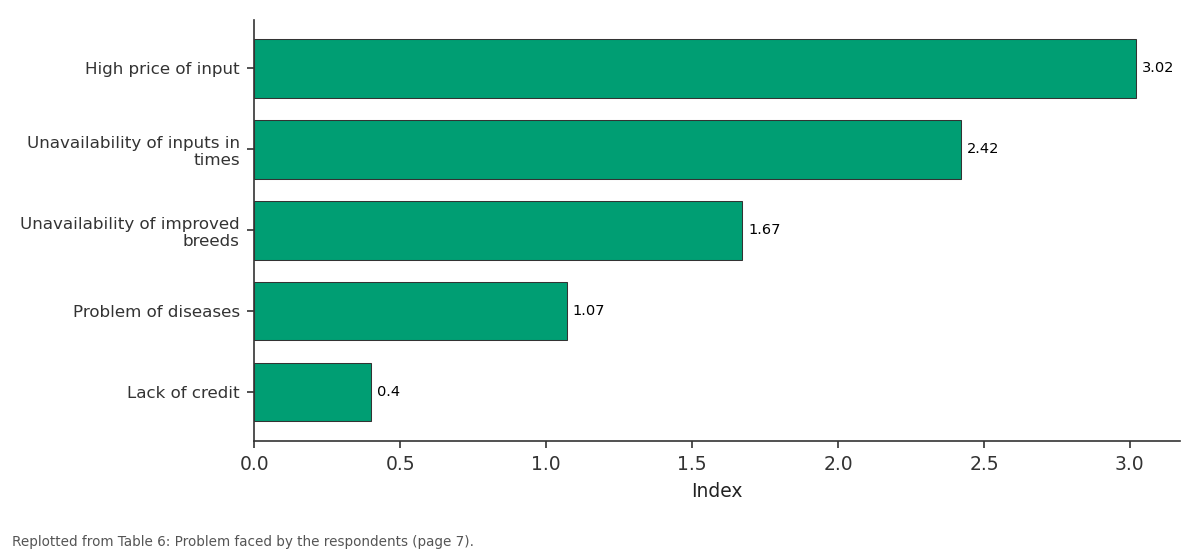
- The most severe problem faced by farmers was the high price of inputs (index 3.02), followed by untimely input availability (2.42) and lack of improved breeds (1.67). View evidence ↗
- Milk sales play a critical role in the local economy, accounting for 24% of total household income. View evidence ↗
What it means
- The authors conclude that providing farmers with proper training in feed management and emphasizing the dairy sector's importance can improve their economic status and lifestyle. View evidence ↗
- The authors state that establishing dairy cooperatives is of utmost importance because the current milk distribution system is not properly channelized. View evidence ↗
Visual summary
1 visualsIllustrations explain the paper; charts are replotted from the paper's own table values.
Index: High price of input vs Unavailability of... vs Unavailability of... vs Problem of diseases vs Lack of credit
Replotted from Table 6 (page 7) of the original paper. Every bar is the paper's own table value.
View source evidence ↗Figures & tables
From the original paper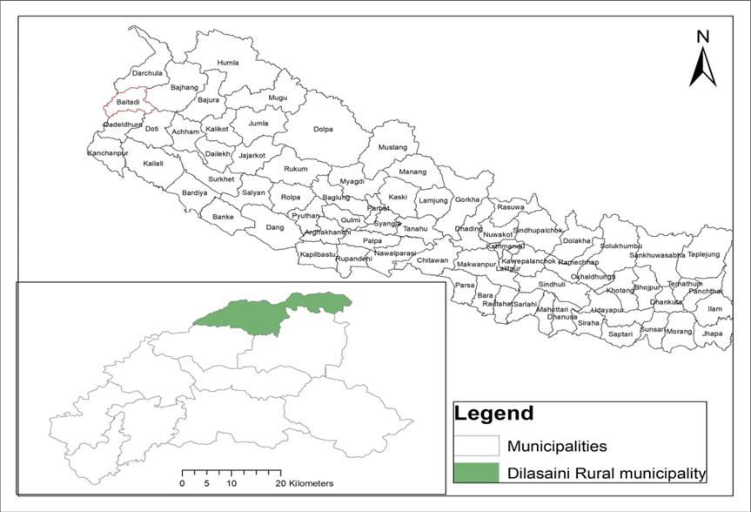 Figure 1
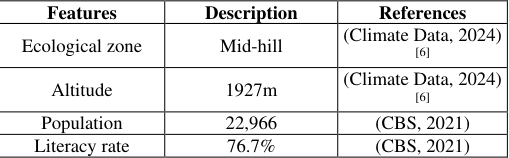 Table 1
 Table 2
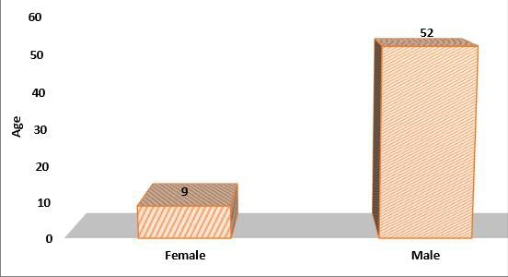 Figure 2
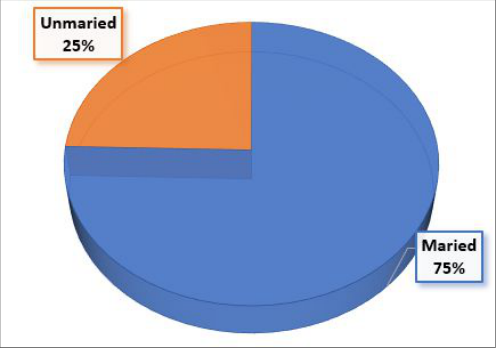 Figure 3
 Table 3
 Table 4
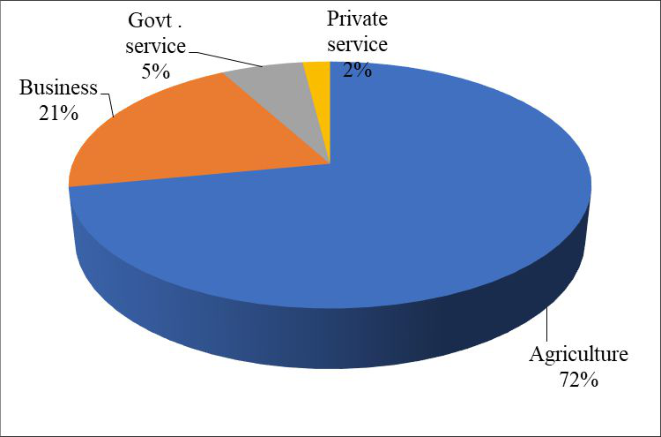 Figure 4
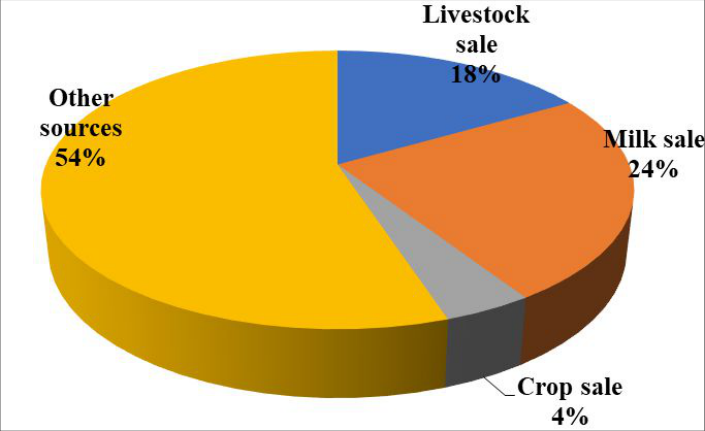 Figure 5
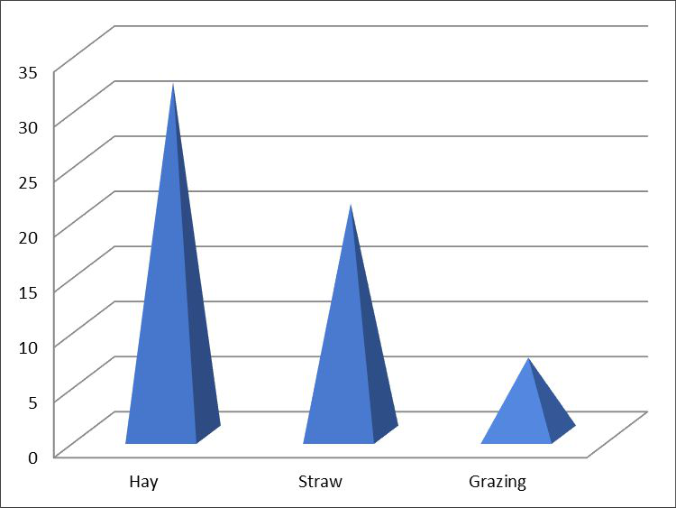 Figure 6
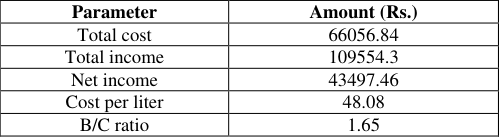 Table 5
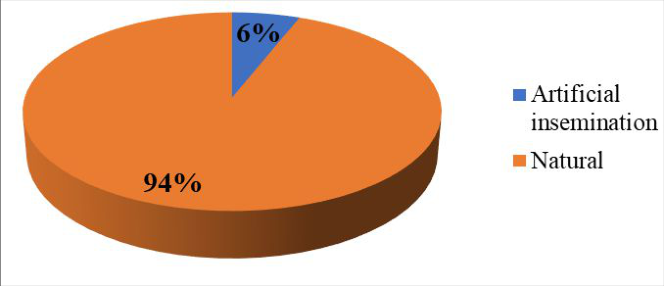 Figure 7
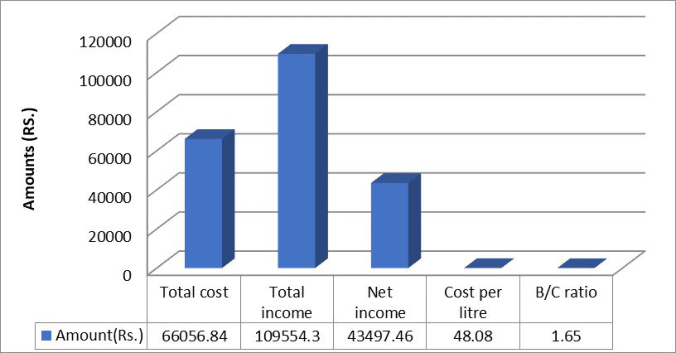 Figure 8
 Table 6
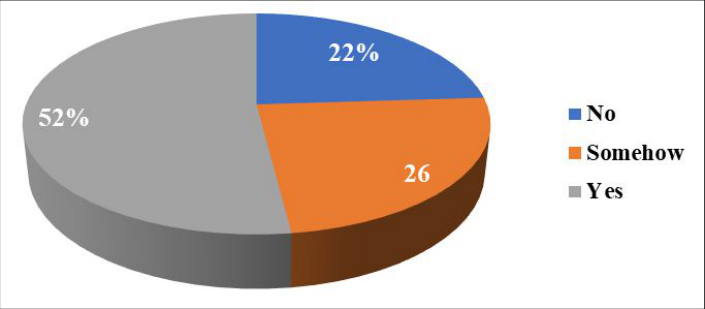 Figure 9
Introduction
The livestock is an integral part of Nepalese economy and lifestyle. It is one of the fastestgrowing agricultural sub-sectors and it is a principal source of food and employment. Agriculture sector contributes 24.1% in gross domestic product (GDP) of Nepal, which is estimated grow up to 2.73%. Agriculture and livestock production also plays significant role to increase per capita income of country, Nepal is considered as developing country with per capita income of $1027. Minimum requirement of livestock product is more than availability as, requirement of milk is 91 liter per person per man, meat requirement high where minimum requirement is 14kg and availability is 21kg (Economic Survey, 2023) [10] . Livestock production contributes 24.01% on agriculture gross domestic product. Raw cattle milk contributes 3.9501% and raw buffalo milk contributes 7.28%, goat farming contributes 3.95%, meat of buffalo contributes 4.23% on AGDP (MoALD, 2023) [26] . Milk is fluid produced by mammary gland of mammal, primarily to meet the complete nutritional requirements of neonate. The body needs energy (from lipids and lactose), essential amino acids, amino groups for biosynthesis of non-essential amino acids (from proteins), vitamins, inorganic elements, and water (Goh et al., 2014) [13] . Milk contains about 87.2% water, 3.7% fat, 3.5% protein, 4.90% lactose, 0.7% ash, 9.1% fat free solid residue, and total solid 12.8% on average nutrient content (Kourkouta Lambrini et al., 2020) [22] . Livestock and poultry populations have continuously been increasing in the last decade in Nepal and are likely to follow that trend as the interests in this field is growing. The livestock sector is a principal source of food and employment (Poudel et al., 2020) [29] . In the developing world, including Nepal and other Asian regions, livestock is a primary source of major dietary nutrients and a critical component of small-scale crop livestock mixed farming systems (Khanal et al., 2022) [19] . The demand for livestock products is projected to increase in developing regions due to a rise in urbanization and income levels. Livestock production has significant variation on source of income generation mostly raw milk, butter, meat, and manure can be utilize (Br et al., 2018) [3] . In Nepal, the livestock sector is seemed essential to alleviate poverty and improve the nutritional status of the population. Livestock rearing, which was a way of life in the past, is now assuming the form of gainful business occupation (Pradhanang et al., 2015) [30] . Livestock production and dairy development has been viewed by planner and policy maker as an effective instrument of social and economic change in the rural area, as they provide employment to the weaker section and thereby help them in augmenting their income. The livestock, thus, make large contribution to the development of rural economy and help the rural masses to improve their standard of living (Davies et al., 2010) [7] . Livestock farming is profitable for small stakeholder on terai region of far-western Nepal. Livestock farming give significant contribution on rural economy. Far-western region has substance type of livestock farming, rural area contains at least one productive animal for milk production (Bhandari, 2020) [2] . Milk production contributes on diet management, rural area population are self-dependent upon milk production and organic manure for crop cultivation then urban population. Rural place population are mostly depended upon agriculture and livestock production as major source of income (Khanal et al., 2022) [19] . Far western region of Nepal is considered as the least developed as compare to eastern part of Nepal on agriculture modification and improved farming technology. Low land holding of farmers is the major constraint of livestock farming in Nepal. Extensive system for livestock farming should be adopt by farmers to manage the feed management constraint, agroforestry parturition has great potential in farwestern region as there are many grazing green land are present (Kingdom, 2017) [20] . Livestock farming also helps significantly on poverty alleviation as 79% of rural household are involved in mixed farming system as they generate income from both crop cultivation and livestock farming (Jha & Polytechnic, 2019) [15] . Due to high population of Hindu and their belief on worshiping cow as God, cow is also national animal of Nepal, there is less population of productive cattle as compare to productive buffalo population which significantly effect on the productivity of livestock, the population of cattle is high than buffalo in Nepal (Ghimire & Pandeya, 2021) [12] . There is more indigenous breed in Nepal as compare to high yielding improved breed which also affect significantly on productivity of livestock (Khanal et al., 2022) [19] . In USA, production of livestock was improved by technological advancement, genetic enhancement, and improved system of livestock farming. In United Kingdom, extensive system livestock farming contributes significantly on production livestock. Livestock trade is important component of agriculture globally (Papakonstantinou et al., 2024) [28] . The Dairy Cattle Improvement Program (DCIP) resulted in a 300-day milk output of 2735±38.7 kg from jersey cattle crossbreeds. About 36% of buffaloes are cross-bred.
Crossbreeding has the ability to develop high producing bovines in Nepali indigenous breeds (Kamlesh and Trivedi, 2019) [18] . This study is aimed to investigate the socioeconomic impact of livestock farming on rural economy. Livestock farming play's important role in rural economy, to know different ways of management practice followed by farmers in studied area. To study livestock contribution for farmers income, cost effective production of livestock of rural pace of Nepal. To study the major problem of livestock farming and satisfaction level of farmers. Dilashaini rural municipality, Baitadi is a hilly district in province no. 7 (Sudurpaschim province) of the country Nepal touching Jhulaghat, India to its border of Nepal. For our study, we randomly selected ward no. 5 and ward no. 6 of Dilashaini rural municipality as all the people in this region are involved in farming. Livestock rearing is a common and dominant practice in the study area as rearing of cattle and buffalo can be easily spotted.
Methods and Methodology Study area
Methods and Methodology Study area
Research design and data collection
A random sampling survey was conducted by using without replacement technique as respondents and study areas were selected randomly. A total of 61 households were selected to collect information. Also, a key informant interview was conducted among randomly selected respondents with semistructured questionnaires to know the validity of the questions. Constraints were added from pilot testing in the study area based on problems faced by respondents. Pilot testing was done with 10 respondents who were not included in the final survey. The survey was conducted from the 1st of December to the 5th of December 2022. Data collection was done by face-to-face interview as it is the most suitable and transparent method.
Statistical analysis
Statistical analysis
Results and Discussion
Results and Discussion
Socio-demographic characteristics Average age and gender of household heads
In total, 61 households were interviewed and the average age of the household head was 48 years whereas according to (Malla et al., 2021) [25] , the average age was found to be 49.25 years which is quite similar with our result for gender of household head. The results obtained from descriptive statistics revealed that 52 household heads were male and 9 where female since male members were in India for employment to support family expenses. The patriarchy in Nepalese society is widespread, a similar result was found in (Thapa et al., 2020) [36] . 81.8% were male-headed households whereas 26.3% were female-headed as recorded by (FAO, 2012) [11] .
Maritals status of household heads
The figure indicates that 75% of the household heads were married whereas 25% were unmarried. According to FAO (2012) [10] , 33.6% of the population in the study area were unmarried and among them, 37.7% were male and 29.8% were female. Whereas 61.5% were married and among them, 60.2% were male and 62.8% were female.
Family type of sampled households
Two types of family types were reported in the study area viz. joint and nuclear family. 80% of the households have a nuclear family and in 20% joint family has been reported. Nuclear families predominate in Dilashaini, Baitadi as a result of economic migration to urban areas in search of better employment opportunities, changing social norms favoring independence, limited housing space, and the younger generation's focus on education and career, all of which encourage smaller, self-sufficient household units. But according to (Devkota & Bhatta, 2018) [9] , Joint family type was found to be predominant in the Baitadi district.
Average family size of respondents
The average family size of respondents in the surveyed area was 5.97. The average national household size was 4.37 CBS (2021a). (Malla et al., 2021) [25] found an average family size of 7.89, the highest reported compared to another research. Education status of respondents. The education status of the respondents was classified in five categories based on schooling year (Table 2). From the survey it has been found that only 10% of the respondents were illiterate and among the literate members 16% have attained primary level, 51% have attended secondary level and 6% have attended to bachelors and 13% to the university. During a function held in the area on Friday, Baitadi was formally declared the literate district. The district is divided into ten local entities. By mid-June 2018, all of the local units had been certified as literacy rates.
| Family type | Percentage |
|---|---|
| Joint family | 14 (20) |
| Nuclear family | 47 (80) |
| Grand Total | 61 (100) |
Table text extracted from the original PDF; superscript letters are shown inline. The original table image is below.
View original table image
According to the Education Development and Coordination Unit, the district's literacy rate is 96.53 percent
Education status of respondents
The education status of the respondents was classified in five categories based on schooling year (Table 3). From the survey it has been found that only 10% of the respondents were illiterate and among the literate members 16% have attained primary level, 51% have attended secondary level and 6% have attended to bachelors and 13% to the university. According to the National Census 2021 [4] , Napal's literacy rate was 76.3%, whereas our study area's literacy rate was 76.6% (CBS, 2021). During a function held in the area on Friday, Baitadi was formally declared the literate district. The district is divided into ten local entities. By mid-June 2018, all of the local units had been certified as literacy rates. According to the Education Development and Coordination Unit, the district's literacy rate is 96.53 percent (Chand & Bhatt, 2024) [5] Many people even lack the ability to make decisions regarding their daily lives, finances, and other areas of research.
| Level of education | Count of Level of education |
|---|---|
| Illiterate | 6 (10%) |
| Primary | 10 (16%) |
| Secondary | 31 (51%) |
| Bachelor | 4 (6%) |
| University | 9 (13%) |
| Grand Total | 61 (100) |
Table text extracted from the original PDF; superscript letters are shown inline. The original table image is below.
View original table image
Primary occupation of respondents
Agriculture is the major occupation of the study area followed by business and service in the government and private sector as shown in the figure 4. Nearly 30 million people live in Nepal, an agricultural nation with a variety of natural zones. Of these, 57.3%, or 50.6% of men and 64.8% of women, work in agriculture. The foundation of Nepal's economy, agriculture generates jobs, accounts for 24.1% of GDP, and supports livelihoods (Krishi Diary, 2024) [21] . In rural Nepal, agriculture is the primary source of income for households. However, it is still subsistence farming, carried out on small, low-productivity plots of land. As a result of the seasonality of agriculture, rural households also engage in temporary work for little financial gain (Prakash & Lall, 2012) [31] .
Distribution of landholding of respondent's household
The landholding has been classified as irrigated, nonirrigated, and non-cultivated based on the irrigation and cultivation status (Table 4); the first two are cultivated and the latter one is fallow land or marginal land used for grazing purposes. Average landholding of respondent's household= 0.38 hectare. As per CBS (2021), the mean land area owned by farmers was 0.54 hectare (ha).
| Types of landholdings | Area (ha) |
|---|---|
| Irrigated | 0.17 |
| Non irrigated | 0.14 |
| Non cultivated | 0.07 |
Table text extracted from the original PDF; superscript letters are shown inline. The original table image is below.
View original table image
Distribution of livestock holding of respondent's household
To determine the various livestock possessed by respondents per household, the average livestock population was calculated in Livestock Standard Unit (LSU) = 1(cow/bull) +1.5(buffalo) +0.4(goat/ship) +0.6(swine/pig) +0.2(poultry) (Joshi et al., 2023) [16] . Livestock Standard Unit (LSU) = (2.05* 1.5 +2.17
Income characteristics of respondent's household
The study area's economy is based mostly on agriculture, which generates 46% of total revenue from sales of crops (24%) and animals (18%). However, a variety of sources of income support the community's economic stability. Dairy farming is important since milk sales account for 24% of household income, which is a critical role. In addition to agriculture, remittances from family members living overseas provide much-needed financial support, while local services and job opportunities increase the variety of sources of income. This multifaceted strategy improves overall economic stability in addition to stabilizing household incomes against agricultural uncertainty. The greatest average income comes from a salaried job, which is followed by remittances, while the lowest amount comes from labor (Maharjan & Joshi, 2007) [24] . According to (Shah et al., 2023) [35] , Agriculture represented 96.71% of the farmer population, while office employment comprised 3.09% in the mid-hall of Nepal. Based on (Details, 2024; Gupta & Singh, 2019) [8,14] , the majority of study respondents were employed in agriculture as compared to other occupations.
Feeding management
From the study area, it has been found that hay was most widely used in feeding followed by straw and only 7 respondents were found to use grazing as fodder. The use of tree fodder, green grasses, and straw constitute a major composition in the dietary pattern of livestock. Due to import constraints of improved feedstock, there's still feed deficit and nutritional deficiency in most livestock in Nepal.
During the dry season, when the quantity and quality of available forages are restricted, fodder trees and shrubs in Nepal's hilly regions are essential for feeding livestock with adequate feed. In the winter season, tree fodders are essential sources of high-quality feed for grazing ruminants and act as supplements to crop residues or low-quality byproducts (Shah et al., 2023) [35] .
Availability of breading system
In the study area rearing of livestock for household demand has been reported from almost all the respondents which showed the subsistence nature of farming and in the case of breeding system selection traditional system of farming can still be seen. Only 6% of the respondents were found to adopt artificial insemination (AI) and the rest 94% are still following the traditional method of natural mating (Figure 7). Nowadays, breeding practices increasingly use artificial insemination. However, it is relatively low in Nepal, with just 6.30% AI penetration in buffalo till 2020/21 (Devkota et al., 2022). [9] Most of rural part are out of national livestock breeding center (NLBC) and doesn't receive service from NLBC, although it was stared six decades ago. Artificial insemination system is not cost effective, natural breeding system is cheap and easy to access. AI system of breeding helps in genetic improvement program (BGIP) through crossbreeding (Siddiky, 2018) [33] . Total cost, total income, net income, per liter cost and benefit cost rate For the production function assessment record of the cost of expenditure, total income, net income, and the selling price of farm products are to be recorded fairly. Though accurate bookkeeping was lacking in the study area, farmers' estimation was recorded to access the status of farm economic condition and operational status of the farm. The total cost of production was Rs. 66056.84 and the total income was Rs. 109554.3. The average net income of the farm was found to be Rs. 43497.46 and the mean farm gate price of milk was Rs. 48.08 per liter (Table 4). Benefit-cost ratio (B/C ratio) analysis suggests that the farm is under the situation of profit and for every Rs. 1 investment return is Rs. 1.65. When the B/C ratio is less than one farm is in loss, equals one neither profit nor loss and above 1 farm is running under profit. Timsina (2010) [37] reported that the B/C ratio of large farms was 1.42, medium farms were 1.33 and small farms 18 were 1.23. The B/C ratio of farms was comparatively higher in the study area as compared to Timsina's findings.
Level of satisfaction
Majority of the respondents were found satisfied with their occupation and 26% were found somehow satisfied and remaining 22% were found not satisfied (Figure 9). Livestock sector of Nepal is integral type, livestock sector is facing low productivity and ability to modified to modern commercial farming system through improvement of genetic potential of productive animal and scientific method of housing system (Khanal et al., 2022) [19] . Livestock farming is subsistence type, people are self-dependent on dairy product on rural area of Nepal which also improve Scioeconomic condition of livestock farming (Sapkota, 2022) [32] .
Problem Faced by the Respondents
A five-point Likert scale was used, a technique for measuring attitudes using several different response formats (Batterton & Hale, 2017) [1] to get respondents' opinions on prevailing problems. An index of agreement based on severity was used to rank the constraint as shown in the table. The higher price of input (3.02) was the most severe problem in the study area which increased the production cost. Accordingly, the unavailability of inputs in time (2.42), the unavailability of improved breeds (1.67), the problem of diseases (1.07), and the lack of credit (0.40) are arranged based on an index of agreement. The higher the value of the index of agreement, the higher the level of the problem and it must be placed before other issues.
Conclusion
The study conducted in Dilashaini rural municipality of Baitadi district which lies in far western region of Nepal. Almost all of the family in the study area follow complex type of farming system which includes livestock + crops+ fruits+ forestry + vegetable farming. Patriarchy was reported in the study area where 70% of the males headed the households. Agriculture is the major occupation in the study area. The dairy sector in the study area was of subsistence type and running under a profit condition with B/C ratio 1.65 and cost of production per liter of milk was Rs. 48.08. Still people follow natural breeding for producing the offspring of cattle and buffalo which do not have a good production efficiency (mostly due to inbreeding depression). The milk distribution system was not properly channelized and essence of dairy co-operative in the study area is of utmost importance. Due to geographical constraints cost of feeding input were reported high thus if proper training is given to farmer regarding the feed management and importance of dairy sector in the study area it helps to increasing economic status and lifestyle of farmers.
Figures and tables from the paper
| Features | Description | References |
|---|---|---|
| Ecological zone | Mid-hill | (Climate Data, 2024) [6] |
| Altitude | 1927m | (Climate Data, 2024) [6] |
| Population | 22,966 | (CBS, 2021) |
| Literacy rate | 76.7% | (CBS, 2021) |
Table text extracted from the original PDF; superscript letters are shown inline. The original table image is below.
View original table image
| Parameter | Amount (Rs.) |
|---|---|
| Total cost | 66056.84 |
| Total income | 109554.3 |
| Net income | 43497.46 |
| Cost per liter | 48.08 |
| B/C ratio | 1.65 |
Table text extracted from the original PDF; superscript letters are shown inline. The original table image is below.
View original table image
| Problems | Index | Rank |
|---|---|---|
| High price of input | 3.02 | 1st |
| Unavailability of inputs in times | 2.42 | 2nd |
| Unavailability of improved breeds | 1.67 | 3rd |
| Problem of diseases | 1.07 | 4th |
| Lack of credit | 0.40 | 5th |
Table text extracted from the original PDF; superscript letters are shown inline. The original table image is below.
View original table image
References
37 in the original paper- Batterton KA, Hale KN. The Likert scale: what it is and how to use it. Phalanx. 2017;50(2):32-39.
- Bhandari T. Analysing dairy business value chains in far-western Terai districts of Nepal. 2020 Aug. https://doi.org/10.3126/jiaas.v33i0.20714
- Br B, Kaphle K, Kk Y. Situation of livestock, production and its products in Nepal. 2018;1(1):1-8. https://doi.org/10.26502/avsm.001
- Central Bureau of Statistics. Census Nepal 2021. https://censusnepal.cbs.gov.np/Home/Details?tpid=5&tf sid=17
- Chand PB, Bhatt B. Exploring literacy rate and financial literacy levels in Pancheshwor Rural Municipality, Nepal: A secondary data analysis. Int Res J Mod Eng Technol Sci. 2024. https://doi.org/10.56726/IRJMETS53078
- Climate Data. Baitadi climate: weather Baitadi & temperature by month 2024. https://en.climatedata.org/asia/nepal/far-western-developmentregion/baitadi-1025248/
- Davies J, Niamir-Fuller M, Kerven C, Bauer KM. Extensive livestock production in transition: the future of sustainable pastoralism. 2010 Jan.
- Details A. Ecofeminism and climate change: Opportunities and challenges of climate smart agriculture. 2024;5(1):37-50. https://doi.org/10.26480/efcc.01.2024.37.50
- Devkota M, Bhatta M. Newborn care practices of mothers in a rural community in Baitadi, Nepal. Health Prospect. 2018;10:5-9. https://doi.org/10.3126/hprospect.v10i0.5637
- Ministry of Finance. Economic Survey 2022/23. Kathmandu: Government of Nepal; 2023. p. 1-144. www.mof.gov.np
- FAO. A living from livestock 2012: http://www.fao.org/docrep/015/i2744e/i2744e00.pdf
- Ghimire SH, Pandeya YR. Cattle research in Nepal: current status, challenges and way forward. 2021 Jul.
- Goh KKT, Sarkar A, Singh H. Milk proteinpolysaccharide interactions. In: Milk Proteins: From Expression to Food. 2nd ed. 2014. p. 387-419. https://doi.org/10.1016/B978-0-12-405171-3.00013-1
- Gupta RPB, Singh A. A study on pattern of infant health care in Baitadi District of Nepal. Labour. 2019;103(Jan):36.8.
- Jha DK, Polytechnic O. The role of livestock in rural households in Nepal. 2019 Nov. https://doi.org/10.18488/journal.135.2019.42.67.91
- Joshi L, Karna BK, Dhital B, Panta HK, Kohar GR. Economics of milk production in Kailali and Kanchanpur Districts of Province-7, Nepal. 2023;11(9).
- Joshi NP, Maharjan KL, Piya L. Poverty dynamics in far-western rural hills of Nepal: Evidences from panel data. 2012 May. https://doi.org/10.4137/IJCM.S5476
- Trivedi K, Paudel K. Breeding strategy and action plan for genetic improvement of livestock in Nepal. 2019 Jul.
- Khanal P, Dhakal R, Khanal T, Pandey D, Devkota NR. Sustainable livestock production in Nepal: A focus on animal nutrition strategies. 2022;1-20.
- United Kingdom. Technical Assistance Consultant's Report: Nepal Far Western Region Urban Development Project. Vol. 2. Ministry of Urban Development; 2017 Jan.
- Krishi Diary. Agriculture Information and Training Center (AITC) 2024: https://aitc.gov.np/en/notices/details/df9bsshh94cpm31 yctdp9hxypu5ea3kv6bzgb280
- Kourkouta L, Frantzana A, Koukourikos K, Iliadis C, Papathanasiou VI, Tsaloglidou A. Milk nutritional composition and its role in human health. J Pharm Pharmacol. 2020;9(1):10-5. https://doi.org/10.17265/2328-2150/2021.01.002
- Lambrini K, Aikaterini F, Konstantinos K, Christos I, Papathanasiou V, Areti T. Milk nutritional composition and its role in human health. 2021;9:10-5. https://doi.org/10.17265/2328-2150/2021.01.002
- Maharjan KL, Joshi NP. A poverty analysis in Baitadi District, rural far western hills of Nepal: An inequality decomposition analysis. Nepal J Dev Rural Stud. 2007;4(2):16-35. https://mpra.ub.uni-muenchen.de/35384/
- Malla S, Rosyara U, Neupane B, Sapkota B. Food and Agri Economics Review (FAER). 2021;1(2):88-92. https://doi.org/10.26480/faer.02.2021.88.92
- Ministry of Agriculture and Livestock Development (MoALD). Statistical Information on Nepalese Agriculture 2078/79 (2021/22). Kathmandu: MoALD; 2023. p. 269.
- National Planning Commission. National Agriculture Census 2021: https://www.agricensusnepal.gov.np/post/10_64fc38a5a 62c8
- Papakonstantinou GI, Voulgarakis N, Terzidou G, Fotos L, Giamouri E, Papatsiros VG. Precision livestock farming technology: Applications and challenges of animal welfare and climate change. 2024;1-17.
- Poudel U, Dahal U, Upadhyaya N, Chaudhari S, Dhakal S. Livestock and poultry production in Nepal and current status of vaccine development. 2020;1-9.
- Pradhanang UB, Pradhanang SM, Sthapit A, Krakauer NY. National livestock policy of Nepal: Needs and opportunities. Agriculture. 2015;5:103-31. https://doi.org/10.3390/agriculture5010103
- Prakash N, Lall K. Determinants of income and consumption poverty in far-western rural hills of Nepal. 2012.
- Sapkota R. Economics of smallholder animal husbandry in Lalitpur District of Nepal. 2022;31:1-2.
- Siddiky NA. Animal breeding policies and strategies in South Asia. 2018.
- Singh H. Milk protein-polysaccharide interactions. In: Milk Proteins. 2014 Jul. https://doi.org/10.1016/B9780-12-405171-3.00013-1
- Shah MK, Pandey LN, Bastola R, Shah B, Shah S. Goat feed resources and feeding management in mid-hill of Nepal. Int J Appl Sci Biotechnol. 2023;11(1):15-24. https://doi.org/10.3126/ijasbt.v11i1.53701
- Thapa S, Bhandari R, Nainabasti A. Survey on people's attitudes and constraints of rooftop gardening in Dhulikhel. Ecofeminism Clim Change. 2020;1(2):8996. https://doi.org/10.1108/efcc-04-2020-0008
- Timsina K. Economics of dairy farming: A case study of Phulbari Village in Chitwan District of Nepal. Nepal Agric Res J. 2010 Jul;10:55-63.