
Research article · 2025 · Full text
International Journal of Agriculture and Food ScienceIntegrated machine learning model for wheat yield prediction using agronomic and meteorological factors: A case study from Punjab, India
Volume 7(8) · Pages 385–400 · DOI: 10.33545/2664844x.2025.v7.i8f.636 ↗
Research areasSpectroscopy and Chemometric AnalysesSmart Agriculture and AIGenetics and Plant Breeding
Abstract
Author-writtenThe study aims to develop a Prediction Model for the wheat yield based on meteorological and agronomic factors using Data Mining techniques. The target area of the Research is the cultivators in the Patiala district of Punjab, India. The researcher has applied the knowledge of the wheat morphology and phenology to build the model. Crop yield is affected by several agronomic factors such as soil type and date of sowing, and meteorological factors such as temperature and rainfall. The existing models apply classification or regression techniques to all the identified factors for the prediction of crop yield. This study divides the set of factors into two categories - the factors which are responsible for year-wise variation in yield, and the factors which are responsible for the individual variation of yield for a particular year among various cultivators. It is found that the year-wise yield variation for a particular cultivator (or a particular region) may be attributed to meteorological factors, whereas the agronomic factors are responsible for variation in yield among different cultivators. So, two models have been proposed; the first model - henceforth known as Block-wise Average Yield Prediction model (BAY model) predicts the Block-wise Average Yield based on temperature, rainfall and the yield data, and the second model - henceforth known as Yield Class Prediction model (YC model) predicts the Yield Class based on soil, management practices and yield data. Finally, these models, i.e., BAY model and YC model are integrated into the final model - Final Yield Prediction model (FYP model) to predict the final yield of a particular cultivator.
Summary
Source-checkedPlain-language reading of the full paper, prepared with AI and checked against the text. Each point links to the authors' own words.
Why it matters
- Wheat is a critical staple crop in Punjab, India, playing a major role in the region's food security and economy. View evidence ↗
- Wheat yields are influenced by a combination of meteorological factors, like rainfall and temperature, and agronomic factors, such as sowing date and soil type. View evidence ↗
- Yearly yield variations for a specific region are typically linked to weather, while differences in yield between different farmers in the same year are linked to agronomic practices. View evidence ↗
The question
- The research aims to create a wheat yield prediction model using data mining techniques that incorporate both agronomic and meteorological data. View evidence ↗
What they did
- Data was collected from wheat cultivators in the Patiala district of Punjab, India, over a five-year period from 2015 to 2019. View evidence ↗
- The study used a dataset of 1,400 instances, split into a training set of 1,120 instances and a test set of 280 instances. View evidence ↗
- Five key agronomic attributes were selected for predicting yield class: tillage, variety, sowing date, soil texture, and the use of farmyard manure. View evidence ↗
- The researchers tested seven different machine learning techniques, including Neural Networks, Decision Trees (J48), and Random Forest, to build the prediction models. View evidence ↗
What they found
- When integrated into the Final Yield Prediction (FYP) model, J48 (Decision Tree) achieved the highest accuracy at 96.81%, slightly outperforming MLP (96.80%) and Random Forest (96.78%). View evidence ↗
- The final model's performance on 280 test instances showed that 143 had an error under 2.5%, and only one instance had an error exceeding 20%. View evidence ↗
What it means
- The authors conclude that the J48 Decision Tree is the optimal choice for the YC model because it balances high accuracy with computational efficiency in terms of size and build time. View evidence ↗
- The integrated Final Yield Prediction (FYP) model is considered reliable and effective, achieving an average accuracy of 96.81%. View evidence ↗
- The authors suggest that future research should incorporate remote sensing data, soil moisture levels, and pest incidence to further improve the model. View evidence ↗
Visual summary
1 visualsIllustrations explain the paper; they do not show study data.
Integrated Prediction Framework
AI-generated conceptual illustration (wheat plants in a field). It explains the idea and does not show study data.
View source evidence ↗Figures & tables
From the original paper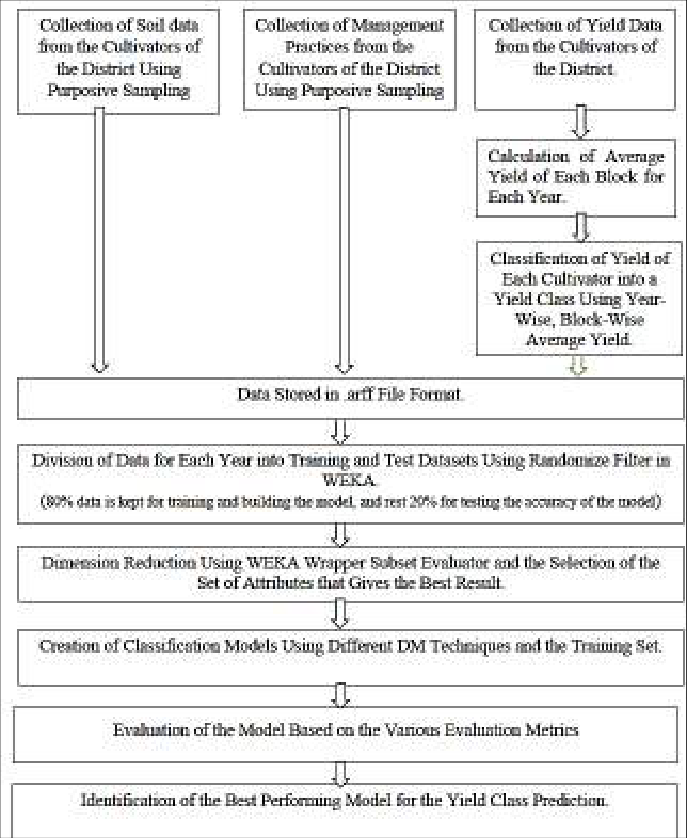 Figure 1Page 2
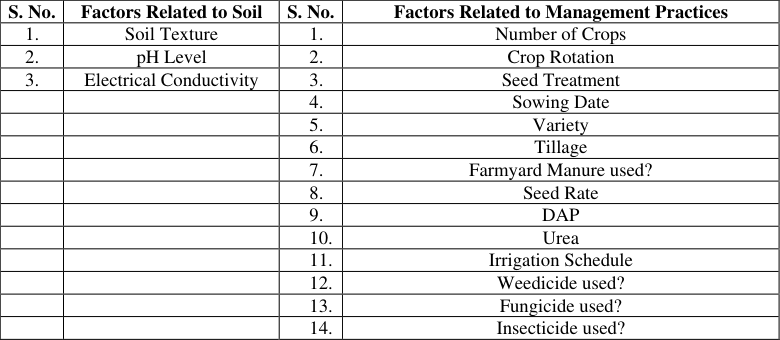 Table 1Page 3
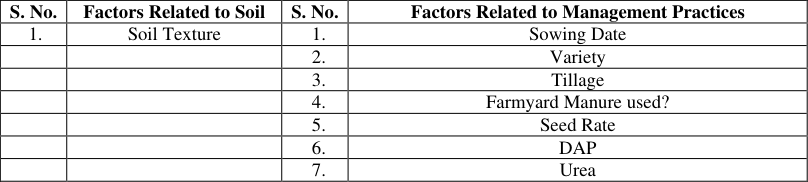 Table 2Page 3
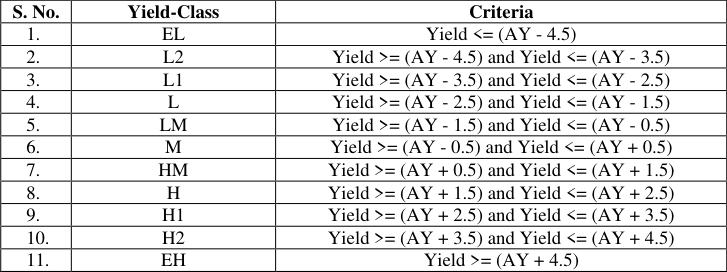 Table 3Page 4
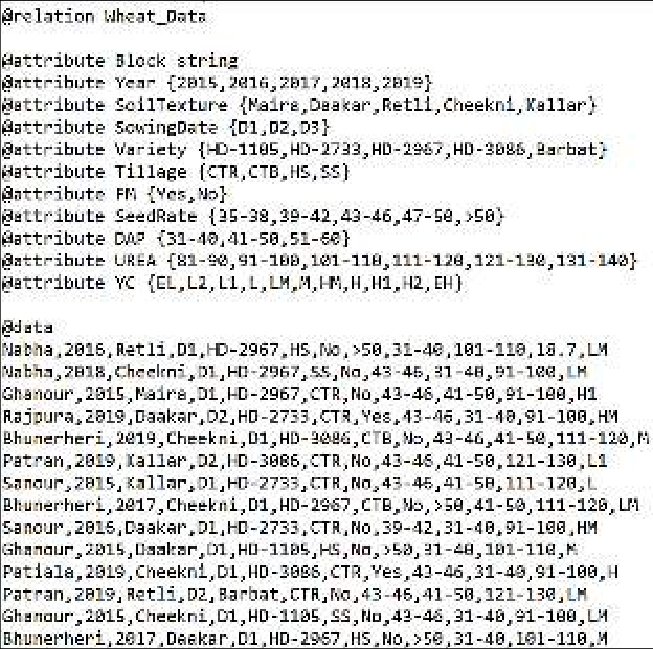 Figure 2Page 4
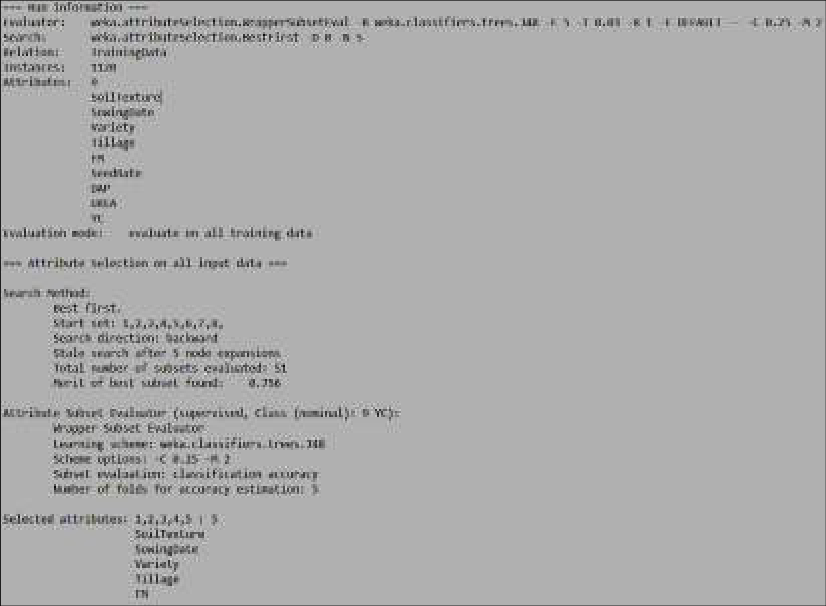 Figure 3Page 5
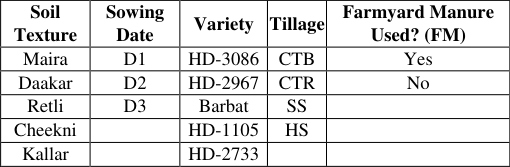 Table 4Page 6
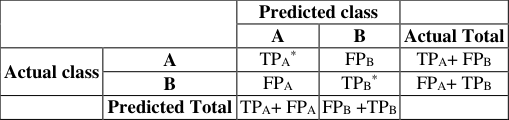 Table 5Page 6
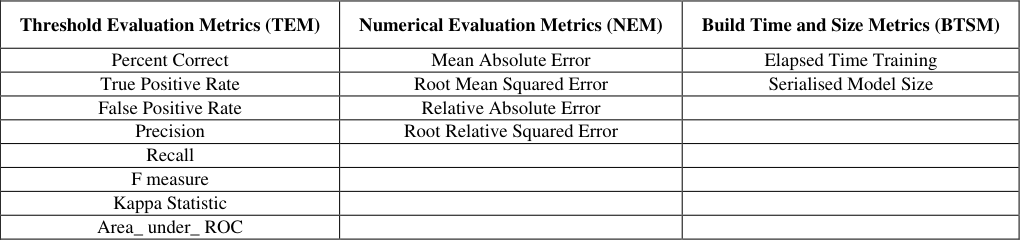 Table 6Page 6
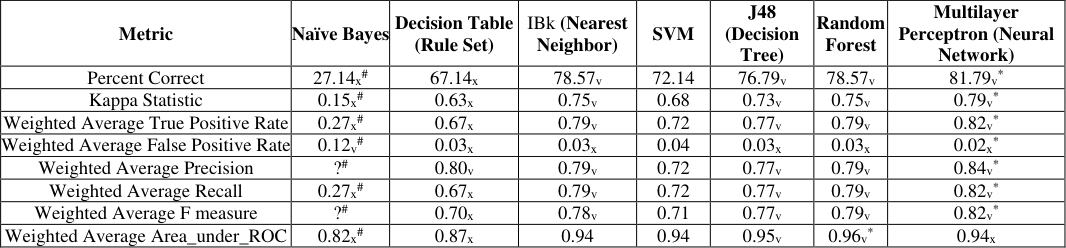 Table 4Page 7
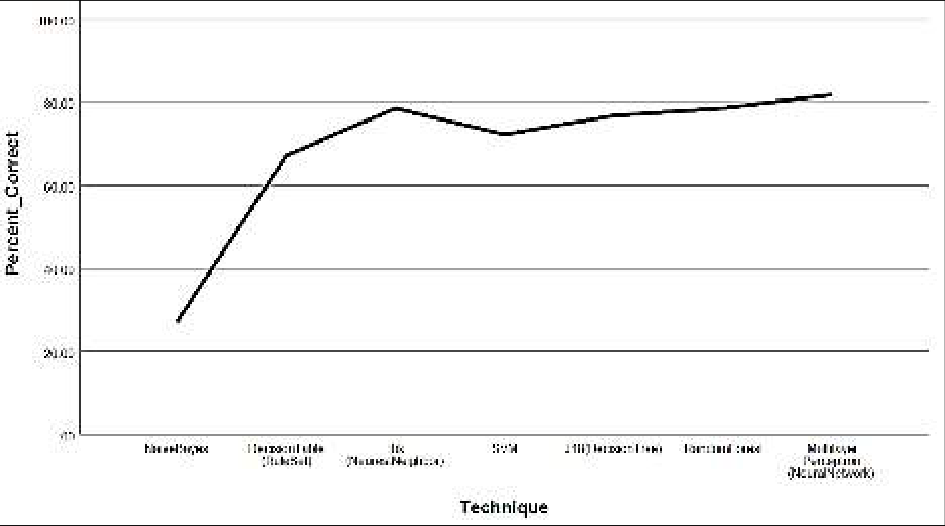 Figure 4Page 7
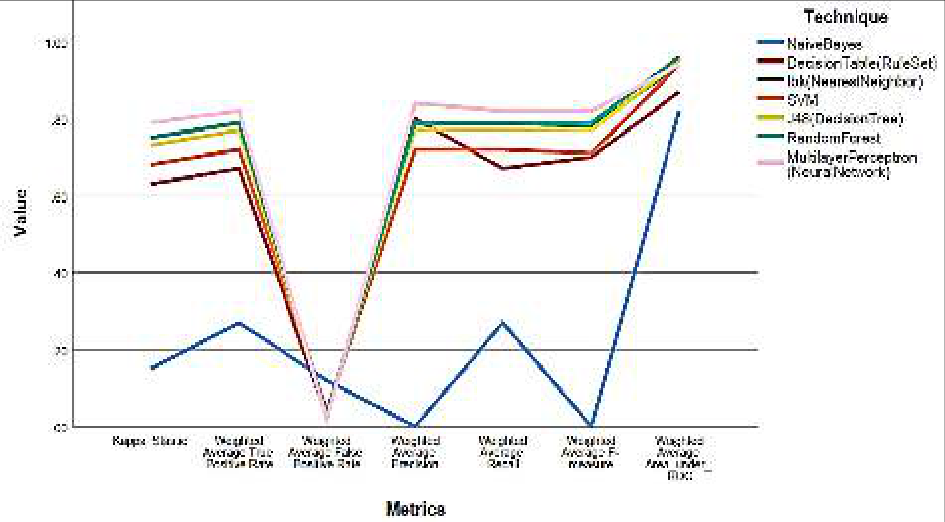 Figure 5Page 7
 Table 8Page 8
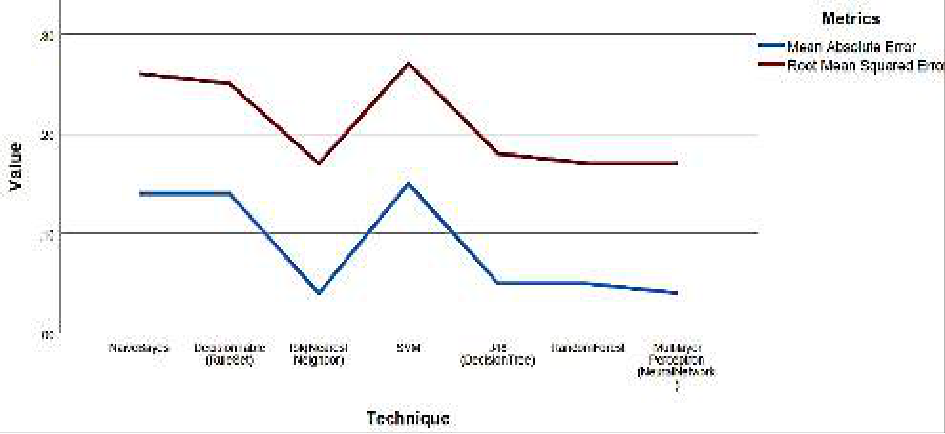 Figure 6Page 8
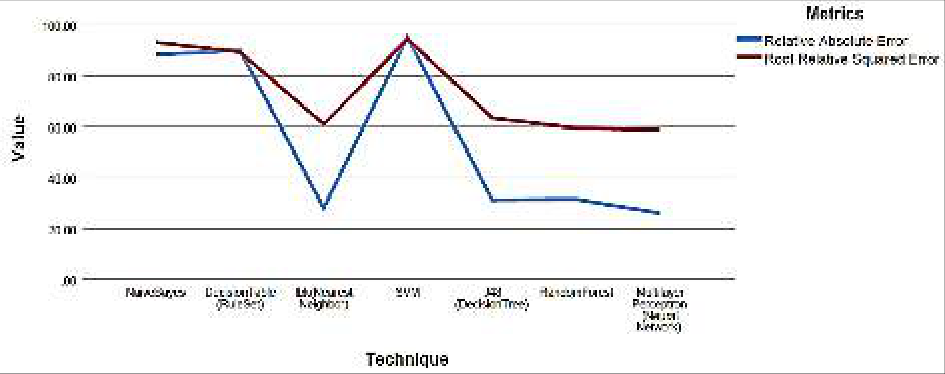 Figure 7Page 8
 Table 9Page 9
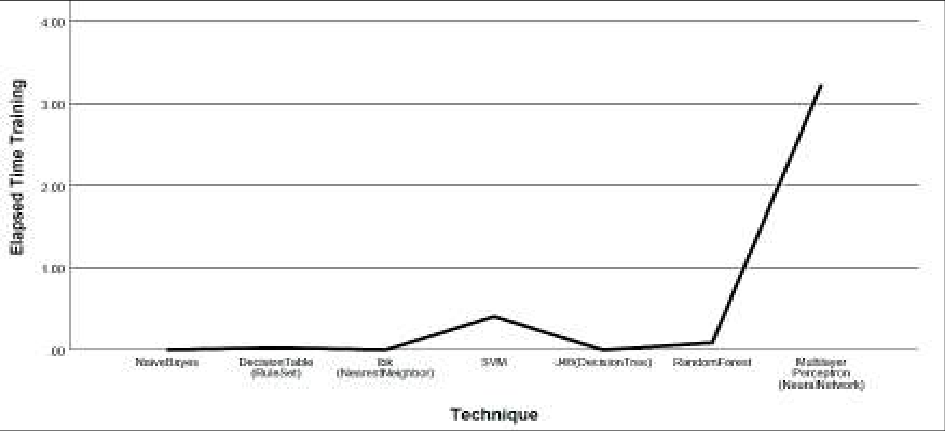 Figure 8Page 9
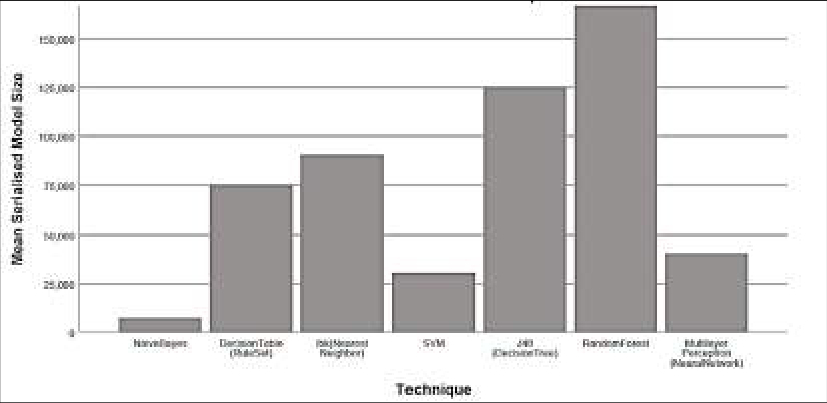 Figure 9Page 9
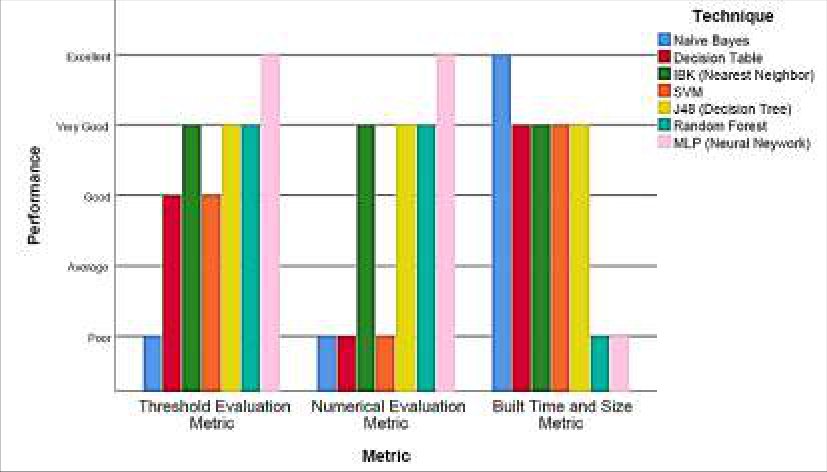 Figure 10Page 10
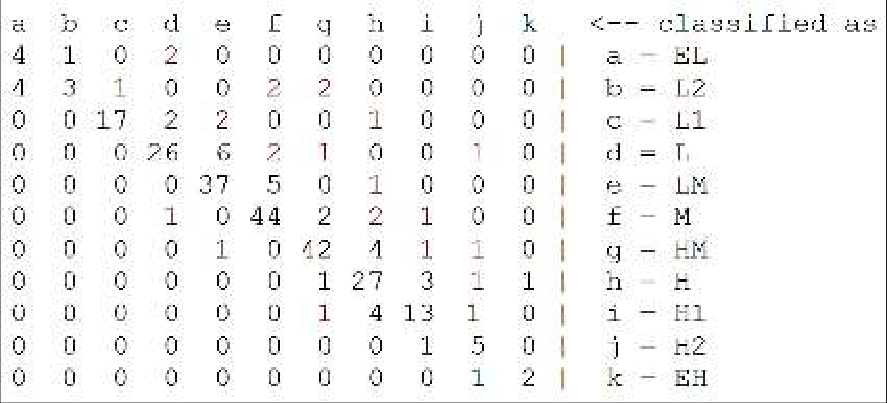 Figure 11Page 10
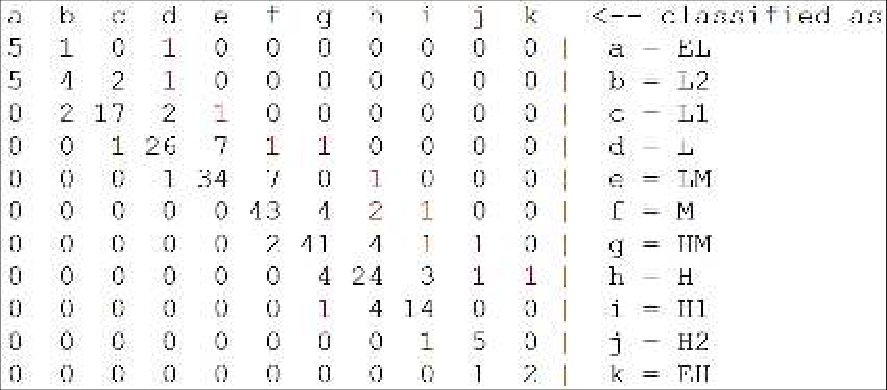 Figure 12Page 11
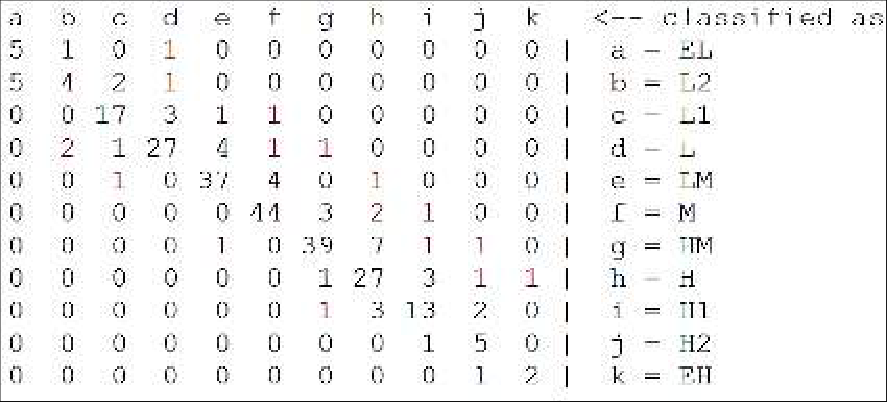 Figure 13Page 11
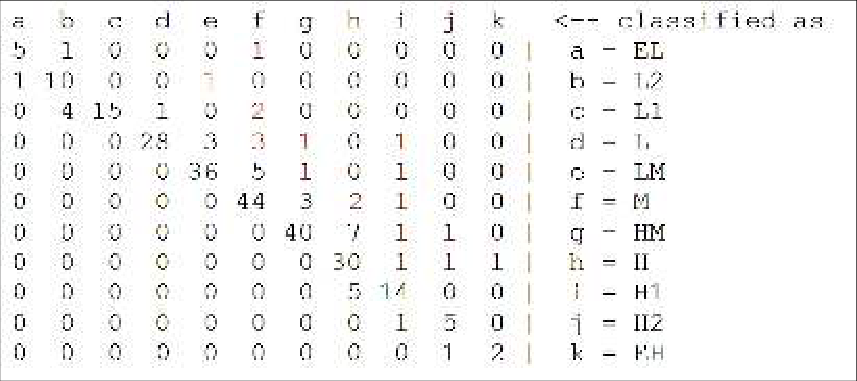 Figure 14Page 11
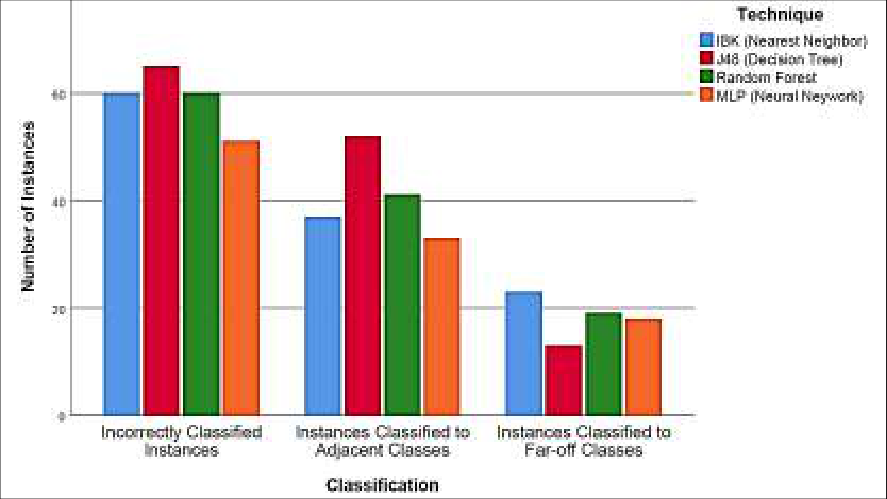 Figure 15Page 12
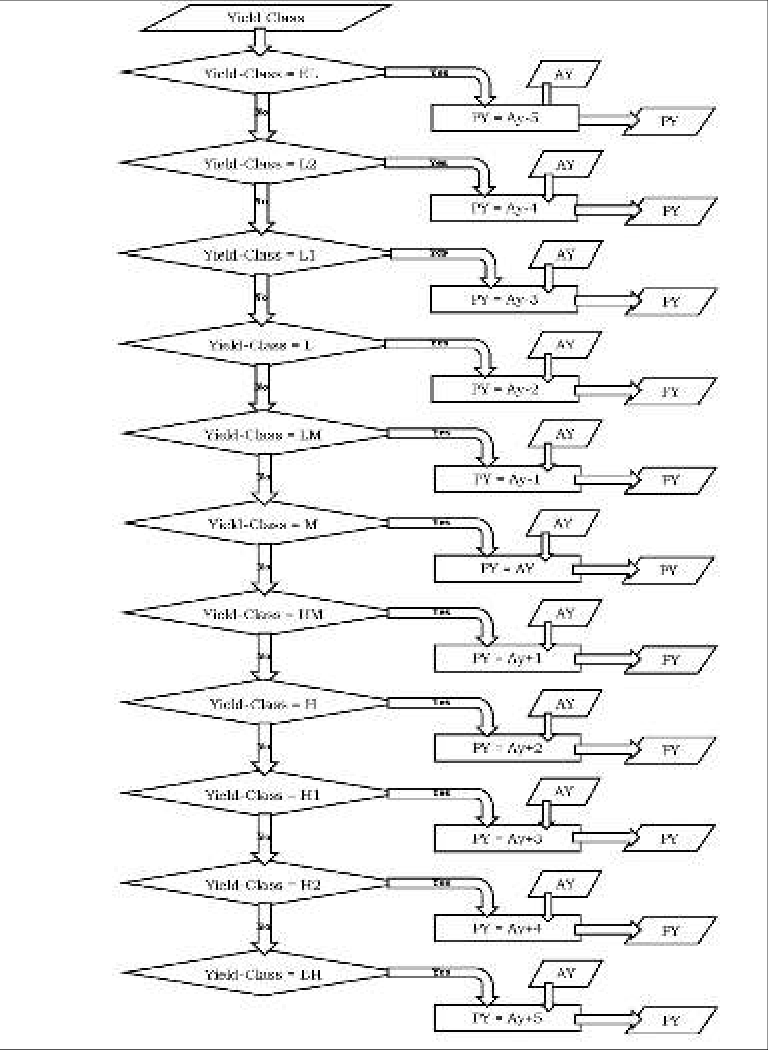 Figure 1Page 13
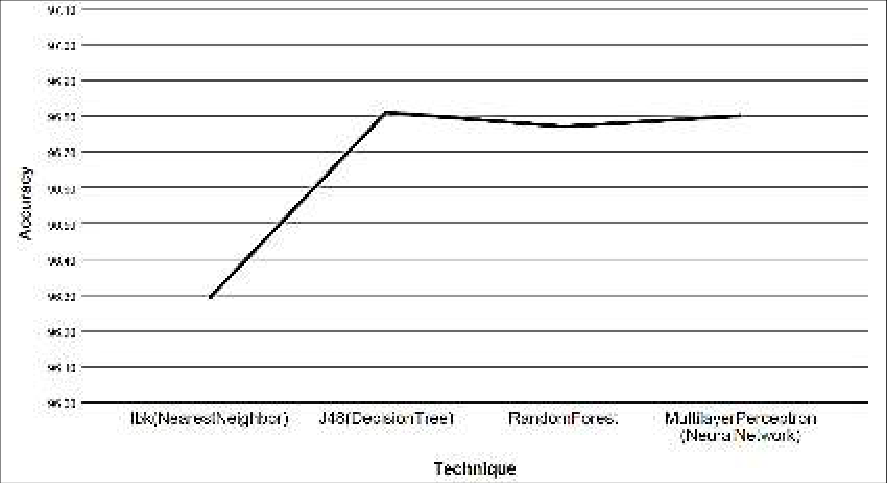 Figure 17Page 14
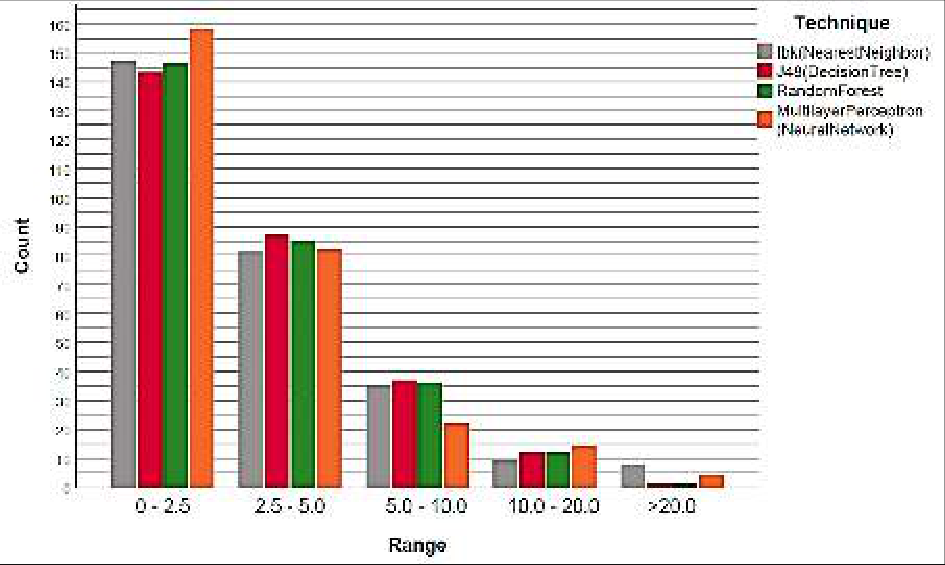 Figure 18Page 14
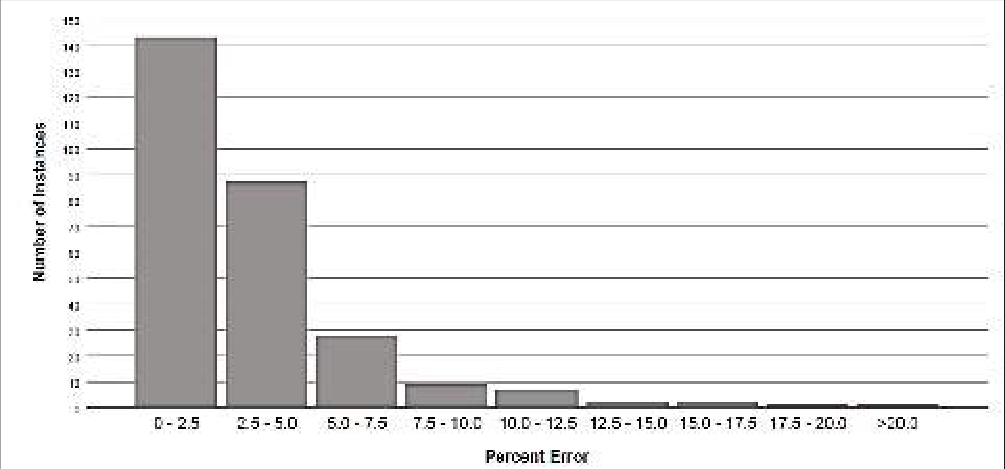 Figure 19Page 15
Introduction
Wheat is a staple crop in Punjab, India, particularly in the winter season, contributing significantly to the region's economy and food security. Given the critical importance of wheat yield, predicting its output accurately can help cultivators optimize their farming practices and support governmental planning for food supply and market stabilization. Since an effective and accurate prediction of the wheat yield is essential to control the forward marketing and to maintain the food security, many scientific researches have been conducted in diverse fields. However, the optimal outcomes can be attained through interdisciplinary research in the field of agriculture engineering and computer engineering [1] . Additionally, with the emergence of machine learning, remote sensing, and big data platforms like WEKA, the accuracy and scalability of yield prediction models have improved significantly [2,3,4] . A study has been conducted to develop a model for prediction of wheat yield in Patiala district of Punjab, India [5] . As part of this study, a framework has already been proposed to develop a model for crop yield prediction [6] . To develop the wheat yield prediction model, it is pertinent to understand the morphology and the phenology of the wheat plant. A comprehensive study on the morphology of wheat in the context of developing a predictive model for wheat yield has been conducted [7] . A study has also been conducted to understand the phenology of wheat crop and to determine the factors affecting wheat yield [8] . This study uses meteorological data and agronomic variables collected over five years. Similar methods of integrating remote sensing data and ML algorithms have shown promise in comparable agroclimatic settings [9,10,11,12] .
Crop yield is affected by several agronomic factors such as soil type and date of sowing, and meteorological factors such as temperature and rainfall [18] . The study divides the set of factors into two categories -the factors which are responsible for year-wise variation in yield, and the factors which are responsible for the individual variation of yield for a particular year among various cultivators. It is found that the year-wise yield variation for a particular cultivator (or a particular region) may be attributed to meteorological factors, whereas the agronomic factors are responsible for variation in yield among different cultivators. So, two models have been proposed; the first model -known as Block-wise Average Yield Prediction model (BAY model) predicts the Block-wise Average Yield based on temperature, rainfall and the yield data, and the second model -known as Yield Class Prediction model (YC model) predicts the Yield Class based on soil, management practices and yield data. Finally, these models i.e. BAY model and YC model are integrated into the final model -Final Yield Prediction model (FYP model) to predict the final yield of a particular cultivator. The BAY model which predicts the Block-wise Average Yield has already been developed [13] . The present work deals with development of YC model to predict the yield class of a particular cultivator based on various agronomic factors and integration of block-wise average yield obtained from BAY model and yield class obtained from YC model into final yield of a particular cultivator using FYP model.
Materials and Methods
Recent studies highlight the importance of ensemble learning and explainable AI in agricultural predictions [14] . Ensemble-based models have proven effective in yield prediction using satellite and UAV data [15] . Multi-task deep learning models, such as MT-CYP-Net and explainable Bi-LSTM, have also been validated in similar contexts [16,17,18] . These studies support the hybrid approach taken in this research using WEKA and SPSS. Figure 1 shows the outline for development of Yield Class model (YC model). To develop this model, the researcher examines the effect of agronomic factors, such as soil texture and management practices on the inter-region variation of the wheat yield in the Patiala district of Punjab, India. The soil and management practices data along with the yield data is used to create the YC model. To find the variations in the yield of different cultivators based on the soil in their farms and the management practices they follow, the variations caused by other factors such as temperature and rainfall, and inter-block variation should be kept as constant. The yield of each cultivator is assigned to a yield-class based on the average yield (AY) of the block for that particular year. Development and Ripening phase. The yearly average yield for a particular block is calculated by adding per acre yield of all the samples from that block and then by dividing the sum by the number of samples. The average temperature and the total rainfall during each phase are calculated and their effect on the yield is analysed. Stepwise Multiple Linear Regression is used to develop an Empirical model for the prediction of block-wise average wheat yield for the Patiala district [13] . The data pertaining to soil and the management practices along with the yield data is used to create the YC model. To find the variations in the yield of different cultivators, based on the soil in their farms and the management practices they follow, the variations caused by the other factors such as temperature and rainfall, and inter-block variation should be kept as constant. The yield of each cultivator is assigned to a yield-class based on the average yield (AY) of the block for that particular year. The Wheat dataset consists of a total of 1400 instances, which are divided into a training dataset and a test dataset. The Training dataset consists of 1120 instances and the Test dataset consists of 280 instances.
Selection of Factors
The questionnaire included the following factors related to soil and management practices: Weedicide used? 13.
From the thorough study of the data, it is observed that some of the management practices are followed by almost all the cultivators in the region, and thus, such factors are not vital in the calculation of variance in the yield. The factors from the selected factors for the study, that fall under this category are number of crops, crop rotation, seed treatment, irrigation schedule, and the use of weedicide, Fungicide, and Insecticide. However, sowing date, variety, tillage, the use of farmyard manure, seed rate, DAP, and Urea are the important factors that apparently influence the yield. It is also observed that on the one hand the cultivators were able to provide the information about the soil texture, but on the other hand, they lack the awareness about the pH level and Electrical Conductivity of the soil; so, the researcher could not collect the data of these two factors. On the basis of the above observations, the following factors have been selected to calculate the variance of yield among the targeted cultivators:
Data Pre-processing
To find the variations in the yield of different cultivators based on the soil in their farms and the management practices they follow, the variations caused by other factors such as temperature and rainfall, and inter-block variation should be kept as constant. L2 Yield >= (AY -4.5) and Yield <= (AY -3.5) 3.
L1 Yield >= (AY -3.5) and Yield <= (AY -2.5) 4.
L Yield >= (AY -2.5) and Yield <= (AY -1.5) 5.
LM Yield >= (AY -1.5) and Yield <= (AY -0.5) 6.
M Yield >= (AY -0.5) and Yield <= (AY + 0.5) 7.
HM Yield >= (AY + 0.5) and Yield <= (AY + 1.5) 8.
H Yield >= (AY + 1.5) and Yield <= (AY + 2.5) 9.
H1 Yield >= (AY + 2.5) and Yield <= (AY + 3.5) 10.
H2 Yield >= (AY + 3.5) and Yield <= (AY + 4.5) 11.
The yield of each cultivator is assigned to a yield-class based on the average yield (AY) of the block for that particular year. If the yield of the cultivator is equal to the average yield (AY) or in the range of 0.5 quintal above or below the AY, then it is assigned to the yield class -Moderate (M). Besides this, ten other classes are definedfive for yield above the AY and five for yield below the AY. The Yield Classes -EL through EH are defined as shown in Table 3. The data mining tool WEKA is used to carry out the Data Mining process. WEKA does not accept files in normal XLS or XLSX format. The default file format of WEKA is ARFF -"Attribute-Relation File Format", although it accepts files in comma-separated value (CSV) format, C4.5 format, ARFF file is an ASCII text file which gives a list of instances that share a set of attributes [3]. Owing to this, the wheat yield dataset is converted into ARFF format. A screen shot of data, thus prepared is shown in Figure 2.
| S. No. | Yield-Class | Criteria |
|---|---|---|
| 1. | EL | Yield <= (AY - 4.5) |
| 2. | L2 | Yield >= (AY - 4.5) and Yield <= (AY - 3.5) |
| 3. | L1 | Yield >= (AY - 3.5) and Yield <= (AY - 2.5) |
| 4. | L | Yield >= (AY - 2.5) and Yield <= (AY - 1.5) |
| 5. | LM | Yield >= (AY - 1.5) and Yield <= (AY - 0.5) |
| 6. | M | Yield >= (AY - 0.5) and Yield <= (AY + 0.5) |
| 7. | HM | Yield >= (AY + 0.5) and Yield <= (AY + 1.5) |
| 8. | H | Yield >= (AY + 1.5) and Yield <= (AY + 2.5) |
| 9. | H1 | Yield >= (AY + 2.5) and Yield <= (AY + 3.5) |
| 10. | H2 | Yield >= (AY + 3.5) and Yield <= (AY + 4.5) |
| 11. | EH | Yield >= (AY + 4.5) |
Table text extracted from the original PDF; superscript letters are shown inline. The original table image is below.
View original table image
For Supervised Learning problems, the performance of a technique is measured in terms of the error rate. The model predicts the class of each instance -if it is correct, it is counted as a success; if not, it is an error. The error rate is the proportion of errors made over a whole set of instances, and it measures the overall performance of the model. The model should be evaluated on the future performance and not the past performance on old data.
Dimension Reduction
Dimension Reduction (or Feature Selection) is the process of reduction of factors (or selecting the most relevant features) in the dataset [19] . All the attributes (features or variables) of a high-dimensional dataset may not be of importance to understand the underlying phenomena of interest. So, it is desirable to reduce the number of independent variables and to remove those variables which do not substantially affect the dependent variable [20] . The use of dimensionality reduction and attribute selection techniques is informed by prior research that emphasizes eliminating irrelevant features to boost model interpretability and accuracy [21] . In this research, Wrapper method of attribute selection is used for dimension reduction. The Wrapper method is based on a specific machine learning algorithm. The Wrapper method follows a greedy search approach by evaluating all the possible combinations of attributes against the evaluation criterion. Here, the evaluation criterion is the percentage of instances that have been correctly classified by the model built by the learning algorithm. The best set of attributes may be found by using -Forward Search, Backward search or Bi-directional search mechanism.
Starting with an empty subset, the forward search evaluates all the possible single-attribute expansions to the current subset. The attribute which helps in achieving the best score is included permanently. When there is no further improvement in the accuracy of the classifier on the inclusion of an attribute from the remaining set of attributes, the search is terminated [21] . In this study, J48 (Decision Tree) algorithm is used for attribute subset evaluation. The search starts with a full set of attributes; backward selection mechanism is used to select the set of attributes that gives the best result. The runinformation of Wrapper method for attribute selection is shown in Figure 3. Thus, five attributes have been selected to predict the yield class. These attributes are soil texture, sowing date, variety, tillage and farmyard manure (FM) used.
The Selected Attributes
The selected attributes have been coded and given values to facilitate the further calculations and to develop the models.
The following table gives the details of the codes given to the selected attributes:
Metrics Used
The detail of the Metrics used for evaluation of the Classifiers is already discussed in a study -, so only a brief summary is given here. To understand the different metrics used to evaluate the performance of a classifier, the primary requirement is to understand the confusion matrix. The size of the matrix depends on the number of classes in the dataset. For n classes, an n*n matrix will be created. The rows depict the actual class to which the instances belong, and columns depict the class predicted by the classifier. The number of correctly classified instances is given by the diagonal elements. In the above table, TP A is the number of instances in the dataset that actually belong to class A and the classifier has also predicted their class as A. These are known as true positives for class A. FP A is the number of instances in the dataset that have been predicted as belonging to class A but which actually belong to class B. These are known as false positives for class A. TP B is the number of instances in the dataset that actually belong to class B and the classifier has also predicted their class as B. These are known as true positives for class B. FP B is the number of instances in the dataset that have been predicted as belonging to class B but which actually belong to class A. These are known as false positives for class B. The metrics used for evaluation of classifiers are categorised into three types -Threshold Evaluation Metrics (TEM), Numerical Evaluation Metrics (NEM) and Build Time and Size Metrics (BTSM).
Results and Discussion
Results and Discussion
YC Model
The Training dataset created in Section 2.3 is used to create the models using different Data Mining techniques. Seven techniques -Naive Bayes, Decision Table (Rule Set Induction), IBk (Nearest Neighbor), SVM, J48 (Decision Tree), Random Forest, and Multilayer Perceptron (Neural Network) are used to create models using the Training dataset. The performance of the Models is evaluated using the test dataset, based on the above defined metrics. WEKA Experimenter interface is used to carry out the evaluation of the different classification techniques used for building the models. Threshold Evaluation Metrics (TEM) for different techniques are given in Table 7. For all the metrics, SVM is taken as the base technique. An x with the value of a metric indicates that the value of the metric is significantly below the value of the base technique. A v with the value of a metric indicates that the value is significantly more than the value of the base technique. For the metrics such as True Positive Rate which are evaluated for each class, weighted average of all the classes in the dataset is displayed. From the above table, it is clear that for this particular dataset, Naïve Bayes is the worst performer. Multilayer Perceptron has the best performance for most of the metrics but the performance of IBk (Nearest Neighbor), J48 (Decision Tree) and Random Forest is also comparable. WEKA is not giving any value for Weighted Average Precision and Weighted Average F measure for Naïve Bayes. Actually, Naïve Bayes does not classify any of the instances in "EH" class. So, value of (True Positives + False Positives) for this class comes out to be 0. The Multilayer Perceptron is apparently the best performer as the predicted values show minimum deviation from the actual values. The performance of IBk, J48 and Random Forest classifiers is also comparable to that of Multilayer Perceptron. The graph for MAE and RMSE is shown in Figure 6, and the graph for RAE and RRSE is shown in Figure 7. Random Forest takes the largest amount of space to build the model. Random Forest Classifier is an ensemble learning technique which operates through the construction of multiple decision trees at the time of training. Random forest algorithm constructs various decision trees using random subset of data samples and then obtains the prediction from every tree. Finally, it chooses the best required solution with the help of voting. As Random Forest creates multiple models to make a prediction, it ends up using the largest amount of space. The memory requirement for other models is negligible as compared to Random Forest. Compared to rest of the techniques, the space taken by J48 and IBk is also significantly high. The smallest model size is that of Naïve Bayes followed by SVM and Multilayer Perceptron. The performance of different techniques for different categories of metrics for Wheat Yield dataset is summarised in the graph shown in Figure 10. This is apparent from the analysis of the graph given in Figure 10 Naïve Bayes gives the worst performance for TEM and also performs poorly for NEM, though its time and space requirements are minimal. A comparative analysis of these predicted yield is made to finalise that which technique should be selected for the prediction of the final yield. Thus, the percent accuracy of these models is compared with each other. The graphic representation of the percent accuracy of these models is given below:
Percent Accuracy of the FYP Model
The final Yield is predicted by integrating the average yield calculated on the basis of the selected meteorological variables and the block-name using BAY model, and Yield Class predicted by YC model using J48 (Decision Tree) technique on the basis of selected agronomic variables. The accuracy of the FYP model is tested on the test dataset previously created and the model is found to predict the wheat yield with an average accuracy of 96.81 percent. The graph of the number of instances along with the percent error is shown in the Figure below: Out of a total of 280 instances in the test dataset, the percent error of 143 instances is less than 2.5 percent, 267 instances have an error rate of lower than 10 percent, 13 instances have an error of more than 10 percent and there is only one instance with an error of more than 20 percent.
Conclusion
The The study holds significant practical use for farmers and policymakers. For farmers, the FYP model will be very much beneficial to predict an approximation of the yield they are going to achieve in the ongoing season. Based on the prediction, they may follow the management practices in a certain way that may help them to achieve a desired wheat yield. Yield prediction is also beneficial for the State in Forward marketing and in making policies for food security.
Overall, this research contributes to the field of agricultural data mining by providing a comprehensive framework for yield prediction that can be adapted to other crops and regions. Future work could explore the integration of additional factors such as pest incidence, soil moisture levels, and remote sensing data to further refine the model and enhance its applicability in diverse agricultural contexts.
Figures and tables from the paper
| S. No. | Factors Related to Soil | S. No. | Factors Related to Management Practices |
|---|---|---|---|
| 1. | Soil Texture | 1. | Number of Crops |
| 2. | pH Level | 2. | Crop Rotation |
| 3. | Electrical Conductivity | 3. | Seed Treatment |
| 4. | Sowing Date | ||
| 5. | Variety | ||
| 6. | Tillage | ||
| 7. | Farmyard Manure used? | ||
| 8. | Seed Rate | ||
| 9. | DAP | ||
| 10. | Urea | ||
| 11. | Irrigation Schedule | ||
| 12. | Weedicide used? | ||
| 13. | Fungicide used? | ||
| 14. | Insecticide used? |
Table text extracted from the original PDF; superscript letters are shown inline. The original table image is below.
View original table image
| S. No. | Factors Related to Soil | S. No. | Factors Related to Management Practices |
|---|---|---|---|
| 1. | Soil Texture | 1. | Sowing Date |
| 2. | Variety | ||
| 3. | Tillage | ||
| 4. | Farmyard Manure used? | ||
| 5. | Seed Rate | ||
| 6. | DAP | ||
| 7. | Urea |
Table text extracted from the original PDF; superscript letters are shown inline. The original table image is below.
View original table image
| Soil Texture | Sowing Date | Variety | Tillage | Farmyard Manure Used? (FM) |
|---|---|---|---|---|
| Maira | D1 | HD-3086 | CTB | Yes |
| Daakar | D2 | HD-2967 | CTR | No |
| Retli | D3 | Barbat | SS | |
| Cheekni | HD-1105 | HS | ||
| Kallar | HD-2733 |
Table text extracted from the original PDF; superscript letters are shown inline. The original table image is below.
View original table image
| — | — | Predicted class | — | — |
|---|---|---|---|---|
| A | B | Actual Total | ||
| Actual class | A | TPA* | FPB | TPA+ FPB |
| B | FPA | TPB* | FPA+ TPB | |
| Predicted Total | TPA+ FPA | FPB +TPB |
Table text extracted from the original PDF; superscript letters are shown inline. The original table image is below.
View original table image
| Metric | Naïve Bayes | Decision Table (Rule Set) | IBk (Nearest Neighbor) | SVM | J48 (Decision Tree) | Random Forest | Multilayer Perceptron (Neural Network) |
|---|---|---|---|---|---|---|---|
| Mean Absolute Error | 0.14x | 0.14x | 0.04x* | 0.15# | 0.05x | 0.05x | 0.04x* |
| Root Mean Squared Error | 0.26x | 0.25x | 0.17x* | 0.27# | 0.18x | 0.17x* | 0.17x* |
| Relative Absolute Error | 88.26x | 90.02x | 28.05x | 95.25# | 31.16x | 31.50x | 25.92x* |
| Root Relative Squared Error | 93.19x | 89.33x | 60.96x | 94.59# | 63.37x | 59.43x | 58.78x* |
Table text extracted from the original PDF; superscript letters are shown inline. The original table image is below.
View original table image
| Metric | Naive Bayes | Decision Table (Rule Set) | IBk (Nearest Neighbor) | SVM | J48 (Decision Tree) | Random Forest | Multilayer Perceptron (Neural Network) |
|---|---|---|---|---|---|---|---|
| Elapsed Time Training (in seconds) | 0.00x | 0.03x | 0.00x* | 0.41 | 0.00x* | 0.09x | 3.23v# |
| Serialised Model Size (in Bytes) | 7142x* | 74676v | 90354v | 30241 | 125017v | 5665122v# | 40280v |
Table text extracted from the original PDF; superscript letters are shown inline. The original table image is below.
View original table image
References
24 in the original paper- Chlingaryan A, Sukkarieh S, Whelan B. Machine learning approaches for crop yield prediction and nitrogen status estimation in precision agriculture: A review. Computers and Electronics in Agriculture. 2018;151:61-69.
- Witten I, Frank E, Hall M, Pal C. Practical machine learning tools and techniques. Amsterdam, The Netherlands: Elsevier; 2005.
- Hamilton, New Zealand: University of Waikato; 2016.
- Bassine F, Epule T, Kechchour A, Chehbouni A. Recent applications of machine learning, remote sensing, and IoT approaches in yield prediction: a critical review. arXiv preprint arXiv:2306.04566. 2023.
- Attwal KPS. Design and development of a model for wheat yield prediction using data mining [dissertation]. Patiala: Punjabi University; 2020.
- Attwal KPS, Dhiman AS. Investigation and comparative analysis of data mining techniques for the prediction of crop yield. Int J Sustain Agric Manag Inform. 2020;6(1):43-74.
- Attwal KPS, Dhiman AS. A study of wheat morphology for yield prediction. Int J Res Agron. 2024;7(5):346-349.
- Attwal KPS, Dhiman AS. A study of wheat phenology and the factors affecting the wheat yield. Int J Agric Extens Soc Dev. 2024;7(7):569-575.
- Mishra S, Paygude P, Chaudhary S, Idate S. Use of data mining in crop yield prediction. In: 2nd International Conference on Inventive Systems and Control (ICISC); 2018.
- Nath S, Debnath D, Sarkar P, Biswas A. Design of intelligent system in agriculture using data mining. In: International Conference on Computational Intelligence & IoT (ICCIIoT); Agartala; 2018.
- Ghadge R, Kulkarni J, More P, Nene S, R PR. Prediction of crop yield using machine learning. Int Res J Eng Technol (IRJET). 2018;5(2):2237-2239.
- Khaki S, Wang L. Crop yield prediction using deep neural networks. Front Plant Sci. 2019;10:621.
- Attwal KPS, Dhiman AS. Mining effect of temperature and rainfall to develop an empirical model for wheat yield prediction. Recent Adv Comput Sci Commun. 2021;14(7):2195-2209.
- Gupta S, Mohanty S, Behera DK. AI-based yield prediction: a thorough review. Indian J Sci Technol. 2025;18(10):822-838.
- Akcapınar MC, Çakmak B. Yield prediction models for some wheat varieties with satellite-based drought indices and machine learning algorithms. Irrig Drain. 2025;74(1):237-250.
- Li H, Gao J, Guo Y, Yuan XG. Application of XGBoost model and multi-source data for winter wheat yield prediction in Henan Province of China. Big Data Inf Anal. 2025;9:29-47.
- Yang G, Jin N, Ai W, Zheng Z, He Y, He Y. Integrating remote sensing data assimilation, deep learning and large language model for interactive wheat breeding yield prediction. arXiv preprint arXiv:2501.04487. 2025.
- Zhao Y, Du X, Xu J, Li Q, Zhang Y, Wang H, et al. Integrating WOFOST and deep learning for winter wheat yield estimation in the Huang-Huai-Hai Plain. Agriculture. 2025;15(12):1234-1245. (Note: Page range assumed as missing)
- Yang P, Liu W, Zhou BB, Chawla S, Zomaya AY. Ensemble-based wrapper methods for feature selection and class imbalance learning. In: Pacific-Asia Conference on Knowledge Discovery and Data Mining; Berlin, Heidelberg; 2013.
- Fodor IK. A survey of dimension reduction techniques. CA (US); 2002.
- Gutlein MFEHMKA. Large-scale attribute selection using wrappers. In: IEEE Symposium on Computational Intelligence and Data Mining; 2009.
- Attwal KPS, Dhiman AS. Exploring data mining toolWeka and using Weka to build and evaluate predictive models. Adv Appl Math Sci. 2020;19(6):451-469.
- Ferri C, Hernandez-Orallo J, Modroiu R. An experimental comparison of performance measures for classification. Pattern Recognit Lett. 2009;30(1):27-38.
- Venkaiah SA, Sunitha KS. A new approach for predicting crop yield prediction using data mining techniques. Int J Eng IT Sci Res (IJEISR). 2019;1(3):42-48.