
Research article · 2025 · Full text
International Journal of Biology SciencesImmunocontraceptives: A noval approach to fertility control
Volume 7(8) · Pages 39–49 · DOI: 10.33545/26649926.2025.v7.i8a.438 ↗
Research areasReproductive Health and Contraception
Abstract
Author-writtenThe population of the globe is growing by one billion every twelve years, surpassing the 6.891 billion milestone. Approximately 80 million women worldwide become pregnant unintentionally or unwantedly each year and 45 million of these women have abortions. A pressing isuue for the nation, constrained by limited resources, is the challenge of overpopulation. There is undoubtedly a global demand for an improved technique of birth control. In India, 48.2% of couples use family planning techniques. In order to further develop more advanced technology in this area, the Indian government implemented the National Family Planning Programme. Since the middle of 1970s, the Indian Council of Medical Research and the Department of Biotechnology have been working to create birth control vaccinations that work for both the sexes. Immunocontraception offers an attractive approach to the growing global problem of overpopulation.
Summary
Source-checkedPlain-language reading of the full paper, prepared with AI and checked against the text. Each point links to the authors' own words.
Why it matters
- Global overpopulation is a pressing issue, with the world population growing by one billion every twelve years and millions of women experiencing unintentional pregnancies annually. View evidence ↗
- Immunocontraception is a method that uses reproductive proteins to trigger a humoral immune response, resulting in temporary infertility. View evidence ↗
- Unlike traditional vaccines that target foreign pathogens, immunocontraceptives target the body's own (isologous) antigens from sperm, eggs, or reproductive hormones. View evidence ↗
The question
- The research aims to explore immunocontraceptives as an improved, alternative technique for birth control to address global overpopulation. View evidence ↗
What they did
- Developing an immunocontraceptive requires identifying and characterizing suitable immunogens from reproductive hormones, gametes, or accessory organs. View evidence ↗
- The development process involves testing formulations for safety and efficacy first in small animals and primates, followed by human trials. View evidence ↗
What they found
- In mustang mares, the SprayVac vaccine achieved a 100% contraception rate, outperforming GonaCon (94%) and IUDs (80%). View evidence ↗
- Two injectable GnRH-targeting formulations (Imaxio MAF-IMX294 and MAF-IMX294P) induced anti-GnRH antibodies in 100% of tested rats and significantly reduced fertility. View evidence ↗
- Remote delivery of pZP immunocontraceptives in wild horses resulted in a 58% decrease in foaling and a 10% conception rate over four years. View evidence ↗
- Active or passive immunization with human seminal plasma inhibin (hSPI) or its peptides inhibited fertility in rats by 75%. View evidence ↗
- Disruption of the LDH-C gene severely affected fertility in male mice, while female fertility remained unaffected. View evidence ↗
- Dogs immunized with sperm membrane extract showed a significant decrease in sperm count and motility between 45 and 150 days post-immunization. View evidence ↗
What it means
- The authors conclude that contraceptive vaccines have a bright future due to their potential for affordability, effectiveness, and minimal side effects. View evidence ↗
- A major limitation is that there are currently no approved contraceptive vaccines available on the market. View evidence ↗
- The effectiveness of these vaccines is limited by heterogeneous immunological responses among individuals, with antibody titers varying in duration. View evidence ↗
Visual summary
1 visualsIllustrations explain the paper; they do not show study data.
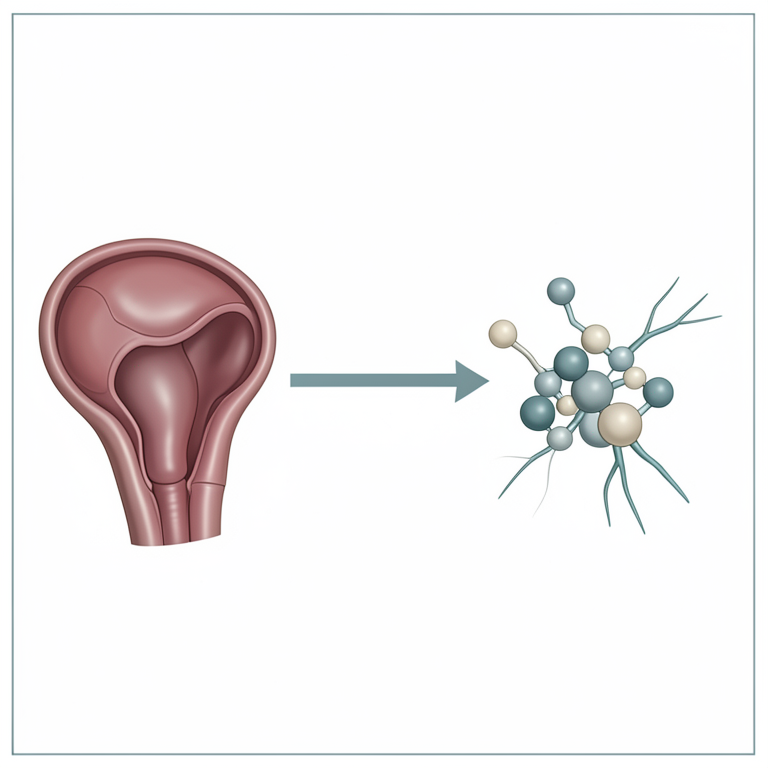
Study overview
AI-generated conceptual illustration (female domestic dog reproductive system). It explains the idea and does not show study data.
View source evidence ↗Introduction
Introduction
Process for the development of an immunocontraceptive
The process of creating an immunocontraceptive involves a number of procedures.
These consist of the following 1. The fundamental identification and characterization of suitable immunogens derived from reproductive hormones or from sperm, egg, egg investments or accessory reproductive organs. This step is highly complicated and is further subdivided into following steps- Defining reproductive events or processes that is susceptible to immune intervention. Identifying molecules (immunogens) whose removal or neutralization will affect fertility. Characterizing the immunogen's structure biochemically. Determining whether the immunogen is specific to the targeted reproductive event or tissue and not present in other tissues.
2. The development of techniques for producing the immunogens to high standards of purity by genetic engineering of genes encoding particular immunogens, peptide synthesis or isolation of the antigen from natural sources.
3. Production and purification of immunogens. 4. Dosage formulation of immunogen.
5.
Immunogen formulations are tested for immunogenicity, safety and efficacy in small animals and primates. 6. Immunogenicity, safety and efficacy are assessed in human trials. 7. Diagnostics are developed to track the infertility status of recipients of the effective immunogens (Christian 1996) [17] .
Targets of immunocontraception
The stages of reproduction that are susceptible to immune intervention should be taken into account while determining which molecules would be most effective for a contraceptive vaccination. Mammalian reproduction can be simplified by separating it into few crucial stages, each of which could present a chance for intervention: gamete production (oogenesis and spermatogenesis); gamete shedding and transport (ovulation and oviductal transport); gamete interaction (capacitation, the acrosome reaction, penetration of the egg investments and fusing with the oolemma, transportation of blastocyst and implantation).
Theoretically, all of these events can be stopped by inducing an immune response against molecules that have critical structural and functional roles and are accessible to antibodies (McLaughlin and Aitken 2011) [34] . A potential candidate for an effective contraception should have relevance with the process of reproduction, exhibit tissue specificity, present in transient amount to avoid chronic risk of immune complex formation and should be accessible to antibodies (McLaughlin et al 2003) [35] .
Reproductive hormones as antigens GnRH Vaccination
GnRH is a decapeptide synthesized by hypothalamus that regulates the anterior pituitary to secrete gonadotropins-Luteinizing hormone (LH) and Follicle stimulating hormone (FSH) both these hormones contribute majorly in oogenesis and spermatogenesis. GnRH based vaccines offer a promising approach in contraception. These vaccine triggers an immunological response against GnRH, which in turn influences the chain of reaction of reproductive hormones (Killian et al 2008) [36] . Decrease in LH and FSH levels ultimately affects spermatogenesis and oogenesis (Bremner and Matsumotoa 1986) [11] . The vaccine's contraceptive effect fades with time in most species (Miller et al 2008, Massei et al 2012) [38], 41 , while infertility can persist for a few years (Killian et al 2009, Gionfriddo et al 2011, Massei et al 2012) [39,40,41] . [42, 42, 36, 44, 45, 41] . In 2004 a research was done at the Idaho Fish and Game Wildlife Health Laboratory in Caldwell, Idaho (USA) to find out if a GnRH vaccination was successful in lowering pregnancy in bison and to investigate the safety of injecting GnRH in pregnant bison. Pregnant and non-pregnant female bison were given a single injection of the GnRH vaccine. After GnRH immunization, the pregnant bison who had received the shot gave birth to healthy calves. The immunized non-pregnant bison were found to be non-pregnant even after mating depicting the contraceptive and effective nature of the GnRH vaccine (Miller et al 2004) [42] . Similar study was performed by Massei and his co-workers in 2008. They examined the physiology and behaviour of two groups of captive female wild boar in two consecutive trials (Trial 1 and Trial 2) to determine the efficacy and possible adverse effects of the single-dose GnRH vaccine GonaCon. They observed that no treated female delivered during the first trial and progesterone levels dropped to baseline levels in trial 2. Their findings suggested that GonaCon can inhibit wild boar reproduction without having any major impact on physiology or behavior of the animal (Massei et al 2008) [44] . Later in 2011 the long-term effects of the GnRH contraceptive vaccination on the breeding behavior, hormone levels, antibody levels specific to GnRH and fertility in male and female white-tailed deer (Odocoileus virginianus) was investigated. Reduced fawning rates, changed estrous behaviour, lower progesterone and inability to sustain pregnancy after conception were the results reported by them. Their findings showed that the GnRH vaccination successfully caused reversible infertility with infertility lasting up to two years without booster doses (Gionfriddo et al 2011) [41] . GnRH and pZP-GnRH vaccination was later assessed with other contraceptive techniques. Killian et al (2008) assessed the contraceptive effectiveness of the human intrauterine device (IUD) 380 Copper 'T', porcine zona pellucida (pZP) vaccine SpayVac and gonadotrophin-releasing hormone (GnRH) vaccine GonaCon in mustang mares. The rate of contraception was reported to be 100% for SprayVac, 94% for Gonacon and 80% in the mares treated with IUD's. They reported that a single dose of either SpayVac or GonaCon vaccination can provide mustang mares with long-term contraception.
Similar study was performed in a population of wild female horses (Equus caballus) by Gray and his co-workers to examine the effectiveness and possible adverse effects of two contraceptive formulations: GonaCon-B and SpayVac formulation. The reproductive status of the females was examined for three years. They observed that both the contraceptive methods dramatically decreased fertility. Their findings showed that even without booster shots, both the vaccinations were capable of considerably lowering fertility for several years (Gray et al 2010) [45] . The contraceptive impact and immune response in rats were studied using two new injectable immunocontraceptive formulations targeting the GnRH: Mycobacterium avium cell wall fragments-Imaxio (MAF-IMX294) and (MAF-IMX294P) conjugates (both identified for having potential as oral contraceptives). Both the formulations caused 100% of rats to develop anti-GnRH antibody titres and significantly reduced fertility as compared to control animals (Pinkham et al 2022) [47] .
To investigate the effectiveness of GonaCon in black-tailed prairie dogs (C. ludovicianus) a study was conducted in USA. Female Prairie dogs weighing ≥ 660 g were live trapped and injected with 0.4 ml of GonaCon (0.032% w/w GnRH) and the control females were injected with sham vaccine (without GonaCon). Adults and juveniles were counted at six different locations to determine the initial Gonacon effectiveness and the persistence of contraception.
It was observed that the juvenile:adult ratio was three times higher in the areas where females were injected with sham vaccine. GonCon was reported to be very effective in the first year of the study but not in the second year (Shiels et al 2024). Other than Gonacon Improvac, Equity, Bopriva, Improvest and Repro-Bloc are the other GnRH based vaccines that are currently under investigation (Gupta and Minhas 2017). Along with its contraceptive behaviour the GnRH based vaccines have shown various secondary drawbacks including decrease in testicular size, possible decline in libido and alterations in secondary sexual characteristics that impedes the commercial acceptance of this formulation.
Immunization with LH and FSH
LH and FSH hormones are known to work in conjunction to regulate testicular and ovarian function. A variety of steroid hormones and proteins are secreted by the gonads in response to their secretion. Gonadal steroids perform a variety of tasks, such as maintaining secondary sexual traits and accessory sex tissues, stimulating hypothalamic regions linked to aggressive and sexual behaviour and controlling the secretion of Luteinizing hormone releasing hormone (LHRH), LH and FSH through feedback processes (D'Occhio 1993) [25] . Hormones are easily accessed by antibodies since they are carried by the general circulation. Therefore, it has been suggested that antibodies that are specific for a given hormone will attach to that hormone in the bloodstream, thereby inhibiting its biological effects. Notably, these hormones are not immunogenic; consequently, immunization with these hormones requires conjugation to antigenic carrier proteins (Ladd et al 1990) [48] . Ovine and human FSH have similar structural characteristics, using ovine FSH instead of human FSH reduces the likelihood of cross-reactive antibodies with human LH and FSH (Moudgal et al 1992) [50] . Male bonnet monkeys that received ovine FSH vaccination developed testicular dysfunction, oligozoospermia and ultimately sterility. Notably, there was no correlation between infertility and changes in testosterone levels, which adds another benefit to the use of FSH-based vaccines (Murty et al 1979) [51] . After ovine FSH tests were successful, two distinct forms of ovine FSH-ovine FSH αβ heterodimer or isolated ovine βchain were used in a phase 1 clinical trial.
Alum was used as an adjuvant in both the cases. Following immunization, all immunized individuals developed antibodies specific to FSH. However, since the concentration of the antibodies produces was low, it did not affect the sperm concentration (Moudgal et al 1997) [51] . When adult female sheep (ewes) were immunized with LH they did not become pregnant for two breeding seasons. The preovulatory surge of LH was thought to be the mechanism of action, which prevent ovulation (Roberts and Reeves 1989) [52] . Pan et al (2024) [53] in prepubertal and pubertal mammals, investigated the effects of recombinant LH receptor (LHR) and recombinant FSH receptor (FSHR) subunit vaccines on testicular development, spermatogenesis and testosterone secretion using male Sprague Dawley (SD) rats as a model. The LH receptor-diphtheria toxin (LHR-DTT) and FSH receptor-diphtheria toxin (FSHR-DTT) vaccines both markedly reduced the prepubertal rat's serum testosterone level (p<0.05), but it had no effect on the pubertal rat's testosterone secretion. Additionally, in both prepubertal and pubertal rats, the vaccines reduced spermatogenesis and the number of cell layers in the seminiferous tubules. Subunit vaccination FSHR-DTT reduced testicular index and sperm motility in pubertal rats and decreased sperm density in the epididymis in both prepubertal and pubertal rats. In contrast, LHR-DTT only decreased sperm density in the epididymis in pubertal rats. Their findingssuggest that the FSHR subunit vaccination is potentially a useful method for immunocastration. Despite the possibility of using LH vaccination as a contraceptive method, its widespread acceptance is hindered by the possibility that it may impact sex steroids
Targeting egg-surface antigens
In mammals, the ZP is an extracellular transparent glycoproteinaceous matrix that envelops the egg (Talbot et al 2003, Nixon et al 2007) [54,55] . It functions as a comparatively species-specific "docking site" for spermatozoa-oocyte interaction, triggers acrosomal exocytosis in spermatozoa, inhibits polyspermy and is crucial for the protection of a pre-implanted blastocyst (Zhao and Dean 2002, Nixon et al 2007) [56,55] . ZP glycoproteins have been considered as potential antigens for immunological contraception because of their vital involvement in reproduction. Zona matrix is made up of three or four different glycoproteins. The ZP matrix in mice is made up of three glycoproteins: ZP glycoproteins-1 (ZP1), ZP glycoproteins-2 (ZP2) and ZP glycoproteins-3 (ZP3) (Spargo and Hope 2003). ZP matrix in humans and non-human primates is made up of four glycoproteins: ZP1, ZP2, ZP3 and ZP glycoproteins-4 (ZP4). Whole native porcine zona pellucida (pZP) collected postmortem from pig ovaries is a heterologous antigen that has been used for fertility control in feral and exotic animals. Many mammalian species including lagomorphs, equids and primates have been proven to experience infertility as a result of active vaccination trials using this vaccination (Bhatnagar et al 1992) [6] . Previous researches has shown that pZP is a potent heteroimmunogen in most species and [57,58,59,38] , bonnet monkeys (Miller and Killian 2002, Hardy et al 2002) [36,61] , bears (Lane et al 2007) [62] and elephants (Delsink et al 2007) [20] . In North-America pZP immunocontraception via remote dart delivery was delivered to control the population of wild horse. An analysis was conducted to assess the efficacy of the treatment as well as the impact of the treatment on annual birth rates and population demographics for a period of four years. With no noticeable change in the foaling season or duration, a downward trend in the foaling rate and number of mature mares was reported at monthly intervals, demonstrating decline in yearly seasonal breeding peaks.
After four years 58% decrease in foaling and a mere 10% conception rate was recorded (Schulman et al 2024) [63] .
Long-term researches have revealed that vaccination with zona antigens may trigger an immune response against a large number of eggs within the ovary, potentially resulting in early ovarian failure (Paterson et al 1992) [64] . Hence, sufficient data must be obtained before placing it in the market (Naz 2005) [65] .
Targeting sperm antigens
Many studies have been carried out to induce immunological contraception by injecting women with bovine sperm phospholipid or fresh semen. For the development of immunocontraceptive vaccines out of the available choices, sperm constitute the most promising and exciting target. Even though sperm contains many antigens but only the antigens that are sperm-specific can be ideal candidates for immunocontraception. Since crude sperm extracts have shown some efficacy as contraceptives, the main focus of future researches has shifted to discovering and characterizing specific sperm molecules with comparable antifertility properties. Numerous antigens that are initially formed during spermatogenesis and subsequently remain on mature sperm have been reported in many studies. Compared to the extrinsic or coating antigens of sperm, these antigens collectively are frequently referred to as "intrinsic differentiation antigens". These differentiation antigens frequently meet the crucial requirement of tissue specificity (Feuchter et al 1981) [66] . Immunocontraceptives associated with sperm or egg antigens are commonly referred to as pre-or postfertilization immunocontraceptives based on their hypothesized mechanism of action. The first theory statesimmunocontraception that occurs before fertilization in which an antibody to a component of the sperm membrane will act in the oviduct to stop fertilization or agglutinate/ lyse sperm during passage through the female tract is referred to as a pre-immunocontraceptive. In contrast, an immunocontraceptive based on an antibody against hCG which target an early embryo within the uterus to induce early abortion is considered as a post-fertilization immunocontraceptive. hCG is secreted by the trophoblast layer which stimulates corpus luteum to secrete progesterone that maintains the uterine lining. Drop in progesterone levels will ultimately lead to shedding off of uterine lining further impeding implantation (Kayisli et al 2003) [67] . One in five couples of reproductive age suffers from infertility. Antisperm antibodies are possessed by some of these individuals in their blood and reproductive tract secretions. 5-30% of infertile patients and 50-70% of vasectomized men produce antisperm antibodies (Liskin et al 1983, Ohl and Naz 1995) [68,69] . Sperm consists of both auto-and iso-antigens thus can produce antibodies in both men and women. Fertilization and fertility are affected by antisperm antibodies both in vitro and in vivo conditions (Naz et al 2005) [65] . Immunizing males or females of different species including human beings with sperm or sperm extracts results in the development of antisperm antibodies leading to infertility (Baskin 1932) [4] . Interaction between some of the sperm membrane antigen moieties and antibodies can be the main reason of immune infertility, as antisperm antibodies are unable to penetrate through the plasmalemma of live sperm cells. Knowledge of the nature of sperm antigens implicated in immune responses might aid in the development of contraceptive vaccines for humans, domestic and wild animal populations (Frayne and Hall 1999) [70] . Sperm-specific antigens can induce immune responses as they are synthesized and incorporated into spermatozoa at puberty after neonatal period (Tung 1998) [71] . By this time, the contact between immune system and sperm antigens is confined, as during the last stages of development the male germ cells are sequestered behind the blood-testis barrier (Pelletier 1998) [72] . For the purpose of immunization, the whole spermatozoa cannot be used as it shares several internal and external antigens with the somatic cells (Naz 1999) [73] . The most attractive target for immunocontraception is the sperm-zona pellucida binding site. Only sperm specific antigens can be employed for contraceptive vaccine. These antigens develop in the testis or during the passage through epididymis which is the maturation site for sperms. Some of the well characterised sperm antigens are sperm adhesion molecule 1 (SPAM 1), sperm protein (SP-10, SP-17), metalloprotease disintegrin cysteine (MDC), NZ-1, NZ-2, fertilization antigen (FA-1), lactate dehydrogenase-C4 (LDH-C4), YLP-12 peptide, sperm agglutination antigen (SAGA-1), rabbit sperm membrane protein-B (rSMP-B), human equatorial segment protein (hESP), BS-17, 80 kDa human sperm antigen (HSA) and sperm acrosomal membrane-associated protein (SAMP-32). Moreover, during transit through epididymis spermatozoa acquires few glycoproteins from epididymal secretions on its surface, including, epididymal protease inhibitor (Eppin), dorsal head and equatorial proteins (DE), sperm flagella protein (SFP-2), Izumo and A-kinase anchoring protein (AKAP) (Kaur and Prabha 2014) [74] . Sperm competence in animal fertilization necessitates the coordinated actions of several sperm-specific proteins, which are typically allo-immunogenic in females. The alloantigens of sperm membrane are potential contraceptive targets as they block the protein's function during gamete interactions. A targeted proteomic technique was used to identify significant allo-antigens in pig sperm membranes and lipid rafts. In gilts with high allo-antibody reactivity to proteins in sperm membranes or lipid rafts, fewer offspring (73%) were generated than in adjuvant-only or non immune control animals. Allo-antisera has been shown to have around 20 different sperm membrane proteins and 5 different lipid raft proteins. ADAMs fertilin, fertilin β and cyritestin are alloantigens recognized by mass spectrometry. Myo-inositol monophosphatase-1, ATP synthase F1 β subunit and zymogen granule membrane glycoprotein-2 are among the less abundant alloantigens. Lymphocytic antigen 6K, SAMP14 and the epididymal sperm protein E12 are all immunodominant sperm lipid raft alloantigens. Eleven of the fifteen membrane alloantigens were known spermspecific proteins with unknown fertilization roles. The existence of the remaining four sperm-specific isoforms was unknown. After de novo sequences of tryptic peptides from sperm membrane alloantigen that showed no obvious resemblance to known proteins, a novel sperm specific gene product "M6" was found in swine (Cormier et al 2018) [18] .
Sperm-specific antigens with immunogenic potential
Numerous conserved, sperm-specific immunogenic proteins have been found and assessed for the development of a secure and an effective contraceptive vaccine (Jones 1990 [75] , Primakoff 1994 [76] , Diekman and Herr 1997, Frayne and Hall 1999) [24] . Many of these have shown promising results. Female baboons were found to be less fertile after receiving the LDH-C4 vaccination, but female cynomolgus macaques were not affected (Tollner et al 2002) [76] . In male guinea pigs, active immunization with protein hyaluronidase (PH-20) developed autoimmune orchitis and also completely inhibited fertility (Tung et al 1997) [78] . Eppin vaccination resulted in infertility and high antibody titres in 78% of immunized monkeys (O'Rand et al 2004) [79] .
The Sperm Adhesion Molecule 1 (SPAM1): a 64 kDa glycosyl-phosphatidylinositol (GPI) is expressed in the testis, epididymis, sperm and epididymis luminal fluid (Deng et al 2000, Zhang and Martin-DeLeon 2003) [22,80] . During fertilization, the hyaluronidase enzyme SPAM1 has three primary roles. These consist of ZP binding, cumulus penetration (Cherr et al 2001) [15] and Ca 2+ signalling during acrosomal exocytosis (Cherr et al 1999) [14] . The protein is highly conserved among different animals and has been cloned from numerous species including fox (Ten Have et al 1998), guinea pig (Lathrop et al 1990) [81] , pig (Day et al 2002) [19] , rat (Hou et al 1996) [82] , rabbit (Holland et al 1997) [87] , monkey and man . 100% infertility was reported in male and female guinea pigs immunized with purified SPAM1. The sperm-ZP binding capacity was decreased when sprm were incubated with antibodies against SPAM1 (Primakoff et al 1997) [78] . In case of immunized males, autoimmune diseases were linked to infertility (Tung et al 1997) [78] . Whereas, sperm egg binding was prevented by antibodies that resulted in infertility in case of females. To produce proteins in sufficient quantity recombinant technology was used and recombinant SPAM 1 (rSPAM-1) was later employed to immunize both male and female rabbits, the results were not very promising as it did not cause any of the immunized animals to become infertile. This was attributed to the fact that sufficient levels of anti-rSPAM1 antibodies were not induced, necessary for preventing conception (Holland et al 1997) [87] .
PH-20:
The sperm antigen PH-20 was isolated from guinea pig (Primakoff et al 1997) [78] . The protein resulted in 100% infertility in both male and female guinea pigs after active immunization. They reported that fertility was regained after a drop in antibody titre but it caused autoimmune orchitis in case of males. The protein's hyluronidase activity was discovered later.
Fertilin: earlier known as PH30 is a sperm-associated protein. It was first isolated from caudal epididymal sperm extract from guinea pigs. Fertilin α (60 kDa) and β (44 kDa) are two related subunits. The function of α fertilin is linked to sperm-egg adhesion (Blobel et al 1992) [9] . The existence of a cysteine-rich domain, which seems to be involved in cell adhesion, justifies its role in adhesion. However, the sperm lacking this subunit is still capable of spermegg fusion hindering its use in immunocontraception (Cho et al 2000) [16] . Fertilin β is well known for mediating membrane fusion and sperm-egg interaction (Yuan et al 1997) [90] . Fertilin β antibodies prevented fertilization in vitro (Stein et al 2004) [91] , but were found to have no effect on fertility in vivo, therefore not considered a suitable choice as a contraceptive (Ramarao et al 1996, Hardy and Mobbs 1997) [92,93] .
Sperm Protein-10 (SP-10): a testis specific but not species specific protein was first identified in humans (Anderson et al 1987) [2] . In vitro and in vivo studies have proved that antibodies raised against this protein inhibit sperm-zona binding (Kurth et al 1997) [94] . However, the protein is restricted to outer acrosome layer and is therefore, only accessible to antibodies after the acrosome reactions are triggered.
Sperm epididymal protein (DE):
The immunocontraceptive characteristics of recombinant sperm epididymal protein (DE), was evaluated to assess its involvement in the fertilization process in rats. Male and female rats were randomly assigned to one of three groups and given five injections of recombinant DE (recDE), native DE (nDE) and maltose binding protein (MBP). According to the findings recDE elicited a stronger immunological response and greater anti-DE levels than nDE. recDE injections resulted in a substantial decrease in fertility in both male and female rats with no indication of pathological consequences and has shown to cause an immunological response as well as impair fertility in both male and female rats (Ellerman et al 2008) [27] . Human seminal plasma inhibin (hSPI) -is a peptide with a molecular size of 10.5 kDa that regulates FSH, has also been identified as a potential antigen for controlling fertility. When male and female rats were immunized either actively or passively with hSPI or its synthetic peptides, fertility was inhibited by 75% (Vanage et al 1992, Sheth et al 1994, Vanage et al 2000) [96,97,98] . When male bonnet monkeys were actively immunized with the N-terminal 17 amino acid peptide (R-17), the ejaculated spermatozoa lost their motility and an increase in antibody titre was observed. The study has also showed that antifertility effect was reversible along with a drop in antibody titre (Bandivdekar 2014) [3] . Several sperm antigens are under investigation and majority of these have demonstrated efficacy in lowering sperm-egg interaction in vitro; nevertheless, immunization trials have not been very successful in terms of their ability to provide contraception. Lactate dehydrogenase (LDH) -The LDH family is composed of at least three genes Ldha, Ldhb and Ldhc that translates into different subunits of proteins A, B and C respectively. The Ldha and Ldhc genes are situated on chromosomes 11 and 7 respectively, in humans and mouse genome (Edwards et al 1989), whereas the Ldhb gene is located on chromosomes 12 in humans and on chromosome 6 in mouse (Takeno) [99] . According to the gene evolution theory, initially Ldh gene duplicated in vertebrates, giving rise to the Ldha and Ldhb genes (Markert et al 1975) [100] . Later the Ldha and Ldhb genes underwent second gene duplication, leading to the emergence of Ldhc gene in fish, columbid birds (Zinkham et al 1969, Mannen et al 1997) [101,102] and mammals (Li et al 1983b, Millan et al 1987) [103,104] .
The protein family catalyzes the redox reaction involving inter-conversion of pyruvate into lactate (Everse and Kaplan 1973) [29] . The two subunits of LDH viz. A and B form homo or heterotetramers that are dispersed throughout the body in various configurations to reflect the metabolic needs of various tissues. LDH-A is more prevalent in skeletal muscle and LDH-B is the most common type in cardiac muscle. Thus, skeletal muscles may have more A homotetramers and AB heterotetramers than the heart. The tetramers differ in their kinetics, which represents the tissue's total LDH activity. For instance, compared to LDH-A, LDH-B is inhibited at higher substrate concentrations because lactate production rises during exercise, LDH-A is therefore more suited to function in muscle cells, whereas high lactate levels would inhibit LDH-B and be harmful to the metabolism of cardiac muscle cells (Goldberg et al 2010) [5] . In male germ cells, LDH-C was the first testis-specific isozyme found. LDH-C was first discovered in human spermatozoa and spermatogenic cells of the testes using gel electrophoresis. Later, it was found that this testis-specific variant of the LDH family, earlier known as LDH-X, was a distinct third gene product and its heterotetramers can be easily assembled in vitro. Lactate dehydrogenase isozymes are ubiquitous in vertebrates, tissue and cell specific, developmentally controlled and are multifunctional according to various biological, biochemical and genetic studies (Goldberg et al 2010) [5] . The structure of mouse LDH-C4 was determined by crystallography (Goldberg 1972, Musick and Rossmann, 1979) [105,106] and full sequences for LDH-C4 were made available (Pan et al 1983) [107] . According to these structural studies, LDH-C was found to be homologous to LDH-A and LDH-B subunits in mice and humans, exhibiting 72.5% and 75.3% similarity with LDH-A and 64.5% and 69.8% identity with LDH-B, respectively. The three-dimensional structure of LDH-C4 exhibited changes and alterations in the amino acid sequence, which endows LDH-C4 with special structural (Hogrefe et al 1987) [108] and functional characteristics (Blanco et al 1976, Li et al 1983a) [109,110] Using gel electrophoresis (Goldberg and Hawtrey 1967) and immunohistochemistry (Hintz and Goldberg 1977) the presence of LDH-C protein in the testis was demonstrated. The protein was first identified in preleptotene spermatocytes and was widely distributed in spermatids and spermatozoa (Li et al 1989). Pachytene spermatocytes also contained LDH-A; however, the majority of LDH activity in male germ cells originated from LDH-C4 (Erickson et al 1975, Li et al 1989; Odet et al 2008) [28] . Heterotetramers containing A and C subunits were not found in human or murine testis (Goldberg and Hawtrey 1967, Li et al 1989) [111, 112] . According to Millan et al (1987) [104] , the relative hydrophobicity of LDH-C raised the possibility that it is situated close to the plasma membrane. LDH-C was discovered in the plasma membrane fraction by Alvarez and Storey (1984) [1] after separating several subcellular fractions of rabbit spermatozoa. The finding was supported by the discovery of LDH-C at the spermatozoa's surface (Erickson et al 1975, Beyler et al 1985) [28,5] . At first, it was thought that LDH-C4 was unique to male germ cells (Blanco and Zinkham 1963, Goldberg 1963) [8,7] and LDH-B was the major LDH isozyme in oocytes (Roller et al 1989) [114] . But in 2006 Coonrod and his co-workers demonstrated that the LDH-C protein is also present in the preimplantation blastocyst in oocytes and fertilized eggs at the germinal vesicle stage. The enzymatic activity of LDH-C4 could not be detected in egg extracts because of its low level. The amount of LDH-C4 transcript in oocytes (102 per million transcripts) is significantly less than that in the entire testis (2844 per million transcripts). The role of LDH-C4 in oogenesis, oocyte maturation or early development is still unclear but it is well documented that Ldhc null females are fertile. Goldberg et al (2001) [115] used a chimeric peptide containing T-cell epitope of tetanus toxin and a B-cell epitope of LDH-C4 to immunize four sexually mature male baboons (Papio sp.). The animals were vaccinated on day 0 and then given booster shots on days 29, 61 and 344. Antibodies were raised against LDH-C4 and it considerably lowered fertility in female monkey. The investigation showed that sperm from these immunized males had a reduced zona binding capacity and the LDH-C4 epitope did not induce autoimmune illness. Their findings imply that production of anti-sperm antibodies can pave the way for the development of a safe male immunocontraceptive. To evaluate whether LDH-C is required for spermatogenesis, oogenesis and their functions an experiment was conducted in which LDH-C gene was disrupted. Fertility was severely affected in target disrupted LDH-C male mice whereas no effect was observed in case of females. Testis, sperm morphology and spermatogenesis appeared normal. However, compared to wild type sperm, total LDH enzymatic activity was much lower in LDH-C disrupted sperm, demonstrating that the LDH-C homotetramer (LDH-C4) is responsible for the majority of LDH activity in sperm. When isolated, the LDH-C disrupted sperm were motile at first, but their ATP levels and motility declined quickly, compared to wild-type sperm. Furthermore, LDH-C disrupted sperm were unable to achieve hyperactivated motility, enter the zona pellucida in vitro or undergo the phosphorylation processes associated with capacitation. The study found that LDH-C is critical for maintaining glycolysis and ATP synthesis in the flagellum, which is essential for male fertility and sperm function (Odet et al 2008) [116] . Later in 2011, Odet and his co-workers conducted another study to show that male infertility can be caused by disruption of germ cell specific lactate dehydrogenase C gene. Defects in sperm function, quick decline in sperm ATP levels, reduced motility and inability to achieve hyperactivated motility were the possible explanations of infertility. experiment hypothesized that lack of LDH-C would disrupt glycolysis via feedback inhibition, either by producing a malfunction in the replenishment of the nicotinamide adenine dinucleotide (NAD+) cofactor required for the activity of glyceraldehyde 3-phosphate dehydrogenase (GAPDHS) or by pyruvate accumulation. In sperms without LDH-C, glucose intake was disturbed, NAD:NADH ratio and pyruvate levels were also impacted, with pyruvate being quickly converted to lactate. The findings supported the hypothesis that the residual LDH activity in sperm without LDH-C is attributable to LDH-A that is found in the major portion of flagellum and that LDH-C also have a function in sperm energy metabolism maintenance. Coimmunoprecipitation combined with mass spectrometry found 27 proteins linked with LDH-C, majority of which are involved in ATP production, transport and sequestration (Odet et al 2011) [117] . Identification and characterization of sperm specific proteins About 25% of infertile couples experience conception failure primarily due to male infertility. The proteins on the spermatozoa have a role in the causes of male infertility. A study determined whether the spermatozoa of fertile and infertile males expressed different sperm membrane proteins and functions of these proteins. A 57 kDa protein was detected and refined by various chromatographic methods. Immunofluorescence, enzyme linked immunosorbant assay (ELISA), flow cytometry, sodium dodecyl sulphatepolyacrylamide gel electrophoresis (SDS-PAGE) and Western blot analysis characterised the protein. In vitro research revealed the function of 57 kDa protein in spermoocyte interaction. Infertile and normozoospermic patient's sperm extracts displayed 16-18 major and 12-15 minor protein bands. In non-acrosome-reacted spermatozoa (NAR), the protein was localised to the head, whereas in acrosome-reacted (AR) spermatozoa, it was relocated to the equatorial segment. In a dose-dependent way, the antibody against the purified 57 kDa protein prevented human sperm from attaching to zona-free hamster eggs ( [12] . An investigation on the electrophoretic profile of sperm membrane proteins in Assam Hill goat (AHG) bucks and their relationship to properties of fresh semen was conducted. Sixty-four ejaculates, eight from each of the eight bucks were collected using an artificial vaginal canal. Two equal portions were separated from each ejaculate. The first portion was utilized to assess fresh semen and the second portion was used to study proteins. The molecular weight of 20 distinct protein bands was identified by SDS-PAGE ranging from 10 kDa to 75 kDa. Six protein bands out of the twenty were consistently found in all the eight dollars (100%). Significant positive correlations were found between specific fresh semen properties and protein bands with molecular weights of 10, 14, 22, 28, 55, 57, and 60 kDa; in contrast, a negative association was observed between fresh semen features and the 47 kDa protein band (Deori et al 2016) [23] . Another research applied the use of hetero-and isoantibodies to identify and characterise antigenic proteins specific to dog sperm. One male dog and two male rabbits received injections of dog sperm proteins isolated with sodium dodecyl sulphate-sperm membrane extract (SDS-SME) and lithium diiodosalicylate-sperm membrane extract (LDIS-SME). A robust precipitation line in immunodiffusion and an increase in the quantity of immunoglobulin (Ig) in the blood serum demonstrated a fast humoral response. Nine antigenic proteins measuring 97, 46, 42, 38, 36, 32, 30, 28 and 20 kDa were found in dog sperm by partially purified iso-Ig and only three protein bands measuring 97, 38 and 36 kDa were discovered by partially isolated hetero-Ig from rabbits. The role of these antigens in sperm maturation during epididymal transit and their circulation in blood was demonstrated by cross-reaction of anti-LDIS-SME and anti-SDS-SME antibodies with 46 and 28 kDa protein bands in epididymal fluid, tissue and blood plasma. Anti-SME in blood serum, tissue or fluid recognised 14 and 116 kDa antigens depicting their non-specific nature. Antigenic proteins were more heavily localised on the acrosomal cap. The ejaculates of two dogs from 45-90 and 90-150 days post immunization (DPI) showed a substantial (p<0.05) decrease in motility, live spermatozoa, HOS positive, sperm count and an increase in sperm abnormalities. Sperm parameters showed an improvement starting at 150 DPI and returned to levels comparable to canine ejaculates obtained before vaccination at 210 DPI (Cheema et al 2012) [13] . Therefore, it can be said that sperm membrane extract (SME) contains antigenic proteins with immunocontraceptive potential. However, their molecular structure, specificity and function need to be studied in order to better characterize and understand their role in gamete interaction.
Conclusion
It is highly desirable that the contraceptive vaccinations that have been proposed so far do not completely prevent fertility in all of the immunized subjects. Despite great anticipation for safer, more effective and longer-acting contraceptives, there are currently no approved contraceptive vaccines in the market. Additionally, there exists heterogeneity in the immunological response generated by immunization; certain individual exhibit elevated antibody titers for an extended duration, whereas others do so for a brief period. Contraceptive vaccines have a place as a nonsurgical method of achieving sterility and a tool for birth spacing. In terms of comfort, affordability, effectiveness, infrequent consequences and likely non selective impact on animal populations as well as people, the future of contraceptive vaccines appears bright. More study is needed in this area, with the ultimate goal of developing a vaccine that is more immunogenically successful.
References
116 in the original paper- Alvarez JG, Storey BT. Assessment of cell damage caused by spontaneous lipid peroxidation in rabbit spermatozoa. Biol Reprod. 1984;30(2):323-331.
- Anderson DJ, Johnson PM, Alexander NJ, Jones WR, Griffin PD. Monoclonal antibodies to human trophoblast and sperm antigens: report of two WHO sponsored workshops, June 30, 1986 -Toronto, Canada. J Reprod Immunol. 1987;10(3):231-257.
- Bandivdekar AH. Development of antifertility vaccine using sperm specific proteins. [Journal/book not specified]. 2014.
- Baskin MJ. Temporary sterilization by injection of human spermatozoa: a preliminary report. Am J Obstet Gynecol. 1932;24(5):892-897.
- Beyler SA, Wheat TE, Goldberg E. Binding of antibodies against antigenic domains of murine lactate dehydrogenase C4 to human and mouse spermatozoa. Biol Reprod. 1985;32(5):1201-1210.
- Bhatnagar P, Gupta SK, Sehgal S. Immunogenicity of deglycosylated zona pellucida antigens and their inhibitory effects on fertility in rabbits. Int J Fertil. 1992;37(1):53-63.
- Blanco A, Zinkham WH. Lactate dehydrogenases in human testes. Science. 1963;139(3550):601-602.
- Blobel CP, Wolfsberg TG, Turck CW, Myles DG, Primakoff P, White JM. A potential fusion peptide and an integrin ligand domain in a protein active in sperm egg fusion. Nature. 1992;356(6368):248-252.
- Bremner WJ, Matsumoto AM. Endocrine control of human spermatogenesis: possible mechanism for contraception. In: Zatuchni GI, Goldsmith A, Spieler JM, Sciarra JJ, editors. Male Contraception: Advances and Future Prospects. Philadelphia: Harper & Row; 1986. p. 81-88.
- Cheema RS, Bhakri G, Vashishat N, Dhanju CK, Gandotra VK. SDS PAGE of sperm membrane, epididymal tissue and fluid proteins of Indian mongrel: identification and characterization of sperm specific proteins. Int J Innov Biol Chem Sci. 2011;2(1):22-34.
- Cheema RS, Vashishat N, Bhakri G, Gandotra VK. Characterization of antigenic proteins in dog spermatozoa and effect of immunization with sperm membrane proteins on semen quality. Theriogenology. 2012;2(1):13-31.
- Cherr GN, Yudin AI, Li M, Vines CA, Overstreet JW. Hyaluronic acid and the cumulus extracellular matrix induce increases in intracellular calcium in Macaca sperm via the plasma membrane protein PH-20. Zygote. 1999;7(3):211-222.
- Cherr GN, Yudin AI, Overstreet JW. The dual functions of GPI-anchored PH-20: hyaluronidase and intracellular signalling. Matrix Biol. 2001;20(8):515-525.
- Cho C, Ge H, Branciforte D, Primakoff P, Myles DG. Analysis of mouse fertilin in wild type and fertilin β (-/-) sperm: evidence for C-terminal modification, α/β dimerization, and lack of essential role of fertilin α in sperm egg fusion. Dev Biol. 2000;222(2):289-295.
- Christian J. Contraceptive research and development: looking to the future. Washington, DC: The National Academies Press; 1996. Available from: https://doi.org/10.17226/5156.
- Cormier N, McGlone JJ, Leszyk J, Hardy DM. Immunocontraceptive target repertoire defined by systematic identification of sperm membrane alloantigens in a single species. PLoS One. 2018;13(1):e0191003.
- Day AE, Quilter CR, Sargent CA, Mileham AJ. Characterization of the porcine sperm adhesion molecule gene SPAM1-expression analysis, genomic structure, and chromosomal mapping. Anim Genet. 2002;33(3):211-214.
- Delsink AK, van Altena JJ, Grobler D, Bertschinger HJ, Kirkpatrick JF, Slotow R. Implementing immunocontraception in free-ranging African elephants at Makalali Conservancy. J S Afr Vet Assoc. 2007;78(1):25-30.
- Delves PJ, Lund T, Roitt IM. Antifertility vaccines. Trends Immunol. 2002;23(4):213-219.
- Deng X, He Y, Martin-DeLeon PA. Mouse Spam1 (PH20): evidence for its expression in the epididymis and for a new category of spermatogenic expressed genes. J Androl. 2000;21(6):822-832.
- Deori S, Deka BC, Arangasamy A, Biswas RK, Selvaraju S, Bhuyan D, et al. Electrophoretic profile of sperm membrane proteins and correlation with fresh semen characteristics in Assam Hill goat. Indian J Anim Sci. 2016;86(11):1269-1273.
- Diekman AB, Herr JC. Sperm antigen and their use in the development of an immunocontraception. Am J Reprod Immunol. 1997;37(2):111-117.
- D'Occhio MJ. Immunological suppression of reproductive functions in male and female mammals. Anim Reprod Sci. 1993;33(5):345-372.
- Edwards Y, West L, Van Heyningen V, Cowell J, Goldberg E. Regional localization of the sperm specific lactate dehydrogenase, LDHC, gene on human chromosome 11. Ann Hum Genet. 1989;53(3):215-219.
- Ellerman DA, Busso D, Maldera JA, Cuasnicú PS. Immunocontraceptive properties of recombinant sperm protein DE: implications for the development of novel contraceptives. Fertil Steril. 2008;89(1):199-205.
- Erickson RP, Friend DS, Tennenbaum D. Localization of lactate dehydrogenase X on the surfaces of mouse spermatozoa. Exp Cell Res. 1975;91(1):1-5.
- Everse J, Kaplan NO. Lactate dehydrogenase: structure and function. Adv Enzymol Relat Areas Mol Biol. 1973;37:61-133.
- Fayrer-Hosken RA, Grobler D, Van Altena JJ, Bertschinger HJ, Kirkpatrick JF. Immunocontraception of African elephants. Nature. 2000;407(6804):149-150.
- Miller LA. Immunocontraception and possible application in wildlife damage management. Proc Great Plains Wildl Damage Control Workshop. 1995; p. 2730. University of Nebraska, Lincoln.
- Stevens VC. Antifertility vaccines. In: Perlmann P, Wigzell H, editors. Handbook of Experimental Pharmacology. Berlin: Springer-Verlag; 1999. p. 443461.
- Smith KA. Edward Jenner and the smallpox vaccine. Front Immunol. 2011;2:21.
- Riedel S. Edward Jenner and the history of smallpox and vaccination. Bayl Univ Med Cent Proc. 2005;18(1):21-25.
- McLaughlin EA, Aitken RJ. Is there a role for immunocontraception? Mol Cell Endocrinol. 2011;335(1):78-88.
- McLaughlin EA, Holland MK, Aitken RJ. Contraceptive vaccines. Expert Opin Biol Ther. 2003;3(5):829-841.
- Killian G, Thain D, Diehl NK, Rhyan J, Miller L. Fouryear contraception rates of mares treated with singleinjection porcine zona pellucida and GnRH vaccines and intrauterine devices. Wildl Res. 2008;35(6):531539.
- Bremner WJ, Matsumoto AM. Endocrine control of human spermatogenesis: possible mechanism for contraception. In: Zatuchni GI, Goldsmith A, Spieler JM, Sciarra JJ, editors. Male Contraception: Advances and Future Prospects. Philadelphia: Harper & Row; 1986. p. 81-88.
- Miller LA, Gionfriddo JP, Fagerstone KA, Rhyan JC, Killian GJ. The single-shot GnRH immunocontraceptive vaccine (GonaCon) in whitetailed deer: comparison of several GnRH preparations. Am J Reprod Immunol. 2008;60(3):214-223.
- Killian G, Kreeger TJ, Rhyan J, Fagerstone K, Miller L. Observations on the use of GonaCon in captive female elk (Cervus elaphus). J Wildl Dis. 2009;45(1):184-188.
- Gionfriddo JP, Denicola AJ, Miller LA, Fagerstone KA. Efficacy of GnRH immunocontraception of wild whitetailed deer in New Jersey. Wildl Soc Bull. 2011;35:142-148.
- Massei G, Cowan DP, Coats J, Bellamy F, Quy R, Pietravalle S, et al. Long-term effects of immunocontraception on wild boar fertility, physiology and behaviour. Wildl Res. 2012;39(5):378-385.
- Miller LA, Johns BE, Killian GJ. Immunocontraception of white-tailed deer with GnRH vaccine. Am J Reprod Immunol. 2000;44(5):266-274.
- Miller LA, Rhyan JC, Drew M. Contraception of bison by GnRH vaccine: a possible means of decreasing transmission of brucellosis in bison. J Wildl Dis. 2004;40(4):725-730.
- Massei G, Cowan D, Coats J, Gladwell F, Lane J, Miller L. Effect of the GnRH vaccine GonaCon on the fertility, physiology and behaviour of wild boar. Wildl Res. 2008;35(6):540-547.
- Gray ME, Thain DS, Cameron EZ, Miller LA. Multiyear fertility reduction in free-roaming feral horses with single-injection immunocontraceptive formulations. Wildl Res. 2010;37(6):475-481.
- Miller LA, Rhyan JC, Drew M. Contraception of bison by GnRH vaccine: a possible means of decreasing transmission of brucellosis in bison. J Wildl Dis. 2004;40(4):725-730.
- Pinkham R, Eckery D, Mauldin R, Gomm M, Hill F, Vial F, et al. Longevity of an immunocontraceptive vaccine effect on fecundity in rats. Vaccine. 2022;10:100138.
- Ladd A, Tsong Y-Y, Lok J, Thau RB. Active immunization against LHRH: I. Effects of conjugation site and dose. Am J Reprod Immunol. 1990;22:56-63.
- Moudgal NR, Jeyakumar M, Krishnamurthy HN, Sridhar S, Martin F. Development of male contraceptive vaccine: a perspective. Hum Reprod Update. 1997;3(4):335-346.
- Moudgal NR, Ravindranath N, Murthy GS, Dighe RR, Aravindan GR, Martin F. Long-term contraceptive efficacy of vaccine of ovine follicle-stimulating hormone in male bonnet monkeys (Macaca radiata). J Reprod Fertil. 1992;96(1):91-102.
- Murty GSRC, Rani CSS, Moudgal NR, Prasad MRN. Effect of passive immunization with specific antiserum to FSH on the spermatogenic process and fertility of adult male bonnet monkeys (Macaca radiata). J Reprod Fertil. 1979;26:147-163.
- Roberts AJ, Reeves JJ. Reproductive and endocrine changes in ewes actively immunized against luteinizing hormone. J Reprod Immunol. 1989;16(2):187-197.
- Pan F, Fu W, Zhang B, Han M, Xie H, Yi Q, et al. Effects of vaccination against recombinant FSH or LH receptor subunits on gonadal development and functioning male rats. Vet Sci. 2024;11(4):176-190.
- Talbot P, Shur BD, Myles DG. Cell adhesion and fertilization: steps in oocyte transport, sperm-zona pellucida interactions, and sperm-egg fusion. Biol Reprod. 2003;68:1-9.
- Nixon B, Aitken RJ, McLaughlin EA. New insights into the molecular mechanisms of sperm-egg interaction. Cell Mol Life Sci. 2007;64:1805-1823.
- Zhao M, Dean J. The zona pellucida in folliculogenesis, fertilization and early development. Rev Endocr Metab Disord. 2002;3:19-26.
- Turner JW Jr, Liu IK, Kirkpatrick JF. Remotely delivered immunocontraception in free-roaming feral burros (Equus asinus). J Reprod Fertil. 1996;107:3135.
- Kitchener AL, Edds LM, Molinia FC, Kay DJ. Porcine zonae pellucidae immunization of tammar wallabies (Macropus eugenii): fertility and immune responses. Reprod Fertil Dev. 2002;14:215-223.
- Locke SL, Cook MW, Harveson LA, Davis DS, Lopez RR, Silvy NJ, et al. Effectiveness of SpayVac for reducing white-tailed deer fertility. J Wildl Dis. 2007;43:726-730.
- Miller LA, Killian GJ. In search of the active PZP epitope in white-tailed deer immunocontraception. Vaccine. 2002;20:2735-2742.
- Hardy CM, Pekin J, ten Have J. Mouse-specific immunocontraceptive polyepitope. Reprod Fertil Dev. 2002;19:617-625.
- Lane VM, Liu IK, Casey K, van Leeuwen EM, Flanagan DR, Murata K, et al. Inoculation of female American black bears (Ursus americanus) with partially purified porcine zona pellucida limits cub production. Reprod Fertil Dev. 2007;19:617-625.
- Schulman ML, Hayes NK, Wilson TA, Grewar JD. Immunocontraceptive efficacy of native porcine zona pellucida (pZP) treatment of Nevada's Virginia Range free-roaming horse population. Vaccines. 2024;12(1):96-98.
- Paterson M, Koothan PT, Morris KD, O'Byrne KT, Braude P, Williams A, et al. Analysis of the contraceptive potential of antibodies against native and deglycosylated porcine ZP3 in vivo and in vitro. Biol Reprod. 1992;46(4):523-534.
- Naz RK. Contraceptive vaccines. Drugs. 2005;65(5):593-603.
- Feuchter FA, Vernon RB, Eddy EM. Analysis of sperm surface with monoclonal antibodies: topographically International Journal of Biology Sciences https://www.biologyjournal.net restricted antigens appearing in the epididymis. Biol Reprod. 1981;24:1099-1100.
- Kayisli U, Selam B, Guzeloglu-Kayisli O, Demir R, Arici A. Human chorionic gonadotropin contributes to maternal immunotolerance and endometrial apoptosis by regulating Fas-Fas ligand system. J Immunol. 2003;171(5):2305-2313.
- Liskin L, Pile JM, Quillan WF. Vasectomy safe and simple. Popul Rep. 1983;4:61-100.
- Ohl D, Naz RK. Infertility due to antisperm antibodies. J Urol. 1995;46:591-602.
- Frayne J, Hall L. The potential use of sperm antigens as targets for immunocontraception; past, present and future: a review. J Reprod Immunol. 1999;43:1-33.
- Tung KSK. Autoimmune diseases of the testis and the ovary. In: Rose NR, Mackay IR, editors. The Autoimmune Disease. New York: Academic Press; 1998. p. 687-704.
- Pelletier M. Blood-testis barriers in the male reproductive system. In: Martinez-Garcia F, Regardera J, editors. Male Reproduction. Madrid: Churchill Communications; 1998. p. 183-195.
- Naz RK. Vaccine for contraception targeting sperm. Immunol Rev. 1999;171:193-202.
- Kaur K, Prabha V. Immunocontraceptives: new approaches to fertility control: a review. Biomed Res Int. 2014;2014:1-15.
- Jones R. Identification and functions of mammalian sperm-egg recognition molecules during fertilization. J Reprod Fertil. 1990;42:89-105.
- Tollner TL, Overstreet JW, Branciforte D, Primakoff PD. Immunization of female cynomolgus macaques with a synthetic epitope of sperm-specific lactate dehydrogenase results in high antibody titers but does not reduce fertility. Mol Reprod Dev. 2002;62:257-264.
- Primakoff P. Sperm proteins being studied for use in a contraceptive vaccine. Am J Reprod Immunol. 1994;31:208-210.
- Tung KSK, Primakoff P, Woolman-Gamer L, Myles DG. Mechanism of infertility in male guinea pigs immunized with sperm PH-20. Biol Reprod. 1997;56(5):1133-1141.
- O'Rand MG, Widgren EE, Sivashanmugam P, Richardson RT, Hall SH, French FS, et al. Reversible immunocontraception in male monkeys immunized with eppin. Science. 2004;306:1189-1190.
- Zhang H, Martin-DeLeon PA. Mouse epididymal Spam1 (PH-20) is released in the luminal fluid with its lipid anchor. J Androl. 2003;24(1):51-58.
- Lathrop WF, Carmichael EP, Myles DG, Primakoff P. cDNA cloning reveals the molecular structure of a sperm surface protein, PH-20, involved in sperm-egg adhesion and the wide distribution of its gene among mammals. J Cell Biol. 1990;111(6):2939-2949.
- Hou ST, Ma A, Jones R, Hall L. Molecular cloning and characterization of rat sperm surface antigen 2B1, a glycoprotein implicated in sperm-zona binding. Mol Reprod Dev. 1996;45(2):193-203.
- Holland MK, Andrews J, Clarke H, Walton C, Hinds LA. Selection of antigens for use in a virus-vectored immunocontraceptive vaccine: PH-20 as a case study. Reprod Fertil Dev. 1997;9(1):117-124.
- Lin Y, Kimmel LH, Myles DG, Primakoff P. Molecular cloning of the human and monkey sperm surface protein PH-20. Proc Natl Acad Sci USA. 1993;90(21):10071-10075.
- Primakoff P, Woolman L, Tung KS, Myles DG. Reversible contraceptive effect of PH-20 immunization in male guinea pigs. Biol Reprod. 1997;56:1142-1146.
- Tung KSK, Primakoff P, Woolman-Gamer L, Myles DG. Mechanism of infertility in male guinea pigs immunized with sperm PH-20. Biol Reprod. 1997;56(5):1133-1141.
- Holland MK, Andrews J, Clarke H, Walton C, Hinds LA. Selection of antigens for use in a virus-vectored immunocontraceptive vaccine: PH-20 as a case study. Reprod Fertil Dev. 1997;9(1):117-124.
- Pomering M, Jones RC, Holland MK, Blake AE, Beagley KW. Restricted entry of IgG into male and female rabbit reproductive ducts following immunization with recombinant rabbit PH-20. Am J Reprod Immunol. 2002;47(3):174-182.
- Primakoff P, Lathrop W, Woolman L, Cowan A, Myles D. Fully effective contraception in male and female guinea pigs immunized with the sperm protein PH-20. Nature. 1988;335:543-547.
- Yuan R, Primakoff P, Myles DG. A role for the disintegrin domain of cyritestin, a sperm surface protein belonging to the ADAM family, in mouse sperm-egg plasma membrane adhesion and fusion. J Cell Biol. 1997;137(1):105-112.
- Stein KK, Primakoff P, Myles D. Sperm-egg fusion: events at the plasma membrane. J Cell Sci. 2004;117(26):6269-6274.
- Ramarao CS, Myles DG, White JM, Primakoff P. Initial evaluation of fertilin as an immunocontraceptive antigen and molecular cloning of the cynomolgus monkey fertilin subunit. Mol Reprod Dev. 1996;43:7075.
- Hardy CM, Mobbs KJ. Expression of recombinant mouse sperm protein sp56 and assessment of its potential for use as an antigen in an immunocontraceptive vaccine. Mol Reprod Dev. 1997;52:216-224.
- Kurth BE, Weston C, ReddI PP, Bryant D, Bhattacharya R, Flickinger CJ, et al. Oviductal antibody response to a defined recombinant sperm antigen in macaques. Biol Reprod. 1997;57(5):981-989.
- Vanage GR, Garde SV, Sheth AR. Passive immunization against prostatic inhibin peptide as a male contraceptive. Int J Androl. 1992;15:114-126.
- Vanage GR, Mehta PB, Moodbidri SB, Iyer KSI. Effect of immunization with synthetic peptides corresponding to region 1-17 of human seminal plasma inhibin on fertility of male rats. Arch Androl. 2000;44:11-21.
- Sheth AR, Garde SV, Joseph R, Patel D. Identification and evaluation of synthetic prostatic peptides as sperm vaccine for fertility regulation. In: Talwar GP, Rao KVS, Chauhan VS, editors. Recombinant and synthetic vaccines. New Delhi: Narosa Publishing House; 1994. p. 275-282.
- Li SS. Lactate dehydrogenase isoenzymes A (muscle), B (heart) and C (testis) of mammals and the genes coding for these enzymes. Biochem Soc Trans. 1989;17:304-307.
- Takeno T, Li SS. Structure of the human lactate dehydrogenase B gene. Biochem J. 1989;257:921-924. International Journal of Biology Sciences https://www.biologyjournal.net
- Markert CL, Shaklee JB, Whitt GS. Evolution of a gene: multiple genes for LDH isozymes provide a model of the evolution of gene structure, function and regulation. Science. 1975;189:102-114.
- Zinkham WH, Isensee H, Renwick JH. Linkage of lactate dehydrogenase B and C loci in pigeons. Science. 1969;164:185-187.
- Mannen H, Tsoi SC, Krushkal JS, Li WH, Li SS. The cDNA cloning and molecular evolution of reptile and pigeon lactate dehydrogenase isozymes. Mol Biol Evol. 1997;14:1081-1087.
- Li SS, Fitch WM, Pan YC, Sharief FS. Evolutionary relationships of vertebrate lactate dehydrogenase isozymes A4 (muscle), B4 (heart), and C4 (testis). J Biol Chem. 1983;258:7029-7032.
- Millan JL, Driscoll CE, LeVan KM, Goldberg E. Epitopes of human testis-specific lactate dehydrogenase deduced from a cDNA sequence. Proc Natl Acad Sci USA. 1987;84:5311-5315.
- Goldberg E. Amino acid composition and properties of crystalline lactate dehydrogenase X from mouse testes. J Biol Chem. 1972;247:2044-2048.
- Musick WD, Rossmann MG. The structure of mouse testicular lactate dehydrogenase isoenzyme C4 at 2.9 Å resolution. J Biol Chem. 1979;254:7611-7620.
- Pan YC, Sharief FS, Okabe M, Huang S, Li SS. Amino acid sequence studies on lactate dehydrogenase C4 isozymes from mouse and rat testes. J Biol Chem. 1983;258:7005-7016.
- Hogrefe HH, Griffith JP, Rossmann MG, Goldberg E. Characterization of the antigenic sites on the refined 3Å resolution structure of mouse testicular lactate dehydrogenase C4. J Biol Chem. 1987;262:1315513162.
- Blanco A, Burgos C, Gerez de Burgos NM, Montamat EE. Properties of the testicular lactate dehydrogenase isoenzyme. Biochem J. 1976;153:165-172.
- Li SS, Feldmann RJ, Okabe M, Pan YC. Molecular features and immunological properties of lactate dehydrogenase C4 isozymes from mouse and rat testes. J Biol Chem. 1983;258:7017-7028.
- Goldberg E, Hawtrey C. The ontogeny of sperm specific lactate dehydrogenase in mice. J Exp Zool. 1967;164:309-315.
- Li SS. Lactate dehydrogenase isoenzymes A (muscle), B (heart) and C (testis) of mammals and the genes coding for these enzymes. Biochem Soc Trans. 1989;17:304-307.
- Goldberg E. Lactic and malic dehydrogenases in human spermatozoa. Science. 1963;139:602-603.
- Roller RJ, Kinloch RA, Hiraoka BY, Li SS, Wassarman PM. Gene expression during mammalian oogenesis and early embryogenesis: quantification of three messenger RNAs abundant in fully grown mouse oocytes. Development. 1989;106:251-261.
- Goldberg E, VandeBerg JL, Mahony MC, Doncel GF. Immune response of male baboons to testis-specific LDH-C4. Contraception. 2001;64:93-98.
- Odet F, Duan C, Willis WD, Goulding EH, Kung A, Eddy EM, et al. Expression of the gene for mouse lactate dehydrogenase C (LDHC) is required for male fertility. Biol Reprod. 2008;79:26-32.
- Odet F, Gabel SA, Williams J, London RE, Goldberg E, Eddy EM. Lactate dehydrogenase C and energy metabolism in mouse sperm. Biol Reprod. 2011;85(3):556-564.