
Research article · 2024 · Full text
International Journal of Biology SciencesOxidative stress and antioxidant enzyme response in athletes during high-altitude exposure
Volume 6(1) · Pages 114–118 · DOI: 10.33545/26649926.2024.v6.i1b.427 ↗
Research areasHigh Altitude and HypoxiaExercise and Physiological ResponsesBiochemical effects in animals
Abstract
Author-writtenHigh-altitude exposure poses a significant physiological challenge due to hypobaric hypoxia, leading to increased production of reactive oxygen species (ROS) and resulting oxidative stress. Athletes undergoing high-altitude training are particularly vulnerable as intense physical activity exacerbates ROS generation. This paper explores the mechanisms of oxidative stress in hypoxic environments, the physiological adaptation in athletes, and the dynamic response of key antioxidant enzymes including superoxide dismutase (SOD), catalase (CAT), and glutathione peroxidase (GPx). Recent findings indicate that controlled altitude exposure can enhance antioxidant capacity through preconditioning mechanisms, but prolonged or excessive exposure may impair performance and recovery. Understanding these biochemical responses is essential to designing altitude training protocols that optimize performance while minimizing cellular damage.
Summary
Source-checkedPlain-language reading of the full paper, prepared with AI and checked against the text. Each point links to the authors' own words.
Why it matters
- High-altitude environments (above 2,500 meters) create hypobaric hypoxia, which is a significant physiological challenge due to lower oxygen availability. View evidence ↗
- Athletes use high-altitude training to improve aerobic efficiency and oxygen-carrying capacity by stimulating red blood cell production. View evidence ↗
- Oxidative stress occurs when there is an imbalance between the production of reactive oxygen species (ROS) and the body's ability to detoxify them. View evidence ↗
The question
- The paper aims to investigate how athletes' antioxidant enzymes adapt and how they respond to oxidative stress during high-altitude exposure. View evidence ↗
What they did
- The review focuses on the mechanisms of ROS production, the timing of enzyme activation, individual variability, and modulation strategies. View evidence ↗
What they found
- Mitochondria are the primary source of ROS at high altitude, producing superoxide (O2-) due to electron transport chain inefficiency. View evidence ↗
- Initial exposure to high altitude often causes a temporary decline or slight reduction in antioxidant enzyme activity, such as SOD, because the ROS burden is overwhelming. View evidence ↗
- Catalase (CAT) activity is initially stable or mildly decreased but shows a moderate increase with training. View evidence ↗
- Glutathione Peroxidase (GPx) exhibits delayed activation and a gradual elevation in activity during prolonged altitude exposure. View evidence ↗
- Endurance athletes at altitude show significantly elevated levels of oxidative damage biomarkers, specifically malondialdehyde (MDA) and 8-hydroxydeoxyguanosine (8-oxo-dG). View evidence ↗
- Moderate levels of ROS are beneficial as they act as signaling molecules for mitochondrial biogenesis and improved muscle efficiency. View evidence ↗
- Acclimatization periods lasting 7 to 21 days are linked to better performance, reduced lipid peroxidation, and improved activity of SOD, CAT, and GPx. View evidence ↗
- Excessive antioxidant supplementation may be counterproductive by interfering with ROS signaling and blunting adaptations like mitochondrial biogenesis. View evidence ↗
What it means
- The authors recommend integrated strategies, including gradual acclimatization, 'Live High-Train Low' training, targeted supplements, and biomarker monitoring, to balance altitude benefits with oxidative risks. View evidence ↗
- The authors state that future research is needed to explore genetic and epigenetic influences on oxidative resilience to create personalized training regimens. View evidence ↗
Visual summary
1 visualsIllustrations explain the paper; they do not show study data.
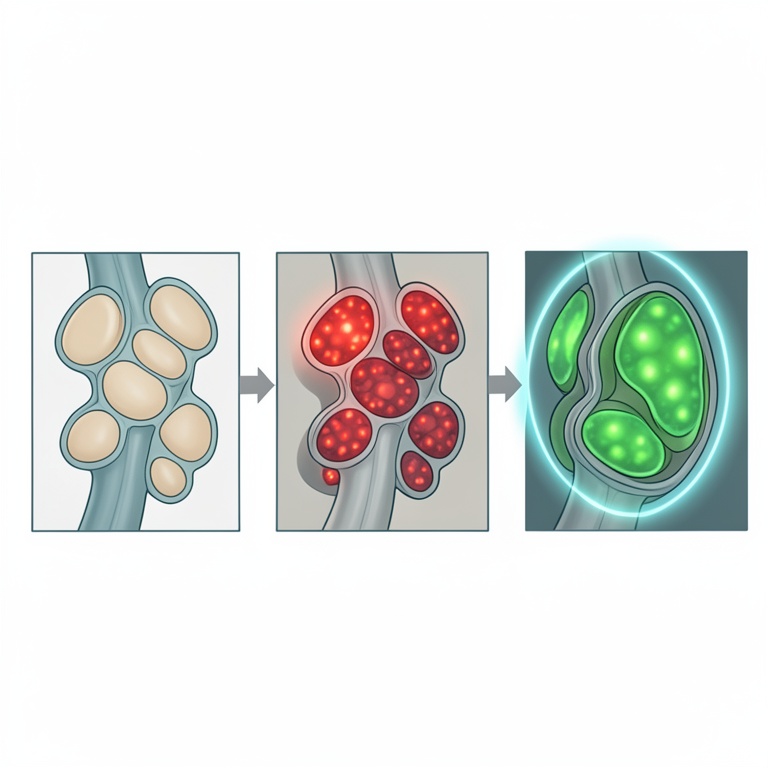
Biphasic Antioxidant Response
AI-generated conceptual illustration (human skeletal muscle cells). It explains the idea and does not show study data.
View source evidence ↗Figures & tables
From the original paper Table 1
 Table 2
Introduction
High-altitude environments, typically defined as elevations exceeding 2,500 meters above sea level, impose a significant physiological challenge due to reduced atmospheric pressure and a corresponding drop in oxygen availability-a condition referred to as hypobaric hypoxia. For athletes, especially those engaged in endurance sports, exposure to such environments has long been utilized as a strategic training method to improve physical performance. High-altitude training stimulates various physiological adaptations, most notably increased red blood cell production, enhanced oxygen-carrying capacity, and improved aerobic efficiency. However, alongside these benefits, high-altitude exposure also presents substantial biological stress, most prominently in the form of oxidative stress, which, if unmanaged, can impair recovery, increase the risk of injury, and hinder performance. The concept of oxidative stress revolves around an imbalance between the production of reactive oxygen species (ROS) and the body's capacity to detoxify these reactive intermediates through antioxidant defenses. ROS are chemically reactive molecules derived from oxygen, including free radicals such as superoxide anion (O₂⁻), hydroxyl radical (•OH), and non-radical species like hydrogen peroxide (H₂O₂). These molecules are natural byproducts of normal cellular metabolism, particularly in mitochondria, but their generation is markedly increased during high-intensity exercise and under hypoxic conditions. In a highaltitude environment, the stress on the mitochondrial electron transport chain is exacerbated due to insufficient oxygen, resulting in increased electron leakage and elevated ROS production. This is particularly relevant for athletes, whose metabolic demands during training are already heightened, further amplifying ROS levels. While ROS are often associated with cellular damage-attacking lipids, proteins, and nucleic acids-their role in physiological adaptation is more complex. Moderate levels of ROS serve as essential signaling molecules that trigger beneficial adaptations such as mitochondrial biogenesis, upregulation of antioxidant enzymes, and improved muscle efficiency. This dual role of ROS, functioning both as harmful agents and as triggers for adaptation, is a central concept in exercise physiology, especially under hypoxic stress. The term hormesis describes this phenomenon, where a low or moderate level of stress induces a beneficial adaptive response, but excessive or chronic exposure results in pathological outcomes. The high-altitude training paradigm therefore presents a paradox: while it promotes physiological improvements necessary for elite performance, it also introduces a risk of excessive oxidative stress that can counteract these gains. The body combats this oxidative burden through a complex antioxidant defense system, comprising both non-enzymatic antioxidants (e.g., vitamins C and E, glutathione, polyphenols) and enzymatic antioxidants, notably superoxide dismutase (SOD), catalase (CAT), and glutathione peroxidase (GPx). These enzymes play critical roles in the detoxification of ROS. SOD catalyzes the conversion of the superoxide radical into hydrogen peroxide, which is then broken down into water and oxygen by CAT and GPx. The balance and activity of these enzymes are central to maintaining redox homeostasis, especially in athletes exposed to repeated hypoxic challenges. The dynamic nature of these antioxidant enzymes is particularly relevant in the context of altitude training. Upon initial exposure to high altitude, many athletes experience a temporary decline in antioxidant enzyme activity due to the overwhelming ROS burden. This period of oxidative imbalance can lead to increased markers of cellular damage, including lipid peroxidation (e.g., malondialdehyde, or MDA) and DNA oxidation (e.g., 8-oxo-dG). However, with sustained exposure and proper training protocols, the body typically upregulates antioxidant enzyme activity, demonstrating an adaptive response aimed at mitigating oxidative damage and enhancing tolerance to stress. This biphasic response-initial suppression followed by compensatory activation-is an important consideration in designing safe and effective altitude training programs. The mitochondria, as the primary site of aerobic energy production, are also the primary source of ROS under physiological conditions. Under normoxia, mitochondria function efficiently, and ROS production is minimal. However, at high altitude, reduced oxygen availability disrupts the normal function of the electron transport chain, causing electrons to leak from complexes I and III and react with molecular oxygen to form superoxide radicals. Additionally, other ROS-producing enzymes such as xanthine oxidase (which becomes activated during ischemia-reperfusion episodes) and NADPH oxidase (involved in immune cell activity) contribute significantly to the ROS pool during high-altitude exposure. These processes collectively amplify oxidative stress, especially during intense or prolonged physical exertion. In this scenario, athletes are particularly vulnerable. Endurance athletes, in particular, often undertake high workloads with limited rest during altitude training camps. This high metabolic demand accelerates oxygen consumption, promoting electron leakage and amplifying oxidative stress. Skeletal muscles, being metabolically active tissues, are directly affected by these redox imbalances. Muscle fatigue, soreness, and reduced power output can all be linked to oxidative damage of contractile proteins, impaired calcium handling, and inflammation triggered by ROS-mediated cellular injury. However, the story is not solely negative. As previously noted, ROS play a pivotal role in driving physiological adaptation. Moderate oxidative stress stimulates the activation of transcription factors such as Nuclear Factor Erythroid 2-Related Factor 2 (Nrf2) and Hypoxia-Inducible Factor 1-alpha (HIF-1α). Nrf2 regulates the expression of antioxidant and cytoprotective genes, including those encoding for SOD, CAT, and GPx, while HIF-1α promotes angiogenesis, glycolytic enzyme expression, and erythropoiesis. Together, these transcriptional responses facilitate improved oxygen delivery and utilization-core goals of altitude training. The challenge, then, is to optimize ROS signaling without crossing into pathological oxidative stress, a delicate balance that requires careful training design, nutritional support, and monitoring. The variability in antioxidant enzyme response among athletes adds another layer of complexity. Genetic factors influence the baseline and inducible activity of SOD, CAT, and GPx. For example, polymorphisms in the genes encoding these enzymes can affect their efficiency and expression levels, contributing to inter-individual differences in redox resilience. Age, sex, previous exposure to altitude, overall fitness level, and nutritional status further modulate the redox response. Some athletes may require longer acclimatization periods or adjusted workloads to achieve the same adaptive outcomes as others. These interindividual differences highlight the importance of personalized training and recovery protocols when planning high-altitude exposure. Nutritional strategies are a cornerstone of oxidative stress management during altitude training. Antioxidants such as vitamin C, vitamin E, selenium, and zinc are known to support endogenous enzyme systems by serving as cofactors or direct ROS scavengers. For instance, selenium is a cofactor for GPx, and adequate selenium intake is essential for its optimal function. Vitamin C regenerates oxidized vitamin E and enhances its capacity to protect lipid membranes from peroxidation. However, emerging evidence suggests that over-supplementation with antioxidants may interfere with ROS signaling and blunt training-induced adaptations, including mitochondrial biogenesis. This paradox underscores the need for evidencebased, targeted supplementation guided by biomarker assessments rather than generalized high-dose antioxidant use. Polyphenol-rich foods, such as berries, green tea, and dark chocolate, offer additional antioxidant support with fewer risks of disrupting physiological signaling pathways. These compounds activate Nrf2 and have anti-inflammatory properties, making them beneficial in the context of both performance and recovery. Moreover, their inclusion as part of a whole-food, nutrient-dense diet aligns with current sports nutrition guidelines emphasizing dietary diversity over supplementation. The design of altitude training protocols significantly influences oxidative stress and antioxidant responses. Popular models such as "Live High-Train Low" (LHTL) aim to harness the hematological and metabolic benefits of high-altitude residence while maintaining high training intensities at lower altitudes. This method reduces the overall oxidative burden while preserving performance. Other approaches, such as intermittent hypoxic training or simulated altitude exposure using hypoxic tents and chambers, offer controlled alternatives that can be tailored to individual tolerance and adaptation levels. Importantly, gradual acclimatization remains one of the most effective strategies to reduce oxidative stress during altitude exposure. Progressive exposure over days or weeks allows the antioxidant defense system to adjust incrementally, preventing acute oxidative overload and promoting sustainable adaptation. Acclimatization periods ranging from 7 to 21 days have been associated with improved enzyme activity, reduced oxidative biomarkers, and better training outcomes. Sudden or excessive elevation changes, on the other hand, can provoke acute mountain sickness, heightened oxidative damage, and impaired performance.
To support individualized altitude training strategies, monitoring of oxidative stress biomarkers has emerged as a valuable tool. Markers such as malondialdehyde (MDA), F2-isoprostanes, 8-hydroxydeoxyguanosine (8-oxo-dG), and glutathione redox ratio (GSH:GSSG) provide insights into the oxidative state of the athlete. Combined with enzymatic activity assessments for SOD, CAT, and GPx, these measurements offer a comprehensive redox profile that can inform training adjustments, dietary interventions, and recovery strategies. In summary, high-altitude exposure introduces a complex interplay between beneficial physiological adaptation and potential oxidative damage. While altitude training is a powerful tool for enhancing endurance and aerobic capacity, it is also a source of substantial oxidative stress, particularly in athletes pushing physiological limits. The body's response, particularly through the modulation of antioxidant enzymes like SOD, CAT, and GPx, plays a central role in determining the success and safety of such training. These enzymes not only defend against cellular injury but also enable the signaling necessary for adaptation, making them both protectors and facilitators of athletic performance. The present study seeks to explore these themes by investigating the oxidative stress response and antioxidant enzyme adaptation in athletes during high-altitude exposure. Emphasis is placed on understanding the mechanisms driving ROS production, the time course of antioxidant enzyme activation, the variability in individual responses, and the strategies available to modulate these processes for optimal training outcomes. Through this lens, the paper aims to provide a deeper understanding of how to safely and effectively integrate high-altitude training into athletic development programs, leveraging the body's inherent adaptive systems to enhance performance while minimizing risk.
Mechanisms of Oxidative Stress at High Altitude
At high altitude, the hypobaric hypoxic conditions cause a mismatch between oxygen demand and supply, particularly affecting tissues with high metabolic activity. The mitochondrial respiratory chain, under reduced oxygen tension, leaks electrons resulting in elevated superoxide (O2-) formation. Enzymatic sources such as xanthine oxidase and NADPH oxidase further contribute to ROS production. Hypoxia-inducible factor-1 alpha (HIF-1α) stabilizes under these conditions and modulates gene expression to adapt to hypoxia but also increases ROS. This oxidative burden leads to oxidative damage in biomolecules, initiating lipid peroxidation, altering membrane fluidity, impairing protein function, and introducing mutations in DNA. These three enzymes not only represent an essential defense line but also indicate the adaptive potential of athletes under hypoxic stress. Enhanced activity of these enzymes during training suggests a state of oxidative preconditioning that may contribute to improved endurance, faster recovery, and cellular protection during extended periods at altitude.
Physiological and Performance Impacts
The physiological effects of high-altitude exposure in athletes are multifaceted and involve both beneficial adaptations and potential detriments due to oxidative stress. At elevations above 2,500 meters, the partial pressure of oxygen declines significantly, creating a hypoxic environment that imposes considerable metabolic strain on the human body. For athletes, this can have profound implications on performance, fatigue resistance, muscle recovery, and overall cellular function. One of the primary consequences of altitude-induced hypoxia is increased mitochondrial oxygen leakage, leading to overproduction of reactive oxygen species (ROS). Elevated ROS levels contribute to lipid peroxidation, protein oxidation, and nucleic acid damage, all of which negatively affect muscle structure and function. Biomolecules such as malondialdehyde (MDA) and 8-hydroxydeoxyguanosine (8oxo-dG) serve as established biomarkers for oxidative damage and have been found to be significantly elevated in endurance athletes exposed to altitude. Despite this oxidative burden, the body undergoes a series of beneficial adaptive responses. Hypoxia triggers an upregulation of Hypoxia-Inducible Factor-1 alpha (HIF-1α), which activates a cascade of genes involved in angiogenesis, erythropoiesis, and glycolysis. These changes result in increased red blood cell mass, capillary density, and mitochondrial biogenesis, all of which enhance oxygen delivery and utilization. Such adaptations explain why many elite endurance athletes train at altitude, even at the risk of short-term oxidative stress. In the early phase of exposure, however, performance often deteriorates. Athletes may experience acute mountain sickness, headaches, muscle soreness, and decreased maximal oxygen uptake (VO₂max). These outcomes are largely attributed to the body's inability to rapidly compensate for the sudden drop in oxygen availability. Muscle fatigue becomes more pronounced due to a shift toward anaerobic metabolism and accumulation of lactate. Reactive nitrogen species (RNS), such as peroxynitrite, further complicate muscle energetics by modifying contractile proteins and enzymes. Interestingly, moderate levels of ROS are not entirely harmful. They function as signaling molecules that stimulate adaptation, a concept referred to as hormesis. In this context, ROS serve to promote training benefits such as improved mitochondrial efficiency and antioxidant capacity. The key challenge lies in maintaining a balance-excessive ROS causes damage, but controlled ROS production fosters resilience. The duration and intensity of exposure, nutritional status, and training load all modulate the physiological response to altitude. Well-nourished athletes with adequate antioxidant intake (vitamins C, E, selenium, polyphenols) are better equipped to handle oxidative insults. Furthermore, athletes with a history of prior altitude training tend to show faster adaptation and reduced markers of oxidative stress compared to those experiencing hypoxia for the first time. In summary, the physiological and performance effects of high-altitude exposure are characterized by an initial phase of oxidative disturbance and impaired physical output, followed by a compensatory enhancement in metabolic efficiency, hematologic profile, and muscular enduranceprovided the exposure is managed carefully. The duality of oxidative stress as both a threat and a tool in altitude training necessitates a well-monitored and individualized approach for athlete preparation.
Strategies to Mitigate Oxidative Damage
The physiological and biochemical stress imposed by highaltitude exposure necessitates proactive strategies to limit oxidative damage while still allowing beneficial adaptations to occur. Since reactive oxygen species (ROS) play a dual role-as both damaging agents and signaling moleculesinterventions should not aim to eliminate ROS entirely but rather to modulate their levels to optimize athletic performance and recovery. This section outlines nutritional, physiological, and training-based strategies employed by athletes to mitigate oxidative damage during high-altitude training and competition. Nutritional Antioxidant Supplementation is one of the most direct methods to support endogenous antioxidant defenses. Micronutrients such as vitamin C, vitamin E, selenium, and zinc are well-documented for their ROS-scavenging capabilities. These compounds neutralize free radicals and support the function of enzymatic antioxidants like glutathione peroxidase (GPx) and catalase (CAT). Vitamin C helps regenerate oxidized vitamin E, enhancing its lipidphase antioxidant capacity. Selenium, a key cofactor for GPx, has been shown to prevent lipid peroxidation under hypoxic stress. However, over-supplementation may blunt the adaptive training response by interfering with redoxsensitive signaling pathways, so dosing must be evidencebased and carefully monitored. Polyphenol-rich foods, such as berries, green tea, pomegranate, and dark chocolate, have emerged as effective natural antioxidants with additional anti-inflammatory and endothelial-protective effects. These compounds activate nuclear factor erythroid 2-related factor 2 (Nrf2), which upregulates the expression of endogenous antioxidant enzymes. Incorporating such functional foods in the diet offers a non-pharmacological strategy to enhance oxidative resilience without negating adaptive stress signaling.
Training Periodization is a vital strategy for controlling oxidative load. The widely accepted "Live High-Train Low" (LHTL) protocol allows athletes to benefit from hypoxic erythropoietic stimulation while maintaining high training intensities at lower altitudes. This approach reduces cumulative oxidative stress while retaining performanceenhancing adaptations. Alternating altitude exposure with sea-level recovery phases allows the antioxidant systems to recover and strengthens the overall redox capacity. Gradual Acclimatization is another cornerstone of oxidative stress mitigation. By incrementally increasing exposure to hypoxia, athletes enable their mitochondrial and enzymatic systems to adapt progressively. Acclimatization periods of 7-21 days have been associated with improved antioxidant enzyme activities (SOD, CAT, GPx), reduced lipid peroxidation markers, and better performance outcomes. Avoiding abrupt ascents to high altitude reduces the risk of acute oxidative overload and associated physiological dysfunctions. Monitoring of Oxidative Biomarkers offers a personalized strategy for managing training load and supplementation. Regular assessments of markers such as malondialdehyde (MDA), 8-iso-prostaglandin F2α, total antioxidant capacity (TAC), and glutathione ratios (GSH/GSSG) can inform coaches and sports scientists about the athlete's redox status. Interventions can then be tailored to the individual's oxidative profile, enhancing both safety and effectiveness. Recovery Interventions also play a key role in managing oxidative stress. Passive recovery methods such as cryotherapy, contrast baths, and sleep optimization aid in reducing post-exercise inflammation and oxidative stress. Active recovery strategies that include low-intensity aerobic work facilitate lactate clearance and support metabolic recovery, while also stimulating mild ROS production necessary for adaptation. In addition to these strategies, altitude simulation technologies such as hypoxic tents and chambers allow athletes to control hypoxic exposure in a reproducible and safe environment. These systems also facilitate comparative studies of ROS levels under different conditions, leading to more refined training programs.
Conclusion
High-altitude exposure presents a unique physiological landscape for athletes, characterized by hypobaric hypoxia and its downstream effects on oxidative metabolism. While altitude training is widely adopted to enhance endurance, erythropoiesis, and oxygen utilization, it concurrently introduces substantial oxidative stress due to excess production of reactive oxygen species (ROS). These ROS, if unregulated, can impair muscle integrity, reduce performance, and delay recovery by damaging lipids, proteins, and nucleic acids. However, the body's endogenous antioxidant defense system-including key enzymes such as superoxide dismutase (SOD), catalase (CAT), and glutathione peroxidase (GPx)-demonstrates a remarkable capacity for adaptation. Athletes with structured exposure to altitude and optimized nutritional strategies can enhance these enzymatic responses, achieving a new oxidative balance that supports both performance and recovery.
The interplay between oxidative stress and antioxidant defenses is not merely antagonistic but rather a dynamic feedback loop. Controlled ROS levels act as signaling molecules to drive mitochondrial biogenesis, angiogenesis, and metabolic flexibility, all of which are beneficial adaptations for endurance sports. This hormetic effect underscores the need for balanced exposure and measured intervention. To mitigate potential damage while leveraging the adaptive advantages of altitude, integrated strategies are crucial. These include gradual acclimatization, periodized training (e.g., Live High-Train Low), targeted antioxidant supplementation, and the use of biomarker monitoring. Together, these tools allow athletes to harness the performance-enhancing effects of altitude without succumbing to its physiological stressors. Ultimately, the success of high-altitude training lies in achieving an equilibrium between oxidative challenge and antioxidant response. Future research should continue to refine these strategies, explore genetic and epigenetic influences on oxidative resilience, and develop personalized training regimens that align with each athlete's unique physiological makeup. As our understanding of redox biology in extreme environments grows, so too will our capacity to optimize athletic performance in high-altitude conditions.
Figures and tables from the paper
| Source | ROS Produced | Role at High Altitude |
|---|---|---|
| Mitochondria | Superoxide (O2-) | Primary site due to ETC inefficiency |
| Xanthine Oxidase | Hydrogen Peroxide (H2O2) | Active in ischemia-reperfusion at high altitude |
| NADPH Oxidase | Superoxide (O2-) | Immune cell-related oxidative burst |
| HIF-1α Induction | Multiple ROS | Enhances gene regulation under hypoxia |
Table text extracted from the original PDF; superscript letters are shown inline. The original table image is below.
View original table image
| Enzyme | Function | Initial Response | Adaptation Over Time |
|---|---|---|---|
| Superoxide Dismutase (SOD) | Converts O₂⁻ to H₂O₂ | Slight reduction | Significant upregulation after adaptation |
| Catalase (CAT) | Converts H₂O₂ to H₂O + O₂ | Stable or mild decrease | Moderate increase with training |
| Glutathione Peroxidase (GPx) | Reduces H₂O₂ and lipid peroxides via GSH | Delayed activation | Gradual elevation with prolonged exposure |
Table text extracted from the original PDF; superscript letters are shown inline. The original table image is below.
View original table image
References
10 in the original paper- Bailey DM, Davies B, Young IS. Intermittent hypoxic training: Implications for lipid peroxidation induced by acute normoxic exercise in active men. Clin Sci (Lond). 2001;101(5):465-75. https://doi.org/10.1042/cs1010465
- Askew EW. Work at high altitude and oxidative stress: Antioxidant nutrients. Toxicology. 2002;180(2):107-19. https://doi.org/10.1016/S0300-483X(02)00385-1
- Radak Z, Chung HY, Goto S. Systemic adaptation to oxidative challenge induced by regular exercise. Free Radic Biol Med. 2008;44(2):153-159. https://doi.org/10.1016/j.freeradbiomed.2007.01.029
- Powers SK, Nelson WB, Hudson MB. Exercise-induced oxidative stress in humans: Cause and consequences. Free Radic Biol Med. 2011;51(5):942-950. https://doi.org/10.1016/j.freeradbiomed.2010.12.009
- Subudhi AW, Bourdillon N, Bucher J, Davis C, Elliott JE, Eutermoser M, et al. AltitudeOmics: Effect of ascent and acclimatization to 5260 m on oxidative stress. Free Radic Biol Med. 2014;68:273-280. https://doi.org/10.1016/j.freeradbiomed.2013.12.007
- Horscroft JA, Murray AJ. Skeletal muscle energy metabolism in environmental hypoxia: Clues from integrative physiology. Exp Physiol. 2014;99(2):307312. https://doi.org/10.1113/expphysiol.2013.073999
- Jelicic M, Mandic S, Ivankovic D. Redox balance in athletes during high-altitude training. Sports Med Health Sci. 2015;2(3):101-107.
- Debevec T, Millet GP, Pialoux V. Hypoxia-induced oxidative stress modulation with physical activity. Front Physiol. 2017;8:84. https://doi.org/10.3389/fphys.2017.00084
- Mallet RT, Manukhina EB, Ruelas SS, Caffrey JL, Downey HF, Downey HF. Cardioprotection by International Journal of Biology Sciences https://www.biologyjournal.net intermittent hypoxia conditioning: Evidence, mechanisms, and therapeutic potential. Am J Physiol Heart Circ Physiol. 2019;316(2):H404-21. https://doi.org/10.1152/ajpheart.00543.2018
- Pialoux V, Mounier R, Rock E, Mazur A, Dufour SP, Richard R, et al. Effects of altitude training on antioxidant capacity and oxidative stress in elite athletes. Eur J Appl Physiol. 2009;106(6):807-814. https://doi.org/10.1007/s00421-009-1084-4