
Research article · 2025 · Full text
International Journal of Biology SciencesThe diverse field of synthetic biology: Applications and future prospects
Volume 7(7) · Pages 119–124 · DOI: 10.33545/26649926.2025.v7.i7b.420 ↗
Research areasGene Regulatory Network Analysis
Abstract
Author-writtenDrawing from biology, engineering, and computing sciences, synthetic biology refers to the design and construction of new biological systems or reconfiguration of existing ones for novel applications. Within this very short period, the disciplines that were born out of this area have had speedy evolution towards advances in medicine, agriculture, and environmental sustainability as well as bio-manufacturing. This review presented here looks into the different states of synthetic biology. It discusses applications, challenges and future directions.
Summary
Source-checkedPlain-language reading of the full paper, prepared with AI and checked against the text. Each point links to the authors' own words.
Why it matters
- Synthetic biology is an interdisciplinary field that combines biology, engineering, and computing to create new biological systems or modify existing ones. View evidence ↗
- The field is considered a primary driver of the Bioeconomy, aiming to solve global crises including food security, climate change, and health emergencies. View evidence ↗
- Synthetic biology is viewed as a disruptive technology because it allows for the creation of organisms with specifically tailored functions. View evidence ↗
The question
- The objective of this review is to examine the current state of synthetic biology, including its various applications, existing challenges, and future prospects. View evidence ↗
What they did
- The field utilizes a combination of bioinformatics, molecular biology, and genetic engineering to develop solutions across multiple sectors. View evidence ↗
What they found
- To overcome the high cost and instability of extracting anti-malarial drugs from plants, researchers have engineered yeast (Saccharomyces cerevisiae) to synthesize artemisinic acid. View evidence ↗
- CAR-T cell therapy, which involves genetically modifying a patient's T-cells to recognize cancer antigens, has shown efficacy primarily in treating blood cancers like leukemia and lymphomas. View evidence ↗
- SynNotch receptors can act as 'AND' gates, requiring two distinct signals to activate, which increases the precision of cancer targeting and reduces adverse side effects. View evidence ↗
- Engineered microbes with enhanced metabolic pathways can be used for bioremediation to decompose complex pollutants such as plastic waste, heavy metals, and hydrocarbons. View evidence ↗
- In an in silico example, a robust design framework using stochastic game theory and T-S fuzzy models allowed a four-gene network (tetR, lacI, cI, and eyfp) to reach target steady states despite noise. View evidence ↗
What it means
- The authors conclude that interdisciplinary collaboration between policymakers, industry, and academia is essential to overcome current obstacles and utilize synthetic biology's benefits. View evidence ↗
- The field faces significant limitations including technical complexities in bio-design, unpredictable biological outcomes, and regulatory and ethical hurdles. View evidence ↗
Visual summary
1 visualsIllustrations explain the paper; they do not show study data.
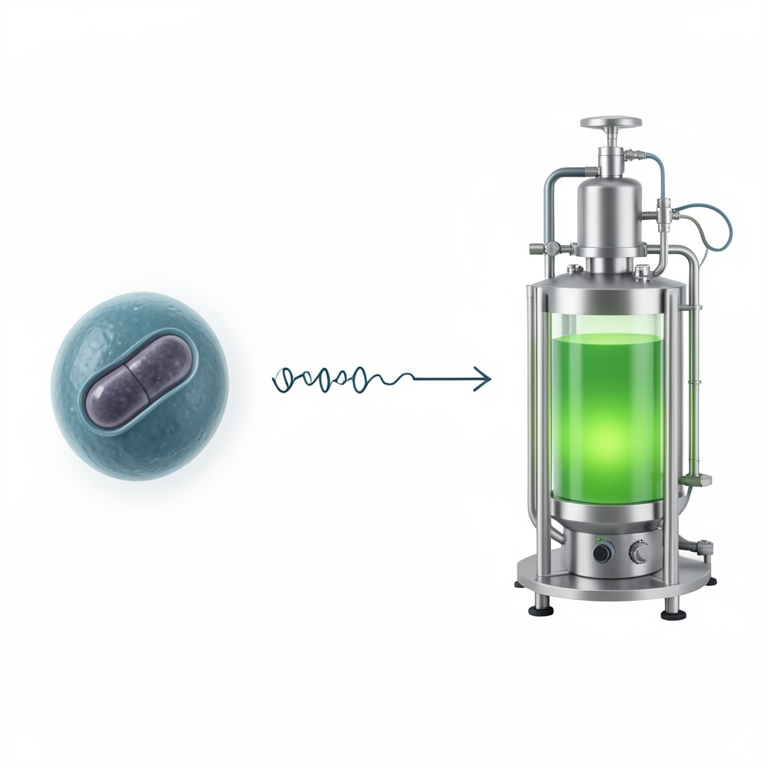
Study overview
AI-generated conceptual illustration (Escherichia coli bacteria and a bioreactor). It explains the idea and does not show study data.
View source evidence ↗Introduction
Synthetic biology is without question one of the innovative areas of science when biology, engineering, and computational design are combined to create a new biological system or to repair an already existing one for possible benefits. Synthetic biology uses advances in genetic engineering, molecular biology, and bioinformatics to address major world problems yeast synthesizes the precursor by going through a series of metabolic steps without the need for plant cultivation, which gives an assured yield in production (Pulice et al., 2016) [19] .
Cannabinoids
Cannabinoids are compounds for pain relief and a variety of therapeutic purposes. They are also naturally produced in cannabis plants. Exerting effort on cultivation is resourceintensive and prohibited by many regulations. Synthetic biology makes it possible to make cannabinoids such as cannabidiol (CBD) and tetrahydrocannabinol (THC) in the microbes like yeast. Here, these microorganisms are engineered to mimic cannabis plants' biosynthetic pathways, and thus yield can be controlled, scaled, and produced with reduced environmental footprint (Fordjour et al., 2023) [11] .
Taxol Precursors
Taxol (paclitaxel) is an anti-cancer drug extracted from the bark of the Pacific yew tree (Taxusbre vifolia); the bark gets collected inefficiently, and there are concerns over cutting trees. It is a sustainable solution with synthetic biology engineering methods for making microbes produce taxa diene, a precursor to taxol. Such production assures a sustainable supply of taxol and does not cause depletion or degradation of natural resources (Weaver, 2014) [23] .
Engineered Cells for Therapy in Synthetic Biology
Therapeutically engineered cells have been made possible through the advancements in synthetic biology and specifically for the treatment of cancers. The CAR-T therapies or chimeric antigen receptor T-cell therapies have been amongst the most revolutionary of all, as have technologies such as synNotch and MESA; engineered synthetic receptors.
CAR-T Cell Therapies
CAR T-cell Therapy is the new form of immunotherapy that utilizes the body's immune system in the fight against cancer. The process involves the extraction of T-cells, an important white blood cell responsible for immune defense, from the patient and further re-infusing these cells into the patient after genetic modification. The genetic modification involves introduction of a gene coding for a chimeric antigen receptor (CAR), a synthetic receptor which recognizes and binds to certain specific antigens present on the cancer cell surface (Ahmad et al., 2022) [2] . Following the genetic modification, T-cells are then expanded in the laboratory into billions of CAR-T cells for later infusion back into the bloodstream of the patient. Because these Tcells possess CARs, they are particularly able in targeting and attaching themselves to tumor cells that express the antigens targeted, thereby initiating an immune response against them. This technology has been highly effective in the management of some types of blood cancers such as leukemia and lymphoma; however, this therapeutic modality is being explored for other malignancy types. The therapy can be associated with CRS, neurotoxicity, and other events, which should be managed carefully. That aside, CAR-T cell therapy is simply a revolution in cancer treatment, wherein a T-cell from the body of a patient is transformed or programmed genetically to acquire superpowers against his cancer cells. The whole process begins with blood collection from the patient and subsequently collected T-cells undergo genetic modification in a laboratory environment to express a synthetic antigen receptor that can recognize, or better expressed, target antigen, protein in nature on tumor-cell surfaces. These modified T cells are multiplied and infused back into the body of the patient. They will use those expressed CARs to interact with their targeted antigen, the kind found on cancer cells, thus marking it for attack or kill by T cell activity on tumor cells. The CAR-T therapy is in its infancy but has shown efficacy predominantly in hematological malignancies such as leukemia and lymphomas with the potential of application in solid tumors in a short: Medium: Long term for this therapy. The value of CAR-T therapies has been marked as customized care offers a big advance in personalized treatment for cancer patients weary of failures with other modalities. Side effects like cytokine release syndrome and neurotoxicity that can be managed by monitoring require more effort (Choudhery et al., 2024) [6] .
Synthetic Receptors: SynNotch and MESA
Synthetic receptors, such as synNotch and MESA, provide cells with more accurate detection and response systems to fine-tune their response to complex environmental signals.
SynNotch Receptors
SynNotch receptors represent a groundbreaking class of synthetic receptors that enhance a cell's ability to detect and respond to complex environmental signals with remarkable precision. Engineered as advanced versions of the natural Notch receptor, SynNotch receptors are composed of three essential domains that enable highly specific control over cellular responses. The extracellular domain binds to particular environmental signals, including proteins, antibodies, or small molecules, which can be utilized to identify specific biomarkers. The transmembrane domain secures the receptor within the cell membrane, ensuring it is positioned to relay signals from the external environment into the cell's interior. When activated by a detected signal, the intracellular domain of the SynNotchreceptor triggers a tailored cellular response, often involving changes in gene expression or the activation of specific pathways (Teng et al., 2024) [22] . A particularly intriguing aspect of SynNotch receptors is their capacity to act as 'AND' gates in cellular signaling. This allows them to be engineered to respond only when two distinct signals are present, facilitating a more nuanced and controlled therapeutic response. For instance, in cancer treatment, SynNotch receptors can be employed to create Tcells that specifically target tumors by recognizing two antigens rather than just one. This requirement for dual signals not only improves targeting precision but also reduces off-target effects, thereby lowering the risk of adverse side effects from unintended activation. The ability to engineer such "AND-gate" systems positions SynNotch receptors as a powerful tool for developing more precise and safer therapeutic interventions, including personalized cancer therapies or treatments for other diseases where selective cell targeting is essential (Morsut et al., 2016) [17] .
MESA Receptors
MESA (Modular Extracellular Sensor Architecture) receptors are a sophisticated type of engineered receptors that are designed to monitor and respond to extracellular signals in a dynamic and adaptable way. These receptors feature a modular design, which includes extracellular sensor domains that enable the detection of specific ligands-molecules that bind to receptors and trigger cellular responses. A standout characteristic of MESA receptors is their capacity to initiate significant intracellular signaling when a ligand binds to the receptor, leading to the activation of various cellular processes, such as the release of transcription factors or the start of gene expression programs (Daringer et al., 2014) [7] . The functioning of MESA receptors is based on the dimerization of two membrane-bound proteins. When these proteins bind to their specific ligands, they undergo a conformational change that brings them together (dimerization). This dimerization acts as a molecular switch, activating downstream signaling pathways within the cell. A crucial result of this process is the activation of transcription factors, which are proteins that regulate gene expression and can affect various cellular behaviors, including proliferation, differentiation, or immune response (Shwan et al., 2021) [25] . The modular design of MESA receptors makes them particularly appealing for therapeutic applications that require real-time sensing and adaptation to a constantly changing environment, such as in cancer therapies. Solid tumors often present a chaotic and fluctuating microenvironment, with rapidly changing conditions like varying levels of oxygen, nutrients, and metabolic waste. MESA receptors are well-equipped to handle such complexities because they can be engineered to respond to a variety of extracellular signals that differ in both type and intensity. This versatility allows engineered cells to adjust their behavior based on the specific conditions they encounter in the tumor microenvironment. The potential applications of MESA receptors in cancer therapy are particularly exciting. For example, T-cells can be engineered to include MESA receptors, allowing them to monitor the tumor's extracellular environment and initiate therapeutic actions, like releasing cytotoxic molecules, only when the tumor signals for it. This level of responsiveness could enhance the specificity and effectiveness of immunotherapies while minimizing off-target effects. Furthermore, the versatility of MESA receptors may lead to the creation of therapies that work well in challenging environments where traditional treatments often fail, such as tumor regions with poor blood supply or in metastasized tissues that exhibit diverse and unstable conditions (Gardner et al., 2020) [12] . In addition to cancer, MESA receptor systems could find applications in other therapeutic fields, including chronic inflammatory diseases, autoimmune disorders, or tissue engineering, where the ability to monitor and respond to extracellular signals is crucial for effective treatment and healing. By offering a robust mechanism for cells to "sense" and "react" to their surroundings, MESA receptors pave the way for innovative therapies that are both intelligent and highly adaptable across various biological scenarios.
Cell-Free Systems
Cell-free systems are transforming synthetic biology by providing a flexible and efficient way to produce therapeutic proteins without relying on living cells. Unlike traditional cell-based methods that require the growth and maintenance of living organisms, cell-free systems utilize extracts from cells-such as enzymes, ribosomes, and other vital cellular components-along with necessary biochemical elements to synthesize proteins in vitro. This approach offers significant benefits, including a quicker and more streamlined protein production process, as it removes the need for timeconsuming cell culture growth, maintenance, and harvesting. This makes cell-free systems especially useful in scenarios where rapid protein synthesis is crucial, such as during health emergencies or pandemics. A major application of cell-free systems is in developing therapies for infectious diseases, including COVID-19 and other viral outbreaks. For instance, during the COVID-19 pandemic, these systems were employed to swiftly produce spike proteins from the SARS-CoV-2 virus, which are essential for diagnostic tests and vaccine development. This capability allowed for the rapid testing and evaluation of various vaccine candidates by generating large amounts of the spike protein to assess immune response and effectiveness. The adaptability of cell-free systems makes it possible to modify these platforms to produce proteins from a diverse range of pathogens, positioning them as a vital resource for tackling emerging infectious diseases (Dondapatti et al., 2020) [9] . Beyond their speed, cell-free systems also provide scalability for mass production of therapeutic proteins once the optimal conditions are established. After identifying the best parameters for protein synthesis, these systems can be quickly scaled up to meet high demand without requiring extensive cell culture facilities or significant infrastructure.
Applications in Agriculture Crop Enhancement
Synthetic biology has transformed agriculture by allowing the creation of genetically modified crops with improved characteristics like higher yields, pest resistance, and better nutritional value. A prominent example is the modification of rice to produce beta-carotene, which is a precursor to vitamin A. This advancement tackles vitamin A deficiency (VAD), a common problem in populations that depend heavily on rice as their main food source, especially in developing nations. Naturally, rice grains do not contain beta-carotene, but through synthetic biology, scientists introduced genes responsible for its production into the rice genome. This resulted in "Golden Rice," which has enough beta-carotene to fulfill the daily vitamin A needs of those who consume it regularly. The engineering process involved adding genes from daffodils (which were later substituted with genes from maize for better efficiency) and a soil bacterium to trigger the carotenoid pathway in the rice endosperm, where beta-carotene is generated and stored. Golden Rice serves as a prime example of how synthetic biology can produce biofortified crops to fight malnutrition, lessen reliance on supplements, and improve public health in areas where traditional farming methods have struggled to resolve nutritional issues. This strategy also paves the way for more innovations, such as developing crops that can withstand climate change, thereby ensuring food security for future generations (bi et al., 2022) [4] .
Sustainable Production:
Synthetic biology has transformed agriculture by allowing the creation of genetically modified crops with improved characteristics like higher yields, pest resistance, and better nutritional value. A prominent example is the modification of rice to produce beta-carotene, which is a precursor to vitamin A. This advancement tackles vitamin A deficiency (VAD), a common problem in populations that depend heavily on rice as their main food source, especially in developing nations. Naturally, rice grains do not contain beta-carotene, but through synthetic biology, scientists introduced genes responsible for its production into the rice genome. This resulted in "Golden Rice," which has enough beta-carotene to fulfill the daily vitamin needs of those who consume it regularly. The engineering process involved adding genes from daffodils (which were later substituted with genes from maize for better efficiency) and a soil bacterium to trigger the carotenoid pathway in the rice endosperm, where beta-carotene is generated and stored. Golden Rice serves as a prime example of how synthetic biology can produce biofortified crops to fight malnutrition, lessen reliance on supplements, and improve public health in areas where traditional farming methods have struggled to resolve nutritional issues. This strategy also paves the way for more innovations, such as developing crops that can withstand climate change, thereby ensuring food security for future generations (Hirschi KD, 2020) [14] .
Application in environmental sustainability Bioremediation
Bioremediation through synthetic biology focuses on modifying microorganisms to effectively break down pollutants, including the persistent and hazardous chemicals often found in industrial areas. While traditional bioremediation uses naturally occurring microbes, their limited metabolic functions and slow degradation rates can reduce their effectiveness. Synthetic biology overcomes these challenges by enhancing the metabolic pathways of microbes to specifically target certain pollutants. For example, genes from different organisms can be combined to create new pathways in microbes, allowing them to decompose complex pollutants like hydrocarbons, heavy metals, and plastic waste. These engineered microbes can also be tailored to thrive in extreme conditions, such as high toxicity or salinity, which are frequently encountered in contaminated site (Rylott and Bruce, 2020) [20] . Moreover, synthetic biology enables the creation of biosensors within these microbes to identify the presence and concentration of specific pollutants, improving their deployment and efficiency. This method not only speeds up the cleanup process but also reduces environmental disruption compared to traditional mechanical or chemical approaches. Notable examples include microbes engineered to digest oil spills and bacteria that can detoxify heavy metals by transforming them into less harmful substances. By offering a targeted, cost-effective, and eco-friendly solution, bioremediation based on synthetic biology presents significant potential for tackling global pollution issues while promoting sustainable environmental practices.
Conservation of Biodiversity
Synthetic biology provides innovative tools for conserving biodiversity by restoring genetic diversity and protecting atrisk species. It allows for the revival of extinct species through advanced genetic engineering techniques, such as cloning and genome editing, which can reintroduce lost genetic traits into ecosystems. Furthermore, synthetic biology enhances the resilience of vulnerable species, like engineering bees to be more resistant to pesticides, thereby protecting their essential role in pollination and ecosystem health. These engineered solutions also tackle challenges such as invasive species, habitat loss, and the impacts of climate change by equipping species under stress with adaptive traits. By utilizing these technologies, synthetic biology plays a crucial role in the sustainable preservation and restoration of biodiversity (Macfarlane et al., 2022) [16] .
Pollution Detection and Control:
Synthetic biology plays a crucial role in improving pollution detection and control by creating biosensors and engineered organisms. These biosensors are developed by integrating synthetic genetic circuits into microbes or plants, allowing them to identify micropollutants such as heavy metals, pesticides, or toxins in water and soil with remarkable sensitivity. This technology facilitates real-time monitoring and prompt action to reduce environmental harm. Furthermore, genetically modified plants and microbes are tailored to enhance nutrient absorption and resist pests, which decreases the reliance on excessive pesticides and fertilizers. As a result, this approach helps to minimize agricultural runoff and pollution, fostering a healthier environment and encouraging sustainable practices (Del Valle et al., 2021) [8] .
Harnessing Synthetic Biology for RNA Therapeutics and Vaccine Design RNA Therapeutics RNA therapeutics utilizes various tools like small interfering RNAs (siRNAs), antisense oligonucleotides (ASOs), and CRISPR systems to accurately regulate gene expression and develop targeted treatments for a range of diseases. siRNAs function through the RNA interference (RNAi) pathway, where they attach to specific mRNA sequences and recruit cellular machinery to degrade the target mRNA, effectively silencing gene expression. This approach is applied in treating conditions such as hereditary transthyretin amyloidosis and acute hepatic porphyria. ASOs are short, single-stranded RNA molecules that bind to complementary mRNA, either blocking its translation or modifying splicing to control protein production. ASOs have played a crucial role in treating genetic disorders like spinal muscular atrophy and Duchenne muscular dystrophy. On the other hand, CRISPR enables precise genome editing by using guide RNAs to direct Cas enzymes to specific DNA sequences, allowing for gene silencing, activation, or correction. Synthetic biology enhances these tools by improving their specificity, delivery, and stability. Collectively, these RNA-based therapies offer powerful and flexible methods to tackle diseases at the genetic level, providing hope for conditions that were once considered untreatable (Zhu et al., 2021) [26] .
RNA Vaccines
RNA vaccines, especially mRNA vaccines, have transformed disease prevention by providing a quick, scalable, and flexible method for immunization. These vaccines utilize synthetic mRNA to encode a specific antigen, like the SARS-CoV-2 spike protein for COVID-19. When injected, the mRNA is absorbed by host cells, which then produce the encoded antigen. This process activates the immune system to recognize and respond to the pathogen, thereby building immunity. The synthetic aspect of mRNA allows for rapid design and production, making it particularly effective for tackling emerging infectious diseases. In contrast to traditional vaccines, which often involve growing viruses or proteins in biological systems, mRNA vaccines can be quickly manufactured in cell-free environments, significantly shortening development time. Additionally, mRNA vaccines are highly scalable due to their simple manufacturing processes, and they can be easily adapted to new variants or pathogens by altering the mRNA sequence. The success of mRNA vaccines during the COVID-19 pandemic has highlighted their potential to fight other diseases, such as influenza, Zika virus, and even cancer. Innovations in synthetic biology, including codon optimization and enhanced delivery systems like lipid nanoparticles, have further improved the efficacy, stability, and safety of mRNA vaccines, setting the stage for their wider use in global health (Al Fayez et al., 2023) [3] .
Robust Synthetic Biology Design
Robust synthetic biology design focuses on creating synthetic gene networks that can maintain their functionality and stability despite various uncertainties and disturbances. These disturbances can include gene expression noise, environmental changes, mutations, and unpredictable initial conditions within the host cell. Traditional methods often struggle to ensure consistent behavior under these circumstances, which limits the practical use of synthetic gene networks. Robust design tackles these issues by incorporating mathematical frameworks, optimization techniques, and control theories to develop networks that can reliably reach desired steady states (Shakiba et al., 2021) [21] The methodology outlined in this study introduces a stochastic game theory approach, where uncertainties are treated as adversarial forces that aim to disrupt the system's intended behavior. In contrast, the design parameters are optimized to counter these disturbances and reduce their effects. This interaction is framed as a "game" between two players: the disturbances and the design parameters. The objective is to find a minimax solution that mitigates the worst-case impacts of the disturbances, ensuring the system operates as planned. To address the inherently nonlinear and complex dynamics of synthetic gene networks, the study utilizes Takagi-Sugeno (T-S) fuzzy models. These models approximate the nonlinear behavior of gene networks through interpolated linear models at different operating points. By employing Linear Matrix Inequalities (LMI) and robust control toolboxes in computational platforms like MATLAB, the design process is transformed into an efficient optimization problem. This enables the design of parameters-such as production rates and decay rates-that guarantee stability and desired outputs under varying conditions (Chen et al., 2012) [5] . An illustrative in silico example showcases the use of this approach. A synthetic gene network consisting of four genes (tetR, lacI, cI, and eyfp) was modeled and exposed to stochastic disturbances and uncertain initial conditions. Utilizing the robust design framework, the network reliably reached its target steady states, proving its resilience to noise and fluctuations (Abdel-Maksoud et al., 2023) [1] . In comparison to traditional methods, the robust design exhibited reduced sensitivity to disturbances and delivered enhanced performance. This robust synthetic biology design not only tackles existing challenges in developing dependable gene networks but also establishes a groundwork for advancing applications in biotechnology, medicine, and bioengineering. This methodology guarantees that synthetic systems can function predictably within complex and dynamic biological environments, which is crucial for their implementation in real-world situations.
Ethical and Safety Considerations in Synthetic Biology
The transformative potential of synthetic biology brings with it a range of ethical and safety considerations that require careful examination and proactive management. By applying engineering principles to biological systems, synthetic biology allows for unprecedented manipulation of living organisms, which raises complex questions in Environmental, Societal, and Biosecurity areas. Environmentally, introducing synthetic organisms into natural ecosystems can lead to risks such as unintended gene flow, loss of biodiversity, and ecological disruption. For instance, technologies like gene drives, which are intended to modify entire populations (such as mosquitoes to fight malaria), have the potential to either eliminate harmful species or inadvertently disrupt ecosystems by destabilizing food chains or causing unexpected interactions with native species. Societal concerns focus on ensuring equitable access to the benefits of synthetic biology, as the commercialization and privatization of these innovations could worsen global inequalities, restricting access for marginalized communities (Ou et al., 2023) [18] . Ethical dilemmas arise regarding the moral limits of designing life, including anxieties about "playing God" or diminishing the inherent value of natural organisms. Regarding biosecurity, the dual-use nature of synthetic biology raises concerns about its potential misuse for creating pathogens or bioweapons, highlighting the need for strict containment and monitoring protocols. Adding to these challenges is the issue of public perception, as societal distrust or fear of genetically modified organisms (GMOs) may impede the acceptance of synthetic biology solutions. Tackling these complex issues necessitates transparent regulatory frameworks, international cooperation, stakeholder involvement, and thorough risk assessment practices to strike a balance between innovation and responsibility (Macfarlane et al., 2022) [16] .
Future Directions and Challenges in Synthetic Biology
Synthetic biology is set to transform various sectors, including healthcare, environmental conservation, and bioindustrial production, making it a key driver of innovation in the 21st century. In the realm of healthcare, it promises advancements like personalized medicine, cutting-edge gene therapies, and new vaccines, as seen with the success of mRNA-based COVID-19 vaccines and innovations in CAR-T cell therapies. Beyond healthcare, synthetic biology provides eco-friendly solutions through engineered microbes for bioremediation, the creation of biofuels, and the development of biodegradable materials. In agriculture, it enhances crop resilience and offers synthetic alternatives to traditional resources, tackling food security issues while minimizing ecological impacts. The integration of advanced technologies such as artificial intelligence and machine learning is expected to speed up the design-build-test cycles, leading to more efficient, predictive, and cost-effective system designs. Furthermore, progress in cell-free systems and universal synthetic expression platforms is likely to reduce reliance on specific hosts, expanding the range of applications across various industries. However, these advancements face significant challenges, including technical obstacles in scaling production processes and ensuring consistent yields, along with ethical concerns about dual-use risks and environmental safety. Regulatory frameworks need to adapt to these issues while promoting innovation. Additionally, disparities in access to technology and funding pose challenges, especially for resource-limited areas. Public perception and trust are also crucial; effective communication and transparent engagement are essential to address societal concerns and ensure responsible use. As synthetic biology tackles these challenges, it holds remarkable potential to solve global issues and transform industries for a sustainable future.
Conclusion
Synthetic biology has become a groundbreaking field, tackling issues in healthcare, agriculture, environmental sustainability, and industrial processes. By manipulating biological systems, synthetic biology allows for the development of innovative solutions, such as engineered cells for therapies like CAR-T cells, cell-free platforms for producing vaccines and drugs, and biosensors for quick diagnostics. These advancements highlight the potential of synthetic biology to improve human health and provide sustainable solutions to global challenges. However, despite its potential, synthetic biology encounters obstacles, including scalability, regulatory issues, and ethical dilemmas. The risks of ecological disruption, dualuse concerns, and public skepticism underscore the importance of responsible research practices and clear communication. Collaboration among academia, industry, and policymakers will be essential to overcome these challenges and leverage the advantages of synthetic biology. Thus, the interdisciplinary nature of synthetic biology, along with progress in machine learning, big data, and automation, sets the stage for a future where biology is engineered to sustainably and ethically meet humanity's needs. Nevertheless, realizing this vision necessitates addressing the risks, building public trust, and investing in innovation and standardization.
References
26 in the original paper- Abdel-Maksoud MA, Hassan F, Mubarik U, Mubarak A, Farrag MA, Alghamdi S, et al. An in-silico approach leads to explore six genes as a molecular signature of lung adenocarcinoma. Am J Cancer Res. 2023;13(3):727-757.
- Ahmad U, Khan Z, Ualiyeva D, Amissah OB, Noor Z, Khan A, et al. Chimeric antigen receptor T cell structure, its manufacturing, and related toxicities: a comprehensive review. Adv Cancer Biol Metastasis. 2022;4:100035.
- Al Fayez N, Nassar MS, Alshehri AA, Alnefaie MK, Almughem FA, Alshehri BY, et al. Recent advancement in mRNA vaccine development and applications. Pharm. 2023;15(7):1972.
- Bi B, Li W, Jiang Y, Du H. Present and future prospects of crop synthetic biology. Crop Des. 2022;1(2):100017.
- Chen BS, Hsu CY. Robust synchronization control scheme of a population of nonlinear stochastic synthetic genetic oscillators under intrinsic and extrinsic molecular noise via quorum sensing. BMC Syst Biol. 2012;6:136.
- Choudhery MS, Arif T, Mahmood R, Harris DT. CART-cell-based cancer immunotherapies: potentials, limitations, and future prospects. J Clin Med. 2024;13(11):3202.
- Daringer NM, Dudek RM, Schwarz KA, Leonard JN. Modular extracellular sensor architecture for engineering mammalian cell-based devices. ACS Synth Biol. 2014;3(12):892-902.
- Del Valle I, Fulk EM, Kalvapalle P, Silberg JJ, Masiello CA, Stadler LB. Translating new synthetic biology advances for biosensing into the Earth and environmental sciences. Front Microbiol. 2021;11:618373.
- Dondapati SK, Stech M, Zemella A, Kubick S. Cellfree protein synthesis: a promising option for future drug development. BioDrugs. 2020;34(3):327-348.
- El Karoui M, Hoyos-Flight M, Fletcher L. Future trends in synthetic biology: a report. Front Bioeng Biotechnol. 2019;7:175.
- Fordjour E, Manful CF, Sey AA, Javed R, Pham TH, Thomas R, et al. Cannabis: a multifaceted plant with endless potentials. Front Pharmacol. 2023;14:1200269.
- Gardner TJ, Bourne CM, Dacek MM, Kurtz K, Malviya M, Peraro L, et al. Targeted cellular micropharmacies: cells engineered for localized drug delivery. Cancers (Basel). 2020;12(8):2175.
- Garner KL. Principles of synthetic biology. Essays Biochem. 2021;65(5):791-811.
- Hirschi KD. Genetically modified plants: nutritious, sustainable, yet underrated. J Nutr. 2020;150(10):26282634.
- Javdan SB, Deans TL. Design and development of engineered receptors for cell and tissue engineering. Curr Opin Syst Biol. 2021;28:100363.
- Macfarlane NBW, Adams J, Bennett EL, Brooks TM, Delborne JA, Eggermont H, et al. Direct and indirect impacts of synthetic biology on biodiversity conservation. iScience. 2022;25(11):105423.
- Morsut L, Roybal KT, Xiong X, Gordley RM, Coyle SM, Thomson M, et al. Engineering customized cell sensing and response behaviors using synthetic Notch receptors. Cell. 2016;164(4):780-791.
- Ou Y, Guo S. Safety risks and ethical governance of biomedical applications of synthetic biology. Front Bioeng Biotechnol. 2023;11:1292029.
- Pulice G, Pelaz S, Matías-Hernández L. Molecular farming in Artemisia annua, a promising approach to improve anti-malarial drug production. Front Plant Sci. 2016;7:329.
- Rylott EL, Bruce NC. How synthetic biology can help bioremediation. Curr Opin Chem Biol. 2020;58:86-95.
- Shakiba N, Jones RD, Weiss R, Del Vecchio D. Context-aware synthetic biology by controller design: engineering the mammalian cell. Cell Syst. 2021;12(6):561-592.
- Teng F, Cui T, Zhou L, Gao Q, Zhou Q, Li W. Programmable synthetic receptors: the next-generation of cell and gene therapies. Signal Transduct Target Ther. 2024;9(1):7.
- Weaver BA. How Taxol/paclitaxel kills cancer cells. Mol Biol Cell. 2014;25(18):2677-2681.
- Zhu Y, Zhu L, Wang X. RNA-based therapeutics: an overview and prospectus. Cell Death Dis. 2022;13:644.
- Shwan S, Drăgulin S. the" wild beauty" of brahms's rhapsodies, op. 79. Structural analysis and comparative analysis of performances. Studia Universitatis BabesBolyai, Musica. 2021 Dec 1;66(2).
- McMahan K, Yu J, Mercado NB, Loos C, Tostanoski LH, Chandrashekar A, Liu J, Peter L, Atyeo C, Zhu A, Bondzie EA. Correlates of protection against SARSCoV-2 in rhesus macaques. Nature. 2021 Feb 25;590(7847):630-4.