
Research article · 2025 · Full text
International Journal of Advanced Chemistry ResearchImpact of prolonged glucocorticoid therapy on physiological hemostasis and coagulation parameters
Volume 7(7) · Pages 01–06 · DOI: 10.33545/26646781.2025.v7.i7a.293 ↗
Research areasVenous Thromboembolism Diagnosis and ManagementBlood Coagulation and Thrombosis Mechanisms
Abstract
Author-writtenToday, GCs are applied into practice for anti-inflammatory and immunosuppressive action. Through interrupted use over time, the normal hemostatic process may consequently be disturbed. The major objective of this research was to investigate the effect of prolonged glucocorticoid therapy on the coagulation system and thrombotic and bleeding risks. Data showed that a prothrombotic condition favors long-term glucocorticoid treatment by the rise of clotting factors, the decrease of anticoagulant proteins, and disturbance of fibrinolysis process. Endothelial dysfunction and increased platelet activity also add an estimate to hypercoagulability. There are conditions under which glucocorticoids may either depress platelet function or cause thrombocytopenia, thereby increasing bleeding risks. Increasingly prolonged treatment would lead to an increase in the frequency of thromboembolic events such as deep vein thrombosis and pulmonary embolism. Risk assessment is highly individualized and may lead to consideration of preventive anticoagulation for high-risk patients, the current study points out.
Summary
Source-checkedPlain-language reading of the full paper, prepared with AI and checked against the text. Each point links to the authors' own words.
Why it matters
- Glucocorticoids (GCs) are widely used in medical practice for their ability to reduce inflammation and suppress the immune system. View evidence ↗
- While beneficial, the long-term use of glucocorticoids is associated with several significant side effects, including osteoporosis and cataracts. View evidence ↗
- Glucocorticoids have been recognized as a risk factor for venous thromboembolism (VTE). View evidence ↗
The question
- The primary goal of this review was to investigate how prolonged glucocorticoid therapy affects the coagulation system and the associated risks of thrombosis and bleeding. View evidence ↗
- The authors specifically aimed to identify changes in endothelial function, platelets, clotting factors, and fibrinolysis resulting from long-term therapy. View evidence ↗
What they did
- This work is a review article that synthesizes existing research on the impact of glucocorticoids on hemostasis. View evidence ↗
What they found
- Long-term glucocorticoid treatment favors a prothrombotic state by increasing clotting factors, decreasing anticoagulant proteins, and disturbing fibrinolysis. View evidence ↗
- Hypercoagulability is further contributed to by increased platelet activity and endothelial dysfunction. View evidence ↗
- In certain conditions, glucocorticoids can increase bleeding risks by causing thrombocytopenia or depressing platelet function. View evidence ↗
- As treatment duration increases, there is a corresponding increase in the frequency of thromboembolic events, including pulmonary embolism and deep vein thrombosis. View evidence ↗
- Continuous exposure to glucocorticoids may increase the activity of clotting factors in vivo, contributing to a higher risk of thrombosis. View evidence ↗
- Long-term use or high doses of glucocorticoids may increase the storage and mobilization of platelet-secreted substances like phospholipids, enhancing platelet-blood interaction. View evidence ↗
What it means
- The authors conclude that continuous monitoring and regular examinations are essential for the early detection of bleeding or clotting disorders in patients on these drugs. View evidence ↗
- The authors suggest that individualized risk assessments may justify the use of preventive anticoagulation for high-risk patients. View evidence ↗
- The authors state that further clinical studies and research are needed to develop more effective strategies for reducing the impact of corticosteroids on blood clotting. View evidence ↗
Figures & tables
From the original paper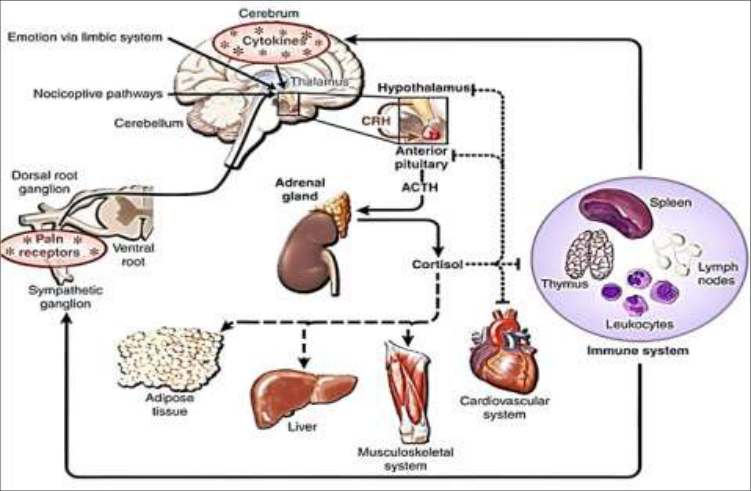 Figure 1
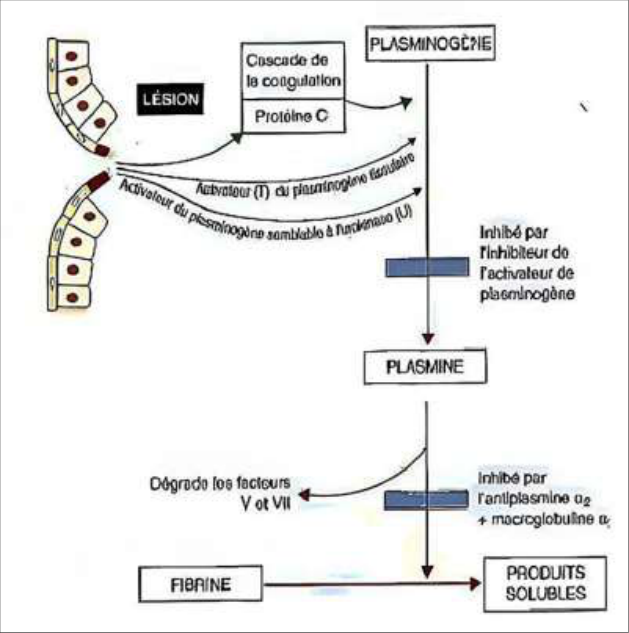 Figure 2
Introduction
In 1948, cortisone was first used to treat a patient with rheumatoid arthritis, yielding impressive clinical results. Over the following decade, synthetic steroids became a key component of anti-inflammatory therapy. Since then, glucocorticoids have been found to offer numerous benefits, including the treatment of rheumatic, cardiopulmonary, neurological, and blood disorders, as well as multisystem diseases. They are also used to manage inflammation in certain infections and sepsis [1] . However, it soon became evident that glucocorticoids have significant side effects, which can sometimes be difficult to distinguish from the symptoms of the underlying disease. While minor side effects can often be managed, long-term use increases the risk of lipoatrophy, osteoporosis, osteonecrosis, skin thinning, cataracts, and glaucoma. Despite these concerns, glucocorticoids remain widely used, even in the era of biological therapies. In some hospitals, around 11% of general medicine ward patients receive high doses for at least two days per week. In 2011, glucocorticoids were the third most common cause of adverse drug reactions among hospitalized patients in the U.S., with an incidence rate of 57 per 10,000 discharges. Yet, research on managing these adverse effects in hospital settings remains limited [2] . Long-term glucocorticoid use is linked to an increased risk of cardiovascular disease, particularly with higher doses. This risk compounds the accelerated atherosclerosis associated with prolonged exposure to excess glucocorticoids. Additionally, glucocorticoids have been identified as a risk factor for venous thromboembolism (VTE) [3] . Hemostasis, the process that prevents excessive bleeding during injury, relies on a complex sequence of enzymatic reactions. The coagulation cascade involves the activation of enzymes from their inactive precursors (zymogens, coagulants, and proenzymes). Once an enzyme is activated, it facilitates the conversion of the next zymogen into its active form, continuing until a fibrin mesh clot forms. Calcium ions, protein cofactors, and membrane phospholipid surfaces also play essential roles in clot formation [4] . The prothrombin time (PT) test is a valuable tool for assessing the extrinsic coagulation pathway and common clotting mechanisms. It helps detect deficiencies in clotting factors II, V, VII, and X and is commonly used to monitor patients on oral anticoagulants that inhibit these factors. In the presence of calcium ions, thromboplastin activates the extrinsic coagulation pathway, determining clotting time [5] . 1.2 Aim of the Study 1. The study aims to understand how long-term glucocorticoid therapy is associated with alterations in hemostasis and thrombosis, and assesses their direct impact on thromboembolic or bleeding risk. 2. The specific aim is to identify changes in clotting factors, platelets, endothelial function, and particularly fibrinolysis after long-term glucocorticoid therapy. 3. Observe thromboembolic events (for instance deep vein thrombosis, pulmonary embolism) or bleeding disorders, and present evidence-based risk reduction and management strategies.
Definition of glucocorticoids
Glucocorticoids are an essential part of the immune system's response mechanism to reduce some aspect of immune function, such as inflammation [6] . Glucocorticoids are used in medicine to treat most diseases caused by an overactive immune system, such as allergies, asthma, autoimmune diseases, and sepsis (blood poisoning or infection). Glucocorticoids have many side effects, sometimes serious, and because of their potential harm, they are rarely sold to the general public without a prescription. Glucocorticoids oppose and combat some of the abnormal mechanisms of cancer cells, so they are used in high doses to treat some types of cancer. This includes inhibiting the proliferation and reproduction of lymphocytes to treat leukemias and lymphomas, and they are used to reduce the side effects of anticancer drugs ،Glucocorticoids affect cells by binding to glucocorticoid receptors on these cells] The complex formed by binding glucocorticoids to their receptors on cells regulates the production of anti-inflammatory proteins in the nuclei of cells, which suppresses the production of proteins involved in the inflammatory response in the cytosol, it attempts to prevent the transfer of other transcription factors from the cytosol [7] .
The most important types of glucocorticoids A. Natural glucocorticoids
Cortisol: Also known as hydrocortisone. Naturally secreted by the adrenal gland. Regulates the immune and inflammatory response, blood sugar levels, and protein and fat metabolism [8] .
B. Synthetic glucocorticoids 1. Hydrocortisone: Used as a drug to treat inflammation, allergies, and adrenal insufficiency. 2. Prednisone: Used to treat chronic inflammation such as rheumatoid arthritis, asthma, and autoimmune diseases, it is converted in the liver to prednisolone, which is the active form of it. 3. Prednisolone: More effective than prednisone and is used to treat inflammation and autoimmune diseases. 4. Methylprednisolone: Similar to prednisolone but more effective and powerful, used to treat severe inflammatory diseases and allergic reactions.
Dexamethasone: One of the most powerful
glucocorticoids, it has an anti-inflammatory and immunosuppressive effect, used to treat shock, severe COVID-19 disease, and severe infections. 6)-Betamethasone: Like dexamethasone but used more in skin diseases and systemic infections. 6. Fludrocortisone: It is characterized by its strong effect on the balance of fluids and salts in the body, so it is used in adrenal insufficiency [9] .
Mechanism of action of glucocorticoids
Corticosteroids are steroid hormones that regulate a variety of cardiovascular, metabolic, homeostatic, and immune functions. Endogenous corticosteroids are synthesized and secreted under the control of the hypothalamic-pituitaryadrenal (HPA) axis in response to stressors including environmental stress, pain sensation, and emotion. Stimulation of the secretion of corticotropin-releasing hormone (CRH) by the hypothalamus results in the release of adrenocorticotropic hormone (ACTH) from the pituitary gland, which stimulates corticosteroid synthesis within the adrenal cortex. Corticosteroids regulate their own secretion by inhibiting the negative feedback pathways for the synthesis and release of CRH and ACTH. In humans [10] . cortisol is the predominant circulating glucocorticoid. Once in circulation, natural corticosteroids are primarily bound to corticosteroid binding globulin (CBG). Due to their lipophilic nature, endogenous glucocorticoids are widely bioavailable and readily cross the cell membrane by passive diffusion. Glucocorticoids exert their physiological effects through the ubiquitously expressed glucocorticoid receptor (GR), a member of the nuclear hormone receptor superfamily of ligand activated transcription factors. Upon ligand binding, GR translocate to the nucleus where it activates or represses the transcription of glucocorticoidresponsive genes. Given the widespread distribution of both glucocorticoids and their related receptors, glucocorticoid signaling exerts a wide range of physiological effects. For example, in the liver and adipose tissue, glucocorticoids positively regulate metabolism by stimulating gluconeogenesis and lipolysis, respectively. Conversely, in the immune compartment, glucocorticoids are largely inhibitory, causing immunosuppression through induction of apoptosis and cell cycle arrest and inhibition of inflammation by suppression of pro-inflammatory cytokines as in (Figure 1) [11] .
Fig 1:
Multiple effects of corticosteroids in responsive tissues [12] Synthetic glucocorticoids are among the most often recommended medications for the treatment of autoimmune illnesses, sepsis, and inflammatory disorders due to their wide bioavailability and variety of physiological effects. Additionally, they are a cornerstone in the management of hematopoietic malignancies. Clinically available highaffinity synthetic glucocorticoids include dexamethasone and prednisone. However, several negative side effects, including osteoporosis, hypertension, psychosis, Cushing's syndrome, and leukopenia, hamper long-term usage of these medicines. The emergence of glucocorticoid resistance restricts the use of glucocorticoids in chemotherapy. A poor prognosis is linked to glucocorticoid resistance in leukemia and lymphoma [13] Impact on the immune system: lowering inflammation and suppressing the immunological response. Additional physiological impacts include controlling metabolism, affecting the metabolism of proteins and carbohydrates, and playing a part in ionic balm and water [14] .
Therapeutic uses of glucocorticoids
Therapeutic uses of glucocorticoids Glucocorticoids are widely used to treat a variety of conditions due to their antiinflammatory and immunosuppressive properties. Its most important therapeutic uses include: insufficiency (such as Addison's disease) and also congenital adrenal hyperplasia. 12. Gastrointestinal diseases Autoimmune hepatitis Chronic pancreatitis in some cases 13. Other general uses Reducing nausea and vomiting associated with chemotherapy Improving appetite in cancer patients or severe weight loss Part of immunotherapy for some rare diseases [15] .
Coagulation balance concept
It is a series of physiological events that ensure the prevention of bleeding, which occurs during the rupture of the blood vessel wall by forming a clot. A change occurs in the physical state of the blood, making it gelatinous and then solid, thus blocking the hole in the blood vessel. This hemostasis system is physiologically balanced and is regulated to maintain blood fluidity on the one hand and to stop bleeding on the other hand, as this system causes the components of plasma, circulating cells and the vessel wall to interact under the influence of multiple factors that may have thrombotic or anticoagulant activities [16] .
The mechanism of hemostasis is divided into three
Stages: 1-Primary thrombus 2-Plasma coagulation 3-Fibrinolysis [17] .
Primary thrombosis
It is the first emergency stage in the control of bleeding, aiming to close the first vascular puncture by forming a platelet clot lasting 3 to 5 minutes [18] .
Plasma coagulation
It is activated secondarily when the primary clot is insufficient to stop the bleeding through a series of sequential enzymatic reactions involving clotting factors, tissue factor, calcium ions and phospholipids (PL). This enzymatic reaction converts the fragile platelet mass into a highly resistant blood clot, by converting soluble fibrinogen into insoluble fibrin thanks to the enzyme (Thrombine) and with the help of several activators and inhibitors that allow precise and local control of coagulation [19] .
Fibrinolysis:
It is the last physiological process of hemostasis that allows the dissolution of the fibrin clot after complete healing of the endothelium and repair of the blood vessels within 48 to 72 hours. It aims to restore vascular permeability, as this stage is controlled by a group of activators and inhibitors that allow for very precise physiological regulation. The fibrinolytic system depends on the enzyme plasmin, which is formed by activating plasminogen, the latter is produced by the liver and circulates in an inactive form in the plasma. It is activated by activators by breaking the bond between amino acids to become plasmin, which is a very strong enzyme and a protein decomposer capable of degrading: Fibrin into D-Dimers. Fibrinogen into PDF fibrin degradation products.
Various clotting factors such as factors (VIII) and (X). This explains the need for very precise regulation to maintain physiological balance as in Figure (2) [20] .
Fig 2:
Simplified diagram of fibrinolysis Boukhle [21] .
Coagulation factors
They are plasma glycoproteins produced by the liver, with or without the intervention of vitamin K. Coagulation factors are indicated by Roman numerals. Example: Factor XI prothrombin, which is accompanied by the letter "a" when activated. Example: Factor Xa identifies active factor X [22] .
Coagulation disorders Hypocoagulability:
A condition in which the blood is unable to clot normally, increasing the risk of bleeding. It is caused by deficiency or defect in clotting factors, liver disease, vitamin K deficiency, or inherited disorders such as hemophilia. Hypercoagulability: A condition in which the blood is more likely to clot easily, increasing the risk of blood clots (thrombi). It may be caused by inherited disorders, such as the factor V Leiden mutation, or acquired conditions such as antiphospholipid syndrome, or by smoking, obesity, or lack of exercise [23] .
International Journal of Advanced Chemistry Research https://www.chemistryjournals.net
Effect of drugs on clotting
Medications affect the clotting process in a variety of ways. Some medications work to increase the blood's ability to clot (coagulants), and others work to reduce or slow the clotting process (anticoagulants) [24] . The following is an explanation of the most important effects of drugs on blood clotting:
Anticoagulants
Anticoagulants aim to reduce blood clotting, which reduces the likelihood of blood clots. These drugs are often used to treat and prevent blood clotting, such as venous thrombosis, stroke, and heart attack.
Warfarin: It is one of the most famous anticoagulants, as its principle of action is to inhibit the effect of vitamin K, which is an essential element in the formation of proteins responsible for the clotting process.
Heparin: It works to prevent the activity of some enzymes that help in the clotting process, such as thrombin and factor X, and is used in emergency cases to prevent the formation of clots.
Factor X inhibitors:
The principle of action of these drugs is to disable factor X, which is an essential protein in the clotting process, such as rivaroxaban and apixaban Dabigatran: It works as a direct thrombin inhibitor, as it effectively and directly prevents blood clotting [25] .
Anticoagulant medications
There are also some medications that increase the likelihood of clotting, which leads to an increased risk of blood clots.
Hormones (such as hormonal birth control pills): These medications may contain estrogen, which promotes blood clotting, which increases the risk of deep vein thrombosis or strokes.
Vitamin K: Plays a major role in activating proteins responsible for the clotting process, and is usually used to compensate for its deficiency in the body to treat bleeding disorders.
There are some medications such as corticosteroids: may lead to increased blood thickness and contribute to an increased chance of blood clots. Medications such as erythropoietin: stimulate the production of red blood cells, which may increase blood viscosity and contribute to clotting [26] .
The relationship between glucocorticoids and coagulation Effect on clotting factors:
Glucocorticoids may increase the activity of clotting factors in vivo. This may contribute to an increased risk of thrombosis in patients who are continuously exposed to glucocorticoids [27] . Effect of glucocorticoids on platelets: Glucocorticoids can affect platelets in different ways. These hormones may reduce the ability of platelets to adhere to vascular walls and thus affect clot formation. At the same time, high doses or long-term use may increase the mobilization and storage of substances secreted by platelets such as phospholipids, which may lead to increased interaction between platelets and blood.
Research suggests that the use of glucocorticoids, especially at high doses or for long periods, may increase the risk of blood clots, whether in veins or arteries. This increased risk of thrombosis is due to the effects of glucocorticoids on the mechanical balance to help clot formation and the presence of inflammatory effects on blood vessels [28] .
Health risks of long-term use of glucocorticoids
Glucocorticoids are commonly used to treat a variety of illnesses by lowering inflammation and boosting immunity. Like any potent medication, they do have some negative effects, though. For most major organ systems, glucocorticoid side effects might occur with prolonged administration. Side effects could affect the immune system, musculoskeletal system, gastrointestinal tract, cardiovascular system, endocrine system, neuropsychiatric system, dermatology, or eyes. Side effects can be reduced with careful observation and the application of suitable preventative measures. Musculoskeletal, endocrine, gastrointestinal, neuropsychiatric, cardiovascular, dermatological, ophthalmic, and immunological side effects are all possible with glucocorticoids. Although they can also develop with short-term exposure, the danger of osteonecrosis and osteoporosis often arises with high dosages and extended treatment duration. The most prevalent kind of drug-induced myopathy is glucocorticoidinduced myopathy, which is characterized by painless muscular weakening, atrophy, and exhaustion. Corticosteroids can cause endocrine and metabolic adverse effects, such as growth suppression, adrenal suppression, Cushingoid characteristics, weight gain, hyperglycemia, and dyslipidemia. Heart failure, coronary heart disease, ischemic heart disease, hypertension, and even sudden death are examples of cardiovascular adverse effects. Skin shrinkage, ecchymosis, erosions, and striae alba are examples of dermatological adverse effects, delayed wound healing, purple spots, easy bruising, acne, hirsutism, and hair loss. [29] . The two most prevalent ocular side effects are glaucoma and cataracts. Following corticosteroid therapy, there have been reports of neuropsychiatric symptoms such moderate mood swings, sadness, euphoria, irritability, motor agitation, and anxiety, as well as cognitive impairment like memory, attention, and concentration problems. Rarely, delirium, dementia, and psychosis may develop. Proper administration of corticosteroids can enhance the risk/benefit ratio of corticosteroid therapy [30] .
Conclusion
Long-term use of corticosteroids affects the coagulation balance. Corticosteroids are effective treatments for many chronic conditions and diseases of an immune nature, but their long-term use leads to disturbances in the balance of blood coagulation. These drugs also affect the production of clotting factors, which increases the likelihood of clot formation or bleeding. Regular examinations and continuous monitoring are essential factors for early detection of any clotting or bleeding disorders. Also, adjusting the doses according to the health status of each patient can contribute to reducing potential risks and improving the effectiveness of corticosteroid treatment. Through further research and clinical studies, more effective treatment the strategy could be developed to reduce the effects of corticosteroids on blood clotting and thus improve the health care of patients receiving these drugs for long periods.
Figures and tables from the paper
References
30 in the original paper- Bertsias G, Lonnidis JP, Boletis J, Bombardieri S, Cervera R, Dostal C, et al. EULAR recommendations for the management of systemic lupus erythematosus. Ann Rheum Dis. 2008;67(2):195-205.
- Henneicke H, Gasparini SJ, Brennan-Speranza TC, Zhou H, Seibel MJ. Glucocorticoids and bone: local effects and systemic implications. Trends Endocrinol Metab. 2014;25(4):197-211.
- Van Staa TP, Leufkens HG, Abenhaim L, Begaud B, Zhang B, Cooper C. Use of oral corticosteroids in the United Kingdom. QJM. 2000;93(2):105-11.
- Rhen T, Cidlowski JA. Antiinflammatory action of glucocorticoids: new mechanisms for old drugs. N Engl J Med. 2005;353(16):1711-1723.
- Wei L, MacDonald TM, Walker BR. Taking glucocorticoids by prescription is associated with subsequent cardiovascular disease. Ann Intern Med. 2004;141(10):764-770.
- Rhen T, Cidlowski JA. Antiinflammatory action of glucocorticoids: new mechanisms for old drugs. N Engl J Med. 2005;353(16):1711-1723.
- Katzung B. Basic and Clinical Pharmacology. 14th ed. New York: McGraw-Hill Education; 2021. p. 628-35.
- Brunton LL, Hilal-Dandan R, Knollmann BC. Goodman & Gilman's: The Pharmacological Basis of Therapeutics. 13 th ed. New York: McGraw-Hill Education; 2017. p. 2121-2140.
- Hermoso J, Sedlowski J. Glucocorticosteroids in Clinical Medicine. Dordelman & Aminon; 2005.
- Cidlowski JA. Antiinflammatory action of glucocorticoids: new mechanisms for old drugs. N Engl J Med. 2005;353(16):1711-23.
- Higashi AS, Zhu S, Stafford RS, Alexander GC. National trends in outpatient asthma treatment. J Gen Intern Med. 2011;26(12):1463-1468.
- Wahbi M. Diagnostic biology of hemorrhagic syndrome [dissertation]. Rabat: University Mohammed V; 2014. p. 5-8.
- Harif M. Hemostase: From physiology to pathology. Tangiers: Tangiers University; 2007. p. 11-2.
- Penche L. Why should the health risk be caused by a medical intervention? [dissertation]. Toulouse: University of Toulouse III-Paul Sabatier; 2015. p. 1521.
- Boukhlet H. The intravascular coagulation disorder: Actual physiopathologies, diagnostics and therapies [dissertation]. Rabat: University Mohammed V; 2016. p. 3-5.
- Sklarcyk T. Oral hemostasis: Guide to bone surgery [dissertation]. Lorraine: University of Lorraine; 2017. p. 27, 33.
- Wahbi M. Diagnostic biology of hemorrhagic syndrome [dissertation]. Rabat: University Mohammed V; 2014. p. 12.
- Brunton LL, Hilal-Dandan R, Knollmann BC. Goodman & Gilman's: The Pharmacological Basis of Therapeutics. 13 th ed. New York: McGraw-Hill Education; 2018.
- Braunwald E, Kasper DL, Fauci AS, Hauser SL, Longo DL, Jameson JL. Harrison's Principles of Internal Medicine. 20 th ed. New York: McGraw-Hill Education; 2018. p. 257.
- Brunton LL, Hilal-Dandan R, Knollmann BC. Goodman & Gilman's: The Pharmacological Basis of Therapeutics. 13 th ed. New York: McGraw-Hill Education; 2017. p. 22.
- Braunwald E, Kasper DL, Fauci AS, Hauser SL, Longo DL, Jameson JL. Harrison's Principles of Internal Medicine. 20 th ed. New York: McGraw-Hill Education; 2018.
- Murray DL, Rubins HB. Corticosteroids and blood coagulation. Am J Hematol. 2015;90(2):170-174.
- Merrih-Uray S, Johnson L, Patel R, Kim Y, Evans K. Long-term side effects of corticosteroids. Expert Opin Drug Saf. 2016;15(4):457-471.
- Albiger N, Testa RM, Almoto B, Ferrari M, Bilora F, Petrobelli F, et al. Patients with Cushing's syndrome have increased intimal media thickness at different vascular levels: comparison with a population matched for similar cardiovascular risk factors. Horm Metab Res. 2006;38(6):405-410.
- De Prada TP, Pozzi AO, Coronado MT, Pounchard MA, Gonzalez P, Bosca L, et al. Atherogenesis takes place in cholesterol-fed rabbits when circulating concentrations of endogenous cortisol are increased and inflammation is suppressed. Atherosclerosis. 2007;191(2):333-339.
- Stolz E, Klotzsch C, Schlachetzki F, Rahimi A. Highdose corticosteroid treatment is associated with an increased risk of developing cerebral venous thrombosis. Eur Neurol. 2003;49(4):247-248.
- Calvo-Alen J, Toloza SM, Fernandez M, Bastian HM, Fessler BJ, Roseman JM, et al. Systemic lupus erythematosus in a multiethnic US cohort (LUMINA). XXV. Risk factors for venous thrombosis in lupus patients. Arthritis Rheum. 2005;52(7):2060-2068.
- Van Zaane B, Nur E, Squizzato A, Dekkers OM, Twickler MT, Fliers E, et al. Hypercoagulable state in Cushing's syndrome: a systematic review. J Clin Endocrinol Metab. 2009;94(8):2743-2750.
- Yale SH, Medlin SC, Liang H, Peters T, Glurich I, Mazza JJ. Risk assessment model for venothromboembolism in post-hospitalized patients. Int Angiol. 2005;24(3):250-254.
- Quick AJ. Bleeding problems in clinical medicine. In: Hemorrhagic Diseases and Thrombosis. Philadelphia: W.B. Saunders Co.; 1970. p. 225