
Research article · 2025 · Full text
International Journal of Agriculture and Food ScienceNutritional profile, medicinal properties and growing businesses of Moringa oleifera: A review
Volume 7(7) · Pages 288–296 · DOI: 10.33545/2664844x.2025.v7.i7d.519 ↗
Research areasMoringa oleifera research and applications
Abstract
Author-writtenMoringa Oleifera also known as the ‘Miracle Tree’ is a storehouse of nutrients and beneficial bioactive compounds. The importance of this plant has been mentioned in ancient Indian and African literature. In last few decades, public interest in Moringa oleifera has skyrocketed. Every part of this plant can be used for different purposes, but especially leaves and pods are used in India in the form of curry. The powder of dried leaves is reckoned to have higher vitamin C than oranges, higher retinol than carrots, much higher calcium than milk, and higher protein than yogurt. The plant consists of an array of phytochemicals that not only prevent, but also help in curing certain diseases, like sexually transmitted diseases and many skin infections. However, some toxic effects have been noticed after regular consumption of Moringa but the doses far exceeded the amount that people generally use. Many bioactive compounds found in moringa have been found to be helpful in treatment of various maladies. People are now noticing these qualities of moringa and many businesses are thriving. Not only health but Moringa is also improving the financial condition of many people. This work briefs the morphology, nutritional composition, phytochemicals, toxicological parameters, health benefits, and contribution of moringa in Indian economy.
Summary
Source-checkedPlain-language reading of the full paper, prepared with AI and checked against the text. Each point links to the authors' own words.
Why it matters
- Moringa oleifera, often called the 'Miracle Tree', is highly valued for its dense concentration of nutrients and bioactive compounds. View evidence ↗
- The plant contains various phytochemicals that are used to prevent and treat several conditions, including skin infections and sexually transmitted diseases. View evidence ↗
- Beyond its health benefits, Moringa cultivation and product sales are improving the financial status of many individuals. View evidence ↗
The question
- The authors aim to provide a comprehensive review of Moringa's morphology, nutritional and phytochemical makeup, toxicity, health benefits, and its economic impact in India. View evidence ↗
What they did
- The review synthesizes data from multiple studies to compare the nutrient density of Moringa against common staple foods. View evidence ↗
- The authors categorize the plant's bioactive compounds into six primary groups: sterols, alkaloids, terpenes, phenolic acids, glucosinolates, and flavonoids. View evidence ↗
What they found
- Moringa leaves provide 1000 mg of calcium per serving, which is significantly higher than the 300-400 mg found in 240 ml of milk. View evidence ↗
- Moringa powder contains 28 mg of iron, making it a potent alternative to beef, which provides only 2 mg, for treating anemia. View evidence ↗
- At a concentration of 15.6 mg/mL, Moringa seed extracts inhibited egg hatching by 95.89% (ethanolic) and 81.72% (aqueous) for Haemonchus contortus. View evidence ↗
- The global market for Moringa products was valued at 7.08 billion USD in 2020 and is projected to reach 14.8 billion USD by 2028. View evidence ↗
- Case studies in India show that one acre of land can produce 1000 kg of powder, yielding an average of 10 L per acre per season. View evidence ↗
- Reported toxic effects, such as promoting uterine contractions, only occurred at doses far exceeding normal food consumption levels. View evidence ↗
What it means
- The authors conclude that Moringa can act as a natural supplement to conventional medical therapies to improve public health. View evidence ↗
- The authors state that more research is needed to fully understand the biological activity and potential side effects of regular Moringa consumption. View evidence ↗
Visual summary
3 visualsIllustrations explain the paper; charts are replotted from the paper's own table values.
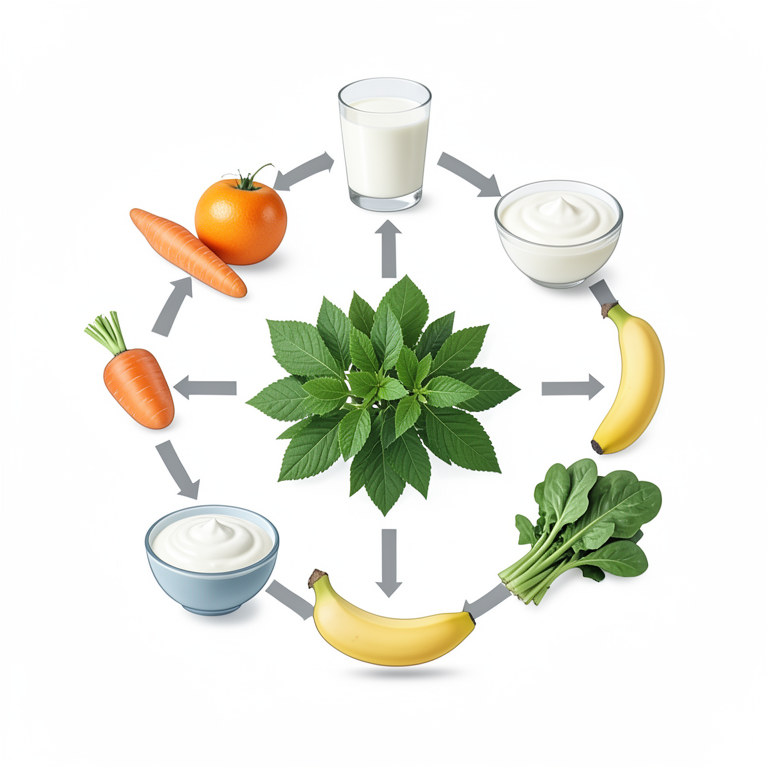
Nutrient Comparison
AI-generated conceptual illustration (Moringa oleifera leaves, oranges, carrots, cow milk, yogurt, bananas, and spinach). It explains the idea and does not show study data.
View source evidence ↗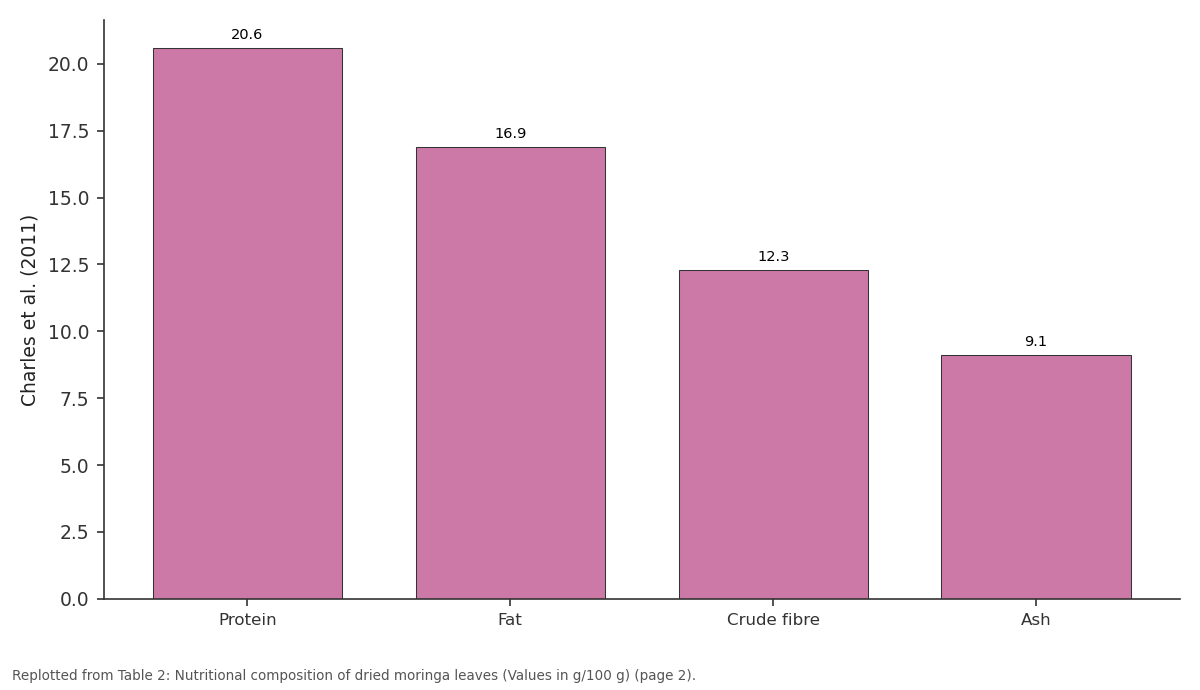
Charles et al. (2011): Protein vs Fat vs Crude fibre vs Ash
Replotted from Table 2 (page 2) of the original paper. Every bar is the paper's own table value.
View source evidence ↗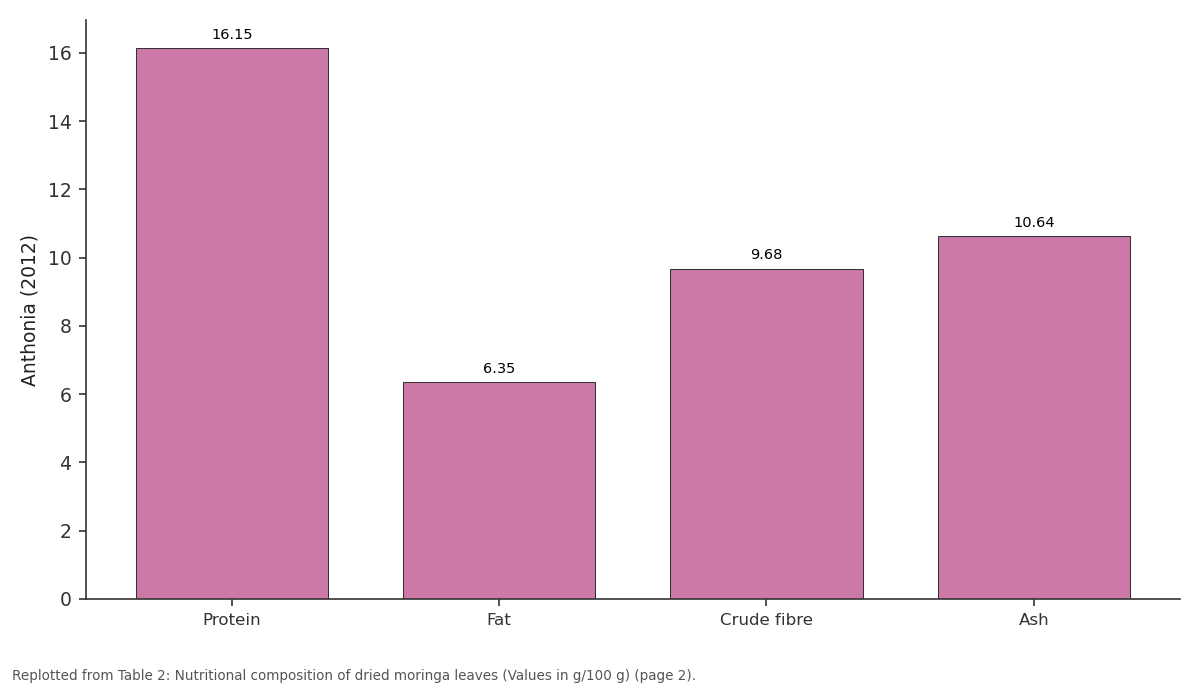
Anthonia (2012): Protein vs Fat vs Crude fibre vs Ash
Replotted from Table 2 (page 2) of the original paper. Every bar is the paper's own table value.
View source evidence ↗Figures & tables
From the original paper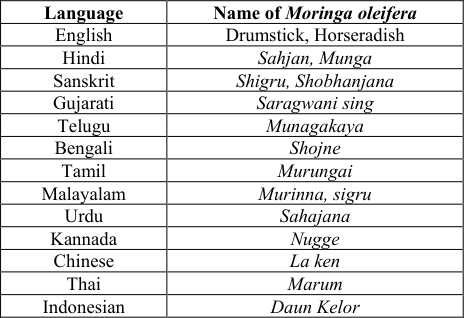 Table 1
 Table 2
 Table 3
 Table 4
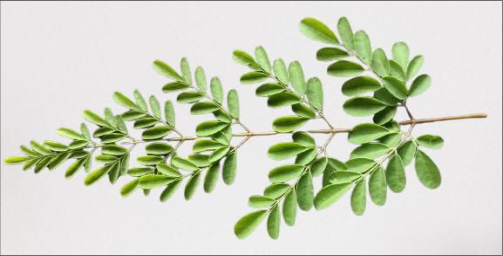 Figure 1
 Table 5
 Table 5
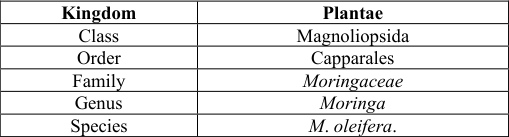 Table 6
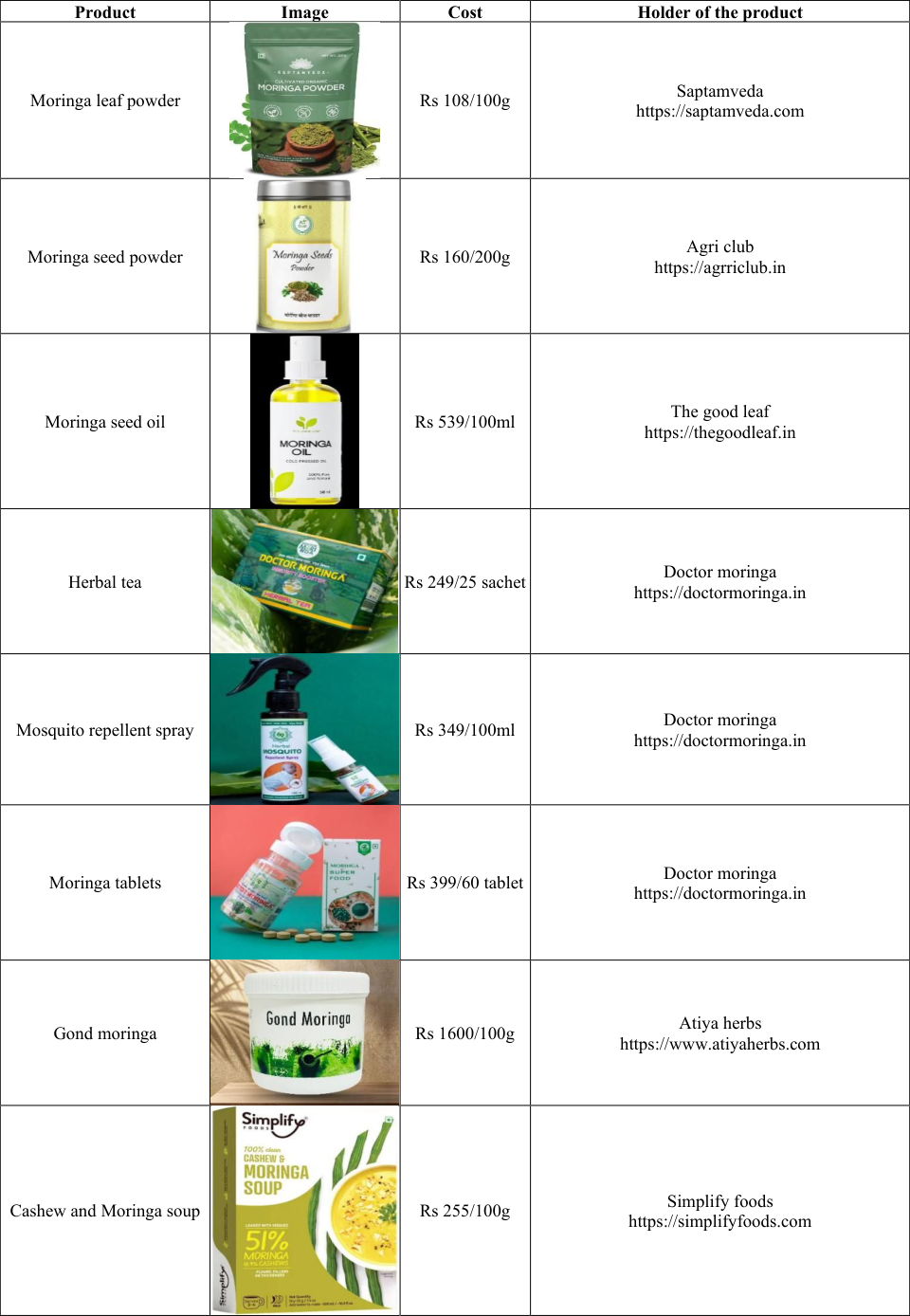 Table 7
Introduction
Moringa Oleifera, also called as 'Miracle Tree', is a native of the Sub-Himalayan region and cultivated worldwide. The tree is commonly known by names such as 'Drumstick' and 'Horseradish tree'. In African languages, it is dubbed as 'Nebedaye', which means something that never dies. The fabulous drought resistance property of the tree has earned it this name of "never-dying tree". It is a deciduous plant of the Moringaceae family belonging to the genus Moringa. Moringa is a treasure of nutrients, comprising a rich composition of macronutrients, including proteins, carbohydrates, and lipids, alongside a diverse array of secondary metabolites, making it an attractive agricultural commodity for various applications.
Table 1: Common names of Moringa oleifera in different languages
Table 1: Common names of Moringa oleifera in different languages
Language
Name of Moringa oleifera English Drumstick, Horseradish
Moringa is known for its extraordinary nutritional composition, packed with vitamins and minerals that surpass those found in many staple foods. Many studies have found that its nutrient profile includes seven times more vitamin C than oranges, 10 times more vitamin A than carrots, 17 times more calcium than milk, nine times more protein than yogurt, 15 times more potassium than bananas, and 25 times more iron than spinach. Also, moringa is a good source of calcium, essential for human development, with its leaves providing 1000 mg per servingfar exceeding the 300-400 mg found in 240 ml of milk. Moringa powder takes it a step further, delivering over 4000mg, making it a potential natural remedy for supporting bone health. Moringa powder can be used as an alternative to iron supplements for treating anemia, providing 28mg of iron compared to just 2 mg in beef. The plant is also a rich source of zinc, an essential mineral crucial for sperm cell synthesis, growth, and nucleic acid synthesis, with its leaves containing 25.5-31.03 mg/kg which meets the recommended daily intake for a healthy diet (Brar et al., 2022) [11] . Lowell Fuglie (2001) [42] is an International Development Consultant and amongst the world's leading experts in the multiple attributes of the moringa tree, has said, "A major advantage to Moringa is the fact that it is a local resource. This contrasts with many of the ongoing programs designed to fight malnutrition, which depend on imported products and outside support. Moringa is a very simple and readily available solution to the problem of malnutrition."
According to a report by Fuglie, Moringa powder helped a mother to produce milk for her newborn. Many adults reported getting less tired and many said they could sleep better after consumption of Moringa oleifera in different forms.
Moringa oleifera has been employed for centuries in traditional medicine and has demonstrated pharmacological efficacy in managing diverse health conditions. Moringa oleifera called as Shigru in Sanskrit has a description in Charak Samhita for being used in Lepa (paste), Taila (oil), and Churna (powder) forms for treatment of Kushtha, Krimi and Pliha (spleen enlargement). Shigru is believed to relieve pain and inflammation in piles. The roots of the plant possess phytochemicals useful for the treatment of kidney stones. It was also mentioned in the remedy for edema. Moringa oil has been reported to exhibit anti-aging properties due to its excellent antioxidant properties. The seed extract has been reported to have antibacterial and antifungal activities; therefore, the plant found application in the healing of wounds. Local people in Indonesia believe that soup made by boiling Moringa pods can reduce cholesterol, soreness, and be helpful in skin care (Afrianto et al., 2023) [4] .
Fig 1: Moringa oleifera leaves
The nutritional composition of moringa leaves and seeds as reported by various researchers have been provided in Tables 2,3, 4, and 5. [51] 7 24 6 20.6 -36 Sultana (2020) [65] 8.13 [59] 7.23 [13] 4 [12] 5 37 38 3 4 -Gautier et al. (2022) [23] 4.74 36.82 37.24 ---Abdalla et al. (2022) [1] -24 36 -6.3 33.6 [25] Sultana et al.
(2020) [65] Meireles et al.
Phytochemicals in Moringa Oleifera
The phytochemicals present in different parts of this plant possess many medicinal properties. About 110 bioactive compounds have been found in studies. Along with the rich nutritive profile, moringa is loaded with phytonutrients that not only can prevent but also suppress the risk of diseases. The compounds can be categorised into 6 groups, which include flavonoids, glucosinolates, phenolic acids, terpenes, alkaloids, and sterols. Some dominant compounds are moringin, niazimicin, beta-sitosterol, quercetin, etc.
Alkaloids: There are a lot of papers that conclude that alkaloids in moringa oleifera have shown anti-inflammatory and antioxidant activity, thus resulting in reduced risk of oxidative stress and organ damages. Alkaloids have been reported to help cure diabetes, cardiovascular diseases and cancer. A recent study by Ofulue et al. (2024) [56] found that alkaloids in Moringa leaf extract inhibit sudden contractions and consist of compounds that hold the ability to interact with receptors and proteins linked with uterine contractions, which makes it a potential tocolytic agent.
Saponins:
Saponin is derived from the Latin word "Sapo", which means soap, due to its ability to produce froth by agitation in an aqueous solution. Malaka and Sadam in 2024 [45] worked on an herbal spray made with Moringa oleifera and betel leaf extract, and they found that saponins act as natural antioxidants and inhibit the free radicals from damaging skin and organs, which makes it a good option to be used in the wound healing spray for faster healing. Jiang et al. (2024) found that saponins are foodborne natural bioactive compounds that can prevent cardiovascular diseases. Saponins can have a beneficial effect against obesity (Marrelli et al., 2016) [47] .
Tannins: Malaka and Sadam (2024) [45] worked on an herbal spray made with Moringa oleifera and betel leaf extract, and they found that the higher the tannin content in the treatment of wounds, the faster the wound healing process. Kumari and Jain (2012) [40] suggested that tannins can be potential drugs for the treatment of non-insulindependent diabetes mellitus. Tannins act as chelating agents; thus, they help to mitigate oxidative damage in biological systems, and they also possess antimicrobial, anticancer, and antioxidant properties despite being an antinutrient (Cosme et al., 2025) [18] . Sulaiman et al. (2015) [64] found that Moringa seed extract contains 0.890 mg Gallic acid equivalent tannins per gram of dry matter, which plays a significant role in the antioxidant property of seeds.
Polyphenols: According to Prabakaran et al. (2018), polyphenols refer to a diverse group of bioactive compounds. The major polyphenolic compounds in Moringa include quercetin, myricetin, and biochanin, which are reported to show antioxidant and antimicrobial properties along with an important role in many biological activities.
Flavonoids: Lin et al. (2018) [41] suggested that flavonoids in Moringa can be used in the treatment of Non-Communicable Diseases like cancer, diabetes, etc. Ballard et al. (2019) found that flavonoids possess many healthprotective properties, such as anti-cancer, anti-diabetic, antiobesity, and many more.
Pharmacological Properties
Anti-inflammatory effect: Studies have found that Moringa oleifera extract from any part of the plant has been
International Journal of Agriculture and Food Science https://www.agriculturaljournals.com observed to exhibit analgesic, anti-inflammatory, and antipyretic activities. Inflammation refers to the response of our body to any foreign object or exercise. Usually, it is normal but it can get severe in some conditions, to the extent of harming the body. Moringa extract has been found to control these reactions from harming the body (Kumar et al., 2010) [39] .
Anti-cancer effect
The anticancer activity of Moringa can be attributed to the presence of alkaloids in various parts of the plant body.
Studies conducted for the assessment of antitumor activity revealed positive results. The water extracts of leaves have shown activity in the treatment of lung cancer, oral, liver, and pancreatic cancer, while the methanolic extract can work against prostate and cervical cancer (Bhattacharya et al., 2018) [10] .
Anti-ulcer effect
Moringa contains many triterpenes, alkaloids, flavonoids, and other chemical constituents such as steroids, responsible for the antiulcer properties, which work via cytoprotective and antisecretory action in the stomach. During experiments, it was found that the ethanolic extracts of seeds of moringa contained the flavonoid quercetin, which showed an antiulcer effect by decreasing the acidity of pylorus ligation in rats with induced ulcer and decreasing the ulcer index anti-oxidant property (Dixit et al., 2016) [21] .
Hepatoprotective activity
Moringa contains a special group of chemicals known as Niazimicin, benzyl isothiocyanate, glucosinolates, isothiocyanate, and several other compounds such as provitamin A, rhamnose, and simple sugars contributing to its hepatoprotective properties (Camilleri and Blundell, 2024) [15] .
Neuroprotective property
Moringa oleifera is getting more attention these days as a neuroprotectant plant. The bioactive compounds present in it improve mitochondrial function and reduce oxidative stress. The antioxidant and anti-inflammatory properties of Moringa contribute to its neuroprotective properties.
Cardioprotective activity
Studies have revealed that Moringa extract can be used in the treatment of diseases related to the heart and cardiovascular system. As Moringa is also considered helpful in regulating blood pressure levels, it is a potential affordable treatment for problems arising with reduced or elevated blood pressure.
Anti-asthmatic property
Suresh et al. (2020) [66] concluded that the extract of Moringa leaves showed beneficial effects against bronchoconstriction, inflammation in the airway, and asthma. Kumar and Patel (2011) [38] found that Moringa possesses significant anti-asthmatic properties, which can be attributed to its bronchodialator activity, non-specific spasmolytic activity, and cell stabilizing activity.
Anti-diabetic property
A study conducted in Africa found that people, who treat diabetes with the help of natural sources like medicinal plants, incorporate Moringa oleifera with the other plants. The traditional practitioners there believe that Moringa plays a significant role in the curing of diabetes, and hence it can be a relief to people who are unable to afford the expensive treatments. A study was conducted to check on the comparative antidiabetic properties of Moringa-based diabetes tablets and raw Moringa extract, which revealed they both reduced blood glucose levels when administered 400mg/kg (Fatoumata et al., 2020) [22] .
Anthelmintic effect
Anthelmintic refers to a drug that is used to kill or expel helminths (parasitic worms) from the body. A study by Delfin et al. (2017) revealed that Moringa seed showed 95.89% and 81.72% egg hatch inhibition at 15.6 mg/mL for ethanolic and aqueous extract, respectively. Therefore, Moringa seed holds potential anthelmintic property against the egg and 3 rd stage of larvae of Haemonchus contortus.
Studies on Toxicological Parameters of Moringa
Owens et al. (2020) [58] found that the use of Moringa oleifera could decrease blood sugar to even lower levels when used in combination with other modern medications. Stem, root, and flowers potentially contain harmful phytochemicals, which may promote uterine contraction, leading to miscarriages in pregnant women. However, all mentioned side effects were verified with doses that far exceed the amount used in food intake (Asare et al., 2012) [8] . So, research on the adverse effects of doses that may be taken should still go on, since there are no scientifically confirmed, clear toxic and harmful effects of Moringa extracts and products on both humans and animals.
Uses of Moringa Seed extract as a coagulant
Camacho et al. (2017) [17] suggested that Moringa can be used as a natural coagulant for the removal of organic matter and cyanobacteria from water. The extract of Moringa in combination with 1M NaCl showed the best results for the removal of turbidity and aromatic organic compounds. Amagloh et al. (2009) [5] in their study found that powder of Moringa seed kernel showed coagulation properties like alum at a concentration of 10 g/L for the purification of water. So, the combination of Moringa powder and alum can be used for coagulation.
Food
Moringa has been used as food for ages in various forms, including curry, an ingredient in some other preparations, and toasted seeds as a snack. Gautier et al. (2022) [23] studied about toasted kernels, Moringa beverage 10% (w/v), and Moringa yogurt-like 40% (w/v), which gave promising results for future use. Shelke and Wagh (2024) mentioned the use of Moringa leaves as Bhaji, pods in curry and Sambhar, and flowers for culinary purposes in India and the African region. Milla et al. (2021) discussed about the incorporation of Moringa powder in various bakery products like biscuits, cakes, bread, and muffins, etc. and their consumer acceptance. The involvement of moringa significantly increased the protein content of baked products, but its incorporation induced a mild bitter taste in them.
Supplement
Many studies support the use of Moringa oleifera as a food supplement due to the presence of a diverse array of bioactive compounds in it, which help in regular metabolic functions and also suppress or cure many health issues arising due to oxidative stress and chemical imbalance in the body. The research revealed the antioxidant, anticancer, antidiabetic, and anti-inflammatory effects of Moringa, which is why the Moringa leaf powder or Whole Moringa powder is used by many people as a supplement. People reported that the use of Moringa powder increased milk secretion in lactating mothers, improved haemoglobin level in blood, and helped with sound sleep (Martinez et al., 2021; Brar et al., 2022) [59,11] .
Medicine
Mohlala et al. (2023) [54] found in a study that a diet with 15% Moringa leaf extract increased sperm motility in bulls. Moringa was found to reduce the causes of infertility in men like oxidative stress and obesity, etc. Kaul and Chase (2015) [37] found in their study that Moringa leaves contain Niazirin and Niazimicin A and B, which help in regulating blood pressure and have antitumor and hypotensive activity. Stem of Moringa contains β-sitosterol, which possesses anticancer activity. Seeds and pods contain a wide range of compounds like Niazimicin, β-sitosterol, 4(α-L rhamnosyloxy) benzyl isothiocynate, and others, which offer many benefits including antitumor, antibacterial, anticancer and hypotensive activity.
Fodder
A study by Bryan Mendieta (2011) [13] suggested that Moringa can be used as a fodder crop for dairy cows. Feeding Moringa enhanced the digestibility of the animals, although it did not show any impact on the amount or composition of milk produced by them. Mallenakuppe et al. (2019) found that Moringa is used as feed material for many livestock, poultry, and fish. Feeding Moringa improves the meat quality and storage ability of products.
Contribution of Moringa to the Economy of India
India is the largest producer of Moringa in the world. A report by Fortune Business Insights in February 2020 states that the global market for Moringa oleifera products was 7.08 billion USD in 2020 and is expected to grow to 14.8 billion USD in 2028 at a CAGR of 9.63%. Key companies focusing on introducing innovative health-promoting products are Botanica Natural Products, Organic India, Himalaya Global Holdings Ltd., Earth Expo Company, Aayuritz Phytonotrients Private Ltd., etc. In March 2020, Typhoo Tea Ltd. -A UK-based tea manufacturer company launched three new herbal teas in India, one of which is 'purifying super greens', which contains organic moringa and a blend of other ingredients to offer holistic purifying benefits. 'Genera Nutrients' is an Indian company started in 2010.
One of their reports on 6 th December 2023 says that they produce nutraceuticals and herbal products of Tulsi, Ashwagandha, Neem, and Moringa oleifera, etc. They farm in a land area of three acres. The article also reported that there is an increase in demand for Moringa seeds among customers. An article 'India commences exports of Moringa powder, keeping in mind the rising global demand, because of its nutritional properties' by the Ministry of Commerce and Industry, posted on 31 December 2020 by PIB Delhi, reported that 2 Tonnes of organic certified Moringa powder was exported to the US on 29 th December 2020. An APEDA registered exporter from Telangana, 'Medikonda Nutrients' cultivates Moringa in 240 ha of land and plans to export 40 Metric Tons of Moringa leaf powder to the USA. An article by Shivani Gupta in 'The Better India' reports on a farmer who left his job for a healthy life. After working 11 years at Tata Consultancy Services, techie Jitender Mann moved back to his village, Mehmudpur, in Sonipat district of Haryana. He came to know about the healing properties of Moringa, and along with his wife he decided to become farmers. They started in 2018, and now they have developed a profitable venture by selling Moringa powder in urban areas. According to them, 1000 kg of powder can be obtained from one acre of land. On an average, they make 10 L per acre every season. Another article in 'The Better India' by Mervin Preethi covers the story of Ponnarasi, a lady called Murungai Arasi, which means Moringa Queen. She is a class 10 dropouts who is generating Rs 12 lakh/year by farming Moringa and selling both raw as well as value-added products. Ponnarasi said that the Agricultural colleges and KVKs of Tamil Nadu helped her in developing the business. Yet another article in 'The Better India' is based on the success story of a soil scientist, Dr. Kandasami Saravanan cultivates moringa oleifera in 4 acres of land. He said, 'Selling drumsticks was not profitable, so I came up with the idea of selling leaves, as they hold a higher value in the international market'. He processes the leaves in valueadded products like Moringa podi, leaf soup, and powder. He earns a net profit of 40000 every month with leaves only and even more with value-added products. One more article published in 'The Better India' about Deepika Ravi from Karur, Tamil Nadu. She owns a startup, 'The Good Leaf' (founded in 2018), where 200 farmers are suppliers. Along with edible products, the company also offers haircare and skin care products of moringa, like Brightening serum, Face pack, Face scrub, and Soap, all made with moringa. The business now has crores of worth. In the series of start-ups, another name came forward, which was 'Doctor Moringa', founded by Dr. Kamini Singh in 2019, is a health and wellness brand dedicated to offering moringa-based products. Doctor Moringa offers products like moringa capsules, tablets, powder, soaps, hair oils, pain-relieving oils, and teas. The products claim to offer benefits like tackling arthritis pain, malnutrition, acne, and weak immunity. In FY24, the brand achieved an annual revenue of Rs 1.5 crore, and it aims to close FY25 with Rs 2 crores. There are endless stories like these, as people are getting aware of the capabilities of Moringa oleifera. The growing popularity of Moringa shows that it is yet to achieve its peak in terms of business. This superfood is not only thriving in businesses but also helping people get healthier lives. While all these businesses were majorly based on leaves, the seeds of moringa are unexploited. The seeds also have an impressive profile of phytochemicals, which hold great potential to be used for various purposes, even in the form of snacks and other food preparations.
Value Addition from Moringa
There are lots of value added products from moringa given in Table 7.
| Product | Image | Cost | Holder of the product |
|---|---|---|---|
| Moringa leaf powder | Rs 108/100g | Saptamveda https://saptamveda.com | |
| Moringa seed powder | Rs 160/200g | Agri club https://agrriclub.in | |
| Moringa seed oil | Rs 539/100ml | The good leaf https://thegoodleaf.in | |
| Herbal tea | Rs 249/25 sachet | Doctor moringa https://doctormoringa.in | |
| Mosquito repellent spray | Rs 349/100ml | Doctor moringa https://doctormoringa.in | |
| Moringa tablets | Rs 399/60 tablet | Doctor moringa https://doctormoringa.in | |
| Gond moringa | Rs 1600/100g | Atiya herbs https://www.atiyaherbs.com | |
| Cashew and Moringa soup | Rs 255/100g | Simplify foods https://simplifyfoods.com |
Table text extracted from the original PDF; superscript letters are shown inline. The original table image is below.
View original table image
Moringa oil butter
Rs 1190/60ml Botanical beauty https://www.botanicalbeautyproducts.com
Conclusion
The cumulative evidence from existing studies underscores the remarkable nutritional and phytochemical profile of Moringa oleifera, which is responsible for its notable medicinal properties. Along with the extraordinary nutritional composition, which can help combat malnutrition while maintaining sustainability, this plant has also been found to possess a unique combination of bioactive compounds that make it an attractive candidate for the treatment and management of various chronic diseases? The traditional knowledge surrounding the use of Moringa as a nutraceutical plant has been substantiated by scientific research, providing a strong foundation for its potential benefits. However, to fully harness the therapeutic potential of Moringa and ensure its safe consumption, additional research is required to comprehensively understand its biological activity and to identify any potential side effects associated with regular use. This will enable the development of evidence-based guidelines for the optimal utilization of Moringa as a nutraceutical plant. Given its remarkable nutritive and medicinal value, Moringa has the potential to serve as a natural adjunct to conventional therapies, promoting public health and offering alternative treatment options for various diseases.
Future Prospects
The acknowledgement of the properties of Moringa implies its promising future. The research done till date and the ongoing studies are all in the direction of beneficial effects of Moringa, even the studies on toxicology have led to results which ensure no toxic effects up to levels of normal human consumption. The pharmacological properties of Moringa can be utilised for the prevention and treatment of many maladies. The rich antioxidant property can be useful for the formulation of effective beauty products. The leaf and seeds can be used to prepare more varieties of food products, along with incorporation in other pre-existing products. The future of Moringa is shining bright, and it holds immense possibilities for businesses. The coagulating property of seeds has gained attention due to its effectiveness as well as they can be used for the production of biodiesel and in cosmetics. Keeping the capabilities of Moringa in mind, it should be incorporated as much as possible in meals and diets in freshly cooked form and for those who are unable to consume freshly cooked foods often, it should be formulated in different ways to ensure its availability to most of the people in any possible form in affordable prices.
Figures and tables from the paper
| Language | Name of Moringa oleifera |
|---|---|
| English | Drumstick, Horseradish |
| Hindi | Sahjan, Munga |
| Sanskrit | Shigru, Shobhanjana |
| Gujarati | Saragwani sing |
| Telugu | Munagakaya |
| Bengali | Shojne |
| Tamil | Murungai |
| Malayalam | Murinna, sigru |
| Urdu | Sahajana |
| Kannada | Nugge |
| Chinese | La ken |
| Thai | Marum |
| Indonesian | Daun Kelor |
Table text extracted from the original PDF; superscript letters are shown inline. The original table image is below.
View original table image
| Sources | Moisture | Protein | Fat | Crude fibre | Ash | Carbohydrate |
|---|---|---|---|---|---|---|
| Charles et al. (2011) | 4.9 | 20.6 | 16.9 | 12.3 | 9.1 | 36.6 |
| Anthonia (2012) | 11.76 | 16.15 | 6.35 | 9.68 | 10.64 | 45.43 |
| Gopalkrishnan et al. (2016) | - | 29.4 | 5.2 | 12.5 | 8.5 | 41.2 |
| Meireles et al. (2020) [51] | 7 | 24 | 6 | 20.6 | - | 36 |
| Sultana (2020) [65] | 8.13 | 24.04 | 5.75 | 7.34 | 9.34 | 45.52 |
| Zahidul et al. (2021) | - | 27.1 | 2.3 | 19.2 | 12.2 | 38.2 |
| Penalver et al. (2022) [59] | 7.23 | 25.3 | 5.75 | 24.97 | 9.95 | 29.8 |
Table text extracted from the original PDF; superscript letters are shown inline. The original table image is below.
View original table image
| Source | Moisture | Protein | Fat | Crude fibre | Ash | Carbohydrate |
|---|---|---|---|---|---|---|
| Gopalkrishnan et al. (2016) | - | 35.97 | 38.67 | 2.87 | - | 8.67 |
| Mbah et al. (2012) [50] | 6.78 | 26.71 | 30.59 | 1.41 | 2.55 | 31.96 |
| Abiodun et al. (2012) [13] | 4.7 | 28.04 | 45.8 | 7.73 | 4.10 | 10.59 |
| Bridgemohan et al. (2014) [12] | 5 | 37 | 38 | 3 | 4 | - |
| Gautier et al. (2022) [23] | 4.74 | 36.82 | 37.24 | - | - | - |
| Abdalla et al. (2022) [1] | - | 24 | 36 | - | 6.3 | 33.6 |
Table text extracted from the original PDF; superscript letters are shown inline. The original table image is below.
View original table image
| Micro-nutrient | Charles et al. (2011) | Gopalakrishnan et al. (2016) [25] | Sultana et al. (2020) [65] | Meireles et al. (2020) [51] | Zahidul et al. (2021) | Penalver et al. (2022) [59] |
|---|---|---|---|---|---|---|
| Calcium | 1460 | 2003 | 1850 | 1897 | 2003 | 1480 |
| Magnesium | 267 | 368 | - | 473 | 368 | 301.11 |
| Potassium | 308 | 1324 | 1630 | 1467 | 1324 | 1750 |
| Phosphorous | 56.0 | 204 | 213 | 297 | 204 | 352.39 |
| Sodium | 20 | - | - | - | - | - |
| Iron | 31.1 | 28.2 | - | 32 | 28.2 | 25.14 |
| Sulphur | - | 870 μg | - | - | - | 982.49μg |
Table text extracted from the original PDF; superscript letters are shown inline. The original table image is below.
View original table image
| Copper | - | 0.57 | - | - | - | 0.45 |
|---|---|---|---|---|---|---|
| Vitamin A | - | - | - | 3.64 | - | - |
| Vitamin C | - | 173 | 216 | 172 | 173 | - |
| Vitamin E | - | 113 | - | 56-113 | 113 | - |
| Vitamin B1 | - | 2.64 | - | 2.6 | 2.64 | - |
| Vitamin B2 | - | 20.5 | - | 1.29 | 20.5 | - |
| Vitamin B3 | - | 8.2 | - | 8.2 | 8.2 | - |
| Vitamin B6 | - | 2.4 | - | 2.4 | 2.4 | - |
Table text extracted from the original PDF; superscript letters are shown inline. The original table image is below.
View original table image
| Kingdom | Plantae |
|---|---|
| Class | Magnoliopsida |
| Order | Capparales |
| Family | Moringaceae |
| Genus | Moringa |
| Species | M. oleifera. |
Table text extracted from the original PDF; superscript letters are shown inline. The original table image is below.
View original table image
References
58 in the original paper- Abdalla HAM, Mohammed A, Amar MH, Chen L, Wang QF. Characterization of phytochemicals and nutrient compounds from the leaves and seeds of Moringa oleifera and Moringa peregrina. Horticulturae. 2022;8(11).
- Abdull Razis AF, Ibrahim MD, Kntayya SB. Health benefits of Moringa oleifera. Asian Pac J Cancer Prev. 2014;15(20).
- Abiodun OA, Adegbite JA, Omolola AO. Chemical and physicochemical properties of Moringa flours and oil. Glob J Sci Front Res Biol Sci. 2012;12(5).
- Afrianto WF, Metananda AA. Revealing the biocultural importance of Moringa oleifera (Moringaceae) in three villages, Kediri District, Indonesia. Biodiversitas J Biol Divers. 2023;24(12).
- Amagloh FK, Benang A. Effectiveness of Moringa oleifera seed as coagulant for water purification. Afr J Agric Res. 2009;4(1).
- Oluduro AO. Evaluation of antimicrobial properties and nutritional potentials of Moringa oleifera Lam. leaf in south-western Nigeria. Malays J Microbiol. 2011;8(2).
- Abduljawad AA, Elawad MA, Elkhalifa ME, Ahmed A, Hamdoon AAE, Salim LHM, et al. Alzheimer's disease as a major public health concern: Role of dietary saponins in mitigating neurodegenerative disorders and their underlying mechanisms. Molecules. 2022;27(20).
- Asare GA, Gyan B, Bugyei K, Adjei S, Mahama R, Addo P, et al. Toxicity potentials of the nutraceutical Moringa oleifera at supra-supplementation levels. J Ethnopharmacol. 2012;139(1).
- Ballard CR, Marostica MR Jr. Chapter 10 -Health benefits of flavonoids. In: Bioactive Compounds. 2019.
- Bhattacharya A, Tiwari P, Sahu PK, Kumar S. A review of the phytochemical and pharmacological characteristics of Moringa oleifera. J Pharm Bioallied Sci. 2018;10(4).
- Brar S, Haugh C, Robertson N, Owuor PM, Waterman C, Fuchs GJ III, et al. The impact of Moringa oleifera leaf supplementation on human and animal nutrition, growth, and milk production: A systematic review. Phytother Res. 2022;36(4).
- Bridgemohan P, Bridgemohan R, Mohamed M. Chemical composition of high protein animal supplement from Moringa oleifera. Afr J Food Sci Technol. 2014;5(5).
- Camacho FP, Sousa VS, Bergamasco R, Teixeira MR. The use of Moringa oleifera as a natural coagulant in surface water treatment. Chem Eng J. 2017;313.
- Camilleri E, Blundell R. A comprehensive review of the phytochemicals, health benefits, pharmacological safety and medicinal prospects of Moringa oleifera. Heliyon. 2024;10(6).
- Fraga CG, Galleano M, Verstraeten SV, Oteiza PI. Basic biochemical mechanisms behind the health benefits of polyphenols. Mol Asp Med. 2010;31(6). International Journal of Agriculture and Food Science https://www.agriculturaljournals.com
- Yameogo CW, Bengaly MD, Savadogo A, Nikiema PA, Traore SA. Determination of chemical composition and nutritional values of Moringa oleifera leaves. Pak J Nutr. 2011;10(3).
- Cosme F, Aires A, Pinto T, Oliveira I, Vilela A, Goncalves B. A comprehensive review of bioactive tannins in foods and beverages: Functional properties, health benefits, and sensory qualities. Molecules. 2025;30(4).
- Cabardo DE Jr, Portugaliza HP. Anthemintic activity of Moringa oleifera seed aqueous and ethanolic extracts against Haemonchus contortus eggs and third stage larvae. Int J Vet Sci Med. 2017;5(1).
- Divya S, Pandey VK, Dixit R, Rustagi S, Suthar T, Atuahene D, et al. Exploring the phytochemical, pharmacological and nutritional properties of Moringa oleifera: A comprehensive review. Nutrients. 2024;16:3423. https://doi.org/10.3390/nu16193423
- Dixit S, Tripathi A, Kumar P. Medicinal properties of Moringa oleifera: A review. Int J Educ Sci Res. 2016;3(2).
- Fatoumata BA, Bah MA, Sene M, Sambou JK, Gueye MM, BA EHM. Antidiabetic properties of Moringa oleifera: A review of the literature. J Diabetes Endocrinol. 2020;11(1).
- Gautier A, Duarte CM, Sousa I. Moringa oleifera seeds characterization and potential uses as food. Foods. 2022;11(11).
- Godinez-Oviedo N, Guemes-Vera N, AcevedoSandoval OA. Nutritional and phytochemical composition of Moringa oleifera Lam. and its potential use as nutraceutical plant: A review. Pak J Nutr. 2016;15(4).
- Gopalakrishnan L, Doriya K, Kumar DS. Moringa oleifera: A review on nutritive importance and its medicinal application. Food Sci Hum Wellness. 2016;5(2).
- Gull T, Nouman W, Olson ME. Industrial applications, toxicological impact and marketing trends of Moringa oleifera products: A review. S Afr J Bot. 2025;176. 27. AgrriClub [Internet]. Available from: https://agrriclub.in 28. Doctor Moringa [Internet]. Available from: https://doctormoringa.in 29. Saptamveda [Internet]. Available from: https://saptamveda.com 30. Simplify Foods [Internet]. Available from: https://simplifyfoods.com
- Wang J, Tang X, Liu F, Mao B, Zhang Q, Zhao J, et al. Sources, metabolism, health benefits and future development of saponins from plant. Food Res Int. 2024;197(1).
- Koul B, Chase N. Moringa oleifera Lam.: Panacea to several maladies. J Chem Pharm Res. 2015;7(6).
- Kumar B, Patel A. Evaluation of anti-asthmatic activity of roots of Moringa oleifera Lam. in various experimental animal models. Inventi Impact Planta Activa. 2011;2011(4).
- Kumar PS, Mishra D, Ghosh G, Panda CS. Medicinal uses and pharmacological properties of Moringa oleifera. Int J Phytomedicine. 2010;2.
- Kumari M, Jain S. Tannins: An antinutrient with positive effect to manage diabetes. Res J Recent Sci. 2012;1(12).
- Lin M, Zhang J, Chen X. Bioactive flavonoids in Moringa oleifera and their health-promoting properties. J Funct Foods. 2018;47.
- Fuglie LJ. Moringa oleifera: Natural nutrition for the tropics. Training Manual. 2001.
- Luchetti S, Liere P, Pianos A, Verwer RWH, Sluiter A, Huitinga I, et al. Disease stage-dependent changes in brain levels and neuroprotective effects of neuroactive steroids in Parkinson's disease. Neurobiol Dis. 2023;183.
- Ma ZF, Ahmad J, Zhang H, Khan I, Muhammad S. Evaluation of phytochemicals and medicinal properties of Moringa as a potential functional food. S Afr J Bot. 2020;129.
- Ratmawati M, Sadam MY. The effect of herbal spray extract of Moringa leaves (Moringa oleifera Lam.) and betel leaves (Piper betle Linn) to wounds in dairy cattle. Adv Anim Vet Sci. 2024;12(12).
- Ramachandraiah M, Homabalegowda H, Gouri MD, Prasanna S, Basavaraju, Chandrashekharaiah UB. History, taxonomy and propagation of Moringa oleifera -A review. Int J Life Sci. 2019;5(3).
- Marrelli M, Conforti F, Araniti F, Statti GA. Effects of saponins on lipid metabolism: A review of potential health benefits in the treatment of obesity. Molecules. 2016;21(10).
- Gomez MS, Diaz-Prieto LE, Castro IV, Jurado C. Moringa oleifera leaf supplementation as a glycemic control strategy in subjects with prediabetes. Nutrients. 2021;14(1).
- de Barros MC, Silva AGB, Souza TGDS, Chagas CA, Machado JCB, Ferreira MRA, et al. Evaluation of acute toxicity, 28-day repeated dose toxicity, and genotoxicity of Moringa oleifera leaves infusion and powder. J Ethnopharmacol. 2022;296.
- Mbah BO, Eme PE, Ogbusu OF. Effect of cooking methods (boiling and roasting) on nutrients and antinutrients content of Moringa oleifera seeds. Pak J Nutr. 2012;11(3).
- Meireles D, Gomes J, Lopes L, Hinzmann M, Machado J. A review of properties, nutritional and pharmaceutical applications of Moringa oleifera: Integrative approach on conventional and traditional Asian medicine. Adv Tradit Med. 2020;20.
- Garcia MP, Penalver R, Nieto G. Health benefits of uses and application of Moringa oleifera in bakery products. Plants. 2021;10(2).
- Ministry of Commerce and Industry. India commences exports of Moringa powder, keeping in mind the rising global demand, because of its nutritional properties. 2020 Dec 31 [Internet]. Available from: https://www.pib.gov.in/PressReleasePage.aspx?PRID= 1685065 International Journal of Agriculture and Food Science https://www.agriculturaljournals.com
- Mohlala K, Offor U, Monageng E, Opuwari CS. Overview of the effects of Moringa oleifera leaf extract on oxidative stress and male infertility: A review. Appl Sci. 2023;13(7).
- Fortune Business Insights Pvt Ltd. Moringa products market size report. 2022.
- Ofulue OO, Ebomoyi IM, Uchendu AP. In vitro and in silico dynamic analysis of alkaloid extract of Moringa oleifera leaf as a tocolytic agent. Phytomed Plus. 2024;4(3).
- Okafo SE, Moke EG, Obi CS. Formulation and evaluation of anti-diabetic tablets containing aqueous extract of Moringa oleifera seeds. J Pharm Allied Sci. 2019;16(5).
- Owens FS, Dada O, Cyrus JW, Adedoyin OO, Adunlin G. The effects of Moringa oleifera on blood glucose levels: A scoping review of the literature. Complement Ther Med. 2020;50.
- Penalver R, Martinez-Zamora L, Lorenzo JM, Ros G, Nieto G. Nutritional and antioxidant properties of Moringa oleifera leaves in functional foods. 2022;11(8).
- Mayakrishnan P, Kim SH, Sasireka A, Chandrasekaran M, Chung IM. Polyphenol composition and antimicrobial activity of various solvent extract from different plant parts of Moringa oleifera. Food Biosci. 2018;26.
- Shelke SS, Wagh B. Moringa oleifera. World J Pharm Res. 2024;13(3).
- Singh M, Singh S, Verma D. Morphological and pharmacognostical evaluation of Moringa oleifera Lam. (Moringaceae): A plant with higher medicinal value in tropical and subtropical parts of the world. Pharmacogn Rev. 2020;14(28).
- Srivastava G, Ganjewala D. An update on the emerging neuroprotective potential of Moringa oleifera and its prospects in complementary neurotherapy. Phytomed Plus. 2024;4(2).
- Sulaiman M, Manan FA. Analysis of total phenolics, tannins and flavonoids from Moringa oleifera seed extract. J Chem Pharm Res. 2015;7(1).
- Sultana S. Nutritional and functional properties of Moringa oleifera. Metabolism Open. 2020;8.
- Suresh S, Chhipa AS, Gupta M, Lalotra S, Sisodia SS, Baksi R, et al. Phytochemical analysis and pharmacological evaluation of methanolic leaf extract of Moringa oleifera Lam. in ovalbumin induced allergic asthma. S Afr J Bot. 2020;130.
- Divya S, Pandey VK, Dixit R, Rastogi S, Suthar T, Atuahene D, et al. Analysis of total phenolics, tannins and flavonoids from Moringa oleifera seed extract. J Chem Pharm Res. 2015;7(1).
- Islam Z, Islam SMR, Hossen F, Mahtab-ul-islam K, Hasan MR, Karim R. Moringa oleifera is a prominent source of nutrients with potential health benefits. Int J Food Sci. 2021;2021(1).