
Research article · 2025 · Full text
International Journal of Agriculture and Food ScienceAn investigation into the effects of two bio-stimulants on the growth and yield of rice (Oryza sativa)
Volume 7(7) · Pages 297–305 · DOI: 10.33545/2664844x.2025.v7.i7d.520 ↗
Research areasGABA and Rice Research
Abstract
Author-writtenA field experiment was conducted at No. 74 Village, Corentyne, Berbice, Guyana, to evaluate the effects of the bio-stimulant Vitazyme and microbial-based formulations developed by Innovative Eco Care Chemicals on the vegetative growth and yield performance of rice (Oryza sativa L.). The study employed a Completely Randomized Design (CRD) comprising four treatments with three replications each. Treatments included: a control (T1), Vitazyme alone (T2), Innovative Eco Care chemicals (T3), and a combination of Vitazyme with Innovative Eco Care chemicals (T4). Vitazyme was applied at concentrations of 1.25 mL for seed treatment and 5 mL for foliar application, while Inno-care and Isurge were each applied at 5 mL, and Wholesome at 8 mL per application. Data were collected on key agronomic parameters including plant height at maturity (cm), leaf length (cm), number of tillers per plant, number of grains per panicle, 1000-grain weight (g), and paddy yield per treatment (kg). The results demonstrated that treatment T2 (Vitazyme alone) significantly enhanced tiller production with a mean of 23.2 tillers per plant, whereas T4 (Vitazyme combined with Innovative Eco Care products) resulted in the greatest plant height at maturity, averaging 123.2 cm. Although there were observable positive trends in vegetative growth, statistical analysis revealed no significant differences among treatments for reproductive and yield-related parameters, including grain number, 1000-grain weight, and total paddy yield. These findings suggest that while bio-stimulant and microbial-based inputs may improve vegetative vigor, their effect on final yield under the experimental conditions was not significant. Further research under varying environmental conditions and across different growing seasons is recommended to fully elucidate the agronomic potential of these biostimulant and microbial technologies in rice cultivation.
Summary
Source-checkedPlain-language reading of the full paper, prepared with AI and checked against the text. Each point links to the authors' own words.
Why it matters
- The rice industry is a critical part of Guyana's national economy and is currently its most productive agricultural sector. View evidence ↗
- Guyana's average rice yield of 5.3 tonnes per hectare is low compared to other major rice-growing nations like Australia, China, and the USA. View evidence ↗
- Because standard agrochemical and management practices have not sufficiently raised yields, there is a need to explore plant growth regulators and microbial technologies as supplements. View evidence ↗
The question
- The study aimed to determine how the bio-stimulant Vitazyme and microbial products from Innovative Eco Care affect the growth and yield of rice. View evidence ↗
What they did
- The research was a field experiment conducted in Berbice, Guyana, using a Completely Randomized Design with four treatments and three replications. View evidence ↗
- The four treatments tested were a control group, Vitazyme alone, Innovative Eco Care chemicals alone, and a combination of both. View evidence ↗
- The researchers measured plant height, leaf length, tiller count, grains per panicle, 1000-grain weight, and total paddy yield. View evidence ↗
What they found
- The combination of Vitazyme and Innovative Eco Care (T4) significantly increased plant height, reaching a maximum average of 123.3 cm. View evidence ↗
- Vitazyme alone (T2) significantly enhanced tiller production, achieving a mean of 23.2 tillers per plant. View evidence ↗
- The treatments did not have a statistically significant effect on the number of grains produced per panicle. View evidence ↗
- There were no significant differences in 1000-grain weight across treatments, with values ranging from 29.29g to 29.88g. View evidence ↗
- Although T2 and T4 showed numerical yield increases of 6.7% and 9% over the control, these differences were not statistically significant. View evidence ↗
- No significant differences were found in the incidence of pests or diseases among the different treatment groups. View evidence ↗
What it means
- The authors concluded that while the bio-stimulants improved vegetative growth (height and tillers), this did not lead to an increase in final grain yield. View evidence ↗
- The study was limited by the use of small 7m² plots, meaning larger field trials are necessary to verify the results. View evidence ↗
- The authors suggest that future research should vary the application rates and timing to see if grain yield can be improved. View evidence ↗
Visual summary
2 visualsIllustrations explain the paper; charts are replotted from the paper's own table values.
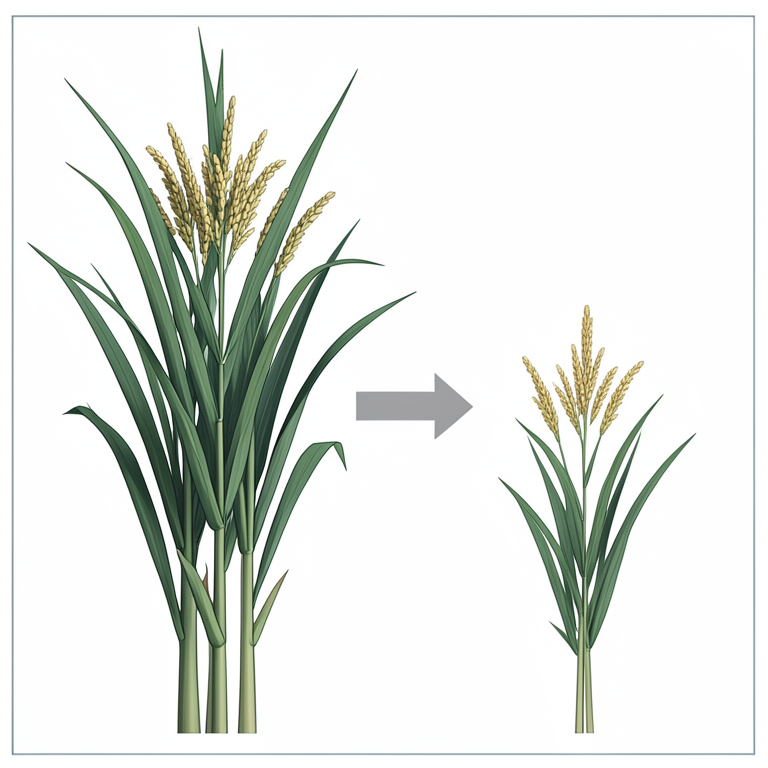
Vegetative Growth vs. Reproductive Yield
AI-generated conceptual illustration (rice plants (Oryza sativa)). It explains the idea and does not show study data.
View source evidence ↗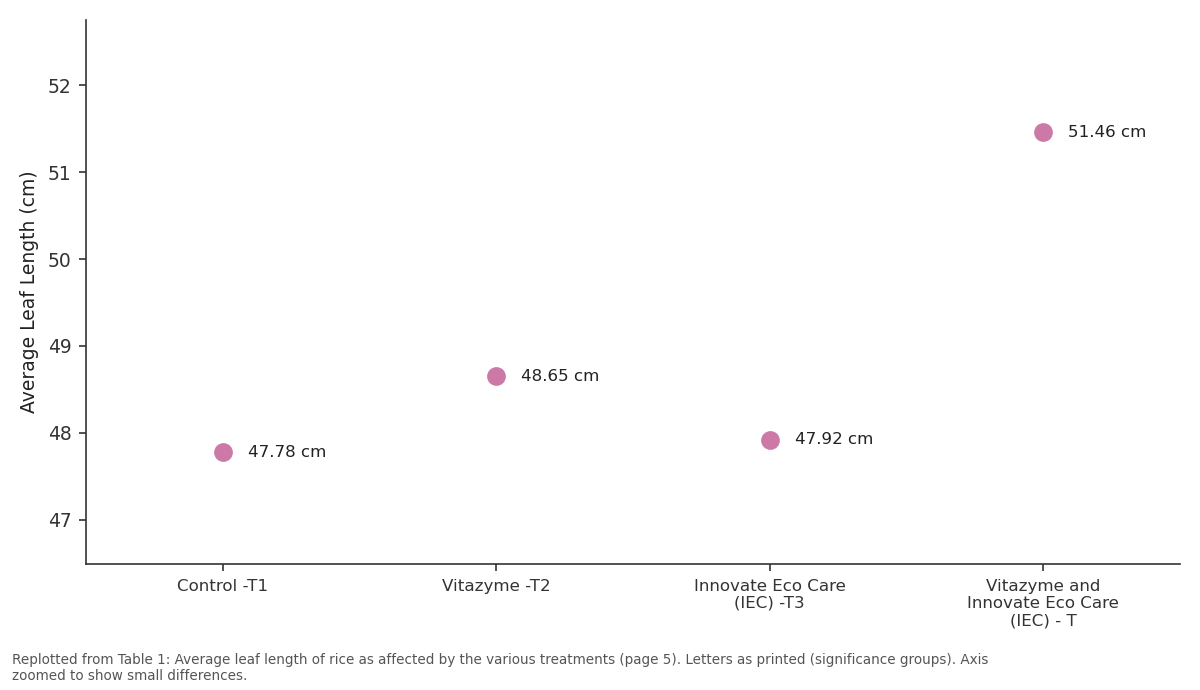
Average Leaf Length per Treatment: Control -T1 vs Vitazyme -T2 vs Innovate Eco Care (IEC)... vs Vitazyme and Innovate...
Replotted from Table 1 (page 5) of the original paper. Every bar is the paper's own table value.
View source evidence ↗Figures & tables
From the original paper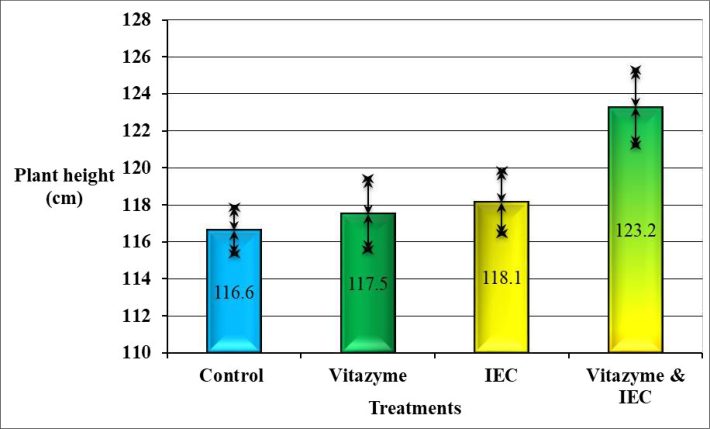 Figure 1
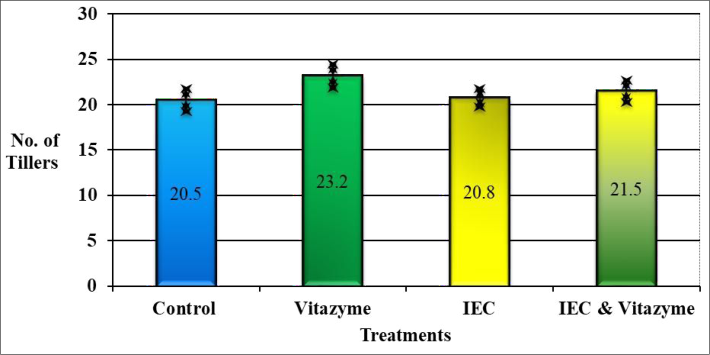 Figure 2
 Table 1
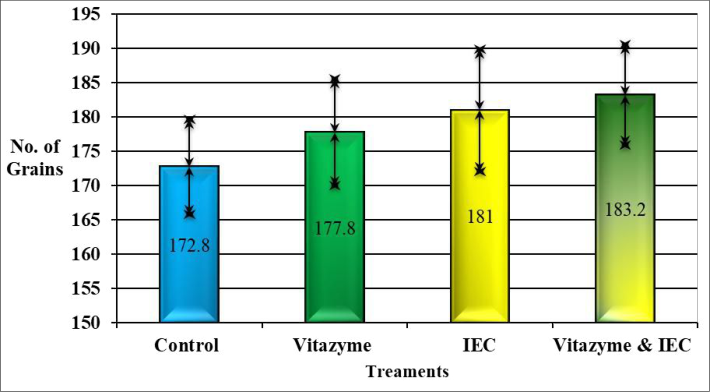 Figure 3
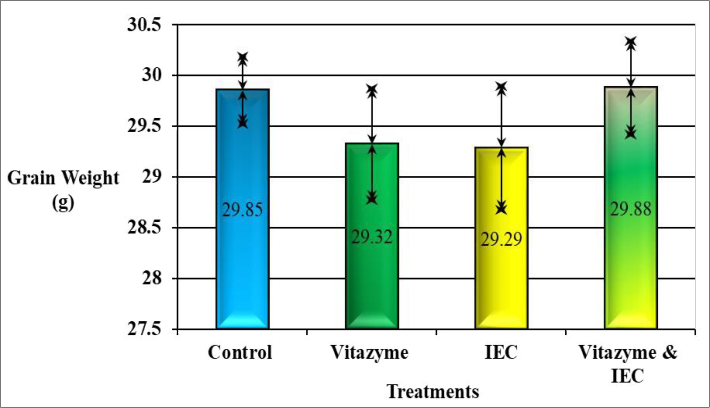 Figure 4
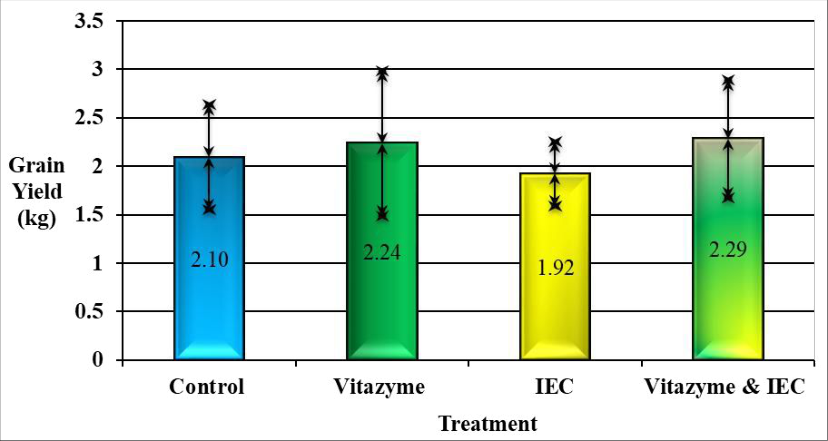 Figure 5
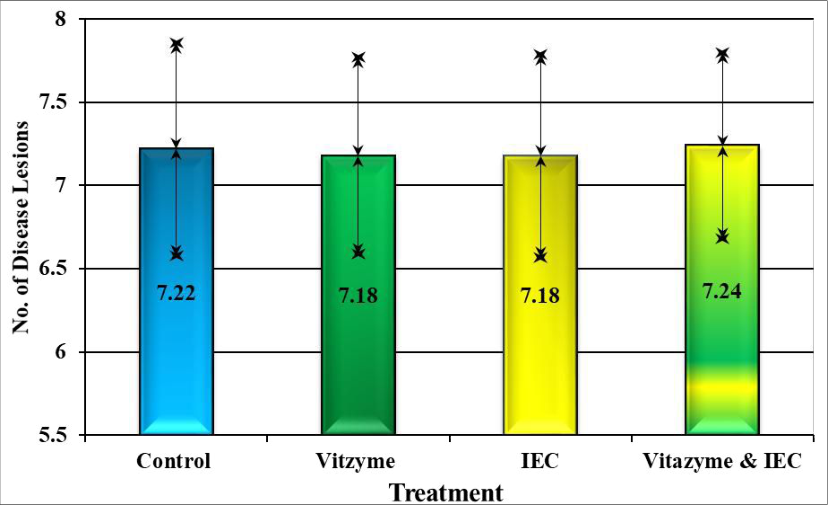 Figure 6
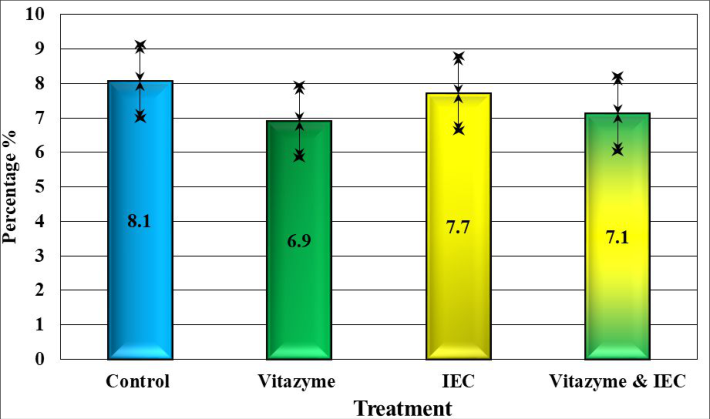 Figure 7
Introduction
The rice industry in Guyana has been in existence for over a century and it has become an important segment of the national economy. It has emerged as the most productive agricultural sector and contributor to Guyana's economy since it surpassed the sugar industry export earnings in 2009. The industry accounts for approximately 5% of the total gross domestic product (GDP) and 13.8% of the agricultural gross domestic product (GDP) [19] . Rice cultivation in Guyana is concentrated along the coastal belt in Berbice, Demerara, and Essequibo, and it has recently started in the Rupununi savannah in Region 9. It is by far the greatest user of arable land, utilizing a total of approximately 190,000 hectares. The rice industry had achieved continuous increases in total production levels for the past 5 years. Production levels significantly increased from 361,525 tonnes in 2010, to 635,238 tonnes in 2014 [11] . However, this increase maybe predominantly attributed to more land being under cultivation. For instance, in 2014, a total of 185,021 hectares of cultivated land was harvested when compared to 131,417 hectares in 2010 [11] . Even though there has been a significant increase in rice production over the years, the national average yield of paddy is 5.3 tonnes per hectare [11] . Guyana's average rice yields at 5.3 tonnes per hectare, is relatively low in the world when compared to other rice growing countries such as Australia 10.2 tonnes/ha, China 6.7 tonnes/ha and U.S.A 8.6 tonnes/ha [8] . Low levels of tonnes paddy per hectare maybe attributed to one or a combination of the following: lack of modern agricultural practices; poor agronomic and management practices.
Generally, inorganic fertilizers, herbicides and insecticides are the agrochemical inputs currently used in rice cultivation in Guyana. These agrochemical inputs are widely utilized in a six-point practice implemented by Guyana Rice Development Board (GRDB) to improve yields. The six point practices include date of planting, planting density, treatment of seeds, weed control, balance fertilization and water management. However, yields continue to remain low despite the used of the agrochemical inputs in the six-point management practices. Therefore, plant growth regulators and microbial technology can also be utilized to supplement the six point practices to boost yields and better rice cultivation. Plant growth regulators (PGRs) also called plant hormones are organic chemicals, other than nutrients, that alter plants physiological processes [13] . Plant growth regulators include auxins, gibberellins, cytokinins, ethylene, growth retardants and growth inhibitors. PGRs act inside of the plant cells at very low concentrations to stimulate or inhibit specific enzymes or enzyme systems and help to regulate the plant metabolism from germination through vegetative growth, reproductive development, maturity, and postharvest preservation. Manufactured by the United States-based firm, Vital Earth Resources Incorporated, Vitazyme is an all-natural liquid "biostimulant" for soil organisms and plants that contains biological activators, which are by-products of a proprietary fermentation process [29] . These active agents include triacontanol, B-vitamins (thiamine, riboflavin, pyridoxine, and cobalamine), biotin, folic acid, niacin, and other as yet unquantified growth regulators such as certain glycosides and porphyrins [5] . Innovative Eco-Care Pvt. Ltd (IEC) was incorporated in 2006 in India. This firm manufactures a proprietary formulated line of organic chemicals aimed at improving crop growth and yield by restoring and maintaining ecological balance in soil and plant habitat with the use of Natural Power Balanced (NPB) mixed microbial technology. Nature Power Balance (NBP) is based on the principal of 'Natural Co-existence', where different species of beneficial microorganisms are at work to reestablish and maintain the equilibrium within the agricultural ecosystem to a similar state it once existed in [20] . The present study was undertaken to investigate the effects of exogenously applied bio-stimulant (Vitazyme) and microbial products (Innovative Eco Care chemicals) on rice as one potential means to supplement the six point practices to increase yields. Even though the rice industry in Guyana had made relatively significant increase in rice production levels over the years, the average yields at 5.3 tonnes per hectare is relatively low. For Guyana's rice industry to become competitive and ensure its sustainability farmers must increase their yield per hectare. This study can serve as a guide in providing useful information to Guyana Rice Development Board, local farmers as well as prospective investors on the use of plant growth regulators and microbial formulations in rice cultivation as potential means to boost yields. The general objective of this study is to determine the influence of Vitazyme and Innovative Eco Care chemicals on growth and yield parameters of rice. The specific objective which guide this study are as follow: (1) To evaluate the vegetative growth of rice in response to the treatments. (2) To determine whether the chemicals have any effect on the yield of rice. (3) To compare incidences of pest and disease among the treatments.
Methodology 2.1 Study Location
The experiment was carried out at Stockholm, No.74 village, Corentyne, Berbice, Guyana.
Experimental Design
The experiment was laid out in a Completely Randomized Design (CRD) to compare the effects of treatments on the vegetative growth and yield of rice plants. The treatment design consisted of four (4) treatments with three (3) replicates each.
Treatments 2.3.1 Treatment one (T1) -Control
Treatments 2.3.1 Treatment one (T1) -Control
Treatment two (T2) -Vitazyme application
• Seed treatment and foliar application: • Seed treatment: 1.25ml per 0.45kg seed.
• Foliar application: 5ml/1000ml water at 40 and 60 days after planting.
Treatment three (T3) -Innovative Eco Care chemicals
• Inno-care 5ml/1000ml water at 17 and 37 days after planting.
• Isurge 5ml/1000ml water at 17 and 37 days after planting.
• Wholesome 8ml/1000ml water at 17 and 37 days after planting.
Treatment four (T4) -Vitazyme and Innovative Eco Care chemicals (Combination of T2 and T3)
Foliar application and seed treatment:
• Vitazyme seed treatment: 1.25ml per 0.45kg seed.
• Foliar application of Vitazyme: 5ml/1000ml water at 40 and 60 days after planting.
• Inno-care 5ml/ 1000ml water at 17 and 37 days after planting.
• Isurge 5ml/1000ml water at 17 and 37 days after planting.
• Wholesome 8ml/1000ml water at 17 and 37 days after planting.
Experimental Management 2.4.1 Soil Test
Soil samples were taken randomly from each experimental plot at depth of zero to six inches and pH test was done. The texture of the soil is clay with a pH value of 6.3.
Land Preparation
Four plots of 7m 2 were prepared one for each treatment. The experimental site was cleared of all weeds and tilled manually with a fork and cutlass. Tillage operation consisted of primary tillage and secondary tillage carried out under dry and wet conditions respectively. Muriate of Potash fertilizer was incorporated into the soil during primary land preparation at 19.35 grams per experimental unit. The four plots were enclosed and divided with 1x8 form boards into three experimental units of 2.3m 2 thus resulted into a total of twelve experimental units. The experimental units were irrigated and they were leveled.
Seed preparation
One of the most popular rice varieties grown in Guyana, GRDB 10 (FG05-259) was used as seed paddy. 0.45kg of seeds were weighed and soaked in a container half filled with water for a period of 24 hours. The soaked seeds were removed from the container and were treated with insecticide Fipronil at 0.9ml in 8.1ml water. The seeds were then divided into two portions labeled A and B. The portion labeled A was treated with Vitazyme at application rate of 1.25ml per 0.45kg seeds for treatment two and treatment four. The treated seeds were incubated for germination; this was achieved by covering the soaked seed with a moist cloth for 24 hours.
Crop Establishment
For each experimental unit 36 pre-germinated seeds were sown into the soil directly at 10 inches apart. Triple superphosphate (TSP) was applied at 19.35 grams per experimental unit 6 days after planting. The plots were irrigated 2 hours after the application of TSP to water level of 3 inches. A water depth of 3 to 4 inches was aimed for at every irrigation until during the crop cycle to help control the growth of weeds. However, the plots were completely drained for the application of Urea fertilizers to help reduce the volatilization of nitrogen into the atmosphere. Urea was applied at 56.8 grams per experimental unit in three split applications at 18, 40 and 60 days after sowing in proportions of 25, 50% and 25% respectively. Water was completed drain from the plots during the ripening. Insects and weeds were controlled manually during the crop cycle by hand picking. The crop of each treatment were harvested and stored separately at different dates when approximately 90% of the grains become golden yellow in colour. The grains were manually thrashed by hitting the panicles against a stationary object (concrete wall) to separate the grains from the panicles and spikelets.
Parameters of Interest 2.5.1 Vegetative growth parameters • Number of tillers
The number of tillers were counted at 71 days after planting for all 36 plants in each treatment replicate and recorded.
• Plant height
Individual plants of each treatment replicates (1 to 3) were measured with a measuring tape at 77 days after planting. Plant height was determined by measuring the distance from soil surface level to the tip of the longest leaf.
• Leaf leng
A leaf was randomly selected from individual plant and length was measured as the distance from the base of the leaf to the tip.
Yield parameters • Number of grains per panicle
One panicle each was randomly selected from individual plant of each treatment and the number of gains were counted.
• 1000 grains Weight After harvesting, 10 portions of 1000 grains were counted and weighted with an electronic balance to determine the weight per 1000 grains.
• Total grain yield per Treatment
The total yield for each treatment was determined using an electronic balance.
Pest and Disease Parameters
• Number of disease lesions.
Plants were examined and the number of disease lesions observed was recorded.
• Percentage of damage caused by insects to the plant
Plants were examined and the amount of damage caused by insects was recorded on based on a percentage value by using an ordinal scale of 0-10, 0 being not affected and 10 being very affected.
Statistical Analysis
The data collected was analyzed using the Statistix 10 programme. Data for each parameter were subjected to analysis of variance (ANOVA) to determine whether there are differences among the treatments and less significant difference (LSD) was used to determine if there are significant differences among treatment means. Microsoft Word and Microsoft Excel were used to create all graphs and tables.
Result and Discussion
Result and Discussion
Plant Height
Figure 1 illustrates the average plant height in relationship to the various treatments. It can be noted that there are no significant differences in plant height among the treatment means of treatment one, two and three. Mean values of treatments one, two and three showed that plant height was similar to each other with average heights of 116.6 cm, 117.5 cm and 118.1 cm respectively. However, plant height was significantly affected with the application of Vitazyme and Innovative Eco Care Chemicals in treatment four. The treatment showed that the plants respond in such a way that maximum average plant height of 123.3 cm was achieved, which is significantly different from treatments one, two and three. The mean increased in plant height in the combine treatment (T4) was 5.7%, 4.9% and 4.4% more than the control (T1), Vitazyme (T2) and Innovative Eco Care treatments (T3) respectively.
Fig 1:
The average plant height of rice for the various treatments Results revealed that there was an interaction between Vitazyme and Innovative Eco Care chemicals in treatment four to produce a combined effect greater than the sum of the average plant height of their individual treatments two and three. Plant height increment may be attributed mainly to two mechanisms as follows: Due to the stimulatory effects of Vitazyme growth stimulators such as brassinosteroids and triacontanol, which may the resulted in cell expansion, cell elongation and cell division which influenced the biological activities that ultimately led to stem elongation, thus increasing the height of rice plants [16,25] . The beneficial microbes such as cyanobacteria, mycorrhizae and phosphate-dissolving bacteria probably helped to increase the plant nutrient uptake by making more nutrients in the soil available for the plant to utilized [18] .
Number of Tillers
The number of tillers is one of the most important components for yield because tillers have the ability to develop grain-bearing panicles. As far as the effects of the treatments on number of tillers per plant is concerned, it was observed that the minimum mean number of tillers per plant was recorded from treatment one 20.5, followed by treatment three 20.8 and treatment four 21.5 which are similar to each other. Hence there are no significant differences among the three treatment means (Figure 2). However, the maximum average tiller production per plant was recorded from treatment two 23.2, which is significantly different as compared to the other three treatments (T1, T3 and T4). Using a seed treatment and two foliar applications revealed that Vitazyme increased the average number of tillers per plant by 13.2% in comparison to the control. Similar results were indicated by Syltie (2009) [28] , who reported that two applications of Vitazyme at 1.0 liter/ha sprayed on the leaves at the early boot stage and at early flowering increased the number of tillers by 11%. Vitazyme stimulates the uptake of additional positive growth factors and essential nutrients [5] . Therefore, the plants in treatment two were probably more efficient in taking up nutrients which may be responsible for the increase in tillers production. In relation to treatment four, although there are no significant differences in number of tillers when compared to the control it can be seen that the products had a positive effect because tillers production was 4.9% higher than the control treatment.
Leaf Length
Results showed that there are no significant differences in leaf length of rice plant among the treatments. It is observed from Table 1 that maximum (51.46 cm) leaf length was recorded from treatment four with the application of Vitazyme and innovative Eco Care chemicals; Inno-care, Wholesome and Isurge. The minimum (47.78 cm) leaf length was recorded from the control, followed by treatment three (47.92 cm) and treatment two (48.65 cm).
| Treatments | Average Leaf Length per Treatment |
|---|---|
| Control -T1 | 47.78 cm |
| Vitazyme -T2 | 48.65 cm |
| Innovate Eco Care (IEC) -T3 | 47.92 cm |
| Vitazyme and Innovate Eco Care (IEC) - T4 | 51.46 cm |
Table text extracted from the original PDF; superscript letters are shown inline. The original table image is below.
View original table image
Number of Grains per Panicle
It is clearly evident from the data (Figure 3) that the application of the treatments on rice did not have any significant effect on the number of grains per panicle. The mean maximum (183.2) grains per panicle was recorded from the combined treatment (T4) and the minimum (172.8) was recorded from the control (T1), followed by (177.8) from the Vitazyme treatment (T2) and ( 181) from the IEC treatment (T3). There were no significant differences observed in case of grains production per panicle due to various treatments which is presented in Figure 3. However, the results indicated that the application of the various treatments increased the mean number of grains per panicle by 2.9%, 4.7% and 6% over the control for treatment means of treatment two, three and four, respectively. The mass of a grain is determined by the photosynthetic leaves capacity to supply nutrients during the ripening stage, and by capacity of developing grain to accumulate the imported nutrients [33] . Data in Figure 4 indicated that 1000-grain weight was found statistically unaffected by the various treatments. Numerically the maximum 1000-grain weight was recorded in treatment four producing 29.88g, while treatments one, two and three produced 29.85g, 29.32g and 29.29g, respectively. Comparatively, the results
showed that 1000-grain weights are similar to each other in mass among the different treatments. Thus, there are no significant differences among the treatment means. Similarity in 1000-grain weight among the treatment means maybe as a result of the genetic makeup of the variety [18] .
Grain Yield per Treatment
Figure 5 below shows that the highest grain yield was recorded in treatment four (2.29kg), followed by treatment two (2.24kg) and treatment one (2.10), while the lowest grain yield was recorded in treatment three (1.92kg). The results indicated that all the treatments, except treatment three, increased grain yield when compare to the control (Figure 5). The mean increased in gain yield in T2 T4 are 6.7% and 9% respectively, over the control. However, this increase is not statistically significant and there are no significant differences among the treatment means of treatments T1, T2, T3 and T4.
Fig 5: Total grain yield per treatment
The low yield recorded in treatment three (T3) may be attributed to the large number of unfilled grains that were observed after the ripping stage during harvesting and separation of grains from the spikelets. However, in this research the percentage of filled and unfilled were not measured. The increased observed in treatments T2 and T4 suggests that Vitazyme and Vitazyme and Innovative Eco Care chemicals have a positive effect grain yield although the increase is not statistically significant. The result in relation to treatment two is in agreement with similar results reported by Syltie (2009) [28] . Figure 6 represents the data for the number of disease lesions per plant among the various treatments, while Figure 7 the amount of damage caused to the plants by insects among the treatments. As seen in both figures, the results indicated that there are no significant differences of pest and disease incidences among the treatment means of the various treatments (T1, T2, T3 and T4). This may be due to the fact that it is small scale experiment and the occurrence of pests and diseases may not have an impact on the plants under a more control environment as with a large scale experiment. The second reason might be the treatments are not pest and disease control application.
Pest and Disease Incidences
Pest and Disease Incidences
Conventional Fertilizer Use in Guyana
In Guyana, inorganic fertilizers form the cornerstone of nutrient management in rice production. Nitrogen, phosphorus, and potassium are supplied through urea (45-46% N), Triple Superphosphate (45% P₂O₅), and Muriate of Potash (60% K₂O), respectively, at standardized application rates [10][11][12] . Urea is typically applied in two or three split doses, aligning with critical growth stages to maximize uptake efficiency. This practice has contributed to national average yields of 5.3 t/ha in 2014 [11] . While effective in providing essential nutrients, excessive or poorly managed use of chemical fertilizers can lead to nutrient leaching, environmental degradation, and a decline in beneficial soil microbial populations. Hence, there is increasing interest in integrated nutrient management approaches to sustain productivity and environmental quality.
Plant Growth Regulators (PGRs)
Plant growth regulators are naturally synthesized compounds that modulate plant development through hormonal control. When applied exogenously, PGRs can influence photosynthesis, nutrient uptake, and cell division. Anwar et al. (2011) [1] reported that PGRs alter endogenous hormonal balances, thereby affecting growth regulation pathways. Empirical evidence from China and India confirms the efficacy of PGRs in rice production. In China, their use increased average rice yields to 6.5 t/ha [14] , while in India, foliar application of cytokinin and triacontanol at 500 mL/ha significantly improved grain yield [9] . These findings suggest that exogenous PGR application can unlock the latent yield potential of existing rice varieties.
Biostimulants: The Case of Vitazyme
Vitazyme is a plant-based biostimulant enriched with active compounds such as triacontanol, brassinosteroids, Bvitamins, glycosides, and porphyrins. These bioactive molecules act on both plant physiology and rhizosphere ecology, enhancing root and shoot development, photosynthetic efficiency, and nutrient assimilation [27,30] . Field trials in the Philippines (2012) and China (2009) reported significant improvements in plant height (+23%), tiller number (+58%), grains per panicle (+15%), and grain yield (+14%) following Vitazyme application. Seed treatment studies by Deepak et al. (2009) [6] showed higher germination rates and seedling emergence, particularly at 18-25% Vitazyme concentrations, with a peak emergence of 69% compared to 56% in the control. These physiological enhancements are primarily mediated by triacontanol and brassinosteroids, known to activate secondary messengers such as 9-β-L (+)-adenosine, which in turn stimulate protein synthesis, chlorophyll production, and nutrient uptake [4,23] . Moreover, Vitazyme fosters a symbiotic relationship with rhizosphere microorganisms. By increasing the flow of carbohydrates to the root zone, it stimulates microbial activity, which in return enhances nutrient solubilization and hormone production forming a positive feedback loop for plant development.
Microbial Technologies: Innovative Eco Care Products
Microbial formulations represent a sustainable alternative or supplement to conventional fertilizers. Innovative Eco Care products are based on advanced microbial consortia aimed at restoring soil microbial balance, enhancing nutrient availability, and improving plant resilience. These products harness beneficial microorganisms such as Azotobacter spp., Pseudomonas fluorescens, and other probiotics to promote nitrogen fixation, phytohormone production, and pathogen suppression [3,7,24] . Although direct studies on Innovative Eco Care products are limited, their foundational principles align with welldocumented microbial effects. Field trials in the Philippines [1] demonstrated that the application of probiotics increased rice yield from 4.0 to 5.2 t/ha in 2009 and from 3.8 to 5.6 t/ha in the 2010-2011 season. Additionally, Pedraza et al.
(2009) [21] showed that inoculation with Azospirillum spp. enhanced rice yield, validating the role of plant growth-promoting rhizobacteria (PGPR) in sustainable rice cultivation. A comparative synthesis reveals that each strategy offers distinct advantages. Inorganic fertilizers provide rapid and reliable nutrient supply but may compromise long-term soil health. PGRs, particularly triacontanol and cytokinin, effectively manipulate growth processes to enhance yield. Vitazyme serves as a holistic growth enhancer, improving both plant physiology and rhizosphere function through biochemical and microbial pathways. Microbial technologies, though slower in action, contribute to sustainable soil fertility by supporting nutrient cycling, enhancing root-microbe interactions, and reducing dependency on synthetic inputs. The integration of these technologies may offer synergistic benefits, particularly when tailored to local agroecological conditions. For example, combining moderate fertilizer use with biostimulants and microbial inoculants could enhance nutrient use efficiency, maintain soil microbial diversity, and improve yield sustainability. This analysis underscores the evolving paradigm in rice cultivation, from input-intensive systems to biologically integrated approaches. While Guyana's reliance on inorganic fertilizers has achieved moderate yield levels, the incorporation of plant growth regulators, biostimulants like Vitazyme, and microbial technologies offers promising avenues for enhancing both productivity and ecological sustainability. Future research should focus on the long-term agronomic, economic, and environmental impacts of these combined practices to guide policy and practice in sustainable rice production systems.
Conclusion and Recommendation
The findings of this study indicate that the application of Vitazyme (T2) significantly enhanced tiller production per plant, while the combined treatment of Vitazyme and Innovative Eco Care chemicals (T4) resulted in a statistically significant increase in plant height at maturity. Despite these improvements in vegetative growth, no significant effects were observed on key yield components, including the number of grains per panicle, 1000-grain weight, and total paddy yield. Additionally, no discernible differences were noted in pest or disease incidence across treatments. These results suggest that the enhancements in vegetative parameters did not translate into increased reproductive performance or grain yield under the conditions of the present study. The research was carried out on small plots of 7m 2 , therefore field trial will be required for purpose of verification for any specific recommendations that may derive from this study. The results indicated that rice are tending towards improvement in terms of vegetative growth with the application of Vitazyme (T2) and Vitazyme in combination with Innovative Eco Care chemicals (T4). However, the increase in growth did not lead to an increase in yield. Therefore, further research should be conducted with different application rates to determine if there will be any increase in grain yield. In addition, the time of application can also be varied because plant may take up 75% of phosphorus in about 25% of their growth cycle.
Compliance with ethical standards 1. Declaration of competing interest
The authors declare that they have no known competing financial interests or personal relationships that could have appeared to influence the work reported in this paper. Data availability Data will be made available on request.
Disclosure of conflict of interest
The author certify that this submission is original work and is not under review at any other publication. The author hereby declare that this manuscript does not have any conflict of interest.
Statement of informed consent
The author declare that informed consent was obtained from all individual participants included in the study.
All work utilized in this study was fully cited and referenced so authors of prior researches are given their due credentials for their work.
Acknowledgments
Sincerest gratitude is expressed to the University of Guyana, for providing the necessary resources necessary to successfully complete this study. Special and heartfelt thanks is also expressed to all contributors for their continuous and unwavering support towards this research.
Funding
This research did not receive any specific grant from funding agencies in the public, commercial, or not-for-profit sectors.
References
31 in the original paper- Anwar S, Bakhsh I, Himayatullah, Usman K, Inayatullah QM, Javaria S. Effect of plant growth regulator application at different growth stages on the yield potential of coarse rice. Sarhad Journal of Agriculture. 2011;27(4). Available from: http://www.aup.edu.pk/sj_pdf/effect%20of%20plant%2 0growth%20regulator%20application.pdf
- Banayo NPM, Cruz PCS, Aguilar AE, Badayos BR, Haefele SM. Evaluation of biofertilizers in irrigated rice: Effects on grain yield at different fertilizer rates. Agriculture. 2012;2(1).
- Barbercheck EM. Ecological understanding of insects in organic farming systems: diversity, stability, and productivity. Journal of Animal & Plant Sciences. 2011;21(3):612-616. Available from: http://www.extension.org/pages/18534/ecologicalunderstanding-of-insects-in-organic-farming-systems:- diversity-stability-and-productivity#.VWjFzNynBAM
- Chen X, Yuan H, Chen R, Zhu L, Du B, Weng Q, He G. Isolation and characteristics of triacontanolregulated genes in rice (Oryza sativa): possible role of triacontanol as plant growth stimulator. Plant and Cell Physiology. 2002;43(8):869-876.
- Deepak SA, Syltie PW, Shetty C, Shetty HS. Vitazyme promotes growth in pearl millet. 2004. Available from: https://www.academia.edu/5363975/Vitazyme_Promote s_Growth_in_Pearl_Millet
- Deepak SA, Umesha S, Hariprasad P, Girish ST, Syltie P. Vitazyme treatment improves seed quality parameters of paddy, tomato and cotton. Asian Journal of Microbiology, Biotechnology & Environmental Sciences. 2009;11(1):223-230.
- Doni F, Kaid N, Al-Shorgani N, Tibin EM, Abuelhassan NN, Sahak A, Radziah C, Zain CM, Yusoff WMW. Microbial involvement in growth of paddy. Current Research Journal of Biological Sciences. 2013;5(6):285-290.
- Gupta RD, Mahajan A. Integrated nutrient management (INM) in a sustainable rice-wheat cropping system. 2009. Available from: https://books.google.gy/books?id=XKSDBTBz1fkC
- GRDB [Guyana Rice Development Board]. Strategic plan 2012-2022 for the rice industry of Guyana. 2012. Available from: http://grdb.gy/index.php?option=com_content&task=vi ew&id=74&Itemid=2
- GRDB. Six improved management practices for higher paddy yields. 2014. Available from: http://grdb.gy/index.php?option=com_content&task=vi ew&id=65&Itemid=65
- GRDB. Annual report. 2013. Available from: http://grdb.gy/index.php
- Harms CL, Oplinger ES. Plant growth regulators: their use in crop production. 1988. Available from: https://store.extension.iastate.edu/Product/PlantGrowth-Regulators-Their-Use-in-Crop-Production
- Jin J, Wu R, Liu R. Rice production and fertilization in China. 2002. Available from: http://www.ipni.net/publication/bci.nsf/0/8d35400ee218 c7085257bba006531f4/$file.pdf
- Kumar J, Bahuguna NR, Joshi R, Shukla A, Pandey M. Thiamine primed defense provides reliable alternative to systemic fungicide carbendazim against sheath blight disease in rice (Oryza sativa L.). Plant Physiology and Biochemistry. 2012;57:159-167.
- Mahesh K, Balaraju P, Ramakrishna B, Ram Rao SS. Effect of brassinosteroids on germination and seedling growth of radish (Raphanus sativus L.) under PEG-6000 induced water stress. American Journal of Plant Sciences. 2013;4:2305-2313.
- Majid M. The effectiveness of Vitazyme usage on the growth and production of Caisim (Brassica juncea) and rice (Oryza sativa L.). 2012.
- Mandal MSH, Malek M, Masum SM, Haque MN, Akther Z. Influence of plant extracted pyroligneous acid on transplanted Aman rice. 2013. Available from: https://www.academia.edu/4947598/Influence_Of_Plan t_Extracted_Pyroligneous_Acid_On_Transplanted_Am an_Rice
- Ministry of Agriculture. A national strategy for agriculture in Guyana 2013-2020. 2013. Available from: http://www.grdb.gy/
- Nature Power Balance. Agriculture. 2013. Available from: http://www.iec-biotech.com/agriculture.html
- Pedraza RO, Bellone CH, de Bellone SC, Sorte PMFB, dos Santos Teixeira KR. Azospirillum inoculation and nitrogen fertilization effect on grain yield and on the diversity of endophytic bacteria in the phyllosphere of rice rainfed crop. European Journal of Soil Biology. 2009;45:36-43.
- Qi-hua L, Xiu W, Bo-cong C, Jia-qing M, Jie G. Effects of low light on agronomic and physiological characteristics of rice including grain yield and quality. 2014. Available from: http://www.ricescience.org/fileup/PDF/2014-0023L.pdf
- Ries S. Triacontanol and its secondary messenger 9-beta-L(+)-adenosine as plant growth substances. Plant Physiology. 1991;95:986-989.
- Sakthivel N, Gnanamanickam SS. Evaluation of Pseudomonas fluorescens for suppression of sheath rot disease and for enhancement of grain yields in rice (Oryza sativa L.). Applied and Environmental Microbiology. 1987;53:2056-2059.
- Sarwar G, Hussain N, Schmeisky H, Muhammad S. Use of plant growth regulators for enhancing rice-wheat production in Pakistan. 2008. Available from: http://www.pakbs.org/pjbot
- Subler A, Domingues J, Edwards CA. Assessing biological activity of agricultural bio-stimulants: Bioassays for plant growth regulators in three soil additives. Communications in Soil Science and Plant Analysis. 1998;29(7-8):859-866.
- Syltie PW. How soil works: a study into God-plane mutualism of soil and crops. Xulon Press; 2002. p. 5965.
- Syltie PW. Vitazyme field trial results: summaries of experiments using Vitazyme soil and plant biostimulant on field, orchard & greenhouse crops. Vital Earth Resources; 2009.
- Syltie PW. Vitazyme field trial results: summaries of experiments using Vitazyme soil and plant biostimulant on field, orchard & greenhouse crops. Vital Earth Resources; 2012.
- Syltie PW. Vitazyme field trial results: summaries of experiments using Vitazyme soil and plant biostimulant on field, orchard & greenhouse crops. Vital Earth Resources; 2013.
- Vessey JK. Plant growth promoting rhizobacteria as biofertilizers. Plant and Soil. 2003;255:571-586.
- Wang SC, Jenga TL, Tseng TH, Chen CL, Sung JM. Yield and grain uniformity in contrasting rice genotypes suitable for different growth environments. 2006. Available from: http://web.nchu.edu.tw/pweb/users/wangchansen/resear ch/6935.pdf