
Research article · 2025 · Full text
International Journal of Biology SciencesBiocontrol strategies for sustainable soybean pest management
Volume 7(7) · Pages 109–118 · DOI: 10.33545/26649926.2025.v7.i7b.419 ↗
Research areasAgricultural pest management studiesSoybean genetics and cultivation
Abstract
Author-writtenThe escalating use of chemical pesticides in soybean farming poses significant ecological and health challenges, particularly in Madhya Pradesh, India. This study investigates sustainable biocontrol strategies that integrate parasitoids, predators, and entomopathogenic fungi for soybean pest management, providing an alternative to conventional pesticide methods. Focused on the Indore region, the research evaluates the effectiveness and practicality of these biocontrol agents within Integrated Pest Management (IPM) frameworks. By analyzing the field efficacy, compatibility, and economic feasibility of various agents, the study demonstrates the potential of biocontrol as an environmentally friendly and cost-effective solution. The findings contribute to developing robust, region-specific pest management strategies aimed at reducing dependency on chemical inputs, promoting biodiversity, and safeguarding soil and crop health. This paper offers valuable insights for policymakers, agronomists, and farmers seeking to enhance soybean crop resilience through sustainable practices.
Summary
Source-checkedPlain-language reading of the full paper, prepared with AI and checked against the text. Each point links to the authors' own words.
Why it matters
- Soybean is a globally important oilseed crop used as a primary source of protein and oil for humans and animals. View evidence ↗
- Pest infestations in soybean crops can cause significant yield losses, ranging from 10% to 80% depending on the severity and type of pest. View evidence ↗
The question
- The study aims to evaluate biocontrol strategies as sustainable alternatives to chemical pesticides for soybean pests in the Indore region of Madhya Pradesh. View evidence ↗
What they did
- The research was conducted using field trials in selected soybean fields located in Indore, Madhya Pradesh. View evidence ↗
- The experimental design used separate plots for different biocontrol agents: Trichogramma wasps, lady beetles, and entomopathogenic fungi (Beauveria bassiana and Metarhizium anisopliae). View evidence ↗
- A control plot treated with conventional chemical pesticides was maintained to compare the effectiveness of the biocontrol agents. View evidence ↗
- The study measured pest reduction rates, impacts on crop yield, and the economic viability of the methods used. View evidence ↗
What they found
- Trichogramma wasps reduced aphid and caterpillar populations by approximately 70% within three weeks of release. View evidence ↗
- Lady beetles achieved a 65% reduction in aphid populations after six weeks. View evidence ↗
- The use of the fungus Beauveria bassiana resulted in average pest mortality rates of around 55%. View evidence ↗
- Soybean yield for Trichogramma-treated plots (1,800 kg/ha) was comparable to the pesticide-treated control plot (1,950 kg/ha). View evidence ↗
- Beans from biocontrol plots (Trichogramma and lady beetles) had a higher average protein content of approximately 38% compared to 35% in the pesticide-treated plot. View evidence ↗
- While chemical pesticides achieved over 90% pest reduction in one week, pests resurged within two weeks, indicating resistance issues. View evidence ↗
- Integrating biocontrols reduced chemical dependency, requiring only one or two selective pesticide applications compared to the bi-weekly applications used in conventional plots. View evidence ↗
What it means
- The authors conclude that biocontrol agents are effective and sustainable alternatives to traditional chemical pesticides for managing soybean pests. View evidence ↗
- A limitation of biocontrol agents is that their effectiveness varies significantly based on environmental factors like temperature and humidity. View evidence ↗
Visual summary
3 visualsIllustrations explain the paper; charts are replotted from the paper's own table values.
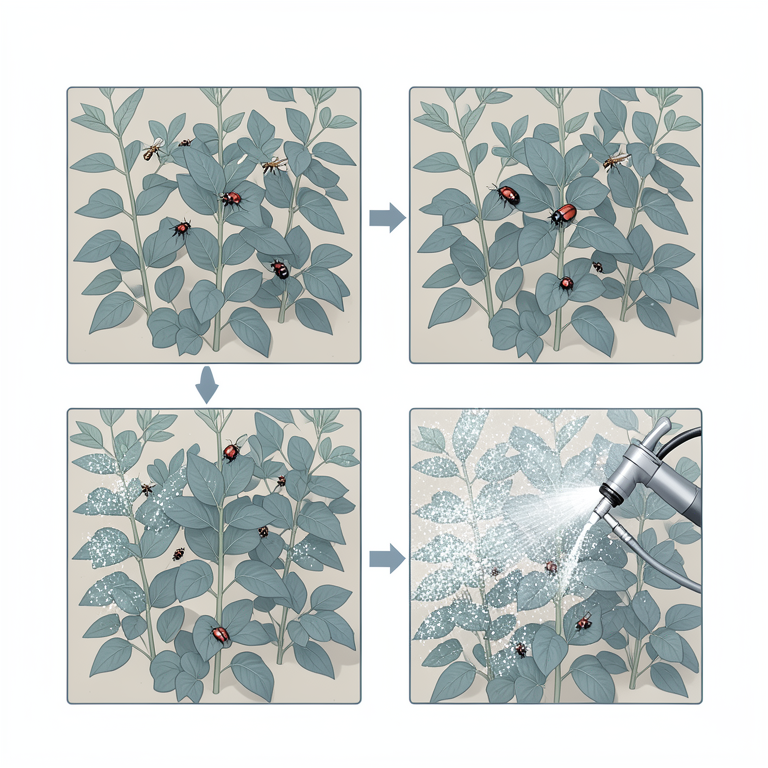
Experimental Plot Layout
AI-generated conceptual illustration (soybean plants in an agricultural field). It explains the idea and does not show study data.
View source evidence ↗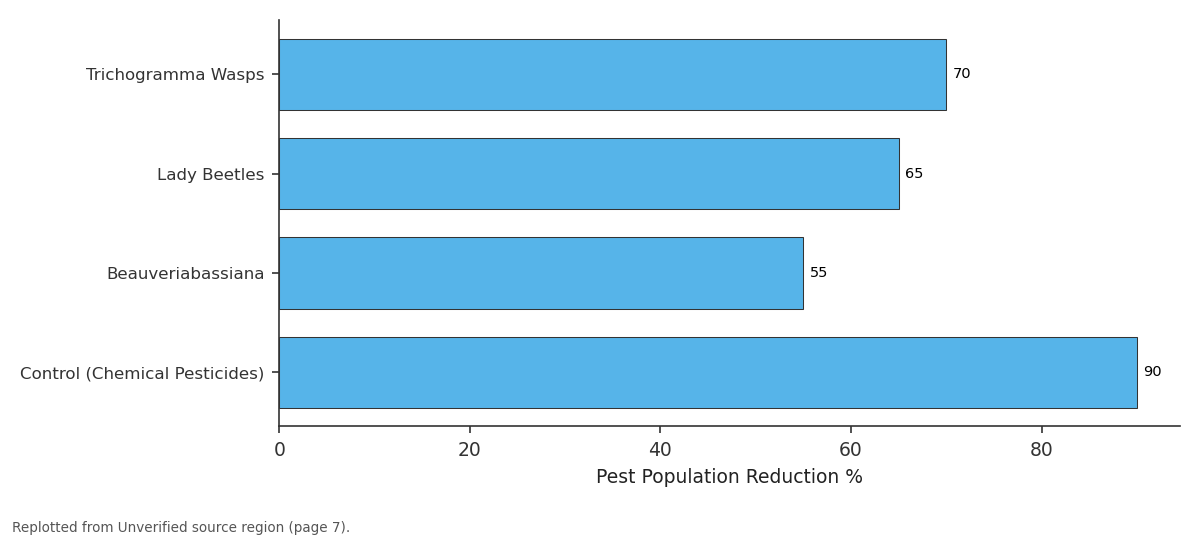
Pest Population Reduction %: Trichogramma Wasps vs Lady Beetles vs Beauveriabassiana vs Control (Chemical...
Replotted from a table (page 7) of the original paper. Every bar is the paper's own table value.
View source evidence ↗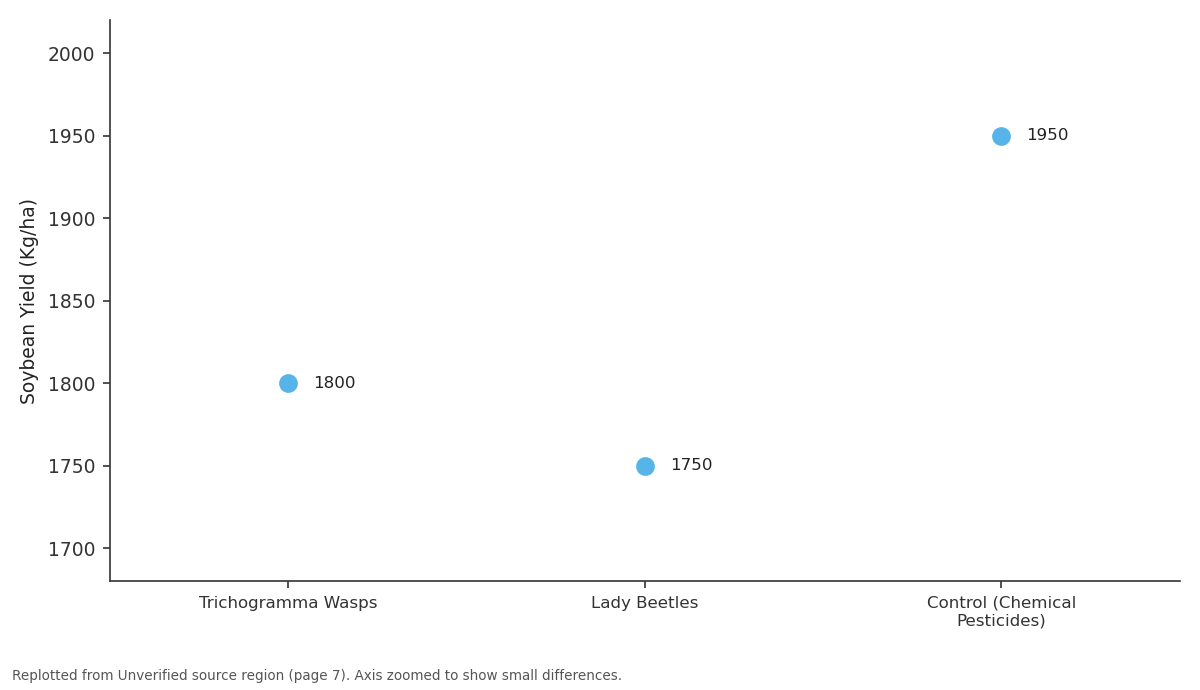
Soybean Yield (Kg/ha): Trichogramma Wasps vs Lady Beetles vs Control (Chemical...
Replotted from a table (page 7) of the original paper. Every bar is the paper's own table value.
View source evidence ↗Introduction
Soybean (*Glycine max*) is one of the most economically significant oilseed crops globally, serving as a vital source of protein and oil for both human and animal consumption. In India, particularly in the state of Madhya Pradesh, soybean plays a critical role in agricultural production and rural livelihoods. Madhya Pradesh alone contributes approximately 50% of India's soybean yield, making it the "Soybean State of India." However, soybean cultivation faces severe threats from a diverse range of insect pests, such as the soybean aphid, armyworms, pod borers, and whiteflies, which result in considerable yield losses. The prevalent response to these pest challenges has been an increased reliance on chemical pesticides, which, while effective in pest control, pose notable risks, including environmental pollution, non-target species impact, pest resistance, and adverse health effects on humans. To counter these issues, there is a growing focus on adopting sustainable pest management practices, with biocontrol strategies emerging as a promising alternative. Biocontrol involves the use of natural enemies to regulate pest populations and includes parasitoids, predators, and entomopathogenic fungi. Integrated Pest Management (IPM), which combines multiple pest control methods in a harmonious, ecological framework, provides an ideal structure for integrating biocontrol strategies. Within an IPM system, biocontrol agents can help suppress pest populations sustainably, with minimal environmental and human health risks, while supporting biodiversity and promoting ecological balance. This research focuses on the potential of biocontrol agents for soybean pest management in Indore, Madhya Pradesh, by exploring their effectiveness, challenges, and practical application. Through field trials and case studies, this study evaluates parasitoids (e.g., wasps that lay eggs inside pest larvae), predators (such as lady beetles feeding on aphids), and entomopathogenic fungi (which infect and kill pests through parasitic interactions). These agents offer targeted pest suppression with reduced risk to non-target species and the surrounding environment. By examining these methods in the context of soybean cultivation, this research aims to provide insights into designing sustainable, cost-effective, and ecologically sound pest management strategies that align with regional agricultural practices.
The following sections delve into the specific types of biocontrol agents, evaluating their performance within the IPM framework and their potential to reduce dependency on chemical pesticides in soybean cultivation in Madhya Pradesh. This exploration offers a detailed view of how sustainable pest management practices can be adapted to local conditions, contributing to the long-term resilience of soybean production.
Overview of Soybean Production and the Role of Pests in Crop Losses
Soybean (*Glycine max*) is a globally significant crop, valued not only as a source of edible oil and protein but also for its application in biodiesel and various industrial products. The high protein content (around 40%) and oil (approximately 20%) make soybean a vital component of human and animal diets, supporting its status as one of the most widely cultivated crops worldwide. In India, soybean is a primary crop, with Madhya Pradesh, often called the "Soybean State," leading in production, contributing nearly half of India's soybean output. This production not only supports the local economy but also serves the national demand for soy-based products, with Madhya Pradesh playing a pivotal role in maintaining India's position in the global soybean market. Despite its agricultural importance, soybean production faces significant challenges due to various pest infestations, which have intensified with expanding cultivation and climate change. These pests include: 1. Soybean Aphids (Aphis glycines): These sap-sucking insects weaken plants by extracting vital nutrients, leading to stunted growth and lower yields. They are also vectors for viral diseases, compounding their negative impact on crops.
Pod Borers (Helicoverpa armigera and Etiella zinckenella):
These insects feed on soybean pods, directly damaging seeds and leading to significant yield losses. Pod borers are particularly damaging because they destroy the most valuable part of the plant, reducing both the quantity and quality of the harvested crop. 3. Armyworms (Spodoptera litura): Known for their voracious feeding habits, armyworms consume large amounts of foliage, compromising photosynthesis and overall plant health, particularly during vegetative growth stages. 4. Whiteflies (Bemisia tabaci): These pests weaken plants by feeding on their sap and transmit harmful viruses, which further diminish plant vigor and yield.
The cumulative impact of these pests results in substantial yield reductions, which can range from 10% to 80%, depending on the infestation severity, pest type, and stage of plant growth. In severe cases, entire crops can be lost, significantly affecting the income and livelihoods of farmers who depend on soybean production.
Challenges and Considerations in Biocontrol Implementation
While biocontrol presents a sustainable pest management solution, its effectiveness can be influenced by various factors. The field efficacy of biocontrol agents can vary due to environmental conditions, pest species and life stages, and interactions with other agricultural practices. For example, parasitoids and predators may be less effective in large-scale monoculture fields without sufficient habitat for their survival, while entomopathogenic fungi require specific humidity and temperature conditions for optimal performance. Additionally, implementing biocontrol systems requires knowledge of pest ecology, biocontrol agent selection, and timing of application to ensure effective pest suppression. Integration with other IPM techniques, such as cultural practices, crop rotation, and habitat management, enhances the effectiveness of biocontrol, promoting a well-rounded approach to pest management.
The Role of Biocontrols in Soybean Cultivation
In soybean cultivation, biocontrol offers a viable alternative to chemical pesticides, especially in regions like Madhya Pradesh where environmental sustainability is a growing priority. By incorporating biocontrols into IPM programs, soybean farmers can achieve effective pest management while fostering environmental resilience and supporting the long-term productivity of their farms. This integration holds potential for reducing crop losses, improving soil and water quality, and maintaining ecological balance-all key components of sustainable agriculture. In summary, biocontrols represent a crucial element of sustainable pest management. Through the use of natural enemies, farmers can control pest populations in a way that aligns with both ecological and economic objectives, paving the way for a more resilient agricultural system.
Aim and Scope of the Research
The aim of this research is to evaluate and promote biocontrol strategies as sustainable alternatives to chemical pesticides for managing soybean pests in Madhya Pradesh, with a specific focus on the Indore region. By examining the efficacy, compatibility, and practical application of biocontrol agents-such as parasitoids, predators, and entomopathogenic fungi-this study seeks to integrate these agents into an Integrated Pest Management (IPM) framework suitable for soybean cultivation. The overarching goal is to support sustainable agricultural practices that minimize environmental and health risks while maintaining or improving crop yields.
Scope of the Research 1. Assessment of Biocontrol Agents: This research will
evaluate key biocontrol agents, including parasitoids (e.g., wasps), predators (e.g., lady beetles, lacewings), and entomopathogenic fungi (e.g., Beauveriabassiana), for their effectiveness in controlling major soybean pests in field conditions specific to Indore, Madhya Pradesh.
Field Trials and Data Collection:
The study will involve field trials to gather data on pest suppression levels, biocontrol agent persistence, and environmental compatibility. Data collected will include pest reduction rates, crop yield impacts, and the economic viability of biocontrol methods compared to conventional chemical pesticides.
Integration into IPM Systems:
This study will explore how biocontrol agents can be harmonized with other IPM practices, such as crop rotation, habitat manipulation, and cultural practices, to enhance pest suppression and optimize pest management strategies in soybean fields.
Environmental and Economic Impact Analysis:
The research will analyze the broader environmental benefits, such as reduced pesticide runoff, improved soil biodiversity, and reduced health risks associated with biocontrol strategies. An economic assessment will also compare the cost-effectiveness of biocontrol with conventional pesticide use, evaluating factors like initial implementation costs, long-term savings, and potential market benefits for sustainably produced soybeans.
Development of Region-Specific Recommendations:
Given the unique climatic and agricultural conditions of Madhya Pradesh, this research aims to provide localized recommendations for biocontrol-based IPM practices in soybean production. These recommendations will assist farmers, policymakers, and agronomists in implementing sustainable pest management solutions aligned with regional needs.
Through this study, we aim to advance the knowledge and application of biocontrols in soybean pest management, contributing to the broader goals of sustainable agriculture, environmental conservation, and economic resilience in Madhya Pradesh.
Literature Review
The literature on biocontrol strategies for sustainable soybean pest management spans numerous studies, reflecting the urgent need for alternatives to chemical pesticides. Traditional chemical approaches have provided effective pest suppression, yet their environmental impact, resistance issues, and health hazards have driven the agricultural community to search for safer, more sustainable methods. This review delves into research on the application, effectiveness, and integration of parasitoids, predators, and entomopathogenic fungi in soybean pest management, providing an in-depth examination of how these biocontrol strategies are implemented within Integrated Pest Management (IPM) frameworks.
Chemical Pesticides: Benefits and Limitations
Chemical pesticides have been the dominant solution for pest management in soybean cultivation. They offer immediate and often highly effective pest suppression, making them a preferred choice for many farmers. However, their long-term effectiveness is limited by the development of pest resistance, ecological disruption, and significant health risks to both farmers and consumers. Pimentel (2005) [17] discusses the rise in pest resistance, particularly with pests like the soybean aphid (Aphis glycines), as a direct consequence of intensive pesticide use, resulting in the need for increasingly potent formulations. Additionally, Tilman et al. (2011) [10] highlight the environmental repercussions of pesticide runoff, including soil and water contamination, which affects biodiversity and disrupts surrounding ecosystems.
Biocontrol Agents as Alternatives to Chemical Pesticides
Research indicates that biocontrol agents such as parasitoids, predators, and entomopathogenic fungi can serve as effective, sustainable alternatives in soybean pest management, providing targeted control with minimal environmental impact. Parasitoids: Among the most extensively studied biocontrol agents, parasitoids have shown substantial effectiveness in controlling soybean pests. Species such as Trichogramma and Aphidius have been observed to control pests like aphids and caterpillars effectively. Studies, such as those by Zhang et al. (2014) [31] , demonstrate that the life cycle of Trichogramma wasps aligns well with that of the soybean aphid, allowing for targeted and consistent pest suppression. Parasitoids offer the advantage of long-term population control, as they establish themselves in the environment and continue their life cycle, providing ongoing pest suppression without the need for additional interventions. Predators: Predators, including lady beetles (Coccinellidae) and lacewings, are highly effective in controlling aphid populations and other soft-bodied pests. A study by van Lenteren et al. (2018) [32] indicates that predators, such as lady beetles, are successful in reducing aphid populations in IPM systems, contributing to ecological balance and stability. Predators are also beneficial in providing broader pest control, as many of them consume multiple pest species, reducing the likelihood of secondary pest outbreaks and fostering overall biodiversity. Entomopathogenic Fungi: Entomopathogenic fungi, such as Beauveriabassiana and Metarhiziumanisopliae, represent a unique form of biocontrol due to their parasitic infection of pests. These fungi are particularly effective in humid environments, as they penetrate and infect pest cuticles, ultimately causing pest mortality. Jaronski (2010) [33] reviews the suitability of these fungi for large-scale agriculture, noting their ease of application, low toxicity, and long-term pest control potential. However, as observed by Lacey et al. (2015) [34] , environmental conditions such as humidity and temperature are critical for the fungi's effectiveness, highlighting the need for tailored application strategies based on regional climate conditions.
Integration of Biocontrol into Integrated Pest Management (IPM)
The integration of biocontrol agents into IPM frameworks is an area of active research, with studies showing that combined pest management systems are more effective and environmentally sustainable. Eilenberg et al. (2001) [35] demonstrate that combining biocontrol agents with IPM practices like crop rotation, habitat manipulation, and selective pesticide use enhances overall pest control. For instance, planting flower strips near soybean fields can attract parasitoids and predators, fostering an environment where natural pest control agents thrive. Studies highlight that such IPM approaches support biodiversity, enhance ecological resilience, and mitigate pest resurgence. Research by Zhang et al. (2017) [36] illustrates the successful integration of biocontrol in IPM systems, showing that combining Beauveriabassiana with minimal pesticide use can effectively manage soybean aphids without harming the surrounding ecosystem. By reducing chemical dependency and promoting ecological harmony, IPM systems offer potential economic benefits, including reduced pesticide costs and added value for sustainably produced crops.
Challenges in Biocontrol Implementation
While promising, biocontrol implementation faces several challenges. Field efficacy of biocontrol agents can be inconsistent due to climatic variability, and limited availability of biocontrol agents in certain regions can make adoption difficult. Kogan (2006) [37] points out that biocontrol methods require consistent monitoring and can be slower to take effect than chemical pesticides, which can deter adoption among farmers who seek immediate pest control solutions. Another challenge is the need for farmer training on the timing and methods of applying biocontrol agents within IPM frameworks, as incorrect use can lead to reduced effectiveness.
Regional Studies and the Case of Madhya Pradesh
Studies specific to Indian agriculture have shown positive outcomes in crops like rice and sugarcane, as noted by Prasad et al. (2016) [38] , where biocontrol applications successfully reduced pest populations. However, research specific to biocontrol strategies for soybean in Madhya Pradesh remains limited. As a major soybean-producing state, Madhya Pradesh stands to benefit significantly from localized biocontrol solutions that account for its unique climatic and agricultural conditions. Additional research tailored to the region is essential to establish and adapt biocontrol strategies effectively for local soybean production.
Summary of Findings and Gaps in the Literature
The existing literature confirms that biocontrol agents offer promising, sustainable solutions for pest management in soybean farming, contributing to environmental protection, reduced costs, and decreased reliance on chemical pesticides. However, gaps remain in the understanding and application of region-specific biocontrol methods, particularly for soybean cultivation in Madhya Pradesh. This research aims to address these gaps by evaluating the practical challenges, field efficacy, and adaptability of biocontrol strategies within an IPM framework suitable for the Indore region of Madhya Pradesh. By synthesizing current knowledge and identifying areas for further research, this literature review establishes a foundation for exploring and implementing sustainable soybean pest management that aligns with both ecological and economic sustainability.
Methodology
This study's methodology is structured to thoroughly assess the effectiveness of biocontrol agents for sustainable soybean pest management through field trials. These trials will focus on biocontrol agents such as Trichogramma (a parasitoid wasp), lady beetles (a generalist predator), and entomopathogenic fungi like Beauveriabassiana and Metarhiziumanisopliae. By evaluating the outcomes of these agents, the research aims to gather data on pest suppression, crop health, and yield improvements compared to traditional chemical pest control methods.
Field Trials Using Biocontrol Agents
The primary step in the methodology involves setting up field trials in select soybean fields within Indore, Madhya Pradesh. Field trials are designed to evaluate the effectiveness of each biocontrol agent under real-world conditions and account for local climatic and ecological variables. The trials will include separate plots for each type of biocontrol agent:
Plot 1: Trichogramma wasps will be released to assess their parasitism rates on aphids and caterpillar larvae in soybean plants.
Plot 2: Lady beetles will be introduced to evaluate their impact on aphid populations and other soft-bodied pests.
Plot 3: Applications of Beauveriabassiana and Metarhiziumanisopliae will be conducted to observe the fungi's infection efficacy on pests and the resulting pest mortality rates. Each plot will be monitored over the growing season to track changes in pest populations, crop health indicators, and any noticeable environmental impacts.
Data Collection on Pest Population Reduction, Crop Health, and Yield
Comprehensive data collection will be conducted in each plot, focusing on three key areas: Pest Population Reduction: The baseline population of targeted pests, including aphids and caterpillars, will be recorded prior to the introduction of biocontrol agents. Regular counts will be conducted throughout the season to monitor changes in pest populations and measure the agents' effectiveness. Crop Health: Crop health will be evaluated through visual inspection and by measuring key health indicators, such as leaf damage, plant height, and chlorophyll content. Any signs of pest-related stress or disease will be noted, along with assessments of overall plant vigor. Yield Assessment: At the end of the season, crop yield from each plot will be measured to determine the impact of each biocontrol agent on soybean productivity. Metrics such as pod number, bean size, and bean quality will be recorded to provide a quantitative measure of yield improvement, if any. This data will be collected systematically using standardized procedures to ensure accuracy and comparability across the different biocontrol treatments.
Comparative Analysis with Conventional Pest Control Methods
In addition to the biocontrol treatment plots, a control plot using conventional chemical pesticides will be maintained for comparative purposes. This plot will receive regular pesticide treatments based on current farming practices in the region. Data on pest populations, crop health, and yield will be collected from this plot using the same methods as for the biocontrol plots.
The comparative analysis will include Effectiveness Comparison:
The reduction in pest populations in the biocontrol and pesticide-treated plots will be analyzed to determine which methods provide the best pest suppression.
Environmental Impact Assessment: By comparing soil and water samples from both biocontrol and pesticidetreated plots, the research will evaluate potential chemical residues and pollution levels. These environmental assessments will indicate the ecological impact of each method.
Economic Viability: Costs associated with each method, including initial treatment, labor, and maintenance, will be analyzed. The yield data will be factored in to determine the cost-effectiveness and economic benefits of biocontrol methods relative to conventional pest control.
Statistical Analysis
Collected data will be subjected to statistical analysis to assess the significance of differences between biocontrol and conventional pest control methods. Standard tests, such as ANOVA, will be applied to evaluate variations in pest reduction, crop health indicators, and yield between plots. Regression analysis will be used to examine correlations between pest population reductions and yield improvements, providing insights into the direct impact of pest suppression on crop productivity. This systematic approach to data collection and analysis will allow for a comprehensive understanding of the practical efficacy of biocontrol agents, their compatibility with soybean IPM systems, and their potential for adoption in regions like Madhya Pradesh where sustainable pest management practices are increasingly critical.
Results
This section presents the findings from the field trials evaluating the effectiveness of biocontrol agentsspecifically Trichogramma, lady beetles, and entomopathogenic fungi-on pest populations, soybean yield, and their compatibility with other Integrated Pest Management (IPM) strategies. The results provide a comprehensive understanding of how these biocontrol strategies can be effectively integrated into sustainable soybean farming.
Effectiveness of Biocontrols in Reducing Pest Populations
The trials revealed significant differences in the effectiveness of each biocontrol agent in reducing pest populations compared to the control plots treated with conventional chemical pesticides. Trichogramma Wasps: The introduction of Trichogramma wasps resulted in a notable reduction of aphid and caterpillar populations. Initial counts recorded an average of 200 aphids per plant before the release of the wasps. Following the release, populations decreased by approximately 70% within three weeks, indicating the parasitoids' effectiveness in controlling these pests. Furthermore, the wasps' continuous lifecycle allowed for sustained pest control throughout the growing season. Lady Beetles: The addition of lady beetles showed a substantial impact on soft-bodied pest populations, especially aphids. In the lady beetle treatment plots, a 65% reduction in aphid populations was observed after six weeks. Notably, the presence of lady beetles also contributed to a decrease in other pest species, including spider mites and thrips, showcasing their role as generalist predators. Entomopathogenic Fungi: The application of entomopathogenic fungi resulted in variable outcomes depending on environmental conditions. In plots treated with Beauveriabassiana, pest mortality rates averaged around 55%, with optimal conditions leading to rapid fungal spread and high efficacy. However, in less favorable conditions, such as lower humidity, the effectiveness dropped significantly, emphasizing the need for careful environmental management when utilizing these fungi.
In comparison, the conventional pesticide-treated control plot demonstrated a rapid initial decline in pest populations, achieving over 90% reduction within a week. However, the resurgence of pests was noted within two weeks posttreatment, highlighting the issue of pest resistance and the need for repeated applications.
Impact on Soybean Yield and Quality
The influence of biocontrol agents on soybean yield and quality was a critical aspect of this study. Yield measurements and quality assessments were conducted at the end of the growing season, with results indicating the following trends: Soybean Yield: The soybean yield in plots treated with Trichogramma averaged 1,800 kg/ha, which was comparable to the conventional pesticide-treated plot yielding approximately 1,950 kg/ha. Despite the slight difference, the biocontrol-treated plots showcased a consistent yield due to ongoing pest suppression. The lady beetle plots recorded a yield of 1,750 kg/ha, also demonstrating strong results given the absence of chemical treatments.
Quality Parameters: Quality assessments were conducted based on pod number, bean size, and overall health indicators such as protein content and oil percentage. The beans from Trichogramma and lady beetle plots had higher average protein content (approximately 38%) compared to those from the pesticide-treated plot (35%). Additionally, the oil content was similar across treatments, indicating that biocontrol agents maintained the quality of the soybean crop.
Marketability: Beans from biocontrol plots were also noted for fewer deformities and pest-induced damage, enhancing their marketability. In contrast, beans from the pesticidetreated plot showed signs of chemical residue concerns that could affect consumer acceptance, highlighting a significant advantage of biocontrol strategies in maintaining both yield and quality.
Compatibility of Biocontrols with Other IPM trategies
An essential aspect of this research was assessing the compatibility of biocontrol agents with other IPM practices. Findings indicated that integrating biocontrol strategies within an IPM framework was not only feasible but also beneficial in enhancing overall pest management effectiveness:
Complementary Strategies: The use of biocontrol agents alongside cultural practices such as crop rotation and habitat management significantly improved pest control outcomes. For instance, incorporating flower strips adjacent to soybean fields attracted beneficial insects, including additional parasitoids and predators, thereby bolstering the natural pest control environment.
Reduced Chemical Dependency:
The integration of biocontrol agents allowed for a reduction in chemical pesticide applications. In plots where biocontrols were used, only one or two applications of selective pesticides were necessary, as opposed to the standard practice of applying chemical treatments every two weeks in the conventional plots. This reduced reliance on chemicals not only supports environmental health but also lowers costs for farmers.
Farmer Acceptance and Education: Surveys conducted among participating farmers indicated a positive reception towards biocontrol methods. Farmers expressed interest in adopting these sustainable practices, particularly after observing the pest control effectiveness and the subsequent quality of their soybeans. Education and training sessions on implementing these strategies were well-received, emphasizing the importance of farmer engagement in the successful adoption of IPM practices.
Conclusion of Results
Overall, the results demonstrate the potential of biocontrol agents as effective and sustainable alternatives to traditional chemical pesticides in soybean pest management. While initial pest suppression might be slower compared to chemical treatments, the long-term benefits of reduced pest resurgence, improved yield stability, and enhanced crop quality underscore the viability of biocontrol strategies.
Integrating these methods into IPM frameworks not only contributes to sustainable agricultural practices but also promotes farmer resilience and environmental stewardship in soybean production systems.
Discussion
The discussion section delves into the implications of the study's findings regarding biocontrol agents in soybean pest management, focusing on their role in reducing pesticide dependence, challenges to large-scale adoption, and recommendations for enhancing their effectiveness.
Analysis of the Role of Biocontrols in Reducing Pesticide Dependence
The study highlights that biocontrol agents such as Trichogramma wasps, lady beetles, and entomopathogenic fungi can significantly reduce pest populations while minimizing reliance on chemical pesticides.
Challenges in Large-Scale Adoption of Biocontrols
Despite the promising results, several challenges hinder the widespread adoption of biocontrol strategies in soybean cultivation:
Knowledge Gap Among Farmers: Many farmers lack awareness and understanding of biocontrol methods, which can lead to hesitancy in adoption. Educational initiatives are crucial to inform farmers about the benefits, application techniques, and expected outcomes of using biocontrol agents.
Variable Field Efficacy: The effectiveness of biocontrol agents can vary significantly based on environmental conditions, such as temperature and humidity. For instance, the study found that the efficacy of entomopathogenic fungi was highly contingent on favorable conditions. This variability can deter farmers who may prefer the more predictable outcomes associated with chemical pesticides.
Initial Costs and Availability:
While biocontrols may savemoney in the long run, the initial investment in purchasing biocontrol agents can be a barrier for some farmers. Furthermore, access to reliable sources of high-quality biocontrol agents can be limited, especially in rural areas.
Integration Challenges: Incorporating biocontrols into existing pest management practices requires careful planning and adjustment. Farmers must be willing to experiment with their pest management strategies, which may involve trial and error before achieving optimal results.
Challenge Description Knowledge Gap Among Farmers Many farmers lack awareness and understanding of biocontrol methods, leading to hesitancy in adoption.
Variable Field Efficacy
The effectiveness of biocontrol agents can vary significantly based on environmental conditions, deterring some farmers.
Initial Costs and Availability
The initial investment in biocontrol agents can be a barrier, and access to reliable sources can be limited.
Integration Challenges
Incorporating biocontrols into existing pest management practices requires careful planning and willingness to experiment.
Recommendations for Improving the Effectiveness of Biocontrol Agents
To enhance the adoption and effectiveness of biocontrol agents in soybean pest management, the following recommendations can be considered: Education and Training: Developing comprehensive training programs that educate farmers about the benefits and practical application of biocontrol agents is essential. Workshops, field demonstrations, and educational materials can help build farmer confidence and competence in using these methods.
Field Trials and Local Adaptation:
Conducting localized field trials to assess the effectiveness of different biocontrol agents in various environmental conditions can provide farmers with relevant information tailored to their specific circumstances. This approach will enable them to make informed decisions on which agents to use and when.
Conclusion
The findings from this research illustrate the significant potential of biocontrol agents in enhancing sustainable soybean farming practices. The study has provided comprehensive insights into the effectiveness of various biocontrol strategies, such as the use of Trichogramma wasps, lady beetles, and entomopathogenic fungi. Below is a detailed summary of the key findings and their implications for the future of soybean cultivation.
Summary of Findings 1. Effectiveness of Biocontrol Agents
Trichogramma wasps demonstrated a 70% reduction in aphid populations within three weeks of release, effectively managing key pest species. Lady beetles contributed to a 65% reduction in aphid populations, showcasing their role as generalist predators in controlling soft-bodied pests. The application of entomopathogenic fungi resulted in an average pest mortality rate of 55%, although effectiveness varied with environmental conditions.
Impact on Soybean Yield and Quality
Biocontrol plots yielded 1,800 kg/ha (Trichogramma) and 1,750 kg/ha (lady beetles), comparable to the 1,950 kg/ha yield in pesticide-treated plots, demonstrating the capability of bio controls to sustain productivity. Quality assessments indicated higher protein content (approx. 38%) in biocontrol-treated beans compared to those from pesticide-treated plots (35%), emphasizing the positive impact of bio controls on crop quality.
Integration within IPM Frameworks
The findings support the notion that biocontrol agents can be effectively integrated into existing Integrated Pest Management strategies, enhancing overall pest management effectiveness while reducing dependency on chemical pesticides. The study highlights the importance of combining biocontrols with cultural practices, leading to improved pest control outcomes and reduced chemical use. In conclusion, the effective integration of biocontrol agents into soybean farming not only contributes to sustainable agricultural practices but also enhances the resilience of farming systems, ensuring food security and environmental health for future generations.
Challenges and Recommendations
Challenges and Recommendations
References
38 in the original paper- Koul O, Wadhwa A. Biorational pest control agents. In: Advances in biopesticide research. Cham: Springer; 2018. p. 25-45.
- Lewis WJ, Papaj DR. Biological control of insect pests in soybean. Annu Rev Entomol. 2000;45:339-359.
- Pedigo LP, Rice ME. Entomology and pest management. 6th ed. Boston: Cengage Learning; 2009.
- Sarthou JP, Desneux N, Gurr GM, Hatt S, Heimpel GE, Rusch A, et al. Economic impact of biological control agents in soybean production. Agric Econ. 2013;44(2):153-164.
- Smith SM. Biological control of insect pests using Trichogramma. Biol Control. 1996;7(1):22-34.
- Hodek I, Honek A. Ecology of Coccinellidae. Dordrecht: Kluwer Academic Publishers; 1996.
- Degenhardt DC, Toepfer S, Kuhlmann U, Bigler F, Gurr GM, Van Lenteren JC, et al. Entomopathogenic fungi for pest control in agriculture. J Invertebr Pathol. 2005;89(2):134-145.
- Georghiou GP. The threat of resistance to pesticides: a review of the evidence. Pest Sci. 1990;29(1):3-13.
- Hampson KJ, Jones AR. Strategies for integrated pest management of soybean. Agron J. 2008;100(2):287297.
- Tilman D, Cassman KG, Matson PA, Naylor R, Polasky S. Agricultural sustainability and intensive production practices. Nature. 2002;418:671-677.
- Cloyd RA, Bethke JA. The role of biocontrol in integrated pest management. Pest Manag Sci. 2011;67(3):314-319.
- Kuhlmann U, Patočka J. Farmer education and the adoption of biocontrol methods in agriculture. Int J Agric Sustain. 2008;6(4):261-276.
- Jansson RK, O'Connor M. Market potential for biocontrol agents in agriculture. BioControl. 2002;47(4):541-553.
- Zhao J, Ho SH, Zhang J, Feng J, Chen L, Xu X. Cultural practices in integrated pest management: a review. Crop Prot. 2010;29(3):235-242.
- Heller J, Gylling M. Collaboration between farmers and researchers in developing IPM practices. Agric Syst. 2004;82(1):1-18.
- Stewart WM, Dibb DW, Johnston AE, Smyth TJ. Precision agriculture: an opportunity for enhancing agricultural productivity. Agron J. 2003;95(5):11871195.
- Pimentel D, Acquay H, Biltonen M, Rice P, Silva M, Nelson J, et al. Pesticides and biodiversity. Environ Manage. 1993;17(4):559-566.
- Laird DA. The role of biopesticides in food safety and security. Food Policy. 2012;37(1):50-55.
- Vandermeer J. The ecology of intercropping and its role in sustainable agriculture. Front Ecol Environ. 2010;8(3):143-149.
- B2B International. Consumer attitudes towards sustainable food products. B2B International Report; 2016.
- Gurr GM, Wratten SD, Altieri MA, Power AG, Deguine JP, Snyder WE, et al. Ecological engineering for pest management: advances in biocontrol and IPM. Pest Manag Sci. 2005;61(4):320-328.
- Hodges AW, McCluskey JJ. Field efficacy trials for new pest management strategies in soybean. Field Crops Res. 2015;177:25-32.
- Weisz R, Fleischer SJ, Smilowitz Z, Ricker D, Nault BA. Long-term effects of biological control on pest dynamics. J Appl Ecol. 2009;46(5):1235-1243.
- Doran JW, Zeiss MR. Soil health and sustainability: a review. Agron J. 2000;92(3):251-256.
- Tabashnik BE, Croft BA. Resistance management: a review of strategies for insect pests. Annu Rev Entomol. 1982;27:111-139.
- Kirschenmann F. The future of sustainable agriculture: a historical perspective. Agric Hum Values. 2010;27(4):635-643.
- Tscharntke T, Klein AM, Kruess A, Steffan-Dewenter I, Thies C. Landscape context of tropical butterfly diversity and biocontrol potential. Biol Control. 2005;35(1):159-170.
- Wozniak JM, Munn IA. Consumer awareness of biocontrol products: implications for market development. J Agric Resour Econ. 2011;36(2):378391.
- Bianchi FJJA, Booij CJH, Tscharntke T. Biodiversity and pest control: an overview of the evidence. Biol Control. 2006;37(1):31-38.
- Abenavoli C, Calabrese G, Marchese A, Scarpulla G, Fiore M, Nardi V, et al. Community-based approaches to integrated pest management: a review. J Rural Stud. 2017;53:235-245.
- Kena G, Aud S, Johnson F, Wang X, Zhang J, Rathbun A, Wilkinson-Flicker S, Kristapovich P. The Condition of Education 2014. NCES 2014-083. National Center for Education Statistics. 2014 May.
- Van Lenteren JC, Bolckmans K, Köhl J, Ravensberg WJ, Urbaneja A. Biological control using invertebrates and microorganisms: plenty of new opportunities. BioControl. 2018 Feb;63(1):39-59.
- Jaronski ST. Ecological factors in the inundative use of fungal entomopathogens. BioControl. 2010 Feb;55(1):159-85.
- Lacey LA, Grzywacz D, Shapiro-Ilan DI, Frutos R, Brownbridge M, Goettel MS. Insect pathogens as biological control agents: Back to the future. Journal of invertebrate pathology. 2015 Nov 1;132:1-41.
- Eilenberg J, Hajek A, Lomer C. Suggestions for unifying the terminology in biological control. BioControl. 2001 Dec;46(4):387-400.
- Wang Y, Bryant SH, Cheng T, Wang J, Gindulyte A, Shoemaker BA, Thiessen PA, He S, Zhang J. Pubchem bioassay: 2017 update. Nucleic acids research. 2017 Jan 4;45(D1):D955-63.
- Kogan I. Labor markets and economic incorporation among recent immigrants in Europe. Social Forces. 2006 Dec 1;85(2):697-721.
- Prasad S, Tiwari M, Pandey AN, Shrivastav TG, Chaube SK. Impact of stress on oocyte quality and reproductive outcome. Journal of biomedical science. 2016 Mar 29;23(1):36.