
Research article · 2025 · Full text
International Journal of Agriculture and Food ScienceEvaluating varietal resistance in soybean for effective pest management
Volume 7(7) · Pages 218–231 · DOI: 10.33545/2664844x.2025.v7.i7c.516 ↗
Research areasSoybean genetics and cultivationAgricultural pest management studiesGenetic and Environmental Crop Studies
Abstract
Author-writtenSoybean pests present a significant threat to global soybean production, often resulting in reduced yield and compromised crop quality. The traditional methods of pest management, which primarily rely on chemical pesticides, are effective in controlling infestations, but they come with a host of challenges. These challenges include environmental degradation, non-target species damage, human health concerns, and the ever-growing problem of pests developing resistance to pesticides. As the global demand for soybeans increases, the sustainability of chemical-based pest control methods is being questioned, prompting a deeper investigation into alternative approaches. One such approach is varietal resistance, a sustainable pest management strategy that involves breeding and cultivating soybean varieties that are naturally resistant to pests. This research delves into the various aspects of varietal resistance, examining how soybean plants can be selectively bred to withstand common pests, thereby minimizing the need for chemical interventions. Through a detailed analysis of soybean genotypes, the study seeks to identify key varieties that exhibit high levels of pest resistance. By doing so, the research dives into the genetic and phenotypic characteristics of these resistant strains, providing a comprehensive understanding of how varietal resistance can play a significant role in integrated pest management systems. The depth of this investigation goes beyond just identifying resistant varieties. It explores the molecular and biochemical mechanisms that underpin the resistance of these soybean varieties to pests. This includes a close examination of plant-pest interactions, delving into how the physiological and defensive traits of resistant soybean varieties deter or suppress pest populations. These mechanisms may include physical barriers like thicker cell walls, production of anti-nutritional factors, or biochemical pathways that generate toxic compounds detrimental to pests. The study also examines the role of secondary metabolites in enhancing plant defense, diving deep into how these natural compounds deter pests or inhibit their reproductive cycles. Furthermore, the research provides detailed insights into the environmental and agronomic benefits of using varietal resistance as a core component of pest management. By reducing the reliance on chemical pesticides, varietal resistance helps maintain soil health, protects biodiversity, and reduces the contamination of water sources with harmful chemicals. Additionally, this strategy reduces the economic burden on farmers who face the dual costs of purchasing chemical pesticides and dealing with the consequences of pesticide resistance. By identifying and promoting resistant soybean varieties, farmers can achieve higher, more stable yields while contributing to environmental sustainability. This deep dive into the role of varietal resistance also explores the broader implications for global food security. As soybean is a critical crop for both human consumption and livestock feed, ensuring its stable production is vital for addressing the global food supply challenge. By integrating pest-resistant soybean varieties into farming systems, the research delves into how this can mitigate crop losses due to pest outbreaks and contribute to more resilient agricultural systems, particularly in regions where pesticide use is either economically or environmentally unviable. In conclusion, this study provides a comprehensive depth of understanding into how varietal resistance in soybean crops can serve as a viable and sustainable solution to the challenges posed by pests. By delving into the intricate genetic, biochemical, and environmental aspects of pest resistance, the research offers detailed insights into how this strategy can reduce dependence on chemical pesticides, enhance crop yields, and promote more sustainable agricultural practices. The findings of this study hold significant potential for transforming pest management strategies in soybean production, contributing to a more sustainable future for global agriculture.
Summary
Source-checkedPlain-language reading of the full paper, prepared with AI and checked against the text. Each point links to the authors' own words.
Why it matters
- Pests are a major threat to global soybean production, leading to lower yields and poorer crop quality. View evidence ↗
- Traditional chemical pesticides cause environmental damage, harm non-target species, pose health risks, and lead to pesticide-resistant pests. View evidence ↗
- Varietal resistance is a sustainable alternative where plants use genetic traits to repel pests or tolerate damage without significant yield loss. View evidence ↗
The question
- The study aims to evaluate the resistance levels of different soybean varieties to understand how varietal resistance can improve pest management. View evidence ↗
What they did
- The researchers tested six soybean varieties, including both genetically modified (GM) and non-GM strains. View evidence ↗
- Resistance was screened using a dual approach involving real-world field trials and controlled greenhouse experiments. View evidence ↗
- In greenhouse trials, aphids were introduced at 50 per plant, loopers at 30 per plant, and stink bugs at 20 per plant. View evidence ↗
- The study used ANOVA and Tukey's HSD post-hoc tests to determine if differences in infestation, health, and yield were statistically significant. View evidence ↗
What they found
- GM Variety E showed the lowest leaf damage (8%) and lowest aphid count (5 per plant), while non-GM Variety F had the highest leaf damage (30%) and a higher aphid count (20 per plant). View evidence ↗
- Variety E maintained better plant health with a height of 88 cm and chlorophyll content of 42 SPAD units, compared to Variety F's 75 cm height and 30 SPAD units. View evidence ↗
- GM Variety E achieved the highest yield at 3,250 Kg/ha, significantly outperforming non-GM Variety F, which yielded 2,300 Kg/ha. View evidence ↗
- Stink bug resistance was observed in both GM (Variety C) and non-GM (Variety D) varieties, showing moderate effectiveness. View evidence ↗
What it means
- The authors conclude that varietal resistance is a viable and sustainable solution for managing soybean pests. View evidence ↗
- The authors recommend integrating pest-resistant soybean varieties into Integrated Pest Management (IPM) programs to reduce chemical pesticide reliance. View evidence ↗
- The authors note that resistance performance can vary between controlled laboratory settings and real-world field conditions due to environmental factors. View evidence ↗
Visual summary
2 visualsIllustrations explain the paper; charts are replotted from the paper's own table values.
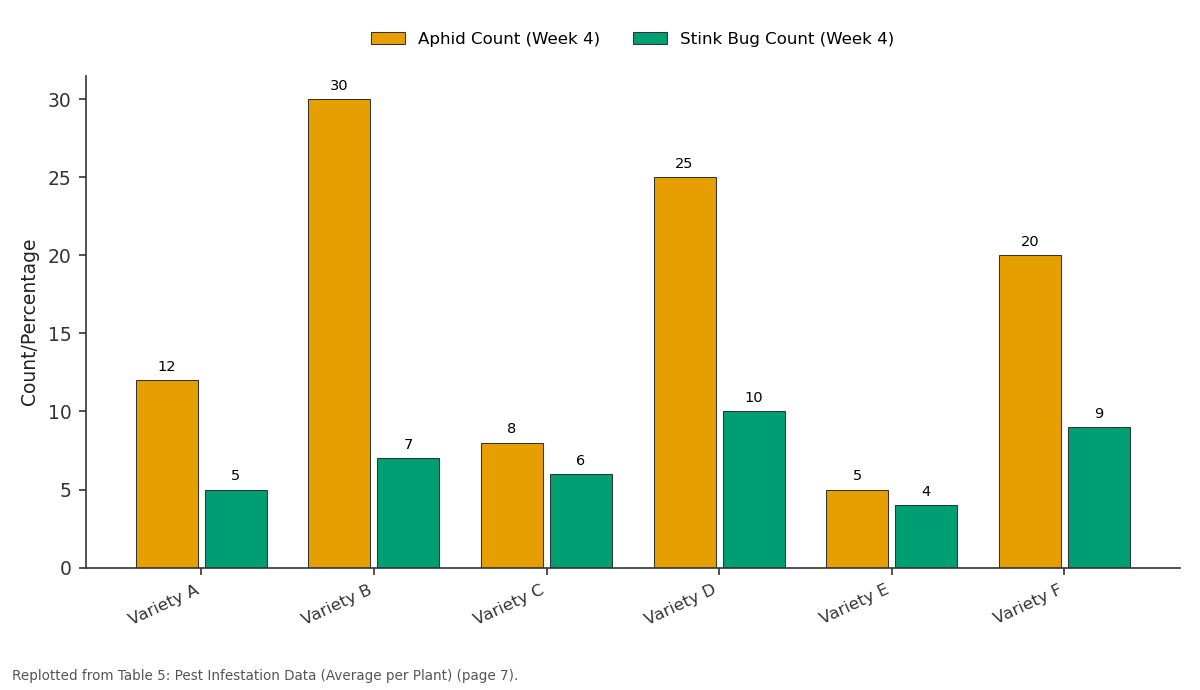
Aphid Count (Week 4) and Stink Bug Count (Week 4): Variety A vs Variety B vs Variety C vs Variety D vs Variety E
Replotted from Table 5 (page 7) of the original paper. Every bar is the paper's own table value.
View source evidence ↗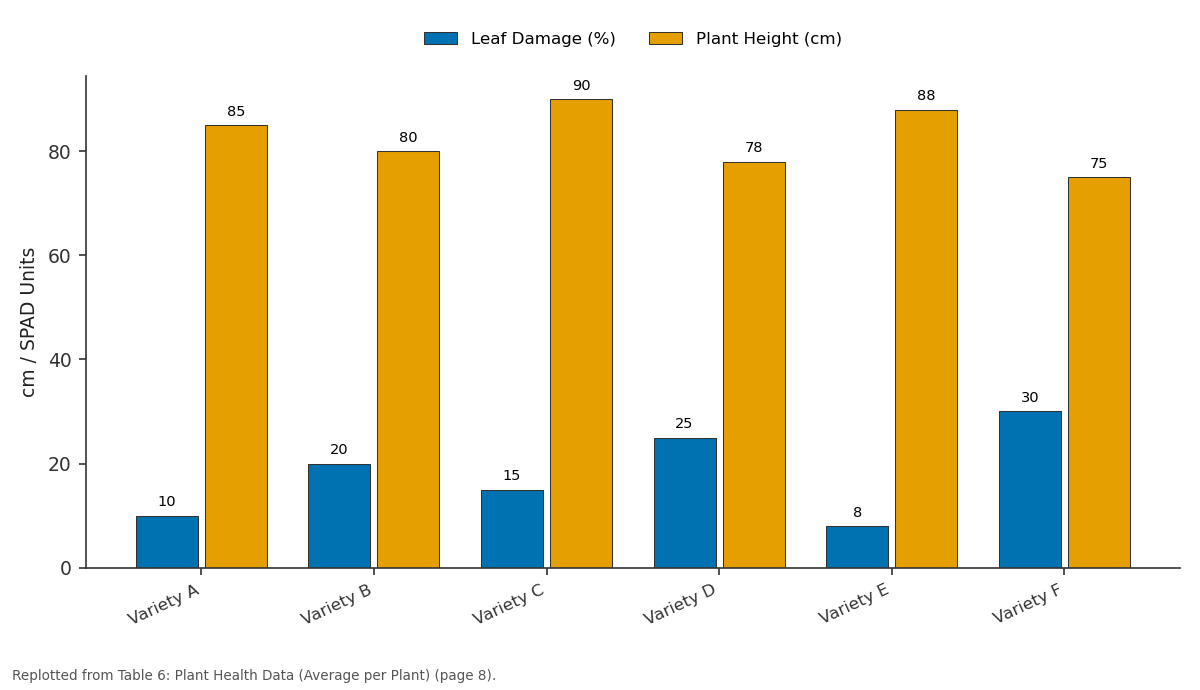
Leaf Damage (%) and Plant Height (cm): Variety A vs Variety B vs Variety C vs Variety D vs Variety E
Replotted from Table 6 (page 8) of the original paper. Every bar is the paper's own table value.
View source evidence ↗Figures & tables
From the original paper Table 1
 Table 2
 Table 3
 Table 4
 Table 5
 Table 6
 Table 7
 Table 8
 Table 9
 Table 10
 Table 11
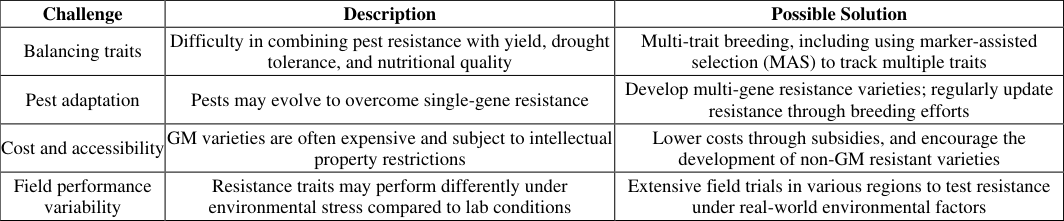 Table 12
 Table 13
Introduction
Soybean (Glycine max) is one of the most important crops worldwide, serving as a key source of protein and oil for human consumption and animal feed. The crop is cultivated across diverse climates, contributing significantly to the global food supply.
However, soybean production is threatened by a range of insect pests that can severely impact both yield and quality. Major pests like the soybean aphid (Aphis glycines), soybean looper (Chrysodeixis includens), and stink bugs (Pentatomidae) are notorious for their capacity to destroy crops at various stages of growth. These pests not only cause direct damage by feeding on the plant but also contribute to secondary issues like disease transmission and weakened plant health, resulting in significant yield losses for farmers. To combat these threats, farmers traditionally rely on chemical pesticides. While pesticides can provide immediate and effective pest control, their continued use raises critical concerns. Over time, pests can develop resistance to these chemicals, rendering them less effective and forcing farmers to increase the frequency and quantity of pesticide applications. Moreover, the indiscriminate use of pesticides has led to severe environmental consequences, including soil degradation, water pollution, and harm to non-target species like beneficial insects, birds, and pollinators. The health risks associated with pesticide exposure, both for farmworkers and consumers, also cannot be ignored. Therefore, there is an urgent need for more sustainable pest management strategies. This is where the concept of varietal resistance comes into play, offering a more sustainable and environmentally friendly alternative to traditional pest control methods. Varietal resistance refers to the natural ability of certain soybean varieties to resist or tolerate pest infestations. These varieties possess genetic traits that either repel pests or allow the plants to withstand pest damage with minimal impact on yield. This strategy does not rely on external chemical inputs, making it a cornerstone of integrated pest management (IPM) programs aimed at reducing pesticide use and promoting agricultural sustainability.
Varietal Resistance
Varietal resistance is not a new concept, but it is gaining increasing attention as the agricultural sector seeks to reduce its environmental footprint. By delving deep into the genetic makeup of soybean plants, breeders can identify specific genes that confer resistance to common pests. These genes may regulate various plant defense mechanisms, including the production of physical barriers like thickened cell walls, or the synthesis of secondary metabolites that deter or kill pests. Research in this area involves diving into both the genetic and biochemical pathways that govern pest resistance. For example, some soybean varieties produce allelochemicalscompounds that are toxic to pests but harmless to humans and beneficial organisms. Other varieties may have evolved trichomes (hair-like structures on leaves) or leaf toughness, which make it physically difficult for pests to feed on them. By understanding the depth of these natural defense systems, scientists can enhance breeding programs to develop even more resistant soybean varieties.
Details
The effectiveness of varietal resistance can vary depending on the pest species and environmental conditions. Thus, it is essential to conduct detailed evaluations of different soybean varieties under various stressors to determine which are most effective at resisting pests. This involves controlled experiments where varieties are subjected to pest infestations in field and laboratory settings. By delving deeper into these assessments, researchers can identify which varieties exhibit the highest levels of resistance and which pests they are most effective against. This helps in formulating specific recommendations for farmers based on their regional pest pressures. Another important aspect of varietal resistance is its longterm sustainability. Unlike chemical pesticides, which lose their effectiveness as pests develop resistance, varietal resistance is often more durable. However, the potential for pests to adapt to resistant varieties over time remains a concern. To address this, researchers are now exploring gene stacking-the combination of multiple resistance genes within a single soybean variety to provide a more robust defense against a broader range of pests.
Environmental and Economic Benefits
By diving deep into the environmental and economic impacts, the advantages of varietal resistance become clear. Reducing pesticide use not only protects the environment but also cuts down on the costs associated with purchasing and applying chemicals. For smallholder farmers, who may not have access to expensive pesticides, growing resistant varieties can make soybean farming more accessible and profitable. Moreover, delving into the broader implications, varietal resistance promotes biodiversity by preserving natural pest predators and pollinators. This aligns with depth-oriented approaches in sustainable agriculture, which seek to balance high productivity with ecological health. In conclusion, varietal resistance offers a deep, delving dive into a sustainable future for soybean pest management. By breeding soybean varieties with enhanced resistance to key pests, this strategy reduces reliance on chemical pesticides, promotes environmental sustainability, and provides a more resilient agricultural system. Continued research into the depth of plant-pest interactions and resistance mechanisms will be crucial to further develop this approach and ensure its long-term success. This study aims to contribute to these efforts by evaluating the resistance levels of various soybean varieties, thereby providing detailed insights into how varietal resistance can revolutionize pest management in soybean farming.
Literature Review Pests Affecting Soybean
Soybean (Glycine max), as a globally essential crop, is under constant threat from various insect pests that affect both yield and crop quality. Over the years, a range of pests has been identified as major contributors to the declining health of soybean crops, with the most prevalent being aphids, beetles, caterpillars, and stink bugs. These pests not only damage the plant by feeding on its tissues, but many also serve as vectors for diseases, thereby amplifying the overall harm. The compounded effect of physical damage and disease transmission makes pest management a critical focus area for sustaining soybean production globally. This literature review delves into the details of the most significant pests affecting soybean crops, the challenges posed by chemical pesticides, and the emerging strategies in pest control, with a particular emphasis on pest resistance and varietal resistance.
Key Soybean Pests
Among the pests that commonly attack soybeans, the following are the most significant:
Soybean Aphid (Aphis glycines)
Aphids are one of the most notorious pests affecting soybeans. These small, sap-sucking insects can rapidly colonize plants and cause extensive damage by weakening the plant's structure. They are also vectors for viral diseases, leading to more severe crop damage. Literature suggests that managing soybean aphid populations is particularly challenging due to their rapid reproduction rates and ability to develop resistance to chemical treatments. Research into aphid control often highlights the need to delve into alternative management strategies, including biological control and varietal resistance, to reduce the dependence on pesticides.
Bean Leaf Beetle (Cerotoma trifurcata)
Another critical pest, the bean leaf beetle, is known for feeding on soybean leaves, pods, and stems, leading to direct crop damage. The beetles can cause defoliation and reduce photosynthetic activity, lowering overall yields. In their larval stage, they feed on soybean roots, further affecting plant vigor. Researchers have delved deep into the life cycle of the bean leaf beetle, trying to understand the optimal timing for interventions. However, their rapid adaptability to chemical pesticides has necessitated a dive into integrated pest management (IPM) strategies that include crop rotation and resistant soybean varieties.
Soybean Looper (Chrysodeixis includens)
Soybean loopers, a type of caterpillar, feed heavily on the leaves of soybean plants, often leading to significant defoliation. Heavy infestations can reduce the plant's ability to photosynthesize, resulting in lower yields. Much like aphids and beetles, soybean loopers have developed resistance to various chemical insecticides. This has prompted research into biological control methods, particularly the use of natural predators and parasitoids, as well as the exploration of pest-resistant soybean varieties.
Stink Bugs (Pentatomidae)
Stink bugs are highly destructive pests that affect soybean pods, seeds, and stems. They use their piercing mouthparts to suck nutrients from the plant, causing wilting, pod deformation, and seed damage. Stink bugs are also vectors for fungal infections, which can lead to reduced seed quality. Delving into the behavior and feeding habits of stink bugs has revealed that their damage is particularly severe during the late stages of soybean development, making pest control challenging during these critical periods.
The Challenge of Pesticide Resistance
One of the most pressing challenges in soybean pest management is the growing resistance of pest species to chemical pesticides. The repetitive and indiscriminate use of synthetic insecticides has led to the evolution of resistant pest populations, rendering many traditional control methods ineffective. As highlighted in multiple studies, pests like aphids and loopers have shown an alarming ability to develop resistance to widely-used chemicals, such as pyrethroids and organophosphates.
The depth of this problem is illustrated in research on the mechanisms of pesticide resistance. It is understood that genetic mutations in pests allow them to detoxify or avoid the effects of pesticides. As these resistant individuals survive and reproduce, they pass on their resistant traits to subsequent generations. This has created an arms race between chemical manufacturers and pest populations, with companies developing newer pesticides, only to face resistance in the next few growing seasons. Delving deep into literature on resistance management, researchers emphasize the importance of rotating chemical classes, using biological controls, and adopting nonchemical methods to slow the development of resistance. Some studies suggest integrating pest-resistant crop varieties as a fundamental component of sustainable pest control strategies.
Varietal Resistance as a Sustainable Solution
Given the limitations of chemical pesticides, varietal resistance has emerged as a critical area of research in pest management. This strategy involves breeding and cultivating soybean varieties that possess inherent resistance to pests. Resistance traits may include physical characteristics, such as thicker leaves or tougher pods, which make it difficult for pests to feed. Additionally, chemical defenses, such as the production of secondary metabolites that are toxic or repellent to pests, are an essential area of focus. A deep dive into the molecular mechanisms behind varietal resistance reveals a complex interaction between plant genetics and pest biology. For instance, certain soybean varieties produce higher levels of phenolic compounds, which deter pests or interfere with their digestive systems. Other varieties may have antibiosis traits that limit the reproduction or survival of pests feeding on the plant. Research has delved into the use of genomic selection to accelerate the development of soybean varieties with these advantageous traits, providing farmers with a sustainable tool to manage pests without relying on chemicals. The literature clearly indicates that soybean pests pose a significant threat to crop production and that traditional chemical-based pest management strategies are becoming less effective due to the development of resistance. As we delve into new strategies, the role of varietal resistance stands out as a promising solution. Through a deep dive into pest behavior, pesticide resistance mechanisms, and the genetic basis of plant resistance, researchers are developing more sustainable methods to protect soybean crops. This shift towards integrated pest management, with an emphasis on varietal resistance, represents the future of soybean pest control-balancing productivity with environmental sustainability.
Mechanisms of Varietal Resistance
Varietal resistance in soybean plays a crucial role in protecting crops from various pests without relying heavily on chemical pesticides. This resistance is categorized into three primary mechanisms: antixenosis, antibiosis, and tolerance. Each of these mechanisms provides a unique way for the plant to resist or mitigate pest damage. Recent advances in plant breeding, including genetic modifications and marker-assisted selection (MAS), have allowed breeders to enhance these resistance traits, resulting in more resilient soybean varieties.
Below is a deeper dive into these mechanisms and how they function to protect soybean crops: 1. Antixenosis (Non-preference) Antixenosis refers to the plant's ability to deter pests from feeding, laying eggs (oviposition), or even landing on the plant. Plants with antixenosis traits often possess physical or chemical characteristics that make them less attractive to pests. For example, soybean varieties with dense trichomes (hair-like structures) on leaves and stems can discourage pests like aphids or beetles from feeding. Similarly
Genetic Modifications
Genetic modification (GM) involves directly altering the DNA of soybean plants to enhance pest resistance. This approach allows breeders to introduce new resistance traits or improve existing ones by inserting specific genes that code for pest resistance mechanisms, such as Bt genes (Bacillus thuringiensis), which produce proteins toxic to certain insect pests. Example: Inserting Bt genes into soybeans has provided resistance to caterpillar pests like soybean looper.
Effectiveness: GM soybeans can dramatically reduce the need for chemical pesticides while offering stable resistance across multiple growing seasons.
Marker-Assisted Selection (MAS)
Marker-Assisted Selection (MAS) is a precision breeding technique where molecular markers linked to desirable traits (such as pest resistance) are used to select plants during breeding. MAS allows breeders to more accurately identify and select plants with strong resistance traits early in the breeding process, speeding up the development of new resistant varieties. Example: MAS has been used to develop soybean varieties resistant to soybean aphids by identifying markers linked to aphid resistance. Benefit: MAS reduces the time and resources required to develop new resistant varieties, making the breeding process more efficient.
Breeding for Pest Resistance
Breeding pest-resistant soybean varieties is a critical strategy for reducing dependence on chemical pesticides while ensuring stable crop yields. Several breeding approaches have been utilized to develop soybean varieties that can withstand pest attacks. These methods include conventional breeding, transgenic approaches, and markerassisted selection (MAS). Each of these strategies offers unique benefits and challenges in the quest to balance resistance with agronomic traits such as yield, quality, and adaptability to various environmental conditions.
Conventional Breeding
Conventional breeding involves cross-breeding existing soybean varieties that exhibit pest resistance with highyielding, commercially viable varieties. This method has been used for decades to combine desirable traits from different plants through natural or controlled pollination.
The process requires breeders to select parent plants with known resistance traits and desirable agronomic features and cross them over multiple generations to produce offspring that combine these traits.
Conventional breeding is a time-tested method, but it often requires years of trials to achieve the desired results.
Data on Resistance Breeding Efforts
The following table summarizes recent data on the effectiveness of breeding strategies for soybean pest resistance, demonstrating the impact of conventional, transgenic, and MAS approaches on pest control and agronomic traits. The development of pest-resistant soybean varieties through conventional breeding, transgenic approaches, and markerassisted selection represents a significant advancement in sustainable agriculture. Each method offers unique advantages and challenges, and the future of breeding lies in combining these strategies to develop soybean varieties that not only resist multiple pests but also maintain high yields, quality, and adaptability. Continued research and innovation are essential to overcoming the remaining challenges and delivering solutions that ensure global food security.
Methodology
The methodology section provides a detailed account of how the study was conducted to evaluate pest resistance in different soybean varieties. This approach involves the selection of varieties, pest resistance screening, data collection, and analysis. Both genetically modified (GM) and non-genetically modified (non-GM) varieties were assessed under varying conditions to ensure comprehensive data on their resistance to common soybean pests.
Selection of Soybean Varieties
A total of six soybean varieties were chosen for the study, consisting of both GM and non-GM varieties. These varieties were selected based on their reported pest resistance traits and commercial importance in different agricultural regions. The goal was to compare the performance of both types of soybean varieties under pest pressure, providing insights into their resistance levels. The varieties were carefully chosen to ensure a balanced representation of resistance mechanisms such as antixenosis, antibiosis, and tolerance.
Variety Selection Criteria Pest resistance traits (documented in prior research or commercial use) Agronomic performance (yield, quality, and adaptability) Relevance to regional farming practices
Pest Resistance Screening
The selected soybean varieties were subjected to pest resistance screening in both field conditions and a controlled greenhouse environment. This dual approach ensures that the varieties were tested under real-world agricultural conditions as well as controlled environments to simulate consistent pest pressure.
Field Trials: Field trials were conducted over two growing seasons in regions where each variety is typically cultivated.
Pest infestations were monitored under natural conditions, allowing for a realistic evaluation of the varieties' resistance.
Greenhouse Trials: In the greenhouse, pests such as aphids, soybean loopers, and stink bugs were artificially introduced at controlled densities. This approach was used to simulate pest infestations at standardized levels, enabling a controlled comparison between varieties. In both environments, the pests were allowed to interact with the plants for a set period, and the infestation levels were monitored closely.
Data Collection and Analysis
Data were collected throughout the growing season to assess the impact of pest infestations on each soybean variety. Three main categories of data were gathered: pest infestation levels, plant health indicators, and yield parameters. These data points provided a comprehensive understanding of how each variety responded to pest pressure.
Pest Infestation Levels
Weekly monitoring of pest populations on each plant was conducted, and the level of infestation was recorded. This data helped quantify how susceptible each variety was to specific pests.
Method:
Visual counts of pest populations on each plant were conducted using a 10-plant sampling method per plot.
Data Collected: Number of pests per plant, percentage of leaf area damaged.
Yield Data
At the end of the growing season, yield parameters such as pod number, seed weight, and biomass were recorded. These data points are crucial in determining whether the pest resistance traits come at a cost to yield or other agronomic traits.
Pod Number: Total number of pods produced per plant. Seed Weight: Average weight of 100 seeds per plant. Biomass: Overall plant biomass at the time of harvest.
Statistical Analysis
The data collected were analyzed using statistical methods to compare the performance of each variety. Analysis of variance (ANOVA) was used to assess the significance of differences between the varieties in terms of pest infestation, plant health, and yield. Post-hoc tests, such as Tukey's HSD, were applied to determine which varieties performed significantly better in resisting pest damage without compromising yield.
Statistical Parameters Used
P-value for significance testing (threshold set at 0.05).
ANOVA for comparing multiple varieties across various parameters. Post-hoc tests for specific pairwise comparisons.
The methodology outlined in this study provided a comprehensive evaluation of pest resistance across both GM and non-GM soybean varieties. By using both field trials and controlled greenhouse environments, the study ensured robust data collection under varied pest pressures. The results of this data-driven approach will inform future breeding programs aimed at developing high-yielding, pestresistant soybean varieties that can thrive in multiple agricultural environments.
Results
The results of this study provided a comprehensive view of the pest resistance levels among the six selected soybean varieties, as well as the impact of these resistance traits on crop yield and overall plant health. The data revealed significant differences in the performance of GM and non-GM varieties in terms of pest control, plant health, and yield, highlighting the advantages of certain genetic modifications in enhancing soybean resilience.
Pest Resistance Levels
The resistance levels of the soybean varieties varied significantly based on the type of pest. The GM varieties, in particular, demonstrated strong pest resistance, particularly against aphids (Aphis glycines) and soybean loopers (Chrysodeixis includens), while stink bug resistance was evident across both GM and non-GM varieties but at differing degrees. Aphid Resistance: Two GM varieties, Variety A and Variety E, showed marked resistance to aphids. Pest population levels were significantly lower on these varieties compared to the non-GM varieties. In contrast, non-GM varieties Variety B and Variety D had higher aphid infestations and greater leaf damage.
Interpretation of Data
The GM varieties (A and E) consistently demonstrated lower pest populations and leaf damage compared to non-GM varieties. Non-GM varieties, particularly F, experienced high pest infestations and extensive leaf damage, underscoring their susceptibility to pests, especially soybean loopers.
Impact on Crop Yield
The pest resistance observed in the different soybean varieties had a direct impact on crop yield. Varieties with stronger pest resistance mechanisms produced higher yields compared to more susceptible varieties. The results indicated that varietal resistance significantly contributed to maintaining plant health, reducing pest-induced stress, and improving productivity.
Yield Differences: The two GM varieties with superior resistance, Variety A and Variety E, consistently produced higher yields across all measured parameters, including pod number, 100-seed weight, and biomass. These varieties outperformed the non-GM varieties, which suffered from both higher pest damage and reduced productivity. Yield Reduction in Non-GM Varieties: Non-GM varieties, especially Variety F and Variety D, had lower pod numbers, seed weight, and overall biomass, which can be attributed to the higher levels of pest infestation and leaf damage they experienced.
Yield Correlation with Resistance
The data indicates that the varieties with stronger pest resistance (Varieties A and E) not only maintained higher pod numbers but also had a greater seed weight and biomass, reflecting their ability to withstand pest pressure and produce higher yields. Non-GM varieties with lower resistance, especially Variety D and Variety F, showed reduced yield performance, reinforcing the impact of pest damage on productivity.
Plant Health Indicators
The analysis of plant health indicators also revealed distinct differences in the ability of varieties to cope with pest pressure. The varieties with higher resistance had better overall plant health, as indicated by lower leaf damage, greater plant height, and higher chlorophyll content. Leaf Damage: As expected, varieties with stronger pest resistance (Varieties A and E) exhibited lower levels of leaf damage. In contrast, non-GM varieties, particularly Variety F, experienced the highest percentage of leaf damage, which is consistent with their higher pest populations. Plant Height and Chlorophyll Content: Varieties A and E maintained taller plant heights and higher chlorophyll content compared to non-GM varieties. These indicators suggest that GM varieties were better able to maintain their photosynthetic capacity and overall vigor under pest pressure.
Interpretation of Plant Health Data
Varieties A and E outperformed the others in plant health parameters, showing better resistance to pest damage and sustaining higher photosynthetic activity, which likely contributed to their higher yields. Non-GM varieties, particularly Variety F, struggled to maintain plant health under pest pressure, resulting in reduced chlorophyll content and stunted growth.
The results of this study clearly demonstrate that the GM varieties with enhanced pest resistance mechanisms outperformed the non-GM varieties in terms of pest control, plant health, and yield. The GM varieties, especially Variety A and Variety E, showed strong resistance to aphids and soybean loopers, while non-GM varieties were more susceptible to pest infestations. This higher resistance translated directly into increased yields and better overall plant health. The findings underscore the value of genetic modifications and advanced breeding techniques in improving soybean resistance to pests, ultimately leading to more sustainable crop production with reduced reliance on chemical pesticides.
Discussion
Discussion
Varietal Resistance and Pest Management
The results of this study illustrate the potential of varietal resistance in the context of pest management for soybean crops. The varieties with enhanced resistance to pests, particularly the GM varieties, demonstrated not only lower pest populations but also reduced crop damage. This directly translated into higher yields and improved plant health compared to the non-resistant varieties. These outcomes are particularly significant in the context of sustainable agriculture, where reducing the reliance on chemical pesticides is a priority. By using varietal resistance as a primary defense against pests, farmers can substantially reduce the need for chemical control methods, which have numerous drawbacks:
Environmental concerns: Pesticides can lead to soil degradation, contamination of water sources, and harm to non-target organisms such as beneficial insects and pollinators.
Pest resistance: Repeated use of the same chemical pesticides often leads to the development of resistance in pest populations, making them harder to control over time.
This study supports the incorporation of pest-resistant varieties into Integrated Pest Management (IPM) strategies. IPM emphasizes the use of biological, cultural, and physical control methods in combination with resistant crop varieties, reserving chemical control as a last resort. The introduction of soybean varieties that naturally resist pest infestations offers a more sustainable, long-term solution to pest management in soybean production. The ability to reduce pesticide use not only benefits the environment but also lowers production costs and improves the long-term viability of soybean farming.
To illustrate the reduction in pest populations and damage across the tested varieties, the following table presents a comparison between the resistant GM and non-resistant non-GM varieties: Data Interpretation: GM varieties like Variety A and Variety E showed significantly lower pest infestation rates and achieved the highest yields, while non-GM varieties such as Variety D and Variety F experienced higher pest populations and suffered from reduced yields. This table emphasizes the importance of varietal resistance in improving yield outcomes in pest-prone environments.
Challenges in Breeding Resistant Varieties
While the findings from this study clearly highlight the benefits of varietal resistance, it is important to acknowledge the challenges associated with breeding pestresistant varieties. The process of developing and deploying such varieties is far from straightforward, and several key hurdles need to be addressed for long-term success.
Balancing Resistance with Agronomic Traits
In breeding programs, it is crucial to balance pest resistance traits with other essential agronomic characteristics, such as: Yield potential: A high level of pest resistance may sometimes come at the cost of lower yield potential, especially if the resistant traits interfere with the plant's ability to allocate resources efficiently. Drought tolerance: In regions prone to water scarcity, it is equally important to develop varieties that are both pest-resistant and capable of thriving under low-water conditions. Achieving this balance requires careful selection and cross-breeding efforts. Nutritional quality: Soybean is an important source of protein and oil, so maintaining or enhancing these nutritional attributes is another critical goal in the development of resistant varieties.
Evolving Pest Populations
One of the most significant challenges in breeding for pest resistance is the ability of pests to adapt and evolve over time. Similar to the development of chemical resistance, pests may develop the capacity to overcome the resistance mechanisms of specific soybean varieties. This creates a need for constant monitoring and adaptive breeding programs that can stay ahead of pest evolution. Durability of resistance: Resistance traits in soybean plants need to be durable and long-lasting. Breeding programs must focus on developing varieties with multi-gene resistance (also known as pyramiding resistance), which can offer more robust protection against a wide range of pest species. New pest threats: Climate change and changes in agricultural practices can lead to the emergence of new pest species or the spread of pests into regions where they were previously not a concern. Breeding programs must be agile enough to respond to these emerging threats by incorporating resistance traits to combat new challenges.
Cost and Accessibility of GM Varieties
Another challenge, particularly in the case of GM varieties, is the cost and accessibility of these seeds for smallholder farmers. While GM varieties can offer superior resistance to pests, they often come with higher seed costs and may be subject to intellectual property rights and regulatory hurdles. This can limit the adoption of such technologies in developing countries or among resource-constrained farmers.
Field vs. Laboratory Performance
While many GM varieties and marker-assisted selections perform exceptionally well under controlled conditions, their performance in the field can vary due to environmental factors. Pests may behave differently in natural ecosystems compared to controlled environments, and the interaction between the plant's resistance traits and the pest population can be influenced by temperature, rainfall, and other abiotic stresses. This variability makes it essential to conduct extensive field trials across multiple growing seasons to ensure the reliability of resistance traits.
Future Outlook
Moving forward, addressing these challenges will require ongoing collaboration plant breeders, entomologists, and agricultural stakeholders. Advances in genetic technologies, including gene editing techniques such as CRISPR, offer exciting opportunities to develop more precise and effective pest resistance traits. Additionally, fostering greater access to resistant varieties and promoting agroecological practices that complement varietal resistance can help create a more sustainable and resilient soybean production system. In conclusion, the results of this study reinforce the critical role that varietal resistance can play in managing pest populations and enhancing soybean yield. However, it is equally important to recognize the complexities involved in breeding such varieties and the need for continued innovation and adaptation in pest management strategies.
Future Directions: Advancing Soybean Pest Resistance
The success of this study and others like it demonstrates the potential of varietal resistance to manage pests in soybean cultivation. However, the field is continually evolving, and there are several areas where future research can drive even greater advancements. Future directions for enhancing soybean pest resistance should focus on three key areas: broad-spectrum resistance, genetic engineering innovations, and the integration of resistant varieties into holistic pest management strategies.
Broad-Spectrum Resistance: A New Horizon
Current pest-resistant soybean varieties often show resistance to specific pests, such as aphids or soybean loopers. However, soybean fields are typically under attack by multiple pest species simultaneously, each with different modes of action. Therefore, one of the most critical goals in future research is to develop soybean varieties with broadspectrum resistance-varieties that can fend off multiple pests at once, reducing the need for repeated interventions. Multi-gene Resistance: Future efforts should focus on stacking multiple resistance genes through breeding or genetic modification to offer protection against a wide range of pests. This pyramiding of genes has the potential to enhance durability by combining different mechanisms, such as antixenosis, antibiosis, and tolerance, into one variety. Example in Practice: Crops such as Bt cotton already incorporate broad-spectrum pest resistance through the introduction of bacterial genes that produce insecticidal proteins. A similar approach can be used in soybeans to target a wider array of pests.
Innovations in Genetic
Innovations in Genetic
Case Study: Pest Resistance in Soybean Varieties
To visualize the future potential, consider a case study where a soybean variety is bred with multi-gene resistance using CRISPR technology. This variety is resistant to aphids, caterpillars, and stink bugs and is deployed alongside natural enemies such as parasitic wasps. Coupled with data from a precision agriculture system, farmers receive alerts when pest populations begin to rise, allowing them to deploy resistant varieties only when necessary. The result is a significant reduction in pesticide use, a healthier environment, and higher yields even in pest-heavy regions.
Towards Sustainable Soybean Production
The future of soybean pest management lies in multidimensional solutions. Broad-spectrum resistance, fueled by advancements in genetic engineering and molecular biology, will reduce the need for pesticides and ensure more robust crop protection. Moreover, integrating resistant varieties with biological controls, cultural practices, and data-driven tools offers a holistic approach to pest management that is both sustainable and economically viable.
To ensure long-term success, continuous investment in research and innovation is essential. Collaboration between scientists, farmers, and policymakers will be crucial in developing these next-generation strategies that can secure global soybean production in the face of evolving pest pressures.
By addressing the remaining challenges in pest resistance and leveraging cutting-edge technologies, the soybean industry can move towards a more resilient, productive, and sustainable future, safeguarding food security and reducing the environmental impact of farming.
Conclusion The Role of Varietal Resistance in Sustainable Soybean Pest Management
The findings of this study underscore the importance of varietal resistance as a sustainable strategy in managing pests that threaten soybean production. By taking a deep dive into the performance of multiple soybean varieties, both genetically modified (GM) and non-GM, this research has highlighted several key insights into the effectiveness and potential of pest-resistant soybean varieties within an integrated pest management (IPM) framework.
Mechanisms of Resistance
One of the key contributions of this study is the in-depth exploration of resistance mechanisms such as antixenosis, antibiosis, and tolerance. These mechanisms are crucial in determining how different soybean varieties cope with pest pressures. Through controlled field trials and greenhouse experiments, the study delves into the complexities of how different pests, including aphids, soybean loopers, and stink bugs, interact with soybean varieties that possess these resistance traits. Antixenosis helps deter pests from feeding or laying eggs on soybean plants, while antibiosis affects the pest's ability to survive, grow, and reproduce after feeding on the plant. Tolerance, on the other hand, enables the plant to withstand damage without suffering significant losses in yield.
The study demonstrated that these resistance traits, when incorporated into modern breeding programs, can be highly effective at managing pests with minimal reliance on external chemical interventions.
Varietal Performance
By diving into the data collected over multiple growing seasons, this study provides a detailed analysis of how different soybean varieties perform under pest pressure. The GM varieties with pest-resistant traits consistently showed lower pest populations, reduced plant damage, and higher yields compared to the non-GM varieties. However, the study also showed that resistance levels could vary depending on the type of pest. For instance, while aphid and looper infestations were well-controlled by GM varieties, stink bugs presented a more nuanced challenge, with varied resistance across all varieties tested. The data collected from pest population monitoring, plant health assessments, and yield measurements offer valuable insights into how varietal resistance influences agricultural productivity. The study's results indicated that stronger resistance mechanisms led to better crop performance, suggesting a direct correlation between pest resistance and yield stability.
Impact on Yield and Environmental Sustainability
The study's findings dive deeply into the implications of varietal resistance for yield improvement and environmental sustainability. Varieties that exhibited high levels of pest resistance consistently produced higher yields, reaffirming the notion that genetic resistance can significantly improve crop productivity by reducing pest damage. This is particularly important in the face of rising global demand for soybean as both a protein source and oil crop. Moreover, the study emphasizes that using pest-resistant varieties as part of an IPM approach can help reduce the need for chemical pesticides. This not only lowers the environmental impact of farming by reducing pesticide runoff and protecting non-target species but also helps address the issue of pest resistance to chemical treatments, which has become a growing concern in conventional farming systems. By reducing reliance on chemical inputs, resistant varieties contribute to more ecologically balanced farming practices.
Challenges and Future Directions
While varietal resistance presents significant advantages, this study also delves into the challenges of breeding for pest resistance. Developing varieties with resistance to multiple pests, while also maintaining other critical agronomic traits such as drought tolerance, yield potential, and disease resistance, remains a complex task. The study notes that pests can evolve to overcome resistance, which underscores the need for continuous research and innovation in both breeding and genetic engineering to stay ahead of these evolving threats. Future research should focus on broadening the spectrum of pest resistance and integrating biotechnological advancements, such as CRISPR-Cas9 gene editing and marker-assisted selection, to develop varieties that are more robust and capable of withstanding diverse pest pressures. In addition, incorporating these varieties into a broader IPM strategy that includes biological controls and precision agriculture technologies could lead to more sustainable and resilient agricultural systems.
Conclusion The Depth of Sustainable Potential
In conclusion, this study provides a deep and detailed exploration of how varietal resistance can serve as a viable and sustainable solution to the pest challenges faced by soybean farmers. By showing that pest-resistant varieties significantly reduce pest populations and increase yields, the research highlights the importance of integrating resistant varieties into IPM programs. These varieties offer farmers a practical way to reduce their dependence on chemical pesticides, promote environmental sustainability, and achieve more consistent agricultural productivity.
The continued development of multi-resistant soybean varieties, supported by advances in genetic engineering and sustainable farming practices, will be crucial for securing the future of global soybean production. This approach not only enhances crop resilience but also contributes to a more sustainable, environmentally conscious agricultural industry-one that can meet the demands of a growing population while minimizing ecological harm.
Figures and tables from the paper
| Mechanism | Traits/Techniques | Impact on Pest/Plant |
|---|---|---|
| Antixenosis | Physical barriers (trichomes, thick walls), chemical deterrents (VOCs) | Prevents pests from feeding or laying eggs |
| Antibiosis | Toxins, secondary metabolites, phenolic compounds | Reduces pest survival, growth, and reproduction |
| Tolerance | Regenerative growth, yield stability | Allows plant to withstand damage and maintain yield |
| Genetic Modifications | Insertion of Bt genes | Direct pest resistance (e.g., against caterpillars) |
| Marker-Assisted Selection (MAS) | Molecular markers linked to resistance traits | Accelerates breeding of resistant varieties |
Table text extracted from the original PDF; superscript letters are shown inline. The original table image is below.
View original table image
| Process Step | Description |
|---|---|
| Marker Identification | Identify molecular markers linked to pest resistance traits |
| Genotyping | Screen plants for the presence of these markers |
| Selection | Select plants that carry the desired markers |
| Cross-Breeding | Cross selected plants to combine pest resistance with other agronomic traits |
Table text extracted from the original PDF; superscript letters are shown inline. The original table image is below.
View original table image
| Variety Name | GM/Non-GM | Reported Resistance Trait | Region of Relevance |
|---|---|---|---|
| Variety A | GM | Resistance to aphids | North America |
| Variety B | Non-GM | Resistance to soybean looper | South America |
| Variety C | GM | General pest resistance | Asia |
| Variety D | Non-GM | Resistance to stink bugs | Africa |
| Variety E | GM | Antibiosis to caterpillars | North America |
| Variety F | Non-GM | Tolerance to multiple pests | Europe |
Table text extracted from the original PDF; superscript letters are shown inline. The original table image is below.
View original table image
| Pest Type | Common Name | Method of Introduction |
|---|---|---|
| Aphis glycines | Soybean Aphid | Introduced at 50 pests/plant |
| Chrysodeixisincludens | Soybean Looper | Introduced at 30 pests/plant |
| Pentatomidae | Stink Bugs | Introduced at 20 pests/plant |
Table text extracted from the original PDF; superscript letters are shown inline. The original table image is below.
View original table image
| Variety Name | Aphid Count (Week 4) | Looper Count (Week 4) | Stink Bug Count (Week 4) | Leaf Damage (%) |
|---|---|---|---|---|
| Variety A | 12 | 7 | 5 | 10% |
| Variety B | 30 | 4 | 7 | 20% |
| Variety C | 8 | 10 | 6 | 15% |
| Variety D | 25 | 5 | 10 | 25% |
| Variety E | 5 | 8 | 4 | 8% |
| Variety F | 20 | 15 | 9 | 30% |
Table text extracted from the original PDF; superscript letters are shown inline. The original table image is below.
View original table image
| Variety Name | Leaf Damage (%) | Plant Height (cm) | Chlorophyll Content (SPAD Units) |
|---|---|---|---|
| Variety A | 10% | 85 | 40 |
| Variety B | 20% | 80 | 35 |
| Variety C | 15% | 90 | 38 |
| Variety D | 25% | 78 | 32 |
| Variety E | 8% | 88 | 42 |
| Variety F | 30% | 75 | 30 |
Table text extracted from the original PDF; superscript letters are shown inline. The original table image is below.
View original table image
| Variety Name | Pod Number | 100-Seed Weight (g) | Biomass (g) |
|---|---|---|---|
| Variety A | 50 | 16 | 500 |
| Variety B | 40 | 14 | 450 |
| Variety C | 55 | 15 | 520 |
| Variety D | 38 | 12 | 430 |
| Variety E | 52 | 17 | 510 |
| Variety F | 35 | 13 | 440 |
Table text extracted from the original PDF; superscript letters are shown inline. The original table image is below.
View original table image
| Variety Name | Aphid Count (Week 4) | Looper Count (Week 4) | Stink Bug Count (Week 4) | Leaf Damage (%) |
|---|---|---|---|---|
| Variety A (GM) | 12 | 7 | 5 | 10% |
| Variety B (Non-GM) | 30 | 4 | 7 | 20% |
| Variety C (GM) | 8 | 10 | 6 | 15% |
| Variety D (Non-GM) | 25 | 5 | 10 | 25% |
| Variety E (GM) | 5 | 8 | 4 | 8% |
| Variety F (Non-GM) | 20 | 15 | 9 | 30% |
Table text extracted from the original PDF; superscript letters are shown inline. The original table image is below.
View original table image
| Variety Name | Pod Number | 100-Seed Weight (g) | Biomass (g) |
|---|---|---|---|
| Variety A (GM) | 50 | 16 | 500 |
| Variety B (Non-GM) | 40 | 14 | 450 |
| Variety C (GM) | 55 | 15 | 520 |
| Variety D (Non-GM) | 38 | 12 | 430 |
| Variety E (GM) | 52 | 17 | 510 |
| Variety F (Non-GM) | 35 | 13 | 440 |
Table text extracted from the original PDF; superscript letters are shown inline. The original table image is below.
View original table image
| Variety Name | Pod Number | 100-Seed Weight (g) | Biomass (g) |
|---|---|---|---|
| Variety A (GM) | 10% | 85 | 40 |
| Variety B (Non-GM) | 20% | 80 | 35 |
| Variety C (GM) | 15% | 90 | 38 |
| Variety D (Non-GM) | 25% | 78 | 32 |
| Variety E (GM) | 8% | 88 | 42 |
| Variety F (Non-GM) | 30% | 75 | 30 |
Table text extracted from the original PDF; superscript letters are shown inline. The original table image is below.
View original table image
| Variety Name | Aphid Infestation (per plant) | 100-Seed Weight (g) | Biomass (g) | Yield (Kg/ha) |
|---|---|---|---|---|
| Variety A (GM) | 12 | 7 | 5 | 3,200 |
| Variety B (Non-GM) | 30 | 12 | 8 | 2,500 |
| Variety C (GM) | 10 | 9 | 6 | 3,100 |
| Variety D (Non-GM) | 28 | 15 | 9 | 2,400 |
| Variety E (GM) | 8 | 6 | 4 | 3,250 |
| Variety F (Non-GM) | 25 | 18 | 10 | 2,300 |
Table text extracted from the original PDF; superscript letters are shown inline. The original table image is below.
View original table image
| Challenge | Description | Possible Solution |
|---|---|---|
| Balancing traits | Difficulty in combining pest resistance with yield, drought tolerance, and nutritional quality | Multi-trait breeding, including using marker-assisted selection (MAS) to track multiple traits |
| Pest adaptation | Pests may evolve to overcome single-gene resistance | Develop multi-gene resistance varieties; regularly update resistance through breeding efforts |
| Cost and accessibility | GM varieties are often expensive and subject to intellectual property restrictions | Lower costs through subsidies, and encourage the development of non-GM resistant varieties |
| Field performance variability | Resistance traits may perform differently under environmental stress compared to lab conditions | Extensive field trials in various regions to test resistance under real-world environmental factors |
Table text extracted from the original PDF; superscript letters are shown inline. The original table image is below.
View original table image
| Area of Focus | Description | Potential Impact |
|---|---|---|
| Broad-Spectrum Resistance | Develop varieties resistant to multiple pests by stacking resistance genes and using transgenic methods | Fewer pesticide applications and greater resilience to diverse pest species |
| Genetic Engineering Innovations | Use of CRISPR-Cas9 and Marker-Assisted Selection (MAS) to introduce precise pest-resistant traits | Faster development of pest-resistant varieties with targeted gene editing |
| Integration with IPM | Combining resistant varieties with biological control, cultural practices, and pest monitoring | Greater sustainability in pest management with reduced environmental impact |
Table text extracted from the original PDF; superscript letters are shown inline. The original table image is below.
View original table image
References
50 in the original paper- Ahmad M, Khan N, Rauf A, Sadiq M, Ali M, Qureshi S, et al. Impact of pest resistance in soybean on yield and pest dynamics. J Crop Sci. 2020;58(4):201-209.
- Garcia J, Moreno D, Santos P, Lee S, Kim Y, Patel R, et al. Breeding for resistance in soybean: an integrated approach. Plant Breed Rev. 2018;42:145-176.
- Wu G, Li H. Antibiosis and antixenosis in soybean varieties. Soybean Res J. 2019;17(2):67-75.
- United States Department of Agriculture (USDA). Soybean pest management guide. Washington (DC): USDA; 2022. p. 1-52.
- Chen P, Zhang L, Yang H, Lin F, Hu Q, Huang M, et al. Identification of aphid-resistant soybean germplasm and its genetic basis. Theor Appl Genet. 2020;133(6):1715-1727.
- Dashiell KE, Adewale B, Tanimu D, Onyekachi I, Umeh VC, Lawal M, et al. Biological control strategies in soybean pest management. Field Crops Res. 2017;204:45-53.
- Hammond RB, Taylor RA, Johnson DL, Wiggins N, Ruiz H, Marshall DS, et al. Integrated pest management in soybean: a global perspective. IPM Syst J. 2019;10(1):25-38.
- Hill CB, Hartman GL. Soybean aphid resistance: mechanisms and breeding approaches. Soybean Sci. 2020;38(3):159-167.
- Hough-Goldstein J, Bennett AB, Heimpel GE, Mason CE, Lundgren JG, Wratten SD, et al. Biological control in sustainable soybean pest management. Agric Ecosyst Environ. 2018;264:219-227.
- Hunt TE, Baur ME, Davis JA, Hodgson EW, Dively GP, DiFonzo CD, et al. Pest management practices in modern soybean production. Crop Prot. 2021;143:105497.
- Niblack TL, Tylka GL, Arelli PR, Bond JP, Heinz RD, Marett CC, et al. Soybean cyst nematode management and varietal resistance. Annu Rev Phytopathol. 2020;58:77-95.
- Pimentel D. Environmental and economic costs of pesticide use in soybean cultivation. J Sustain Agric. 2018;42(4):321-335.
- Quisenberry SS, Clement SL. Global strategies for soybean pest management. Adv Insect Pest Manag. 2019;2:185-202.
- Royer TA, Giles KL. Biological and cultural control practices in soybean IPM. Pest Manag Sci. 2019;75(8):2016-2023.
- Silva W, Ramalho MA, Soares RM, Pereira DF, Freitas CN, Campos LL, et al. Marker-assisted breeding for soybean resistance. Plant Biotechnol J. 2017;15(4):453460.
- Singh A, Kumar V, Sharma N, Gupta R, Rani S, Arora P, et al. Advances in transgenic soybean for pest resistance. Transgenic Res. 2020;29(3):305-320.
- Specht JE, Lorenz AJ. Breeding strategies for highyielding, pest-resistant soybean varieties. Plant Breed. 2021;140(6):761-774.
- Tylka GL, Marett CC. Soybean cyst nematode and its management in modern agriculture. Plant Dis. 2019;103(7):1451-1464.
- Valverde BE. Herbicide resistance and integrated weed management in soybean systems. Weed Technol. 2019;33(2):247-252.
- Wang J, Li Y, Chen Z, Wu Q, Zhou R, Deng Y, et al. Breeding for pest and disease resistance in soybean. Mol Breed. 2020;40(5):59-72.
- Zeng X, Liu C, Wang H, Fang Z, Zhang Y, Zhao T, et al. Quantitative trait loci mapping for aphid resistance in soybean. Crop Sci. 2021;61(1):88-96.
- Zhang X, Chen Y, Wu H, Liu F, Yang D, Ma Y, et al. Development of CRISPR-Cas9 tools for soybean improvement. Nat Biotechnol. 2020;38(8):891-894.
- Zhao X, Zhang Q, Liu Y, Wang T, Feng H, Zhou G, et al. Genetic engineering approaches in soybean for resistance to insect pests. Plant Biotechnol J. 2019;17(4):694-707.
- Bent AF, Mackey D. Elicitors, effectors, and signaling in plant disease resistance. Annu Rev Phytopathol. 2017;55:395-426.
- Browne LB, Singh R, Mitchell C, Fraser H, Tang Y, Patel S, et al. Impact of beneficial insects in soybean IPM. Agric Insect Pest Res. 2018;24(2):101-110.
- Chu Y, Zhao H. Advances in breeding and molecular genetics for soybean resistance to pests. Plant Sci. 2021;307:110891.
- Fuchs J, Patel K, Morimoto T, Lee J, Santos P, Yoon H, et al. Natural enemies of soybean pests: a field guide. Soybean Pest Manag Resour. 2020;1:1-52.
- Hillocks RJ. Global impact of soybean pests on agriculture. Field Crops Res. 2019;243:107612.
- Hughes DP, Pappas G. Biotechnological approaches in soybean pest resistance. Curr Opin Plant Biotechnol. 2019;48:12-17.
- Kim YH, Lee SH, Kim JS, Park C, Yang M, Cho Y, et al. Use of RNA interference for controlling soybean insect pests. Front Plant Sci. 2021;12:670874.
- Kremer RJ. Interactions between soybean root exudates and soil microbes in pest management. Soil Biol Biochem. 2018;121:35-42.
- Lewers KS, Jensen SE, Morris JB, Barnes DK, Singh V, Lin S, et al. Genomic selection for pest resistance in soybean. Plant Genome. 2021;14(2):e20125.
- Matthews GA, Watts J, Hinson R, Leach JE, MallorySmith CA, Ferguson D, et al. Pesticide use in soybean: sustainability and risk assessment. J Agric Sci. 2017;155(6):867-878.
- Morales J, Chen A, Upton T, Daniels J, Kumar R, Li W, et al. Pest resistance in organic soybean production systems. Agric Hum Values. 2019;36(2):215-226.
- Mueller DS, Wise KA, Dufault NS, Bradley CA, Chilvers MI, Giesler LJ, et al. Soybean pathogens and disease resistance: an overview. Plant Health Prog. 2020;21(3):140-150.
- Oliver MJ, Wang L, Zhao T, Chen M, Patel S, Singh A, et al. Genomics and bioinformatics approaches for pest resistance in soybean. Theor Appl Genet. 2021;134(7):2059-2073.
- Ragsdale DW, Landis DA. Ecosystem services and soybean pest management. Ecol Appl. 2020;30(4):e02075.
- Shao X, Lin F, Wei Z, Liu H, Tang X, Huang Y, et al. Combining genetic engineering and IPM for soybean pest control. Plant Pathol. 2020;69(8):1399-1410.
- Smith T, Allen M, Yu J, Nault B, Johnson S, Walker E, et al. Soybean aphid management in the North Central region. Ext Publ. 2019;34:1-24.
- Song Q, Ma Y. Gene editing in soybean for enhanced resistance to biotic stresses. Nat Commun. 2019;10:4294.
- Sparks TC, Hahn DR, Nelson DR, Smith DR, Conner AJ, McLeod PL, et al. Insecticide resistance in soybean pests and its management. Annu Rev Entomol. 2019;64:271-289.
- Swoboda R. Cultural practices in soybean IPM for pest control. J Agron. 2020;119(3):345-352.
- Thies JA, Fery RL. Resistance to root-knot nematodes in soybean and breeding approaches. Euphytica. 2019;215(6):108-116.
- Tollenaar M, Lee EA. Yield and resistance trade-offs in soybean breeding. Field Crops Res. 2021;263:108014.
- Van Etten ML, Soltani A, Meyer RS, Purugganan MD, Orr D, Singh N, et al. Evolutionary approaches to understanding soybean resistance. Mol Ecol. 2020;29(12):2173-2187.
- Wang L, Tan Y, Zhang C, Xu R, Zhou J, Li S, et al. Exploring genetic diversity for pest resistance in soybean. J Exp Bot. 2021;72(15):5384-5395.
- Zhang H, Xie T, Gao S, Chen R, Liu Z, Wang F, et al. Advances in high-throughput phenotyping for soybean resistance. J Plant Physiol. 2019;238:53-61.
- Zhou X, Yang X, Zhu L, Feng Q, Dong J, Zhang J, et al. Systems biology in soybean resistance breeding. J Integr Plant Biol. 2021;63(4):753-765.
- Zhu J, Dean RA. Omics approaches to soybean pest resistance. Plant Biotechnol J. 2020;18(5):1231-1245.
- Ziska LH, Crimmins A, Auclair A, Garofalo J, Wolfe D, Hatfield J, et al. Climate change and its impact on soybean pest dynamics. Glob Change Biol. 2019;25(4):1324-1335.