
Research article · 2025 · Full text
International Journal of Agriculture and NutritionHealing from within: A review on power of diet in pelvic inflammatory disease
Volume 7(7) · Pages 92–95 · DOI: 10.33545/26646064.2025.v7.i7b.243 ↗
Research areasEndometriosis Research and Treatment
Abstract
Author-writtenPID, or pelvic inflammatory disease, is a polymicrobial illness of the upper reproductive tract in females that is frequently brought on by ascending STDs. The mainstay of management is still pharmaceutical treatment, but supplementary food therapy, or diet therapy, is attracting more interest due to its possible ability to influence the immune system, lower inflammation, and encourage tissue repair. Current knowledge about diet therapy for PID is reviewed in this abstract, with a focus on the importance of gut microbiota support, antioxidants, and anti-inflammatory nutrients. Diets high in zinc, selenium, omega-3 fatty acids, vitamins C and E, and foods high in probiotics may boost immunity and lower oxidative stress. Additionally advised is avoiding items that cause inflammation, such as processed foods, saturated fats, and refined carbohydrates. Despite the paucity of clinical studies, new research suggests that dietary interventions can be used as complimentary approach to control PID, possibly leading to better results and a lower risk of recurrence. To create consistent dietary recommendations for PID treatment and recovery, more study is required.
Summary
Source-checkedPlain-language reading of the full paper, prepared with AI and checked against the text. Each point links to the authors' own words.
Why it matters
- Pelvic inflammatory disease (PID) is a polymicrobial infection affecting the upper female reproductive tract, often caused by sexually transmitted diseases (STDs) that ascend from the lower tract. View evidence ↗
- PID is a significant clinical condition because it can lead to severe reproductive health complications, including infertility, ectopic pregnancy, and chronic pelvic pain. View evidence ↗
- While pharmaceutical treatment remains the primary management for PID, diet therapy is being explored as a supplement to help reduce inflammation, support the immune system, and aid tissue repair. View evidence ↗
The question
- The authors aim to review current knowledge regarding the use of diet therapy for PID, specifically focusing on anti-inflammatory nutrients, antioxidants, and the support of gut microbiota. View evidence ↗
What they did
- The review synthesizes findings from various observational and interventional studies to evaluate the impact of specific food groups on PID symptoms. View evidence ↗
- The authors identified and listed specific clinical trials and cross-sectional analyses (such as those using NHANES data) that examine the relationship between diet and PID. View evidence ↗
What they found
- Diets high in refined carbohydrates, saturated fats, and trans fats can worsen systemic inflammation by increasing pro-inflammatory cytokines such as IL-6, CRP, and TNF-α. View evidence ↗
- Nutrients including selenium, zinc, vitamins A, C, and E, and omega-3 fatty acids (found in walnuts, flaxseed, and oily salmon) help lower inflammatory mediators and oxidative stress. View evidence ↗
- To reduce pelvic inflammation and discomfort, the authors suggest consuming two or more servings of fatty fish per week. View evidence ↗
- Probiotics from foods like kefir, yogurt with living cultures, and fermented vegetables (such as sauerkraut and kimchi) are recommended to support intestinal health and the immune system. View evidence ↗
- Certain herbs and spices, specifically garlic, cinnamon, turmeric (containing curcumin), and ginger (which has analgesic properties), are noted for their anti-inflammatory effects. View evidence ↗
- Immune function is supported by Vitamin C (citrus, berries, bell peppers), Vitamin A (carrots, sweet potatoes, spinach), and zinc (meat, chickpeas, oysters). View evidence ↗
- During the advancement stage of the disease, a reduction in food consumption (Taqleel-e-Ghiza) is advised to help the body manage morbid matter. View evidence ↗
What it means
- The authors conclude that diet therapy is a promising supplemental strategy to improve quality of life and immune function, recommending an integrative approach that includes nutritional counseling. View evidence ↗
- A major limitation is that most current research on diet and PID is observational, with very few randomized controlled trials available. View evidence ↗
- The authors state that longitudinal trials using established dietary programs are necessary to confirm the safety and effectiveness of diet therapy for PID. View evidence ↗
Figures & tables
From the original paper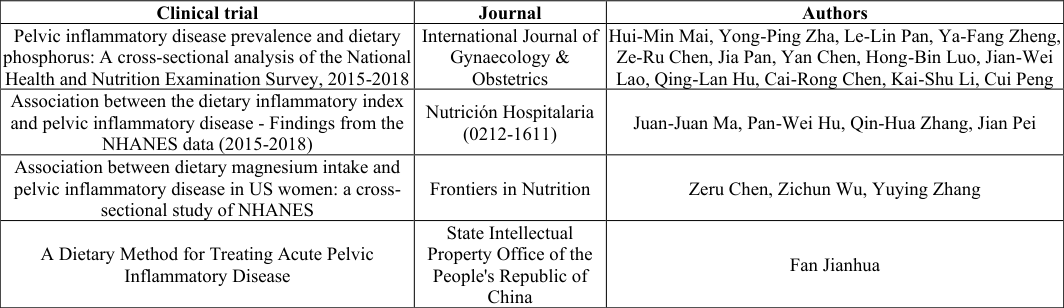 Table 1
Introduction
There are two parts to the female reproductive system: the upper and lower genital tracts. Bartholin's glands, external urethral meatus, clitoris, hymen, labia majora, labia minora, mons pubis, and Skene's glands are all parts of the lower genital tract. The uterus, fallopian tubes, ovaries, cervix, and vagina make form the upper genital tract, frequently referred to as the internal reproductive system. Most conditions that affect the upper genital tract are those like pelvic inflammatory disease (PID). There are three primary categories into which the microbes found in the genital tracts of PID patients can be divided. Mycoplasma genitalium, Chlamydia trachomatis, Neisseria gonorrhoeae, and Trichomonas vaginalis are among the sexually transmitted pathogens in the first category. Sneathia, Megasphaera, and Atopobium vaginae are among the species associated with bacterial vaginosis (BV) that make up the second category. Bacteroides, Escherichia coli, Streptococcus, and Haemophilus influenzae are among the bacteria that are commonly detected in the respiratory or gastrointestinal tracts and make up the third category. Vaginal germs are kept from entering the typically sterile upper genital tract by the protective barrier of the endocervical canal. Nevertheless, infections brought on by STDs can weaken this barrier, enabling vaginal bacteria to climb and infect the ovaries, pelvic peritoneum, endometrium, fallopian tubes, and adjacent tissues. A subclinical infection or the onset of pelvic inflammatory disease (PID) may result from this. Uncertainty surrounds the reasons that contribute to some people developing PID while others do not, although these may include genetic variations in immune response, the impact of estrogen levels on the consistency of cervical mucus, and the bacterial load of possible pathogens. Inflammation, the formation of an abscess, tubal scarring, or obstruction can all be consequences of upper genital tract infections. Infertility, ectopic pregnancy, and persistent pelvic pain are among the major reproductive health issues associated with pelvic inflammatory disease (PID), a clinical condition.
The diagnosis is made on the basis of clinical symptoms including lower abdomen or pelvic discomfort, as well as examination-related uterine, adnexal, or cervical tenderness [1] . When the infection is limited to the upper genital tract and there are no consequences such as abscess formation, tuboovarian abscess, or extensive peritonitis, the condition is referred to as uncomplicated pelvic inflammatory disease. Even while simple PID is still a major clinical issue, it can usually be treated with the right antibiotics, and compared to complex instances, there is a lesser chance of long-term problems such ectopic pregnancy, chronic pelvic pain, and infertility. Antimicrobial regimens used in both inpatient and outpatient settings are used to treat PID. In cases of Pelvic Inflammatory Disease (PID), diet therapy is usually used in conjunction with medical treatments such antibiotics. Its goals are to boost immunity, lower inflammation, and promote infection recovery. In order alleviate symptoms, promote healing, and avoid consequences like infertility or persistent pelvic pain, diet is essential.
The main objectives of dieto-therapy for PID are:
• Decrease inflammation • Build up the immune system • Promote intestinal health (essential because of antibiotic use) • Enhance nutritional status and energy levels while recovering.
Dietary impact on Pelvic inflammatory diseases
A major factor in the pathogenesis of pelvic inflammatory diseases (PID) is inflammation, which also contributes to damage to tissue, scarring, and a long-term reproductive issues include persistent pelvic pain and infertility. Although antibiotic therapy focuses on the underlying infection of PID, dietary therapies that modulate the inflammatory response provide an additional strategy to improve recovery and reduce complications.
The anti-or pro-inflammatory qualities of some food ingredients can have a big impact on both localized and systemic immune responses. It is well recognized that diets heavy in trans fats, saturated fats, and refined carbohydrates increase the generation of pro-inflammatory cytokines like TNF-α, C-reactive protein (CRP), and interleukin-6 (IL-6), which in turn cause systemic inflammation. The inflammatory process in PID is amplified in a significant degree by these cytokines.
On the other hand, it has been demonstrated that antiinflammatory diets that include enough amounts of fruits, vegetables, whole grains, legumes, nuts, fatty fish, and plant-based oils lower inflammatory indicators. Omega-3 fatty acids (found in flaxseed, walnuts, and oily salmon), vitamins A, C, and E, zinc, and selenium are among the nutrients that help reduce oxidative stress and inflammatory mediators. These nutrients improve epithelium healing, stabilize the immune system, and may lessen the intensity and length of inflammatory episodes.
To stimulate tissue healing and strengthen the body during illness, food intake should be gradually increased [2,3] .
To help the body better manage morbid matter, Taqleel-e-Ghiza [4] , or a reduction in food consumption, is advised throughout the disease's advancement stage [5] . Limit the water consumption if fasd (bloodletting) has been done, specifically on the first day. The consumption of Lateef Ghiza or easily digested foods [6,7] , such as Ashe Jou (barley soup), Baize Neem Brisht (half boiled barley) [8] , or meat made using green leafy vegetables such as batwa, chuqandar (beetroot), or khobazi, should be advised. There are foods that can help reduce inflammation and ones that can increase it. Adopting a balanced diet and antiinflammatory diet can help people with PID improve their health overall and reduce symptoms while also supporting their immune systems. This requires a multifaceted strategy:
A diet that reduces inflammation Vitamins and antioxidants found in fruits and vegetables help fight oxidative stress, which is a major cause of inflammation. F ocus on leafy greens (kale, spinach), berries (blueberries, strawberries, raspberries), and vibrant vegetables (broccoli, bell peppers).
Strong anti-inflammatory effects are exhibited by omega-3 fatty acids. They are present in walnuts, flaxseeds, and chia seeds, as well as fatty seafood like salmon, mackerel, and sardines. By including these foods in the diet, pelvic discomfort and inflammation can be lessened. Aim consuming two servings or more of fatty fish for every week.
In order to reduce inflammation, healthy fats-especially monounsaturated and polyunsaturated fats-are crucial. Nuts, seeds, avocados, and olive oil are great sources of these healthy fats. Limit saturated fats and stay away from trans fats, which are present in processed meals and red meats.
Anti-inflammatory qualities are found in many spices and herbs. Particularly useful are cinnamon, ginger, garlic, and turmeric. One of the potent anti-inflammatory compounds found in turmeric is curcumin. Ginger has analgesic and anti-inflammatory properties. It fights inflammation and enhance flavor to stir-fries, drinks, and smoothies. Foods high in sugar and processed foods can greatly exacerbate inflammation. Minimize the use of sugar-filled snacks, drinks, and desserts. Prioritizing whole, unprocessed foods in order to keep a diet that is both anti-inflammatory and balanced.
Defense of the Immune System
Vitamin C is essential for immune system function and can be found in large quantities in bell peppers, berries, and citrus fruits. Spinach, sweet potatoes, and carrots are good sources of vitamin A, which boosts immune cell activity. Immune cell growth and function depend on zinc. Oysters, meat, and chickpeas are good sources.
Discussion
This study emphasizes how food therapy may be used as a supplemental strategy to treat Pelvic Inflammatory Disease (PID). Dietary changes may help reduce symptoms, modulate the immune system, and enhance patient outcomes, even if antimicrobial therapy is still the mainstay of PID treatment. Inflammation in the upper genital tract, frequently brought on by ascending infections, is a hallmark of PID. The pathophysiology and course of the disease are significantly influenced by the immune response and inflammatory cascade. Thus, nutritional approaches that improve immune function and reduce inflammation may have therapeutic advantages.
According to this research, the inflammatory response linked to PID may be lessened by diets high in antiinflammatory foods, like omega-3 fatty acids, antioxidants (including vitamins A, C, and E), and phytonutrients. Numerous observational and interventional studies have linked increased consumption of vegetables, fruits, whole grains, fatty fish, and nuts to decreased pelvic discomfort, quicker symptom resolution, and enhanced general wellbeing.
Additionally, a well-balanced diet that includes enough protein and micronutrients may maintain the gut and vaginal bacteria, promote in tissue repair, and increase the effectiveness of antibiotic treatments. Prebiotics and foods high in probiotics may also be protective by preserving a healthy vaginal environment, which may lower the incidence of recurrence. On the other hand, diets abundant in processed meals, sugar that is refined, and fats that are saturated may make immunological dysregulation and inflammation worse, which would hinder healing. Prolonged pelvic discomfort and infertility are two long-term consequences of PID that may be exacerbated by the pro-inflammatory characteristics of such diets.
It is important to recognize a number of limitations despite the encouraging discoveries. With just a small number of randomized controlled trials available, the majority of current research on food and PID is observational in nature. Establishing direct causality is further complicated by the heterogeneous etiology of PID and variations in dietary assessment techniques. It is also necessary to take into account confounding variables including co-existing infections, socioeconomic status, and access to healthcare. The goal of future studies should be to identify certain food regimens or therapies that can complement traditional therapies. To confirm the effectiveness and safety of dietotherapy in the treatment of PID, longitudinal trials using established dietary programs are required.
Conclusion
Despite the potential need for medicine to treat Pelvic Inflammatory Disease, some dietary changes can also be beneficial. Diets that are well-balanced and high in fruits, vegetables, grains, proteins, and beneficial fats can help lower inflammation. Individual requirements can differ. It shows potential as a supplemental strategy to boost immune function, lower inflammation, and improve quality of life.
Patients with this illness may benefit from an integrative therapy approach that includes nutritional counselling as part of their overall care.
Figures and tables from the paper
| Clinical trial | Journal | Authors |
|---|---|---|
| Pelvic inflammatory disease prevalence and dietary phosphorus: A cross-sectional analysis of the National Health and Nutrition Examination Survey, 2015-2018 | International Journal of Gynaecology & Obstetrics | Hui-Min Mai, Yong-Ping Zha, Le-Lin Pan, Ya-Fang Zheng, Ze-Ru Chen, Jia Pan, Yan Chen, Hong-Bin Luo, Jian-Wei Lao, Qing-Lan Hu, Cai-Rong Chen, Kai-Shu Li, Cui Peng |
| Association between the dietary inflammatory index and pelvic inflammatory disease - Findings from the NHANES data (2015-2018) | Nutrición Hospitalaria (0212-1611) | Juan-Juan Ma, Pan-Wei Hu, Qin-Hua Zhang, Jian Pei |
| Association between dietary magnesium intake and pelvic inflammatory disease in US women: a cross- sectional study of NHANES | Frontiers in Nutrition | Zeru Chen, Zichun Wu, Yuying Zhang |
| A Dietary Method for Treating Acute Pelvic Inflammatory Disease | State Intellectual Property Office of the People's Republic of China | Fan Jianhua |
Table text extracted from the original PDF; superscript letters are shown inline. The original table image is below.
View original table image
References
6 in the original paper- Workowski KA, Bolan GA; Centers for Disease Control and Prevention. Sexually transmitted diseases International Journal of Agriculture and Nutrition https://www.agriculturejournal.net treatment guidelines, 2015. MMWR Morb Mortal Wkly Rep 2015;64:1-137.
- Soper DE. Pelvic inflammatory disease. Obstet Gynecol. 2010;116:419-428.
- Sutton MY, Sternberg M, Zaidi A, St Louis ME, Markowitz LE. Trends in pelvic inflammatory disease hospital discharges and ambulatory visits, United States, 1985-2001. Sex Transm Dis. 2005;32(12):778784. DOI: 10.1097/01.olq.0000175375.60973.cb.
- Khan A. Al Akseer (Urdu trans. By Kabeeruddin). Vol II. New Delhi: Ejaz Publishing House; 2003:13561364.
- Ibn Sina. Al Qanoon Fil Tib (Urdu trans. By Kabeeruddin). Vol II. New Delhi: Idara-e-Kitab-UsShifa; 2007:268-69, 291, 353-54, 1101-1103.
- Majoosi ABA. Kamil-us-Sanaa (Urdu trans. By Kantoori GH). Vol I, II. New Delhi: Idara-e-Kitab-usShifa; 2010 Jan: Vol I -42-46, 422-35, 536, Vol II492.