
Research article · 2025 · Full text
International Journal of Biology SciencesAntibiotics, discovery and the resistance of bacteria follow to avoid antibiotics
Volume 7(7) · Pages 38–41 · DOI: 10.33545/26649926.2025.v7.i7a.411 ↗
Research areasAntibiotic Use and Resistance
Abstract
Author-writtenThe epidemiology of new diseases is still the highest pathogens resistant to human immunization and adaptation to treatment, so the emergence of a spread of antibiotics has begun, threatening health and negatively affecting the effectiveness of currently available antibiotics. In recent years, a significant increase has been recorded in the number of resistant bacteria isolated from community infections. Hospital-acquired bacteria, and as a result, we now face the prospect of a future without effective antibiotics. Psaeruginosa is one of the leading causes of bacteremia and pneumonia in hospitalized patients. In addition, it is highly resistant to many antibacterial agents and can easily develop resistance to all antibiotics through various mechanisms. Data from public surveillance systems for acquired infections have shown a continued increase in resistance of Pseudomonas aeruginosa in the intensive care unit to third-generation cephalosporins, quinolones, and carbapenems, comparing rates from 2002 to the average resistance rates for the past five years. Other surveillance organizations have also highlighted this problem, one of which is this made it difficult for medical personnel working in hospitals to treat these infections because they have many mechanisms for resistance to antibiotics.
Summary
Source-checkedPlain-language reading of the full paper, prepared with AI and checked against the text. Each point links to the authors' own words.
Why it matters
- The emergence of antibiotic-resistant pathogens threatens global health by reducing the effectiveness of existing medical treatments. View evidence ↗
- Pseudomonas aeruginosa is a primary cause of pneumonia and bacteremia among patients in hospital settings. View evidence ↗
- An increase in resistant bacteria from both community and hospital-acquired infections creates a risk of a future where antibiotics are no longer effective. View evidence ↗
The question
- The paper examines the increasing resistance of Pseudomonas aeruginosa in intensive care units to specific drug classes, including carbapenems, quinolones, and third-generation cephalosporins. View evidence ↗
What they did
- The study reviews the role of beta-lactamase enzymes in Gram-negative bacteria, noting that the genes for these enzymes are located on plasmids, chromosomes, or transposons. View evidence ↗
- Bacterial susceptibility is measured by determining the minimum inhibitory concentration (MIC) required to stop bacterial growth. View evidence ↗
- The paper describes the use of phenotyping and genotyping as the primary techniques for identifying microorganisms. View evidence ↗
- The Sanger technique, or chain termination method, is used for DNA sequencing by employing dideoxynucleotides to stop DNA chain elongation. View evidence ↗
What they found
- Beta-lactamase enzymes neutralize beta-lactam antibiotics by breaking the C-N bond of the beta-lactam ring. View evidence ↗
- Cross resistance occurs when a bacterium develops resistance to an antibiotic it has never encountered because of its resistance to a different drug. View evidence ↗
- Bacterial genomes are compact, with sizes ranging from approximately 130 kbp to 14 Mbp or more. View evidence ↗
- Globally, children under five years of age experience the highest incidence of Shigellosis. View evidence ↗
- Shigellosis incidence and bacterial load increase steadily in individuals over the age of 40. View evidence ↗
- Ekiri syndrome is a fatal form of encephalopathy associated with epidemic dysentery, marked by rapid onset of coma and seizures despite mild colitis. View evidence ↗
What it means
- The authors conclude that the extensive use of antibiotics is a primary driver in the spread of bacterial resistance. View evidence ↗
- Due to factors like increased virulence and the risk of bioterrorism, the authors state that identifying bacteria at the strain level is critical. View evidence ↗
Visual summary
1 visualsIllustrations explain the paper; they do not show study data.
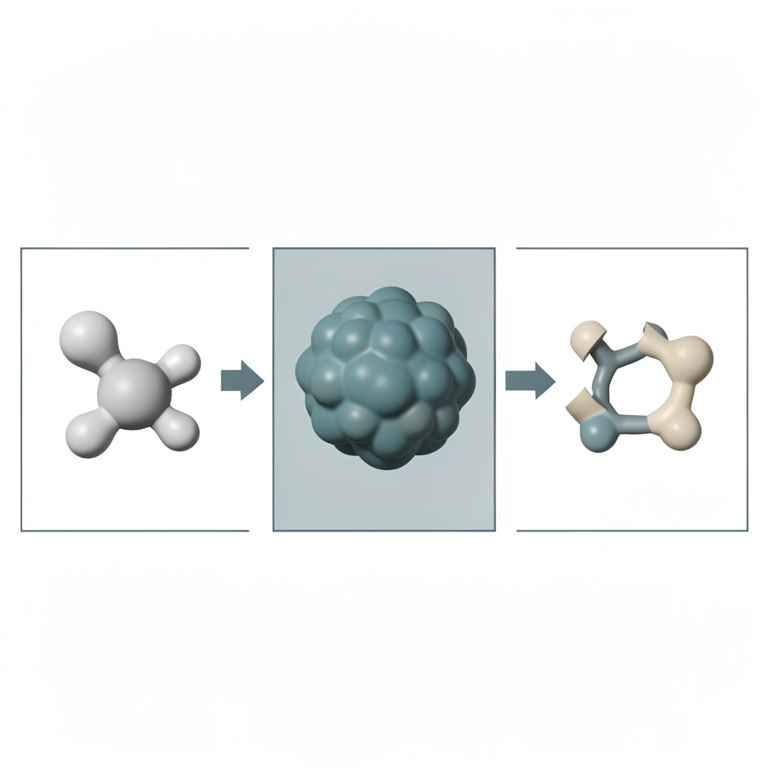
Beta-lactamase Action
AI-generated conceptual illustration (Beta-lactamase enzyme and a beta-lactam antibiotic molecule). It explains the idea and does not show study data.
View source evidence ↗Introduction
The production of beta-lactamase enzymes is one of the most important resistance mechanisms, which was discovered in Gram-negative bacteria, as the genes encoding these enzymes are carried either on chromosomes or on plasmids and sometimes on transposons. The secretion of these enzymes is either inducible or constitutive, as the inducible enzymes are only secreted when the bacteria are exposed to antibiotics. Its production stops once it is exposed to the antigen. As for the latent or self-resistant enzymes, they are enzymes encoded on the chromosomes that are transferred between strains and are produced when stimuli are available or unavailable. The secretion of these enzymes is external, i.e. outside the cell membrane (exoenzymes) or they remain in the space of the surrounding plasma membrane (periplasm) which attacks the antigen before it reaches the specific site of the antigen (PBPs). Beta-lactamase enzymes degrade beta-lactam antibiotics and render them ineffective by analyzing the C-N bond on the beta-lactam ring. Most of these enzymes are carried on plasmids. The trait of producing beta-lactamase enzymes can be transferred from one strain to another via plasmids, which makes them more dangerous due to the increased resistance of the bacteria that produce them. Early human civilizations had various forms of primitive healing methods, using plant, animal, or mineral substances, which were discovered through experience or by chance. The Greeks used plant resins and various mineral salts to treat diseases. Louis Pasteur's observations (1877) were among the first modern scientific evidence that bacteria inhibit the growth (culturing) of pure anthrax. With the continuation of scientific progress, a definition of the substances used in treating diseases was reached. The term "Antibiosis" was launched by "Vuilleman" (1889) to refer to the characteristic of opposition between creatures in general (2011 and Sue Vander, 2008; Hook, Feinstein). Antibiotics are organic substances or compounds that kill or inhibit the growth of bacteria. The term "antibiotic" was first used by Waksman in 1942 to describe any substance produced by microorganisms that opposes the growth of other microorganisms in a very dilute medium.
The first antibiotic discovered in 1929 was a beta-lactam antibiotic by the Scottish scientist Alexander Fleming discovered penicillin when he observed the ability of a colony of the fungus Penicillium notatum to inhibit the growth of colonies of Staphylococci. Beta-lactam antibiotics have been isolated from various sources, but they are primarily isolated from bacteria and fungi (Ibezim, 2005) [47] . Many antibiotics are currently in use that are effective against pathogenic microorganisms, yet have low toxicity to humans (Devoe et al., 1990) [48] .
Antibiotics Resistance
Resistance is defined as bacteria that are not inhibited by usually achievable systemic concentration of an agent with normal dosage schedule and/ or fall in the minimum inhibitory concentration ranges. Likewise the multiple drug resistance is defined as the resistance to two or more drugs or drug classes (Puzari et al., 2018) [49] . Antibiotic resistance occurs when bacteria change in some way that reduces or eliminates the effectiveness of drugs, chemicals or other agents designed to cure or prevent the infection. Thus the bacteria survive and continue to multiply causing more harm. Widespread use of antibiotics promotes the spread of antibiotic resistance. Bacterial susceptibility to antibacterial agents is achieved by determining the minimum inhibitory concentration that inhibits the growth of bacteria (Huynh et al., 2014) [50] . Acquisition of resistance to one antibiotic conferring resistance to another antibiotic, to which the organism has not been exposed, is called cross resistance (Arena et al., 2017) [27] . The evolutionary pressure created by antimicrobial usage fuels new resistances among Shigella, and globalization has enhanced an unprecedented mobility of this human restricted pathogen. In the present and coming age when multidrug resistance (MDR) is becoming the norm, much remains unanswered on how Shigella's state of resistance translates to clinical care. A recent study on diarrhoea patients in Vietnam found that hospitalization length for Shigella infected patients is similar regardless of the ciprofloxacin susceptibility profile of the associated organism (Duong et al., 2018) [16] , The latter is of increasing concern for MDR Shigella is surging in HIV-positive MSM, who present more severe clinical symptoms and require effective antimicrobial therapy (Mohan et al., 2017) [51] . Compared to the genomes of mammals and single-celled eukaryotes, the genomes of bacteria are smaller and exhibit less species-specific variation in size. According to Van Leuven et al. (2014) and McCutcheon and Von Dohlen (2011) [52] , the size of bacterial genomes can vary from around 130 kbp. The compact genome architecture of bacteria, which ranges from 14 Mbp to more, sets them apart from eukaryotes in two significant ways: the number of functional genes in a bacterium's genome is strongly correlated with its size, and those genes are organized into operons (Mahmoudi et al., 2019) [53] . The existence of noncoding DNA in the form of intergenic regions and introns is the primary cause of the relative density of bacterial genomes in comparison to eukaryotic genomes, particularly multicellular eukaryotes (Valian et al., 2018) [54] . Certain characteristics of bacteria, such as increased virulence and transmissibility, antibiotic resistance, expanding host spectra, and the potential for use for bioterrorism following genetic manipulations, make strain-level bacterial identification particularly crucial.
Phenotyping and genotyping are the two different techniques used to identify microorganisms. In the phenotyping procedure. By analyzing a person's DNA sequence using biological tests and comparing it to that of another person or a reference sequence, genotyping is the process of identifying variations in a person's genetic composition (genotype). According to "Genotyping definition", (2011), it displays the alleles that a person has inherited from their parents. Microorganisms are among the many different types of individuals that can be genotyped. Bacteria and viruses, for instance, can be genotyped. By identifying the source of outbreaks, genotyping in this context may aid in limiting the spread of diseases. The Sanger technique, which is based on synthesizing a DNA chain using dideoxynucleotides that stop the elongation step of DNA amplification, is sometimes referred to as the dideoxy or chain termination method. The process of figuring out the nucleic acid sequence, or the arrangement of nucleotides in DNA, is known as DNA sequencing. Any technique or tool used to ascertain the arrangement of the four bases adenine, guanine, cytosine, and thymine is included. Rapid DNA sequencing techniques have significantly sped up biological and medical research and discovery. Understanding DNA sequences has become essential for both fundamental biological research and several applied domains, including biological systematics, forensic biology, biotechnology, virology, and medical diagnosis (Abate et al., 2013) [55] . Whole DNA sequences, or genomes, of many different kinds and species of life, including the human genome and other full DNA sequences of other animals, have been sequenced thanks to the quick speed of sequencing made possible by modern DNA sequencing technology. Individual is no immune to Shigellosis, but certain individuals are at increased risk. Worldwide, the incidence of Shigellosis is highest among children less than five years of age, but it has been observed that during S. dysenteriae type 1 epidemics all age groups are affected (Parajuli et al., 2017) [56] . The incidence of Shigellosis has been reported to increase steadily after the age of 40, along with bacterial load as determined by semi-quantitative real-time PCR. This suggests that young children and old people shed the highest bacterial load and may be responsible for disproportional transmission of Shigellosis (von Seidlein et al., 2006) [57] . In children who are malnourished, Shigella may cause a vicious cycle of further impaired nutrition, recurrent infection and growth retardation, In the United States of America (USA) and Europe, children in day-care centers, migrant population, travellers to developing countries, persons in custodial institutions, prisoners and military personnel, and homosexual men are infected most often (Bakhshia et al., 2018) [8] . S. dysenteriae that are infected individuals may rarely develop hemolytic uremic syndrome (HUS). HUS characterized by convulsions in children originating from a fast temperature increasing linked with metabolic alterations. It is also associated with Shiga toxin production (Ram et al., 2008) [45] .
Conclusion
Among several severe extra intestinal manifestations, encephalopathy is one of the most common complications. It has been associated with a higher rate of deaths, the most common manifestations of Shigella encephalopathy are seizure, altered consciousness and coma (Encephalopathy is usually reversible, but sometimes it can be fulminate and fatal, A lethal form of encephalopathy known as Ekiri syndrome (In Japanese 'epidemic dysentery') is characterized by rapidly developing seizure and coma with only mild colitis. Although, neurological abnormalities and other extra intestinal manifestations are more common in patients with dysentery type 1 infection, have the ability to cause this serious neuro-logical complication, Outbreaks due to infection are difficult to control because oftheir low infective dose, particularly in areas of poor hygienic conditions with limited access to clean and potable water As these pathological manifestations and complications.
References
57 in the original paper- Antonio EJ, Mazel D, Nivina A, Loot C. ASMscience | The integron: Adaptation on demand. Microbiol Spectr, 2015, p. 3.
- Arena ET, Tinevez JY, Nigro G, Sansonetti PJ, Marteyn BS. The infectious hypoxia: occurrence and causes during Shigella infection. Microbes Infect. 2017;19:157-165.
- Ashida H, Mimuro H, Sasakawa C. Shigella manipulates host immune responses by delivering effector proteins with specific roles. Front Immunol. 2016;6:219.
- Bardhan P, Faruque AS, Naheed A, Sack DA. Decrease in shigellosis-related deaths without Shigella spp.- specific interventions, Asia. Emerg Infect Dis. 2010;16:1718-1723.
- Bari SB, Mahajan BM, Surana SJ. Resistance to antibiotic: A challenge in chemotherapy. Indian J Pharm Educ Res. 2008;42(1):3-11.
- Batthacharya SK, Sur D, Mahalanabis D. Public health significance of shigellosis. Indian Pediatr. 2012;49:269270.
- Behjati S, Tarpey PS. What is next-generation sequencing? Arch Dis Child Educ Pract Ed. 2013;98(6):236-238.
- Bakhshia B, Afsharib N, Fallahca TF. Clinical microbiology enterobacterial repetitive intergenic consensus (ERIC)-PCR analysis as a reliable evidence for suspected Shigella spp. Outbreaks, 2018.
- Carneiro LA, Travassos LH, Soares F, Tattoli I, Magalhães JG, Bozza MT. Shigella induces mitochondrial dysfunction and cell death in nonmyleoid cells. Cell Host Microbe. 2009;5:123-36. doi: 10.1016/j.chom.12.011.
- Casabonne C, González A, Aquili V, Balagué C. Prevalence and virulence genes of Shigella spp. isolated from patients with diarrhea in Rosario, Argentina. Jpn J Infect Dis. 2016;22:69(6):477-481. EPUB 2016 Feb 19.
- Case RJ, Boucher Y, Dahllöf I, Holmström C, Doolittle WF, Kjelleberg S. Use of 16S rRNA and rpoB genes as molecular markers for microbial ecology studies. Appl Environ Microbiol. 2007;73(1):278-288.
- Deylam SM, Ferdosi E, Yahyapour Y. Integronmediated antibiotic resistance in Acinetobacter baumannii isolated from ICU patients, Babol, Iran. Biomed Res Int. 2017;2017:Article ID.
- Dhiviya PM, Naveen K, Yesurajan IF. Identification of nonserotypeable Shigella spp. using genome sequencing: A step forward. Future Sci OA. 2017;3:FSO22.
- Discovery and development of penicillin. International Historic Chemical Landmarks. American Chemical Society, 2019.
- Domingues S, da Silva GJ, Nielsen KM. Integrons: vehicles and pathways for horizontal dissemination in bacteria. Mob Genet Elements. 2012;2:211-223.
- Duong VT, Tuyen HT, Minh PV. No clinical benefit of empirical antimicrobial therapy for pediatric diarrhea in a high-usage, high-resistance setting. Clin Infect Dis. 2018;66:504-511.
- Kadhim MI, Jabbar AH. Synthesis of nucleotide-amino acids via new branched-chain sugar. Syst Rev Pharm. 2020;11(6):404-408.
- Luaibi HM, Alfarhani BF, Kadhim MI. Detection of Fe(III) levels via two different spectrophotometric methods in Diwaniah City, Iraq. J Eng Appl Sci. 2018;13(24):10380-10383.
- Hassan MF, Kadhim MI. Preparation, spectroscopic and biological study of some derivatives of β-lactam, oxazepine, and imidazole linked to a heterocyclic nucleus. AIP Conf Proc. 2023;2834(1):030006.
- Thabit JA, Almzaiel AJ, Kadhim MI, Alrufaie MM. The impact of reproductive hormone changes on immune response in leukemia patients. Anaest Pain Intensive Care. 2023;27(5):585-91.
- Irhaeem M, Janan A, Thabit A, Almzaiel A. Methylenetetrahydrofolate reductase levels and gene expression in leukemia. Curr Issues Pharm Med Sci. 2024;37(1):7-12.
- Jabbar AH, Hamoodi A, Al-Azawi IH, Habeeb I. The detection and investigation of tetracycline resistance genes among Shigella isolates in Iraq. Conference paperm, 2020.
- Ram P, Crump J, Gupta S, Miller M, Mintz E. Part II. Analysis of data gaps pertaining to Shigella infections in low and medium human development index countries, 1984-2005. Epidemiol Infect. 2008;136(5):577-603.
- Jacoby GA, Walsh KE, Mills DM, Walker VJ, Robicsek H, Hooper DC. QNRB, another plasmidmediated gene for quinolone resistance. Antimicrob Agents Chemother. 2006;50:1178-82.
- Jacoby G, Cattoir V, Hooper DC. qnr gene nomenclature. Antimicrob Agents Chemother. 2008;52:2297-9.
- Jacoby GA. Mechanisms of resistance to quinolones. Clin Infect Dis. 2005;41(Suppl 2):S120-126.
- Arena ET, Tinevez JY, Nigro G, Sansonetti PJ, Marteyn BS. The infectious hypoxia: occurrence and causes during Shigella infection. Microbes Infect. 2017;19:157-165.
- Ashida H, Mimuro H, Sasakawa C. Shigella manipulates host immune responses by delivering effector proteins with specific roles. Front Immunol. 2016;6:219.
- Khan WA, Griffiths JK, Bennish ML. Gastrointestinal and extraintestinal manifestations of childhood shigellosis in a region where all four species of Shigella are endemic. PLOS One. 2013;8:e64097.
- Kim JH, Cho JK, Kim KS. Prevalence and characterization of plasmid-mediated quinolone resistance genes in Salmonella from poultry in Korea. Avian Pathol. 2013;42(3):221-229.
- Kim S, Kim J, Kang Y, Park Y, Lee B. Occurrence of extended-spectrum β-lactamases in Shigella in Korea. J Clin Microbiol. 2004;42:5264-5269.
- King DE, Malone R, Lilley SH. New classification and update on quinolone antibiotics. Am Fam Physician. 2000;61(9):2741-2748.
- Kiro S. Gram-negative enteric rods. Pharm Microbiol., Microbiology, 2003, p. 11.
- Knodler LA, Steele-Mortimer O. Taking possession: biogenesis of the Salmonella-containing vacuole. Traffic. 2003;4:587-599.
- Koo HJ, Woo GJ. Distribution and transferability of tetracycline resistance determinants in E. coli from meat products. Int. J Food Microbiol. 2011;145(23):145-152.
- Pu XY, Pan JC, Gu YM, Zheng W, Li J, Yu H. Complete sequences and publishers. Delhi: Publisher, 2016.
- Pupo GM, Lan R, Reeves PR. Multiple independent origins of Shigella clones of E. coli and convergent evolution. Proc Natl Acad Sci U S A. 2000;97:1056710572.
- Qian H, Guoye L, Yin C, Ping M, Xiaoxiao K, Lu Z, et al. Increasing resistance of Shigella sonnei to cefotaxime in Jiangsu, China, 2012-2015. Ann Transl Med. 2018;6:207.
- Qiu S, Wang Y, Xu X. Multidrug-resistant atypical variants of Shigella flexneri in China. Emerg Infect Dis. 2013;19(7):1147.
- Qu F, Bao C, Chen S, Cui E, Guo T, Wang H, et al. Genotypes and antimicrobial profiles of Shigella sonnei in Beijing, 2002-2007. Diagn Microbiol Infect Dis. 2012;74(2):166-170.
- Qu M, Zhang X, Liu G, Huang Y, Jia L, Liang Wet al. Eight-year study of Shigella in Beijing: serodiversity, virulence genes, and resistance. J Infect Dev Ctries. 2014;8(7):904-8.
- Rahman M, Fahmidul AH, Iztiba MD, Dilruba A, Tanha Z, Afrina H, et al. Emergence of extensively drug-resistant Shigella sonnei in Bangladesh. Immunol Infect Dis. 2017;5(1):1-9.
- Raja SB, Murali MR, Devaraj SN. Differential expression of ompC and ompF in MDR Shigella dysenteriae and S. flexneri by Aegle marmelos extract. Diagn Microbiol Infect Dis. 2008;61(3):321-8.
- Raja SB, Murali MR, Roopa K, Devaraj SN. Imperatorin inhibits periplasmic Cu-Zn SOD of S. dysenteriae, modulating resistance to phagocytosis. Biomed Pharmacother. 2011;65(8):560-568.
- Ram P, Crump J, Gupta S, Miller M, Mintz E. Part II. Data gaps in Shigella infections in low/medium HDI countries, 1984-2005. Epidemiol Infect. 2008;136(5):577-603.
- Ranganathan S, Doucet M, Christen L, Grassel B, Elias DNC, Zachos B, et al. Evaluating Shigella flexneri pathogenesis in human enteroid model. Infect Immun. 2019;87(4):e00740-18.
- Ibezim A. Antibiotics from microbial sources, 2005.
- Devoe JD, et al. Use of antibiotics with low human toxicity, 1990.
- Puzari B, et al. Antibiotic resistance: Mechanisms and implications. J Pharm Bioall Sci. 2018;10(2):78-83.
- Huynh T, et al. Minimum inhibitory concentration and bacterial resistance. Infect Drug Resist. 2014;7:261268.
- Mohan S, et al. Rising MDR Shigella in HIV-positive MSM: clinical implications. J Glob Antimicrob Resist. 2017;9:128-132.
- Dohlen VCD. Comparative genomics in bacteria, 2011.
- Mahmoudi M, et al. Genome architecture of antibioticresistant bacteria. Front Microbiol. 2019;10:1187.
- Valian A, et al. Genomic density and noncoding DNA in bacteria. Gene. 2018;657:91-97.
- Abate M, et al. Importance of DNA sequencing in modern biology. Biotech Adv. 2013;31(5):770-778.
- Parajuli R, et al. Epidemiology of Shigellosis across age groups. J Infect Dev Ctries. 2017;11(1):47-53.
- Seidlein VL, et al. Transmission dynamics of Shigellosis in children. PLoS Med. 2006;3(9):e353.