
Research article · 2025 · Full text
International Journal of Biology SciencesPotential role of aqueous extracts of Aghada plant on root-knot nematode parasitism in tomato
Volume 7(7) · Pages 42–46 · DOI: 10.33545/26649926.2025.v7.i7a.412 ↗
Research areasNematode management and characterization studiesPlant Disease Management TechniquesAgricultural Practices and Plant Genetics
Abstract
Author-writtenTomato (Solanum lycopersicum L.) is an economical and commercial fruit crop of tropical and subtropical India. Despite having production, the Tomato growers unable to produce quality fruits as per the market demand because of abiotic and biotic stress factors. Insect-pests and disease incidence are one of the major hindrances for quality production. Root-knot nematodes (Meloidogyne spp.) parasitisms have aggravated the problem of Tomato wilt in Ahmednagar district of Maharashtra. In the present study, soil and root sampling were conducted in infested Tomato Crop from Sangmaner tehsil for nematode isolation and identification. Root galls were dissected for female and egg mass isolation and the perineal pattern of the female have confirmed the nematode species (M. javanica). Use of locally available plant extracts as botanicals against nematodes would be cheap, nontoxic alternative available with farmers. Aghada (Achyranthes aspera) plant contains triterpenoid saponins which possess oleanolic acid as the aglycone which may have anti-nematode property. The succulent stem of Aghada was washed, ground in mortar pestle for fine powder formation and filtered through muslin cloth for an aqueous suspension. Different dilutions of stem extract (10%, 20%, 30%, 40% and 50%) were prepared. The results showed juvenile’s mortality observed at 65%, 51.66%, 93.33%, 100% and 100% with each concentration, respectively within 24-120 hours of exposure. However, increasing the concentration of extract has increased juvenile mortality within less time. Our in vitro studies have illustrated the aqueous stem extract of Achyranthes aspera has antinematode properties against M. javanica in Tomato.
Summary
Source-checkedPlain-language reading of the full paper, prepared with AI and checked against the text. Each point links to the authors' own words.
Why it matters
- Root-knot nematodes (RKN) are a significant global pest for tomato crops, causing estimated yield losses of 30% to 40%. View evidence ↗
- While chemical nematicides are used to control RKN, they are expensive and pose toxic risks to the environment and biological flora and fauna. View evidence ↗
- The Aghada plant (Achyranthes aspera) contains triterpenoid saponins with oleanolic acid, which are thought to possess anti-nematode properties. View evidence ↗
The question
- The study aimed to evaluate the effectiveness of Achyranthes aspera extracts against root-knot nematodes that infest tomato plants. View evidence ↗
What they did
- Nematode-infested tomato orchards were sampled from Nimgaonjali village in the Ahmednagar district of Maharashtra, India. View evidence ↗
- The nematode species was identified as M. javanica by examining the perineal patterns of females using a compound microscope. View evidence ↗
- The experiment tested aqueous stem extracts at concentrations of 10%, 20%, 30%, 40%, and 50%, exposing 20 second-stage juveniles (J2s) per petri dish for durations up to 120 hours. View evidence ↗
- The study used three replications for each experimental set, recording J2 mortality at specified time intervals. View evidence ↗
What they found
- After 24 hours of exposure, the 50% extract concentration caused the highest juvenile mortality at 91.65%, compared to 45% for 10%, 51% for 20%, 65% for 30%, and 80% for 40% concentrations, while the control showed 0% mortality. View evidence ↗
- At 48 hours, the 50% concentration achieved 100% juvenile mortality, while the 40%, 30%, 20%, and 10% concentrations resulted in 86.65%, 75%, 66.65%, and 58.3% mortality, respectively. View evidence ↗
- By 72 hours, both 30% and 40% concentrations reached 100% juvenile mortality, whereas the 20% and 10% concentrations showed 91.65% and 81.3% mortality, respectively. View evidence ↗
- At 96 hours, the 10% and 20% concentrations reached 100% juvenile mortality, while the control group showed 10% mortality. View evidence ↗
- The study found that the nematocidal activity of the extract was directly proportional to its concentration. View evidence ↗
What it means
- The authors conclude that plant products from Achyranthes aspera can reduce M. javanica infections and serve as an eco-friendly, cost-effective alternative to hazardous chemical nematicides. View evidence ↗
- The authors state that field trials are necessary to determine the efficacy of the extract before it can be recommended to farmers. View evidence ↗
Visual summary
1 visualsIllustrations explain the paper; they do not show study data.
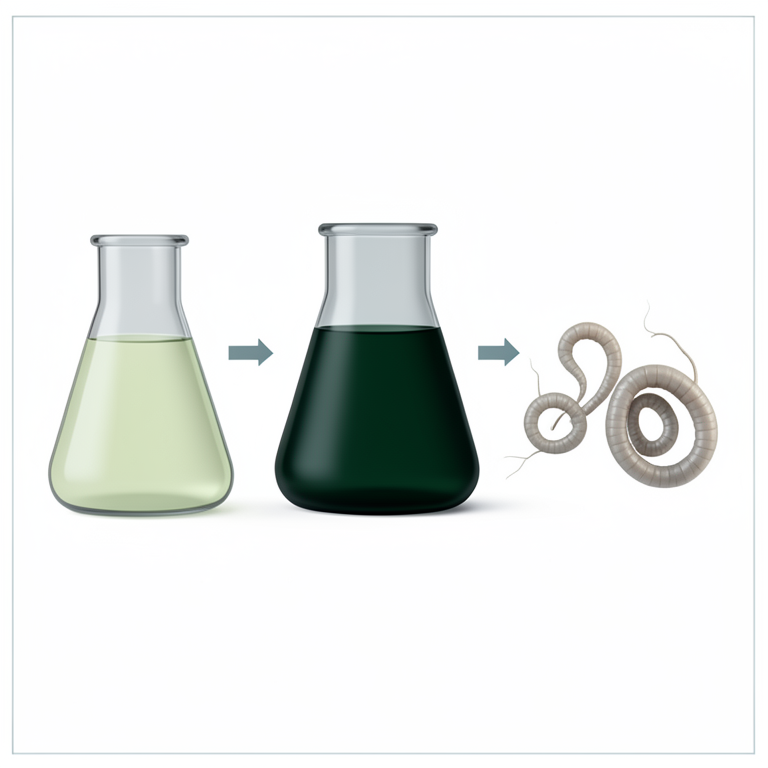
Dose-Response Relationship
AI-generated conceptual illustration (Tomato plants and root-knot nematodes (Meloidogyne spp.)). It explains the idea and does not show study data.
View source evidence ↗Figures & tables
From the original paper Table 1
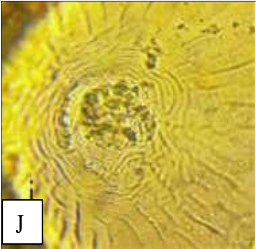 Figure 1
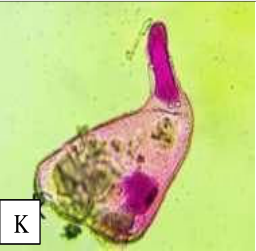 Figure 1
 Figure 1
Introduction
The Solanaceae family includes the tomato (Solanum lycopersicum). Afghanistan, Iran, Pakistan, China, the United Arab Emirates, and India are the countries where it is primarily grown in the tropical and subtropical parts of the world [2] . With 2.62 lakh hectares under cultivation and 30.36 lakh metric tons produced in 2018-19, India leads the globe in tomato output [5] . With an area of over 90,000 hectares and a production of 9.45 lakh metric tons, the state of Maharashtra leads the nation in tomato production [3] . Vitamins C, E, A, K, iron, calcium, and other antioxidants are abundant in Tomato arils, which can be used medicinally to treat a variety of illnesses, including diabetes, cancer, stomach issues, high blood pressure, and more. Tomato fruits are another abundant source of different phytochemicals viz., sterols, terpenoids, organic and fatty acids which improves the strength of bones, increases the hemoglobin content and boost the immune system [4] .The important diseases of Tomato are bacterial blight, oily spot and Fusarium wilt and Nematode. Root-knot nematode (RKN) (Meloidogyne spp.) is considered to be an economically important pest of Tomato cultivation worldwide and responsible for about 30% to 40% yield losses. The species of RKN (M. incognita, M. javanica and M. Arenaria) are observed to be associated with Tomato orchards in Maharashtra. Crop rotation practice (with non-host crop) have been used for RKN management, but often yields ineffectual results due to vast host range of nematode. Various bio control agents such as endoparasitic fungi (Paecilomyces lilacinus, Pochonia spp.), parasitic bacteria (Pasteuria penetrans) and plant growth promoting bacteria (PGPR) are being used, but their field efficacy and stability is unsuccessful. Use of chemical nematicides have recommended so far to control the RKN at field conditions, but these nematicides are costlier to farmers, have toxic effects of bio flora and fauna and environmentally harmful.
Nematicidal uses have been restricted to specific areas of nematode infection or at nursery level. Therefore, there is need to search alternative nematode management practices that should be agronomically compatible, economically sound and ecologically green and harmless. There is a lot of scope to use botanicals (extracts of locally available plants) for nematode management as these botanicals are neamticidal or contains anti-nematode properties. Achyranthes aspera is the herbaceous plant commonly called Aghada, which belongs to family Amaranthaceae, distributed throughout the tropical world. Mostly aerial part is use for medicinal purposes [9] . The phytochemically Achyranthus aspera L. consists of saponin, tannin, coumarin, protein, amino acids, flavonoid, phenol, glycosides and alkaloids, anthocyanin [8] . Achyranthes aspera shows antioxidant and antibacterial activities [6] . Therefore, the present study has been undertaken to evaluate the extracts of Achyranthes aspera against root-knot nematodes infesting Tomato.
Material and Methods
Material and Methods
Soil and Root Sampling
A random field survey was carried out in the search of rootknot nematode infested Tomato orchards in the Nimgaonjali village (19˚34'18" N 74˚24'07" E) near Kolhar-Ghoti highway in the tehsil of Sangamner of Ahmednagar district in the state of Maharashtra (India) 413714. The popular Tomato variety (Bhagwa) is cultivated over an area of 1 acre and orchard was almost 8-9 years old. Withered and drooped Tomato trees were spotted in the orchard and soil sampling was done under such diseased trees. Approximately, 1 kg of soil was collected at three different directions of each tree and at a depth of 15 cm, 30 cm and 40 cm with 1 to 1.5-meter-wide away from tree trunk. Soil samples were gathered into polyethene bags, labeled properly and brought to laboratory. The nematode infested roots were also collected and put into test tubes. In the laboratory, the soil samples were stored in refrigerator at 40c while root samples were washed under tap water to remove adhered soil debris and stored in refrigerator at 4°C.
Isolation of nematodes from soil samples
The soil samples were taken out and mixed well to each other. Plant debris, sand stones, gravels and weed roots were removed from the soil samples. A composite 250 gm soil was taken for further soil processing. In plastic tub, soil sample was mixed with tap water where large soil lumps was crushed, mixed and stirred well, so that soil was uniformly mixed with water. Soil suspension was passed through 20-mesh size sieve and collected into another plastic tube. The collected soil suspension was then passed into 60-mesh size sieve and collected into another plastic tub. Finally, collected soil suspension was poured on to 325mesh size sieve and the residue was collected into plastic beaker. Thereafter, a soft tissue paper was placed on the wire gauge supported by Petri dish and filled with water. Soil suspension collected in beaker was poured into wire gauge and kept for 24 hours at room temperature for nematode.
Isolation, Identification and staining of the nematodes Staining of nematode induced root galls
The nematode infested roots were washed thoroughly under tap to dislodge soil particles attached to the roots. Roots along with galls were immersed into 4% sodium hypochlorite solution for 5 minutes for clearing the root and washed repetitively under tap water to remove the chemical residue. A stock solution of the acid fuchsin stain was prepared with 3.5 g of acid fuchsin powder into 250 ml of glacial acetic acid and 750 ml of distilled water and stored in glass bottle. Approximately, 20 ml of freshly prepared stain stock solution was taken into glass beaker and heated to boil. Washed roots along with galls were wrapped into muslin cloth and immersed into boiled acid fuchsin stain solution and kept for 5-6 minutes. The roots are then put on blotting paper to remove an extra stain and placed in glycerine dish acidified with 1% HCl. Next day, the stained nematodes and females were seen under stereomicroscope. Identification of root-knot nematode species by perineal pattern. The females were dissected from the infected Tomato roots and placed in glycerine for observation. A sharp cut was made on the posterior portion of female with blade and cleared for perineal area. A temporary mount of perineal part of female was prepared and observed under compound microscope for species identification [11] .
Preparation of aqueous stem extract
The stem of Achyranthus aspera was collected and washed thoroughly in distilled water and cut in to small pieces. The stem was shade dried at room temperature. Dried stem pieces were uniformly grinded using mechanical grinder to make fine powder [7] . Take 5 gm powders add into 80 ml distilled water mixing properly. Thereafter, the suspension was filtered through double layered muslin cloth and the filtrate was again filter Whatman filter paper 1 and 0. The supernatant was carefully transferred to glass bottle and stores as stock solution of nodal part extract of stem and used for further experiments (Plant extract stored at 4°C temperature in refrigerator.) [1] . Bio efficacy studies of aqueous nodal part extract of Aghada stem against root-knot nematode. The bio efficacy experiment was conducted into two parts: i.e. the effect of bio efficacy of aqueous nodal part extract of stem of Aghada against egg hatching and juveniles (J2s) longevity. The concentration of Aghada aqueous nodal part extract of stem (10%, 20%, 30%, 40% and 50%) were prepared with distilled water separately and experiments was designed in such way that each petri dish has 9 ml of leaf extract from each concentration and also have 20 root-knot nematode J2s per Petri dish and kept for 24, 48, 72, 96 and 120 hours for incubation at room temperature. Each set of experiments have three-replication and the mortality of J2s were recorded at each interval. In another experiment, egg masses were collected from freshly infested roots of Tomato and exposed them to the different concentrations of leaf extracts and observed the effect of nodal part extract of stem on juvenile hatching and on egg mass after each interval mentioned above. Each set of experiment have three-replication and data was subjected for statistical analysis.
Results
Results
Identification of Root-knot Nematode Species
Root-knot nematodes (RKN; Meloidogyne spp.) were previously diagnosed based on adult female perineal patterns [15,16] , i.e., posterior region comprising the vulvaanus area (perineum), tail terminus, phasmids, lateral lines and surrounding cuticular striae a set of characters that was originally proposed to distinguish among Meloidogyne incognita, M. javanica, M. arenaria and M. hapla [17] .
Bio efficacy studies of aqueous leaf extract of Aghada
against Juvenile (J2) RKN's: Study bio efficiency of plant extract of Aghada against RKN's (Meloidogyne javanica) of various concentrations as 10%, 20%, 30%, 40%, and 50% at different time 24H., 48H., 72H., 96H and 120H. The result shows the Achyaranthes aspera recorded highest mortality of j2 M. javanica 50% concentration indicating 91.65% mortality of juvenile observe Achyaranthes aspera in different concentration in 10% concentration 45% mortality, 20% concentration 51% mortality, 30% concentration 65% mortality and 40% concentration 80% mortality of j2 this is percent mortality were increase than control 0% mortality after 24hrs of exposure time (Table 1). In 48 hrs. Result shows the 50% concentration indicated 100% mortality of juvenile this is showing highest mortality as compared with control 0% than 40%contration 86.65 mortality 30% concentration 75% mortality of juvenile lowest mortality in 20% concentration 66.65% mortality and 10% concentration 58.3% mortality of juvenile this concentration into percent mortality were increase after 48hrs of exposure time respectively. In 72hrs.result shows the 40%-30% concentration 100% mortality of juvenile as compared to control 5% lowest mortality in 20% concentration 91.65% and 10% concentration 81.3% mortality of juvenile this concentration percent mortality was increase after 72hrs. Exposure time respectively. In 96 hrs. result shows the 10%-20% concentration 100% mortality of juvenile as compared to control 10% mortality the result shows the standard concentration of the extract represent maximum toxicity compare to the all dilution of extract or percent mortality time period aqueous extract of standard 50% concentration effect on J2 activity however concentration of 50% into 100% mortality (J2) in 72 hrs. Exposure time were effective at reducing (J2) it has been concluded from this experiment extract of Achyaranthes aspera stem are a source of cheap and effective nematicides for the management of root knot nematode (Figure 1).
| Concentration | Time | 0H | 24H | 48H | 72H | 96H | 120H |
|---|---|---|---|---|---|---|---|
| Control | 0 | 0 | 0 | 5 | 10 | 20 | |
| 10% | 45 | 58.3 | 81.3 | 81.3 | 100 | ||
| 20% | 51.65 | 66.65 | 91.65 | 91.65 | 100 | ||
| 30% | 71.5 | 75 | 100 | 100 | |||
| 40% | 80 | 86.65 | 100 | ||||
| 50% | 91.65 | 100 |
Table text extracted from the original PDF; superscript letters are shown inline. The original table image is below.
View original table image
Discussion
The study's conclusions made it abundantly evident that the plant Achyranthys aspera's weed extract was a possible source of bionematicides against the root knot nematode.
The results showed that the plant's alkaloids, flavonoids, terpenoids and polyphenolic compounds may have both nematocidal and nematostatic properties. According to this study, Achyranthys aspera stem extract contains a variety of chemical constituents, including mucilage gum, alkaloids, flavonoids, phenols, tannins, saponins, and phytosteroid. This weed's stem extract also showed that it contains a lot of flavonoids, terpenoids, phenols, and alkaloids. possess a high rate of nematocidal activity, which suggests that the presence of this chemical in Achyranthys aspera stem extract may be the cause of the greatest mortality of second stage juveniles of Meloidogyne javanica in tomato roots.
The alkaloids in Achyranthys aspera's stem nodal portion may be responsible for its bioactivity against worms. Some secondary metabolites (alkaloids, saponins, flavonoids, and glycosides) that are isolated from plant stems have nematocidal properties. The goal of nematode control research during the past ten years has been to suggest methods for reducing or increasing juvenile mortality. It has been observed that nematocidal activities were directly related to concentration of extract the result of this study is in agreement with other previous work. The result of the study showed that like Achyranthys aspera showed highest toxic effect against root knot nematode juveniles (J2) it is recommended that field trials be carried out to determine its efficacy before recommending to farmers therefore it was concluded that the severe infection caused by Meloidogyne javanica could be lowered by the plant products in view of ecofriendly environment this has an advantage against expensive and hazardous chemical nematicides which have toxic effect on flora and fauna of environment plant products proved the way for the healthy and pollution free sustainable environment. The obtained results were correlates with finding of [12][13][14][15] .
Conclusion
The current study demonstrates Achyranthys aspera's nematocidal activity against Meloidogyne javanica, a root knot nematode that infests tomatoes. The bioefficacy investigation shown that Achyranthys aspera extract was highly effective in preventing the development of root knots induced by Meloidogyne javanica, ranging from 45% to 100% juvenile mortality at varying concentrations and times. Alkaloids, flavonoides, terpenoides, and polyphenolic compounds of these weeds may have both nematistatic and nematicidal activity, according to the research's findings, which clearly indicated that extract from the plant Achyranthys aspera was a possible source of bionematicides against the root knot knot nematode. The weed extract of the stem may also naturally contain these chemicals. Studies revealed that the poisonous root knot nematode egg contained an aqueous extract of plant species.the Achyranthys aspera having nematostatic as well as nematicidal activity against root knot nematode. Utilization Achyranthys aspera plant would be the best ecofriendly and cheap strategy for nematode management in Tomato.
References
15 in the original paper- Vinodhini SM, Monisha T, Arunachalam PP, Rajshree S, Vignesh P, Ebenezar EGA, Seenivasan N. Effect of plant extracts on root-knot nematode Meloidogyne incognita infecting tomato. Int J Curr Microbiol App Sci. 2019;8(6):373-8.
- Ram Chandra, Jadhav VT, Sharma J. Global scenario of tomato (Punica granatum L.) culture with special reference to India. In: Science and biotechnology. Global science book, 2010, p. 7-18.
- ICAR. National Research Centre on Tomato, Solapur, 2018.
- Beaulah AA, Sadiq M, Jaya S. Antioxidant and antibacterial activity of Achyranthes aspera: an in vitro study. Ann Biol Res. 2011;2(5):01-4.
- Priya G, Kumar G, Karthik L, Rao KVB. Antioxidant activity of Achyranthes aspera Linn stem extracts. Clin Pharmacol Online. 2010;2(2):228-37.
- Kasarkar A, Gavali A, Kolekar N, Kumbhar S, Wadkar S. Phytochemical screening of Achyranthes aspera L., Amaranthus spinosus L., Parthenium hysterophorus L., Argemone mexicana L., Portulaca oleracea L. and Euphorbia geniculata Ortega from Kolhapur district of Maharashtra. Int J Herb Med. 2018;6(3):5-8.
- Cobb NA. Estimating the Neem population of the soil. Agric Tech Circ. 1918;1:48.
- Eisenback JD, Hirschmann H, Triantaphyllou AC. Morphological comparison of Meloidogyne female head structures, perineal patterns, and stylets. J Nematol. 1980;12:300-13.
- Asadi Sardari S, Hojat Jalali AA, Bahraminejad S, Safaee D. Effect of plant extracts on the mortality of root-knot nematodes' J2, Meloidogyne javanica. Arch Phytopathol Plant Prot. 2015;48(4):365-75.
- Nour El-Deen AH, Al-Barty AF, Darwesh HY, AlGhamdi AS. Eco-friendly management of root-knot nematode Meloidogyne incognita infecting tomato at Taif, KSA. RJPBCS. 2016;7(1):1070.
- Gulwaiz Akhter, Tabreiz Ahmad Khan. Evaluation of some plant extracts for nematotoxic potential against juveniles of Meloidogyne incognita in vitro. J Phytopharmacol. 2018;7(2):141-5.
- Rozas MDMM, Rojo MAD, Ros M, Pascual JA. Effect of plant extracts and metam sodium on soil borne fungal pathogens, Meloidogyne spp., and soil microbial community. Agronomy. 2020;10(4):513.
- Karssen G, Aelst VAC. Root-knot nematode perineal pattern development: A reconsideration. Nematology. 2001;3:95-111.
- Eisenback JD, Hunt DJ. General morphology. In: Perry RN, Moens M, Starr JL, Editors. Root knot nematodes. Wallingford (UK): CABI, 2009, p. 18-54.
- Chitwood BG. Root-knot nematodes Part I. A revision of the genus Meloidogyne Goeldi, 1887. Proc Helminthol Soc Wash. 1949;15:90-104.