
Research article · 2025 · Full text
International Journal of Biology SciencesTherapeutic efficacy of bi-herbal extracts of Coriandrum sativum and Murraya koenigii on chronic kidney disease model in rats
Volume 7(6) · Pages 372–380 · DOI: 10.33545/26649926.2025.v7.i6f.401 ↗
Research areasNatural Products and Biological ResearchDrug-Induced Hepatotoxicity and Protection
Abstract
Author-writtenChronic kidney disease (CKD) is an incurable disease that advances over time. The research assesses the bi-herbal extracts of Coriandrum sativum and Murraya koenigii on adenine-induced CKD in rats. The bi-herbal extracts of Coriandrum sativum (CS) and Murraya koenigii (MK) were prepared using aqueous and alcoholic solvents, respectively, and their therapeutic efficacy tested at a ratio of 1:1:5 as ascertained by in vitro nucleation assay. A total of thirty-six male Sprague-Dawley rats were selected for the study and randomly assigned to six groups (n=6).Group I served as the normal control and was received a standard pelleted diet. Group II was the adenine control group receiving adenine (200 mg/kg b.wt., orally) for 28 days. Therapeutic group III, IV, V and VI were given adenine in a dosage of 200 mg/kg b.wt. Orally once a day for 28 days in order to induce chronic kidney disease (CKD) and after that induction period, the rats were given bi-herbal aqueous and alcoholic extracts of CS and MK leaves orally for 42 days. After CKD induction, groups III and IV were treated with bi-herbal aqueous extracts of CS and MK at 250 mg/kg and 500 mg/kg, respectively, while groups V and VI received bi-herbal alcoholic extracts of CS and MK at the same respective doses for 42 days. Haematology, serum biochemistry, rat uromodulin ELISA, urine analysis and renal ultrasonography were done on the 28th and on day 70th. The experimental rats were assessed for ultrasonographic, gross and histopathological changes in the kidneys of different groups. Administration of bi-herbal aqueous and alcoholic extracts in CKD-induced rats resulted in significant improvements in body weight, feed intake and haemato-biochemical profiles compared to the adenine control group. Renal ultrasonography and histopathological assessments confirmed that both aqueous and alcoholic bi-herbal extracts reduce in kidney-related abnormalities in adenine-induced CKD in rats. The alcoholic extract at 500 mg/kg b.wt. Exhibited the highest therapeutic efficacy, demonstrating marked improvement in renal function and structure. These findings highlight the potential use of these bi-herbal extracts in CKD treatment strategies.
Summary
Source-checkedPlain-language reading of the full paper, prepared with AI and checked against the text. Each point links to the authors' own words.
Why it matters
- Chronic kidney disease (CKD) is described as an incurable condition that progresses over time. View evidence ↗
- The rodent adenine diet model is a critical tool in CKD research because it mimics human disease through rapid kidney damage, fibrosis, and tubular atrophy. View evidence ↗
- Coriandrum sativum contains flavonoids and polyphenols, which are phytochemicals that may offer nephroprotective benefits. View evidence ↗
The question
- The study aimed to determine if aqueous and alcoholic extracts of Coriandrum sativum and Murraya koenigii could protect the kidneys of male Sprague-Dawley rats with adenine-induced CKD. View evidence ↗
What they did
- CKD was induced in the control and therapeutic groups by administering adenine at 200 mg/kg body weight orally for 28 days. View evidence ↗
- Following induction, therapeutic groups received bi-herbal aqueous (Groups III and IV) or alcoholic (Groups V and VI) extracts at doses of 250 mg/kg or 500 mg/kg for 42 days. View evidence ↗
- Kidney function and health were assessed on day 28 and day 70 using hematology, serum biochemistry, uromodulin ELISA, urine analysis, and renal ultrasonography. View evidence ↗
What they found
- Treatment with bi-herbal extracts significantly improved feed intake in therapeutic groups compared to the adenine control group after the 28-day induction period. View evidence ↗
- Rats treated with the bi-herbal extracts showed a significant increase in body weight compared to the adenine control group during the 42-day treatment period. View evidence ↗
- Bi-herbal extracts significantly improved hemoglobin, total erythrocyte count, and lymphocytes, while reducing total leukocyte and granulocyte counts compared to the adenine control. View evidence ↗
- The extracts significantly lowered serum creatinine, BUN, uric acid, phosphorus, and ALT, while increasing serum uromodulin, albumin, total protein, and calcium compared to the adenine control. View evidence ↗
- Treatment significantly increased urine pH, phosphorus, and creatinine, while reducing urinary total protein and calcium compared to the adenine control. View evidence ↗
- Renal ultrasonography on day 70 showed that the bi-herbal extracts were effective in restoring abnormalities caused by adenine induction. View evidence ↗
- Histopathological examination revealed that rats treated with the bi-herbal extracts had significantly fewer kidney lesions than the adenine control group. View evidence ↗
- The alcoholic extract administered at 500 mg/kg body weight showed the highest therapeutic efficacy in improving renal structure and function. View evidence ↗
What it means
- The authors conclude that bi-herbal extracts of C. sativum and M. koenigii (1:1.5 ratio) at 250 and 500 mg/kg are therapeutically effective against adenine-induced CKD. View evidence ↗
- The authors noted that the alcoholic extracts were more effective than the aqueous extracts in treating the CKD model. View evidence ↗
Visual summary
1 visualsIllustrations explain the paper; they do not show study data.
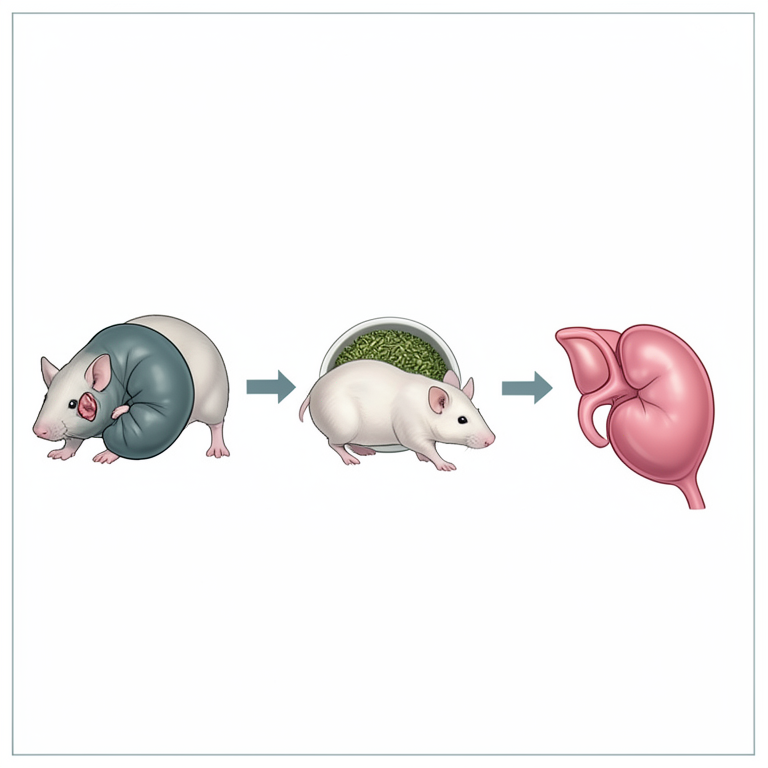
Experimental Workflow
AI-generated conceptual illustration (Sprague-Dawley rats and their kidneys). It explains the idea and does not show study data.
View source evidence ↗Figures & tables
From the original paper Table 1
 Table 2
 Table 3
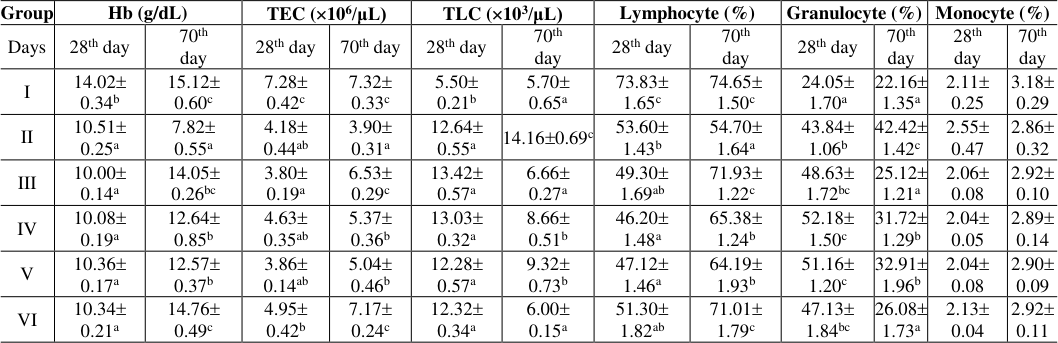 Table 3
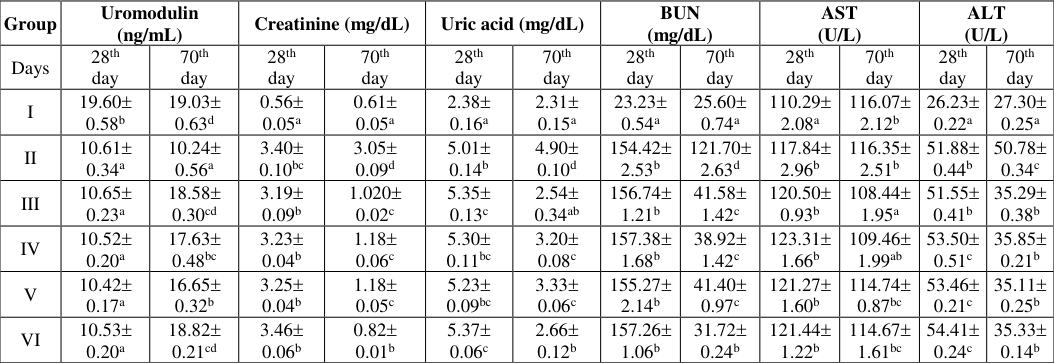 Table 4
 Table 5
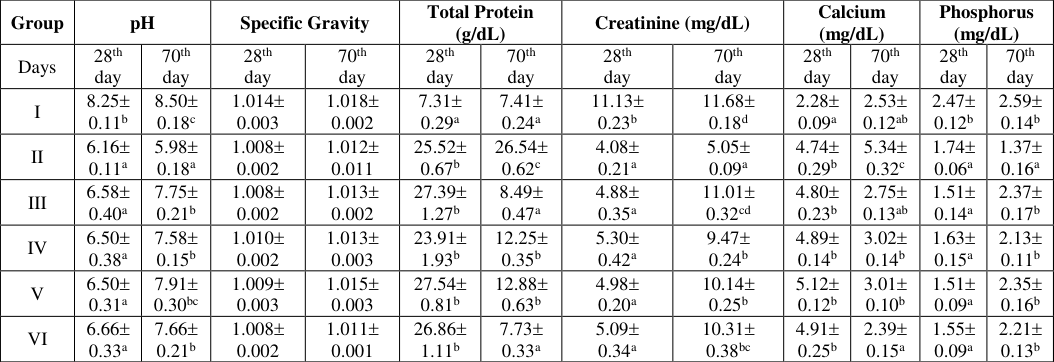 Table 5
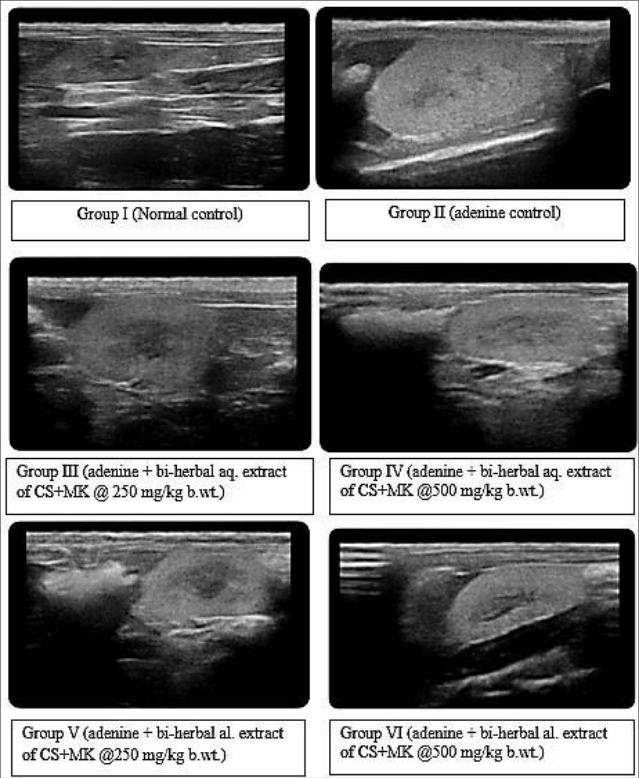 Figure 1
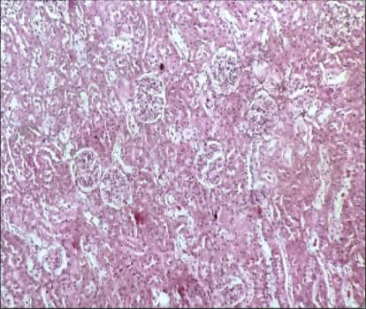 Figure 2
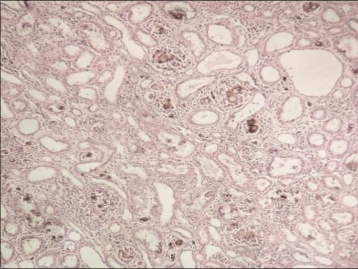 Figure 3
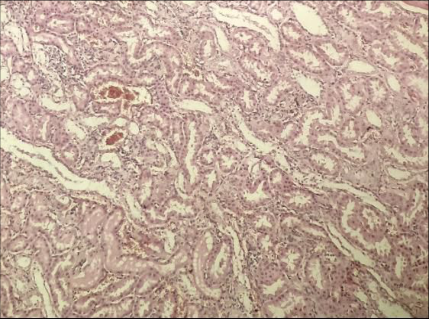 Figure 4
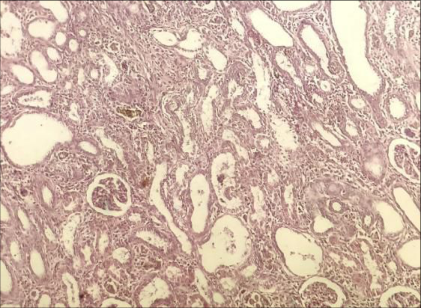 Figure 5
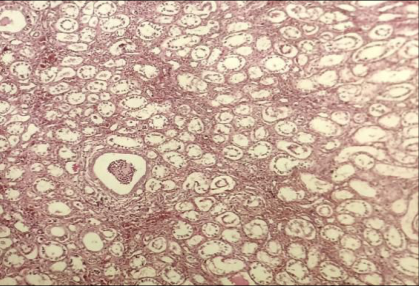 Figure 6
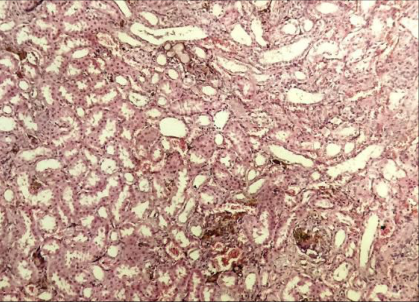 Figure 7
Introduction
The kidneys are the body's main organs for maintaining homeostasis, eliminating metabolic waste products like urea, creatinine, uric acid and ammonia, regulating extracellular fluid volume, blood pressure and controlling systemic pH (Chew et al., 2011) [3] . Chronic Kidney Disease is usually referred to as simply CKD, a condition characterized by the gradual reduction in a person's kidney function. CKD is diagnosed when structural abnormalities like CKD persist for three or more months. Additionally, CKD is further subclassified into six progressive stages: Stage 1, Stage 2, Stage 3A, Stage 3B, Stage 4, and Stage 5 depending on the results of GFR (glomerular filtration rate) testing (Qaseem et al., 2013) [19] . Animal models, like the rodent adenine diet model, are key in CKD research. This model mimics human CKD with rapid kidney damage, fibrosis, tubular atrophy and vessel calcification, providing insight into stable kidney and cardiovascular disease (Diwan et al., 2018) [4] . Coriandrum sativum L. belongs to the Umbelliferae family. It is commonly known as coriander, dhania in Hindi and dhana in Gujarati (Momin et al., 2012) [13] . It is well-known for having hepatoprotective, diuretic, carminative, digestive and antihelminthic properties.
Flavonoids and polyphenols are the main components of Coriandrum sativum, which is a source of phytochemicals with nephroprotective potential (Lakhera et al., 2015) [10] . Murraya koenigii, commonly known as the curry leaf tree, belongs to the genus Murraya within the citrus family Rutaceae. It is indigenous to South-East Asia and the Indian subcontinent. The leaves of this plant are widely referred to as "curry leaves" in English, "Mitho Limado" in Gujarati, and "Mitha Neem" in Hindi (Yankuzo et al., 2011) [26] . The plant is also reported to have antitumor (Ito et al., 2006) [9] , anti-inflammatory (Muthumani et al., 2009) [16] , hypoglycemic (Tembhurne and Sakarkar., 2009) [25] , antihyperglycemic (Phatak et al., 2019) [17] . Research involving Murraya koenigii leaf extract has demonstrated its ability to support normal kidney function, evidenced by stable urine volume, creatinine, urea, urea nitrogen, total protein, and sodium levels. In rodent models, this extract also proctected kidneys from injury caused by temporarily cutting off and then restoring blood flow (ischemiareperfusion). It appears to work by boosting the organ's antioxidant defenses, tempering excessive myeloperoxidase activity, and preserving the kidney's microscopic structure.
A number of rat studies have underscored the positive impact of Murraya koenigii extract in managing and mitigating kidney-related disorders. (Punuru et al., 2014) [18] . The present work explored whether using both water and alcohol-based extracts of coriander (Coriandrum sativum) and curry leaves (Murraya koenigii) could safeguard kidneys in male Sprague-Dawley rats with adenine-induced chronic kidney disease. To evaluate their effects, we tracked changes in blood parameters, serum chemistry and urine composition, performed kidney ultrasound scans and examined tissue samples under a microscope.
Materials and Methods
Materials and Methods
Experimental Animals
A total of 36 male Sprague-Dawley rats, aged 8-10 weeks, were procured from Zydus Research Centre in Ahmedabad and kept at the Small Animal Facility, Veterinary College, Kamdhenu University, Anand. All experimental procedures were approved by the Institutional Animal Ethics Committee (IAEC/373/VPT/2022) and conducted in accordance with CPCSEA guidelines.
Experimental Design
Group I received a standard diet (control), while Group II was given adenine (200 mg/kg, orally) for 28 days. Groups III, IV, V and VI were therapeutic groups that received adenine (200 mg/kg body weight, orally) once daily for 28 days to induce CKD, followed by oral administration of biherbal aqueous and alcoholic extracts of Coriandrum sativum and Murraya koenigii leaves for the next 42 days. Groups III and IV received bi-herbal aqueous extracts at doses of 250 and 500 mg/kg body weight, respectively, while Groups V and VI were administered bi-herbal alcoholic extracts of Coriandrum sativum and Murraya koenigii at the same respective doses.
Extraction of Plant Materials and Determination of
Ratio: Leaves of Coriandrum sativum and Murraya koenigii were shade-dried, ground into fine powder, and stored in airtight containers. For aqueous extracts, 100 g of each powder was soaked separately in 1 L of distilled water with shaking three times daily. Extracts were concentrated using a rotary evaporator at 50-60 °C under reduced pressure, then dried on a hot water bath until solvent evaporation was complete. Alcoholic extracts were prepared by Soxhlet extraction of 100 g of leaf powder with alcohol, concentrated similarly, and dried under the same conditions. All extracts were refrigerated at 4 °C until use. The aqueous and alcoholic extracts of CS and MK were mixed in a 1:1.5 ratio based on in-vitro nucleation assay results.
Observation of Clinical Symptoms and Mortality
Assessment: Throughout the entire experiment, group I to VI rats were daily observed for any abnormal physical or behavioral changes and also for any mortality incidence.
Feed Intake
To quantify feed intake, the amount of feed provided to each cage was measured and the leftover measured weekly throughout the study.
Body Weight
Body weights of animals across all groups I, II, III, IV, V, and VI was recorded one day prior to the start of the experiment (Day 0) and then recorded weekly from the first to the tenth week of the experimental period.
Hematological and Biochemical Assessment of Blood
Samples: Blood was collected on day 28 to confirm chronic kidney disease and 70th days of CKD induction (i.e., 42 nd day after treatment). Under light isoflurane anesthesia, blood was collected from each rat by a capillary tube inserted into the retro-orbital plexus. Approximately 1 mL of blood was collected in K3EDTA-coated test tubes for hematological analysis. The assessed hematological parameters included hemoglobin concentration (g/dL), total leukocyte count (TLC, 10³/μL), total erythrocyte count (TEC, 10⁶/μL), lymphocyte (%), granulocyte (%) and monocyte (%) levels, using an automated hematology analyzer (BC-2800 Vet, Mindray). Approximately 1.5 mL of blood was also drawn into centrifuge tubes without the use of anticoagulant agents and allowed to clot at room temperature (26 ± 2ºC). The clotted samples were centrifuged at 3000 rpm at 10°C for 15 minutes in an Eppendorf 5804 R centrifuge (Germany) to separate the serum, which was stored at -60°C for the estimation of biochemistry. Levels of serum uromodulin were estimated by an ELISA kit (MyBioSource, California, USA; Catalog No. MBS2024146). Other serum biochemistry parameters like creatinine (mg/dL), uric acid (mg/dL), blood urea nitrogen (BUN, mg/dL), aspartate aminotransferase (AST, U/L), alanine aminotransferase (ALT, U/L), total protein (g/dL), albumin (g/dL), calcium (mg/dL) and phosphorus (mg/dL) were estimated with the help of commercially available diagnostic kits with the help of a CKK 300 Clinical Chemistry Analyzer (Bangalore, India).
Collection of Urine Sample and Urine Analysis
Urine samples were collected from all experimental rats on the 28 th and 70 th days of the study. These samples were analyzed for qualitative parameters such as pH and specific gravity, along with biochemical parameters including urinary calcium, phosphorus, total protein and creatinine.
The analyses were performed using a Mindray BS-120 chemistry analyzer.
Ultrasonography
Ultrasonographic evaluations were performed on all experimental rats on day 28 th and 70 th using the Esaote MyLab40 VET system (Esaote Europe B.V., Philipsweg 1, 6227 AJ Maastricht, Netherlands). Real-time B-mode imaging of the kidneys was carried out using linear transducers with a frequency range of 3.5 to 12 MHz Pathological Examination: Gross and Histological Findings: On day 70 of the study, animals from the treatment groups were humanely sacrificed, and vital organs including the kidneys, liver, lungs, spleen and heart were harvested. Any visible pathological alterations were noted.
The collected tissues were preserved in 10% neutral buffered formalin and subsequently processed using the paraffin embedding method. Thin sections (5-6 µm) were prepared using an automated microtome (Leica, Germany) at the Department of Pathology. These tissue sections were then stained with Hematoxylin and Eosin (H&E) and examined under a microscope for histopathological evaluation.
Statistical Analysis
Data from the experiment were subjected to statistical analysis using a completely randomized design. One-way ANOVA was performed through IBM SPSS software (version 26.0) and group differences were deemed statistically significant at p<0.05. To identify specific group differences, Duncan's Multiple Range Test was applied. All values were reported as Mean ± Standard Error (SE).
Results
This study aimed to assess the therapeutic effects of aqueous and alcoholic bi-herbal extracts of Coriandrum sativum (CS) and Murraya koenigii (MK) in a rat model of adenineinduced chronic kidney disease (CKD). Findings from multiple evaluations including feed consumption, body weight, hematobiochemical tests, urine analysis, ultrasonography and histopathological examination are summarized here.
Clinical Monitoring and Assessments
Common and characteristic behavioral indicators offer important insights into the initiation, peak intensity and duration of the test drug's action, as well as the range of pharmacological actions produced. Rats in group I (control) maintained normal behavior throughout the study. In contrast, adenine control rats (Group II) exhibited several observed atypical behaviors comprised signs such as reduced strength, decreased activity, sluggishness, depressive-like symptoms, loose stools, fluid loss, coprophagy, excessive salivation, increased urination, and heightened thirst. Rats in groups III, IV, V and VI, which received bi-herbal extracts following adenine administration, showed some of the behavioral symptoms seen in group II exhibited symptoms including increased thirst, excessive urination and weakness, but their activity levels were relatively higher than those of the adenine control group.
Measurement of Feed Consumption
In the current study, the average feed consumption observed in the adenine control (group II), III, IV, V and VI was significantly less from week 1 to week 4 than the control group, However, after 28 th day (4 th week), treatment with aqueous and alcoholic bi-herbal extracts of CS and MK in groups III, IV, V and VI for 42 days (10 th week) shows significant improvement in feed intake as compared to adenine control demonstrate in Table 1.
| Group | 1st week | 2nd week | 3rd week | 4th week | 5th week | 6th week | 7th week | 8th week | 9th week | 10th week |
|---|---|---|---|---|---|---|---|---|---|---|
| I | 24.590.40b | 28.970.98c | 27.860.24c | 31.121.17b | 30.760.8e | 31.591.2d | 29.881.2d | 33.141.72e | 29.400.6d | 33.751.0d |
| II | 10.120.09a | 9.210.07a | 8.150.25a | 7.880.21a | 8.420.14a | 9.540.27a | 11.020.23a | 10.770.32a | 11.540.21a | 11.840.23a |
| III | 10.641.50a | 11.780.07ab | 12.290.86b | 10.260.04a | 16.920.7c | 18.620.38c | 21.500.07c | 22.520.34c | 22.780.93c | 26.860.29c |
| IV | 11.710.29a | 10.860.57ab | 10.500.93ab | 10.290.43a | 15.430.5ab | 16.070.0b | 17.210.6b | 16.290.8b | 16.710.2b | 18.000.1b |
| V | 10.481.37a | 10.551.02ab | 9.591.27ab | 10.180.96a | 15.000.2b | 15.000.2b | 16.180.3b | 16.650.7b | 17.170.8b | 17.890.6b |
| VI | 12.790.50a | 12.140.86b | 9.791.07ab | 8.610.62a | 20.000.1c | 20.500.36c | 22.700.58c | 28.070.9d | 28.680.4d | 32.160.0d |
Table text extracted from the original PDF; superscript letters are shown inline. The original table image is below.
View original table image
Body Weight Measurement
The mean value in the current experiment of body weight in adenine control (group II), III, IV, V and VI was significantly less from week 1 to week 4 than the control group, However, after 28 th day (4 th week), treatment with CS and MK bi-herbal alcoholic and aqueous extracts in groups III, IV, V and VI for 42 days (10 th week) shows significant increase in body weight as compared to the adenine control group shown in Table 2.
Haematological Analysis
Findings from the hematological analyses in different experimental and control groups on day 28 th and 70 th of the study have been presented in Table 3. Adenine administration for 28 days in groups II, III, IV, V and VI resulted in significant increase in total granulocyte, leukocyte count, while significant decrease in haemoglobin, total lymphocyte and erythrocyte count. Following CKD induction, groups III, IV, V and VI treated with aqueous and alcoholic bi-herbal leaf extracts of Coriandrum sativum and Murraya koenigii showed significant improved total erythrocyte count, haemoglobin and lymphocyte, while significantly reduced granulocyte and total leukocyte count as compared to adenine control group II. Notably, pronounced therapeutic effect was observed in rats treated with bi-herbal leaf extracts of Coriandrum sativum and Murraya koenigii prepared using aqueous and alcoholic solvents @ 250 mg/kg body weight, whereas the alcoholic bi-herbal extracts at 500 mg/kg body weight also demonstrated significant restoration of hematological parameters, closely resembling those of the normal control group.
Serum Biochemistry Analysis
The results of serum biochemistry analysis for the control and various experimental groups on day 28 th and 70 th of experiment have been presented in Table 4. Adenine administration for 28 days in groups II, III, IV, V and VI resulted in a significant increase uric acid, serum creatinine, BUN, alanine aminotransferase, aspartate aminotransferase and phosphorus, whereas a significant decrease in serum albumin, total protein, uromodulin and calcium. Following CKD induction, treatment with bi-herbal leaf extracts of Coriandrum sativum and Murraya koenigii prepared using aqueous and alcoholic solvents significantly reduced uric acid, serum creatinine, BUN, alanine aminotransferase and phosphorus, while significantly improving albumin, calcium, serum uromodulin and total protein as compared to adenine control rats. The result indicated that the bi-herbal aqueous and alcoholic extracts at 250 mg/kg and 250 mg/kg body weight respectively showed greater therapeutic efficacy.
Urine Analysis
Urine analysis findings for various experimental and control groups on day 28 th and 70 th of experiment have been presented in Table 5. Adenine was administered for 28 days in groups II, III, IV, V and VI resulted in a significant decrease in urine pH, urine creatinine and phosphorus, while significant increase in urine total protein and urine calcium. Following CKD induction, treatment with aqueous and alcoholic bi-herbal extracts of Coriandrum sativum and Murraya koenigii leaves significantly increased urine creatinine, urine pH and phosphorus, while significantly reduced urine urine calcium and total protein as compared to adenine control rats. Additionally, bi-herbal aqueous and alcoholic extracts @ 250 and 500 mg/kg b.wt., respectively demonstrated significant therapeutic efficacy in terms of urine parameter restoration.
| Group | Albumin (g/dL) | — | Total Protein (g/dL) | — | Calcium (mg/dL) | — | Phosphorus (mg/dL) | — |
|---|---|---|---|---|---|---|---|---|
| Days | 28th day | 70th day | 28th day | 70th day | 28th day | 70th day | 28th day | 70th day |
| I | 3.680.07b | 3.760.06c | 6.620.16b | 6.490.19b | 10.300.27b | 10.200.23c | 6.830.15a | 7.040.17a |
| II | 2.730.12a | 2.740.11a | 5.580.14a | 5.750.08a | 7.420.19a | 8.270.09a | 9.920.26b | 9.410.15c |
| III | 2.590.11a | 3.610.10bc | 5.430.04a | 6.520.11b | 7.850.09a | 10.060.23c | 11.000.05d | 8.740.09b |
| IV | 2.480.10a | 3.370.09b | 5.450.03a | 6.310.04b | 7.450.22a | 8.850.28ab | 10.510.08c | 8.430.17b |
| V | 2.570.08a | 3.380.10b | 5.480.04a | 6.360.05b | 7.570.18a | 8.960.62b | 10.260.06bc | 8.440.11b |
| VI | 2.480.07a | 3.520.09bc | 5.510.04a | 6.470.09b | 7.760.16a | 10.100.13c | 11.030.04d | 8.670.06b |
Table text extracted from the original PDF; superscript letters are shown inline. The original table image is below.
View original table image
Ultrasonographic Evaluation of the Kidney
Renal ultrasonography was performed on day 28 th and 70 th to assess kidney changes in all experimental rats. On day 28, in CKD induced rats, ultrasound examination showed the presence of several areas with increased echogenicity spots at the cortico-medullary junction along with a poorly defined cortico-medullary boundary. The kidneys exhibited parenchymal swelling, a more spherical shape with hypoechoic renal tissue and cortico-medullary junction appeared poorly defined on ultrasound. In contrast, rats in the normal control group showed a clearly defined corticomedullary junction. Following CKD induction in rats, the treatment with bi-herbal leaf extracts of Coriandrum sativum and Murraya koenigii obtained using aqueous and hydroalcoholic solvents demonstrated notable effectiveness in restoring ultrasonographic abnormalities observed in the kidney on day 70 th as showed in figure 1.
Histopathological Examination of Kidney
Adenine-induced groups showed pathological alterations including prominent tubular atrophy, cystic enlargement, extensive fibrotic changes, vascular congestion, presence of inflammatory exudates, and tubular degeneration casts on H&E staining. In contrast, groups III, IV, V and VI, which received bi-herbal leaf extracts of Coriandrum sativum and Murraya koenigii obtained using aqueous and hydroalcoholic solvents alongside adenine, exhibited noticeably fewer histopathological changes compared to the adenine control group. These findings are illustrated in Figures 2 to 7.
Discussion
The present observations on feed consumption were consistent with those reported by Diwan et al. (2017) [4] that the rats receiving dietary adenine treatment gradually consumed less feed as compared to normal control rats. Li et al. (2018) [12] , Rahman et al. (2018) [20] also reported that rats with adenine-induced chronic renal failure consumed less food. The present finding were in accordance with Diwan et al. (2017) [4] reported that adenine diet induced CKD in Wistar rat and there was gradual decrease in their feed consumption. Similarly, Rahman et al. (2018) [20] and Zhu et al. (2018) [28] also reported that there was decrease in feed intake of adenine induced chronic kidney disease in rats. The result of present experiment were in accordance with Singh et al. (2019) [23] reported that administration of Coriandrum sativum ethanolic extract at the dose of 200 mg/kg/day for 28 days, after gentamicin induced renal toxicity resulted in a significant increase in feed consumption. Body weight recorded in the present study were in accordance with the findings of Mori-Kawabe et al. (2015) [14] , Ali et al. (2014) [1] and Rahman et al. (2018) [20] reported that significant decrease in body weight following the adenine-induced CKD model in rats. The result of present experiment were in accordance with Singh et al. (2019) [23] reported that administration of Coriandrum sativum ethanolic extract at the dose of 200 mg/kg/day for 28 days, after gentamicin induced renal toxicity resulted in a significant increase in body weight. The present finding were in accordance with Munoz Abellan et al. (2019) [15] , Chang et al. (2017) [2] and Ali et al. (2014) [1] observed low haemoglobin and low erythropoietin (EPO) levels in adenine-treated rats. Ali et al. (2014) [1] founded that adenine-induced chronic kidney disease caused significant decreases in TEC. Chang et al. (2017) [2] and Muoz Abellan et al. (2019) [15] reported founded increase in white blood cell counts after adenine treatment, due to induced inflammation or iron deficiency in rats. The present finding were in accordance with Gehani et al. (2019) [7] founded that oral administration of bryophyllum calycinum and achyranthes aspera after adenine-induced chronic disease in rats significant increase in total erythrocyte count and lymphocytes, while significantly decrease in granulocytes and non-significant changes in mean values of monocytes. Similarly, Singh et al. (2022) [24] also observed significant increase in total erythrocyte count and significantly decrease in total leucocyte count in rats with adenine-induced chronic disease following oral administration of Bryophyllum calcynium and Boerhavia diffusa. Gomez-Flores et al, (2010) [8] founded that Coriandrum sativum leaf extract stimulated splenic lymphocyte proliferation significantly. The findings of the present study in accordance with other previously reported studies of Chang et al. (2017) [2] , Rivera-Valdes et al. (2017) [21] , Mori-Kawabe et al. (2015) [14] , Ghelani et al. (2019) [7] , Li et al. (2018) [12] , Zhu et al. (2018) [28] , Zhang et al. (2016) [27] and Diwan et al. (2017) [5] for various serum biochemical parameters. Seo et al. (2022) [22] who founded that serum uromodulin concentrations were significantly lower in dogs with chronic kidney disease (CKD) compared to a control group. The validity and applicability of our most recent discoveries in light of earlier research is increased by this synchronisation. The result of present experiment were in accordance with Kumar et al. (2011) founded that after administration of aqueous extract of Coriandrum sativum there was significant decrease serum creatinine in Profenofos-induced nephrotoxicity in Swiss albino mice. Similarly another study Gehani et al. (2019) [6] investigated that the therapeutic effects of Bryophyllum clycinum and Achyranthes aspera on adenine-induced CKD in Wistar rats and founded that bi-herbal extracts of both plants, lower mean values of BUN, uric acid, phosphorus and significantly increase the serum total protein in treatment group as compared to the adenine control group. After oral administration of Bryophyllum calcynium and Boerhavia diffusa in rats with adenine-induced chronic kidney disease there was significantly decrease ALT level (Singh et al,. 2022) [24] . The present finding were in accordance with Levey et al. (2003) [11] founded a correlation between chronic kidney disease and a decreased urine pH, suggesting that kidney damage contributes to urine acidification. Munoz Abellan et al. (2019) [15] observed a mild elevation in urine calcium, phosphorus and urine protein levels in adenine-treated rats at a dose of 200/mg/kg body weight. Ghelani et al. (2019) [7] observed decrease in urinary creatinine levels in a rat model of adenine-induced chronic kidney disease. The results of present experiment were in accordance with Singh et al. (2022) [24] observed significant decrease in urine total protein, urine calcium, while significant increase in urine creatinine level in rats with adenine-induced chronic kidney disease following oral administration of Bryophyllum calcynium and Boerhavia diffusa. Another experimental study revealed that administration of aqueous extract from the stem bark of Garcinia lucida vesque (clusiaceae) in adenine-induced chronic kidney disease in rats which causes decrease urine protein level while increase creatinine excretion and creatinine clearance (Sonfack et al., 2021). In contrast to present study Gehani et al. (2019) founded significant decrease in urine specific gravity after oral administration of Bryophyllum calycinum and Achyranthes aspera to rats with adenine-induced chronic kidney disease. The present findings were in accordance with Ali et al. (2016) [1] investigated the histopathology of adenine induced CKD in rat kidneys, which showed fibrosis, tubular lumen dilatation, and inflammation. The present findings align with Lakhera et al. (2015) [10] reported that treatment with ethanolic extract of Coriandrum sativum @200 and 400 mg/kg reduced renal histological lesions against gentamicininduced renal damage in rats. Similarly, Yankuzo et al. (2011) [26] reported that treatment with aqueous extract of Murraya koenigii @ 200 and 400 mg/kg reduced renal histological lesions, less matrix expansion and glomerular basement membrane thickening compared to the streptozotocin-induced diabetic male rats.
Conclusion
The aqueous and alcoholic bi-herbal extracts of Coriandrum sativum and Murraya koenigii leaves in the ratio of 1:1.5 given @ 250 mg/kg and 500 mg/kg b.wt., respectively, orally daily once for 42 days after induction of CKD was demonstrated therapeutic efficacy. This was substantiated by evaluating parameters such as body weight and feed consumption, urine assessment, heamato-biochemical analysis, histopathological evaluation and ultrasonographic examination. Notably, the alcoholic bi-herbal extracts exhibited greater effectiveness in comparison to the aqueous extracts. The findings from this study provide a promising path for future research endeavours in the field of CKD management and treatment.
Acknowledgement
AcknowledgementsThe authors are grateful to the Principal, College of Veterinary Science, and A.H., Kamdhenu University, Anand, for providing the necessary laboratory facilities and financial assistance for this study. The authors further acknowledge the Professor and Head of the Department of Veterinary Pathology for assistance with histological evaluations and the Department of Veterinary Physiology and Biochemistry for support in haemato-biochemical investigations and the Department of Veterinary Surgery and Radiology for conducting the renal ultrasonographic examinations.
Figures and tables from the paper
References
27 in the original paper- Chew DJ. Specific syndromes causing acute intrinsic renal failure. In: Chew DJ, DiBartola SP, Schenck PA, editors. Canine and Feline Nephrology and Urology. 2nd ed. Missouri: Elsevier; 2011. p. 93-144.
- Qaseem A, Hopkins RH Jr, Sweet DE, Starkey M, Shekelle P. Screening, monitoring, and treatment of stage 1 to 3 chronic kidney disease: a clinical practice guideline from the American College of Physicians. Ann Intern Med. 2013;159(12):835-847.
- Diwan V, Brown L, Gobe GC. Adenine-induced chronic kidney disease in rats. Nephrology. 2018;23(1):5-11.
- Momin AH, Acharya SS, Gajjar AV. Coriandrum sativum-review of advances in phytopharmacology. Int J Pharm Sci. 2012;3(5):1233.
- Lakhera A, Ganeshpurkar A, Bansal D, Dubey N. Chemopreventive role of Coriandrum sativum against gentamicin-induced renal histopathological damage in rats. Interdiscip Toxicol. 2015;8(2):99.
- Yankuzo H, Ahmed QU, Santosa RI, Akter SF, Talib NA. Beneficial effect of the leaves of Murraya koenigii (Linn.) Spreng (Rutaceae) on diabetes-induced renal damage in vivo. J Ethnopharmacol. 2011;135(1):88-94.
- Ito C, Itoigawa M, Nakao K, Murata T, Tsuboi M, Kaneda N, et al. Induction of apoptosis by carbazole alkaloids isolated from Murraya koenigii. Phytomedicine. 2006;13(5):359-365.
- Muthumani P, Venkatraman S, Ramseshu K, Meera R, Devi P, et al. Pharmacological studies of anticancer, anti-inflammatory activities of Murraya koenigii (Linn) Spreng in experimental animals. J Pharm Sci Res. 2009;1(3):137-141.
- Tembhurne SV, Sakarkar DM. Hypoglycemic effects of fruit juice of Murraya koenigii (L) in alloxan-induced diabetic mice. Int J PharmTech Res. 2009;1(4):15891593.
- Phatak RS, Khanwelkar CC, Matule SM, Datkhile KD, Hendre AS. Antihyperglycemic activity of Murraya koenigii leaves extract on blood sugar level in streptozotocin-nicotinamide induced diabetes in rats. Biomed Pharmacol J. 2019;12(2):597-602.
- Punuru P, Sujatha D, Kumari BP, Charisma VV. Evaluation of aqueous extract of Murraya koenigii in unilateral renal ischemia reperfusion injury in rats. Indian J Pharmacol. 2014;46(2):171.
- Diwan V, Brown L, Gobe GC. The flavonoid rutin improves kidney and heart structure and function in an adenine-induced rat model of chronic kidney disease. J Funct Foods. 2017;33(2):85-93.
- Li QM, Chena HR, Zha XQ, Lu CQ, Pan LH, et al. Renoprotective effect of Chinese chive polysaccharides in adenine-induced chronic renal failure. Int J Biol Macromol. 2018;106:988-993.
- Rahman A, Yamazaki D, Sufiun A, Kitada K, Hitomi H, et al. A novel approach to adenine-induced chronic kidney disease associated anemia in rodents. PLoS One. 2018;13(2):e0192531.
- Zhu CZ, Doyle KJ, Nikkel AL, Olsen L, Namovic MT, et al. Short-term oral gavage administration of adenine induces a model of fibrotic kidney disease in rats. J Pharmacol Toxicol Methods. 2018;94:34-43.
- Singh DM, Puri D, Sawhney SK, Barman M, Bhardwaj S, et al. Nephroprotective screening of Coriandrum sativum L. leaves against gentamicin-induced renaltoxicity in Wistar albino rats. J Basic Appl Pharm Netw. 2019;9(6):465-483.
- Mori-Kawabe M, Yasuda Y, Ito M, Matsuo S. Reduction of NO-mediated relaxing effects in the thoracic aorta in an experimental chronic kidney disease mouse model. J Atheroscler Thromb. 2015;22(8):845853.
- Ali BH, Al Za'abi M, Ramkumar A, Yasin J, Nemmar A. Anemia in adenine-induced chronic renal failure and the influence of treatment with gum acacia thereon. Physiol Res. 2014;63(3):351-358.
- Munoz Abellan C, Mangold-Gehring S, Micus S, Beddies G, Moritz A, et al. A novel model of chronic kidney disease in rats: dietary adenine in combination with unilateral nephrectomy. Kidney Dis. 2019;5(3):135-143.
- Chang XY, Cui L, Wang XZ, Zhang L, Zhu D, et al. Quercetin attenuates vascular calcification through suppressed oxidative stress in adenine-induced chronic renal failure rats. Biomed Res Int. 2017;2017:1-9.
- Gehani MT, Raval SK, Panchal MT, Rao N. Effect of herbal extracts of Bryophyllum calycinum and Achyranthes aspera on serum biochemical profile of rats having adenine-induced chronic kidney disease. Int J Vet Sci Biotechnol Tech. 2019;15(2):1-5.
- Singh M, Raval SK, Parikh PV, Mandali GC, Bhanderi BB. Effect of extracts of Boerhavia diffusa and Bryophyllum calycinum on serum uromodulin and biochemical profile of rats having adenine-induced chronic kidney disease. Int J Vet Sci Biotechnol Tech. 2022;18(1):39-44.
- Gomez-Flores R, Hernández-Martínez H, TamezGuerra P, Tamez-Guerra R, Quintanilla-Licea R, et al. Antitumor and immunomodulating potential of Coriandrum sativum. J Nat Prod. 2010;3:54-63.
- Rivera-Valdés JJ, Garcia-Banuelos J, Salazar-Montes A, Garcia-Benavides L, Rosales-Dominguez A, et al. Human adipose derived stem cells regress fibrosis in a chronic renal fibrotic model induced by adenine. PLoS One. 2017;12(12):e0187907.
- Ghelani H, Razmovski-Naumovski V, Chang D, Nammi S. Chronic treatment of curcumin improves hepatic lipid metabolism and alleviates the renal damage in adenine-induced chronic kidney disease in Sprague-Dawley rats. BMC Nephrol. 2019;20(1):1-3.
- Zhang ZH, Chen H, Vaziri ND, Mao JR, Zhang L, et al. Metabolomic signatures of chronic kidney disease of diverse etiologies in the rats and humans. J Proteome Res. 2016;15(10):3802-3812.
- Seo D, Yang Y, Hwang SH, Jung JH, Cho S, et al. Serum uromodulin in dogs with chronic kidney disease. J Vet Intern Med. 2022;36(6):2071-2078.