
Research article · 2025 · Full text
International Journal of Biology SciencesTiny microplastics tremendous perils: Exploring the health burden of microplastics
Volume 7(6) · Pages 34–39 · DOI: 10.33545/26649926.2025.v7.i6a.352 ↗
Research areasMicroplastics and Plastic PollutionRecycling and Waste Management Techniquesbiodegradable polymer synthesis and properties
Abstract
Author-writtenMicroplastics, defined as plastic particles smaller than 5 millimetres, have raised environmental concerns due to their widespread distribution and potential health risks. This abstract aims to provide a comprehensive overview of the health impacts of microplastics and their systemic toxic effects. The research objective is to understand the mechanisms of toxicity and the specific health conditions associated with microplastic exposure. The methodology includes a review of relevant studies and scientific observations. The key findings reveal that microplastics can lead to respiratory issues, gastrointestinal dysbiosis, hepatotoxicity, renal toxicity, cardiovascular diseases, neurotoxicity, reproductive and developmental toxicity, endocrine disruptions, hormonal imbalances, metabolic disruptions, and is a potential carcinogen. The main implications are the need for reducing plastic consumption, improving waste management, promoting biodegradable alternatives, and implementing stringent policies to curb microplastic production. Overall, this research emphasizes the importance of addressing the health risks posed by microplastics and implementing effective mitigation strategies.
Summary
Source-checkedPlain-language reading of the full paper, prepared with AI and checked against the text. Each point links to the authors' own words.
Why it matters
- Microplastics are plastic particles smaller than 5 millimeters that are widely distributed in the environment and pose potential risks to human health. View evidence ↗
- There are two types of microplastics: primary microplastics, which are intentionally manufactured as pellets, and secondary microplastics, which result from the fragmentation of larger plastic items. View evidence ↗
- Humans are exposed to microplastics through several pathways, including eating contaminated food and water, breathing airborne particles, skin contact, and across the placenta. View evidence ↗
The question
- The objective of this review is to identify the specific health conditions and the biological mechanisms of toxicity caused by exposure to microplastics. View evidence ↗
What they did
- The authors conducted a comprehensive review of existing scientific observations and relevant published studies. View evidence ↗
What they found
- Microplastics bioaccumulate in the body and cause molecular-level damage, including oxidative stress, DNA damage, and programmed or uncontrolled cell death. View evidence ↗
- In airway organoids, exposure to 50 μg/mL of microplastics reduced the expression of the lung injury biomarker SCGB1A1 by 40%. View evidence ↗
- Microplastic-induced small intestinal bacterial overgrowth (SIBO) can reduce the uptake of fat-soluble vitamins (A, D, E, and K) by 60%. View evidence ↗
- In the liver, microplastics generate reactive oxygen species that deplete antioxidant defenses, such as glutathione, by 30% to 50%. View evidence ↗
- Microplastics in the kidney's proximal tubules disrupt protein folding and activate caspase-3, increasing cell apoptosis by 40% to 60%. View evidence ↗
- Exposure to 1 μm polystyrene microplastics in kidney organoids reduced the formation of nephrons by 30% by inhibiting progenitor cell differentiation. View evidence ↗
- Kidney cells exposed to microplastics exhibit a 35% reduction in the activity of superoxide dismutase (SOD). View evidence ↗
- Nanoplastics are capable of crossing the blood-brain barrier (BBB), leading to accumulation in brain tissue and direct damage to neurons. View evidence ↗
- Microplastics cause hormonal imbalances and endocrine disruption by mimicking hormones or acting as carriers for endocrine-disrupting chemicals. View evidence ↗
- Because microplastics can cause genomic instability and DNA damage, they are considered potential carcinogens. View evidence ↗
What it means
- The authors recommend reducing plastic use, improving waste management, using biodegradable alternatives, and enacting strict policies to limit microplastic production. View evidence ↗
- Protecting human health and the environment requires bridging current knowledge gaps regarding microplastic impacts and implementing robust regulatory strategies. View evidence ↗
Visual summary
2 visualsIllustrations explain the paper; they do not show study data.
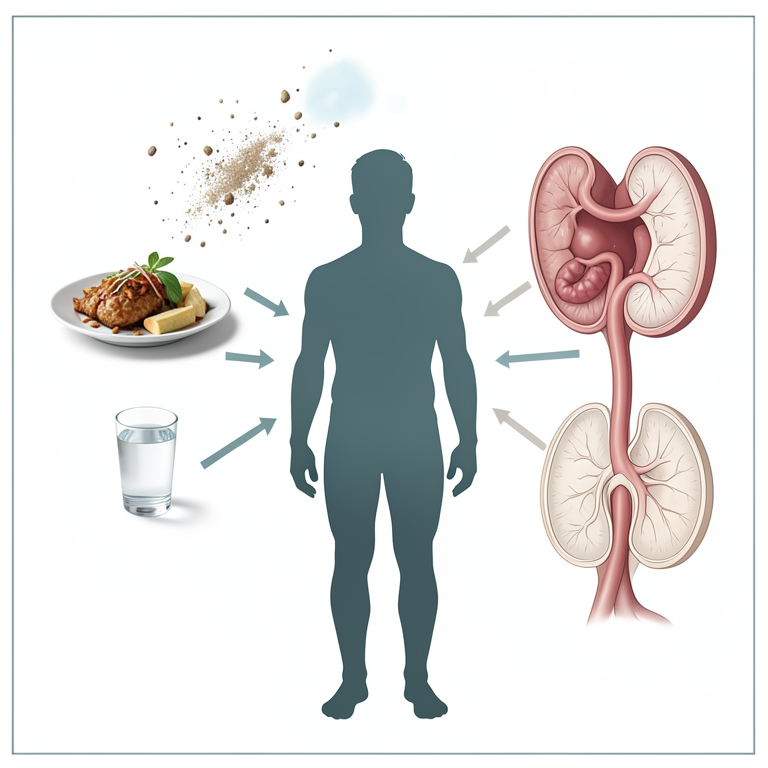
Human Exposure Pathways
AI-generated conceptual illustration (human body and environmental sources). It explains the idea and does not show study data.
View source evidence ↗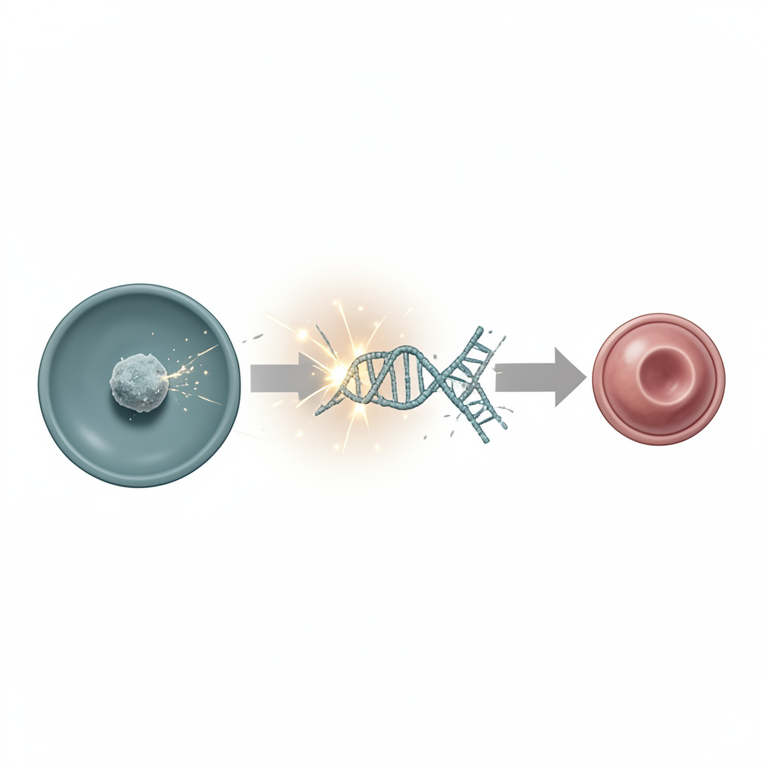
Molecular Toxicity Cascade
AI-generated conceptual illustration (human lung epithelial cells and microplastic particles). It explains the idea and does not show study data.
View source evidence ↗Introduction
Microplastics, defined as plastic particles smaller than 5 millimeters, have raised environmental concerns since their detection in the 1960s and 1970s. Early scientific observations identified these particles in surface waters and in the stomachs of birds and fish (Carpenter et al., 1972; Colton Jr, J. B., et al., 1974) [4,8] . Microplastics are divided into two types-Primary Microplastics and Secondary Microplastics. Primary microplastics are consciously made, as pellets for the effective addition of polymers across various daily-use products. Secondary microplastics are produced when bigger plastic things, such as bottles, bags, and packaging materials, break down and fragment. Thompson et al., 2004 [50] encompasses microplastics as small debris originating from the breakdown of larger items, microbeads in cosmetics, and synthetic fibers from textiles. These particles persist across marine and terrestrial ecosystems, raising issues due to their widespread distribution. Plastics break down mechanically due to environmental factors like wind and water movements, which also cause plastics to rub up against rocks and sand along coastal shores. Thermal degradation occurs as a result of higher temperatures. Heat causes the polymeric chains in plastics to break down, generating a series of radicals, culminating in alkoxy radicals. Human activities, primarily industrial ones, cause chemical degradation because factory fumes interact with the environment and precipitate as acid rain. Prolonged exposure of plastic litter on terrestrial soil or along coastal shorelines to increased ultraviolet (UV) radiation accelerates the degradation of plastic. Microbes like worms that produce wax or other kinds of decomposers are responsible for the microbial degradation (El-Naggar). Pathways for microplastic entry into the human body include ingestion through contaminated food and water, inhalation of airborne particles, dermal contact and even congenital through placenta (Yang, Z., et al., 2023) [57] .
Health risks seem to vary based on age, occupation, and geography, while long-term ecological impacts include physical harm, ingestion, and Physiological disruptions among marine and terrestrial species, ultimately affecting biodiversity and ecosystem functioning (Patil, P. B., et al., 2022; van Raamsdonk, L.W., et al., 2020) [31,53] . [16,19,23] . Emerging studies document the presence of microplastics in various organs, tissues, blood, sputum, faecal matter, placenta and even milk, (Enyoh, C. E., et al., 2023) [14] and research shows that these particles Bioaccumulate and interact at the molecular level, initiating oxidative stress, DNA damage, and cell apoptosis and necrosis (Płuciennik, K., et al., 2024; Bristow, P. T. 2024) [35,3] . These interactions have been confirmed by elevated reactive oxygen species (ROS) and inflammatory markers in exposed tissues (Das, A. 2023) [9] . Although dose-response relationships remain incompletely understood, early studies suggest more severe effects with higher concentrations (Bobori, D.C., et al., 2022) [1] . Variability in microplastic size, shape, and chemical composition are observed and have variable effects on organisms. Smaller particles can penetrate deeper into tissues and certain chemical additives amplify toxic effects (Piccardo, M., et al., 2020; Lozano, Y. M., et al., 2021) [34,27] . Vulnerable populations such as children, pregnant women, and elderly may suffer different impacts, with evidence indicating that children and pregnant women are susceptible given their physiological and developmental vulnerabilities (Sripada, K., et al., 2022) [46] .
Health Impacts of Microplastics
Health Impacts of Microplastics
Bioaccumulation and Particle Size-Dependent Toxicity
Smaller microplastic particles, including nanoplastics, are more likely to penetrate and cross biological barriers, bioaccumulating within tissues, leading to chronic exposure. Research has emphasized that particle size and composition are critical factors determining bioaccumulation and toxicity. This particle size-dependent toxicity, influenced by shape and surface characteristics, further disrupts normal cellular functions and overall organism health. ( [39, 63, 34] .
Cellular and Molecular Mechanisms of Toxicity
Microplastics generate reactive oxygen species (ROS) leading to oxidative stress that damages cellular lipids, proteins, and DNA. Studies report elevated levels of oxidative stress markers in tissues exposed to microplastics, correlating with increased disease incidences (Płuciennik, K., et al., 2024; Kadac-Czapska, K., et al., 2024) [35] . Exposure to microplastics has been linked to genotoxic effects, including DNA damage and mutations, which may contribute to cancer development. Detailed analyses have documented significant increases in micronucleus formation and comet assay tail lengths in exposed cells (Çobanoğlu, H., et al., 2021; Tang, K. H. D. 2025) [7,49] . Through both direct physical interactions and the leaching of toxic additives, microplastics can induce DNA damage and mutations. These genotoxic effects may lead to chromosomal aberrations and genomic instability (Sendra, M., et al., 2021) [41] . Microplastics can trigger cell apoptosis (programmed cell death) and necrosis (uncontrolled cell death), resulting in tissue damage and inflammation. Specific pathways such as mitochondrial and death receptor pathway, have been identified in various tissue types (Umamaheswari, S., et al., 2021) [52] . The induction of apoptosis and necrosis by microplastics involves mitochondrial damage, caspase activation, and disruptions in cellular membrane integrity. These cellular events culminate in tissue damage and organ dysfunction (Das, A. 2023; Liu, H., et al., 2024) [9,26] . By altering cytokine production and other immune markers, microplastics provoke immune dysregulation that increases susceptibility to infections as well as autoimmune conditions. Microplastics interfere with immune system function by modifying cytokine production, impairing phagocytosis, and promoting inflammation. This immune dysregulation increases susceptibility to respiratory and gastrointestinal ailments (Yang, W., et al., 2022; Lu, K., et al., 2021) [56,42] . The development of immune modulators, improper immune cell activation, and persistent cell damage may all be factors in MP-induced autoimmune diseases. The result of this sequence of events would be the production of antibodies against self-antigens. Furthermore, autoimmune rheumatic disease and systemic lupus erythematosus have been connected to microplastic exposure (Lihua, C., & Zhiyin, T. 2023; Kakar, A., 2024) [25,21] . Microplastics stimulate the release of pro-inflammatory cytokines-including TNF-α, IL-6, and IL-1β-by immune cells, which can lead to chronic inflammation and immune dysregulation. The intensity of the inflammatory response is influenced by microplastic concentration, type, and particle size, with smaller particles typically inducing stronger reactions. Prolonged exposure may consequently result in more severe damage (Pechiappan, H. 2021; Pulvirenti, E., et al., 2022) [32,38] .
Systemic Toxic Effects 2.3.1 Respiratory Toxicity
Microplastics accumulate in lung tissue due to their size (1-10 μm) and persistence (Saha, S. C., & Saha, G. 2024) [40] . This physical presence disrupts pulmonary surfactantsessential lipid-protein complexes that reduce surface tension in alveoli (Lu, K) (Faris Naser Murad et al., 2024) [64] . Studies on airway organoids show microplastics penetrate cellular layers, reducing SCGB1A1 gene expression (a biomarker of lung injury) by 40% at 50 μg/mL exposures (Li, Y). Inhaled microplastics can cause respiratory issues such as lung inflammation and pulmonary fibrosis. Documented evidence includes lung function impairment and elevated inflammatory markers like IL-6 and TNF-α (Prata, J. C. 2018; Saha, S. C., & Saha, G. 2024) [36,40] .
Gastrointestinal Dysbiosis
Microplastics accumulate in intestinal tissues, damaging epithelial cells and reducing mucin secretion, which weakens the protective mucus layer (FAO. 2023; Bora, S.S., et al., 2024) [15,2] . Rough surfaces of particles like PET microplastics promote bacterial adhesion and biofilm formation, altering microbial colonization patterns which disrupt gastrointestinal (GI) homeostasis by altering microbial communities and damaging intestinal structures, leading to dysbiosis. This disruption triggers cascading effects on digestion, nutrient absorption, and systemic health (Tamargo, A., et al., 2022; Bora, S.S., et al., 2024) [48,2] . Microplastics stimulate dendritic cells and macrophages, triggering TNF-α and IL-6 release. This inflammation damages tight junctions, increasing intestinal permeability ("leaky gut") (Bora, S.S., et al., 2024) [2] . Small intestinal bacterial overgrowth (SIBO) reduces fat-soluble vitamin uptake (Vitamins A/D/E/K) by 60% (Singh, R., et al., 2021). Microplastics alter gut-brain axis signalling which leads to bloating, constipation, or diarrhoea (Sofield, C. E., et al., 2024) [44] . Microplastics deplete glutathione (key antioxidant) by 35%, causing cellular damage (Bora, S.S., et al., 2024) [2] .
Hepatotoxicity and Renal Toxicity
Microplastics (MPs) induce hepatotoxicity and renal toxicity through interconnected biological pathways, with emerging evidence highlighting their capacity to disrupt cellular function, trigger inflammation, and promote fibrosis in these vital organs. Microplastics generate reactive oxygen species (ROS) in hepatocytes, depleting antioxidant defences (e.g., glutathione) by 30-50%. This redox imbalance damages mitochondrial membranes, impairing fatty acid oxidation and leading to lipid peroxidation (Goodman, K. E., et al., 2022; Chiang, C. C., et al., 2024) [18,6] . Microplastics penetrate hepatocytes, causing nuclear and mitochondrial DNA damage (Shen, R., et al., 2022) [42] . MPs alter gut microbiota composition, increasing pathogenic bacteria that produce endotoxins. These toxins translocate to the liver via the portal vein, activating Kupffer cells and promoting metabolic dysfunction-associated steatohepatitis (MASH) (Chiang, C. C., et al., 2024; Zhou, L., et al., 2025) [6,60] . MPs accumulate in renal tubular cells, inducing endoplasmic reticulum (ER) stress via PERK and ATF6 pathways. This disrupts protein folding, activating caspase-3 and increasing apoptosis by 40-60% in proximal tubules (Wang, Y.L., et al., 2021; Wang, W., et al., 2023) [54,55] . Chronic microplastic exposure in mice causes glomerular collapse and tubular atrophy 50% elevation in α-SMA and collagen IV markers. In kidney organoids, 1 μm polystyrene MPs inhibit nephron progenitor cell differentiation, reducing nephron formation by 30% (La Porta, E., et al., 2023; Zhou, B., et al., 2024) [22,60] . Kidney cells exposed to microplastics show 35% reduction in superoxide dismutase (SOD) activity and increase in pro-inflammatory cytokines (IL-1β, TGF-β) (La Porta, E., et al., 2023) [22] .
Cardiovascular diseases
Microplastics contribute to cardiovascular diseases (CVD) through several mechanisms, primarily involving oxidative stress, inflammation, and endothelial dysfunction. MPs and NPs stimulate inflammatory responses in endothelial cells, promoting the release of pro-inflammatory cytokines like TNF-α and IL-6. Chronic inflammation weakens blood vessel walls, enhancing the risk of atherosclerosis and plaque formation. Endothelial dysfunction impairs vasodilation and increases blood pressure, further contributing to cardiovascular risk. Micro-and nanoplastics have been found in thrombi and atherosclerotic plaques, suggesting they may promote platelet aggregation and thrombosis. This increases the likelihood of cardiovascular events such as heart attacks and strokes (Prattichizzo, F., et al., 2024) [37] .
Neurotoxicity
Nanoplastics can breach the BBB, allowing them to accumulate in brain tissues and cause direct neuronal damage. This penetration increases the risk of neurodegenerative disorders (Ehsanifar, M., & Yavari, Z. 2025) [13] . Nano and Microplastics alter neurotransmitter synthesis and release, affecting serotonergic, glutamatergic, dopaminergic, and GABAergic systems. This disruption leads to abnormal neurotransmission, impacting cognitive function and behaviour (Yu, Y) (Aldhalemi AA et al., 2024) [61] . Micro and Nanoplastics induce apoptosis in neurons, contributing to neurodegeneration and functional impairments (Ehsanifar, M., & Yavari, Z. 2025) [13] . They may exacerbate conditions like Alzheimer's and Parkinson's by promoting oxidative stress and inflammation (Sun, J., et al., 2024) [47] . Exposure to nano and microplastics activates immune cells in the brain, releasing pro-inflammatory cytokines like TNFα and IL-6. Chronic inflammation damages neural structures and promotes neurodegenerative diseases (Ehsanifar, M., & Yavari, Z. 2025) [13] .
Reproductive and Developmental Toxicity
Microplastics cause reproductive and developmental toxicity through several mechanisms, primarily involving oxidative stress, inflammation, and disruption of endocrine functions. Oxidative stress in both male and female reproductive systems, impair fertility and increases the risk of reproductive dysfunctions (Peng, Y., & He, Q. 2024; Dubey, I., et al., 2022) [33,12] . Exposure to MPs triggers inflammation in reproductive organs, which can disrupt hormone production and regulation. This endocrine disruption affects gonadotropin release and steroidogenesis, altering reproductive cycles and fertility. MPs cause apoptosis in reproductive cells, including oocytes and spermatozoa, reducing reproductive capacity. In female models, MPs have been shown to impair follicle development and oocyte maturation, leading to reduced ovarian reserve. (Geng, Y., et al., 2023; Peng, Y., & He, Q. 2024) [33] .
Endocrine Disruptions and Hormonal Imbalances
Microplastics lead to endocrine disruption and hormonal imbalance primarily through their role as carriers of endocrine-disrupting chemicals (EDCs) and their ability to mimic hormones, thereby interfering with normal endocrine functions and trigger reproductive, developmental, and metabolic disorders. The long-term consequences of such imbalances include an elevated risk for cancers, obesity, diabetes, and fertility issues (Maradonna, F., et al., 2022) [30] . Microplastics disrupt various hypothalamic axes, including the hypothalamic-pituitary-thyroid (HPT), hypothalamicpituitary-adrenal (HPA), and hypothalamic-pituitarygonadal (HPG) axes. This disruption affects hormone regulation, leading to reproductive and developmental issues (Ullah, S., et al., 2023) [51] .
Metabolic Disruptions
Microplastics disrupt key metabolic processes, including lipid metabolism, glucose homeostasis, and insulin signalling pathways, potentially leading to obesity, diabetes, and other metabolic disorders. Microplastic pollutants can lead to metabolic problems such as dyslipidemia, glucose imbalances, fatty liver, and neuroendocrine disturbances by interfering with tissue and hormone transmission (Cheng, W., et al., 2022; Zheng, P. C., et al., 2024; Solleiro-Villavicencio, et al., 2020) [5,59,45] .
Carcinogenicity
The combined genotoxic and inflammatory effects of microplastics provide a plausible basis for potential carcinogenicity. Although direct epidemiological evidence is still emerging, microplastics are capable of causing DNA damage and genomic instability, which suggests a risk of cancer development (Domenech, J., et al., 2023; Ding, R., et al., 2024) [11,10] .
Mitigation Strategies
Mitigation approaches prioritize reducing overall plastic use, improving waste management, promoting biodegradable alternatives, and implementing stringent policies to curb microplastic production. Reducing plastic consumption can lower waste that degrades into microplastics across diverse environments. Enhanced recycling programs, robust waste collection systems, and stricter plastic disposal regulations are critical steps. Biodegradable alternatives offer environmental and economic advantages by lessening persistent plastic waste; however, their effectiveness depends on proper disposal and natural degradation conditions. Successful policy implementation involves bans on selected single-use plastics, incentives for sustainable materials, and public education campaigns.
Conclusion
Microplastics pose significant health risks due to their persistence and capacity for human exposure. An improved understanding of their health impacts, bridging existing knowledge gaps, and the implementation of robust regulatory and mitigation strategies are essential to protect both human health and the environment. Research demonstrates that microplastics can provoke oxidative stress, inflammation, and translocation across tissues, ultimately contributing to various health issues. As contaminated ecosystems continue to reveal the severe impacts of microplastics, collaborative efforts spanning policy, technology, and community initiatives is crucial for effective intervention. Moving forward, enhanced international cooperation, stricter regulatory measures, and innovative technologies is instrumental in mitigating the pervasive challenges posed by microplastic pollution.
References
63 in the original paper- Bobori DC, Feidantsis K, Dimitriadi A, Datsi N, Ripis P, Kalogiannis S, et al. Dose-dependent cytotoxicity of polypropylene microplastics (PP-MPs) in two freshwater fishes. Int J Mol Sci. 2022;23(22):13878.
- Bora SS, Gogoi R, Sharma MR, Anshu, Borah MP, Deka P, et al. Microplastics and human health: unveiling the gut microbiome disruption and chronic disease risks. Front Cell Infect Microbiol. 2024;14:1492759.
- Carpenter EJ, Anderson SJ, Harvey GR, Miklas HP, Peck BB. Polystyrene spherules in coastal waters. Science. 1972;178(4062):749-750.
- Cheng W, Li X, Zhou Y, Yu H, Xie Y, Guo H, et al. Polystyrene microplastics induce hepatotoxicity and disrupt lipid metabolism in the liver organoids. Sci Total Environ. 2022;806:150328.
- Chiang CC, Yeh H, Shiu RF, Chin WC, Yen TH. Impact of microplastics and nanoplastics on liver health: current understanding and future research directions. World J Gastroenterol. 2024;30(9):1011.
- Çobanoğlu H, Belivermiş M, Sıkdokur E, Kılıç Ö, Çayır A. Genotoxic and cytotoxic effects of polyethylene microplastics on human peripheral blood lymphocytes. Chemosphere. 2021;272:129805.
- Colton JB Jr, Burns BR, Knapp FD. Plastic particles in surface waters of the northwestern Atlantic: the abundance, distribution, source, and significance of various types of plastics are discussed. Science. 1974;185(4150):491-497.
- Das A. The emerging role of microplastics in systemic toxicity: involvement of reactive oxygen species (ROS). Sci Total Environ. 2023;895:165076.
- Ding R, Chen Y, Shi X, Li Y, Yu Y, Sun Z, et al. Sizedependent toxicity of polystyrene microplastics on the gastrointestinal tract: oxidative stress related-DNA damage and potential carcinogenicity. Sci Total Environ. 2024;912:169514.
- Domenech J, Annangi B, Marcos R, Hernández A, Catalán J. Insights into the potential carcinogenicity of micro-and nano-plastics. Mutat Res Rev Mutat Res. 2023;791:108453.
- Dubey I, Khan S, Kushwaha S. Developmental and reproductive toxic effects of exposure to microplastics: a review of associated signaling pathways. Front Toxicol. 2022;4:901798.
- Ehsanifar M, Yavari Z. Neurotoxicity following exposure to micro and nanoplastics. OBM Neurobiol. 2025;9(1):1-20.
- Enyoh CE, Devi A, Kadono H, Wang Q, Rabin MH. The plastic within: microplastics invading human organs and bodily fluids systems. Environments. 2023;10(11):194.
- Food and Agriculture Organization of the United Nations (FAO). The impact of microplastics on the gut microbiome and health -a food safety perspective. Food Safety and Quality Series, No. 21. Rome: FAO; 2023. Available from: https://doi.org/10.4060/cc5294en
- Fontes BLM, de Souza e Souza LC, da Silva de Oliveira APS, da Fonseca RN, Neto MPC, Pinheiro CR. The possible impacts of nano and microplastics on human health: lessons from experimental models across multiple organs. J Toxicol Environ Health B. 2024;27(4):153-187.
- Geng Y, Liu Z, Hu R, Huang Y, Li F, Ma W, et al. Toxicity of microplastics and nanoplastics: invisible killers of female fertility and offspring health. Front Physiol. 2023;14:1254886.
- Goodman KE, Hua T, Sang QXA. Effects of polystyrene microplastics on human kidney and liver cell morphology, cellular proliferation, and metabolism. ACS Omega. 2022;7(38):34136-34153.
- Hasan AM, Hamed M, Hasan J, Martyniuk CJ, Niyogi S, Chivers DP. A review of the neurobehavioural, physiological, and reproductive toxicity of microplastics in fishes. Ecotoxicol Environ Saf. 2024;282:116712.
- Kadac-Czapska K, Ośko J, Knez E, Grembecka M. Microplastics and oxidative stress-current problems and prospects. Antioxidants. 2024;13(5):579.
- Kakar A, Batra T, Kumar R. Autoimmune diseases and microplastic pollution: joining the dots. Indian J Med Spec. 2024;15(2):79-80.
- La Porta E, Exacoustos O, Lugani F, Angeletti A, Chiarenza DS, Bigatti C, et al. Microplastics and kidneys: an update on the evidence for deposition of plastic microparticles in human organs, tissues and fluids and renal toxicity concern. Int J Mol Sci. 2023;24(18):14391.
- Lee H, Park J, Hong T, Song G. Impact and mechanisms of microplastics and nanoplastics on the reproductive system. Mol Cell Toxicol. 2024;1-12.
- Li Y, Tao L, Wang Q, Wang F, Li G, Song M. Potential health impact of microplastics: a review of environmental distribution, human exposure, and toxic effects. Environ Health. 2023;1(4):249-257.
- Lihua C, Zhiyin T. Microplastics aggravate rheumatoid arthritis by affecting the proliferation/migration/inflammation of fibroblast-like synovial cells by regulating mitochondrial homeostasis. Int Immunopharmacol. 2023;120:110268.
- Liu H, Li H, Chen T, Yu F, Lin Q, Zhao H, et al. Research progress on micro (nano) plastic-induced programmed cell death associated with disease risks. Toxics. 2024;12(7):493.
- Lozano YM, Lehnert T, Linck LT, Lehmann A, Rillig MC. Microplastic shape, polymer type, and concentration affect soil properties and plant biomass. Front Plant Sci. 2021;12:616645.
- Lu K, Lai KP, Stoeger T, Ji S, Lin Z, Lin X, et al. Detrimental effects of microplastic exposure on normal and asthmatic pulmonary physiology. J Hazard Mater. 2021;416:126069.
- Lu K, Zhan D, Fang Y, Li L, Chen G, Chen S, et al. Microplastics, potential threat to patients with lung diseases. Front Toxicol. 2022;4:958414.
- Maradonna F, Vandenberg LN, Meccariello R. Endocrine-disrupting compounds in plastics and their effects on reproduction, fertility, and development. Front Toxicol. 2022;4:886628.
- Patil PB, Maity S, Sarkar A. Potential human health risk assessment of microplastic exposure: current scenario and future perspectives. Environ Monit Assess. 2022;194(12):898.
- Pechiappan H. Effects of nano-and microplastics on inflammatory responses in macrophages in vitro [master's thesis]. Trondheim: NTNU; 2021.
- Peng Y, He Q. Reproductive toxicity and related mechanisms of micro (nano) plastics in terrestrial mammals: Review of current evidence. Ecotoxicol Environ Saf. 2024;279:116505.
- Piccardo M, Provenza F, Grazioli E, Cavallo A, Terlizzi A, Renzi M. PET microplastics toxicity on marine key species is influenced by pH, particle size and food variations. Sci Total Environ. 2020;715:136947.
- Płuciennik K, Sicińska P, Misztal W, Bukowska B. Important factors affecting induction of cell death, oxidative stress and DNA damage by nano-and microplastic particles in vitro. Cells. 2024;13(9):768.
- Prata JC. Airborne microplastics: consequences to human health? Environ Pollut. 2018;234:115-126.
- Prattichizzo F, Ceriello A, Pellegrini V, La Grotta R, Graciotti L, Olivieri F, et al. Micro-nanoplastics and cardiovascular diseases: evidence and perspectives. Eur Heart J. 2024;45(38):4099-4110.
- Pulvirenti E, Ferrante M, Barbera N, Favara C, Aquilia E, Palella M, et al. Effects of nano and microplastics on the inflammatory process: in vitro and in vivo studies systematic review. Front Biosci (Landmark Ed). 2022;27(10):287.
- Ribeiro F, O'Brien JW, Galloway T, Thomas KV. Accumulation and fate of nano-and micro-plastics and associated contaminants in organisms. TrAC Trends Anal Chem. 2019;111:139-147.
- Saha SC, Saha G. Effect of microplastics deposition on human lung airways: A review with computational benefits and challenges. Heliyon. 2024;10(2):e15732.
- Sendra M, Pereiro P, Figueras A, Novoa B. An integrative toxicogenomic analysis of plastic additives. J Hazard Mater. 2021;409:124975.
- Shen R, Yang K, Cheng X, Guo C, Xing X, Sun H, et al. Accumulation of polystyrene microplastics induces liver fibrosis by activating cGAS/STING pathway. Environ Pollut. 2022;300:118986.
- Singh R, Zogg H, Wei L, Bartlett A, Ghoshal UC, Rajender S, et al. Gut microbial dysbiosis in the pathogenesis of gastrointestinal dysmotility and metabolic disorders. J Neurogastroenterol Motil. 2021;27(1):19-33.
- Sofield CE, Anderton RS, Gorecki AM. Mind over microplastics: exploring microplastic-induced gut disruption and gut-brain-axis consequences. Curr Issues Mol Biol. 2024;46(5):4186-4202.
- Solleiro-Villavicencio H, Gomez-De León CT, Del Río-Araiza VH, Morales-Montor J. The detrimental effect of microplastics on critical periods of development in the neuroendocrine system. Birth Defects Res. 2020;112(17):1326-1340.
- Sripada K, Wierzbicka A, Abass K, Grimalt JO, Erbe A, Röllin HB, et al. A children's health perspective on nano-and microplastics. Environ Health Perspect. 2022;130(1):015001.
- Sun J, Peng S, Yang Q, Yang J, Dai Y, Xing L. Microplastics/nanoplastics and neurological health: An overview of neurological defects and mechanisms. Toxicology. 2024;154030.
- Tamargo A, Molinero N, Reinosa JJ, AlcoleaRodriguez V, Portela R, Bañares MA, et al. PET microplastics affect human gut microbiota communities during simulated gastrointestinal digestion, first evidence of plausible polymer biodegradation during human digestion. Sci Rep. 2022;12(1):528.
- Tang KHD. Genotoxicity of microplastics on living organisms: Effects on chromosomes, DNA and gene expression. Environments. 2025;12(1):10.
- Thompson RC, Olsen Y, Mitchell RP, Davis A, Rowland SJ, John AW, et al. Lost at sea: where is all the plastic? Science. 2004;304(5672):838.
- Ullah S, Ahmad S, Guo X, Ullah S, Ullah S, Nabi G, Wanghe K. A review of the endocrine disrupting effects of micro and nano plastic and their associated chemicals in mammals. Front Endocrinol. 2023;13:1084236.
- Umamaheswari S, Priyadarshinee S, Kadirvelu K, Ramesh M. Polystyrene microplastics induce apoptosis via ROS-mediated p53 signaling pathway in zebrafish. Chem Biol Interact. 2021;345:109550.
- van Raamsdonk LW, van der Zande M, Koelmans AA, Hoogenboom RL, Peters RJ, Groot MJ, et al. Current insights into monitoring, bioaccumulation, and potential health effects of microplastics present in the food chain. Foods. 2020;9(1):72.
- Wang W, Guan J, Feng Y, Nie L, Xu Y, Xu H, et al. Polystyrene microplastics induced nephrotoxicity associated with oxidative stress, inflammation, and endoplasmic reticulum stress in juvenile rats. Front Nutr. 2023;9:1059660.
- Wang YL, Lee YH, Hsu YH, Chiu IJ, Huang CCY, Huang CC, et al. The kidney-related effects of polystyrene microplastics on human kidney proximal tubular epithelial cells HK-2 and male C57BL/6 mice. Environ Health Perspect. 2021;129(5):057003.
- Yang W, Jannatun N, Zeng Y, Liu T, Zhang G, Chen C, et al. Impacts of microplastics on immunity. Front Toxicol. 2022;4:956885.
- Yang Z, Wang M, Feng Z, Wang Z, Lv M, Chang J, et al. Human microplastics exposure and potential health risks to target organs by different routes: A review. Curr Pollut Rep. 2023;9(3):468-485.
- Yu Y, Tan S, Xie D, Li H, Chen H, Dang Y, et al. Photoaged microplastics induce neurotoxicity associated with damage to serotonergic, glutamatergic, dopaminergic, and GABAergic neuronal systems in Caenorhabditis elegans. Sci Total Environ. 2023;900:165874.
- Zheng PC, Li R, Lai KP, Zhang XX. Biological exposure to microplastics and nanoplastics and plastic additives: impairment of glycolipid metabolism and adverse effects on metabolic diseases. Environ Sci Pollut Res Int. 2024:1-14.
- Zhou B, Wei Y, Chen L, Zhang A, Liang T, Low JH, et al. Microplastics exposure disrupts nephrogenesis and induces renal toxicity in human iPSC-derived kidney organoids. Environ Pollut. 2024;360:124645.
- Aldhalemi AA, Lahhob QR. The study of chemical reactions in the human body through the use of hormones. International Journal of Advanced Biochemistry Research. 2024;8(5):01-9.
- Zhou L, Ran L, He Y, Huang Y. Mechanisms of microplastics on gastrointestinal injury and liver metabolism disorder. Mol Med Rep. 2025;31(4):98.
- Zhu L, Xie C, Chen L, Dai X, Zhou Y, Pan H, et al. Transport of microplastics in the body and interaction with biological barriers, and controlling of microplastics pollution. Ecotoxicol Environ Saf. 2023;255:114818.
- Murad FN, Yousif SR, Abojassim AA. Geological environmental study of Al-Dalmaj marsh area: Review. Int J Geogr Geol Environ 2024;6(2):138-145. DOI: 10.22271/27067483.2024.v6.i2b.298