
Research article · 2025 · Full text
International Journal of Biology SciencesA comprehensive review of gut-associated bacteria in aquaculture and their roles in fish health
Volume 7(6) · Pages 159–164 · DOI: 10.33545/26649926.2025.v7.i6c.371 ↗
Research areasAquaculture disease management and microbiota
Abstract
Author-writtenAn industry that is growing quickly and is essential to the world's food security is aquaculture. However, the hunt for sustainable alternatives has been fueled by issues including antibiotic misuse, environmental concerns, and disease outbreaks. A viable remedy is probiotics, which are good bacteria that support fish health. The gut microbiome is critical in maintaining fish health and productivity in aquaculture. This review provides a comprehensive analysis of gut-associated bacteria in various aquaculture species, focusing on their diversity, functional roles, and interactions with the host. Beneficial bacteria contribute to nutrient metabolism, immune modulation, and disease resistance, while pathogenic bacteria can disrupt gut homeostasis, leading to infections and reduced growth performance. Diet, water quality, antibiotics, and probiotics significantly influence gut microbial composition. Understanding these microbial communities is essential for developing sustainable aquaculture practices, including probiotics and prebiotics for disease prevention and growth enhancement. This review highlights recent advancements in microbial research, emerging technologies for microbiome analysis, and potential strategies for improving fish health through targeted microbiome management.
Summary
Source-checkedPlain-language reading of the full paper, prepared with AI and checked against the text. Each point links to the authors' own words.
Why it matters
- Aquaculture is a rapidly expanding industry that plays a critical role in global food security. View evidence ↗
- The industry faces sustainability challenges, including disease outbreaks, environmental issues, and the misuse of antibiotics. View evidence ↗
- The gut microbiota is essential for fish health because it influences digestion, physiological processes, and immune responses. View evidence ↗
The question
- The review aims to comprehensively examine the diversity, functional roles, and health relationships of gut-associated bacteria in aquaculture species. View evidence ↗
- The authors seek to analyze how factors such as water quality, diet, probiotics, and antibiotic use influence the composition of the gut microbiome. View evidence ↗
What they did
- The review highlights the use of metagenomics and 16S rRNA sequencing as advanced techniques for understanding gut microbiota composition. View evidence ↗
- The process for isolating probiotics involves collecting gut samples, using selective media for cultivation, and performing molecular, biochemical, and morphological identification. View evidence ↗
- Probiotic properties are assessed via in vitro screening for antimicrobial activity, intestinal adhesion, and tolerance to bile and acid. View evidence ↗
What they found
- In Indian major carp (Mrigal, Catla, and Rohu), common gut bacteria include Aeromonas, Enterobacter, and Serratia, with Cetobacterium, Shewanella, and Plesiomonas found in high abundance. View evidence ↗
- Certain isolates from stinging catfish, including B. subtilis and B. cereus, showed promise as probiotics due to significant growth at pH 2, 3, and 4, and bile salt concentrations of 0.3%, 0.5%, and 1.0%. View evidence ↗
- The actinobacterial strain SQA4 from squid (Decapodiformes) demonstrated both antibacterial activity and quorum sensing inhibition (QSI). View evidence ↗
- The most prevalent method for administering probiotics is via feed (92.8%), followed by water (4.8%) and live food (1.6%). View evidence ↗
- In juvenile Nile tilapia, probiotic treatment led to a substantial increase in feed consumption, fish biomass, and growth performance compared to control groups. View evidence ↗
- Probiotic-fed Nile tilapia showed a substantial increase in the relative expression of GHR, IGF-1, IL-1B, and TNF-α genes in the spleen and liver compared to controls. View evidence ↗
- Supplementing the diet of Rohu with P. aeruginosa was found to enhance disease resistance and innate immunity. View evidence ↗
What it means
- The authors conclude that research in biotechnology and microbial biology will help optimize sustainable fish farming strategies based on probiotics. View evidence ↗
- The use of probiotics in aquaculture is limited by challenges regarding regulatory approval, stability, and the viability of the strains. View evidence ↗
- Future research is needed to determine the precise mechanisms of action of probiotics and to establish criteria for choosing the most effective strains for fish. View evidence ↗
Visual summary
1 visualsIllustrations explain the paper; they do not show study data.
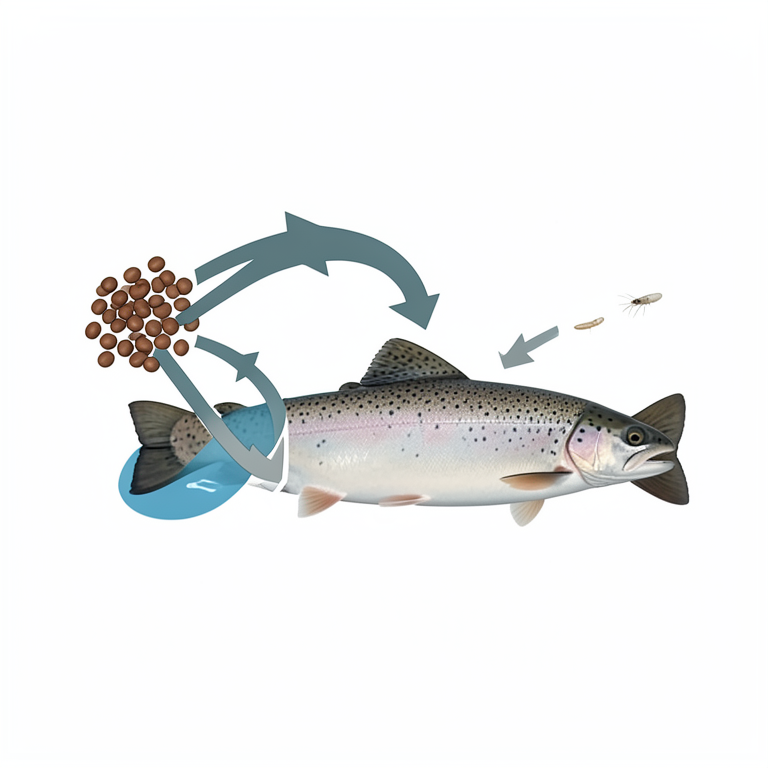
Probiotic Delivery Methods
AI-generated conceptual illustration (Rainbow trout in an aquaculture tank). It explains the idea and does not show study data.
View source evidence ↗Figures & tables
From the original paper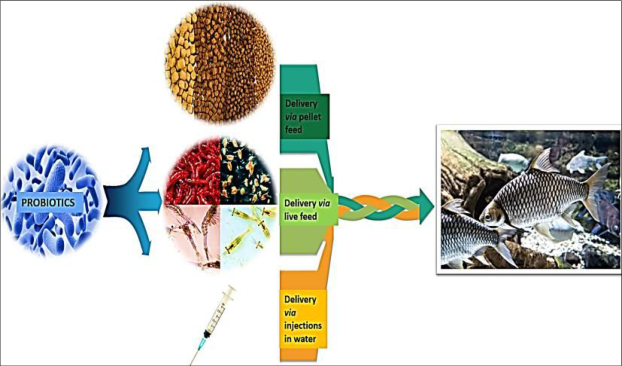 Figure 1
Introduction
Enhancing food security and boosting fish farmers' incomes are two chief goals of aquaculture, particularly in underdeveloped nations. Furthermore, there is an urgent need to improve aquaculture due to the fast-growing human population, the growing need for affordable protein sources, and the loss of fish captures from inland natural lakes. The food industry with the fastest rate of growth is aquaculture, which makes a substantial contribution to global food security. However, problems like antibiotic resistance, environmental deterioration, and disease outbreaks are brought on by intensive agricultural methods (El-Saadony et al.,2021) [11] . A significant source of protein for human consumption, aquaculture has emerged as one of the global food production industries with the quickest rate of growth (FAO, 2022) [13] . However, several issues that have a substantial influence on fish health and production, such as disease outbreaks, poor water quality, and inadequate nutrition, pose a threat to aquaculture's sustainability (Hai, 2015) [19] . Antibiotic overuse damages gut microbiota and increases antibiotic resistance, which is harmful to human and aquatic health. Among them, the gut microbiota is crucial to host health, impacting immunological responses, digestion, and general physiological processes (Ringø et al., 2016) [35] . To optimize aquaculture procedures and reduce disease risks, essential to understand the makeup and role of gut-associated bacteria in fish. According to Eckerton, the gut microbiota of fish is a dynamic and varied community that is impacted by several variables, such as host species, environmental circumstances, food, and microbial interactions. "Live microorganisms that, when administered in adequate amounts, confer a health benefit on the host" is how the FAO/WHO (2001), defines probiotics, which present a prospective substitute. They improve digestion, boost immunity, stop illness, and preserve the balance of gut microbes. Lactobacillus, Bacillus, and Pseudomonas species are specimens of beneficial gut bacteria that help with better digestion, higher resistance to infections, and improved nutritional absorption (Nayak, 2010) [30,31] . On the other hand, pathogenic and opportunistic bacteria such as Aeromonas, Pseudomonas, and Vibrio species can upset the balance of the gut, resulting in infections and poor development (Merrifield & Rodiles, 2015) [28] . For fish health and aquaculture sustainability, it is therefore essential to maintain a healthy gut microbiome. Probiotics, prebiotics, and synbiotics are microbiome-based therapies that have gained popularity in the last ten years to boost fish immunity and beneficial bacterial populations (Gómez & Balcázar, 2008) [17] . Researchers may now create focused strategies for aquaculture microbiome management because of developments in high-throughput sequencing technology, which have given them new insights into the composition and function of fish gut microbiomes (Tarnecki et al., 2017) [39] . Nonetheless, there are still unanswered questions about the long-term consequences of microbiome changes, environmental factors, and host-microbiome interactions. Probiotic bacterial applications have generated a lot of attention and provide an alternative approach to aquaculture disease management. Furthermore, because beneficial probiotic bacteria are thought to be well-adapted to the targeted host gut environment and play a crucial role in boosting resistance against pathogenic bacteria, attention has been paid to host-associated microorganisms for the study of these bacteria (Mukherjee et al. 2016; Van Doan et al. 2018) [29,41] . A thorough examination of gut-associated bacteria in aquaculture species is the goal of this review, emphasizing the species diversity, functional roles, and relationships to fish health. We also examine how diet, water quality, antibiotic use, and probiotics affect the composition of gut microbes, highlighting current developments and potential avenues for future microbiome research in support of sustainable aquaculture methods.
Isolation and Characterization of Gut-Derived Bacteria
There is a strong correlation between the bacterial community of the gut and, the health, and immune status of fish. The gastric tracts of fish contain intricate microbial communities essential for feeding and host immunity. Assessing the microbiota in fish digestive tracts aids in locating potentially beneficial probiotics and dangerous bacteria, improving our knowledge of the microbial makeup of the fish gut and health care (Asaduzzaman et al., 2018) [3] . Species, diet, and environment influence the diverse microbial ecosystem. Advanced techniques like 16S rRNA sequencing and metagenomics have expanded our understanding of gut microbiota composition. Probiotics isolation involves collecting gut samples, cultivating bacteria on selective media, and characterizing strains through morphological, biochemical, and molecular identification. In vitro, screening tests assess probiotic properties, including acid and bile tolerance, intestinal adhesion, and antimicrobial activity. Safety evaluations ensure the absence of virulence factors and antibiotic resistance. Three Indian major carp (IMC) species rohu, catla, and mrigal obtained from a polyculture pond under the same feeding regime when subjected to a study that examined the microbial communities of their gastrointestinal tracts (GITs) revealed unique insights. Phylum and genera showed wildly disparate relative abundances and diversities, and several microbial communities were discovered (Foysal et al., 2020) [14] . Aeromonas, Enterobacter, and Serratia are common bacteria found in the gut of Mrigal, Catla, and Rohu, as well as Cetobacterium, Shewanella, and Plesiomonas in overwhelming abundance (Foysal et al., 2020) [14] . Thirty-seven bacterial isolates were isolated from the digestive tracts of Malaysian mahseer (Tor tambroides). All three nutritional enzyme activities (lipolytic, proteolytic, and cellulolytic activity) were present in nine out of 37 isolates (Hossain et al., 2022) [20] . Wild stinging catfish (Heteropneustes fossilis), an important aquaculture species when studied for isolation and identification of their probiotic bacteria, Acinetobacter lwoffii, Macrococcus caseolyticus, Lysinibacillus sphaericus, Bacillus cereus, Glutamicibacter mysorens, Kocuria subflava, Staphylococcus arlettae, Bacillus subtilis, Staphylococcus succinus, and Bacillus velezensis were among the isolates found in this investigation. They showed significant growth at all tested pH levels (pH 2, 3, and 4) and bile salt concentrations (0.3%, 0.5%, and 1.0%), with B. subtilis, S. succinus, B. velezensis, M. caseolyticus, G. mysorens, and B. cereus showing the most promise as probiotic bacteria. Furthermore, S. arlettae showed encouraging development, except for pH 2. Although they could withstand bile salt concentrations, L. sphaericus and K. subflava showed restricted growth at low pH. A. lwoffii grew very little at lower bile salt concentrations but not at all at pH testing (Jilani et al., 2024) [23] .
Selection Criteria and Mechanisms of Action
Researchers can learn more about the variety and function of bacteria by investigating the gut microbiota. Investigating fish gut microbiota raises the possibility of discovering novel strains. The effectiveness of probiotics depends on host specificity, colonization ability, immunomodulatory effects, and pathogen inhibition. Key mechanisms include competitive exclusion of pathogens, production of antimicrobial compounds, gut barrier enhancement, and immune modulation. Probiotics also boost immune responses by stimulating immunoglobulin production and activating immune cells (Sufiara and Rahul, 2023) [38] . An investigation on marine fish gut-associated actinobacteria with antibacterial and anti-quorum sensing properties was conducted. Kuster's agar medium and starch casein agar were used to isolate 25 actinobacterial strains from fish gut samples. The antimicrobial activity of approximately 12 morphologically distinct strains that were recovered from the Indian mackerel (Rastrelliger kanagurta), squid (Decapodiformes), red snapper (Lutjanus campechanus), bluefin trevally (Caranx melampyqus), and Staphylococcus aureus (MTCC96), Escherichia coli (MTCC739), Candida albicans, and quorum sensing inhibition (QSI) against Chromobacterium violaceum were tested. The Decapodiformes (squid) actinobacterial strain SQA4 exhibited both QSI and antibacterial activity (Vadivel et al., 2021) [40] . An investigation of the digestive system of an adult Channa striatus gathered from Punjab's Doaba district was conducted. 34 isolates were separated and tested for antibiotic activity against Pseudomonas aeruginosa and Aeromonas hydrophila, two fish infections. These isolates included four Gram-positive ones. Only PMS1, one of these four isolates, exhibited stout antibacterial activity against Aeromonas hydrophila. The isolate demonstrated a significant capacity to adhere and a high resistance to low pH. All tested antibiotics were shown to be effective against the isolate. The strain was identified as Lactococcus garvieae based on biochemical, 16srRNA, and in vitro evaluation (Sufiara and Rahul, 2023). [38] In addition to aiding in the host's growth and development, gut microbial characterization also reduces the vulnerability to illness. An important fish species in the Himalayan River system's Chenab and Ravi rivers is Cirrhinus mrigala. Fish gut bacterial diversity was revealed by a study on the core gut microbiota of C. mrigala using Illumina Miseq Sequencing. The genera Acinetobacter, Lactobacillus, Methanosaeta, Prevotella, and Pseudomonas make up the core microbiome found in fish gut samples. Additionally, the results indicate that the Ravi River has a higher relative abundance of Lactobacillus and Bacteroides than Chenab. In fish, three genera-Bacteroides, Oceanobacillus, and Lactococcus display considerable variance (Sharma et al., 2024) [36] .
Probiotic Feed Formulation and Delivery
Probiotic foods and nutraceuticals have grown in popularity due to the rise of bacteria resistant to antibiotics and natural methods inhibiting the growth of infections. Probiotic bacteria have several positive health impacts in addition to competing with and suppressing "unhealthy fermentation" in the gut. A nutraceutical product for enhancing the natural gut flora is a probiotic delivery method. As per Melo et al., (2020) [26] , the most common method of administering probiotic mixtures is to incorporate them into the feed (92.8%), followed by direct incorporation into water (4.8%) and through live food (1.6%), showed in Figure .1. The efficacy of these delivery methods in improving health varies widely. Probiotic delivery techniques fall into two categories: non-traditional, commonly commercial foodbased products, and conventional, pharmaceutical formulations. The degree of health benefits offered by these probiotic formulations differs depending on their viability (the ability to survive formulation processes), effectiveness (the ability to deliver viable, functional bacteria in sufficient quantities), and in vivo protection (the ability to protect against the harsh effects of the intestinal bile and gastric environment). For many industrial sectors, the feasibility of probiotics has presented both a technological and commercial issue. Two crucial factors in the health benefits that probiotics provide are viability over the product's shelf life and survival in the GI tract to fill the fish's gut. Successful probiotic incorporation into fish feed requires maintaining viability during processing and storage. Encapsulation enhances stability and ensures targeted delivery. Probiotics are primarily administered via feed, but immersion and water treatment are alternatives for certain species (Chomová et al., 2023) [6] .
Using locally accessible agricultural waste as a primary feed material in solid-state fermentation promotes the development of probiotics, making it suitable for use as functional feed. A safe way to avoid disease and manage aquaculture is to formulate, distribute, and administer probiotic-based functional feed regularly. Probiotic usage in aquaculture also promotes growth, inhibits infections, and improves immunity, water quality, and nutrient digestion, among other benefits. Apart from probiotics, the use of prebiotics, synbiotics, and cobiotics as dietary supplements in aquaculture improves the feed's functional qualities and encourages environmentally friendly farming (Raghavan et al., 2019) [33] . Probiotic bacteria-loaded nanofibers provide a novel mode of preserving fish fillets against microbial growth (Ceylan et al., 2018) [5] . In food and digestive system models, it has been demonstrated that the binary application of biopolymers increases probiotic survival rates and improves nanoencapsulation effectiveness (Durazzo et al., 2020) [8] . Due to its desirable structural and biological qualities, alginate, a polysaccharide derived from marine weed, is one of the most widely used natural polymers and is thought to be a suitable component in the encapsulation of bacterial strains (Liu et al., 2018) [25] . Additionally, starch is a very accessible and inexpensive biopolymer that has been utilized to create materials with a starch-based nanostructure for encasing food preservatives and nutraceutical ingredients (Atraki and Azizkhani, 2021) [4] . The most suitable method for all fish ages, from larvae to marketable size, is the delivery of probiotics in rearing water. Probiotics used as water and/or feed additives in aquaculture have a wide range of commercial goods worldwide. There are significant differences in their effectiveness, price ranges, and fraud rates among some of these items. However, one crucial element influencing the probiotics' acceptable function in aquaculture is the method of administration (Jahangiri and Esteban, 2018) [22] . While some commercial probiotics are frequently worthless, others are beneficial. Probiotics can be administered orally, through water, or as feed additives, the latter of which is frequently utilized in aquaculture. Applications for probiotics might involve single or several strains, living or dead forms, immunostimulants like synbiotics and synbiotism, or even prebiotics. One effective way to give probiotics to aquatic animals is to encapsulate them in live feed. To get the intended benefits, dosage and timing are important considerations. Probiotics are known to work in several ways, some of which are unclear.
Impacts on Fish Growth and Performance
It has been demonstrated that probiotics positively affect the development, survival, and health of aquatic life. Probiotics, which have been identified as both Gram-positive and Gram-negative bacteria and nonbacterial (bacteriophages, microalgae, and yeasts), can be obtained in aquaculture from intestines, gills, the skin mucus of aquatic animals, habitats, or even culture collections and commercial products. A probiotic's species specificity is largely determined by their screening procedures. A bacterium harmful to one species of fish may be beneficial to another (Subedi and Shrestha, 2020) [37] . Probiotics' impacts on fish growth performance and other positive actions are well-established and in general, Lactobacillus, Lactococcus, Leuconostoc, Carnobacterium, Shewanella, Bacillus, Aeromonas, Vibrio, Enterobacter, Pseudomonas, Bifidobacteria, Clostridium, and Saccharomyces are the primary probiotics utilized for aquatic animals. Probiotics improve fish growth by enhancing feed conversion ratio, increasing weight gain, and improving nutrient absorption. They strengthen gut morphology, enhance digestive enzyme activity, and mitigate stress responses by reducing cortisol levels (Allameh et at., 2017; Elsabagh et al., 2018; Rahman et al., 2021) [1,12,34] . Water quality can be improved by using Bacillus strains to reduce ammonia toxicity, nitrite toxicity, H + ions, and toxic algal blooms. Greater use of probiotic Bacillus in place of dangerous synthetic chemicals will encourage environmentally friendly, low-input, sustainable aquaculture for the growing global population's food and nutritional security (Rahman et al., 2021) [34] . A study was conducted to evaluate the effects of probiotics on the expression of the genes for insulin-like growth factor 1 (IGF-1), growth hormone receptor (GHR), tumor necrosis factor α (TNF-α), growth hormone receptor (GHR), and interleukin 1 beta (IL-1β) in juvenile Nile tilapia, Oreochromis niloticus, as well as on water quality, growth, feed utilization, carcass composition, blood biochemical parameters, and histology. Compared to the control, probiotic-treated groups showed a substantial increase in growth performance, fish biomass, and feed consumption. Probiotic groups showed a notable increase in blood biochemistry and immunological measures (phagocytic activity and lysozyme). Comparing the liver and spleen to control groups, there was a substantial rise in the relative expression of the genes for IGF-1, GHR, TNF-α, and IL-1B. Histological analysis of the gut, liver, spleen, and gills showed that the probiotic-fed animals had better organs than the control groups (El-Kady et al., 2022) [10] .
Applications of Probiotics in Aquaculture
Because farmed fish and shellfish are constantly in contact with and consume the water, they are significantly impacted by the microorganisms present in the surrounding water. In the aquaculture ecology, commensal bacteria and eukaryotes coexist, and opportunistic diseases can grow to large densities. While certain bacteria are detrimental to a single aquatic animal, they can benefit other species when used as probiotics. For example, P. aeruginosa is widely recognized for being a part of the human and animal skin pathogenic microbiota (Andonova and Urumova 2013) [2] , however, they function as a beneficial probiotic for western king prawns. Furthermore, the lion's paw scallop, scientifically known as Nodipecten subnodosus, grew and survived better when P. aeruginosa and Burkholderia cepacia were co-cultured (Granados-Amores et al. 2012) [18] . In Rohu, dietary P. aeruginosa supplementation enhanced innate immunity and disease resistance (Giri et al. 2012) [16] . Aquaculture uses probiotics for infection control, water treatment, and feed augmentation. Lactobacillus species are among the probiotic genera that are often employed. generates antimicrobials and lactic acid. Bacillus species. improves digestion by producing enzymes. Pseudomonas species. offers pathogen-repelling biocontrol. Enterococcus species. boosts immunity and intestinal health (Subedi and Shrestha, 2020) [37] . Bacteriocins, siderophores, lysozymes, proteases, and hydrogen peroxides are produced by probiotic bacteria, which prevent the growth of dangerous pathogens. Aeromonas species, Bacillus subtilis, Bacteridaceae, Clostridium species, Lactobacillus plantarum, and Staphylococcus all produce amylase, while B. subtilis, L. plantarum, and Staphylococcus species produce protease and cellulase enzymes. Probiotics may work through a variety of mechanisms, such as (i) competitive exclusion via the synthesis of inhibitory compounds, (ii) competition for nutrients, chemicals, or energy, (iii) adhesion site competition, (iv) aiding in digestion, (v) aiding in the production of macro and micronutrients, (vi) boosting the immune system, and (vii) reducing virulence through manipulation of quorum sensing (QS) (El-Saadony et al.,2021) [11] . Microencapsulation of probiotics is crucial to determining how probiotics affect in vivo systems.
Challenges and Future Research Directions
Probiotics provide many advantages in aquaculture and are crucial for enhancing growth performance, immunity, disease resistance, intestinal epithelial barrier integrity, gut microbiota, and water quality. Almost half of the seafood consumed globally comes from aquaculture, which has made a substantial contribution to the animal protein production sector in practically every country over the past few decades (Jahangiri and Esteban, 2018) [22] . Despite their benefits, probiotic use in aquaculture faces challenges such as strain viability, stability, and regulatory approval. Future research should explore metagenomics for understanding microbial interactions, genetically engineered probiotics to enhance disease resistance, and optimized formulations for large-scale applications. Research should be conducted on how to choose the right probiotic strain or strains for fish in the future to provide the best possible outcome. A key consideration should be to determine their precise mechanism of action when it comes to aquaculture probiotics.
Conclusion
Aquaculture, which accounts for almost half of global seafood consumption, has made substantial contributions to animal protein production in practically every country over the past few decades. Numerous disease outbreaks, environmental degradation, particularly eutrophication, fishery failures, and a reduction in biodiversity were all brought on by the global expansion of intensive aquafarms and their toxic emissions of organic and inorganic metabolites. Probiotics are living, healthy bacteria ingested through food or drink to improve the internal microbial balance in the gastrointestinal system. They provide several advantages in aquaculture and are crucial for enhancing growth performance, immunity, disease resistance, intestinal epithelial barrier integrity, gut microbiota, and water quality. Furthermore, including probiotics in aquaculture diets might reduce the adverse effects of antibiotics. Promoting these fish feed additives will increase fish productivity and protect human health by enhancing their productive performance and feed consumption. Probiotics have demonstrated significant potential in improving fish health, immunity, and sustainability in aquaculture. Gut-derived bacteria such as Lactobacillus, Bacillus, and Pseudomonas exhibit strong probiotic properties. The development of sustainable fish farming strategies based on probiotics will be further optimized with the help of research in the fields of microbial biology and biotechnology. As feed additives, probiotics help ensure that feed is digested and release nutrients for increased production and quicker growth. The addition of probiotics to fish diets can also enhance immune responses. Including probiotics in fish meals can help prevent many fish illnesses. Future studies should be conducted to choose the probiotic strain or strains required to provide fish with the best possible outcomes. Furthermore, further research should be done to determine the precise mechanisms of action of the probiotics employed in aquaculture.
Figures and tables from the paper
References
43 in the original paper- Allameh SK, Noaman V, Nahavandi R. Effects of probiotic bacteria on fish performance. Advanced Techniques in Clinical Microbiology. 2017;1(2):11.
- Andonova M, Urumova V. Immune surveillance mechanisms of the skin against the stealth infection strategy of Pseudomonas aeruginosa. Comparative Immunology, Microbiology and Infectious Diseases. 2013 Sep 1;36(5):433-48.
- Asaduzzaman MD, Iehata S, Akter S, Kader MA, Ghosh SK, Khan MN, et al. Effects of host gut-derived probiotic bacteria on gut morphology, microbiota composition and volatile short chain fatty acids production of Malaysian Mahseer Tor tambroides. Aquaculture Reports. 2018 Feb 1;9:53-61.
- Atraki R, Azizkhani M. Survival of probiotic bacteria nanoencapsulated within biopolymers in a simulated gastrointestinal model. Innovative Food Science & Emerging Technologies. 2021 Aug 1;72:102750.
- Ceylan Z, Meral R, Karakaş CY, Dertli E, Yilmaz MT. A novel strategy for probiotic bacteria: Ensuring microbial stability of fish fillets using characterized probiotic bacteria-loaded nanofibers. Innovative Food Science & Emerging Technologies. 2018 Aug 1;48:212-8.
- Chomová N, Pavloková S, Sondorová M, Mudroňová D, Fečkaninová A, Popelka P, et al. Development and evaluation of a fish feed mixture containing the probiotic Lactiplantibacillus plantarum prepared using an innovative pellet coating method. Frontiers in Veterinary Science. 2023 Jun 12;10:1196884.
- Dawood MA, Koshio S. Recent advances in the role of probiotics and prebiotics in carp aquaculture: a review. Aquaculture. 2016 Mar 1;454:243-51.
- Durazzo A, Nazhand A, Lucarini M, Atanasov AG, Souto EB, Novellino E, et al. An updated overview on nanonutraceuticals: Focus on nanoprebiotics and nanoprobiotics. International Journal of Molecular Sciences. 2020 Mar 26;21(7):2285.
- Egerton S, Culloty S, Whooley J, Stanton C, Ross RP. The gut microbiota of marine fish. Frontiers in Microbiology. 2018 May 4;9:873.
- El-Kady AA, Magouz FI, Mahmoud SA, Abdel-Rahim MM. The effects of some commercial probiotics as water additive on water quality, fish performance, blood biochemical parameters, expression of growth and immune-related genes, and histology of Nile tilapia (Oreochromis niloticus). Aquaculture. 2022 Jan 15;546:737249.
- El-Saadony MT, Alagawany M, Patra AK, Kar I, Tiwari R, Dawood MA, et al. The functionality of probiotics in aquaculture: An overview. Fish & Shellfish Immunology. 2021 Oct 1;117:36-52.
- Elsabagh M, Mohamed R, Moustafa EM, Hamza A, Farrag F, Decamp O, et al. Assessing the impact of Bacillus strains mixture probiotic on water quality, growth performance, blood profile and intestinal morphology of Nile tilapia, Oreochromis niloticus. Aquaculture Nutrition. 2018 Dec;24(6):1613-22.
- FAO Agriculture Organization of the United Nations. Fisheries Department. The state of world fisheries and aquaculture. Food and Agriculture Organization of the United Nations; 2018.
- Foysal MJ, Momtaz F, Kawsar AQ, Rahman MM, Gupta SK, Tay AC. Next-generation sequencing reveals significant variations in bacterial compositions across the gastrointestinal tracts of the Indian major carps, rohu (Labeo rohita), catla (Catla catla) and mrigal (Cirrhinus cirrhosis). Letters in Applied Microbiology. 2020 Mar 1;70(3):173-80.
- Gatesoupe FJ. The use of probiotics in aquaculture. Aquaculture. 1999 Oct 1;180(1-2):147-65.
- Giri SS, Sen SS, Sukumaran V. Effects of dietary supplementation of potential probiotic Pseudomonas aeruginosa VSG-2 on the innate immunity and disease resistance of tropical freshwater fish, Labeo rohita. Fish & Shellfish Immunology. 2012 Jun 1;32(6):1135-40.
- Gómez GD, Balcázar JL. A review on the interactions between gut microbiota and innate immunity of fish. FEMS Immunology & Medical Microbiology. 2008 Mar 1;52(2):145-54.
- Granados-Amores A, Campa-Córdova ÁI, Araya R, Mazón-Suástegui JM, Saucedo PE. Growth, survival and enzyme activity of lions-paw scallop (Nodipecten subnodosus) spat treated with probiotics at the hatchery. Aquaculture Research. 2012 Aug;43(9):1335-43.
- Hai NV. The use of probiotics in aquaculture. Journal of Applied Microbiology. 2015 Oct 1;119(4):917-35.
- Hossain MK, Iehata S, Noordin NM, Kader MA, Emilia SN, Sung YY, et al. Isolation and identification of potential host probiotic bacteria from Malaysian mahseer, Tor tambroides for aquaculture practices. Biodiversitas Journal of Biological Diversity. 2022 Oct 28;23(10).
- Irianto A, Austin B. Probiotics in aquaculture. Journal of Fish Diseases. 2002 Nov;25(11):633-42.
- Jahangiri L, Esteban MÁ. Administration of probiotics in the water in finfish aquaculture systems: a review. Fishes. 2018 Aug 22;3(3):33.
- Advanced Veterinary and Animal Research. 2024 Sep 29;11(3):560.
- Kesarcodi-Watson A, Kaspar H, Lategan MJ, Gibson L. Probiotics in aquaculture: the need, principles and mechanisms of action and screening processes. Aquaculture. 2008 Jan 31;274(1):1-4.
- Liu H, Gong J, Chabot D, Miller SS, Cui SW, Zhong F, et al. Improved survival of Lactobacillus zeae LB1 in a spray dried alginate-protein matrix. Food Hydrocolloids. 2018 May 1;78:100-8.
- Melo-Bolívar JF, Ruiz-Pardo RY, Hume ME, Sidjabat HE, Villamil-Diaz LM. Probiotics for cultured freshwater fish. Microbiology Australia. 2020 May 5;41(2):105-8.
- Merrifield DL, Ringo E, editors. Aquaculture Nutrition: Gut Health, Probiotics and Prebiotics. John Wiley & Sons; 2014 Aug 13.
- Merrifield DL, Rodiles A. The fish microbiome and its interactions with mucosal tissues. In: Mucosal Health in Aquaculture. Academic Press; 2015. p. 273-95.
- Mukherjee A, Dutta D, Banerjee S, Ringø E, Breines EM, Hareide E, et al. Potential probiotics from Indian major carp, Cirrhinus mrigala. Characterization, pathogen inhibitory activity, partial characterization of bacteriocin and production of exoenzymes. Research in Veterinary Science. 2016 Oct 1;108:76-84.
- Nayak SK. Probiotics and immunity: a fish perspective. Fish & Shellfish Immunology. 2010 Jul 1;29(1):2-14.
- Nayak SK. Role of gastrointestinal microbiota in fish. Aquaculture Research. 2010 Oct;41(11):1553-73.
- Newaj-Fyzul A, Austin B. Probiotics, immunostimulants, plant products and oral vaccines, and their role as feed supplements in the control of bacterial fish diseases. Journal of Fish Diseases. 2015 Nov;38(11):937-55.
- Raghavan KT, Lakshmi GB. Formulation of probioticbased functional fish feeds: ECO-friendly approach. In: Technological Processes for Marine Foods, From Water to Fork. Apple Academic Press; 2019 Jun 7. p. 307-32.
- Rahman A, Shefat SH, Chowdhury MA, Khan SU. Effects of probiotic Bacillus on growth performance, immune response and disease resistance in aquaculture. Journal of Aquaculture Research & Development. 2021 Apr 1;12(4):634.
- Ringø EZ, Zhou Z, Vecino JG, Wadsworth S, Romero J, Krogdahl Å, et al, Davies S, Owen M. Effect of dietary components on the gut microbiota of aquatic animals. A never-ending story? Aquaculture Nutrition. 2016 Apr;22(2):219-82.
- Sharma P, Kapoor N, Langer S. Comparative analysis of gut bacterial communities in fish and shellfish of Great Himalayan river system. Indian Journal of Microbiology. 2024 Apr 23:1-4.
- Subedi B, Shrestha A. A review: Application of probiotics in aquaculture. International Journal of Forestry, Animal and Fisheries Research. 2020;4(5).
- Sufiara Y, Rahul S. Analysis of the ability of Channa striatus gut-derived bacteria to reach and persist in the gut environment Lactococcus garvieae along with extracellular metabolites and its behavior against common fish pathogens. Research Journal of Biotechnology. 2023 Sep;18:9.
- Tarnecki AM, Burgos FA, Ray CL, Arias CR. Fish intestinal microbiome: diversity and symbiosis unravelled by metagenomics. Journal of Applied Microbiology. 2017 Jul 1;123(1):2-17.
- Vadivel M, Venugopal G, Angamuthu V, Manikkam R, Joseph J, Aruni W. Exploration of fish gut associated Actinobacteria for its anti-microbial and anti-quorum sensing properties. In: International Seminar on Promoting Local Resources for Sustainable Agriculture and Development (ISPLRSAD 2020). Atlantis Press; 2021 Jun 11. p. 126-39.
- Van Doan H, Hoseinifar SH, Khanongnuch C, Kanpiengjai A, Unban K, Van Kim V, et al. Hostassociated probiotics boosted mucosal and serum immunity, disease resistance and growth performance of Nile tilapia (Oreochromis niloticus). Aquaculture. 2018 Apr 1;491:94-100.
- Verschuere L, Rombaut G, Sorgeloos P, Verstraete W. Probiotic bacteria as biological control agents in aquaculture. Microbiology and Molecular Biology Reviews. 2000 Dec 1;64(4):655-71.
- Zhou XX, Wang YB, Li WF. Effect of probiotic on larvae shrimp (Penaeus vannamei) based on water quality, survival rate and digestive enzyme activities. Aquaculture. 2009 Feb 18;287(3-4):349-53.