
Research article · 2025 · Full text
International Journal of Biology SciencesFungal diversity in cabbage rhizosphere: A study in Shirpur, Dhule district
Volume 7(6) · Pages 298–303 · DOI: 10.33545/26649926.2025.v7.i6e.389 ↗
Research areasPlant Disease Management Techniques
Abstract
Author-writtenRhizosphere holds thousands of different bacteria specific to the plant species and root zone. There is a good amount of researches on cabbage related diseases and their mitigation strategies but no research has actually analysed fungal diversity in Cabbage rhizosphere. Thus, assessing fungal diversity in the cabbage rhizosphere is crucial for sustainable agriculture, disease management, and soil health. It helps in identifying both beneficial and harmful fungi, leading to better crop management strategies. Thus, the present research studies the fungal diversity and did soil analysis to understand the rhizosphere for cabbage in Shirpur Tehsil, District Dhule, Maharashtra, India. The soil samples of cabbage rhizosphere were collected from 18 villages across Shirpur, Dhule District, Maharashtra, India between 2022-23. The isolation of soil fungi was done via Soil dilution method. Soil analysis suggested adequate water-holding capacity and aeration along with some scope for optimisation of soil for better cabbage growth and yield. A total of ten fungal species were identified. The most dominant fungi were found to be Aspergillus niger. Further, the research found maximum species richness in Kharde region.
Summary
Source-checkedPlain-language reading of the full paper, prepared with AI and checked against the text. Each point links to the authors' own words.
Why it matters
- The rhizosphere is the soil layer influenced by root secretions and microorganisms, which play a key role in determining soil biochemical properties. View evidence ↗
- Analyzing fungal diversity in cabbage rhizospheres is essential for improving soil health, managing diseases, and developing sustainable agricultural strategies. View evidence ↗
- Cabbage crops are susceptible to several fungal diseases, including Black rot, Clubroot, Fusarium wilt, and Damping-off. View evidence ↗
The question
- The study aims to analyze the fungal diversity and soil properties of the cabbage rhizosphere in Shirpur Tehsil, Dhule District, Maharashtra, India. View evidence ↗
What they did
- Fungi were isolated using the soil dilution method on potato dextrose agar (PDA) and CzapeksDox Agar (CZA) mediums. View evidence ↗
- The isolation process involved diluting 1 gram of soil in 10 ml of sterilized water, specifically using dilutions from 10-3 to 10-5. View evidence ↗
What they found
- The analyzed soil had a pH of 8.52, indicating that the soil is alkaline. View evidence ↗
- The soil showed a low organic carbon content of 0.39%, which is below the 1% threshold. View evidence ↗
- Potassium was the most abundant nutrient found in the soil samples, measured at 397.02 kg/ha. View evidence ↗
- Nitrogen levels were found to be at a minimum of 132.92 kg/ha. View evidence ↗
- The most dominant fungal species were Aspergillus niger (16.1%), Aspergillus flavus (15%), Mucor racemosus (13.6%), and Alternaria brassicola (13.1%). View evidence ↗
- Species richness varied by location, peaking in Kharde (7.01) and reaching its lowest point in Kuwe (2.24). View evidence ↗
What it means
- The authors conclude that the presence of pathogenic fungi necessitates the use of soil amendments and biological control to maintain soil health and productivity. View evidence ↗
- The authors state that the soil requires optimization due to its alkaline pH, high sodium levels, and low nitrogen and organic carbon. View evidence ↗
Visual summary
3 visualsIllustrations explain the paper; charts are replotted from the paper's own table values.
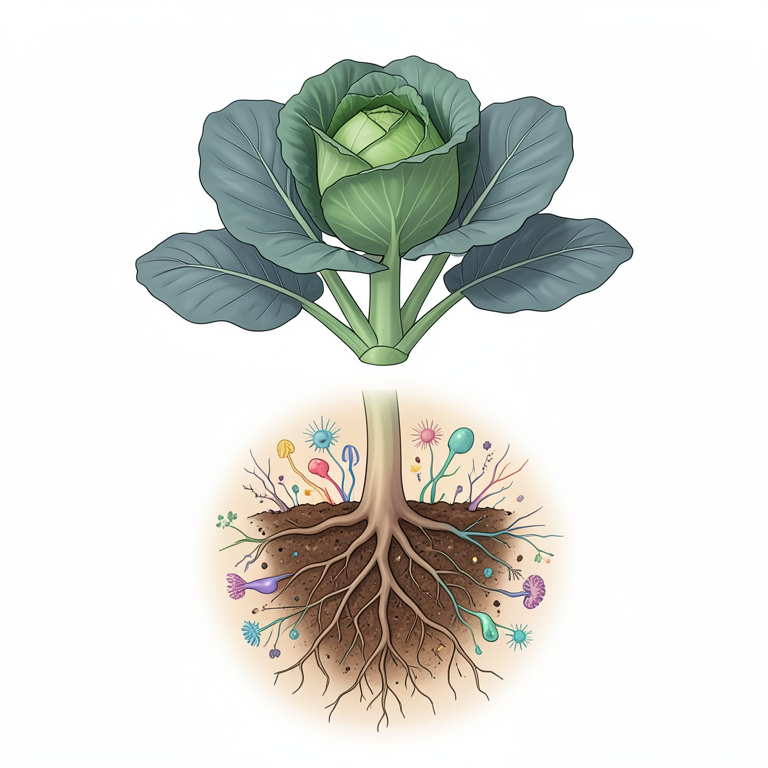
Cabbage Rhizosphere Ecosystem
AI-generated conceptual illustration (cabbage plants in soil). It explains the idea and does not show study data.
View source evidence ↗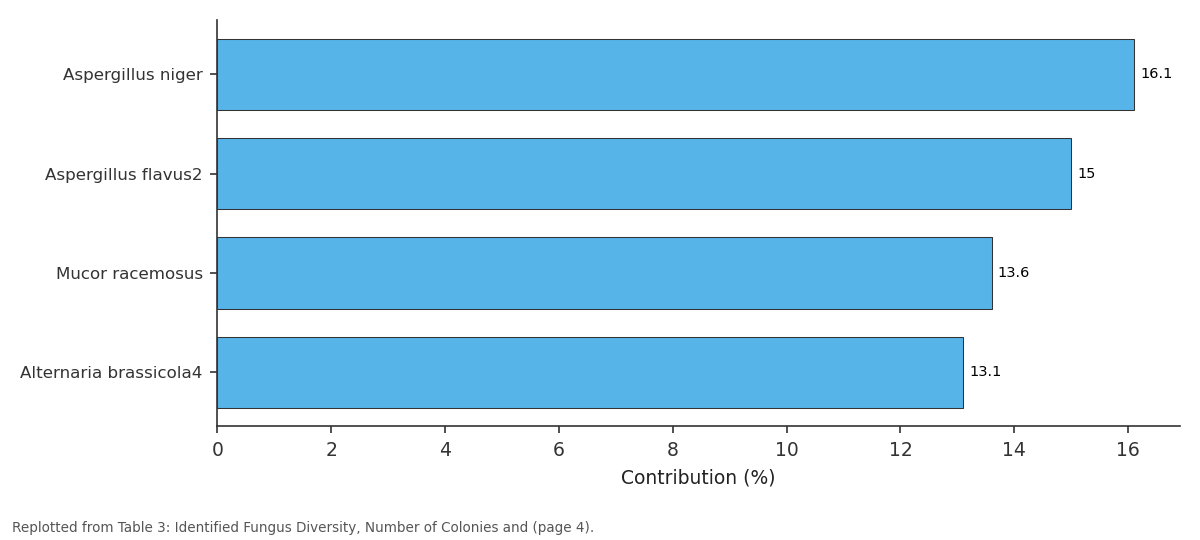
Contribution (%): Aspergillus niger vs Aspergillus flavus2 vs Mucor racemosus vs Alternaria brassicola4
Replotted from Table 3 (page 4) of the original paper. Every bar is the paper's own table value.
View source evidence ↗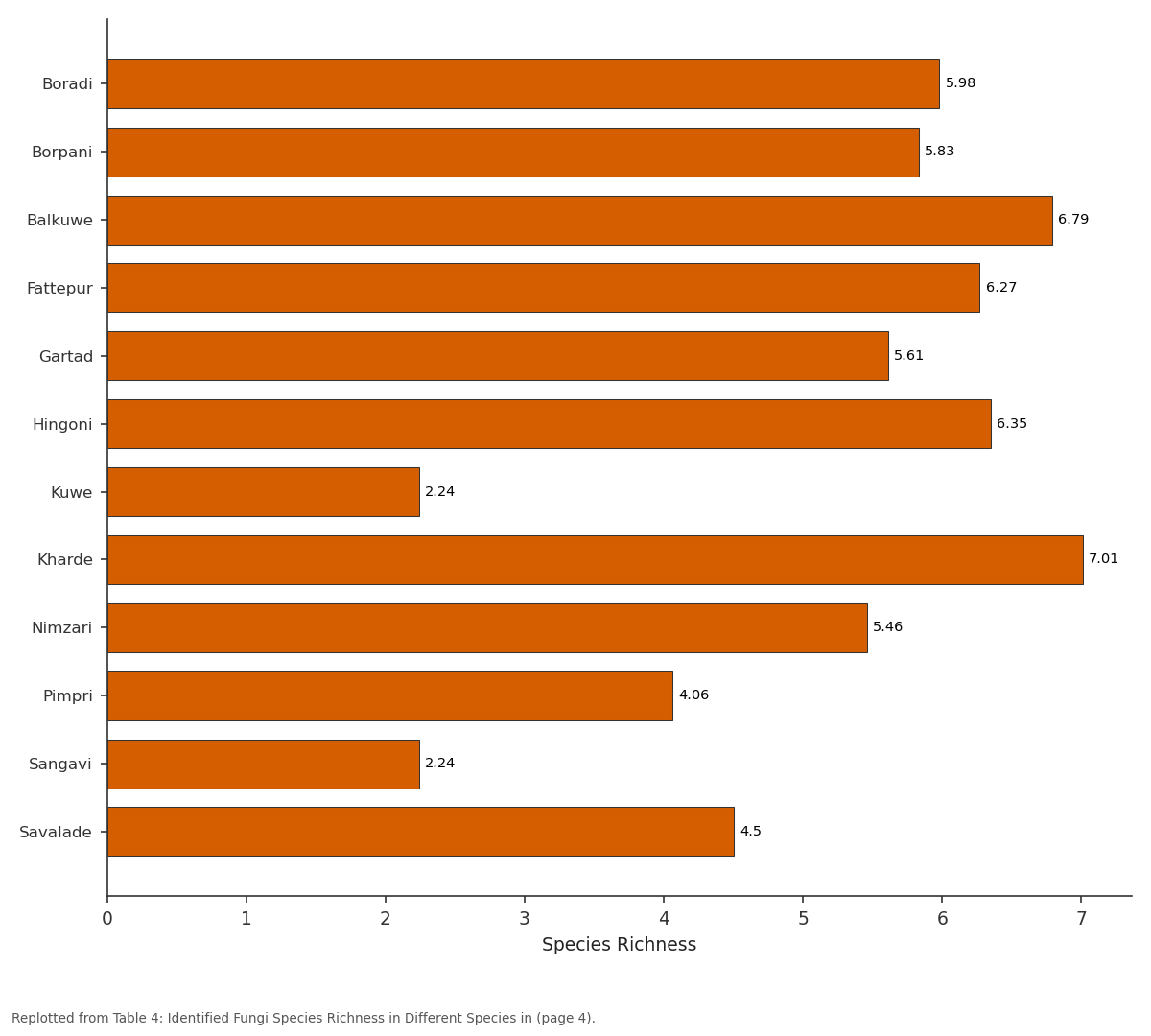
Species Richness: Boradi vs Borpani vs Balkuwe vs Fattepur vs Gartad
Replotted from Table 4 (page 4) of the original paper. Every bar is the paper's own table value.
View source evidence ↗Figures & tables
From the original paper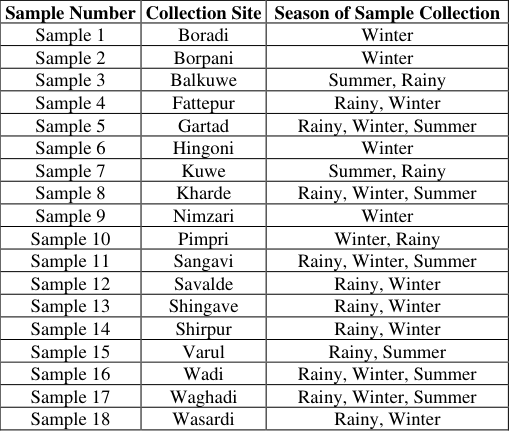 Table 1
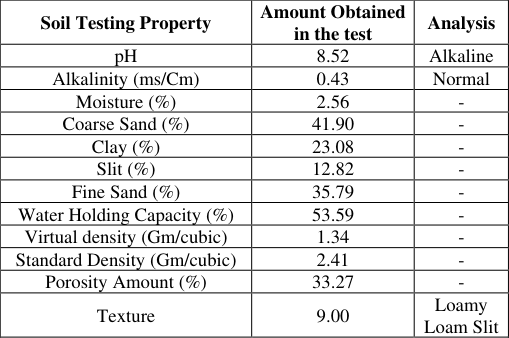 Table 2
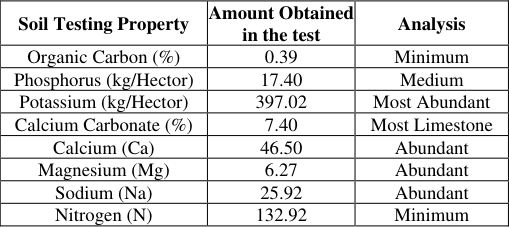 Table 2
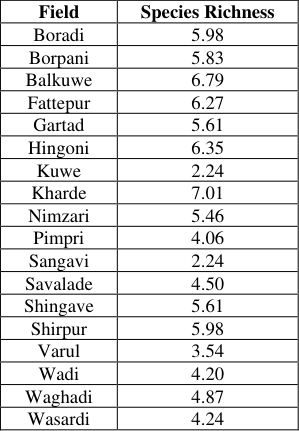 Table 4
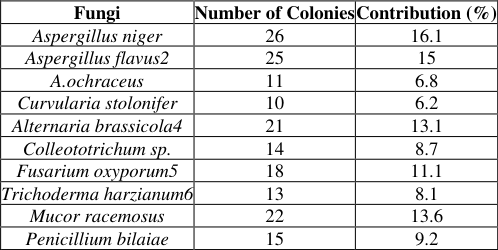 Table 3
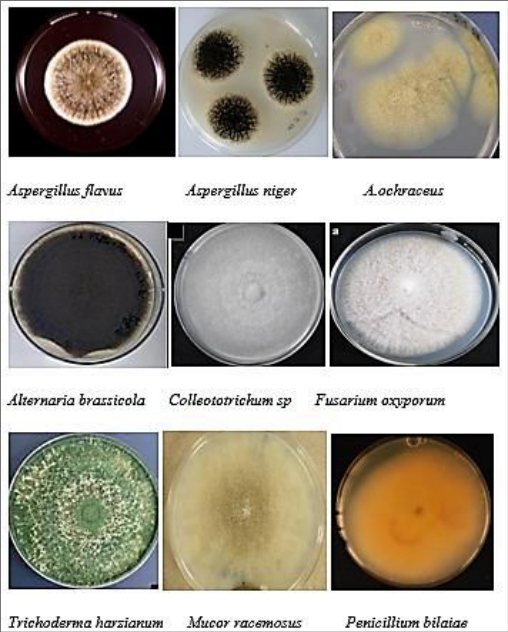 Figure 1
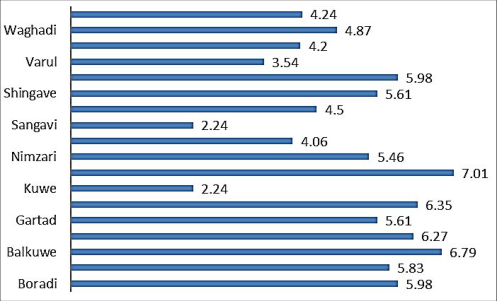 Figure 2
Introduction
Rhizosphere is the layer of soil that is influenced by root secretions and soil microorganisms. The soil pores in this layer of the soil are home to multiple bacteria and fungi which are responsible for influencing soil biochemical properties. These soil microbes help in determining soil quality, sustainability of agriculture, and ecosystem since they play major role in mediating soil organic matter decomposition and nutrient cycling (Manpoong et al., 2020) [16] . Abundance of dominant bacteria like Actinobacteria, Proteobacteria, Chloroflexi, Acidobacteria, and Plantomycetes are found in this layer (Lisuma et al., 2020) [14] . Rhizobium, rare fungi Kurtzmanomyces, Ascomycota, and Basidiomycota are certain fungi which are commonly found in the rhizosphere layer (Essel et al., 2019) [4] . Trichoderma is a fungal genus that is known for rapid growth and high stress tolerance. Trichoderma harzianum strains from crop rhizosphere are more likely to be effective biocontrol agents since they are in close contact with the plant roots. It also acts as an efficient antagonist against soil borne pathogens. There are multiple other species of Trichoderma harzianum such as T. afroharzianum, T. inhamatum, T. lentiforme, T. camerunense, T. asperellum, T. asperelloides, T. erinaceum, T. atroviride, T. ghanense, and T. longibrachiatum. All these species are efficient and have good growth promotion potentials (Jambhulkar et al., 2024) [10] . It is important to understand the microbial community of rhizosphere soil to maintain the soil's health and its fertility, thereby improving the crop yield. In this direction some
The research by Guleri et al., (2021) [7] analysed the physicochemical properties including soil texture, soil reaction (pH), and organic carbon in the rhizosphere plantation. Different textures of soil with different pH were observed in various plantation sites even in the same areas. These physicochemical parameters affect the changing population number and relative abundance of fungal species. Soil moisture enhances the micro fungal activity by making organic carbon available. Aspergillus and Penicillium appeared abundantly in collections because of their prolific sporulating capacity. Fungi are much more resistant to the acidic environment than any other group of soil microorganisms. Cabbage is one crop that has unique interactions with soil fungi due to its susceptibility to diseases, high nutrient demand, unique root exudates, and monoculture risks. Studying fungal diversity in its rhizosphere can lead to better disease control, soil health management, and sustainable farming practices. Cabbage crops are prone to various fungal infections like Clubroot, Black rot, Dampingoff and Fusarium wilt to name a few. As per Ping et al., (2024) [19] , there is a soil borne fungus known as Fusarium Oxysporum f. sp. Conglutinans (Foc) that causes a terrible disease known as Cabbage Fusarium Wilt (CFW). CFW can be managed by usage of tolerant / resistant cabbage varieties. There are species of rhizobacteria that have been identified which seems to resist diseases in susceptible cabbages. Assessing fungal diversity in cabbage thus helps in detecting and managing pathogenic species before they cause serious yield losses. Many researchers have studied cabbage and related. As per the research by Begum & Sarma, (2024) [3] , the population in the rhizosphere soil of cabbage is higher than the population of fungi. The most dominant genera of fungus prevailing over cabbage were species of Aspergillus, Mucor, Rhizopus, Fusarium, Penicillium, Trichoderma, Curvularia, and Mortierella. The study also observed that the cultivation system may affect the fungal distribution regarding factors that affect fungal density under organic and conventional agricultural systems. The increased fungal population in the rhizosphere layer in cabbage plantation is due to the combination of organic and inorganic fertilizers. There are helpful for the internal nutrient cycling and circulation within the soil and forms the parameter for species richness and evenness. Khan & Khan, (2021) [11] in the research, they worked on the microscopic fungal population present in the rhizosphere layer of soil in cabbage plantation. It was found that the fungi play a very important role and is responsible for decomposition of organic carbon and cycling of phosphorous and nitrogen. A survey was also conducted with the purpose of soil sampling. There were a wide range of fungus such as Trichoderma, Fusarium, Aspergillus, Alternaria, Curvularia, Mucor, Penicillium, and Mycelia sterilia that were mostly obtained. Based on similar observations, Sarkar et al., (2024) [20] stated that bio-inoculants and fungicides are beneficial for the growth, yield, quality, and disease incidence in cabbage plantation. Cabbage responded better to the dual inoculation of Trichoderma asperellum and Bacillus subtillis. This dual inoculation also supported with the head yield of crop and enhanced its nutritional value. Better disease control has been observed with this combination thereby increasing the economic return on its cultivation. Such microbes are essential for sustainable agricultural production. They help meet population need for food, preserve the environment, and ensure excellent yields at reasonable prices. As per the research conducted by Wang et al., (2023) [23] , if there is continuous cropping of cabbage, then it would decrease the yield as well. There were ten different combinations of treatments set up to minimize the effect of this damage. High throughput technology was used in this study to analyze and observe the variation in soil nutrients, fungal community structure and diversity and composition of the soil. It was noted that there was an abundance of fungal species across these ten treatments. It was also observed that Diaporthales might have been the main reason for cropping disorder. The research by Hu et al., (2021) [8] stated that one of the highest destructive diseases was identified as Clubroot for cabbage. Out of the various biological control agents, Streptomyces Alfalfae XY25 was identified as one of the most effective biological control agents to reduce the impact of Clubroot disease, regularizing the rhizosphere communities, thereby promoting growth in greenhouses. The use of these agents can help increase the quality of the soil and its matter, by adding in phosphorous, potassium, thereby enhancing its activities. There was a decrease and an increasing trend noticed during the Chinese cabbage growth. Sequential analysis provided the main bacterial and fungal phyla such as Proteobacteria and Ascomhycota respectively. Adding to this, Liu et al., (2019) [15] noted that Plasmodiophora brassicae is one highest devastating pathogen that causes Clubroot disease in cabbage. As per the study, fungicide fluazinam was used for the treatment of Cubroot disease. It was found out that there was a decreasing trend in microbial communities during the two growth stages, but was found to recover at the rosette stage. It was concluded that the effect of fluazinam on the fungal community in the Chinese cabbage rhizosphere was transient. High throughput pyrosequencing was suggested as an appropriate method for characterizing cabbage rhizosphere in the microbial communities. Lastly, the researcher also pointed out that various microbial communities could help manage the clubroot disease and develop strategies accordingly in the future for cabbage. It can be inferred from the above discussion there are researches available on cabbage related diseases and their mitigation strategies but no research has actually analysed fungal diversity in Cabbage rhizosphere. As a matter of fact, rhizosphere holds thousands of different bacteria specific to the plant species and root zone (Manpoong et al., 2020; Peiffer et al., 2013) [16,18] . Thus, assessing fungal diversity in the cabbage rhizosphere is crucial for sustainable agriculture, disease management, and soil health. It helps in identifying both beneficial and harmful fungi, leading to better crop management strategies.
Materials and Methods
Materials and Methods
Collection of Soil Sample
The soil samples of cabbage rhizosphere were collected from 18 villages (Table 1) across Shirpur Tehsil, Dhule District, Maharashtra, India. It was collected from 2022-23. For collecting, soil was dug to 15 cm to 20 cm depth. These were then stored in sterilized polythin zip lock bag and for further experiment, the samples were transported to the laboratory
| Sample Number | Collection Site | Season of Sample Collection |
|---|---|---|
| Sample 1 | Boradi | Winter |
| Sample 2 | Borpani | Winter |
| Sample 3 | Balkuwe | Summer, Rainy |
| Sample 4 | Fattepur | Rainy, Winter |
| Sample 5 | Gartad | Rainy, Winter, Summer |
| Sample 6 | Hingoni | Winter |
| Sample 7 | Kuwe | Summer, Rainy |
| Sample 8 | Kharde | Rainy, Winter, Summer |
| Sample 9 | Nimzari | Winter |
| Sample 10 | Pimpri | Winter, Rainy |
| Sample 11 | Sangavi | Rainy, Winter, Summer |
| Sample 12 | Savalde | Rainy, Winter |
| Sample 13 | Shingave | Rainy, Winter |
| Sample 14 | Shirpur | Rainy, Winter |
| Sample 15 | Varul | Rainy, Summer |
| Sample 16 | Wadi | Rainy, Winter, Summer |
| Sample 17 | Waghadi | Rainy, Winter, Summer |
| Sample 18 | Wasardi | Rainy, Winter |
Table text extracted from the original PDF; superscript letters are shown inline. The original table image is below.
View original table image
Isolation of fungi from the soil samples
The isolation of soil fungi was done via Soil dilution method. The isolation was done on two different mediums namely potato dextrose agar (PDA) and CzapeksDox Agar (CZA).
Soil dilution method: 1 gm of soil sample was diluted in 10 ml of sterilized distilled water to make microbial suspension 10 -1 to 10 -5 . Dilution of 10 -3 to 10 -5 was used to isolate fungi. 1 ml of dilution was taken from each serial dilution sample in triplicate form in petriplate which is already filed approximately 15 ml medium. The incubation of petriplate was done for 72 hours.
Identification of soil fungi
The identification of fungus was done by considering the work of Subramanian, (1971) [21] , Gilman, (1945) [6] and Barnett & Hunter, (1972) [2] .
Statistical analysis of isolated soil fungi
The [1] . Soil analysis facilitates the farmers in assessing the soil health thereby making datadriven decisions for improving crop yield, conserving resources, and protecting the environment. Regular soil analysis can lead to improved soil health, crop productivity, and enhanced profitability.
The present research has conducted soil analysis of rhizosphere of Cabbage fields across Shirpur Tehsil, Dhule District, Maharashtra, India (Table 2). The identified physical properties of the analysed soil have been discussed belowSimilarly, high levels of calcium were found which is good for cabbage growth as it increases cell wall strength and disease resistance There was also high calcium carbonate registered indicating calcareous soil, which can lead to micronutrient deficiencies like iron or zinc. Further, high levels of magnesium (6.27%) and sodium (25.92%) were found. High level of magnesium can compete with calcium uptake while high levels of sodium can lead to salinity issue. Finally, nitrogen was found to be minimum (132.92 kg/ha) which can negatively impact the growth of cabbage.
| Soil Testing Property | Amount Obtained in the test | Analysis |
|---|---|---|
| Organic Carbon (%) | 0.39 | Minimum |
| Phosphorus (kg/Hector) | 17.40 | Medium |
| Potassium (kg/Hector) | 397.02 | Most Abundant |
| Calcium Carbonate (%) | 7.40 | Most Limestone |
| Calcium (Ca) | 46.50 | Abundant |
| Magnesium (Mg) | 6.27 | Abundant |
| Sodium (Na) | 25.92 | Abundant |
| Nitrogen (N) | 132.92 | Minimum |
Table text extracted from the original PDF; superscript letters are shown inline. The original table image is below.
View original table image
| Soil Testing Property | Amount Obtained in the test | Analysis |
|---|---|---|
| pH | 8.52 | Alkaline |
| Alkalinity (ms/Cm) | 0.43 | Normal |
| Moisture (%) | 2.56 | - |
| Coarse Sand (%) | 41.90 | - |
| Clay (%) | 23.08 | - |
| Slit (%) | 12.82 | - |
| Fine Sand (%) | 35.79 | - |
| Water Holding Capacity (%) | 53.59 | - |
| Virtual density (Gm/cubic) | 1.34 | - |
| Standard Density (Gm/cubic) | 2.41 | - |
| Porosity Amount (%) | 33.27 | - |
| Texture | 9.00 | Loamy Loam Slit |
Table text extracted from the original PDF; superscript letters are shown inline. The original table image is below.
View original table image
Evaluation of Fungal Diversity
Diversity can be defined as the differentiations of life which can be amongst plants, animals and microorganisms. Fungi are essential constituents of biodiversity as these have played a main part in global ecological processes. This research identified ten fungal species in the rhizosphere of cabbage crop in Shirpur tehsil, Dhule District. These are Aspergillus niger, Aspergillus flavus, A.ochraceus, Curvularia stolonifer, Alternaria brassicola, Colleototrichum sp., Fusarium oxyporum, Trichoderma harzianum, Mucor racemosus and Penicillium bilaiae. In the present research, 175 fungal colonies of 9 fungal species (identified in the rhizosphere of cabbage fields) were isolated from cabbage crops fields in Shirpur tehsil. [9] , decomposition and nutrient cycling (Nayak et al., 2020) [17] , promotes production of plant growth-promoting metabolites (Galeano et al., 2021) [5] and acts as a biocontrol agent against soil pathogens (V. Kumar et al., 2022) [13] . Further, Curvularia stolonifer was reported to be minimum. Curvularia stolonifer is a fungal species belonging to the genus Curvularia in the family Pleosporaceae. It is known for its ability to cause foliar, stem, and root infections in cabbage.
In a research conducted by Umboh et al., (2016) [22] also reported Aspergillus niger and Aspergillus flavus to be dominant fungi in the fields of cabbage plantation. Further, in a research conducted by Kumar et al., (2015) [12] in agricultural fields at Tekkali Mandal in Srikakulam District, also found Aspergillus, Fusarium and Penicillium to be dominant. In the present research, Penicillium was not a dominant fungus. This might be due to specific nature of rhizosphere of cabbage crop.
Fungi Species Richness in Cabbage Rhizosphere in Different Fields
Species richness states the number of diverse species existing in an ecosystem. It plays a vital role in soil health, nutrient cycling, disease subdual, and plant growth. The present research has assessed the fungi species richness in different species from where sample of cabbage rhizosphere was collected (Table 5). It can be inferred from Table 5 above that maximum species richness was observed in Kharde (7.01), followed by Balkuwe (6.79), Hingoni (6.35), Fattepur (6.27). The minimum species richness was observed at Kuwe (2.24).
Thus, it can be stated cabbage Rhizosphere in Kharde region has enhanced nutrient cycling when compared to other regions considered in the present research. This region has superior microbial diversity and is more resilient. The graphical representation has been presented below-
Conclusion
The present study on fungal diversity in the cabbage rhizosphere across different fields in Shirpur tehsil, Dhule District, presents significant species richness and variation in fungal communities. A total of ten fungal species were identified, with Aspergillus niger (16.1%), Aspergillus flavus (15%), Mucor racemosus (13.6%), and Alternaria brassicola (13.1%) being the most dominant species. The presence of Fusarium oxysporum (11.1%) and Colletotrichum sp. (8.7%) suggests potential phytopathogenic risks, while Trichoderma harzianum (8.1%) is a beneficial biocontrol agent. The research also did soil analysis of rhizosphere and found good amounts of potassium and calcium levels for plant health; identified loamy loam texture is suitable for cabbage root development along with adequate water-holding capacity and aeration. On the down side, alkaline pH levels, low organic carbon and nitrogen levels along with high sodium levels indicated scope for optimisation of soil for better cabbage growth and yield. Species richness across different fields varied significantly, ranging from 2.24 (Kuuwe, Pimpri) to 7.01 (Kharde). This variation suggests differences in soil conditions, crop management practices, and environmental factors influencing fungal populations. The high fungal diversity observed in some fields indicates a well-balanced microbial ecosystem that may support plant growth through nutrient cycling and pathogen suppression. However, the presence of pathogenic fungi highlights the need for sustainable disease management strategies, such as biological control and soil amendments, to maintain soil health and improve cabbage productivity.
Figures and tables from the paper
| Field | Species Richness |
|---|---|
| Boradi | 5.98 |
| Borpani | 5.83 |
| Balkuwe | 6.79 |
| Fattepur | 6.27 |
| Gartad | 5.61 |
| Hingoni | 6.35 |
| Kuwe | 2.24 |
| Kharde | 7.01 |
| Nimzari | 5.46 |
| Pimpri | 4.06 |
| Sangavi | 2.24 |
| Savalade | 4.50 |
| Shingave | 5.61 |
| Shirpur | 5.98 |
| Varul | 3.54 |
| Wadi | 4.20 |
| Waghadi | 4.87 |
| Wasardi | 4.24 |
Table text extracted from the original PDF; superscript letters are shown inline. The original table image is below.
View original table image
| Fungi | Number of Colonies | Contribution (%) |
|---|---|---|
| Aspergillus niger | 26 | 16.1 |
| Aspergillus flavus2 | 25 | 15 |
| A.ochraceus | 11 | 6.8 |
| Curvularia stolonifer | 10 | 6.2 |
| Alternaria brassicola4 | 21 | 13.1 |
| Colleototrichum sp. | 14 | 8.7 |
| Fusarium oxyporum5 | 18 | 11.1 |
| Trichoderma harzianum6 | 13 | 8.1 |
| Mucor racemosus | 22 | 13.6 |
| Penicillium bilaiae | 15 | 9.2 |
Table text extracted from the original PDF; superscript letters are shown inline. The original table image is below.
View original table image
References
24 in the original paper- Ansari WA, Kumar RM, Krishna AS, Zeyad MT, Tiwari P, Kumar SC, et al. Influence of rice-wheat and sugarcane-wheat rotations on microbial diversity and plant growth promoting bacteria: insights from highthroughput sequencing and soil analysis. Microbiol Res. 2024;278:127533.
- Barnett HL, Hunter BB. Illustrated Genera of Imperfect Fungi. Mycologia. 1972;64(4):930-2.
- Begum S, Sarma AK. Diversity of Mycoflora in the Rhizosphere: A Comparative Study under Organic and Conventional Farming Practices in Assam, India. Ann Multidiscip Res Innov Technol (AMRIT). 2024;3(2):52-9.
- Essel E, Xie J, Deng C, Peng Z, Wang J, Shen J, Li L. Bacterial and fungal diversity in rhizosphere and bulk soil under different long-term tillage and cereal/legume rotation. Soil Tillage Res. 2019;194:104302.
- Galeano RMS, Franco DG, Chaves PO, Giannesi GC, Masui DC, Ruller R, Zanoelo FF. Plant growth promoting potential of endophytic Aspergillus niger 9-p isolated from native forage grass in Pantanal of Nhecolândia region, Brazil. Rhizosphere. 2021;18:100366.
- Gilman JC. A Manual of Soil Fungi. Ames (IA): The Iowa State College Press; 1945.
- Guleri S, Saklani K, Singh M, Kumar A, Singh K, Tyagi M, et al. Rhizospheric soil microfungal diversity under Hippophae salicifolia D. Don ecosystems of Garhwal Himalayas. Asian J Mycol. 2021;4(2):123-45.
- Hu Y, Qiu L, Zhang Z, Liu K, Xia X, Xiong S, et al. Control of Streptomyces alfalfae XY25T over clubroot disease and its effect on rhizosphere microbial community in Chinese cabbage field trials. Front Microbiol. 2021;12:641556.
- Hussain I, Irshad M, Hussain A, Qadir M, Mehmood A, Rahman M, et al. Phosphate solubilizing Aspergillus niger PH1 ameliorates growth and alleviates lead stress in maize through improved photosynthetic and antioxidant response. BMC Plant Biol. 2024;24(1):642.
- Jambhulkar PP, Singh B, Raja M, Ismaiel A, Lakshman DK, Tomar M, Sharma P. Genetic diversity and antagonistic properties of Trichoderma strains from the crop rhizospheres in southern Rajasthan, India. Sci Rep. 2024;14(1):8610.
- Khan MA, Khan AM. Diversity and distribution of soil fungi isolated from the cabbage (Brassica oleracea var. capitata) rhizosphere. Plant Arch. 2021;21(1):239-42.
- Kumar PR, Hemanth G, Niharika PS, Kolli SK. Isolation and identification of soil mycoflora in agricultural fields at Tekkali Mandal in Srikakulam District. Int J Adv Pharm Biol Chem. 2015;4(2):484-90.
- Kumar V, Singh P, Mishra S. Biocontrol potential of Aspergillus species against soil-borne pathogens. Microb Ecol Agric. 2022;39(2):98-112.
- Lisuma JB, Zuberi Z, Ndakidemi PA, Mbega ER. Linking rhizosphere bacterial diversity and soil fertility in tobacco plants under different soil types and cropping pattern in Tanzania: A pilot study. Heliyon. 2020;6(7):e04278.
- Liu C, Yang Z, He P, Munir S, He P, Wu Y, et al. Fluazinam positively affected the microbial communities in clubroot cabbage rhizosphere. Sci Hortic. 2019;253:276-84.
- Manpoong C, Mandal SD, Kumar D, Bangaruswamy RCP, Benny J, Beena PS, et al. Linking rhizosphere soil biochemical and microbial community characteristics across different land use systems in mountainous region in Northeast India. Meta Gene. 2020;23:100625.
- Nayak S, Samanta S, Mukherjee AK. Beneficial role of Aspergillus sp. in agricultural soil and environment. Front Soil Environ Microbiol. 2020;1:17-36.
- Peiffer JA, Spor A, Koren O, Jin Z, Green S, Tringe JL, et al. Diversity and heritability of the maize rhizosphere microbiome under field conditions. Proc Natl Acad Sci U S A. 2013;110(16):6548-53.
- Ping X, Khan RAA, Chen S, Jiao Y, Zhuang X, Jiang L, et al. Deciphering the role of rhizosphere microbiota in modulating disease resistance in cabbage varieties. Microbiome. 2024;12(1):160.
- Sarkar M, Sarkar J, Chatterjee S, Mandal AK, Chattopadhyay A. Bio-inoculants could enhance growth, yield, quality and reduce disease incidence in cabbage. Veg Sci. 2024;51(1):180-7.
- Subramanian CV. Hyphomycetes: An account of Indian species, except Cercosporae. New Delhi: Indian Council of Agricultural Research; 1971.
- Umboh SD, Salaki CL, Tulung M, Mandey LC, Maramis RT. The isolation and identification of fungi from the soil in gardens of cabbage contaminated with pesticide residues in Subdistrict Modoinding. Int J Res Eng Sci. 2016;4(7):25-32.
- Wang T, Wang X, Xie L. Effects of different rotation combinations of cabbage, kidney bean and maize on soil fungal communities and soil nutrients. Agronomy. 2023;13(7):1883.
- Wei X, Fu T, He G, Zhong Z, Yang M, Lou F, et al. Characteristics of rhizosphere and bulk soil microbial community of Chinese cabbage (Brassica campestris) grown in Karst area. Front Microbiol. 2023;14:1241436.