
Research article · 2025 · Full text
International Journal of Biology SciencesReview: food additives are a cause of stomach and intestinal cancer
Volume 7(5) · Pages 31–36 · DOI: 10.33545/26649926.2025.v7.i5a.342 ↗
Research areasConsumer Attitudes and Food Labeling
Abstract
Author-writtenThe review concern with the effects of food additives on human stomach and intestines were investigated. The review includes many materials which used as additives food with different classification and different origin with variance in activates and used. This review provides an overview of some work published in the past few years which deals with cancer which represent one of disadvantage of additive food that mostly caused by direct or indirect behavior. The work also includes the effect of some food additives which causing genetic mutation for cancer decease with proposal mechanism and causes to explain that. All the sources which used in this work were concern with propose the causes that make tissue more influence with cancer with high tension.
Summary
Source-checkedPlain-language reading of the full paper, prepared with AI and checked against the text. Each point links to the authors' own words.
Why it matters
- Cancer is described as one of the most common diseases affecting humans. View evidence ↗
- Changes in environmental conditions and the increased use of food additives are suggested as factors increasing the rates of common and new types of cancer. View evidence ↗
- Food additives are used to prevent spoilage by inhibiting the growth of pathogenic microorganisms such as Staphylococcus aureus and Bacillus cereus. View evidence ↗
The question
- The review aims to investigate the effects of various food additives on the human stomach and intestines. View evidence ↗
What they did
- The author conducted a review of literature published in recent years regarding the direct and indirect roles of food additives in causing cancer. View evidence ↗
What they found
- Excessive consumption of sodium benzoate in children was reported to cause hyperactivity, urticaria, and severe harm to their DNA. View evidence ↗
- Sodium nitrates and nitrites, along with artificial sweeteners, monosodium glutamate, and sodium sulfite, are identified as preservatives linked to gastric cancer. View evidence ↗
- Sodium nitrates and nitrites cause cancer by forming N-nitro and N-nitroso compounds, which are known carcinogens in humans and animals. View evidence ↗
- Among food additives, the 'azo' group used for coloring is considered to be the most genotoxic. View evidence ↗
- The emulsion stabilizer Polysorbate 80 (P-80) is linked to indirect effects including predispositions to metabolic syndrome, intestinal disease, cardiovascular disease, and type 1 diabetes. View evidence ↗
- Higher intake of carrageenans (E407, E407a) and mono- and diglycerides of fatty acids (E471) is associated with an increased risk of prostate, breast, and overall cancers. View evidence ↗
What it means
- The author concludes that many food additives contribute directly or indirectly to various cancers and notes that natural additives are not automatically safe. View evidence ↗
- The author recommends that all additives should be evaluated to weigh their benefits against potential critical hazards to human health before use. View evidence ↗
Visual summary
1 visualsIllustrations explain the paper; they do not show study data.
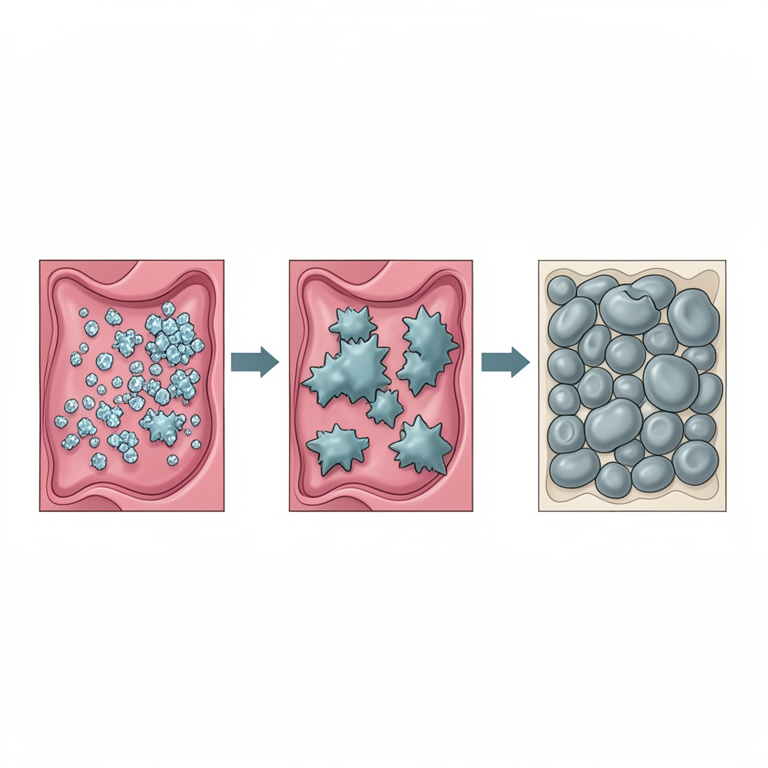
Carcinogenic Pathway of Nitrates
AI-generated conceptual illustration (human stomach and intestinal lining). It explains the idea and does not show study data.
View source evidence ↗Figures & tables
From the original paper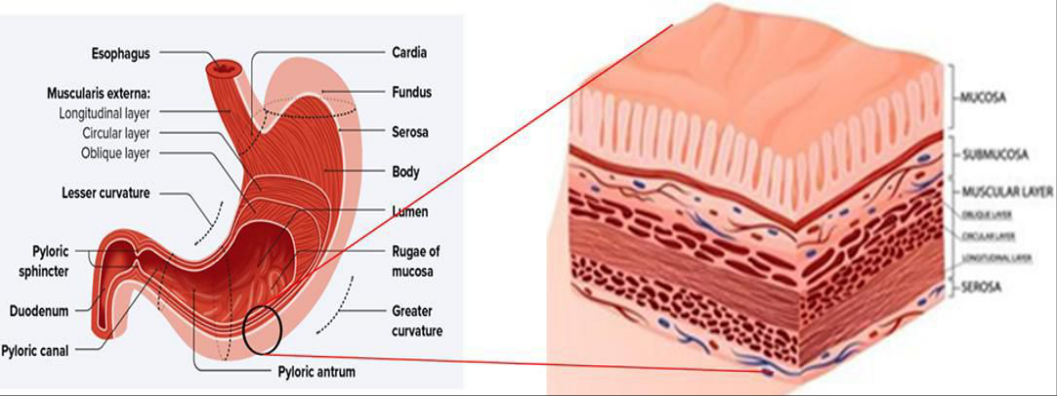 Figure 1
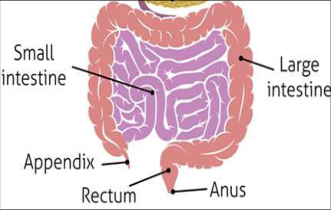 Figure 2
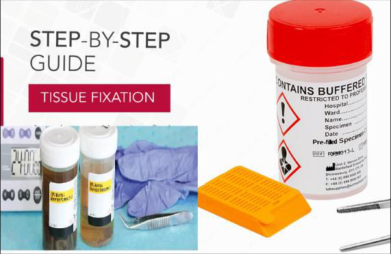 Figure 3
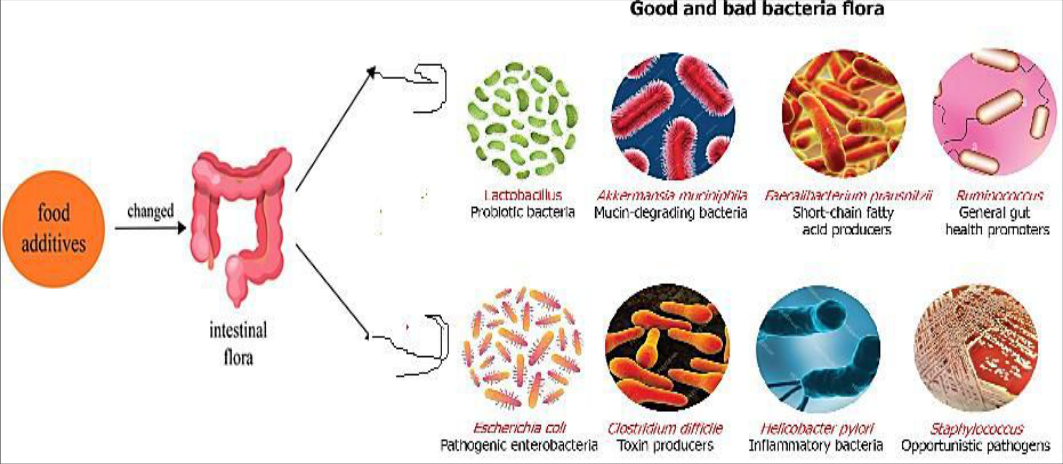 Figure 4
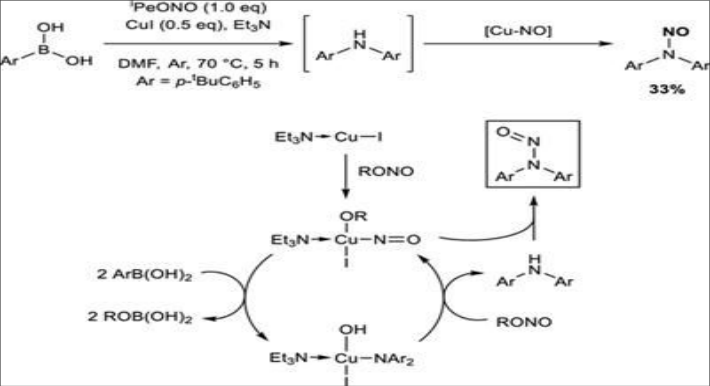 Figure 5
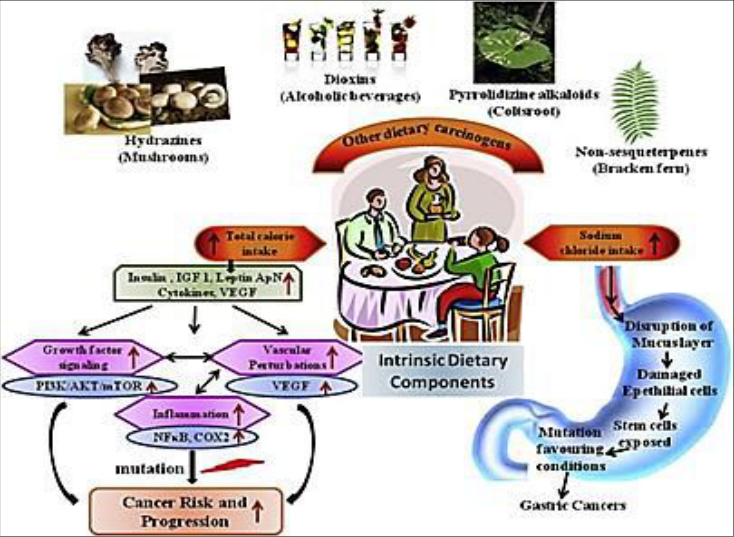 Figure 6
Introduction
Since more than 100 years the citizen never forget "Carcinos'' until 2018 when coved-19 start to writing new story for the human, it has been the main concern of all scientists for nearly two years [1] . Cancer know Unfortunately is not a rare disease but it is one of the most common disease, Although the industrialized world ages witnessed huge development for the human today but bad Surprise is found to" be occurring in organs which in the past were neither previously associated with cancer nor are those in which cancer is now found to be occurring in the less well developed nations''. However, there is an indication of the effect increases the ratios of some new types and common types cancers with the changing environment conditions and complicated the live in different civil and it has been suggested mostly to increased use of food additives. But, the new with old facts which is "if the use of food additives were lifted many other natural substances possessing possible carcinogenic activity would continue to be ingested [2,3] . There is many reported causes for cancer which mentions in huge amount of research which take care and highlight for this disease in all details [4] . One of the most important and commonly identification as a causes for this disease was food additives. European Commission Regulation ECR and European Food Safety Authority EFSA at 2010, was started a program to re-evaluate all the existing approved food additives, in two steps, the first includes food colorants, preservatives with antimicrobials and antioxidants [5] . The 2nd steps which started at 2018 and finished at 2020 were including estimated comprising texturizing agents such as emulsifiers, stabilizers and gelling agents [6] . Cancer know Unfortunately is not a rare disease but it is one of the most common disease, Although the industrialized world ages witnessed huge development for the human today but bad Surprise is found to" be occurring in organs which in the past were neither previously associated with cancer nor are those in which cancer is now found to be occurring in the less well developed nations'' [7] . However, there is an indication of the effect increases the ratios of some new types and common types cancers with the changing environment conditions and complicated the live in different civil and it has been suggested mostly to increased use of food additives. But, the new with old facts which is "if the use of food additives were lifted many other natural substances possessing possible carcinogenic activity would continue to be ingested [8] . The first reported but not published report for the effect of additive food in animals was 1974 [8] which followed with huge attractions for this section to human live and opened the door towards continues work for identification the effect of additives food in this sections.
Stomach and intestines
The stories start when digested and absorbed the food in stomach, although absorption is mostly limited to water, alcohol and some drugs. The stomach, muscular bag, with an expandable and swallowed ability to acceptable more quantities of food inside it by contracting the muscular pyloric sphincter. Food is digestive chemically, by gastric juice, and mechanically effect by, influence the three layers of smooth muscle in the muscular externa layer the product for this steps is chyme. The second process which happened together with the first steps is digestive proteins and fats by hydrochloric acid, mucus, and proteolytic with pepsin and lipase respectively as shown in figure 1. The process which mentions above required about 2 hours which means still all the continent for the enough times to many physical and chemical in this part and that may be represent the explanation for stomach cancer [9] . The second part of which may be susceptible to infection with cancer by food additives is large and small intestine. The large intestine consists of the colon, rectum, and anal canal ends at the anus, while the position start at the ileocecal junction, where the ileum enters the large intestine. The nature anatomy for the wall of the large intestine has the same types of tissue that are found in other parts of the digestive tract with some distinguishing properties. The mucosa has a large number of goblet cells but does not have any villi. The longitudinal which is incomplete muscle is limited to three distinct bands, called teniae coli, that run the entire length of the colon. The important of the teniae coli mainly represent by contraction of exerts pressure on the wall and creates a series of pouches, called haustra, along the colon and the outer surface of the colon was connective to Epiploic appendages. Unlike the small intestine, the large intestine produces no digestive enzymes. Chemical digestion is completed in the small intestine before the chyme reaches the large intestine. Functions of the large intestine include the absorption of water and electrolytes and the elimination of feces [10] .
Tissue Preservation
Maybe one of causes to additive specific materials can be related to preservation of tissue which is especially important for long-term research and studies, such as oncology, pathology, and other biological research fields can lose their integrity and reliability without the proper temperatures and preservation conditions. The purpose of tissue preservation is to maintain the tissue's original molecular and structural state without losing quality and deterioration. The preservation generally had two additions as shown in figure 3: the first was Well-preserved bio specimens can be stored at a biobank for countless years, providing invaluable resources for a variety of medical research purposes. Allows researchers to reexamine high-quality biospecimens over the years in light of new scientific discoveries or upgraded techniques.
Food Additives
Food additives are any organic substances that are added directly or indirectly to food in specific concentration (acceptable intake), for two reasons the first is improve nature of the organoleptic such as flavor, appearance and taste of the food. The second causes were to prevent food spoilage when preventing the growth and proliferation of pathogenic microorganisms like Bacillus cereus and Staphylococcus aureus and that accrued by reduce the value of pH for food. Many advantage for additives food such as increasing the shelf life, maintaining product consistency, wholesomeness and freshness [11,12] .
Disadvantages of Food additives can be reported in many phases
Like any other medicine, may cause adverse effects such as allergic reactions, and carcinogenic effects [13] . Excessive doses of synthetic food additives mostly cause abnormal responses in the gastrointestinal, respiratory, dermatologic, and neurological systems may result from. Can convert to toxic and genotoxic when taken over the Acceptable Daily Intake, some preservatives, notably antimicrobial compounds, may be toxic and genotoxic as well as induce behavioural disorders such as hyperactivity and Attention-deficit/hyperactivity disorder [14] . Children had urticaria, and their Deoxyribonucleic Acid (DNA) which was also severely harmed when they consumed too much sodium benzoate were hyperactive [15] .
Many effects like food allergies, food intolerance, cancer, multiple sclerosis (MS), attention deficit hyperactivity disorder (ADHD), brain in addition to damage, nausea, cardiac disease among others have been reported.
Classification of Food Additives
The nature of additions decided by the purpose or mechanism for existence the additives materials to the food thus when added initially to the food this become direct while the additive during processing, packaging, or storing of the food that refers to indirect additives. Another classification for preservations which is natural and chemical preservatives. The first type natural is obtained from environment such as salt, sugar, vinegar, spices, honey, edible oil etc. while the chemical preservatives are semi synthetic or synthetic in nature such as benzoates, sorbates, nitrites and nitrates of potassium sulphites, glutamates, glycerides etc [16] . Natural preservatives offer great advantage over wear artificial counter parts due to they are non-toxic nature along with a wide range of health benefits while, it has been reported that chemicals which are used as preservatives have side effects. Food additives are intentionally added to food during processing to extend shelf life and improve the quality and sensory properties of pre-packaged food. All the food additives were evaluated in a complex chemical process to assessment the risk depend on data which tested on animal and human studies and observational studies in humans. All the teste required the value of Acceptable Daily Intake (ADI) for food additives in food is established [17] . Artificial sweeteners, monosodium glutamate, sodium sulfite and sodium nitrate/sodium nitrite are common of food preservatives such as nitrates and nitrites of sodium which responsible to gastric cancer. The mechanism of the activates for Sodium nitrates and nitrites represent by formation of N-nitro compounds, which are known as human and animal carcinogen which the second phases N-Nitroso compounds, which are formed from nitrates and nitrites, are responsible for causing cancer. N-nitroso compound include three sources amine such Nitrosamines, amides such Nitrosamides and minidine such Nitrosaminidine [18,19] .
Gut Microbiota
The human gut microbiota was reported that the effects of chemical compounds, ingested intentionally or unintentionally with various food additives and contaminants, which can directly and indirectly alter the composition of the gut microbiota [20]. The changes on the composition could be causing profound short-and long-term negative effects on the gut microbiota, which include change composition and forming dysbiosis, which is closely linked to numerous diseases and negative health outcomes. The effect mostly shown as dysfunction and inflammation in the gut, with negative effects on human health [21] . Some researchers go towards the strategy for using a combination of relevant keywords and phrases in two main categories, food additives, metabolic dysfunction-associated steatotic liver disease and microbiota. One of the most critical results was the 'azo' group which responsible to color being considered to be the most genotoxic. The second cases Polysorbate 80 (P-80), as food additives, is used as an emulsion stabilizer, which added primarily during the production of sauces, ice cream, and confectionery products. This material can cause indirect effect such as a predisposition to type 1 diabetes, cardiovascular disease, intestinal disease, and metabolic syndrome. In the case of the direct effects of emulsifiers on the liver, a predisposition to liver toxicity with formulations in which P-80 was added, which may be the reason for increased membrane permeability [22,23] . The indirect causes for cancer include common example which is Ethoxyquin is a quinolone-based antioxidant used in domestic and farm animal feed, and this compound has been reported to induce dermatitis in animals and humans, as well as being a promoter of certain types of cancer [24] . Ether reported work mentioned that food additive emulsifiers assessed quantitative exposures in a large prospective cohort of adults, which include Higher intakes of mono-and diglycerides of fatty acids (FAs) (E471), total carrageenans (E407, E407a), and carrageenan (E407) were associated with higher risks of overall, breast, and/or prostate cancers. The results were shown that important epidemiological insights into the role of emulsifiers on cancer risks, and need to be confirmed in further epidemiological and experimental research [25] . Some researcher went towards evaluate the genotoxicity of 32 additives and six mixtures identified by the NutriNet-Santé cohort as the most widely consumed. The results show that possibility of toxic synergies in mixtures with the combined effects of multiple substances. Genotoxicity screening was reported for clastogenic compounds using the γH2AX (f) and while for aneugenic compounds at pH3 biomarkers in four human cell models (colon, liver, kidney, and neurons) which represent the common target organs of food contaminants. The 32 compounds were categorized into five groups based on their toxicological profiles. Eight additives were cytotoxic, four promoted cell proliferation, two were genotoxic with a clastogenic mode of action, and the remaining 19 were neither cytotoxic nor genotoxic at the concentration tested [26] . The other example for mutagenic include two sections: the first is by additive foods into this category fall caffeine, other methylxanthines, and methylglyoxal in coffee as well as flavonoids in a wide variety of plants used for food. Other mutagens may be present in foods as unintentional contaminants such as industrial chemicals or pesticides, or as intentionally used additives such as nitrites. The second mutagens may enter food during various food-processing techniques such as the smoking or charcoal-broiling of meat will result in the deposition of mutagenic polynuclear aromatic hydrocarbons like benzo /pyrene [27] .
Conclusion
This review has highlighted several important notes which include firstly: Many food additives are naturally many food additives are causing directly or indirectly for many types of cancer. This also bears out the point that 'natural' is not necessarily 'safe'. The other point which should be take care represent by The compound under test should always be given by the route to which man is or will be exposed for a valid extrapolation of results from experimental animals to be made. In most food applications more than one food additive is available that may give the right choices, while if the cases are not as we needed, and that related to critical hazard to human health is indicated, it should be evolution the all additive before used to prevent the risks of its consumption versus the benefits it. Finally, it should be take care with the specific additive food which may causing mutagens towards
Figures and tables from the paper
References
26 in the original paper- Abdulrazzak FH, Abbas AM, Al Mgheer TH, Mohammed I, Ajobree AM, Alkaim AF, Himdan TA, Hussein FH. Novel Coronavirus 2019-nCoV selectivity and activity between Asians and Europeans populations: A review. Int J Psychosoc Rehabil. 2020;24(5).
- Fairweat FA. Food additives and cancer. Proc Nutr Soc. 1981;40:21.
- Sonay AY. Deep tissue imaging of cancer in the infrared. Nat Rev Cancer. 2025. https://doi.org/10.1038/s41568-025-00823-w
- Corn BW, Feldman DB. Cancer statistics, 2025: A hinge moment for optimism to morph into hope? Cancer J Clin. 2025;75(1CA:A).
- Carocho M, Barreiro MF, Morales P, Ferreira ICFR. Adding molecules to food, pros and cons: A review on synthetic and natural food additives. Compr Rev Food Sci Food Saf. 2014. doi:10.1111/1541-4337.12065
- Pașca C, Coroian A, Socaci S. Risks and benefits of food additives-review. Bull UASVM Anim Sci Biotechnol. 2018;75(2).
- Swanton C, Bernard E, Abbosh C, André F, Auwerx J, Balmain A, Bar-Sagi D, et al. Embracing cancer complexity: Hallmarks of systemic disease. Cell. 2024;187(7):1589-1616.
- Fairweat FA. Food additives and cancer. Proc Nutr Soc. 1981;40:21.
- Sexton RE, Al Hallak MN, Diab M, Azmi AS. Gastric cancer: a comprehensive review of current and future treatment strategies. Cancer Metastasis Rev. 2020;39(4):1179-1203. DOI:10.1007/s10555-020-09925-3
- Inetianbor JE, Yakubu JM, Ezeonu SC. Effects of food additives and preservatives on man -a review. Asian J Sci Technol. 2015;6(2):1118-1135.
- Tessari C, Imran SJ, Akbar N, Gerosa G. Tissue preservation and access: Modern innovation in biobanking moving forwards a personalized treatment. J Pers Med. 2025;15:190. https://doi.org/10.3390/jpm15050190
- Elsherif HM, Elkhoudary MM, Abdel Salam RA, Hadad GM, El-Gindy A. A review of food additives from definition and types to the method of analysis. Rec Pharm Biomed Sci. 2023;7(1):49-64.
- AOAC. Official Method 970.33. Boric acid and borates in food qualitative test. In: Manual of Methods of Analysis of Foods -Food Additives. Food Safety and Standards Authority; 2015.
- Bahremand N, Eskandari S. Determination of potassium sorbate and sodium benzoate in "Doogh" by HPLC and comparison with spectrophotometry. Int J Bio-Inorg Hybrid Nanomater. 2013;2(3):429-435.
- Gupta R, Yadav RK. Impact of chemical food preservatives on human health. J Archaeol Egypt/Egyptol. 2021;18(15).
- Ivanovic N, Dimitrijevic Brankovic S. Effects of food additives on gut microbiota: What's new in 2024. Microb Health Dis. 2024;6:e1106.
- Cheng XJ, Lin JC, Tu SP. Etiology and prevention of gastric cancer. Gastrointest Tumors. 2016;3(1):25-36. doi:10.1159/000443995
- López-Rodríguez R, McManus JA, Murphy NS, Ott MA, Burns MJ. Organic Process Res Dev. 2020;24(9):1558-1585. DOI:10.1021/acs.oprd.0c00323
- Cao Y, Hongli L, Ningbo Q, Xiaomeng R, Beiwei Z, Xiaodong X. Impact of food additives on the composition and function of gut microbiota: A review. Trends Food Sci Technol. 2020;99:295-310.
- Laudisi F, Stolfi C, Monteleone G. Impact of food additives on gut homeostasis. Nutrients. 2019;11:2334.
- Ogulur I, Yazici D, Pat Y, Bingöl EN, Babayev H, Ardicli S, et al. Mechanisms of gut epithelial barrier impairment caused by food emulsifiers polysorbate 20 and polysorbate 80. Allergy. 2023;78:2441-2455.
- Warner JO. Artificial food additives: Hazardous to long-term health? Arch Dis Child. 2024;109:882-885.
- Xiao Y, Gao X, Yuan J. Comparative study of an antioxidant compound and ethoxyquin on feed oxidative stability and on performance, antioxidant capacity, and intestinal health in starter broiler chickens. Antioxidants. 2024;13:1229. https://doi.org/10.3390/antiox13101229
- Sellem L, Srour B, Javaux G, Chazelas E, Chassaing B, et al. Food additive emulsifiers and cancer risk: Results from the French prospective NutriNet-Santé cohort. PLoS Med. 2024;21(2):e1004338. https://doi.org/10.1371/journal.pmed.1004338
- Payen de la Garanderie M, Hasenbohler A, Dechamp N, Javaux G, Szabo de Edelenyi F, et al. Food additive mixtures and type 2 diabetes incidence: Results from the NutriNet-Santé prospective cohort. PLoS Med. 2025;22(4):e1004570. DOI:10.1371/journal.pmed.1004570
- National Research Council (US) Committee on Diet, Nutrition, and Cancer. Diet, nutrition, and cancer: Directions for research. Washington (DC): National Academies Press (US); 1983. Chapter 8, Food additives, contaminants, carcinogens, and mutagens. Available from: https://www.ncbi.nlm.nih.gov/books/NBK216714/