
Research article · 2025 · Full text
International Journal of Agriculture and Food SciencePotential of jackfruit seed as a functional ingredient: A Review
Volume 7(5) · Pages 283–289 · DOI: 10.33545/2664844x.2025.v7.i5e.411 ↗
Research areasGABA and Rice ResearchAdvances in Cucurbitaceae ResearchPhytoestrogen effects and research
Abstract
Author-writtenThe tropical fruit known as jackfruit (Artocarpus heterophyllus) is cultivated extensively, yet its seeds are often discarded as garbage. Nonetheless, these seeds have an array of nutritional and practical potential as they are high in fibre, proteins, carbohydrates, vitamins, and minerals. In this review, the underutilised jackfruit seed is examined with a focus on its nutritional makeup, bioactive components such as phenolics, flavonoids, terpenoids, steroids, glycosides, saponins, alkaloids, and tannins and numerous applications in the food and pharmaceutical sectors. The potential of jackfruit seeds as a natural source of nutraceuticals is highlighted by the presence of polyphenols, flavonoids, tannins, and other bioactive compounds. The present review aimed to provide an overview of health benefits of jackfruit seed, various processing techniques and their value added food products.
Summary
Source-checkedPlain-language reading of the full paper, prepared with AI and checked against the text. Each point links to the authors' own words.
Why it matters
- Jackfruit is widely grown in tropical regions, but its seeds are frequently treated as waste and thrown away. View evidence ↗
- Despite being discarded, jackfruit seeds are rich in essential nutrients including proteins, fiber, carbohydrates, vitamins, and minerals. View evidence ↗
- The fruit contains various phytocompounds that provide a wide range of health benefits, such as antioxidant, anti-inflammatory, and antibacterial properties. View evidence ↗
The question
- This review aims to summarize the health benefits of jackfruit seeds, the methods used to process them, and how they can be used in value-added food products. View evidence ↗
What they did
- The review identifies several processing methods to create seed flour, including roasting, boiling, autoclaving, drying, and germination. View evidence ↗
- One specific processing method involves roasting the seeds at 160°C for one hour. View evidence ↗
- The autoclaving process involves heating seeds at 121°C for 10 minutes, followed by a 30-minute treatment with 0.05% NaOH. View evidence ↗
What they found
- Jackfruit seeds are a source of dietary fiber (3.19%) and carbohydrates (22%). View evidence ↗
- The seeds contain a primary protein known as jacalin, which is noted for its immunological properties. View evidence ↗
- Raw seeds contain four phenolic acids, with gallic acid being the most abundant, followed by tannic, caffeic, and ferulic acids. View evidence ↗
- Bread made with 25% jackfruit seed flour was found to be more nutritious than whole wheat bread and had good overall acceptability. View evidence ↗
- Adding 10% jackfruit seed flour to cake increased the protein content and decreased the fat content. View evidence ↗
- Cookies containing 12.5% jackfruit seed flour are nutritionally enhanced with minimal anti-nutritional components and maintain their sensory quality. View evidence ↗
- Waffle ice cream cones supplemented with 60% jackfruit seed flour showed higher levels of overall acceptance and crispiness. View evidence ↗
- Crackers achieve optimal hardness and crispness when using a blend of 70% wheat flour and 30% jackfruit seed flour. View evidence ↗
What it means
- The authors conclude that jackfruit seed flour is a versatile, gluten-free alternative to wheat flour, suitable for functional foods and gluten-free diets. View evidence ↗
- The authors state that future research is needed to improve the extraction of bioactive compounds, refine processing methods, and explore new applications. View evidence ↗
Visual summary
1 visualsIllustrations explain the paper; they do not show study data.
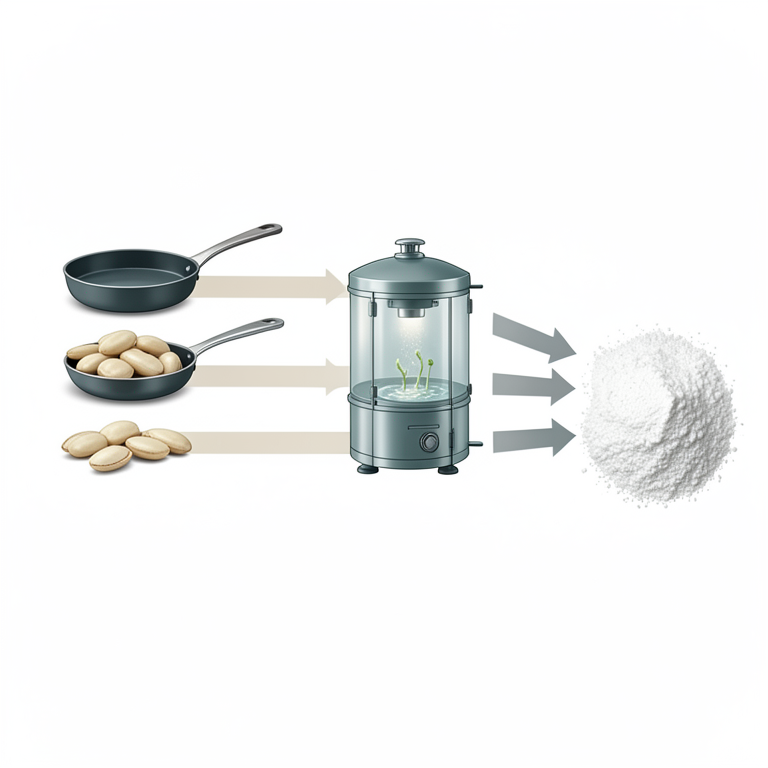
Jackfruit Seed Processing Flow
AI-generated conceptual illustration (jackfruit seeds). It explains the idea and does not show study data.
View source evidence ↗Figures & tables
From the original paper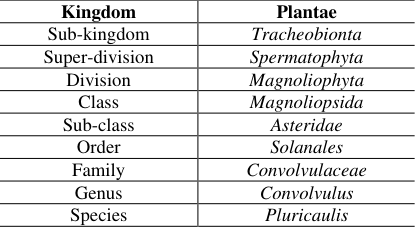 Table 1
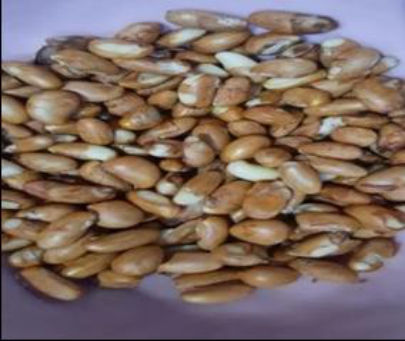 Figure 1
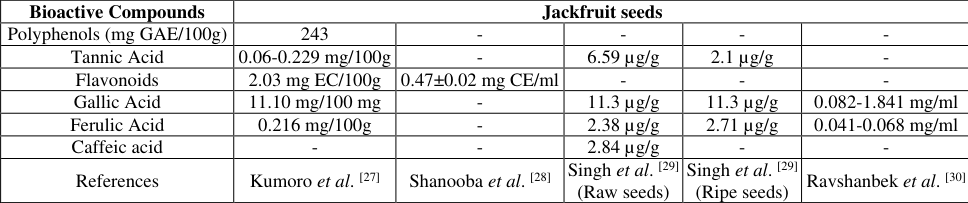 Table 2
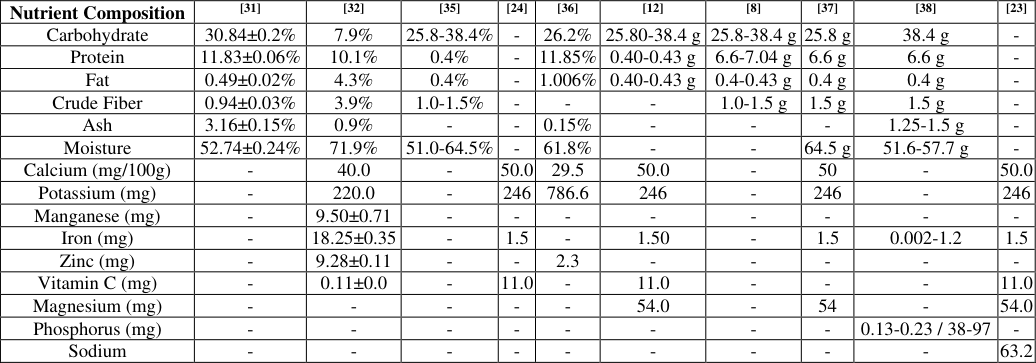 Table 3
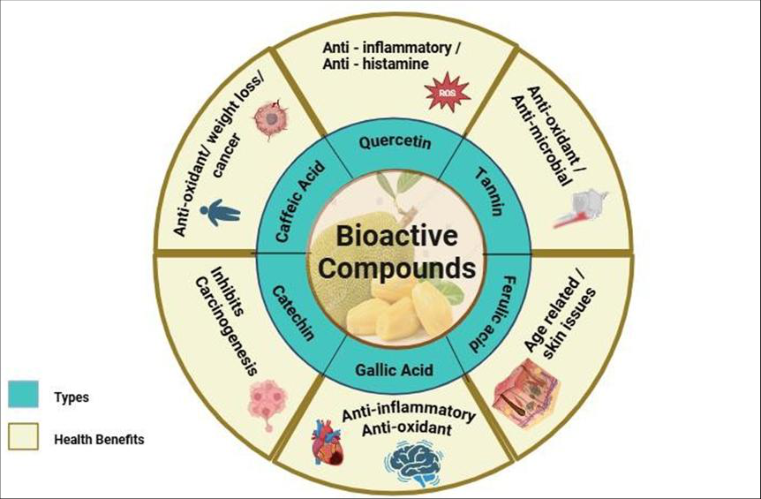 Figure 2
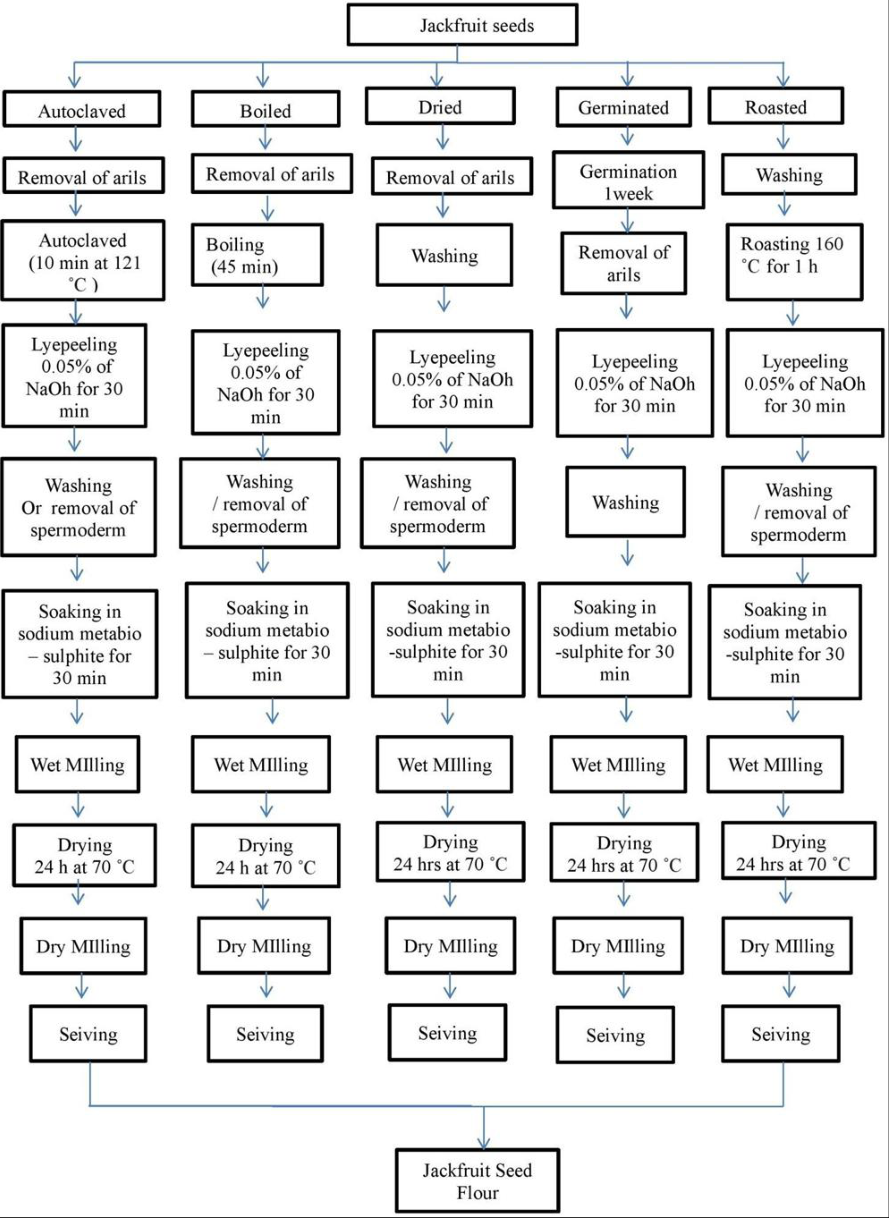 Figure 3
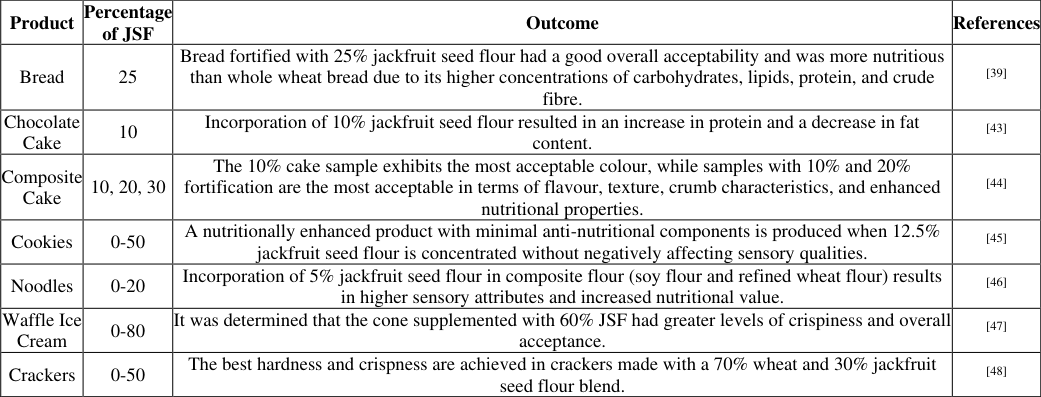 Table 4
Introduction
Jackfruit, scientifically known as Artocarpus heterophyllus, is the largest fruit-bearing tree in the world and a member of the Moraceae family [1] . It is commonly found in tropical and subtropical countries such as Bangladesh, Indonesia, Malaysia, Sri Lanka, and Thailand [2] . Particularly in eastern and southern parts of India, the fruit is often referred to as the "poor man's fruit" [3] . Since it is a highly heterozygous and cross-pollinated crop, it exhibits an abundance of diversity in the population's production, fruit size, shape, quality, and maturity period. The taxonomical classification is given in Table 1. India is regarded as the jackfruit's motherland and is the world's second-largest producer [4] . The jackfruit is indigenous to parts of South and Southeast Asia and is believed to have originated in the rain forests of India's Western Ghats. It is cultivated throughout the lowlands of South and Southeast Asia [5] . The fruit is commonly referred to as "kata-hai" or "kathal" in Bengali and Hindi [6] . Around 35% of the jackfruit is considered edible, while the other 60% comprised of inedible components such as the prickly rind, fibres, latex, and seeds. The light brown hue and oval, oblong, ellipsoid, or circular form of these seeds set them apart [7] . Despite its immense potential and use, jackfruit is still an underutilised fruit, and it merits the essential push for research and development [8] . The fruit is categorised into three main groups, the persisting perianth, the fruit axis, and the true fruit. The axis and core of the fruit are inedible as they possess laticiferous cells that create latex, which seals the fruits together. The perianth consists of three parts, bulb and lowest mushy edible section, middle-fused part that forms the rind of the syncarp and the horny, inedible part known as the spikes [9] . The jackfruit varies in length from 22 to 90 cm and weigh between 2 and 36 kg [10] . The flesh can be consumed raw or processed. Typically, each fruit comprises between. 100 and 500 seeds [11] which account for approximately 8 to 15% of the fruit's overall weight. These seeds are recalcitrant and can be stored in cold, humid surroundings for up to a month. The thin, waxy, parchment-like testa (husk) and the brownish, membrane-like tegmen together form the seed coat. The endosperm is seldom noticeable, and the cotyledons are usually uneven in size. A typical fruit has 10% core, 20% white pulp (undeveloped perianth, rags, and bark), 15% edible seeds, and 27% edible seed coat [12] . Seeds are also an excellent source of vitamins, minerals, dietary fibre, and protein. They can be consumed after simmering, roasting, or kept in syrup [13] . Jackfruit is also known as "giant nutrition" [11] . It is an energy-rich fruit and a powerful antioxidant, antiinflammatory, antihypertensive, antibacterial, antifungal, anticariogenic, antineoplastic, cicatrizent, and hypoglycemic fruit because it is rich in phytocompounds including flavonoids, stillbenoids, morin, artocarpin, dihydromorin cynomacurin, isoartocarpin, cyloartocarpin, artocarpesin, artocarpetin, artocarpanone, oxydihydroartoartocarpesin, norartocarpetin, and cycloartinone [14] .Major phytochemical components of jackfruit include carotenoids; prenylflavones and sterol [15] . All-trans lutein, all-trans-β-carotene, alltransneoxanthin, 9-cis-neoxanthin, and 9-cis-violaxanthin were identified as the primary carotenoids in jackfruit. Agerelated macular degeneration, cancer, inflammation, cardiovascular disease, cataracts, and other chronic degenerative disorders can potentially be prevented by the carotenoids in jackfruit [9] .
| Kingdom | Plantae |
|---|---|
| Sub-kingdom | Tracheobionta |
| Super-division | Spermatophyta |
| Division | Magnoliophyta |
| Class | Magnoliopsida |
| Sub-class | Asteridae |
| Order | Solanales |
| Family | Convolvulaceae |
| Genus | Convolvulus |
| Species | Pluricaulis |
Table text extracted from the original PDF; superscript letters are shown inline. The original table image is below.
View original table image
Jackfruit Seed
The jackfruit seeds are around 10-15% of the total fruit weight [17] and are part of non-leguminous plant having high carbohydrate and protein contents [10] . These seeds are spherical, light brown, approximately 2-3 cm in length and 1-1.5 cm width. A thin, white membrane envelops them. Despite being edible, they are difficult for humans to digest [16] . A single seed is surrounded by a slender brown spermoderm and a white aril that covers the fleshy white cotyledon [18] . Despite being consumed and utilised, seeds are usually thrown away, wasted, or destroyed due to their high moisture content. Regardless of being underutilised and undervalued by the general population, jackfruit seeds have substantial nutritional benefits and may be employed as a functional food ingredient [19] . It is also a good source of carbohydrate (22%) and dietary fibre (3.19%) and therefore maintain a healthy digestive system [10] . Jackfruit seeds also consists of phytonutrients such as isoflavones, and saponins that have numerous health benefits, including anticancer, antihypertensive, antiaging, antioxidant, and antiulcer qualities [22] . Jackfruit seeds possess a primary protein called jacalin, which has immunological capabilities [13] . The seeds have potential for value addition and neutraceutical advancements and can be consumed as a valuable source of antioxidant, antibacterial, mineral, and nutritional components [18] . It also contains various vital minerals magnesium, potassium, phosphorus, calcium, sodium, iron, copper, zinc, and manganese are found in jackfruit seeds [23] . Additionally, jackfruit seeds contain resistant starch, which improves intestinal health and blood sugar regulation. Rich in two B vitamins, thiamine and riboflavin, it helps convert food into energy and maintains healthy skin, eyes, and hair [5] . The starch from jackfruit seeds offers assures use in the pharmaceutical sector. Jackfruit seed starch is utilised as a superdisintegrant in the production of fast-dissolving tablets (FDT). Additionally, starch has the ability to thicken, gel, and create films [24] . These attributes make them suitable for utilization as a functional remedy and a plant-derived ingredient in pharmaceutical applications [25] .
Bioactive compounds in jackfruit seed
A bioactive compound is a compound having some biological activity. A bioactive substance has its direct physiological or cellular effects on a living organism [24] . Jackfruit seeds have shown to have potential as alternative treatments against malignant cells and regulate calorie intake while lowering pro-inflammatory states, oxidative stress, and metabolic diseases because they contain bioactive chemicals that have significant pharmacological capabilities as anti-tumour agents with potential therapeutic benefits [26] . Various bioactive compounds such as polyphenols, tannins, flavonoids, ferulic acid, gallic acid are found in jackfruit seeds [27] . These substances are vital for potential health benefit, including anti-inflammatory and antioxidant, antimicrobial qualities shown in Figure 2. Four phenolic acids (Gallic, tannic, caffeic and ferulic acids) were detected in raw fruit seeds where gallic acid was maximum followed by tannic, caffeic and ferulic acids. However, in ripe fruit seeds there was only three phenolic acids (gallilc, ferulic and tannic acids) in which gallic acid was maximum followed by ferulic and tannic acid. Depicted in Table 2.
| Bioactive Compounds | Jackfruit seeds | — | — | — | — |
|---|---|---|---|---|---|
| Polyphenols (mg GAE/100g) | 243 | - | - | - | - |
| Tannic Acid | 0.06-0.229 mg/100g | - | 6.59 µg/g | 2.1 µg/g | - |
| Flavonoids | 2.03 mg EC/100g | 0.47±0.02 mg CE/ml | - | - | - |
| Gallic Acid | 11.10 mg/100 mg | - | 11.3 µg/g | 11.3 µg/g | 0.082-1.841 mg/ml |
| Ferulic Acid | 0.216 mg/100g | - | 2.38 µg/g | 2.71 µg/g | 0.041-0.068 mg/ml |
| Caffeic acid | - | - | 2.84 µg/g | - | - |
| References | Kumoro et al. [27] | Shanooba et al. [28] | Singh et al. [29] (Raw seeds) | Singh et al. [29] (Ripe seeds) | Ravshanbek et al. [30] |
Table text extracted from the original PDF; superscript letters are shown inline. The original table image is below.
View original table image
Tannins are polyphenolic compounds with antioxidant and antimicrobial properties and antiinfammatory properties.
They have been studied for their potential role in preventing and treating various diseases, including cancer and cardiovascular disorders. The bioactive compounds in jackfruit seeds, such as polyphenols, flavonoids, gallic acid, and ferulic acid, are present in relatively higher concentrations compared to the other sample data.
Nutritional composition of jackfruit seed
The nutritional composition of the jackfruit seed is shown in Table 3. Carbohydrate, protein, fat, crude fiber, ash and moisture contents were recorded in per 100 g of dry material samples. Raw jackfruit seeds are substantial source of both protein and carbohydrate, making them an excellent supplement to the diet. Jackfruit seeds contain the most carbohydrates and moisture and crude protein content indicating it as a potential source of protein enriched food [31] . Out of the various studies carbohydrate content values was reported high as 78.65 % [8] . The range of protein levels, indicate a higher degree of protein availability. The seeds' usefulness for low-fat dietary formulations is highlighted by their comparatively low fat content, which help prevent weight gain in people. The distinct variations in the nutritional profile is due to different storage conditions, seed variety and seed maturity. Additional evidence of the nutritional benefits of jackfruit seeds comes from mineral analysis. Jackfruit seed contains variety of minerals such as calcium, potassium, manganese, iron, zinc, phosphorous and vitamin C providing antioxidant benefits.
| Nutrient Composition | [31] | [32] | [35] | [24] | [36] | [12] | [8] | [37] | [38] | [23] |
|---|---|---|---|---|---|---|---|---|---|---|
| Carbohydrate | 30.84±0.2% | 7.9% | 25.8-38.4% | - | 26.2% | 25.80-38.4 g | 25.8-38.4 g | 25.8 g | 38.4 g | - |
| Protein | 11.83±0.06% | 10.1% | 0.4% | - | 11.85% | 0.40-0.43 g | 6.6-7.04 g | 6.6 g | 6.6 g | - |
| Fat | 0.49±0.02% | 4.3% | 0.4% | - | 1.006% | 0.40-0.43 g | 0.4-0.43 g | 0.4 g | 0.4 g | - |
| Crude Fiber | 0.94±0.03% | 3.9% | 1.0-1.5% | - | - | - | 1.0-1.5 g | 1.5 g | 1.5 g | - |
| Ash | 3.16±0.15% | 0.9% | - | - | 0.15% | - | - | - | 1.25-1.5 g | - |
| Moisture | 52.74±0.24% | 71.9% | 51.0-64.5% | - | 61.8% | - | - | 64.5 g | 51.6-57.7 g | - |
| Calcium (mg/100g) | - | 40.0 | - | 50.0 | 29.5 | 50.0 | - | 50 | - | 50.0 |
| Potassium (mg) | - | 220.0 | - | 246 | 786.6 | 246 | - | 246 | - | 246 |
| Manganese (mg) | - | 9.50±0.71 | - | - | - | - | - | - | - | - |
| Iron (mg) | - | 18.25±0.35 | - | 1.5 | - | 1.50 | - | 1.5 | 0.002-1.2 | 1.5 |
| Zinc (mg) | - | 9.28±0.11 | - | - | 2.3 | - | - | - | - | - |
| Vitamin C (mg) | - | 0.11±0.0 | - | 11.0 | - | 11.0 | - | - | - | 11.0 |
| Magnesium (mg) | - | - | - | - | - | 54.0 | - | 54 | - | 54.0 |
| Phosphorus (mg) | - | - | - | - | - | - | - | - | 0.13-0.23 / 38-97 | - |
| Sodium | - | - | - | - | - | - | - | - | - | 63.2 |
Table text extracted from the original PDF; superscript letters are shown inline. The original table image is below.
View original table image
Jackfruit seed flour
Jackfruit seed flour is a substitute for wheat that can be used to make bread, buttered cookies, cakes, vada, chapattis, noodles, and more [39] . Since fresh seeds cannot be stored for an extended period of time, seed flour is a substitute that can be utilised in various dishes [24] . Jackfruit seed's bulk density, swelling power, and ability to absorb water and oil are all strong practical attributes and has high bulk density and water absorption capability, making it optimal for use as thickening and binding agent in baking industry. Therefore, it enhance the flavour, digestibility, and nutritional value of food [40] . The flour is relatively low in fat and high in proteins, carbs, and minerals (sodium, potassium, magnesium, and zinc). As a result, the seed flour is a valuable component in functional foods and poses no health risks when consumed [19] .
Fig 3:
Different Processing techniques for processing of jackfruit seed flour [41] International Journal of Agriculture and Food Science https://www.agriculturaljournals.com
Processing of jackfruit seed flour
These seeds can be processed to yield flour and other storage-friendly intermediate products. Various distinct processing techniques are used to produce jackfruit seed flour which includes autoclaving, boiling, drying, germination, and roasting is depicted in Fig 3 . Though the methods in each approach are different but they all result in the same end product, which is jackfruit seed flour. These procedures improve the product's appearance, nutritional content, digestibility, antioxidant capacity, and storage qualities [13] . In autoclave method, the seeds are first separated from the plumules and then autoclaved for 10 minutes at 121°C followed by lye with 0.05% NaOH for 30 minutes. The seeds undergo wet milling after being thoroughly cleaned and soaked in 0.05% sodium metabisulfite for 30 minutes. The final flour is obtained by sieving and dry milling after a 24-hour drying process at 70°C. Boiling method is comparable to the autoclaved procedure, except that seeds are boiled for forty-five minutes before being processed further. In dried method, NaOH treatment is used to wash and peel the seeds. The final flour is produced via dry milling, sifting, and drying. The Germinated method involves a week long germination period after which the arils are entirely removed.The procedure is finished by lye peeling, washing, soaking in sodium metabisulphite, wet milling, drying, dry milling, and sieving. Roasting method include roasting of seeds at 160° C for 1 hr. The successive steps: peeling, washing, soaking, milling, drying, and sifting-remain identical with other methods. In the end, all techniques result in the creation of jackfruit seed flour, nutritious and wholesome product [41] . Jackfruit seed flour made by roasting has a higher nutritional value because its moisture content is reduced. Applications for the seed flour have been discovered in bakery goods such as bread, cookies, and cakes, extruded goods such as snacks, noodles, and breakfast cereals, and infant food [4] .
Value-added products prepared by incorporating jackfruit seed flour
The approach of modifying a food product to raise its inherent value is known as value addition. Breakfast cereals, jams, ice creams, juices, yoghurts, cheeses, pickles, concentrates, sauces, ketchup, extruded snacks, etc. are a few examples of items with added value [24,42] . Due to its significant availability throughout the year, jackfruit trees typically yield an abundance of fruits around the fruiting season, and although many fruits and seeds are lost on a huge scale, people use jackfruit in a variety of ways and developed into products of added value [15] . Traditional products, extruded products, and baked goods were among the foods made with jackfruit seed flour. Addition of jackfruit seed flour at optimum conentration helped improve the physicochemical, textural, colour, and sensory attributes of a variety of products [42] .Studies on various product kinds and added benefits brought about by the inclusion of jackfruit flour are listed in Table 4. Bread fortified with 25% jackfruit seed flour had a good overall acceptability and was more nutritious than whole wheat bread due to its higher concentrations of carbohydrates, lipids, protein, and crude fibre.
[39] Chocolate Cake 10 Incorporation of 10% jackfruit seed flour resulted in an increase in protein and a decrease in fat content. [43] Composite Cake 10, 20, 30
The 10% cake sample exhibits the most acceptable colour, while samples with 10% and 20% fortification are the most acceptable in terms of flavour, texture, crumb characteristics, and enhanced nutritional properties. [44] Cookies 0-50 A nutritionally enhanced product with minimal anti-nutritional components is produced when 12.5% jackfruit seed flour is concentrated without negatively affecting sensory qualities. [45] Noodles 0-20 Incorporation of 5% jackfruit seed flour in composite flour (soy flour and refined wheat flour) results in higher sensory attributes and increased nutritional value. [46] Waffle Ice Cream 0-80 It was determined that the cone supplemented with 60% JSF had greater levels of crispiness and overall acceptance.
[47] Crackers 0-50 The best hardness and crispness are achieved in crackers made with a 70% wheat and 30% jackfruit seed flour blend.
Conclusion
Jackfruit seeds, generally discarded as waste contain tremendous untapped potential as a great dietary and functional element. Using various processing techniques, jackfruit seed flour provides a flexible, gluten-free substitute for wheat flour, making it a great choice for the increasing demand for gluten-free diets and functional foods and a nutritious substitute for people with celiac disease. Additionally, jackfruit seed flour has proven to be an invaluable ingredient in the production of products with added value, including bread, cakes, cookies, noodles, and snacks. It is highly nutritious and consists of various health benefits such as anticarcinogenic, antimicrobial, antiinflammatory, hypoglycemic, antioxidant and antiageing effects. Therefore further study is needed to fully understand its potential in the food and pharmaceutical sectors. In order to establish jackfruit seeds as a sustainable, healthpromoting component of a variety of industries, future research should concentrate on improving bioactive compound extraction, streamlining processing techniques, and investigating potential applications.
Figures and tables from the paper
References
45 in the original paper- Balqis SZ, Rosma A. Artocarpus integer leaf protease: purification and characterisation. Food Chem. 2011;129(4):1523-1529.
- Saha P, Das S, Khanom SA, Islam L, Begum S, Parveen S. Nutritional & microbiological quality assessment of dehydrated jackfruit (Artocarpus heterophyllus) seed powder. Octa Journal of Biosciences. 2016 Dec 1;4(2).
- Mandave P, Bobade H, Patil S. Jackfruit seed flour: Processing technologies and applications. International Journal of Agricultural Engineering. 2018;11(Special Issue):149-54.
- Wangchu L, Singh D, Mitra SK. Studies on the diversity and selection of superior types in jackfruit (Artocarpus heterophyllus Lam.). Genetic Resources and Crop Evolution. 2013 Jun;60:1749-1762.
- Aswin GA, Bhasin A, Mazumdar A. Utilization of jackfruit by-products and application in food industry. Pharma Innov J. 2022;11:2293-2299.
- Hajare B, Bhutada DS, Khare AM, Radhakrishnan S, Kulkarni MB. Review on conversion of jackfruit (Artocarpus heterophyllus) waste for making value added polymers. Biomass Conversion and Biorefinery. 2024 Oct;14(19):23245-57.
- Nansereko S, Muyonga JH. Exploring the potential of jackfruit (Artocarpus heterophyllus Lam). Asian Food Sci J. 2021;20:97-117.
- Ranasinghe RA, Maduwanthi SD, Marapana RA. Nutritional and health benefits of jackfruit (Artocarpus heterophyllus Lam.): a review. International Journal of Food Science. 2019;2019:4327183.
- Shajahan MS, Susmita D, Arti S, Ab WW, Neha R, Sanjeev K, et al. Jackfruit seed: A functional food companion. Afr J Biol Sci. 2024;6(12):2330-51.
- Islam MS, Begum R, Khatun M, Dey KC. A study on nutritional and functional properties analysis of jackfruit seed flour and value addition to biscuits. Int J Eng Res Technol. 2015;4(12):139-47.
- Khan AU, Ema IJ, Faruk MR, Tarapder SA, Khan AU, Noreen S, et al. A review on importance of Artocarpus heterophyllus L. (Jackfruit). Multidiscip Appl Nat Sci. 2021 Jul 30;1(2):106-16.
- Mohammed S, Dubey PK, Mishra AA, Rahman S. Valorisation of jackfruit seed flour in extrusion and bakery products: A review. Food Sci Biotechnol. 2024 Nov;33(14):3167-80.
- Sreeja Devi PS, Kumar NS, Sabu KK. Phytochemical profiling and antioxidant activities of different parts of Artocarpus heterophyllus Lam. (Moraceae): A review on current status of knowledge. Future Journal of Pharmaceutical Sciences. 2021 Dec;7:1-7.
- Baliga MS, Shivashankara AR, Haniadka R, Dsouza J, Bhat HP. Phytochemistry, nutritional and pharmacological properties of Artocarpus heterophyllus Lam (jackfruit): A review. Food Res Int. 2011 Aug 1;44(7):1800-1811.
- Vazhacharickal PJ, Sajeshkumar NK, Mathew JJ, Kuriakose AC, Abraham B, Mathew RJ, et al. Chemistry and medicinal properties of jackfruit (Artocarpus heterophyllus): A review on current status of knowledge. Int J Innov Res Rev. 2015 Jun;3(2):8395.
- Arora T, Parle A. Jackfruit: A health boon. Int J Res Ayurveda Pharm. 2016 May-Jun;7(3):59-64.
- Hossain MA, Dewan MF, Billah MT, Ahiduzzaman M, Haque MM, Haque MA. Jackfruit seed as a natural source for protein and mineral enrichment of yogurt. J Food Process Preserv. 2023;2023:9899564.
- Sreeletha AS, Lini JJ, Dhanyalekshmi CS, Sabu KR, Pratap CR. Phytochemical, proximate, antimicrobial, antioxidant and FTIR analyses of seeds of Artocarpus heterophyllus Lam. Adv Biotechnol Microbiol. 2017;5(1):555653.
- Brahma R, Ray S. Finding out various potentials and possibilities of jackfruit seed and its usage in the industry: A review. Food Prod Process Nutr. 2023 Jul 11;5(1):55.
- Swami SB, Thakor NJ, Haldankar PM, Kalse SB. Jackfruit and its many functional components as related to human health: a review. Compr Rev Food Sci Food Saf. 2012 Nov;11(6):565-76.
- Hajj VF, Lopes AP, Visentainer JV, Petenuci ME, Fonseca GG. Physicochemical properties, mineral and fatty acids composition of jackfruit seeds flour of two varieties from Brazilian Midwest. Acta Sci Technol. 2022 Jan 1;44:e60187.
- Shedge MS, Haldankar PM, Shabeer TP, Pawar CD, Kasture MC, Dalvi VV, et al. Jackfruit: Functional components related to human health and its application in the food industry. Pharma Innov J. 2022;11(6S):82430.
- Shanmugapriya K, Saravana PS, Payal HA, Mohammed SP, Binnie WI. Antioxidant activity, total phenolic and flavonoid contents of Artocarpus heterophyllus and Manilkara zapota seeds and its reduction potential. Int J Pharm Pharm Sci. 2011;3(5):256-60.
- Dhani S, Hamid, Ngobese NZ, Sharma S, Jaiswal AK. A comprehensive review on nutritional composition, health benefits, and industrial applications of jackfruit seeds. J Agric Food Res. 2025;19:101692.
- Kumoro AC, Alhanif M, Wardhani DH. A critical review on tropical fruits seeds as prospective sources of nutritional and bioactive compounds for functional foods development: A case of Indonesian exotic fruits. Int J Food Sci. 2020;2020:4051475.
- PM S, Tungare K, Sunariwal S, Sonawane S. Extraction and characterization of polyphenols from Artocarpus heterophyllus and its effect on oxidative stability of peanut oil. Int J Fruit Sci. 2020 Sep 21;20(sup3):S113455.
- Singh A, Maurya S, Singh M, Singh UP. Studies on the phenolic acid contents in different parts of raw and ripe jackfruit and their importance in human health. Int J Appl Sci Res Rev. 2015;2:69-73.
- Alibekov RS, Mustapa Kamal SM, Taip FS, Sulaiman A, Azimov AM, et al. Recovery of phenolic compounds from jackfruit seeds using subcritical water extraction. Foods. 2023 Sep 2;12(17):3296.
- Thatsanasuwan N, Duangjai A, Suttirak P, Phanthurat N. Proximate composition and sensory attributes of gluten-free pasta made from jackfruit seeds. Funct Foods Health Dis. 2023 Jan 5;13(1):11-.
- Amadi JA, Ihemeje A, Anene AOC. Nutrient and phytochemical composition of jackfruit (Artocarpus heterophyllus) pulp, seeds and leaves. Int J Innov Food Nutr Susta Agric. 2018 Jul;6(3):27-32.
- Swami SB, Kalse SB. Biodiversity, Nutritional Contents, and Health. Bioactive molecules in food, 2018, p. 1-23.
- Saha SU, Sarker MA, Haque AR, Nayeem TA, Maukeeb AR. A review on tropical fruit: Jackfruit (Artocarpus heterophyllus). Asian J Adv Res. 2022;5:298-307.
- Gupta D, Mann S, Sood A, Gupta RK. Phytochemical, nutritional and antioxidant activity evaluation of seeds of Artocarpus heterophyllus. Int J Pharma Bio Sci. 2011 Oct;2(4):336-345.
- Banerjee S, Datta S. Effect of dry heat treated jackfruit seed powder on growth of experimental animals. IOSR J Pharm Biol Sci. 2015;10:42-46.
- Tiwari AK, Vidyarthi AS. Nutritional evaluation of various edible fruit parts of jackfruit (Artocarpus heterophyllus) at different maturity stages. Int J Chem Pharm Rev Res. 2015;1(1):21-26.
- Hossain MT, Hossain MM, Sarker M, Shuvo AN, Alam MM, Rahman MS. Development and quality evaluation of bread supplemented with jackfruit seed flour. Int J Nutr Food Sci. 2014;3(5):484.
- Teo DC, Abidin MZ, Malik NH, Abdullah N. Functional properties of raw and roasted jackfruit seed flour: a mini review. Food Res. 2024;8(5):111-122.
- Eke-Ejiofor J, Beleya EA, Onyenorah NI. The effect of processing methods on the functional and compositional properties of jackfruit seed flour. Int J Nutr Food Sci. 2014;3(3):166-173.
- Waghmare R, Memon N, Gat Y, Gandhi S, Kumar V, Panghal A. Jackfruit seed: An accompaniment to functional foods. Brazilian J Food Technol. 2019 Jun 13;22:e2018207.
- Arpit S, John D. Effects of different levels of jackfruit seed flour on the quality characteristics of chocolate cake. Res J Agric For Sci. 2015;2320:6063.
- Khan SA, Saqib MN, Alim MA. Evaluation of quality characteristics of composite cake prepared from mixed jackfruit seed flour and wheat flour. J Bangladesh Agric Univ. 2016;14(2):219-227.
- Maskey B, Subedi S, Shrestha NK. Effect of incorporation of jackfruit (Artocarpus heterophyllus) seed flour on the quality of cookies. Dristikon. 2020 Dec 31;10(1):60-72.
- Nandkule VD, Masih D, Sonkar C, Patil DD. Development and quality evaluation of jackfruit seed and soy flour noodles. Int J Sci Engg Technol. 2015;3(3):802-6.
- Meetthal SM, Kaur N, Singh J, Gat Y. Effect of addition of jackfruit seed flour on nutrimental, phytochemical and sensory properties of snack bar. Curr Res Nutr Food Sci J. 2017 Aug 20;5(2):154-158.
- Ulyarti U, Capriola J. The characterization of jackfruit seed flour and its application for crackers. J Bio-Geo Mater Energi. 2022 Sep 30;2(2):52-59.
Cited by 1
From OpenAlex, OpenCitations and reference lists read by Scinovex
- Indian knowledge system plant based carbon dots: synthesis and optical sensing applications for environmental remediation ↗
Inderbir Kaur, Batra, Jasmina Baveja, J. Mejia, Y. Kumar, V. Agarwal · RSC Advances · 2026
(bael patra fruit) for detection of allura red, Fe(iii), and Cu(ii). The CDs synthesised using turmeric powder have been explored for degradation of acid azo dyes. It is well known that the ancient Indian knowledge system has consistently emphasized the role of nature in benefiting the human race. Vast Indian plant wealth is now finding alternate, sustainable ways to contribute…
❝ 1PDF