
Research article · 2025 · Full text
International Journal of Agriculture and Food ScienceProduction of dark chocolate by utilizing finger millet and foxtail millet with its formulations
Volume 7(4) · Pages 290–295 · DOI: 10.33545/2664844x.2025.v7.i4d.369 ↗
Research areasFood Chemistry and Fat Analysis
Abstract
Author-writtenIn the past few years, chocolate, particularly dark chocolate has been lauded as a healthy treat. Flavanols, which are plant chemicals, are abundant in most dark chocolate. A lower risk of heart disease is linked to flavanols, which are antioxidants. The flavanol content of dark chocolate is higher, leading to greater health benefits. Chocolate can be prepared with a variety of ingredients, but we can also include millets in the preparation of chocolates for nutritional reasons. The term millet encompasses a variety of small-seeded grasses, including sorghum, pearl millet, finger millet, foxtail millet, and little millet. Indian agriculture and society rely on this millet crop for food security, nutrition, cultural significance, livelihoods, and environmental sustainability. The ingredients used to make millet dark chocolate include finger millet, foxtail millet, cocoa, jaggery, ghee, and groundnut. Growing children and elderly individuals can benefit from millet's excellent source of natural calcium, which helps strengthen bones. It promotes bone health and prevents diseases like osteoporosis, and may decrease the chance of fractures. Finger millets have a photochemical effect on the digestion process, which can slow down the process. This aids in the control of blood sugar levels in diabetes. Diabetics can benefit from a diet that is cantered on finger millet due to its higher fiber content compared to rice and wheat. The richness of natural iron in foxtail millet aids in the reduction of muscular spasms and eases out restless syndrome. A diet including Foxtail Millet may improve glycemic control and reduce insulin, cholesterol and excellent for strengthening nervous system.
Summary
Source-checkedPlain-language reading of the full paper, prepared with AI and checked against the text. Each point links to the authors' own words.
Why it matters
- Dark chocolate is considered a healthy treat because it is rich in flavanols, which are antioxidants linked to a lower risk of heart disease. View evidence ↗
- Millet crops are vital to Indian society and agriculture, supporting food security, nutrition, and environmental sustainability. View evidence ↗
- Millets provide natural calcium that supports bone health and helps prevent osteoporosis and fractures, particularly in children and the elderly. View evidence ↗
The question
- The study explores the inclusion of millets in chocolate preparation to enhance its nutritional value. View evidence ↗
What they did
- The cocoa powder and millets were combined with ghee using a double boiler method. View evidence ↗
What they found
- The prepared millet dark chocolate had a protein content of 8.2%, fat content of 28.12%, fiber content of 4.27%, and an energy value of 498.36 Kcal. View evidence ↗
- The nutritive analysis of the millet dark chocolate showed a moisture content of 8.32% and an ash content of 2.24%. View evidence ↗
- Combining finger and foxtail millets with cocoa resulted in a unique flavor profile described as earthy and nutty. View evidence ↗
- Among the three trials conducted, the third evaluation sample of dark chocolate demonstrated the highest overall acceptability. View evidence ↗
What it means
- The authors conclude that developing dark chocolates using millets provides positive health benefits. View evidence ↗
- The authors state that further research is needed regarding shelf life, market viability, and consumer preference to support commercialization. View evidence ↗
Visual summary
1 visualsIllustrations explain the paper; they do not show study data.
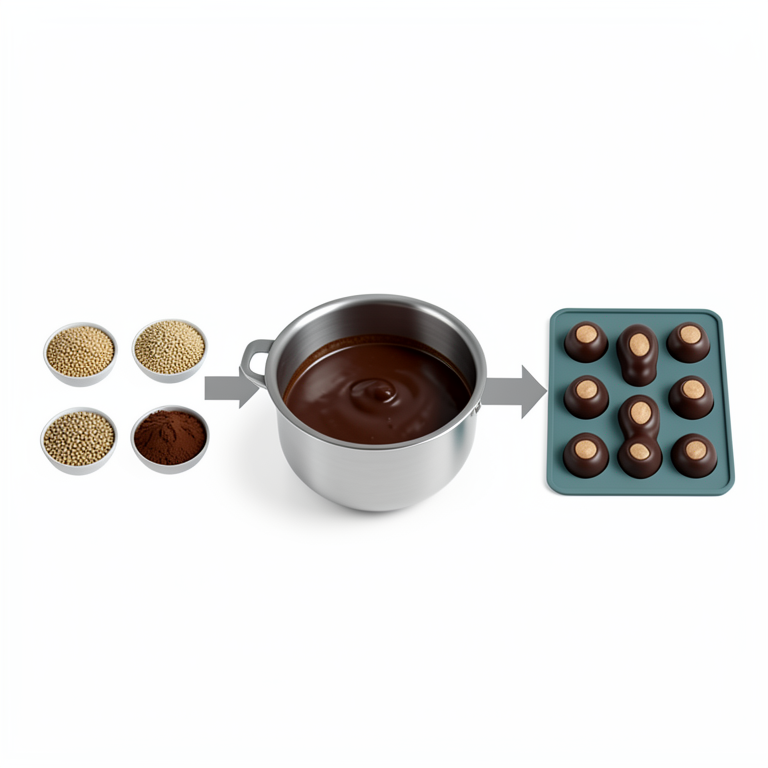
Millet Chocolate Production Process
AI-generated conceptual illustration (finger millet, foxtail millet, cocoa powder, and chocolate molds). It explains the idea and does not show study data.
View source evidence ↗Figures & tables
From the original paper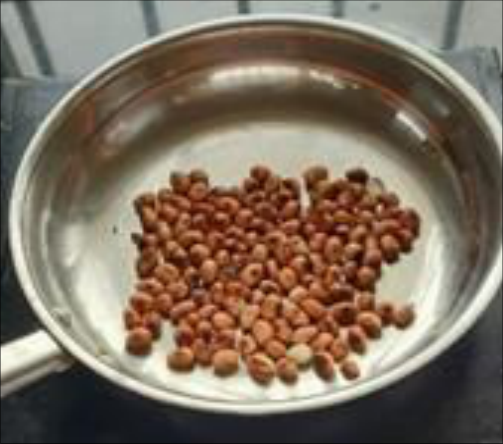 Figure 1
 Figure 1
 Figure 1
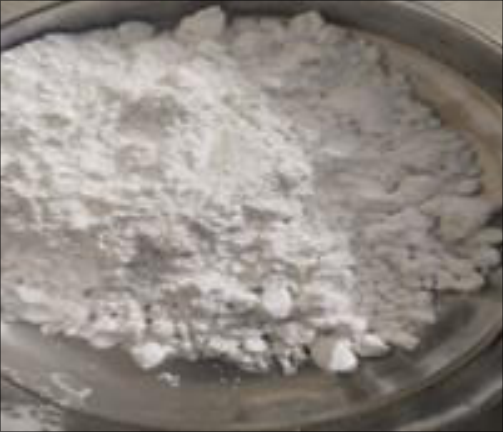 Figure 1
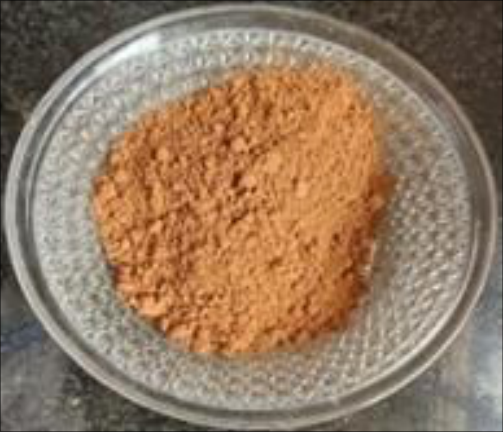 Figure 1
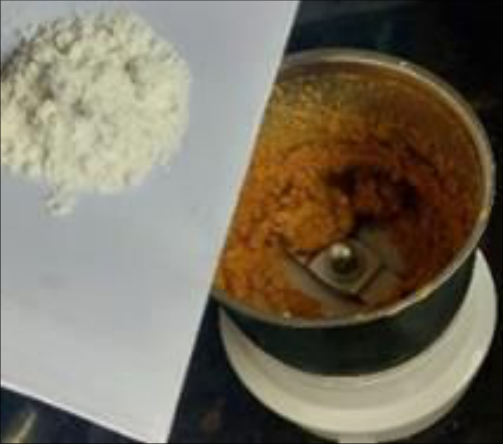 Figure 2
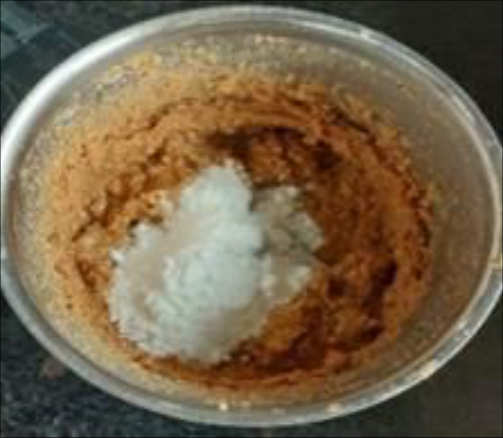 Figure 2
 Figure 3
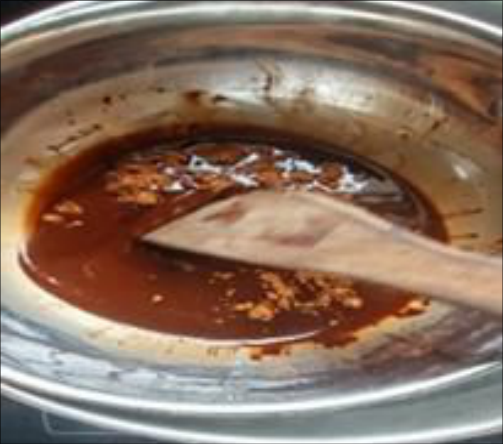 Figure 3
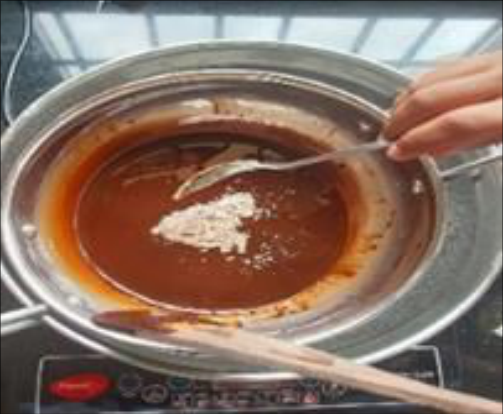 Figure 3
 Figure 3
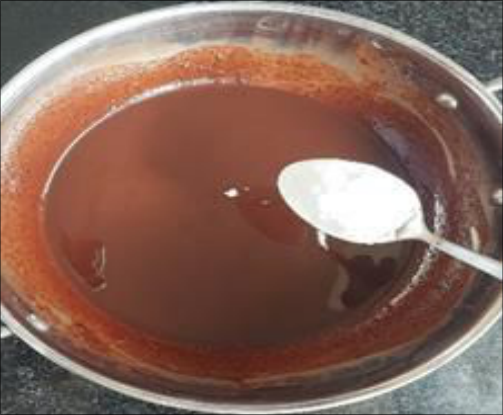 Figure 4
 Figure 5
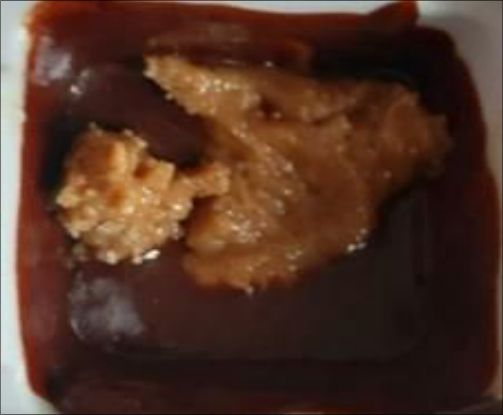 Figure 6
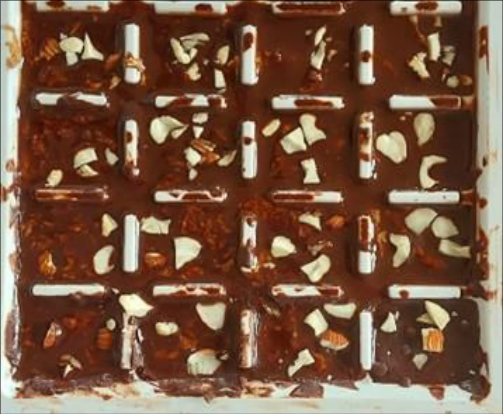 Figure 7
 Table 1
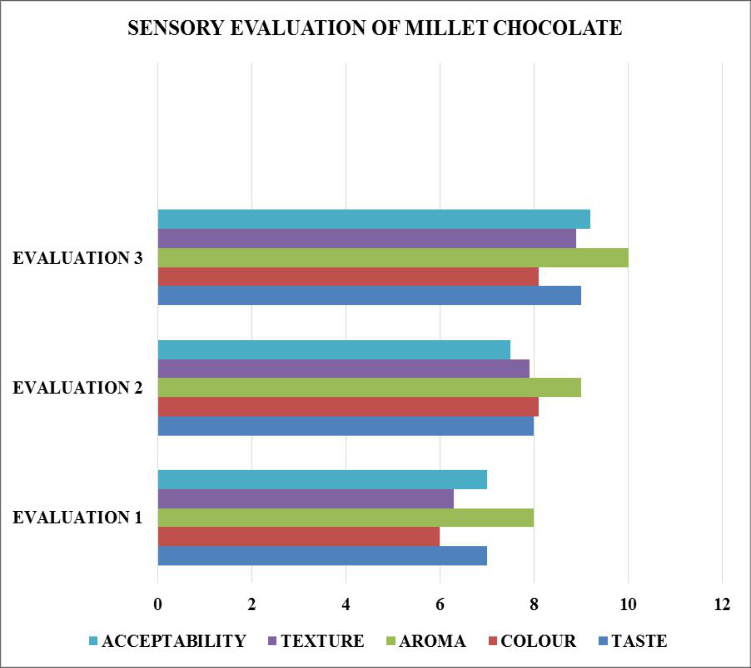 Figure 8
Introduction
Millet" is a common term to categorize small-seeded grasses that are often termed nutri-cereals or dryland-cereals. Millets are round-shaped cereal seeds, naturally available in many colours and sizes, depending on the variety. These are predominantly grown in semi-arid tropics of Asia and Africa. Millets are useful for both food and fodder purpose. Millets are broadly classified into two categories: Major millets-Sorghum, Pearl millet. Minor millets-Finger millet and small millets (Barnyard, Kodo, Foxtail, Little, Proso) [1] . Value added products from millet have the potential to add value to business and has a large potential for growth as consumers believe that millets and millet based foods contribute directly to their health. The millet grains offer many opportunities for the development of diversified food products like bakery and puffed products, quick cooking cereals, ready-to-eat snacks, supplementary foods, weaning foods and more importantly health foods by adopting appropriate milling and processing techniques [2] . The important nutrients present in millets include resistant starch, oligosaccharides, lipids, antioxidants such as phenolic acids, avenanthramides, flavonoids, lignin's and phytosterol which are believed to be responsible for many health benefits [3] .
Finger millet is the most important cereal crop of the semi-arid zones of the world. In today's world, about 12% of the total millet area is under Finger millet cultivation, which mainly covers more than 25 countries of Asia and Africa. Finger millet is mostly known by different local names of the different countries like ragi in India, koddo in Nepal, coracan, koracan in France, African millet, finger millet in England, tokuso in Ethiopia, fingerhirse in Germany, bulo in Uganda, wimbi in Kenya, etc. Finger millet are distributed in about 10 genera and 20 species in all [4] . Finger millet is commonly used in the form of whole meal for preparation of traditional foods, such as roti, pancakes, dumpling, porridge, etc [5] . Finger millets have a photochemical effect on the digestion process, which can slow down the process. Foxtail millet has been identified as major millet in terms of worldwide production, as it is the sixth highest yielding grain [6] . Foxtail millet comprises a wide range of health-benefiting components that not only make it a valuable source but also unique among the cereal category for the particular balance of nutrients it contains. The main components of foxtail millet are starch, protein, dietary fibers, fat, vitamins, and minerals [7] . A diet including Foxtail Millet may improve glycemic control and reduce insulin, cholesterol and excellent for strengthening nervous system. Utilizing these millets in our diet we can make chocolate and confectionery products. Dark chocolate gets popularity for several decades due to its enormous health benefits. It contains several health-promoting factors (bioactive components-polyphenols, flavonoids, procyanidins, theobromines, etc, and vitamins and minerals [8] . The consumption of millet chocolate, which is high in protein, cholesterol-free, and rich in dietary fiber, can help promote a healthy digestive system.
Review of Literature
Millets are also excellent sources of protein, essential vitamins (particularly B complex vitamins), and minerals such as iron, calcium, magnesium, and zinc. These nutrients play crucial roles in supporting various bodily functions, from energy metabolism to immune system function. Incorporating millets into diets can help bridge nutrient gaps and improve overall nutritional status. The grain is additionally wealthy in phytochemicals, including Phytic corrosive, which is believed to bring down cholesterol, and phytate, which millets related with decreased disease risk [9]. In addition to its nutritional properties, foxtail millet has also shown to possess several health benefits like prevention of cancer, hypoglycaemic, and hypolipidemic effects [10] . The phytochemicals in finger millet, particularly phenolic compounds, are abundant and may help prevent chronic illnesses like diabetes, cancer, and cardiovascular diseases. Due to its nutritional qualities in terms of micro-and macronutrients, it has attained high importance. The polyphenols are made up of flavanols (catechin, epicatechin), flavonoid glycosides (catechin, epicatechin, quercetin, apigenin), and proanthocyanidins. Hydroxybenzoic (protocatechuic, p-hydroxybenzoic, and syringic) acids, hydroxycinnamic (caffeic, p-coumaric, and ferulic) acids, to a great extent, finger millet's antioxidant capabilities are derived from phenolic chemicals [11] .
Materials and methods
The present product development is carried out in BSc Food Technology Laboratory, Padmashree Institute of Management and Sciences, Banglore.
Ingredients: Cocoa powder-60 g, Finger millet-5 g, Foxtail millet-5 g, Powdered sugar-55 g, Groundnut-60 g, Ghee-100 ml, Cashew-5 g, Almond-5 g Equipment's: Induction, frying pan, Mixing bowl, Double boiler, Sieve, Spatula, Digital weighing balance, Mixer grinder, Spoon, Chocolate mould, Refrigerator
Step 1: Selection of raw materials Step 2: Roast the 60 g of groundnuts in a pan and grind it with 10 g of powdered sugar in a mixer jar (Kept aside). Step 3: 60 g of cocoa powder, 5 g of finger millet and 5 g of foxtail millet are separately sieved with the help of a sieve.
Results and Discussion
The proximate composition of dark chocolate was determined (refer table 1). The production of dark chocolate using finger millet and foxtail millet as ingredient has shown promising results in terms of taste, nutritional value and potential health benefits. The combination of these millets with cocoa creates a unique flavour profile, adding earthy and nutty combination to the chocolate. Moreover, the nutritional content of the final product is enriched by the presence of essential nutrients found in millets such as Fibre, minerals and Antioxidants, complementing the inherent health benefits of dark chocolate. Further studies and discussions on consumer preference, shelf life and market viability could enhance the understanding and potential commercialization of this innovative chocolate blend. The three trails were carried out, In conclusion this research work investigated that Evaluation-3 dark chocolate sample has more overall acceptability.
Sensory evaluation
Sensory evaluation done for all the three dark chocolate, by trained panel members. The panel evaluate Taste, Colour, Aroma, Texture and Acceptability of product by using 9-point hedonic scale. The mean values of sensory panel rating of dark chocolate were represented in figure (7). Significant differences were observed in the sensory scores.
Conclusion
The millet grains offer many opportunities for the development of diversified food products like bakery and puffed products, quick cooking cereals, ready-to-eat snacks, supplementary foods, weaning foods and more importantly health foods by adopting appropriate milling and processing techniques. The main components of foxtail millet are starch, protein, dietary fibres, fat, vitamins, and minerals. Developing the dark chocolates using millets offer a positive health benefits. A diet including Foxtail Millet may improve glycaemic control and reduce insulin, cholesterol and excellent for strengthening nervous system. Foxtail millet has also shown to possess several health benefits like prevention of cancer, hypoglycaemic, and hypolipidemic effects. The phytochemicals in finger millet, particularly phenolic compounds, are abundant and may help prevent chronic illnesses like diabetes, cancer, and cardiovascular diseases. Improving processing techniques and increasing the availability of value-added millet-based products can make them more appealing to consumers.
Acknowledgement
Acknowledgements I sincerely express my heartfelt thanks to Padmashree Institute of Management and Sciences for providing the facilities required for publication. I also extend my gratitude to Dr. Anuradha M, Principal, Padmashree Institute of Management and Sciences, Bangalore, Karnataka.
Figures and tables from the paper
References
11 in the original paper- Lokesh K, Dudhagara CR, Mahera AB, Kumar S. Millets: The future smart food. The Pharma Innovation Journal. 2022;11(4):75-84.
- Seetharam A, Kadalli GG, Halaswamy BH. Results of front line demonstrations and technology for increasing production of finger millet and small millets in India. In: All India Coordinated Small Millets Improvement Project. ICAR, UAS, GKVK, Bangalore; 2001. p. 2-7.
- Miller G. Whole grain, fiber and antioxidants. In: CRC Handbook of Dietary Fiber. CRC Press; 2001. p. 453460.
- Lupien JR. Sorghum and millets in human nutrition. FAO, ICRISAT. 1990. Available from: ao.org
- Bennetzen JL, Dida MM, Manyera NWM, Devos KM. Characterization of genetic diversity in finger millet (Eleusine coracana); 2003.
- Saleh ASM, Zhang Q, Chen J, Shen Q. Millet grains: Nutritional quality, processing, and potential health benefits. Compr Rev Food Sci Food Saf. 2013;12:28195.
- Yang XS, Wang LL, Zhou XR, Shuang SM, Zhu ZH, Li N, et al. Determination of protein, fat, starch, and amino acids in foxtail millet (Setaria italica L.) Beauv. by Fourier transform near-infrared reflectance spectroscopy. Food Sci Biotechnol. 2013;22(6):14951500.
- Samanta S, Sarkar T, Chakraborty R, Rebezov M, Shariati MA, Thiruvengadam M, et al. Dark chocolate: An overview of its biological activity, processing, and fortification approaches. Curr Res Food Sci. 2022.
- Coulibaly A, Kouakou B, Chen J. Phytic acid in cereal grains: structure, healthy or harmful ways to reduce phytic acid in cereal grains and their effects on nutritional quality. Am J Plant Nutr Fertil Technol. 2011;1(1):1-22.
- Zhang A, Liu X, Wang G, Wang H, Liu J, Zhao W, et al. Crude fat content and fatty acid profile and their correlations in foxtail millet. Cereal Chem. 2015;92(5):455-459.
- Thagunna B, Rimal A, Kaur J, Dhakal Y, Paudel B. Finger millet: A powerhouse of nutrients, its amino acid, micronutrient profile, bioactive compounds, health benefits, and value-added products. J Res Agri Anim Sci. 2022;9:36-44
Cited by 1
From OpenAlex, OpenCitations and reference lists read by Scinovex
- Development of millet, cereals and ghee residue based chocolate as a functional food
Patel AM, Nihir Shah · International Journal of Agriculture and Food Science · 2026
Chocolates act as functional food, satieties hunger and claim to prevent health problems like hypertension & coronary heart disease. To optimize the level of basic ingredients, amaranth (Rajgiro), sorghum (Juwar) & oat were added in total eight different combinations whereas ghee residue and cocoa powder was ranging from 8-10% and 3-10%, respectively. The product with amaranth, sorghum & oat in equal proportion (10%) and ghee residue & cocoa powder @ 10% & 5%, respectively, received highest score for all sensory attributes. The nutritional profile of optimized product was characterized as 5.18