
Research article · 2025 · Full text
International Journal of Biology SciencesGC MS analysis and antimicrobial activity of Isopterygium albescens
Volume 7(4) · Pages 43–48 · DOI: 10.33545/26649926.2025.v7.i4a.326 ↗
Research areasGinger and Zingiberaceae researchPhytochemistry and Bioactivity StudiesPlant Toxicity and Pharmacological Properties
Abstract
Author-writtenPlant extracts have traditionally been utilized as an alternate reservoir of antibacterial chemicals. The exploration of alternate, cost-effective sources became necessary due to the recent proliferation of multi-drug-resistant bacteria and the subsequent rise in treatment expenses. The Hypnaceae is a highly diverse and expansive family of pleurocarpous mosses, with over 60 taxa. The antibacterial activity of the ethanolic extract of Isopterygium albescences was investigated against two Gram-positive bacteria, Staphylococcus aureus and Bacillus subtilis, as well as two Gram-negative bacteria, Escherichia coli and Pseudomonas aeruginosa, using the Kirby Bauer Disc diffusion test. Discs made of paper were created, containing various concentrations of the extracts (150, 250, and 500 μg ML-1), as well as an ethanol control and a standard antibiotic control. A GC/MS analysis was conducted to examine the phytochemical constituents found in the methanolic extracts of the plant. The plants were analyzed using GC/MS, and a total of 7 distinct phytochemical substances were discovered. Bryophyte-derived secondary metabolites exhibit diverse pharmacological actions, such as antibacterial, antioxidant, anti-inflammatory, and anticancer activities. The investigation utilized the methanolic extract. The extract underwent filtration and concentration by the utilization of a rotary evaporator. The antibacterial activity was assessed against four established bacterial strains. The ethanolic extract shown inhibitory effects on all four tested strains, encompassing both gram-positive and gram-negative bacteria. Two bacteria, one gram-positive and one gram-negative, were utilized. The following microbial strains were selected: Staphylococcus aureus MTCC 96, Bacillus subtilis MTCC 1133, Escherichia coli MTCC 452, Pseudomonas aeruginosa MTCC 3541, and Candida albicans MTCC 183, a fungal strain.
Summary
Source-checkedPlain-language reading of the full paper, prepared with AI and checked against the text. Each point links to the authors' own words.
Why it matters
- Finding cost-effective alternative sources for antibacterial chemicals is necessary because of the increase in multi-drug-resistant bacteria and higher treatment costs. View evidence ↗
- Bryophytes contain pharmacologically active substances and have a history of use in various global medical practices to treat conditions like skin disorders and bronchitis. View evidence ↗
- Isopterygium albescens is a type of monoecious moss known for its slender shape and green or yellow-green color. View evidence ↗
The question
- The study aimed to investigate the antibacterial activity of Isopterygium albescens ethanolic extract against specific Gram-positive and Gram-negative bacteria. View evidence ↗
- The researchers sought to identify the chemical components of the plant's methanolic extract using GC-MS analysis. View evidence ↗
What they did
- Plant specimens were collected from various locations in Mount Abu, Rajasthan, India. View evidence ↗
- The plant was extracted using a methanolic solvent at a 1:5 ratio with agitation for 48 hours. View evidence ↗
- Chemical separation and identification were performed using a Thermo TSQ8000 GC-MS instrument. View evidence ↗
- The antibacterial activity was tested using ethanol extract at concentrations of 100 μg/mL and 500 μg/mL. View evidence ↗
- The study used solvent alone as a vehicle control, and Ciprofloxacin (10µg) and Amphotericin B (50µg) as positive controls. View evidence ↗
What they found
- GC-MS analysis of the plant revealed a total of 7 distinct phytochemical substances. View evidence ↗
- The extract showed inhibitory effects across all tested strains; for example, at 500 µg/disk, the zone of inhibition was 7±0 mm for S. aureus and 9.7±0.57 mm for E. coli, though these were lower than the positive control (PC) which reached 30.6±0.57 mm for S. aureus. View evidence ↗
- The compound 17-Pentatriacontene was identified with a peak area of 9.20% and is known for antibacterial and anti-inflammatory properties. View evidence ↗
What it means
- The authors conclude that Isopterygium albescens can act as an antibiotic against S. aureus, E. coli, B. subtilis, and P. aeruginosa. View evidence ↗
- The authors suggest that the plant's efficacy against bacterial and fungal illnesses makes it a viable option for use in healthcare practices. View evidence ↗
- The authors state that further comprehensive examination is needed to systematically isolate and purify the plant's bioactive chemicals. View evidence ↗
Visual summary
1 visualsIllustrations explain the paper; charts are replotted from the paper's own table values.
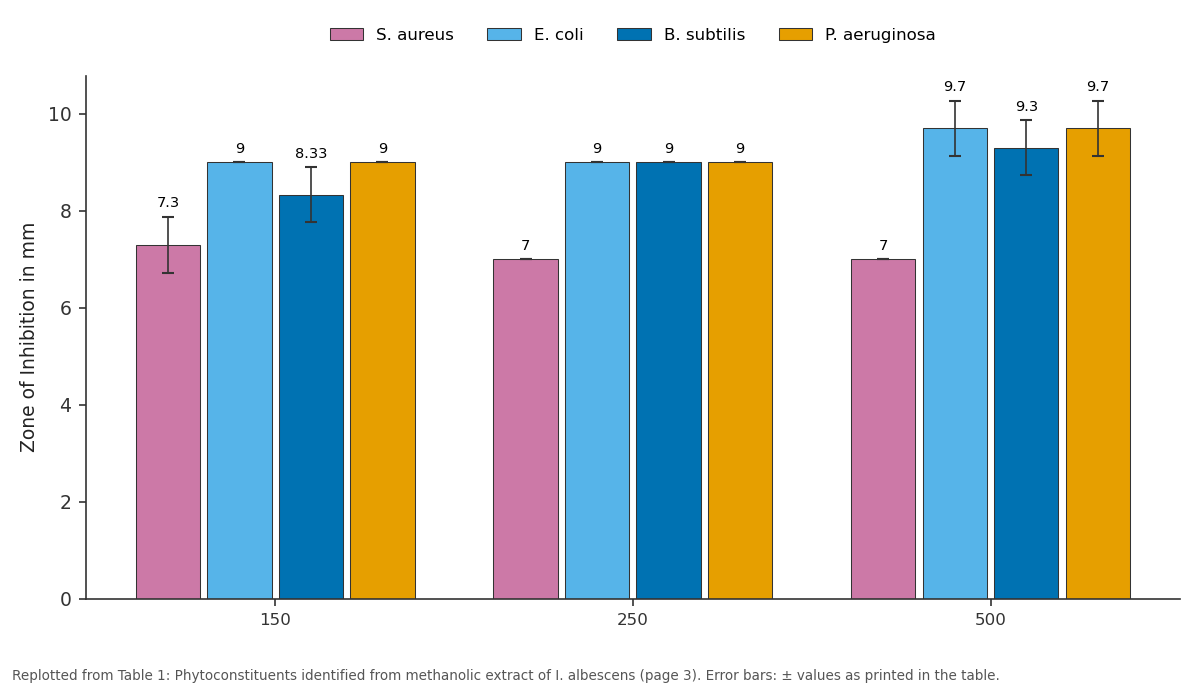
S. aureus and E. coli and more: 150 vs 250 vs 500
Replotted from Table 1 (page 3) of the original paper. Every bar is the paper's own table value.
View source evidence ↗Figures & tables
From the original paper Table 1
 Table 2
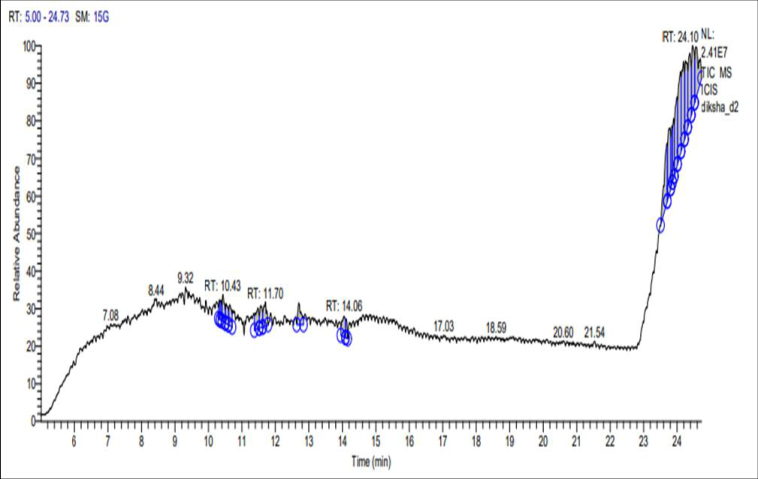 Figure 1
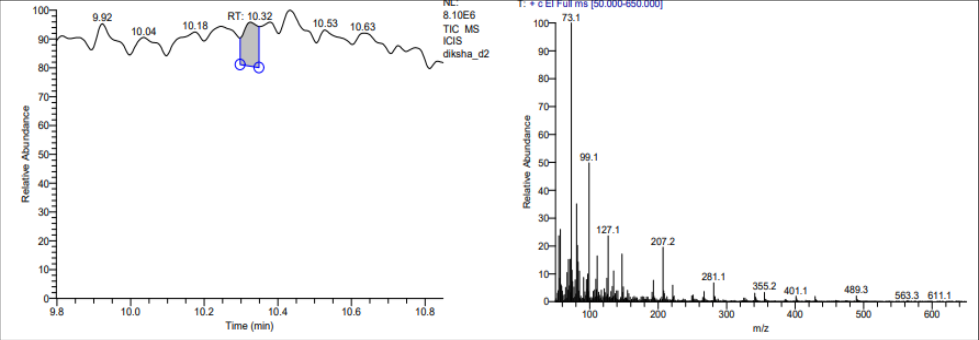 Figure 1
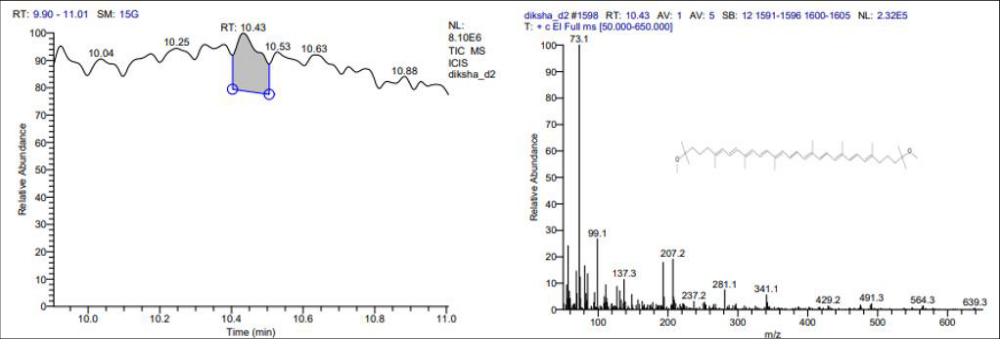 Figure 2
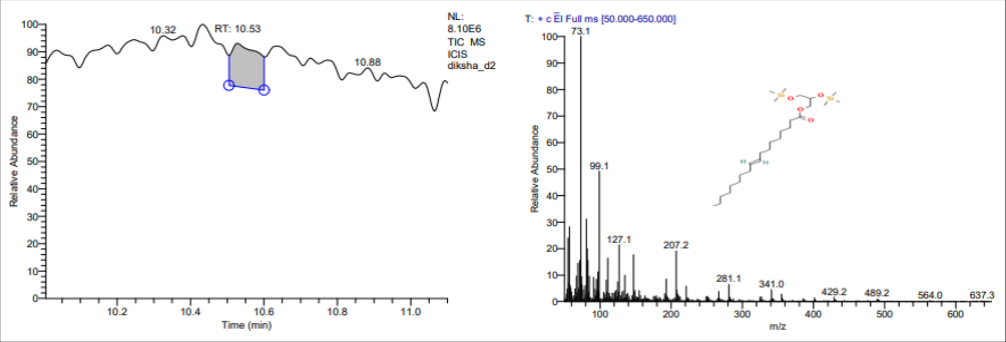 Figure 3
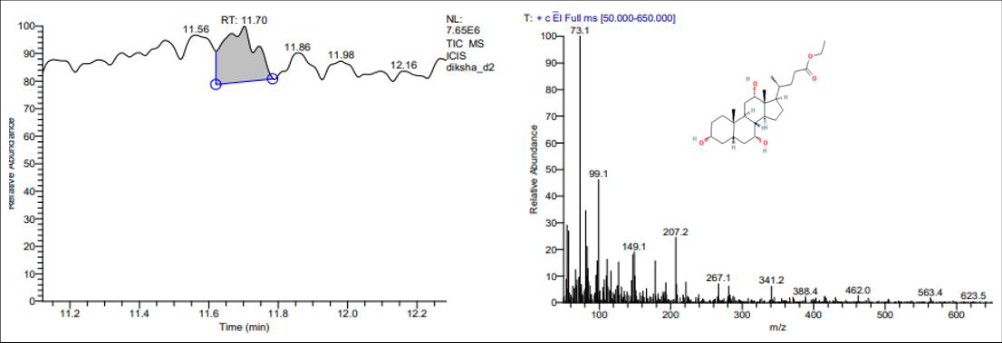 Figure 4
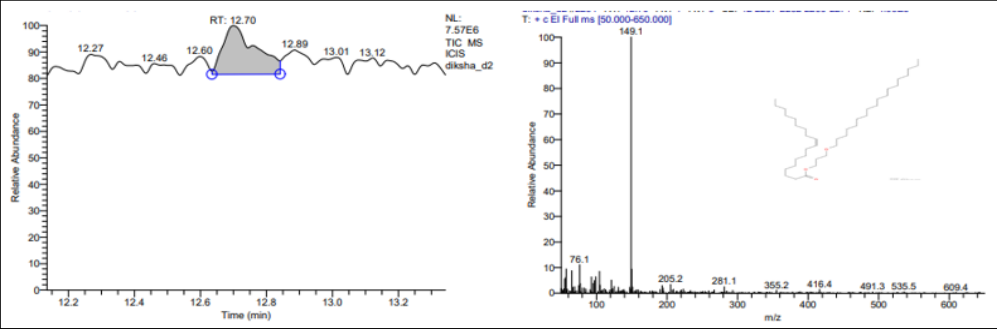 Figure 5
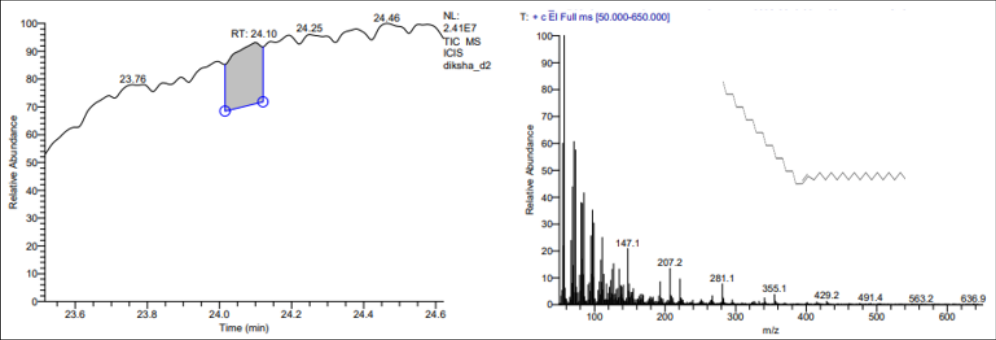 Figure 6
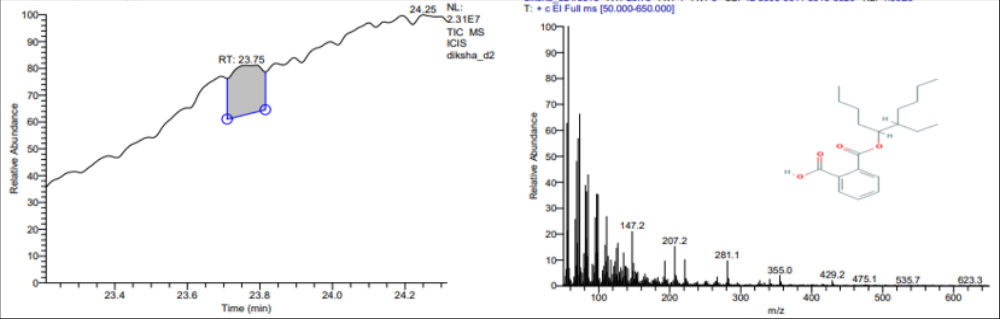 Figure 7
Introduction
Bryophytes are the second most diverse group of green land plants (Asakawa Y. 2007) [1] . Bryophytes are categorized into three distinct groups: liverworts (Marchantiophyta), which consist of both leafy and thalloid types, hornworts (Anthocerotophyta), and mosses (Bryophyta). Bryophytes possess numerous therapeutic qualities and contain bioactive substances. Bryophyta encompasses mosses, Marchantiophyta encompasses both leafy and thalloid liverworts, and Anthocerophyta (Harris et al. 2020) [5] is another group. Isopterygium albescens is a monoecious moss, characterized by its slender form and yellow-green to green coloration. The stem has a creeping growth habit, with branches arranged in a pinnate pattern. The leaves are oval in shape and are oriented in an erectopatent manner. The leaf margin is nearly smooth, however it may have some tooth-like projections towards the upper portion. The sporophytes are found on sturdy stems, and the capsule is positioned horizontally or drooping. It has an ovate-cylindrical shape and is curled at the base. Seta was discovered in an upright and slim form, measuring 1-2 cm in length. They are dispersed in tropical and temperate environments. Mosses are bryophytes that lack vascular tissue and serve as excellent indicators of environmental conditions. Bryophytes possess pharmacologically active substances and have been historically employed in European, Chinese, Indian, and North American medical practices for the treatment of cardiovascular ailments, bronchitis, tonsillitis, tympanites, and skin disorders. Madsen and Pates (1952) [6] found the presence of antibacterial compounds in the thalli of bryophytes. The antifungal activity of 18 species of bryophytes, including Pellia epiphylla and Diplophyllum albicans, as well as 16 additional mosses, was assessed by Wolter in 1964 [13] .
The methanolic extract derived from the liverworts Targionia hyophylla was discovered to have efficacy against five plant pathogenic fungi, namely Aspergillus niger, Botrytis cineria, Trichoderma viridae, Penicillium chrysogenum, and Penicillium expansum (Alam 2012) [2] . The antimicrobial screening of Marchantia polymorpha L. was conducted against three bacterial strains, namely E.coli, P. mirabilis, and S.aureus, as well as four fungal strains, namely A niger, A flavus, and T mentagrophytes, by Mewari and Kumar in 2008 [10] . The study conducted by Sawant and Karagade (2010) studied the antibacterial activity of liverworts T hyophilla, H wallichiana, and P.intermedium using in vitro methods. The GC-MS technique is a convenient method for identifying the chemical components and antibacterial characteristics of moss species I. albescens. This investigation facilitated the identification of the components of the methanolic plant extract through the utilization of GC-MS. The plant extract was assessed for its cytotoxic and antibacterial characteristics, taking into consideration the plant's traditional ethno pharmacological applications.
Materials and Methods
Plant specimens were gathered from several locations in Mount Abu, a region in the western state of Rajasthan, India, on the boundary with Gujarat. Situated atop a lofty rocky plateau within the Aravalli Range and encompassed by dense woodland. The location is situated at a latitude of 24º36´ north and a longitude of 72º42 east in the Sirohi district. The plant material was carefully rinsed with water to eliminate all dirt particles and subsequently dried under ambient environmental conditions. Taxonomic identity was confirmed by comparing it with authenticated herbarium specimens at the Department of Botany Chandigarh, Panjab University, Chandigarh, and herbarium specimen (PAN) no.6457. Voucher specimens of the plants are kept in the herbarium of the Department of Botany Chandigarh. I. albescens was extracted using a methanolic solvent at a 1:5 ratio and subjected to agitation in an orbital shaker for a duration of 48 hours. The extracts were strained through Whatman no.1 filter paper. The produced extracts were utilized to conduct a preliminary screening of phytochemical substances and perform GC-MS analysis to identify the pharmacological components and assess the antibacterial and antifungal effectiveness. The GC-MS analysis was conducted using the Thermo TSQ8000 GC-MS instrument at CIL, Panjab University Chandigarh, with the methanolic extract as the sample. The material was analyzed using gas chromatography-mass spectrometry (GC-MS) with the Thermo TSQ8000 instrument for chemical separation. The chemical components of the plant extract were determined by comparing their retention time using NIST libraries.
Gas chromatography-mass spectrometry (GC-MS) analysis
Gas chromatography (GC) can be used to separate the volatile constituents in a sample. However, mass spectrometry (MS) assists in both analyzing the components and determining their identities based on their mass. In this work, the technique of Thermo-Trace 1300 GC coupled with Thermo TSQ 8000 Triple Quadrupole Mass Spectrometer was employed to evaluate the phytochemical contents found in I. albescens. The Thermo-Trace 1300 GC was used for gas chromatography, while the Thermo TSQ 8000 was used for mass spectrometry. The mass spectrum was obtained within the 50-700 range, using an ionization voltage of 70 electron volts (eV). The temperature of the ion source was adjusted to 230°C.
Antimicrobial assay
Test Microorganisms. The ethanolic extract was further tested against bacterial strains including Staphylococcus aureus MTCC 96, Bacillus subtilis MTCC 1133, Escherichia coli MTCC 452, Pseudomonas aeruginosa MTCC 3541. With the help of the Zone Inhibition method, also known as the Kirby-Bauers Method, the antibacterial activity was evaluated. To determine whether or not the extract is effective against bacteria, a measured quantity of the standardized stock suspension of bacteria, which included 105-106 CFU per ml, was combined with 100 ml of Mueller-Hinton agar medium that was kept at a temperature of 45 ºC. The Mueller-Hinton agar medium that had been inoculated as a consequence was divided into 20 ml portions and placed on plates that had been sterilized earlier. It was left to sit at room temperature for the agar medium to become solid. Following the removal of the agar discs, the hole was filled with ethanol extract at two different concentrations, 100 μg/mL and 500 μg/mL. The mixture was then allowed to diffuse at room temperature for a duration of two hours without any disturbances. The plates that were produced were left to incubate at 37 ºC for an entire night. Following this, the plates were examined to determine whether or not there was any inhibition in the development of the bacteria, and the diameter of the zone of inhibition was assessed. The same methodology that was utilized for the investigation of antibacterial activity was also utilized for the testing of the extract's antifungal activity. There is only one modification in the approach, and that is that instead of using Mueller-Hinton agar medium, another medium called Sabouraud dextrose agar media was employed, and the temperature of the inoculation medium was kept at 25 degrees Celsius. In this study, we utilized two gram-positive and gram-negative bacteria, specifically Staphylococcus aureus MTCC 96, Bacillus subtilis MTCC 1133, Escherichia coli MTCC 452, and Pseudomonas aeruginosa MTCC 3541. Additionally, we utilized one fungal strain, Candida albicans MTCC 183, which was evaluated based on the presence or absence of inhibition zones, as well as the diameters of inhibition zones. In each plate, a single disc was loaded with solvent alone, which served as the vehicle control. Additionally, a Ciprofloxacin disc containing 10µg and an Amphotericin B disc containing 50µg were added as the positive control.
Result and Discussion
The moss Isopterygeium albescens in GC-MS investigation showed a wide range of phytoconstituents compounds. GC-MS chromatogram of a methanolic plant extract containing the chemicals shown. The active chemicals are listed with their RT, peak area percentage, and molecular formula. 9,12,15-Octadecatrienoic Acid, 2-[(Trimethylsilyl)oxy]-1-[(trimethylsilyl)oxy] methyl Ethyl ester (Z, Z, Z) is a fatty acid that is antioxidant, antiinflammatory, antibacterial, cancer-preventive, hypocholesterolemic, hepatoprotective, and nematicide (Rajendran et al. 2017) [9] . Ethyl iso-allocholate has antibacterial, anti-inflammatory, antiasthmatic, diuretic, and anti-diabetic properties. 17-Pentatriacontene is known to have anti-inflammatory, anticancer, antibacterial, and antiarthritic effects (Dinesh et al. 2018) [4] . Oleic acid and 3-(octadecyloxy) propyl ester are fatty acids with antifungal properties. The diameter of the inhibition zones of antimicrobial agents demonstrated the antibacterial capacity of both conventional antibiotics and ethanol plant extract at a range of doses. As a consequence of this, the extract samples were found to possess antibacterial properties and were able to inhibit the growth of all of the selected bacterial strains. These strains included Gram-positive bacteria, which included Staphylococcus aureus MTCC 96, Bacillus subtilis MTCC 1133, Escherichia coli MTCC 452, and Pseudomonas aeruginosa MTCC 3541, as well as one fungal strain, Candida albicans MTCC 183. Ciprofloxacin, at a concentration of 10µg, was employed as the positive control for every bacterial strain, whereas Amphotericin B, at a concentration of 50µg, was utilized together with the fungal strain as the positive control. When typical antibiotics were present in varying quantities, the widths of the inhibition zones of antimicrobial drugs demonstrated their ability to prevent bacterial growth.
Conclusion
The GC MS study of Isoptereygium albescens reveals a significant abundance of bioactive chemicals and a wide range of pharmacological properties, including antibacterial, antifungal, anti-inflammatory, anticancer, antioxidant, and hepatoprotective activity. The current research demonstrates the ability of Isopteregium albescens to act as an antibiotic against S. aureus, E. coli, B. subtilis, and P. aeruginosa. Plant extract exhibits substantial potential for inhibiting the proliferation of bacterial strains. However, it is necessary to conduct a comprehensive examination of the plant and its Phytochemistry through a systematic process of isolating and purifying its bioactive chemicals. It will ultimately contribute to ensuring the verification. Isoptereygium is a bryophyte of significant ethnomedicinal importance due to its strong efficacy in treating both bacterial and fungal illnesses, making it a viable option for incorporation into current healthcare practices.
Acknowledgement
AcknowledgementWe would like to sincerely thank the Department of Botany and Dr. Anju Rao of Panjab University Chandigarh for their generous provision of all the necessary resources and facilities that were essential for the successful completion of this project.
Figures and tables from the paper
| Antibacterial and Antifungal Activity (Zone of Inhibition in mm) | — | — | — | — | — |
|---|---|---|---|---|---|
| Amount (µg/disk) | S. aureus | E. coli | B. subtilis | P. aeruginosa | C. albicans |
| PC | 30.6±0.57 | 26±0 | 33±0 | 26±0 | 16.3±0.57 |
| 150 | 7.3±0.58 | 9±0 | 8.33±0.57 | 9±0 | 9±0 |
| 250 | 7±0 | 9±0 | 9±0 | 9±0 | 9±0 |
| 500 | 7±0 | 9.7±0.57 | 9.3±0.57 | 9.7±0.57 | 9±0 |
Table text extracted from the original PDF; superscript letters are shown inline. The original table image is below.
View original table image
References
13 in the original paper- Asakawa Y. Biologically active compounds from bryophytes. Pure Appl Chem. 2007;79(4):557-580. https://doi.org/10.1351/pac200779040557
- Alam A. Antifungal activity of Plagiochasma rupestre (Forst.) Steph. extracts. Researcher. 2012;4(3). Available from: http://www.sciencepub.net/researcher
- Alam A, Sharma V, Sharma SC. Bryoflora of the Ranthambore Tiger Reserve, Rajasthan (India). Arch Bryol. 2011;106:1-12.
- Dinesh KG, Karthik M, Rajkumar R. GC-MS analysis of bioactive compounds from ethanolic leaves extract of Eichhornia crassipes (Mart) Solms and their pharmacological activities. Pharma Innov J. 2018;7(8):459-462.
- Harris BJ, Harrison CJ, Hetherington AM, Williams TA. Phylogenomic evidence for the monophyly of bryophytes and the reductive evolution of stomata. Curr Biol. 2020;30(11):2001-2012.
- Madsen GC, Pates AL. Occurrence of antimicrobial substances in chlorophyllose plants growing in Florida. Bot Gaz. 1952;113:203-300.
- Abubackera MN, Devib PK. In-vitro antifungal potentials of bioactive compound oleic acid, 3- (octadecyloxy) propyl ester isolated from Lepidagathis cristata Willd. (Acanthaceae) inflorescence. Asian Pac J Trop Med. 2014;7:190-3. DOI: 10.1016/S1995-7645(14)60230-3
- Mewari N, Kumar P. Antimicrobial activity of extracts of Marchantia polymorpha. Pharm Biol. 2008;46(1011):819-822.
- Rajendran P, Bharathidasan R, Sureshkumar K. GC-MS analysis of phyto-components in raw and treated sugarcane juice. Int J Curr Microbiol Appl Sci. 2017;6:51-61.
- Mewari N, Kumar P. Antimicrobial activity of extracts of Marchantia polymorpha. Pharm Biol. 2008;46(1011):819-22. doi:10.1080/13880200802315725
- Sawant UJ, Karadge BA. Antimicrobial activity of some bryophytes (liverworts and hornwort) from Kolhapur District. Pharmacogn J. 2010;2(16):29-32.
- Tedela PO, Adebiyi AO, Aremu. In vitro antibacterial activity of two mosses: Calymperes erosum C. Mull and Bryum coronatum Schwaegr from South-Western Nigeria. J Biol Life Sci. 2014;2157-6076.
- Wolters B. Die Verbrietung antifungaler Eigenschaften bei Moosen. Planta. 1964;62:88-96.