
Research article · 2025 · Full text
International Journal of Horticulture and Food ScienceA review on nutritional benefits of Nendran banana (Musa paradisiaca)
Volume 7(4) · Pages 11–15 · DOI: 10.33545/26631067.2025.v7.i4a.282 ↗
Research areasBanana Cultivation and Research
Abstract
Author-writtenThe Nendran banana\r\nvariety, Musa AAB, is a globally popular dual-purpose cultivar, which may be\r\nconsumed raw or cooked as a fruit or vegetable respectively, and is found in\r\nabundance in the South Indian coastal regions. Their anti-cancerous,\r\nantibacterial and antidiabetic qualities have gained them attention in recent\r\nyears. Its fruit, stem, peel, root, flowers, and leaves were used in\r\ntraditional medicines. This review evaluates Nendran banana (Musa\r\nparadisiaca) in illness prevention and treatment, specifically as\r\nanti-cancerous agents. Their leaves control breast cancer cell line MCF-7,\r\nwhile the bracts are rich in anti-cancerous anthocyanins. They offer an immense\r\npotential for future studies on effective nutritive utilization of Nendran\r\nbanana in food processing and beverages. as well as in medicines and\r\nnutraceuticals.
Summary
Source-checkedPlain-language reading of the full paper, prepared with AI and checked against the text. Each point links to the authors' own words.
Why it matters
- Bananas are essential staple foods with significant commercial value globally. View evidence ↗
- The Nendran banana (Musa AAB) is a dual-purpose cultivar common in South Indian coastal regions that can be eaten raw or cooked. View evidence ↗
- Nendran bananas have attracted attention for their potential antibacterial, antidiabetic, and anti-cancerous properties. View evidence ↗
The question
- The review aims to evaluate the role of Nendran banana in treating and preventing illnesses, with a specific focus on its anti-cancerous properties. View evidence ↗
What they did
- The authors conducted a comprehensive review of existing literature to synthesize the nutritional and therapeutic benefits of the Nendran banana. View evidence ↗
What they found
- Nendran fruits are characterized by their size, typically measuring 20-27 cm in length and 14-18 cm in circumference. View evidence ↗
- In unripe bananas, starch levels peak at day 75 (84%) and decrease to 76.4% by day 90. View evidence ↗
- Nendran bananas contain a high carbohydrate content of 41.33 g per 100 g. View evidence ↗
- Nendran bananas provide 1.11 g of protein, 0.68 g of total minerals (primarily sodium and potassium), and 0.62 g of calcium per 100 g. View evidence ↗
- Nendran banana peels demonstrate anti-cancer activity against the MCF-7 breast cancer cell line by inducing apoptosis. View evidence ↗
- Anthocyanin extracts from Nendran banana flowers show anti-proliferative properties against HeLa and HT-29 cells, suggesting use as a chemo-preventive agent for cervical and colon cancer. View evidence ↗
- The high potassium content in Nendran bananas helps in the maintenance of blood pressure. View evidence ↗
- The peel can be used traditionally to treat warts and reduce irritation from mosquito bites. View evidence ↗
What it means
- The authors conclude that Nendran bananas provide significant nutritional and therapeutic benefits and represent an untapped area for further exploration. View evidence ↗
Figures & tables
From the original paper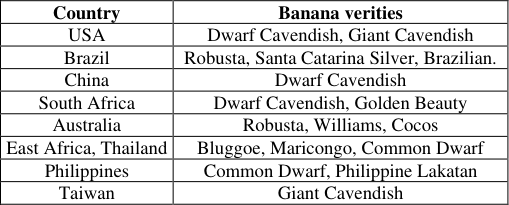 Table 1
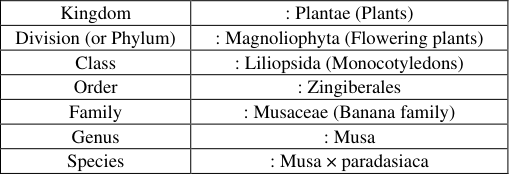 Table 2
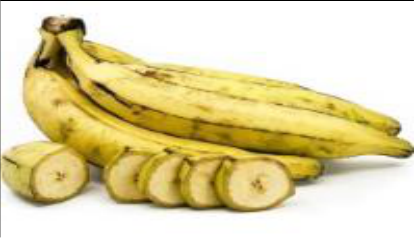 Figure 1
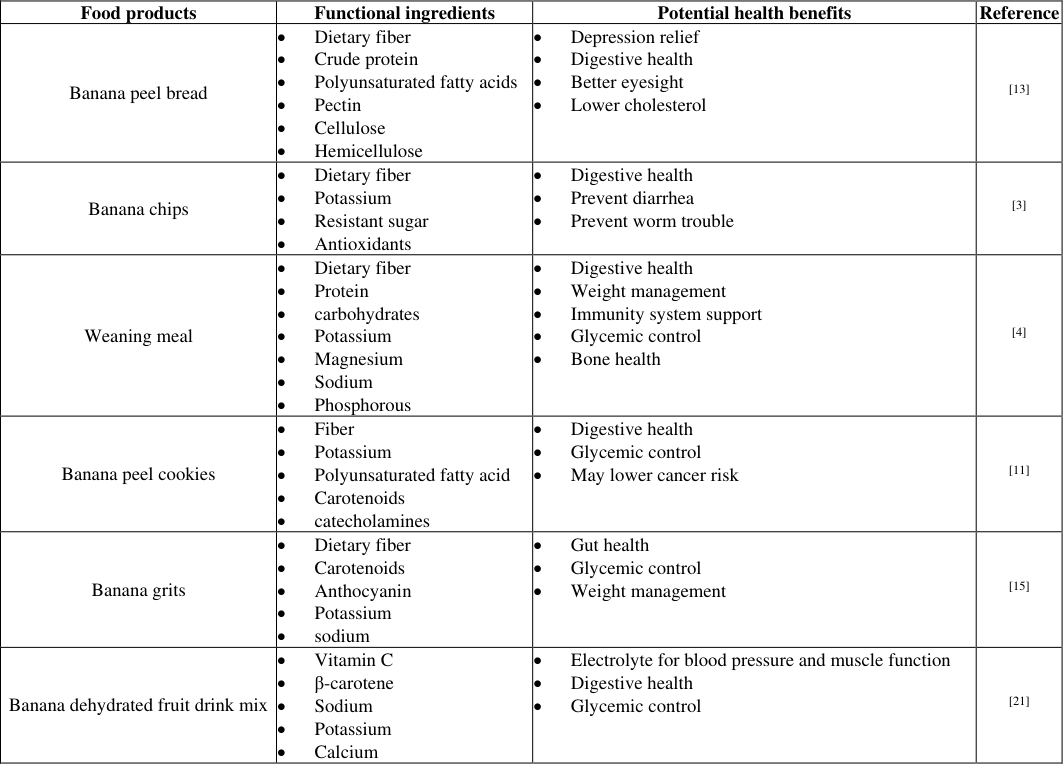 Table 3
Introduction
The banana (Musa spp.) is a major tropical fruit crop with enormous commercial value and a staple food that is essential to human nutrition [15] . The banana family is made up of the Musaceae family, of which the genus Musa is a member. The banana is a fruit that is valued worldwide because of its taste, nutritional value, and year-round availability, even though it is mostly consumed in tropical regions. The great majority of bananas harvested globally are plantain varieties. The world's leading banana-producing country is India, followed by China, Ecuador, Brazil, and the Philippines. Despite bananas being low in fat and protein, they are an abundant source of energy since they contain sugars and carbs. The Nendran bananas have a relatively high amount of manganese, potassium, dietary fiber, carbs, and vitamin B6 [16] . In addition to its nutritional value, bananas are abundant in phytochemicals with potential medical uses. Phenolics, flavonoids, anthocyanins, carotenoids, sterols and triterpenes, stearyl glycosides, diarylheptanoids, phytoalexins, neurotransmitters, indoles, and amino acids were all found in several Musa taxa according to phytochemical investigations [15] . Commercial banana cultivation takes place in all of India's states with tropical and subtropical climates, apart from those with harsh winters like Himachal Pradesh and Jammu & Kashmir. Tamil Nadu is the state that produces the most bananas. There are about 600 identified varieties in India, however many of them share several aliases. Kerala accounts almost half of the country's banana acreage, and the majority of the fruit is marketed locally [19] . There are many varities of banana including Dwarf Cavendish (AAA), Robusta (AAA), Rasthali (Silk AAB), Poovan (Mysore AAB), Nendran (AAB),Virupakashi (AAB), Pachanadan (AAB), Monthan (ABB), Karpuravalli (ABB), Safed Velchi Musa (A B Group) [6] .
Nendran Banana (Musa paradisiaca)
The raw banana Musa (AAB) cv. Nendran is a widely grown Musa variety in the states of Tamil Nadu, Kerala, and Karnataka in South India as well as other parts of the world. Nendran reaches bunch maturity approximately five to six months after flowering, and its long, thick fruits, which have exceptional storage qualities, make unripe Nendran the perfect choice for cooking.
Once harvested, these bananas can be stored for extended periods without significant loss of quality, making them a staple ingredient in various culinary dishes. Perfect choice for making the famed Kerala banana chips and first infant weaning meal in India [15] . The Nendran fruits have a thick, leathery exterior with three prominent ridges and a noticeable nipple. They are huge and thick, measuring 20-27 cm in length and 14-18 cm in circumference. The group of Nendran may have four to six hands, each with eight to ten fingers, and weigh 12 to 15 kg. There are various "Nendran" varieties, including Wayanad local, Kaliyethan, Swarnamughi, Attu Nendran, Quintal Nendran, Chengalikodan, ManjeriNendran, and NeduNendran. Chengalikodan is a popular variety among them that has been acquired geographical indication (GI) status. It is distinguished by its distinct form, red dots on the peel, color, flavor, and other characteristics [15] . Kerala is the place to a diverse range of banana cultivars, each with unique economic value and regional preferences [18] . Kerala is the primary exporter of Nendran to the Gulf countries [5] .
Nutritional Properties of Nendran Banana (Musa paradisiaca)
The Nendran banana is a very nourishing fruit that is high in calories, vitamins, and minerals. Depending on the variety, growing methods, weather, soil type, maturity level, and ripeness state, the chemical and nutritional makeup of bananas vary [19] . Starch, protein, total sugar, and reducing sugars are the main nutritional components of green Nendran bananas. The primary carbohydrate in unripe bananas, starch, makes up a large portion of the fruit's total energy content and progressively decreases as it ripens and transforms into simpler sugars. The starch content of unripe bananas varied between days 75 and 90, ranging from 84% to 76.4%. Day 75 marked the peak of starch levels, which then decreased as the fruit developed until day 90 [18] . According to Siji S, Nandini P.V (2017) [19] , Nendran has the largest amount of carbohydrates (41.33 g/100 g). When compared to previous stages of maturation, the protein content of green Nendran bananas was shown to be higher at day 90. The production and accumulation of many enzymes and structural proteins, among other biochemical changes that take place during ripening, may be the cause of this rise in protein content as the fruit ages. Although they do not make up most of a banana's nutritional content, proteins do contribute significantly to the fruit's overall nutritional profile [18] . In contrast, Nendran had a protein content of 1.11 g/100 g. The greatest concentrations of Na and K were found in Nendran total mineral content (0.68 g/100 g). Nendran contains 0.62 g of calcium per 100 g [19] . Nendran banana include a number of health-promoting bioactive phytochemicals, such as antioxidants, carotenoids, and phenolic compounds, in addition to their usual components of carbohydrates, dietary fiber, minerals, and vitamins. In addition to the typical carbohydrates and reducing sugars, Musa paradisiaca phytochemical investigation revealed that various banana sections also include alkaloids, glycosides, phenols, tannins, steroids, terpenoids, saponins, flavonoids, and several secondary metabolites [7] .
Health Benefits of Nendran Banana (Musa paradisiaca)
Health benefits of Nendran banana are not limited to the fruit alone and also stem from its peel, flower and leaves. Banana is known to possess various medicines and nutritional benefits ranging from prevention of breast cancer to enhancement of gut health in infants. The health benefits of Nendran are indeed remarkable when it comes to altering metabolism and decreasing blood pressure. An immune system boosting effect may result from eating Nendran bananas. In terms of medicine, Nendran fruit is an excellent laxative, and its pulp includes significant amounts of vitamins B1, B2, B3, vitamin C, amino acids, iron, calcium, phosphorus, and proteins, all of which are essential components of a human diet [25] . The peel of the Nendran flower contains a metalloprotease that has cytotoxic and collagenolytic effects, its fructans function as prebiotics by encouraging lactic acid bacteria, and its bracts are abundant in anthocyanins with anticancer properties [18] . Nendran banana peel had outstanding anticancer activity against the breast cancer cell line MCF-7. Condensed nuclei and apoptosis were seen in treated cell lines, demonstrating their effectiveness against breast cancer [7] .
Anti-cancerous Properties of Nendran Banana
According to WHO (2018), cancer is defined as aberrant cell growth that includes transformation, metastasis, proliferation, and dysregulation of apoptosis. Cancer sufferers are growing every day, and this illness claims many lives. There are several variables that either directly cause cancer or raise the chance of getting it and the related health problems [24] . Breast cancer accounts for 25% of all cases and is the second most common cancer in women [24] . Tamoxifen, a selective estrogen receptor modulator, is being used extensively to prevent and cure breast cancer that is positive for the estrogen receptor [9] . More over half a million new instances of cervical and colorectal cancer are detected each year, making them the second and third most frequent human diseases and a global public health concern [22] . Anthocyanins are water-soluble pigments that give many plants flowers, fruits, leaves, and storage organs a wide variety of hues ranging from red to blue. They are members of the broad phenolic family known as flavonoids [14] . Because they lack electrons, they exhibit antioxidative and free radical scavenging qualities and are very active against reactive oxygen species (ROS). As natural antioxidants, these substances lessen oxidative stress and guard against heart disease and cancer. One of anthocyanins primary roles is to protect DNA from damage and to control hazardous free radicals such hydrogen peroxide, singlet oxygen (1O 2 ), superoxide radical (O 2 -), and hydroxyl radical (HO). Banana bracts are a rich source of anthocyanin pigments, and banana blossoms are an abundant agro-waste in the banana production. Various banana cultivars bracts yield between 50 and 350 mg of anthocyanins per 100 g on a fresh weight basis [22] . Since free radicals react with all of DNA's constituents, they can harm the bases and deoxyribose backbone of the molecule, resulting in mutations in important genes that might cause cancer. Programmed cell death, or apoptosis, is essential for normal cells growth and development control, but it is dysregulated in cancer cells.
As powerful chemo preventive agents, anthocyanins cause both premalignant and malignant cells to undergo apoptosis.
Prior in vitro research demonstrated that anthocyanin-rich fruit and vegetable extracts and pure anthocyanins had antiproliferative properties against a variety of cancer cell types. Anthocyanins induce apoptosis via extrinsic (FAS) and intrinsic (mitochondrial) mechanisms [22] . Nendran banana flower bracts are rich in anthocyanins, which help in the treatment of cervical and colon cancer. Additionally, Nendran banana peels can be beneficial for breast cancer treatment.
Nendran banana flower bracts are a potential source of anthocyanins, which are antioxidants that exhibit anticancerous properties [24] . When this flower bracts are employed in in-vitro cancer research Mitochondrial membrane potential assay (MMP) & 3-(4,5-Dimethylthiazol-2-yl)-2,5-diphenyltetrazolium bromide for (MTT) test, researchers discovered that the anthocyanins extract from banana flowers possess anti-proliferating properties in Human colon carcinoma and (HT-29 cells) and HeLa cell line. This study validates, anthocynanis are used as a chemo-preventive agent for colon cancer and cervical cancer [22] . The peel of Nendran bananas contains high flavanoid, dietary fibers, lipids, crude protein, polyunsaturated fatty acids, amino acids, minerals, and bioactive compounds which had great anti-cancerous properties [9] . According to Arijit Mondal et al., (2021) [10] , aqueous methanol extract of Nendran banana peel demonstrated strong antitumor activity against the MCF-7 breast cancer cell line in vitro experiments (MMP & MTT) by triggering concentration-dependent apoptosis.
Uses of Nendran Banana (Musa paradisiaca)
Nendran banana is regarded as a dual-purpose cultivar as it may be consumed as a cooked vegetable or as a raw fruit upon ripening [25] . Unripe Nendran bananas are used to make raw banana chips and as a weaning meal, where as ripe Nendran bananas are used to make many delicious dishes [15] . The Nendran banana chips is mostly used to make in Tamil Nadu and Kerala. The chips have high demand in Kerala during the state festival of Onam [3] . In addition, the National Institute of Nutrition in India found that Nendran chips and oil-fried goods improve the bioavailability of lipid-soluble β-carotene in the human diet [9] . An innovative use for unripe Nendran bananas is "banana grits," which may be eaten every day like cereals and tubers [15] . Nutritious cookies can also be made from Nendran banana peel powder [11] . Nendran bananas are recognized to have several medicinal and nutritional properties, ranging from improving newborns intestinal health to preventing breast cancer because of its high nutritious makeup, which includes fiber, vitamins, minerals, protein, total sugar, reducing sugars, and starch. Along with its typical components of carbs, dietary fiber, minerals, and vitamins, Nendran bananas also include a variety of health-promoting bioactive phytochemicals, including antioxidants, carotenoids, and phenolic compounds [7] . Nendran banana has high potassium content, owing to which it places a major role in maintaining the body's blood pressure [19] . Nendran banana Peel is used to make poultice (A poultice, also known as a cataplasm, is a soft, wet mass that is applied to the skin to relieve pain, inflammation, or discomfort in a particular area of the body. It is frequently heated and medicated) for wounds to reduce pain and swelling. Peel, placed on a wart, with the yellow side out, could be an alternative to kill of wart and to reduce the irritation after a mosquito bite [9] . Weaning meal
May lower cancer risk [11] Banana grits
Weight management [15] Banana dehydrated fruit drink mix
Conclusion
This review has highlighted that the health benefits of Nendran bananas extend beyond just the fruit, and also stem from the peel, flowers and leaves. Apart from being rich in carbohydrates, protein, total sugar and reducing sugar, these have exceptional anti-cancerous properties which make them extremely useful in the therapeutic and medical field in the modern day. Different parts of the plant have exhibited strong anti-cancerous properties with the flower bracts offering anti-cancerous anthocyanins, which are antioxidants that help against cervical and colon cancer, while the peels are highly effective in controlling the breast cancer cell line MCF-7. The strong nutritional and therapeutic value of Nendran bananas has led to global cultivation and consumption of the plant and its products in both, raw and cooked forms, In addition to the above mentioned advantages, Nendran bananas have also been found to provide many essential nutrients and vitamins to the body. The fruit pulp is rich in vitamin B1, B2, B3 and C, as well as amino acids, iron, calcium, phosphorus and proteins, all of which are essential components of human nutritive requirements. The fruit peel contains a metalloprotease with cytotoxic and collagenolytic effect, while the fructans act as prebiotics by promoting lactic acid bacteria. Based on experimental evidence, Nendran banana offers a multitude of nutritional and therapeutic benefits to the human body and are thus, a great domain of untapped potential which is yet to be explored further. This study emphasizes the need for more effective utilization of Nendran banana in the food processing and beverage industry, as well as in medical and nutraceutical domains, owing to the exceptional values on offer to human health from these plants.
Figures and tables from the paper
| Country | Banana verities |
|---|---|
| USA | Dwarf Cavendish, Giant Cavendish |
| Brazil | Robusta, Santa Catarina Silver, Brazilian. |
| China | Dwarf Cavendish |
| South Africa | Dwarf Cavendish, Golden Beauty |
| Australia | Robusta, Williams, Cocos |
| East Africa, Thailand | Bluggoe, Maricongo, Common Dwarf |
| Philippines | Common Dwarf, Philippine Lakatan |
| Taiwan | Giant Cavendish |
Table text extracted from the original PDF; superscript letters are shown inline. The original table image is below.
View original table image
| Kingdom | : Plantae (Plants) |
|---|---|
| Division (or Phylum) | : Magnoliophyta (Flowering plants) |
| Class | : Liliopsida (Monocotyledons) |
| Order | : Zingiberales |
| Family | : Musaceae (Banana family) |
| Genus | : Musa |
| Species | : Musa × paradasiaca |
Table text extracted from the original PDF; superscript letters are shown inline. The original table image is below.
View original table image
| Food products | Functional ingredients | Potential health benefits | Reference |
|---|---|---|---|
| Banana peel bread | Dietary fiber Crude protein Polyunsaturated fatty acids Pectin Cellulose Hemicellulose | Depression relief Digestive health Better eyesight Lower cholesterol | [13] |
| Banana chips | Dietary fiber Potassium Resistant sugar Antioxidants | Digestive health Prevent diarrhea Prevent worm trouble | [3] |
| Weaning meal | Dietary fiber Protein carbohydrates Potassium Magnesium Sodium Phosphorous | Digestive health Weight management Immunity system support Glycemic control Bone health | [4] |
| Banana peel cookies | Fiber Potassium Polyunsaturated fatty acid Carotenoids catecholamines | Digestive health Glycemic control May lower cancer risk | [11] |
| Banana grits | Dietary fiber Carotenoids Anthocyanin Potassium sodium | Gut health Glycemic control Weight management | [15] |
| Banana dehydrated fruit drink mix | Vitamin C β-carotene Sodium Potassium Calcium | Electrolyte for blood pressure and muscle function Digestive health Glycemic control | [21] |
Table text extracted from the original PDF; superscript letters are shown inline. The original table image is below.
View original table image
References
20 in the original paper- Ajijolakewu KA, Ayoola AS, Agbabiaka TO, Zakariyah FR, Ahmed NR, Oyedele OJ, et al. A review of the ethnomedicinal, antimicrobial, and phytochemical properties of Musa paradisiaca (plantain). Bulletin of the National Research Centre. 2021 May 8;45(1):86-98.
- Al-Snafi AE, Talab TA, Sales AJ. Nutritional and therapeutic values of Musa paradisíaca-A review. Nativa. 2023 Sep 19;11(3):396-407.
- Baby SC, Reddy BS, Balakrishnan M. Chipping the Problem: Nendran Chips in Kerala. FIIB Business Review. 2017 Jul;6(3):18-20.
- Chitra P. Development of banana-based weaning food mixes for infants and its nutritional quality evaluation. Reviews on Environmental Health. 2015 May 1;30(2):125-130.
- Gomez S, Paul AA, Kiribhaga S, Joseph M. Shelf life and quality of banana cultivar Nendran as influenced by shrink-wrap packaging and storage temperature. Plant Science Today. 2023 Jun 10;10(2):152-159.
- Jaleel AK, Jacob S, Ghosh SM, Suresh A. A comprehensive review on nutrient profile and pharmacological benefits of Musa paradisiaca. Sciences of Phytochemistry. 2024 Nov 27;3(2):123143.
- Kookal SK, Thimmaiah A. Nutritional composition of staple food bananas of three cultivars in India. American Journal of Plant Sciences. 2018 Nov 2;9(12):2480-2493.
- Kumar PS, Durgadevi S, Saravanan A, Uma S. Antioxidant potential and antitumour activities of Nendran banana peels in breast cancer cell line. Indian Journal of Pharmaceutical Sciences. 2019 May 1;81(3):464-473.
- Mondal A, Banerjee S, Bose S, Das PP, Sandberg EN, Atanasov AG, Bishayee A. Cancer preventive and therapeutic potential of banana and its bioactive constituents: a systematic, comprehensive, and mechanistic review. Frontiers in Oncology. 2021 Jul 7;11:697143. p.1-34.
- Naveen D, Shiva KN, Kumar PS, Kamaraju K, Sivananth C, Sivasankari R, Uma S. Physico-chemical, nutritional and sensory properties of cookies substituted with banana peel powder from three different traditional varieties. Journal of Environmental Biology. 2023 Nov 1;44(6):818-825.
- Oyeyinka BO, Afolayan AJ. Suitability of banana and plantain fruits in modulating neurodegenerative diseases: implicating the in vitro and in vivo evidence from neuroactive narratives of constituent biomolecules. Foods. 2022 Jul 29;11(15):2263-2280.
- Pervaiz T, Songtao J, Faghihi F, Haider MS, Fang J. Naturally occurring anthocyanin, structure, functions and biosynthetic pathway in fruit plants. Journal of Plant Biochemistry and Physiology. 2017;5(2):1-9.
- Raveena NK, Ingaladal N, Reshma MV, Lankalapalli RS. Phytochemical investigation of unripe banana (Musa AAB) cv. Nendran and its novel 'banana grits'. Food Chemistry Advances. 2022 Oct 1;1:100063. p.1-9.
- Reddy VA, Nagaraj M. Comparative study on effectiveness of Nendran banana over Cavendish banana grown by using novel vegetative propagation method for analysis of nutrition content. AIP Conference Proceedings. 2024 Nov 11;3193(1):1-8.
- Shalini R, Antony U. Fructan distribution in banana cultivars and effect of ripening and processing on Nendran banana. Journal of Food Science and Technology. 2015 Dec;52:8244-8251.
- Shihna, Divakar S. Quality evaluation of green banana (cv. Nendran) in different stages of maturity. Journal of Advances in Biology & Biotechnology [Internet]. 2024 Dec 5 [cited 2025 Apr 5];27(11):1555-1562.
- Siji S, Nandini PV. Chemical and nutrient composition of selected banana varieties of Kerala. International Journal of Advanced Engineering, Management and Science. 2017;3(4):239829.
- Singh B, Singh JP, Kaur A, Singh N. Bioactive compounds in banana and their associated health benefits-A review. Food Chemistry. 2016 Sep 1;206:111.
- Suman R, Kalaimathi K, Palanichamy S, Sowmiya R, Vaganan MM, Ravi I, Uma S. Anti-cancerous activities of anthocyanins of banana cv. Nendran (Musa sp.) flower bracts against human colon and cervical cancer cell lines. International Journal of Current Microbiology and Applied Sciences. 2018;7(12):27862793.
- Vijayan SR, Kumar S, Tiwari M. Comparative study on production and marketing of Poovan and Nendran banana in Thiruvananthapuram district of Kerala, India. Journal of Experimental Agriculture International. 2023;45(7):152-164.