
Research article · 2025 · Full text
International Journal of Agriculture and Food ScienceEffect of ginger (Zingiber officinale) rhizome extract on growth performance, survival and gut flora of common carp (Cyprinus carpio)
Volume 7(4) · Pages 111–115 · DOI: 10.33545/2664844x.2025.v7.i4b.343 ↗
Research areasGinger and Zingiberaceae researchAquaculture disease management and microbiotaAquatic life and conservation
Abstract
Author-writtenPhytogenics, or plant-based additives, are pivotal for growth enhancement and disease resistance in cultured fish diets. A 60-days feeding trial was carried out in hapas (1m×1m×1.2m) within a grow tank (5 m×5 m×1.5 m) at the Department of Aquaculture, Agriculture hatchery complex. The study aimed to assess growth performance, survival, and gut flora of Cyprinus carpio fed with varying levels of Zingiber officinale rhizome extract. An initial cohort comprising 450 juveniles (fry) of C. carpio, averaging 2.55±0.03 g in weight and 4.9±0.68cm in length, were fed with diets containing 27.15% crude protein, included four concentrations of Z. officinale rhizome extract (1%, 2%, 3%, and 4%), along with a control group (0%); feeding three times a day for a total of 60 days, with each meal amounting to 5% of their body weight. Fish group receiving the diet containing 3% Ginger rhizome extract, showed the highest values for growth performance parameters (p
Summary
Source-checkedPlain-language reading of the full paper, prepared with AI and checked against the text. Each point links to the authors' own words.
Why it matters
- Plant-based additives, known as phytogenics, are important for improving the growth and disease resistance of fish in aquaculture. View evidence ↗
- Due to concerns over environmental impact and antibiotic resistance, researchers are shifting toward dietary supplements to manage stress and disease in intensive aquaculture. View evidence ↗
- Common carp (Cyprinus carpio) are a preferred species for farming because they adapt well and grow quickly. View evidence ↗
The question
- The study aimed to evaluate how different concentrations of ginger (Zingiber officinale) rhizome extract affect the growth, survival, and gut bacteria of common carp. View evidence ↗
What they did
- The experiment used 450 common carp fry (avg. 2.55±0.03 g) fed a 27.15% crude protein diet with ginger extract levels of 0%, 1%, 2%, 3%, and 4% for 60 days. View evidence ↗
- The study employed a Complete Randomized Design using nylon hapas in cemented tanks, with 30 fry per hapa and three replicates per treatment. View evidence ↗
- Gut flora was analyzed by counting aerobic heterotrophic bacteria from gut suspension samples using nutrient agar plates, with results reported in cfu/ml. View evidence ↗
What they found
- Carp fed a 3% ginger extract diet achieved the best growth results, including a harvesting weight of 10.33±1.32 g/fish and a specific growth rate of 2.33±0.18%/day, significantly outperforming the control group. View evidence ↗
- The 3% ginger extract diet most effectively reduced gut bacterial load, reaching 1.62×10⁶±3.60×10⁴ cfu/ml by day 60. View evidence ↗
- Varying the levels of ginger extract in the diet did not significantly alter water quality parameters. View evidence ↗
What it means
- The authors conclude that a 3% ginger extract diet is an effective natural alternative to antibiotics for improving growth, survival, and gut health in common carp fry. View evidence ↗
Visual summary
2 visualsIllustrations explain the paper; charts are replotted from the paper's own table values.
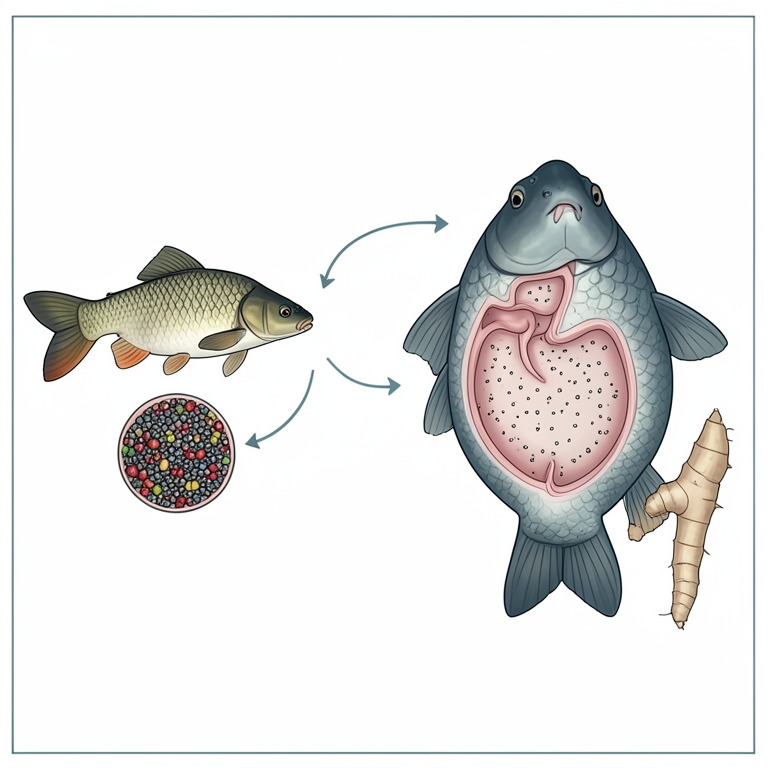
Effect of Ginger Extract on Carp
AI-generated conceptual illustration (common carp (Cyprinus carpio)). It explains the idea and does not show study data.
View source evidence ↗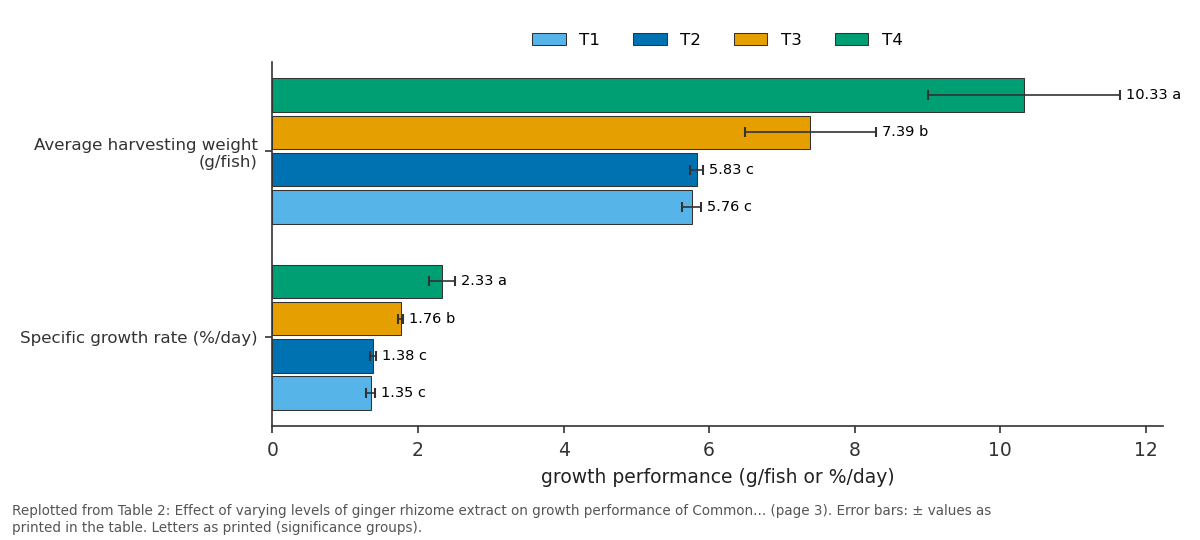
T1 and T2 and more: Average harvesting... vs Specific growth rate...
Replotted from Table 2 (page 3) of the original paper. Every bar is the paper's own table value.
View source evidence ↗Figures & tables
From the original paper Table 1
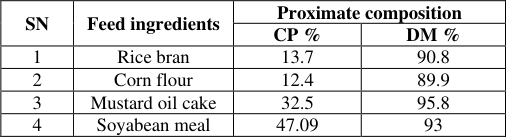 Table 1
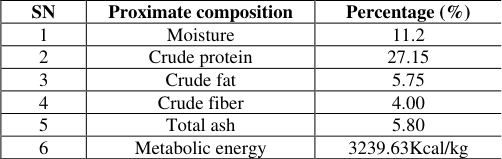 Table 3
 Table 2
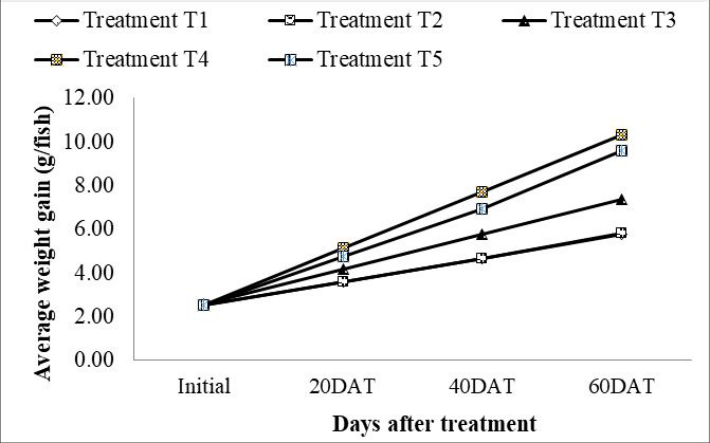 Figure 2
 Table 5
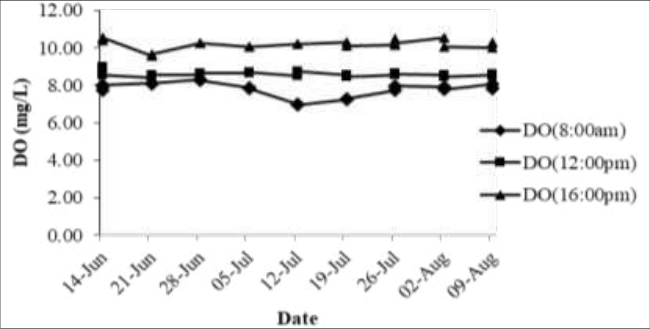 Figure 3
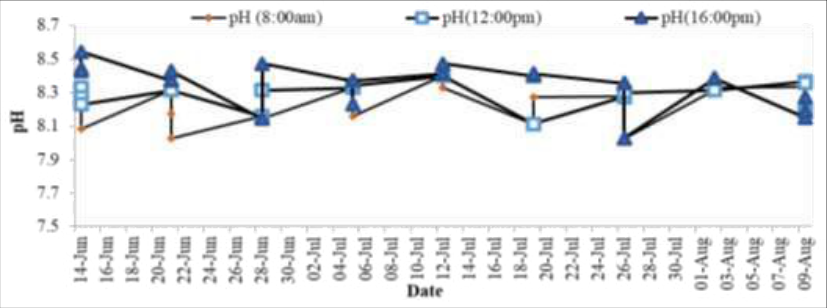 Figure 4
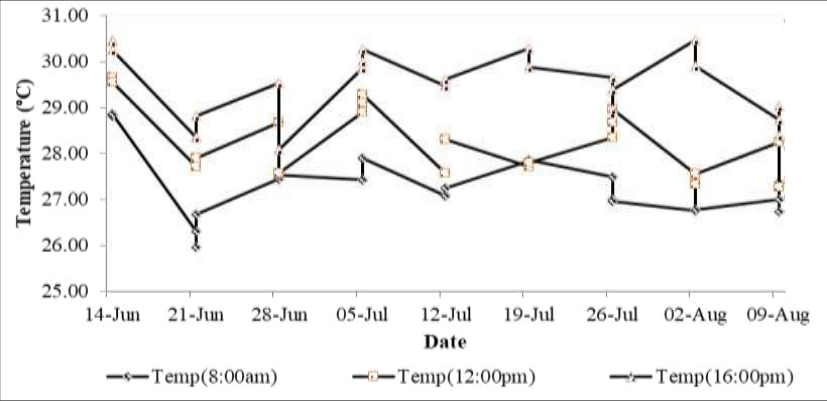 Figure 5
Introduction
The aquaculture and fisheries sectors in Nepal are pivotal contributors to national food security, economic output, and employment contributing 17% of global human consumption of animal protein. Nepal's annual fish production amounts to 104,623 mt. of which 21,000 mt. are derived from capture fisheries, while aquaculture contributes 73,693 mt. accounting for 0.44% of the GDP and 1.44% of the Agricultural Gross Domestic Production (AGDP) (CFPCC, 2022) [1] . Intensified aquaculture can lead to water quality decline, stress, and disease (Hoseinifar, Soleimani, & Ringø, 2014) [10] while antibiotics and chemicals were traditionally used to mitigate these issues (Mohammadi et al., 2020) [13] . Concerns over resistance and environmental impact have shifted focus towards dietary supplements for improved fish health, particularly in larval and fry stages (Hoseinifar, Soleimani, & Ringø, 2014) [10] . Herbal plants, with medicinal properties, offer potential for enhancing fish health and growth in aquaculture (Gabriel, 2021). Research indicates various plant parts improve growth, antioxidant profiles, immunity, and survival in farmed fish (Jafarinejad et al., 2020) [11] . Common carp (Cyprinus carpio) are favored for their rapid growth and adaptability (Tokur et al., 2006) [12] . However, plant-based feeds, while desirable, contain anti-nutritional factors (ANFs) that can negatively impact gut microbes, digestibility, growth, immunity, and disease resistance in carp (Apines-Amar et al., 2016) [26] . Ginger (Zingiber officinale), used medicinally and as a supplement (Jafarinejad et al., 2020 [11] , contains carbohydrates, protein, lipids, fiber, proteases, and volatile compounds like [3] . Ginger powder has shown positive effects on fish growth, hematology, immunity, and antioxidant profiles ( [14,15,3] . It also enhances digestion and regulates gut bacteria by stimulating pancreatic enzyme and bile secretion (Baliga et al., 2011) [16] . Gastro-intestinal tract (GIT) microorganisms improve digestion through enzyme provision and vitamin synthesis (Tovar-Ramírez et al., 2004) [25] , with their composition heavily influenced by diet (Nayak, 2010) [24] . Adegbesan et al. (2019) [2] showed ginger reduces gut bacterial and fungal counts in Clarias gariepinus (p<0.05). A 2% ginger diet resulted in the lowest counts (7.4×10 5 bacteria, 2.0×10 5 fungi), followed by a 3% diet. Abbasi Ghadikolaei et al. (2017) [8] found that 2% dietary ginger powder significantly improved growth and biochemical composition in juvenile common carp. Adegbesan et al. (2019) [2] found Streptococcus agalactiae, Bacillus subtilis, and Enterococcus faecalis in Clarias gariepinus intestines fed ginger, suggesting increased grampositive bacteria. This aligns with findings by Olojo et al.
(2010) [17] and Nwabueze (2014) [19] regarding similar bacterial flora in C. gariepinus. Similarly, M Alsaiad, S., & M AL-Zayat, (2019) [18] found ginger increased feed costs, but improved weight gain. However, the impact of ginger on gut flora requires further study. This research aims to assess ginger's effects on common carp growth, survival, and gut flora.
Materials and Methods
Materials and Methods
Site Selection
The research was conducted at the Hatchery Complex within the Fisheries Program of Agriculture and Forestry University, spanning from June to August 2022. The site was located at 27°39'26.5"N longitude & 84°20'58.6"E latitude.
Experimental Setup Experimental fish
Fries of Common Carp with average individual weight of 2.55±0.03 g and length 4.9±0.68 cm were procured from CAARP, Kathar, Chitwan (Private farm) which were kept in conditioning for 30 minutes prior to transferring them on holding tank.
Treatment design
A 60-day feeding trial, with three replicates per treatment, tested various ginger rhizome extract ratios across five treatment groups (Table 1).
| SN | Feed ingredients | Proximate composition | — |
|---|---|---|---|
| CP % | DM % | ||
| 1 | Rice bran | 13.7 | 90.8 |
| 2 | Corn flour | 12.4 | 89.9 |
| 3 | Mustard oil cake | 32.5 | 95.8 |
| 4 | Soyabean meal | 47.09 | 93 |
Table text extracted from the original PDF; superscript letters are shown inline. The original table image is below.
View original table image
| Treatment No. | Treatment | Ratio of Ginger rhizome extract (%) |
|---|---|---|
| T1 | Control | 0 |
| T2 | Pellet feed + Ginger rhizome extract | 1 |
| T3 | Pellet feed + Ginger rhizome extract | 2 |
| T4 | Pellet feed + Ginger rhizome extract | 3 |
| T5 | Pellet feed + Ginger rhizome extract | 4 |
Table text extracted from the original PDF; superscript letters are shown inline. The original table image is below.
View original table image
Tank preparation and hapas installation
Cement tanks were drained, fish and debris removed, and air-dried. Tanks were disinfected with 2 g/1000L KMnO 4 , dried again, and refilled to 1.2 m. Nylon hapas, disinfected with 5% salt, were secured in tanks with bamboo and iron supports. Natural algal blooms eliminated the need for fertilization.
Experimental setup
A Complete Randomized Design (CRD) was used. 1 m x 1 m x 1.2 m nylon hapas were placed in 5 m x 5 m x 1.5 m cemented tanks. Treatments were randomly assigned to three tanks each via lottery. Each hapas contains 30 fries.
Experimental feed Proximate composition
To prepare the experimental feed of CP (27.15%) the ingredients used are mentioned in Table 2.
| Parameters | T1 | T2 | T3 | T4 | T5 |
|---|---|---|---|---|---|
| Average stocking weight (g/fish) | 2.55±0.04a | 2.55±0.03a | 2.56±0.03a | 2.53±0.03a | 2.55±0.03a |
| Average harvesting weight (g/fish) | 5.76±0.13c | 5.83±0.09c | 7.39±0.90b | 10.33±1.32a | 9.61±1.16a |
| Harvested number (Nos.) | 22±0.57b | 23±0.00ab | 24±0.00a | 24±0.00a | 24±0.00a |
| Total harvesting weight (g/hapa) | 138.28±3.13c | 141.16±4.37c | 177.48±2.11b | 247.82±31.60a | 230.63±28.12a |
| Daily weight gain (g/fish/day) | 0.053±0.005c | 0.053±0.005c | 0.08±0.00b | 0.13±0.01a | 0.11±0.01a |
| Specific growth rate (%/day) | 1.35±0.06c | 1.38±0.04c | 1.76±0.03b | 2.33±0.18a | 2.20±0.22a |
| Survival rate (%) | 93.05±1.39 c | 95.83±0.00 b | 100±0.00 a | 100±0.00 a | 100±0.00 a |
Table text extracted from the original PDF; superscript letters are shown inline. The original table image is below.
View original table image
Preparation of ginger rhizome extract
Local ginger rhizomes were washed, peeled, and sliced before being dried at 40 °C for 72 hours. The dried slices were then ground, sieved, and 20 g of the resulting powder was macerated in 100ml of 35 °C distilled water for 48 hours. Following maceration, the extract was filtered, dried at 40 °C for another 72 hours, cooled to room temperature, and finally stored at 4 °C.
Experimental diet and feeding
A 27.15% CP pellet feed was formulated from crushed ingredients suitable for carp fry. Extracts, prepared according to treatment, were dissolved in 90% ethanol, sprayed onto the feed, and mixed thoroughly. The experimental diet was then air-dried for 3 hours and stored. Juvenile common carp were fed this diet three times daily at 5% of their body weight for 60 days.
Data collection
Fish growth was measured before and after treatment. Gut bacteria counts were taken from two fish per group every 20 days. Fish used for bacteria counts were excluded from growth performance measurements.
Growth parameters and Survival
Daily weight gain (g fish day ⁄ ⁄ ) = Mean final weight (g) -Mean initial weight(g) Where, Nf= final number of fish stock, Ni= Initial number of fish stock.
Examination of Gut flora Collection of intestines
Fish were washed, disinfected with 90% ethanol, and anesthetized with 0.1 ml/L clove oil for 30 minutes. Under aseptic conditions, the gut was removed, homogenized, and 2 g of the homogenate was suspended in 25 ml normal saline (NS) to create a stock solution, stored at 4 °C.
Total aerobic heterotrophic plate count
A 1 ml gut suspension sample was serially diluted to 10⁻⁹. 0.1 ml aliquots were spread onto nutrient agar plates in triplicate and incubated at 37 °C for 48 hours. Aerobic heterotrophic bacteria were counted, and results were expressed as cfu/ml.
Water quality analysis
Maintaining good water quality is of utmost importance for promoting growth and preventing diseases. The parameters of water quality, including Dissolved oxygen (DO), pH, and Temperature, were assessed on a daily basis
Proximate analysis
Random sampling was carried out for each batch of feed produced throughout the experiment. These samples, which represented the diets, were subjected to proximate analysis following the guidelines outlined in AOAC (2000) [4] . The analysis was conducted at the Animal Nutrition Laboratory of Agriculture and Forestry University in Rampur, Chitwan, Nepal.
Statistical analysis
Statistical analysis was conducted using R (version 3.6.1). ANOVA was used to assess treatment mean variations, with significance set at p< 0.05. Mean values are presented with their standard error of the mean (± SEM).
Result Proximate composition of diet
Result Proximate composition of diet
Microbial count
Microbial count
Water quality analysis
Water quality analysis
Discussion
The water conditions, including temperature, dissolved oxygen levels, and pH, were maintained within the optimal range for Common carp culture, consistent with the research carried out by Nasir and Khalil in 2016 [20] and the guidelines from NSA (1999). Among the treatments, T 4 (3% Ginger rhizome extract) recorded the higher value of parameters followed by T 4 (4% Ginger rhizome extract) depicting the growth performance of Common carp fry. Adegbesan et al. (2019) [2] reported that fish (Clarias gariepinus) exhibited a consistent rise in weight gain, with the most substantial growth performance observed in those fed diets containing 1% and 3% Ginger rhizome powder.
Likewise, in a research study conducted by Jafarinejad, Gharaei, and Mirdar (2020) [11] , they investigated the impact of a ginger-infused diet on the growth characteristics of Cyprinus carpio. Their findings indicated that fish that were fed diets containing 2% to 5% ginger experienced a substantial rise in final weight, weight gain, specific growth rate, and improved feed conversion ratio (FCR) compared to the fish on the control diet. These findings align with the results of the present study, suggesting that the level of ginger inclusion in the diet plays a crucial role in promoting higher growth rates in Cyprinus carpio. The findings of present study on growth performance of C. carpio are congruent with Makode (2017) [22] who found similar report after incorporation of onion powder @ 3% had yield the higher growth performance. Similar results were also reported by Gabor et al. (2010) [6] and Gabor et al. (2012) [7] . Rawat et al. (2022) [23] reported the growth-promoting effects of ginger in the diet can be attributed to improved nutrient digestibility and enhanced digestion and absorption of protein components which is in line with study conducted by Talpur et al., (2013) [14] and Hassanin et al. (2014) [9] . Significant distinctions (p< 0.05) were noted in the reduction of the total bacterial count among fish fed different concentrations of Zingiber officinale extract, with the lowest bacterial count observed in fish that consumed a diet containing 3% Ginger rhizome extract, as compared to the control group. This result aligns with the research conducted by Adegbesan et al. (2019) [2] , where the lowest bacterial count was found in the group fed with 2% ginger root powder (7.4±5.31×10 5 cfu/ml), followed by 3% ginger powder (8.84±7.58 ×10 5 cfu/ml). Similarly, Bello et al.
(2012) [5] reported a decline in bacterial load in groups supplemented with onion bulb and walnut leaves, with increasing levels of inclusion and over time.
Conclusion
Aquaculture intensification necessitates sustainable strategies to combat disease and stress. This study demonstrated that a 3% ginger extract diet significantly improved common carp fry growth, survival, and reduced gut bacteria, offering a natural alternative to antibiotics.
Acknowledgement
AcknowledgementThe authors gratefully acknowledge Agriculture and Forestry University for their invaluable technical and financial contributions to this research. Furthermore, sincere appreciation is extended to all individuals whose collaborative efforts facilitated the successful completion of this study.
Figures and tables from the paper
| SN | Proximate composition | Percentage (%) |
|---|---|---|
| 1 | Moisture | 11.2 |
| 2 | Crude protein | 27.15 |
| 3 | Crude fat | 5.75 |
| 4 | Crude fiber | 4.00 |
| 5 | Total ash | 5.80 |
| 6 | Metabolic energy | 3239.63Kcal/kg |
Table text extracted from the original PDF; superscript letters are shown inline. The original table image is below.
View original table image
| Treatment | Bacterial count (cfu/ml) | — | — | — |
|---|---|---|---|---|
| Initial | 20DAT | 40DAT | 60DAT | |
| T1 | 1.38×10⁹ | 2.14 ×10⁸ ±6.55×10⁶ bc | 2.9×10⁸ ±2.78×10⁷ a | 2.71×10⁹ ±1.62×10⁸ a |
| T2 | 1.38×10⁹ | 3.31×10⁸±3.91×10⁷ a | 3.1×10⁸ ±5.89×10⁷ a | 1.88×10⁸ ±9.50×10⁷ b |
| T3 | 1.38×10⁹ | 2.24×10⁸±1.83×10⁷ b | 2.2×10⁷ ±4.36×10⁶ b | 6.30×10⁶ ±7.88×10⁶ c |
| T4 | 1.38×10⁹ | 1.75×10⁸±2.64×10⁶ c | 1.9×10⁷ ±4.23×10⁶ b | 1.62×10⁶ ±3.60×10⁴ c |
| T5 | 1.38×10⁹ | 2.06×10⁸±2.26×10⁷ bc | 2.2×10⁷ ±2.87×10⁶ b | 1.99×10⁶ ±1.68×10⁵ c |
Table text extracted from the original PDF; superscript letters are shown inline. The original table image is below.
View original table image
References
23 in the original paper- Adegbesan SI, Obasa SO, Akintokun AK, Abdulraheem I. Effects of dietary supplementation of Zingiber officinale root-powder on growth, nutrient utilization and intestinal microbes of African mud catfish (Clarias gariepinus) fingerlings. Journal of Aquaculture and Fisheries. 2019;3:016.
- Ahmadifar E, Sheikhzadeh N, Roshanaei K, Dargahi N, Faggio C. Can dietary ginger (Zingiber officinale) alter biochemical and immunological parameters and gene expression related to growth, immunity and antioxidant system in zebrafish (Danio rerio)? Aquaculture. 2019;507:341-348.
- Bello OS, Olaifa FE, Emikpe BO, Ogunbanwo ST. The effect of walnut (Tetracarpidium conophorum) leaf and onion (Allium cepa) bulb residues on the tissue bacteriological changes of Clarias gariepinus juveniles. Bulletin of Animal Health and Production in Africa. 2012;60(2):205-212.
- Gabor EF, Șara A, Barbu A. The effects of some phytoadditives on growth, health and meat quality on different species of fish. Scientific Papers Animal Science and Biotechnologies. 2010;43(1):61.
- Gabor EF, Şara A, Benţea M, Creţa C, Baciu A. The effect of phytoadditive combination and growth performances and meat quality in rainbow trout (Oncorhynchus mykiss). Journal of Animal Science and Biotechnology. 2012;45(2):1-5.
- Hassanin ME, Hakim Y, Badawi ME. Dietary effect of ginger (Zingiber officinale Roscoe) on growth performance, immune response of Nile tilapia (Oreochromis niloticus) and disease resistance against Aeromonas hydrophila. Abbassa International Journal of Aquaculture. 2014;7:35-52.
- Hoseinifar SH, Soleimani N, Ringø E. Effects of dietary fructo-oligosaccharide supplementation on the growth performance, haemato-immunological parameters, gut microbiota and stress resistance of common carp (Cyprinus carpio) fry. British Journal of Nutrition. 2014;112(8):1296-1302.
- Jafarinejad R, Gharaei A, Mirdar Harijani J. Dietary ginger improve growth performance, blood parameters, antioxidant capacity and gene expression in Cyprinus carpio. Iranian Journal of Fisheries Sciences. 2020;19(3):1237-1252.
- Tokur B, Ozkütük S, Atici E, Ozyurt G, Ozyurt CE. Chemical and sensory quality changes of fish fingers, made from mirror carp (Cyprinus carpio L., 1758), during frozen storage (-18 °C). Food Chemistry. 2006;99(2):335-341.
- Mohammadi G, Rashidian G, Hoseinifar SH, Naserabad SS, Van Doan H. Ginger (Zingiber officinale) extract affects growth performance, body composition, haematology, serum and mucosal immune parameters in common carp (Cyprinus carpio). Fish and Shellfish Immunology. 2020;99:267-273.
- Talpur AD, Ikhwanuddin M, Bolong AMA. Nutritional effects of ginger (Zingiber officinale Roscoe) on immune response of Asian sea bass, Lates calcarifer (Bloch) and disease resistance against Vibrio harveyi. Aquaculture. 2013;400:46-52.
- Sukumaran V, Park SC, Giri SS. Role of dietary ginger Zingiber officinale in improving growth performances and immune functions of Labeo rohita fingerlings. Fish and Shellfish Immunology. 2016;57:362-370.
- Baliga MS, Haniadka R, Pereira MM, D'Souza JJ, Pallaty PL, Bhat HP, Popuri S. Update on the chemopreventive effects of ginger and its phytochemicals. Critical Reviews in Food Science and Nutrition. 2011;51(6):499-523.
- Olojo EAA, Amusa NA, Osho A, Badejo VO. Commensal bacterial flora of Synodontis nigrita and Clarias gariepinus from River Osun, Southwest Nigeria. Research Journal of Applied Sciences. 2010;5(3):231-235.
- Alsaiad SM, AL-Zayat AM. Utilization of ginger extract in Nile tilapia (Oreochromis niloticus) diets. Egyptian Journal of Aquatic Biology and Fisheries. 2019;23(4):23-37.
- Nwabueze AA. Antimicrobial action of epidermal mucus extract of Clarias gariepinus (Burchell, 1822) juveniles-fed ginger inclusion in diet. International Journal of Biology. 2014;6(2):42.
- Nasir M, Khalil M. The effect of using various types of natural filters on the growth, survival, and water quality in the cultivation of common carp (Cyprinus carpio). Acta Aquatica: Aquatic Sciences Journal. 2016;3(1):3339.
- National Standard Agency. NSA-Indonesia National Standard 01-6137-1999: Common carp juvenile production (Cyprinus carpio Linnaeus) Sinyonya strain juvenile. Jakarta: National Standard Agency; 1999. p. 1-8.
- Makode PM. Effects of dietary onion on growth performance in the freshwater fish Clarias batrachus (Linn.). Bioscience Discovery. 2017;8(2):241-243.
- Rawat P, Kaur VI, Tyagi A, Norouzitallab P, Baruah K. Determining the efficacy of ginger Zingiber officinale as a potential nutraceutical agent for boosting growth performance and health status of Labeo rohita reared in a semi-intensive culture system. Frontiers in Physiology. 2022;13:960897.
- Nayak S. Probiotics and immunity: A fish perspective. Fish and Shellfish Immunology. 2010;29:2-14.
- Tovar-Ramírez D, Zambonino Infante J, Cahu C, Gatesoupe F, Vázquez-Juárez R. Influence of dietary live yeast on European sea bass (Dicentrarchus labrax) larval development. Aquaculture. 2004;234:415-427.
- Apines-Amar MJS, Amar EC, Faisan JP Jr. Growth, plasma cortisol, liver and kidney histology, and resistance to vibriosis in brown-marbled grouper, Epinephelus fuscoguttatus fed onion and ginger. Aquaculture, Aquarium, Conservation and Legislation. 2013;6(6):530-538.