
Research article · 2025 · Full text
International Journal of Advanced Chemistry ResearchAn in-depth exploration of plant-based medicine: healing potential and practical uses
Volume 7(3) · Pages 09–16 · DOI: 10.33545/26646781.2025.v7.i3a.264 ↗
Research areasTransgenic Plants and Applications
Abstract
Author-writtenIn prehistoric times, humans recognized medicinal and aromatic plants as significant sources of therapeutic benefits and utilized them as both food and medicine. Over time, ancestral knowledge regarding the crucial bioactive compounds within these plants developed, leading to their incorporation into early civilizations for the promotion of human health. Consequently, traditional medicine systems, relying heavily on medicinal and aromatic plants, became integral to maintaining the well-being of populations. Furthermore, empirical investigation through the extraction, gustatory evaluation, and testing of diverse plant materials expanded the pharmacopeia. Currently, a vast array of botanicals and their derived compounds are globally recognized and employed for their health-promoting properties. Considering their expanding applications, medicinal and aromatic plants are poised to play a critical role in future healthcare and wellness paradigms.
Summary
Source-checkedPlain-language reading of the full paper, prepared with AI and checked against the text. Each point links to the authors' own words.
Why it matters
- Since prehistoric times, humans have used medicinal and aromatic plants for both nutrition and therapeutic benefits. View evidence ↗
- Botanical resources are currently threatened by ecological disturbances, plant diseases, and climate-driven habitat loss. View evidence ↗
- Approximately 80% of the global population relies on traditional medicine, which is primarily based on medicinal and aromatic plants. View evidence ↗
The question
- The paper aims to explore the healing potential and practical applications of plant-based medicines. View evidence ↗
What they did
- The expansion of the pharmacopeia has historically relied on empirical methods including plant extraction, taste evaluation, and testing. View evidence ↗
- Modern drug identification from plants involves a process of phytochemical screening, bioassays, and the use of ethnobotanical evidence. View evidence ↗
What they found
- It is estimated that roughly 70,000 plant species are used in traditional medicine systems globally. View evidence ↗
- Plant secondary metabolites, which are key for therapeutic use, are categorized into alkaloids, phenolics, terpenes, and sterols. View evidence ↗
- Terpenes exhibit high functional diversity, with approximately 30,000 distinct structures identified. View evidence ↗
- The plant-derived drug Vinblastine has increased the survival rate of childhood leukemias by 80% since the 1950s. View evidence ↗
- At least 120 distinct plant-derived chemical substances are currently classified as essential drugs. View evidence ↗
- While 28,187 plant species are documented for medicinal use, only 4,478 are referenced in regulatory publications, indicating a gap for future discovery. View evidence ↗
- An assessment of 1,350 European plant species suggests that over half could become vulnerable or endangered by 2080 due to climate change. View evidence ↗
What it means
- The authors conclude that international interdisciplinary collaboration is necessary for genomic conservation and sustainable harvesting to protect plant resources from climate change. View evidence ↗
- The authors recommend that knowledge and materials regarding medicinal plants be shared globally and passed to future generations. View evidence ↗
Visual summary
1 visualsIllustrations explain the paper; they do not show study data.
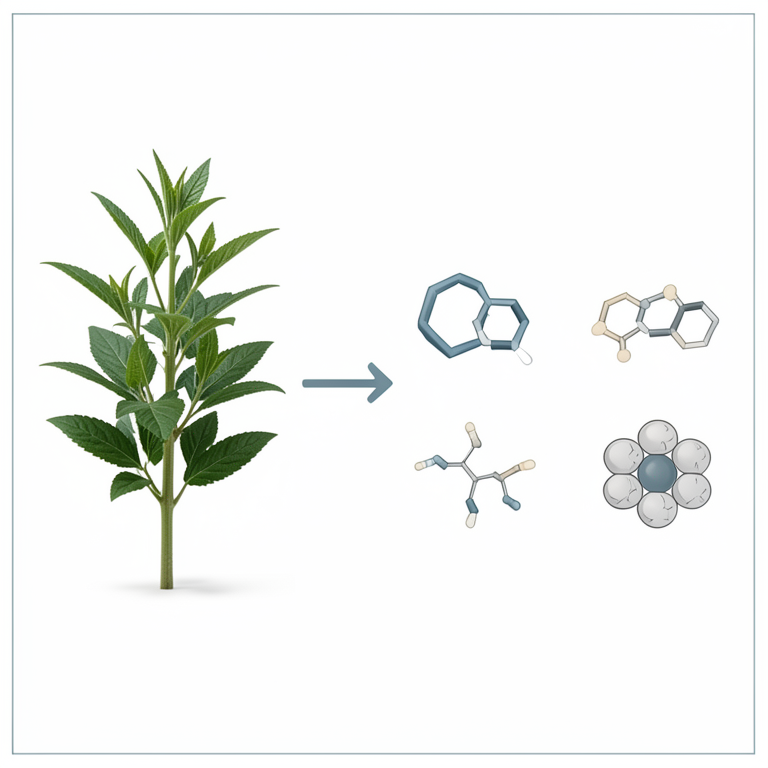
Classification of Plant Secondary Metabolites
AI-generated conceptual illustration (medicinal plants and their chemical compounds). It explains the idea and does not show study data.
View source evidence ↗Figures & tables
From the original paper Table 1
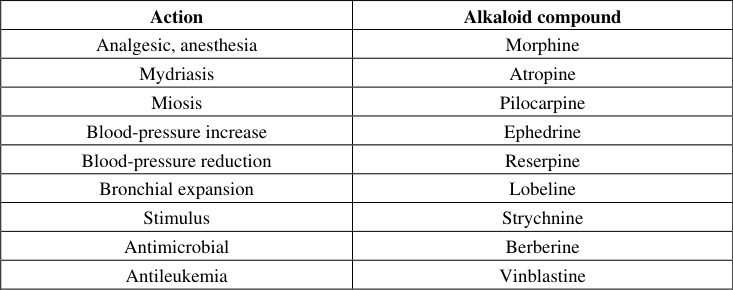 Table 2
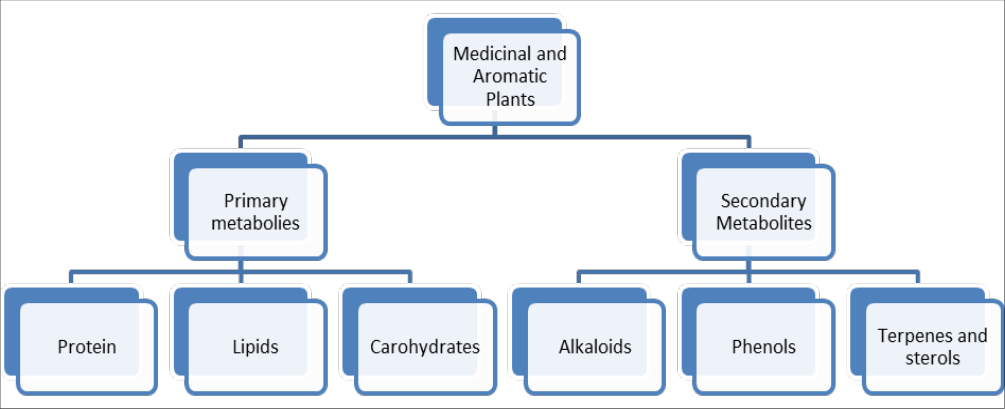 Chart 1
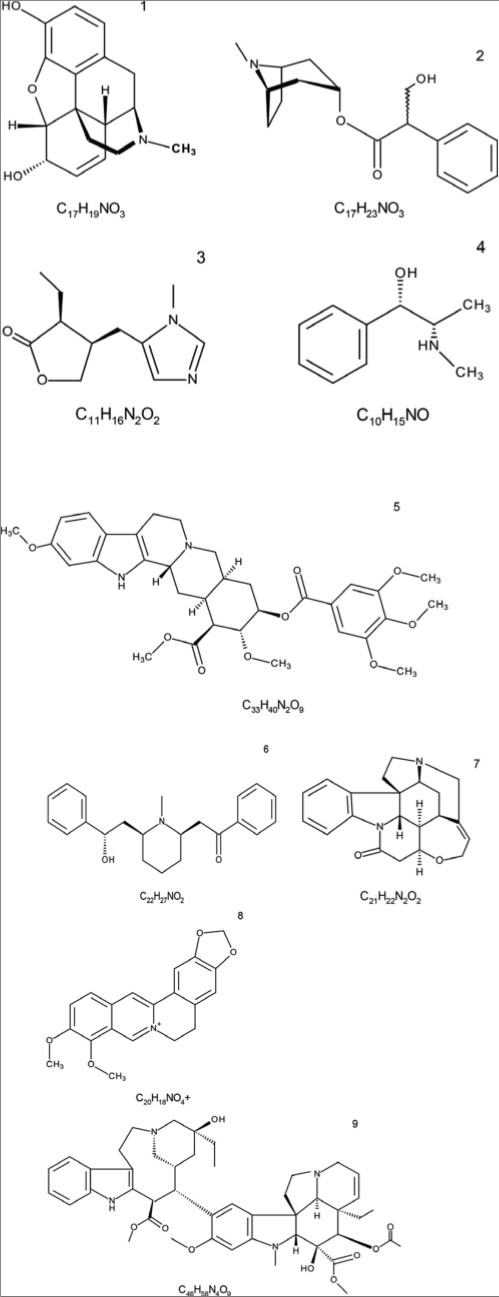 Figure 1
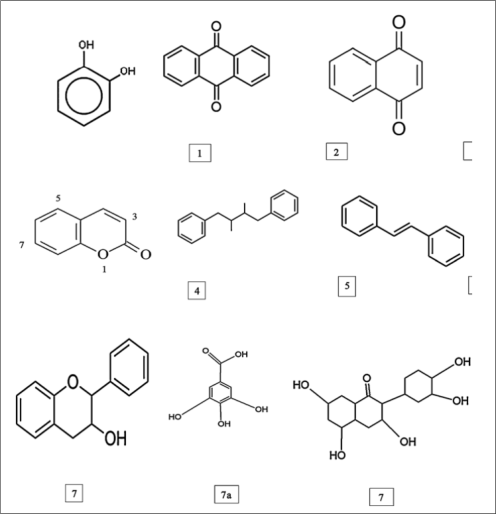 Figure 2
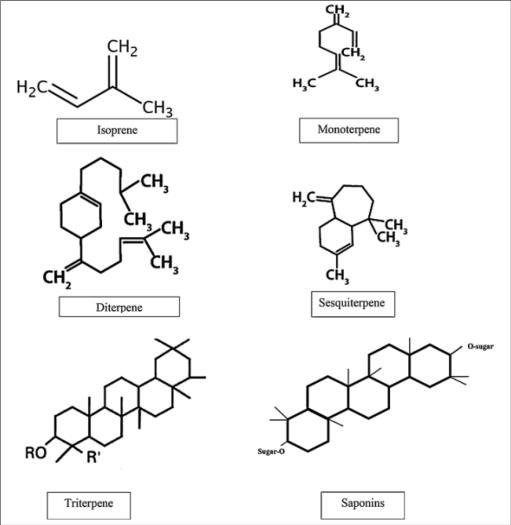 Figure 3
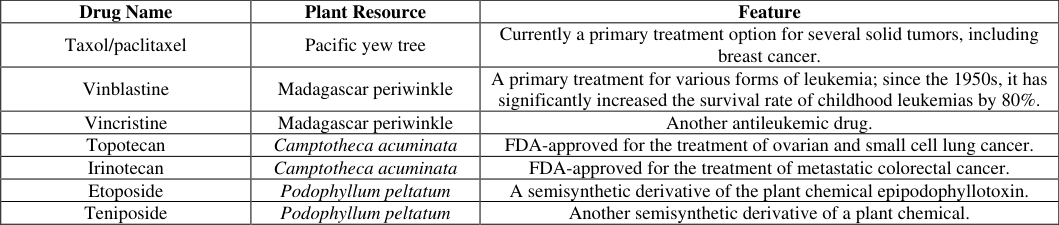 Table 3
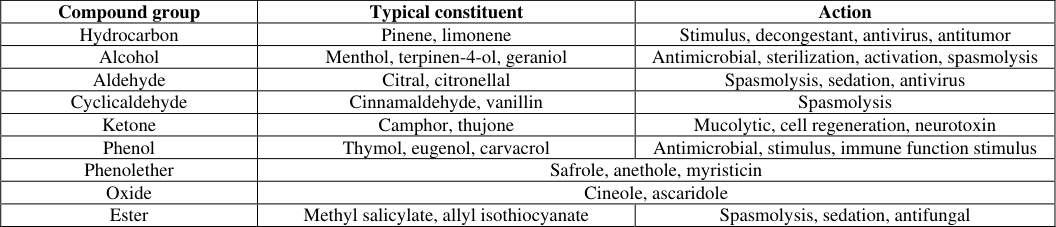 Table 4
Introduction
At the inception of human civilization, survival presented formidable challenges. Early humans were primarily concerned with securing sustenance for energy and identifying remedies for maintaining health. While energy-rich food sources like meat were obtainable through hunting, the discovery and extraction of medicines to treat ailments proved significantly more arduous. Despite modern scientific advancements in identifying plants and their extracts with therapeutic potential, the localization and characterization of healthpromoting constituents within plants remained a persistent challenge (Heinrich et al., 2020; Li et al., 2021) [21] . One of the earliest documented accounts of medicinal practices is attributed to the Sumerians, who inscribed on clay tablets (circa 5000-3000 BCE) descriptions of diseases alongside the concurrent application of health-promoting compounds from medicinal plants for health maintenance and restoration (Newman & Cragg, 2020) [27] . Evidence of medicinal plant awareness in other ancient communities emerged with the discovery of the Iceman, unintentionally preserved between 3400 and 3100 BCE in the frigid Alpine region. Although the complete historical record of medicinal plant utilization by our ancestors remains incomplete, their crucial role in early healthcare is unequivocally acknowledged (Gurib-Fakim, 2019) [18] . Plants vulnerable to herbivory often employ chemical defenses, releasing compounds that deter grazing animals. Consequently, early humans likely exercised discernment in the selection of plant parts for consumption. The empirical observation that ingesting specific plant tissues, such as the shoots, roots, or fruits of certain species, resulted in perceived health benefits served as a foundational principle. Building upon this innate understanding, the cultivation of beneficial plants likely commenced to ensure a consistent supply for maintaining human vitality (Fabricant & Farnsworth, 2021) [13] . Over subsequent periods, medical practices evolved, leading to the emergence of disease prevention through vaccinations and the development of novel pharmaceuticals, accompanied by enhanced diagnostic and therapeutic capabilities.
Advancements in contemporary medicine and healthcare infrastructure have significantly improved human longevity and quality of life. Numerous diseases have been effectively managed or eradicated through the discovery of new plantderived drugs and antibiotics originating from microbiota (Atanasov et al., 2021) [3] . Utilizing blood and tissue analyses, radiographic imaging (X-rays), magnetic resonance imaging (MRI), and other sophisticated medical tests and technologies, laboratory personnel can now more accurately diagnose the etiology of diseases, enabling the prescription of appropriate medications in precise dosages (WHO, 2022). During the primeval era, our predecessors relied predominantly on their sensory perceptions to evaluate flora and their components, assessing their taste and potential therapeutic effects. From these early observations, aromatic and medicinal plants have yielded diverse benefits, including applications in medicine, food flavoring, preservation, cosmetics, personal care, and ornamentation (Efferth & Wink, 2020) [10] . The accumulated knowledge regarding medicinal and aromatic plants, spanning from ancient times to the present day, represents a valuable heritage that has profoundly enhanced human well-being and longevity. Nevertheless, the significance of these botanical resources is not universally appreciated, as habitat loss due to climate change, plant diseases, and other ecological disturbances contribute to the disappearance of numerous known plant species (Pimm et al., 2020) [29] .
The transmission of this knowledge to subsequent generations is facilitated through various cultural practices. Diverse climatic variations across the globe have driven the selection and adaptation of plant species, leading to the diversification and classification of numerous geographically specific medicinal and aromatic plants with unique properties (Sharma et al., 2021) [36] . Medicinal and aromatic plants, in conjunction with ethnobotanical knowledge, were fundamental to traditional medicine systems across various civilizations. Human migration patterns have further contributed to the distribution of plant materials and the dissemination of associated knowledge (Leonti & Casu, 2020) [25] . The historical record reveals a compelling narrative of the discovery of exceptional plants and their health-promoting bioactive constituents. The scarcity of certain plant-derived compounds spurred exploratory expeditions worldwide in search of novel spice plants and suitable habitats for their cultivation (Figure 1) (Allkin, 2017) [1] . During the eighteenth century, particular plant species gained prominence due to their multifaceted applications as medicines, food flavorings, and preservatives. Furthermore, crucial compounds responsible for promoting human health were identified and characterized (Table 1) (Sashida, 2007) [34] . The structural frameworks of many synthetic pharmaceuticals have been inspired by naturally occurring health-promoting constituents found in plants (Newman & Cragg, 2020) [27] .
| Person | Achievements |
|---|---|
| C. W. Scheele (1742-1786) | Discovered chlorine, various organic acid, glycerol, tungsten, molybdenum |
| F. W. A. Sertürner (1783-1841) | Extracted morphine from opium for analgesics |
| P. J. Pelletier (1788-1842), J. B. Caventou (1795-1877) | Succeeded to extract quinine, specific remedy for malaria, from bark of cinchona |
| Friedrich Wöhler (1800-1882) | Created urea from an inorganic substance |
| Ludwig Knorr (1859-1921) | Created the first synthetic drug antipyrine during the try to synthesize quinine |
Table text extracted from the original PDF; superscript letters are shown inline. The original table image is below.
View original table image
Currently, Integrative Medicine is gaining significant attention due to its incorporation of a wide array of plants and plant-derived compounds for therapeutic applications. Integrative Medicine now holds a recognized role in contemporary healthcare, encompassing the utilization of whole plants, crude drug preparations, aromatherapy, and various other therapeutic modalities in both domestic and clinical settings. Furthermore, natural drugs and therapies are effectively employed in preventive medicine strategies. Medicinal and aromatic plants (Geyo et al, 2024) [49] represent a valuable resource for the discovery of novel pharmaceuticals and in addressing both physical and mental well-being. These botanical resources offer a promising avenue for enhancing human health and quality of life (Ekor, 2014; Barnes et al., 2019; Izzo et al., 2020) [6,11] .
Past The Genesis of Medicinal Plant Use
Since medieval times, our ancestors consumed plants and serendipitously discovered their medicinal properties, subsequently employing them for the treatment of various ailments and diseases. The intertwined history of humankind and medication spans millennia, with the earliest documented evidence attributed to Ötzi, the Iceman (circa 5000-3000 BCE) found in the Alps, who utilized plantbased remedies (Inoue, 2018; Renner, 2021). Over the ensuing centuries, sustained research, empirical observation, and knowledge accumulation characterized human interaction with the natural world. During these early practices, the concept of preserving plant parts, such as through drying, for future health needs likely arose, eventually leading to the deliberate cultivation of medicinal plants. For instance, Cannabis was cultivated in ancient Egypt as early as 3400 BCE (Ibrahim, 2017), and the opium poppy was cultivated in lower Mesopotamia around the same period (Cannabis, 2018; Russo, 2019). As human societies developed increasingly complex communication systems, they began to maintain records of medical knowledge pertaining to plants of medicinal interest (Heinrich et al., 2022) [21] .
A Concise History of Traditional Medicines
In antiquity, significant civilizations flourished along the banks of major rivers -the Nile, Indus, Yellow, and Tigris-Euphrates -each developing its own distinct medical traditions. In China, between 2800 BCE and 1700 BCE, Shennong (Pen Ts'ao Shen Nung) conducted extensive investigations into drugs and medicines, establishing a foundational framework for Traditional Chinese Medicine (TCM) (Zhang et al., 2021) [50] . Later, Tao Hongjing (452-536 CE) categorized medicinal plants into three tiers based on their effects: the first group comprised plants safe for long-term consumption without adverse effects; the second included plants with a mixture of beneficial and potentially harmful properties, often used as tonics; and the third consisted of plants with significant therapeutic potential for treating diseases but generally not recommended for prolonged use due to potential toxicity (Wang et al., 2020). The earliest known medical texts, dating back to approximately 2600 BCE, originated in Mesopotamia. Opium, licorice, and cypress oil were commonly employed during this era. By 2900 BCE, Egyptian medicine was wellestablished, with knowledge of drugs meticulously documented on papyrus scrolls, most notably the Ebers Papyrus (Borchardt, 2019) [8] . Compiled around 1500 BCE, the Ebers Papyrus detailed approximately 810 prescriptions, including formulations for suppositories, mouthwashes, inhalants, lotions, and poultices. The medical practices of ancient Greece and Rome were significantly influenced by Egyptian medicine. Hippocrates (460-377 BCE) reportedly utilized around 60 different medicinal plants for therapeutic purposes (Touwaide, 2020). Until the sixteenth century, De Materia Medica, authored by Dioscorides (40-90 CE), was considered the definitive text on medical substances. Galen (130-201 CE), a prominent physician of the Roman era, developed numerous fundamental pharmaceutical preparations, known as galenical preparations, some of which are still recognized and utilized today (Barker, 2021) [5] . The oldest known pharmacy was established in Baghdad during the Islamic Golden Age. This pharmacy stocked a diverse array of substances, including Arabian spices, Persian medicines, Indian remedies, Chinese drugs, cloves, musk, and camphor (Gutas, 2021) [19] . Avicenna (980-1037 CE), a renowned Persian polymath often referred to as the "Galen of Islam," authored The Book of Healing and The Canon of Medicine, and is credited with designing steam distillation techniques for essential oil extraction (Pormann, 2019). Currently, it is estimated that approximately 70,000 plant species are utilized in traditional medicine systems worldwide (Fabricant & Farnsworth, 2001; Heinrich & Jäger, 2015) [13,20] .
The Role of Spices: Initially, European medicine markets relied on spices imported from Asia via trade routes that encompassed the Silk Road, the Isthmus of Suez, the Red Sea, and the Mediterranean Sea. Trade with India and China faced limitations around 1600 BCE. In 325 BCE, the conquests of Alexander the Great into Northern India exposed other European nations to the availability of spices (Freedman, 2020) [16] . Until the 1700s, the Maluku Islands of Indonesia, commonly known as the Spice Islands, were the primary source of highly prized spices such as nutmeg, mace, and cloves. Around the fourth century CE, Arab traders introduced spices from these islands to Europeans but strategically concealed their origin. This Arabian monopoly led to resentment due to the exorbitant prices of spices. Europeans had a strong demand for spices, as their perceived medicinal properties were considered crucial in combating epidemics (van der Veen, 2021). Consequently, adventurers, supported by various European powers, embarked on voyages via sea routes to bypass the Arab intermediaries. Ultimately, in 1497, the Portuguese, following Vasco da Gama's voyage to India, broke the Arabian monopoly. In the sixteenth century, Portuguese dominance over the spice trade was solidified, and in the seventeenth century, the Dutch took control of the Moluccas, a period known as the Spice Wars. During this era, spices were exceptionally valuable, often exceeding their weight in gold (Brook, 2022) [9] . The clandestine removal of spice plant seedlings from the Moluccas eventually led to their cultivation in other parts of the world, marking the end of the Spice Wars and resulting in reduced prices and greater availability of these commodities. The global diffusion of spices through these historical trade routes can be observed in the characteristic spice profiles of various national cuisines (Inoue, 2018; Freedman, 2020) [16] . [30,49] . Alkaloids, a prominent class of secondary metabolites derived from plants, often exert a pronounced influence on the human central nervous system even at low concentrations, exhibiting potent pharmacological activity (Tyler, 1999; Roberts & Wink, 2021) [32,42] . Plants containing alkaloids as a major constituent are generally subject to restricted use and may be classified as toxic. However, these alkaloids are extensively and effectively utilized in numerous pharmaceutical and medicinal products. Extensive research has documented remarkable discoveries of beneficial and therapeutically valuable alkaloids (Robinson, 1986; Facchini, 2018) [12,33] .
Phenolic compounds function as natural plant pigments and contribute to resistance against various human pathogenic diseases. Furthermore, phenolics represent one of the most abundant groups of secondary metabolites, exhibiting a wide range of biological activities. Phenolic compounds possess antimicrobial, anesthetic, pharmacological, and antioxidant properties. Their applications are diverse, spanning antiinflammatory, antimicrobial, anticancer, anxiolytic, and antifungal activities (Floris, 2021; James, 1980; Shahidi & Ambigaipalan, 2019) [15,24,35] . Terpenes and sterols have proven invaluable in the treatment of human diseases. Terpenes exhibit cytotoxic activity against a broad spectrum of organisms, including vertebrates, plants, bacteria, and fungi (Teuscher, 2012;
Thoppil & Bishayee, 2019) [39,40] . The functional diversity of terpenes is underscored by the identification of approximately 30,000 distinct structures. Steroids (C27), on the other hand, are modified terpenoids derived from the triterpene lanosterol and characterized by a tetracyclic carbon skeleton (Teuscher, 2010; Xu et al., 2021) [38,48] .
Terpenes have been effectively employed as antiinflammatory, antitumor, anticancer, and antiparasitic agents. Emerging applications also include the control of innate immunity development in organisms ranging from insects to mammals.
Chart 1: Plant Metabolites
Chart 1: Plant Metabolites
Present Medicinal and Aromatic Plants for Human Well-being
The health-promoting constituents of medicinal and aromatic plants have historically played a crucial role in sustaining human life, and continue to do so by providing medicines, food, therapeutic agents, and rejuvenation therapies. Currently, the benefits of medicinal and aromatic plants are being recognized in addressing complex illnesses such as cancer, infectious diseases, and AIDS/HIV. The National Cancer Institute (NCI) actively collaborates with various ongoing programs focused on screening plants to identify novel drugs and bioactive plant compounds for the treatment of AIDS/HIV and cancer (Newman & Cragg, 2020) [27] . Table 3 presents a list of FDA-approved commercially produced anticancer drugs derived from plant sources.
| Drug Name | Plant Resource | Feature |
|---|---|---|
| Taxol/paclitaxel | Pacific yew tree | Currently a primary treatment option for several solid tumors, including breast cancer. |
| Vinblastine | Madagascar periwinkle | A primary treatment for various forms of leukemia; since the 1950s, it has significantly increased the survival rate of childhood leukemias by 80%. |
| Vincristine | Madagascar periwinkle | Another antileukemic drug. |
| Topotecan | Camptotheca acuminata | FDA-approved for the treatment of ovarian and small cell lung cancer. |
| Irinotecan | Camptotheca acuminata | FDA-approved for the treatment of metastatic colorectal cancer. |
| Etoposide | Podophyllum peltatum | A semisynthetic derivative of the plant chemical epipodophyllotoxin. |
| Teniposide | Podophyllum peltatum | Another semisynthetic derivative of a plant chemical. |
Table text extracted from the original PDF; superscript letters are shown inline. The original table image is below.
View original table image
Integrated Medicine
To achieve enhanced quality of life and overall well-being, Integrated Medicine is an increasingly preferred approach to healthcare. Integrated Medicine is recognized for its role in managing illness, addressing pre-existing conditions, promoting health maintenance, and preventing disease. This approach encompasses aspects of Western and Eastern medicine, as well as traditional medicinal practices. While each system possesses its own strengths and limitations, Western medicine is often characterized by its rapid action, although potential side effects can be a significant concern. Conversely, Eastern medicine often emphasizes the holistic stabilization of the body, potentially addressing deep-rooted and chronic illnesses across all age groups, from infancy to old age. However, the duration of treatment in Eastern medicine can sometimes be longer. Patients typically make treatment choices based on their individual circumstances. Notably, the body's inherent self-healing capacity represents a fundamental form of therapeutic potential, capable of promoting recovery in ways that pharmaceutical interventions alone may not achieve.
Present Utilization
According to the World Health Organization (WHO), approximately 80% of the world's population still relies on traditional and ancient medicine for their primary healthcare needs, with Medicinal and Aromatic Plants (MAPs) forming the cornerstone of these traditional systems. The process of identifying effective drugs from plants typically involves phytochemical screening, bioassays on experimental models, consideration of ethnobotanical evidence, and evaluation of biological activity reports. Furthermore, WHO defines herbal preparations as those involving extraction, fractionation, purification, or other biological processing of plant materials, intended for immediate consumption or as herbal products [WHO, 2023]. For example, carvacrol, a phenolic compound, is an FDA-approved drug exhibiting antibacterial, anti-inflammatory, anxiolytic, antifungal, and anticancer properties [Bakkali et al., 2008 [4] , updated with recent studies]. Identified drug candidates can then be further produced on a large scale through chemical synthesis or biotechnological methods. Rosmarinus officinalis L.
(Rosemary), an aromatic medicinal plant, has a wide range of industrial applications in food production, cosmetics, perfumery, and pharmaceuticals, owing to its antimicrobial, anticancer, and other beneficial properties [González-Burgos & Gómez-Serranillos, 2012 [17] , with updated information].
Future Anticipated Role-Medical Marijuana
In the future, various plant-derived compounds are expected to play increasingly significant roles in therapeutic interventions. One prominent example is medical marijuana, derived from the psychoactive medicinal plant Cannabis sativa (also known as cannabis or pot). Cannabinoid acids are synthesized within plant tissues and, upon exposure to heat, undergo decarboxylation to yield two primary constituents: tetrahydrocannabinol (THC) and cannabidiol (CBD). THC is a psychoactive compound that acts on receptors in the brain, inducing intoxication and activating the brain's reward system. CBD, a non-psychoactive component of marijuana, possesses therapeutic applications, particularly in the treatment of seizures, chronic pain, and anxiety [Blessing et al., 2015, and recent clinical trials] [7] .
Development of New Drugs and Progress in Research
The pharmaceutical industry continues to experience annual growth. The isolation and characterization of organic chemical compounds from plant extracts provide a strong foundation for the rational design of new drugs, often guided by plant taxonomic classifications. Currently, at least 120 distinct chemical substances derived from plants are considered essential drugs, with their unique structures and constituents conferring specific medicinal effects (Table 4) [Newman & Cragg, 2020] [27] . [41] , with more recent climate change impact assessments]. Therefore, collaborative efforts among national and international interdisciplinary researchers are crucial to mitigate the adverse effects of climate change on plant resources, including genomic conservation and sustainable harvesting practices.
| Compound group | Typical constituent | Action |
|---|---|---|
| Hydrocarbon | Pinene, limonene | Stimulus, decongestant, antivirus, antitumor |
| Alcohol | Menthol, terpinen-4-ol, geraniol | Antimicrobial, sterilization, activation, spasmolysis |
| Aldehyde | Citral, citronellal | Spasmolysis, sedation, antivirus |
| Cyclicaldehyde | Cinnamaldehyde, vanillin | Spasmolysis |
| Ketone | Camphor, thujone | Mucolytic, cell regeneration, neurotoxin |
| Phenol | Thymol, eugenol, carvacrol | Antimicrobial, stimulus, immune function stimulus |
| Phenolether | Safrole, anethole, myristicin | |
| Oxide | Cineole, ascaridole | |
| Ester | Methyl salicylate, allyl isothiocyanate | Spasmolysis, sedation, antifungal |
Table text extracted from the original PDF; superscript letters are shown inline. The original table image is below.
View original table image
Conclusions
Despite the extensive historical record of medicinal plant utilization and the identification of their bioactive constituents, medicinal and aromatic plants still hold vast and largely unexplored potential for the future. The loss of genetic resources represents a significant detriment to human well-being; therefore, maintaining a balanced coexistence between animals, plants, and humans is essential. The role of medicinal and aromatic plants is continuous and evolves in response to the needs of each era, expanding from treating illnesses to actively preventing them. The accumulated knowledge, information, and materials related to these valuable resources should be shared globally and transmitted to future generations. The benefits derived from medicinal and aromatic plants are invaluable assets for all life on the planet.
Figures and tables from the paper
| Action | Alkaloid compound |
|---|---|
| Analgesic, anesthesia | Morphine |
| Mydriasis | Atropine |
| Miosis | Pilocarpine |
| Blood-pressure increase | Ephedrine |
| Blood-pressure reduction | Reserpine |
| Bronchial expansion | Lobeline |
| Stimulus | Strychnine |
| Antimicrobial | Berberine |
| Antileukemia | Vinblastine |
Table text extracted from the original PDF; superscript letters are shown inline. The original table image is below.
View original table image
References
49 in the original paper- Allkin R. The scale of plant use in medicine. Pharm Biol. 2017;55(1):589-593.
- Allkin R. Useful plants: Science and culture. Kew Bull. 2017;72(1):5.
- Atanasov AG, et al. Discovery and resupply of pharmacologically active plant-derived natural products: A review. Biotechnol Adv. 2021;53:107844.
- Bakkali F, Averbeck S, Averbeck D, Idaomar M. Biological effects of essential oils-a review. Food Chem Toxicol. 2008;46(2):446-475.
- Barker P. Galen: The man and his medicine. Routledge; 2021.
- Barnes J, Anderson LA, Phillipson JD. Herbal medicines. Pharmaceutical Press; 2019.
- Blessing EM, Steenkamp MM, Manzanares J, Marlatt GA. Cannabidiol as a potential treatment for anxiety disorders. Neurotherapeutics. 2015;12(4):825-836.
- Borchardt J. Ancient Egyptian medicine. University of Oklahoma Press; 2019.
- Brook T. The spice trade: A global history. Harvard University Press; 2022.
- Efferth T, Wink M. Medicinal plants: Current applications and future perspectives. Molecules. 2020;25(19):4633.
- Ekor M. The growing use of herbal medicines: Issues relating to adverse reactions and challenges in monitoring safety. Front Pharmacol. 2014;4:177.
- Facchini PJ. Alkaloid biosynthesis in plants: Biochemistry, cell biology, molecular regulation, and metabolic engineering applications. Annu Rev Plant Biol. 2018;69:1-29.
- Fabricant DS, Farnsworth NR. The value of plants used in traditional medicine for drug discovery. Environ Health Perspect. 2001;109(1):69-75.
- Fabricant DS, Farnsworth NR. The value of plants used in traditional medicine for drug discovery. Environ Health Perspect. 2021;109(1):69-75.
- Floris M. Phenolic compounds and human health: Bioavailability, metabolism, and health effects. J Funct Foods. 2021;82:104463.
- Freedman P. Spices: A global history. Reaktion Books; 2020.
- González-Burgos E, Gómez-Serranillos MP. Rosmarinus officinalis L.: A review of ethnopharmacology and phytochemistry. J Ethnopharmacol. 2012;142(3):533-552.
- Gurib-Fakim A. Medicinal plants: Traditions of yesterday and drugs of tomorrow. Mol Aspects Med. 2019;27(1):1-93.
- Gutas D. Avicenna and the Aristotelian tradition: Introduction to reading Avicenna's philosophical works. Brill; 2021.
- Heinrich M, Jäger AK. Ethnopharmacology. John Wiley & Sons; 2015.
- Heinrich M, et al. Ethnopharmacology and drug discovery: The relevance of ancient wisdom for modern medicine. J Ethnopharmacol. 2020;258:112856.
- Intergovernmental Panel on Climate Change (IPCC). Climate Change 2023: Synthesis Report. IPCC, Geneva, Switzerland; 2023.
- Intergovernmental Science-Policy Platform on Biodiversity and Ecosystem Services (IPBES). Global assessment report on biodiversity and ecosystem services. IPBES Secretariat; 2019.
- James A. The role of phenolic compounds in plant defense. J Plant Sci. 1980;45(3):210-218.
- Leonti M, Casu L. Traditional medicines and globalization: Current and future perspectives in ethnopharmacology. Front Pharmacol. 2020;11:1481.
- Li FS, et al. The chemical diversity and biosynthesis of plant-derived anticancer agents. Chem Rev. 2021;121(3):2737-2817.
- Newman DJ, Cragg GM. Natural products from plants as a continuing source of cancer drug discovery. J Nat Prod. 2020;83(6):1559-1586.
- Newman DJ, Cragg GM. Natural products as sources of new drugs over the nearly four decades from 1981 to 2019. J Nat Prod. 2020;83(3):770-803.
- Pimm SL, et al. The biodiversity of species and their rates of extinction, distribution, and protection. Science. 2020;344(6187):1246752.
- Ramawat KG, Mérillon JM. Bioactive molecules in medicinal plants. Springer; 2020.
- Rates SMK. Plants as a source of drugs. Trends Pharmacol Sci. 2022;43(12):1081-1095.
- Roberts MF, Wink M. Alkaloids: Biochemistry, ecology, and medicinal applications. Springer; 2021.
- Robinson The biochemistry of alkaloids. Springer; 1986.
- Sashida Y. Plant-derived compounds with medicinal properties. Phytochem Rev. 2007;6(2-3):237-256.
- Shahidi F, Ambigaipalan P. Phenolics and polyphenolics in foods, beverages, and spices: Antioxidant activity and health effects -A review. J Funct Foods. 2019;57:320-329.
- Sharma R, et al. Ethnobotanical knowledge and its role in drug discovery. Phytomedicine. 2021;80:153399.
- Spjut RW. Plant-derived anticancer agents: A review of recent developments. J Ethnopharmacol. 2023;318:116960.
- Teuscher E. Medicinal plants and secondary metabolites. CRC Press; 2010.
- Teuscher E. Terpenes: Biosynthesis, function, and application. Springer; 2012.
- Thoppil RJ, Bishayee A. Terpenoids as potential chemopreventive and therapeutic agents in liver cancer. World J Hepatol. 2019;11(7):414-429.
- Thuiller W, Lavorel S, Araújo MB, Sykes MT, Prentice IC. Climate change threats to plant diversity in Europe. Proc Natl Acad Sci. 2005;102(23):8245-8250.
- Tyler VE. The honest herbal: A sensible guide to the use of herbs and related remedies. Pharmaceutical Products Press; 1999.
- World Health Organization (WHO). Traditional, complementary and integrative medicine. World Health Organization; 2023.
- World Health Organization (WHO). WHO global report on traditional and complementary medicine 2019. World Health Organization; 2023.
- World Health Organization (WHO). Traditional medicine: A global perspective. WHO Bull. 2022;100(1):1-20.
- Willcox ML, Rabe T. Traditional herbal medicines in the management of malaria. In: Traditional Herbal Medicines for Modern Primary Healthcare. 2021;165188.
- Xu R, Fazio GC, Matsuda SP. On the origins of triterpenoid skeletal diversity. Phytochemistry. 2021;72(13):1241-1258.
- Geyo GB, Wondimu MT, Dedefo ZA. Economic analysis of medicinal and aromatic plants: the case of financial feasibility analysis of basil cultivation for fresh and dry biomass production in Ethiopia. J. Current Res. Food Sci. 2024;5:1317.
- Zhang X, Liu Y, Luo J, Li P. Advances in the biosynthesis and medicinal applications of plant secondary metabolites. Front Plant Sci. 2022;13:857125.