
Research article · 2025 · Full text
International Journal of Horticulture and Food ScienceRecent trends in drying technologies for retention of nutritional/functional quality of litchi: A review
Volume 7(3) · Pages 03–08 · DOI: 10.33545/26631067.2025.v7.i3a.271 ↗
Research areasPlant Physiology and Cultivation Studies
Abstract
Author-writtenLitchi is a popular sub-tropical fruit known for its unique aroma, flavour, and rich nutritional value. Drying is a widely used preservation method that helps reduce post-harvest losses and extend shelf life. With the growing demand for dried fruits, greater attention is needed to maintain quality standards. Since most fruits have high moisture content and are highly perishable, drying is essential to ensure year-round availability and distribution to regions where they are not cultivated. Beyond preservation, dehydration also reduces the weight and volume of the product, leading to lower costs in packaging, handling, and transportation. However, drying can affect the physical, sensory, nutritional, and microbiological properties of fruits. Conventional convective drying, while commonly used, is time-consuming and directly impacts the final product’s quality. This review examines the limitations of existing litchi drying techniques and explores potential strategies to enhance the quality of dried litchi by integrating multiple drying methods.
Summary
Source-checkedPlain-language reading of the full paper, prepared with AI and checked against the text. Each point links to the authors' own words.
Why it matters
- Litchi is a popular subtropical fruit valued for its nutritional content, unique flavor, and aroma. View evidence ↗
- Litchi suffers from significant post-harvest losses, currently estimated at 20-30% and potentially increasing to 50%. View evidence ↗
- The fruit is highly perishable, with a shelf life of less than 72 hours at room temperature (25 ± 2°C). View evidence ↗
The question
- The review aims to analyze the limitations of current litchi drying methods and explore integrated strategies to improve the quality of the dried product. View evidence ↗
What they did
- The authors reviewed various drying technologies to determine how to optimize the process for litchi while maintaining key quality attributes. View evidence ↗
What they found
- Convective drying between 50-70°C reduces ascorbic acid content from 135.9 mg/100g to 106 mg/100g (dry basis). View evidence ↗
- Ultrasound-assisted osmotic dehydration reduced the microbial load to 2.58 ± 0.06 log CFU/g compared to 3.20 ± 0.05 log CFU/g in control samples during frozen storage. View evidence ↗
- Intermittent ohmic heating (IOH) is more effective than continuous ohmic heating (COH), preserving 50% of vitamin C and 70% of phenolic compounds, compared to 40% and 50% for COH. View evidence ↗
- Ultrasound-assisted hot air drying reduced total drying time from approximately 8.5 hours (control) to between 4.0 and 4.5 hours. View evidence ↗
- Intermittent Microwave Vacuum Drying (IMVD) consumed 31% less energy (32-45 kJ/g) than Continuous Microwave Vacuum Drying (CMVD), which required 65.7 kJ/g. View evidence ↗
- IMVD retained 60% of Vitamin C and 70-75% of total phenolic compounds, whereas CMVD only retained 30-50% of Vitamin C. View evidence ↗
- Combining freeze vacuum drying with heat pump drying reduced drying time by approximately 50% and energy consumption to about 20% of conventional techniques. View evidence ↗
What it means
- The authors conclude that ultrasound-assisted drying, intermittent microwave vacuum drying, and combined freeze vacuum/heat pump drying are the most promising methods for efficiency and quality retention. View evidence ↗
- The authors state that future research should focus on developing hybrid drying systems to further maximize nutrient retention and reduce processing time. View evidence ↗
Visual summary
1 visualsIllustrations explain the paper; they do not show study data.
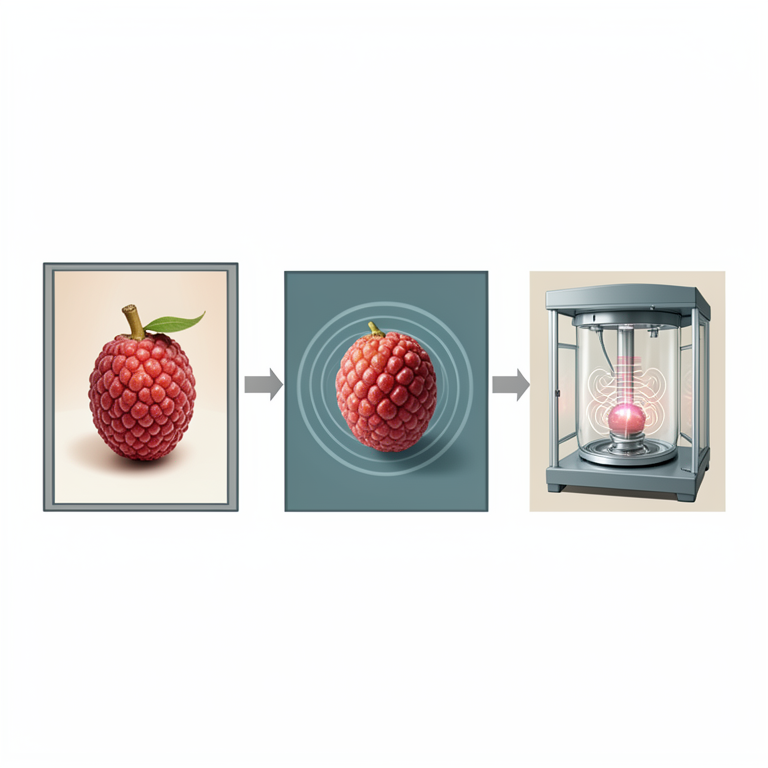
Comparison of Litchi Drying Technologies
AI-generated conceptual illustration (Litchi fruit). It explains the idea and does not show study data.
View source evidence ↗Figures & tables
From the original paper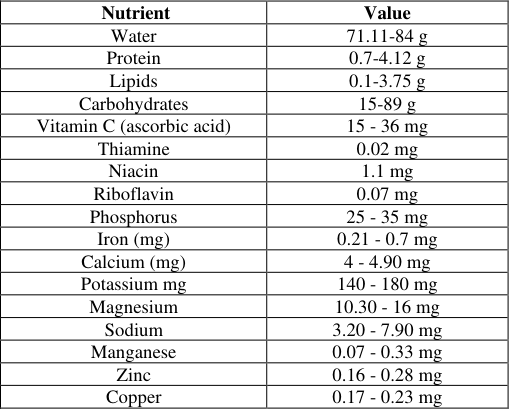 Table 1
Introduction
The subtropical fruit litchi (Litchi chinensis) is native to the South Chinese areas of Fukien and Kwangtung. It belongs to Sapindaceae family. It is referred to as the "queen of fruits" because of its exquisite flavour and remarkable look. The world's leading litchi-growing nations include Vietnam, Thailand, Malaysia, Indonesia, China and India. Together, China and India produce around 91% of the world's litchi, which is mostly sold in the surrounding areas because it is highly perishable. Litchi (Litchi chinensis) is a tropical fruit, which has been gaining worldwide popularity due to its distinctive flavour profile and sweet, juicy nature. Beyond its appealing taste, litchi has attracted attention for its potential health benefits. This is attributed to its rich composition of biologically active compounds, including ascorbic acid, gallic acid, and various flavonoids (Rashid et al., 2019) [53] . Research has indicated that these compounds may offer several therapeutic advantages, such as antioxidant, anticancer, antiaging and anti-inflammatory properties (Ma et al., 2016; Tan et al., 2020) [43,66] . These potential health benefits have further increased interest in litchi consumption and research. However, litchi faces a significant challenge in terms of preservation. Its high moisture content makes it particularly susceptible to rapid deterioration, resulting in a relatively short shelf life. This vulnerability to spoilage emphasizes the critical need for effective preservation methods to extend the fruit's storage life and maintain its quality over longer periods (Jiang et al., 2018; Zhang et al., 2015) [37,73] . Post-harvest losses of litchi are around 20-30% of the harvested fruit and will reach as high as 50% in future (Jiang et al., 2001) [33] . Using appropriate processing techniques, Litchi can be preserved for longer period, throughout the year. The shelf-life of litchi at room temperature (25 + 2° C) is less than three days (72h). At present only about 1% of the total production is used for processing (APEDA 2021-22). The different processed products from litchi are litchi juice, squash, cordial, RTS beverage, wine, canned litchi pulp, litchi honey, dehydrated litchi pulp, frozen litchi, litchi nut. Dehydration, or drying, is widely regarded as one of the most effective methods for preserving the quality of agricultural products (Aguilera et al., 2003) [4] . By removing moisture from fruits, drying helps retain their nutritional value, extends their shelf life, and enhances their relative nutrient concentration. Additionally, it lowers costs associated with packaging, transportation, and handling (Ratti, 2009) [54] . Moreover, drying is a cost-effective postharvest technique that allows for better market utilization of surplus fruits. Among the various drying methods, freeze-drying is particularly effective in maintaining the color, flavour, and taste of fruits (Marques et al., 2006) [28] . However, this technique requires significant energy, time, and infrastructure investment, making it a more expensive option (Wang et al., 2013; Mujumdar & Law, 2010; Fan et al., 2012; Jiang et al., 2015a; Valadez-Carmona et al., 2017) [70, 46, 22, 36, 69] . This review examines different drying technologies, focusing on optimizing the drying process for litchi while preserving its key quality attributes. [16] Convective air drying Convective air drying is a crucial unit operation in food processing, widely used to preserve highly perishable foods such as fresh fruits and vegetables (Defraeye et al., 2014; Mujumdar, 2014; Jangam et al., 2010) [65,1,31] . The drying process in fruits and vegetables is primarily diffusiondriven, where moisture moves from the interior of the product to the surface before evaporating into the surrounding air. However, the drying rate is often limited by internal resistances to water removal and surface diffusion constraints, which can affect the efficiency of moisture loss (Krokida et al., 2003; Schossler et al., 2012; Togrul, 2006) [39, 59, 67] . One of the most critical factors influencing the drying process is temperature, which significantly affects both the drying kinetics and the retention of essential nutrients. Studies indicate that drying at higher temperatures can lead to a considerable reduction in the nutrient content of food products (Elgamal et al., 2023) [21] . when litchis are convectively dried at a temperature range of 50-70°C, their ascorbic acid content decreases from 135.9 mg/100g to 106 mg/100g dry basis. This decline is primarily due to thermal degradation, oxidative reactions, and prolonged exposure to heat and air, which accelerate the breakdown of ascorbic acid molecules. Although convective drying is effective in moisture removal, it is essential to optimize the drying conditions to minimize nutrient losses while maintaining product quality. Adjusting parameters such as drying temperature, air velocity, and pretreatments can help improve the retention of essential vitamins and antioxidants, ensuring that dried fruits remain nutritionally beneficial.
Vacuum drying
Vacuum drying is a widely used method for preserving fruits by removing moisture under reduced pressure conditions. This technique facilitates water evaporation at lower temperatures compared to conventional drying methods, which helps in preserving the nutritional quality, color, flavour, and texture of the fruits (Reis 2014; Jaya and Das 2003; Fellows 2000) [55,32,24] . By operating under lowtemperature conditions, vacuum drying minimizes the thermal degradation of heat-sensitive bioactive compounds and nutrients, making it a highly efficient and effective drying method for fruits (Adisasmito et al., 2024) [3] . A study conducted on the vacuum drying of litchis at varying temperatures within the range of 50 °C to 70 °C and an absolute pressure of 8 kPa demonstrated a reduction in the phenolic content and ascorbic acid levels. Phenolic compounds and ascorbic acid are known for their strong antioxidant properties, which contribute to the overall health benefits of fruits. Specifically, the total phenolic content declined from 834.91 mg GAE/100 g DM to 772.26 mg GAE/100 g DM, while ascorbic acid content decreased from 93.33 mg/100 g DM to 81.41 mg/100 g DM (Richter et al., 2017) [56] . The observed reduction in these bioactive compounds suggests that, despite the advantages of vacuum drying in minimizing thermal degradation, some degree of nutrient loss still occurs due to exposure to elevated temperatures.
Osmotic dehydration followed by air drying
Osmotic dehydration is a promising preservation method for producing high-quality food products (Kar & Gupta, 2001; Rastogi et al., 2002; Sodhi et al., 2006) [38,52,61] . This technique involves the partial removal of moisture from fruits and other materials by immersing them in highosmotic-pressure aqueous solutions, such as those containing sugar or salts (Pandharipande et al., 2012) [49] . It is considered a crucial complementary treatment in dehydrated food processing, offering several advantages. These include minimizing heat-induced damage to flavour and color, preventing enzymatic browning, and lowering energy consumption (Sujayasree et [63,7,68,51] . When combined with drying, osmotic dehydration can further enhance the shelf life of the final product by incorporating humectants that effectively reduce the fruit's water activity. In a study of litchi quarters air dried at 70°C after treating with osmotic solution of 60% sucrose and 10% salt resulted in increased moisture removal compared to 50% sucrose and 10% salt. Osmo-air dried samples had the lowest final moisture content, indicating that osmotic dehydration significantly reduced moisture content and drying time. The final products from osmo-convective drying exhibit better texture and sensory attributes (color, flavour, crispness) after storage. Sensory evaluations noted that osmo-air dried samples had higher acceptance scores compared to untreated samples, indicating improved overall quality.
Ultrasound assisted osmotic dehydration
Non-thermal preservation methods help retain the bioavailability of food components, enhance their functional and technological properties, and improve the recovery yields from agricultural products (Galanakis, 2022) [26] . Among these methods, ultrasound processing, whether applied independently or in combination with other techniques, has been found to significantly enhance food quality, making it a highly effective approach (Gong et al., 2022; Singla & Sit, 2021) [27,60] . When ultrasound processing is integrated with osmotic dehydration (OD), a technique known as ultrasound-assisted OD (UAOD), it further optimizes the dehydration process by increasing mass transfer rates and improving the overall quality of the final product (Salehi et al., 2022) [57] . The effectiveness of UAOD results from the combined impact of osmotic pressure gradients and ultrasonic waves, which alter the fruit's cellular structure by creating microchannels, thereby accelerating moisture loss (Oladejo et al., 2017; Sango et al., 2014) [48,58] . In a study on litchi subjected to three pretreatment conditions namely osmotic dehydration (50%) with no ultrasound (control), US 10 min + OD (50%), US 15 min +OD (50%) for 240 min. The results indicated a significant increase in both water loss (WL) and solid gain (SG) with the ultrasound-assisted treatments compared to traditional osmotic dehydration alone. Specifically, the highest levels of water loss and solid gain were achieved with the US15 + OD treatment. This was attributed to the effects of ultrasonic cavitation, which creates micropores in the cell membranes of the litchi fruits, facilitating greater permeability and thus enhancing the mass transfer during the osmotic dehydration process. Moreover, the ultrasound treatment results in a lower microbial load (2.58 ± 0.06 log CFU/g) compared to control samples (3.20± 0.05 log CFU/g) during the frozen storage period (Fong et al., 2021) [25] .
Ultrasound assisted Hot air drying
Ultrasound assisted hot air drying (UAHAD) is an innovative dehydration technique that integrates ultrasonic energy into conventional hot air-drying processes to enhance efficiency and product quality (Liu et al., 2014; Nowacka et al., 2022) [42,47] . Traditional hot air drying, while widely used for food preservation, often suffers from drawbacks such as prolonged drying times, high energy consumption, and potential degradation of heat-sensitive nutrients and sensory attributes (Calin et al., 2020; Wang et al., 2018; Stamenkovic et al., 2019) [12,71,62] . The incorporation of ultrasound aims to address these limitations by accelerating moisture removal and improving the overall drying performance. In a study on litchi drying, three treatment conditions were applied: a non-ultrasound treatment (control), an ultrasound treatment with distilled water for 10 min (UT-1), and an ultrasound treatment with ice water (UT-2). The control group experienced a total drying time of approximately 8.5 hours, while both ultrasonic treatment groups significantly reduced drying time to about 4.0 to 4.5 hours. In the UT-1 treatment, which utilized distilled water, the litchi fruits retained around 70% to 75% of their vitamin C and about 60% to 70% of total phenolic content, showcasing the method effectiveness in preserving nutrients. The application of ultrasound also aided in maintaining the levels of sugars, enhancing the fruits flavour. In contrast, the UT-2 treatment, which incorporated ice water to prevent excessive heating, demonstrated a further beneficial effect by allowing the fruits to retain similar nutrient levels (Cao et al., 2020) [13] . As a result, both ultrasound-assisted methods proved more effective than the traditional drying technique, enhancing the overall quality and shelf life of dried litchi fruits while promoting nutrient retention.
Intermittent ohmic heating: Ohmic heating is an advanced thermal processing technique that utilizes electrical resistance to generate heat within food products. This method ensures rapid, uniform heating while minimizing thermal degradation, making it particularly beneficial for heat-sensitive foods such as fruits (Kumar 2018; Zell et al., 2009; Alkanan et al., 2021; Zhong et al., 2003; Zhu et al., 2010) [40,72,8,74,75] . Intermittent ohmic heating (IOH) is a modified approach where electrical heating is applied in cycles rather than continuously. This technique allows for better control over temperature profiles, reducing excessive thermal stress and preserving the sensory and nutritional qualities of fruits (Cao et al., 2020) [13] . IOH also enhances energy efficiency and can improve the texture, color, and bioactive compound retention in processed fruits. In a study on intermittent ohmic heating (IOH) of litchi, its effects on quality were compared to those of continuous ohmic heating (COH). Using a BaTiO3-resistance attached to the heater element, IOH operates in cycles (20 min on, 5-15 min off) at 70°C with 1.8 m/s air velocity. This method reduces energy consumption (341-427 kJ•g⁻¹) compared to COH, lowering costs and minimizing thermal degradation. IOH preserves more vitamin C (50%) and phenolic compounds (70%) than COH, which preserves 40% and 50%, respectively (Cao et al 2020) [13] . It also maintains color, reduces browning, improves texture, and enhances flavour by limiting offflavours. Overall, IOH offers superior nutritional and sensory benefits with greater energy efficiency.
Intermittent microwave vacuum drying
Microwave vacuum drying is an innovative food dehydration technique that integrates microwave radiation into a conventional vacuum drying system. Instead of relying on conduction and convection for heat transfer, this method utilizes microwave energy to heat and evaporate moisture. By combining the benefits of rapid volumetric heating through microwaves with low-temperature moisture evaporation under vacuum, this approach significantly accelerates the drying process. As a result, it requires less time to achieve complete drying compared to traditional methods (Drouzas & Schubert, 1996 [18,19,20,64] . In a study on Intermittent Microwave Vacuum Drying (IMVD), it was found to be a more energy-efficient method for drying litchi, consuming 31% less energy (32-45 kJ/g) compared to Continuous Microwave Vacuum Drying (CMVD), which requires 65.7 kJ/g when dried at 70°C, 0.05 MPa at 2W/g. IMVD better preserves nutrients, retaining 60% of Vitamin C compared to CMVD's 30-50%, and maintains 70-75% of total phenolic compounds, enhancing antioxidant properties. It also reduces browning, achieving a higher lightness (L*) value (29.44-25.71) than CMVD (22.62). Sugar retention is superior in IMVD, with glucose and fructose levels of 28.62 g/100 g and 23.17 g/100 g, respectively, compared to 25.11 g/100 g and 18.68 g/100 g in CMVD. Sensory evaluation confirms IMVD's superiority in color, taste, and texture, scoring 4.34/5 compared to CMVD's 3.64/5 (Cao et al., 2019) [15] . Thus, IMVD is the preferred method for drying litchi, preserving nutrients, minimizing browning, enhancing sensory appeal, and retaining more sugar.
Freeze vacuum drying combined with heat pump drying
Freeze vacuum drying (FD), also known as lyophilization, is a drying technique that removes moisture through sublimation. This method is recognized for its superior ability to preserve the quality of fruits and vegetables compared to other drying techniques (Abbasi & Azari, 2009; Argyropoulos et al., 2011; Huang & Zhang, 2015; Monteiro et al., 2016) [2,5,73,45] . Freeze-dried foods are characterized by high porosity, minimal degradation of color, flavour, and nutrients, as well as excellent rehydration ability (Jiang et al., 2014a; Jiang et al., 2017) [34,35] . Heat pump drying (HPD) is another low-temperature drying method that is energy-efficient and functions effectively even in humid conditions (Ansari et al., 2024) [10] . One of the key advantages of HPD is its ability to retain product quality, making it particularly suitable for drying heatsensitive fruits and vegetables. This technique not only improves the final product's quality but also reduces energy consumption (Fayose & Huan, 2016) [23] . The combination of freeze vacuum drying with heat pump drying (FH) offers significant advantages in the production of litchi pulp (An et al., 2022) [9] . This innovative two-step drying process enhances efficiency by reducing the overall drying time by approximately 50% compared to traditional freeze-drying methods. Additionally, it is highly energy-efficient, consuming only about 20% of the energy required by conventional drying techniques. Moreover, the FH method enhances the content of beneficial components in litchi pulp, resulting in higher levels of neutral sugars (57.05%), proteins (6.35%), and uronic acids (34.53%). It also improves the microstructure quality of litchi pulp by minimizing thermal aggregation, leading to a more uniform distribution. As a result, litchi pulp produced through this method exhibits superior biological activities, including enhanced antioxidant capacity and improved hypoglycemic effects. These attributes position FH as an efficient and high-quality alternative for industrial applications in litchi pulp production.
Conclusion
Litchi (Litchi chinensis) is a highly perishable fruit with considerable nutritional and economic value, necessitating the application of effective drying technologies to enhance its shelf life while maintaining its essential quality attributes. This review explored various drying methods, including convective air drying, vacuum drying, osmotic dehydration, ultrasound-assisted drying, intermittent ohmic heating, and intermittent microwave vacuum drying, each with distinct advantages and limitations concerning drying kinetics, energy efficiency, nutrient retention, and sensory attributes. Among the studied techniques, ultrasoundassisted drying, intermittent microwave vacuum drying and freeze vacuum drying combined with heat pump drying have emerged as promising approaches due to their ability to improve drying efficiency while preserving bioactive compounds, color, and flavour. These methods facilitate rapid moisture removal with minimal thermal degradation, making them suitable for retaining litchi's functional properties. In contrast, freeze-drying, while highly effective in maintaining fruit quality, remains cost-prohibitive and energy-intensive, restricting its large-scale application. The integration of non-thermal techniques, such as ultrasound and osmotic dehydration, further enhances drying performance by reducing processing time and mitigating nutrient losses, thereby improving the overall efficiency of the drying process. Despite advancements in drying technologies, challenges remain in optimizing process parameters to balance drying efficiency, product quality, and energy consumption. Future research should focus on the development of hybrid drying systems that combine multiple technologies to maximize nutrient retention and minimize processing time. Additionally, exploring novel pre-treatment strategies, such as enzymatic treatments or bio-based coatings, may further enhance the effectiveness of drying methods while preserving the fruit's physicochemical properties. Advancements in mathematical modeling and computational simulation can also aid in predicting drying behaviour, optimizing energy use, and improving process control. Expanding the commercial adoption of these advanced drying techniques is essential for reducing postharvest losses, ensuring product consistency, and enhancing the economic viability of litchi processing.
Figures and tables from the paper
| Nutrient | Value |
|---|---|
| Water | 71.11-84 g |
| Protein | 0.7-4.12 g |
| Lipids | 0.1-3.75 g |
| Carbohydrates | 15-89 g |
| Vitamin C (ascorbic acid) | 15 - 36 mg |
| Thiamine | 0.02 mg |
| Niacin | 1.1 mg |
| Riboflavin | 0.07 mg |
| Phosphorus | 25 - 35 mg |
| Iron (mg) | 0.21 - 0.7 mg |
| Calcium (mg) | 4 - 4.90 mg |
| Potassium mg | 140 - 180 mg |
| Magnesium | 10.30 - 16 mg |
| Sodium | 3.20 - 7.90 mg |
| Manganese | 0.07 - 0.33 mg |
| Zinc | 0.16 - 0.28 mg |
| Copper | 0.17 - 0.23 mg |
Table text extracted from the original PDF; superscript letters are shown inline. The original table image is below.
View original table image
References
70 in the original paper- Abbasi S, Azari S. Novel microwave-freeze drying of onion slices. International Journal of Food Science and Technology. 2009;44(5):974-979.
- Adisasmito S, Aliwarga L, Hafizhah F. Effect of vacuum pressure on drying of durian fruit (Durio zibethinus). In: AIP Conference Proceedings. Vol. 3073, No. 1. AIP Publishing; 2024 Mar.
- Aguilera JM, Chiralt A, Fito P. Food dehydration and product structure. Trends in Food Science and Technology. 2003;14:432-437.
- Argyropoulos D, Heindl A, Müller J. Assessment of convection, hot-air combined with microwave-vacuum and freeze-drying methods for mushrooms with regard to product quality. International Journal of Food Science and Technology. 2011;46(2):333-342.
- Akharume F, Smith A, Sivanandan L, Singh K. Recent progress on osmo-convective dehydration of fruits. Journal of Food Science & Technology. 2019;4(9):956969.
- Alakali JS, Ariahu CC, kpa NNN. Kinetics of osmotic dehydration of mango. Journal of Food Processing and Preservation. 2006;30:597-607.
- Alkanan ZT, Altemimi AB, Al-Hilphy AR, Watson DG, Pratap-Singh A. Ohmic heating in the food industry: Developments in concepts and applications during 2013-2020. Applied sciences. 2021;11(6):2507.
- An K, Wu J, Xiao H, Hu T, Yu Y, Yang W, et al. Effect of various drying methods on the physicochemical characterizations, antioxidant activities and hypoglycemic activities of lychee (Litchi chinensis Sonn.) pulp polysaccharides. International Journal of Biological Macromolecules. 2022;220:510519.
- Ansari MIA, Chhaya AG, Rai P. Effect of Heat Pump Drying on Quality of Fruits and Vegetables: A Review. Environment and Ecology. 2024;42(3):921-926.
- APEDA. Indian Production of Litchi. https://www.apeda.gov.in 2021-22.
- Calin-Sánchez Á, Lipan L, Cano-Lamadrid M, Kharaghani A, Masztalerz K, Carbonell-Barrachina ÁA, et al. Comparison of traditional and novel drying techniques and its effect on quality of fruits, vegetables, and aromatic herbs. Foods. 2020;9(9):1261.
- Cao X, Islam MN, Xu W, Chen J, Chitrakar B, Jia X, et al. Energy consumption, colour, texture, antioxidants, odours, and taste qualities of litchi fruit dried by intermittent ohmic heating. Foods. 2020;9(4):425.
- Cao X, Islam MN, Zhong S, Pan X, Song M, Shang F, Duan Z, et al. Drying kinetics, antioxidants, and physicochemical properties of litchi fruits by ultrasound-assisted hot air-drying. Journal of food biochemistry. 2020;44(1):e13073.
- Cao X, Chen J, Islam MN, Xu W, Zhong S. Effect of intermittent microwave volumetric heating on dehydration, energy consumption, antioxidant substances, and sensory qualities of litchi fruit during vacuum drying. Molecules. 2019;24(23):4291.
- Castillo-Olvera G, Sandoval-Cortes J, Ascacio-Valdes JA, Wong-Paz JE, Álvarez-Pérez OB, FloresLópez ML, et al. Litchi chinensis: Nutritional, functional, and nutraceutical properties. Food Production, Processing and Nutrition. 2025;7(1):3.
- Cui ZW, Xu SY, Sun DW. Microwave-vacuum drying kinetics of carrot slices. Journal of Food Engineering. 2004;65(2):157-164.
- Drouzas AE, Schubert H. Microwave application in vacuum drying of fruits. Journal of Food Engineering. 1996;28(2):203-209.
- Durance TD, Wang JH. Energy consumption, density and rehydration rate of vacuum microwave and hot air convection dehydrated tomatoes. Journal of Food Science. 2002;67(6):2212-2216.
- Erle U, Schubert H. Combined osmotic and microwave vacuum dehydration of apples and strawberries. Journal of Food Engineering. 2001;49(2):193-199.
- ElGamal R, Song C, AM, Liu C, Al-Rejaie S, ElMasry G, et al. Thermal degradation of bioactive compounds during drying process of horticultural and agronomic products: A comprehensive overview. Agronomy. 2023;13(6):1580.
- Fan L, Ding S, Liu Y, Ai L. Dehydration of crude protein from Ginkgo biloba L. by microwave freeze drying. International Journal of Biological Macromolecules. 2012;50(4):1008-1010.
- Fayose F, Huan Z. Heat pump drying of fruits and vegetables: principles and potentials for Sub-Saharan Africa. International journal of food science. 2016;1:9673029.
- Fong-In S, Nimitkeatkai H, Prommajak T, Nowacka M. Ultrasound-assisted osmotic dehydration of litchi: effect of pretreatment on mass transfer and quality attributes during frozen storage. Journal of Food Measurement and Characterization. 2021;15(4):35903597.
- Galanakis CM. Functionality of food components and emerging technologies. Foods. 2021;10(1):128.
- Gong Y, Li J, Li J, Fan L, Wang L. Effect of ultrasound-assisted freeze-dried on microstructure, bioactive substances, and antioxidant activity of Flos Sophorae Immaturus. Food Bioscience. 2022;49:Article 101913.
- Marques LGH, Silveira AM, Freire JT. Freeze-drying characteristics of tropical fruits. Drying technology. 2006;24(4):457-463.
- Huang LL, Zhang M, Mujumdar AS, Sun DF, Tan GW, Tang S, et al. Studies on decreasing energy consumption for a freeze-drying process of apple slices. Drying Technology. 2009;27(9):938-946.
- Huang J, Zhang M. Effect of three drying methods on the drying characteristics and quality of okra. Drying technology. 2016;34(8):900-911.
- Jaya S, Das H. A vacuum drying model for mango pulp. Drying technology. 2003;21:1215-1234.
- Jiang YM, Zhu XR, Li YB. Postharvest control of litchi fruit rot by Bacillus subtilis. LWT-Food Science and Technology. 2001;34(7):430-436.
- Jiang H, Zhang M, Mujumdar AS, Lim RX. Changes of microwave structure/dielectric properties during microwave freeze-drying process banana chips. International Journal of Food Science & Technology. 2014;49(4):1142-1148.
- Jiang N, Liu C, Li D, Zhang Z, Liu C, Wang DI, et al. Evaluation of freeze drying combined with microwave vacuum drying for functional okra snacks: Antioxidant properties, sensory quality, and energy consumption. LWT-Food Science and Technology. 2017;82:216-226.
- Jiang N, Liu C, Li D, Zhou Y. Effect of blanching on the dielectric properties and microwave vacuum drying behavior of Agaricus bisporus slices. Innovative Food Science & Emerging Technologies. 2015;30:89-97.
- Jiang X, Lin H, Shi J, Neethirajan S, Lin Y, Chen Y, et al. Effects of a novel chitosan formulation treatment on quality attributes and storage behaviour of harvested litchi fruit. Food Chemistry. 2018;252:134-141.
- Kar A, Gupta DK. Osmotic dehydration characteristics of button mushrooms. Journal of Food Science and Technology, Mysore. 2001;38(4):352-357.
- Krokida MK, Karathanos VT, Maroulis ZB, MarinosKouris D. Drying kinetics of some vegetables. J Food Eng. 2003;59:391-403.
- Kumar T. A review on ohmic heating technology: Principle, applications and scope. International Journal of Agriculture, Environment and Biotechnology. 2018;11(4):679-687.
- Kumar V, Kumar G, Sharma PD. Effect of Osmoconvective drying on quality of Litchi. Journal of Agricultural Engineering. 2009;46(4):31-35.
- Liu Y, Wu J, Chong C, Miao S. Ultrasound assisted osmotic dehydration as pretreatment for hot-air drying of carrot. Food Science and Technology Research. 2014;20(1):31-41.
- Man S, Ma J, Wang C, Li Y, Gao W, Lu F, et al. Chemical composition and hypoglycaemic effect of polyphenol extracts from Litchi chinensis seeds. Journal of Functional Foods. 2016;22:313-324.
- Mahayothee B, Udomkun P, Nagle M, Haewsungcharoen M, Janjai S, Mueller J, et al. Effects of pretreatments on colour alterations of litchi during drying and storage. European Food Research and Technology. 2009;229(2):329-337.
- Monteiro RL, Carciofi BA, Laurindo JB. A microwave multi-flash drying process for producing crispy bananas. Journal of Food Engineering. 2016;178:1-11.
- Mujumdar AS, Law CL. Drying technology: Trends and applications in postharvest processing. Food and Bioprocess Technology. 2010;3:843-852.
- Nowacka M, Dadan M. Ultrasound-assisted drying of food. In: Emerging Food Processing Technologies. New York, NY: Springer US; 2022. p. 93-112.
- Oladejo AO, Ma H, Qu W, Zhou C, Wu B, Yang X, et al. Influence of ultrasound pretreatments on diffusion coefficients, texture and colour of Osmo dehydrated sweet potato (Ipomea batatas). International Journal of Food Science and Technology. 2017;52(4):888-896.
- Pandharipande SL, Saurav P, Ankit SS. Modelling of Osmotic Dehydration Kinetics of Banana Slices using Artificial Neural Network. International Journal of Computer Applications. 2012;48(3):26-31.
- Pei F, Shi Y, Mariga AM, Yang WJ, Tang XZ, Zhao LY, et al. Comparison of freeze-drying and freezedrying combined with microwave vacuum drying methods on drying kinetics and rehydration characteristics of button mushroom (Agaricus bisporus) slices. Food and Bioprocess Technology. 2014;7:16291639.
- Rafiq Khan M. Osmotic dehydration technique for fruits preservation-A review. Pakistan Journal of Food Sciences. 2012;22(2):71-85.
- Rastogi NK, Raghavarao KMSMS, Niranjan KESHAVAN, Knorr DIETRICH. Recent developments in osmotic dehydration: Methods to enhance mass transfer. Trends in Food Science & Technology. 2002;13(2):43-47.
- Rashid MT, Belscak-Cvitanovic A, Karaca S, Ma H, Komes D. Longan (Dimocarpus longan) and lychee (Litchi chinensis): Functional ingredients in chocolate pralines. Journal of food biochemistry. 2019;43(10):e12811.
- Richter Reis F, de Oliveira AC, Gadelha GGP, de Abreu MB, Soares HI. Vacuum drying for extending Litchi shelf-life: Vitamin C, total phenolics, texture and shelf-life assessment. Plant foods for human nutrition. 2017;72(2):120-125.
- Salehi F, Cheraghi R, Rasouli M. Influence of sonication power and time on the osmotic dehydration process efficiency of banana slices. Journal of Food Science 1 & Technology. 2022;19(124):197-206.
- Sango DM, Abela D, McElhatton A, Valdramidis VP. Assisted ultrasound applications for the production of safe foods. Journal of Applied Microbiology. 2014;116(5):1067-1083.
- Schossler K, Jager H, Knorr D. Effect of continuous and intermittent ultrasound on drying time and effective diffusivity during convective drying of apple and red bell pepper. J Food Eng. 2012;108:103-110.
- Singla M, Sit N. Application of ultrasound in combination with other technologies in food processing: A review. Ultrasonics Sonochemistry. 2021;73:Article 105506.
- Sodhi NS, Singh N, Komal. Osmotic dehydration kinetics of carrots. Journal of Food Science and Technology-Mysore. 2006;43(4):374-376.
- Stamenkovic Z, Pavkov I, Radojcin M, Tepic Horecki A, Keselj K, Bursac Kovacevic D, et al. Convective drying of fresh and frozen raspberries and change of their physical and nutritive properties. Foods. 2019;8(7):251.
- Sujayasree OJ, Nayaka VSK, Tiwari RB, Venugopalan R, Narayana CK, Bhuvaneswari S, et al. Optimization of factors influencing osmotic dehydration of aonla (Phyllanthus emblica L.) segments in salt solution using response surface methodology. Journal of Horticultural Sciences. 2022, 17(2).
- Sutar PP, Prasad S. Optimization of osmotic dehydration of carrots under atmospheric and pulsed microwave vacuum conditions. Drying Technology. 2011;29(3):371-380.
- Defraeye T. Advanced computational modelling for drying processes -A review. Appl. Energy. 2014;131:323-344.
- Tan S, Tang J, Shi W, Wang Z, Xiang Y, Deng T, et al. Effects of three drying methods on polyphenol composition and antioxidant activities of Litchi chinensis Sonn. Food science and biotechnology. 2020;29:351-358.
- Togrul H. Suitable drying model for infrared drying of carrot. J Food Eng. 2006;77:610-619.
- Torres JD, Talens P, Escriche IA. Chiralt Influence of process conditions on mechanical properties of osmotically dehydrated mango. Journal of Food Engineering. 2012;4:240-246.
- Valadez-Carmona L, Plazola-Jacinto CP, HernándezOrtega M, Hernández-Navarro MD, Villarreal F, Necoechea-Mondragón H, et al. Effects of microwaves, hot air and freeze-drying on the phenolic compounds, antioxidant capacity, enzyme activity and microstructure of cacao pod husks (Theobroma cacao L.). Innovative Food Science & Emerging Technologies. 2017;41:378-386.
- Wang Y, Zhang M, Mujumdar AS, Mothibe KJ. Quality changes of dehydrated restructured fish product from silver carp (Hypophthalmichthys molitrix) as affected by drying methods. Food and bioprocess technology. 2013;6:1664-1680.
- Wang J, Bai TY, Wang D, Fang XM, Xue LY, Zheng ZA, et al. Pulsed vacuum drying of Chinese ginger (Zingiber officinale Roscoe) slices: Effects on drying characteristics, rehydration ratio, water holding capacity, and microstructure. Drying Technology. 2018;37:301-307.
- Zell M, Lyng JG, Cronin DA, Morgan DJ. Ohmic heating of meats: Electrical conductivities of whole meats and processed meat ingredients. Meat Sci. 2009;83:563-570.
- Zhang Z, Huber DJ, Qu H, Yun ZE, Wang H, Huang Z, et al. Enzymatic browning and antioxidant activities in harvested litchi fruit as influenced by apple polyphenols. Food Chemistry. 2015;171:191-199.
- Zhong T, Lima M. The effect of ohmic heating on vacuum drying rate of sweet potato tissue. Bioresource Technology. 2003;87(3):215-220.
- Zhu SM, Zareifard MR, Chen CR, Marcotte M, Grabowski S. Electrical conductivity of particle-fluid mixtures in ohmic heating: Measurement and simulation. Food Research International. 2010;43:16661672.
Cited by 2
From OpenAlex, OpenCitations and reference lists read by Scinovex
- Optimisation of the performance of a citrus extract and its biostimulant effect on spinach cultivation ↗
Maria Gomez-Molina, Carmen Arnaldos-Torres, Raúl Benages‐Vilau, Xavier Sebastian, Micaela Carvajal · SSRN Electronic Journal · 2026
❝ 0PDF - Optimisation of the performance of a citrus extract for biofunctionalization of spinach ↗
Maria Gomez-Molina, Carmen Arnaldos-Torres, Raúl Benages‐Vilau, Xavier Sebastian, Micaela Carvajal · Applied Food Research · 2026
• Vacuum-dried UAE lemon peel extract (V-AQ) showed high stability and Fe, Zn, Mn, and Ca content. • Application of V-AQ extract to spinach enhanced biomass, relative water content, and Fe tissue accumulation. • Upregulation of PIP2;1 in spinach leaves was related to high RWC. • Zn alone or priming extract did not enhance or exceed the biofunctional potential of…
❝ 0PDF