
Research article · 2025 · Full text
International Journal of Agriculture and NutritionStatus of pest and disease and farmers' demand for using nano-based products in disease control for orange products in ha Giang province, Vietnam
Volume 7(2) · Pages 19–25 · DOI: 10.33545/26646064.2025.v7.i2a.207 ↗
Research areasWater Quality Monitoring and Analysis
Abstract
Author-writtenThis study aims to assess the incidence of pests and diseases in citrus trees, the use of plant protection products (PPPs), and farmers' willingness to adopt nano-formulated products for disease management. A survey of 30 citrus-growing households in Quang Binh and Bac Quang districts revealed that citrus trees are affected by 14 pest species and 8 major diseases, with their occurrence varying by orchard age and time. Disease incidence resulted in significantly greater yield losses than pest damage, with reductions of 19.4-27.1% and 2.2-4.1%, respectively. All 100% of households reported using chemical PPPs for pest and disease control due to their affordability and rapid effectiveness. However, 56.67% of respondents were unaware of potential health risks, and 73.33% did not recognize the environmental impact of chemical PPPs. The willingness to adopt nano-formulated products for disease management remains low, with only 67.67% of respondents expressing interest.
Summary
Source-checkedPlain-language reading of the full paper, prepared with AI and checked against the text. Each point links to the authors' own words.
Why it matters
- Orange cultivation in Ha Giang, Vietnam, is economically valuable but difficult to manage because of pests, diseases, climate, and unsustainable farming. View evidence ↗
- The reliance on chemical pesticides in Ha Giang's orange orchards has created concerns regarding human health, food safety, and environmental sustainability. View evidence ↗
- Nano-based formulations are recognized in existing research as effective tools for controlling plant diseases. View evidence ↗
The question
- The study aims to evaluate the prevalence of citrus pests and diseases, current pesticide use, and whether farmers are willing to switch to nano-formulated products. View evidence ↗
What they did
- Researchers surveyed 30 citrus-growing households and orchards in the Bac Quang and Quang Binh districts. View evidence ↗
- A structured questionnaire was employed to determine farmers' demand for nano-based alternatives to chemical pesticides. View evidence ↗
- The primary data collected from the surveys were processed and analyzed using SPSS 20.0 software. View evidence ↗
What they found
- The study identified 14 different pest species and 8 major diseases affecting citrus trees in the region. View evidence ↗
- Diseases caused significantly higher yield losses (19.4% to 27.1%) compared to the losses caused by insect pests (2.2% to 4.1%). View evidence ↗
- Every household surveyed (100%) used chemical plant protection products, citing their low cost and fast action. View evidence ↗
- A majority of farmers were unaware of the risks of chemical pesticides, with 56.67% unaware of health hazards and 73.33% unaware of environmental impacts. View evidence ↗
- Willingness to adopt nano-formulated products is relatively low, with only 67.67% of respondents expressing interest. View evidence ↗
What it means
- The authors conclude that increasing nano-product adoption requires better farmer education, clear usage guidelines, and stricter regulation of chemical pesticides. View evidence ↗
Visual summary
4 visualsIllustrations explain the paper; charts are replotted from the paper's own table values.
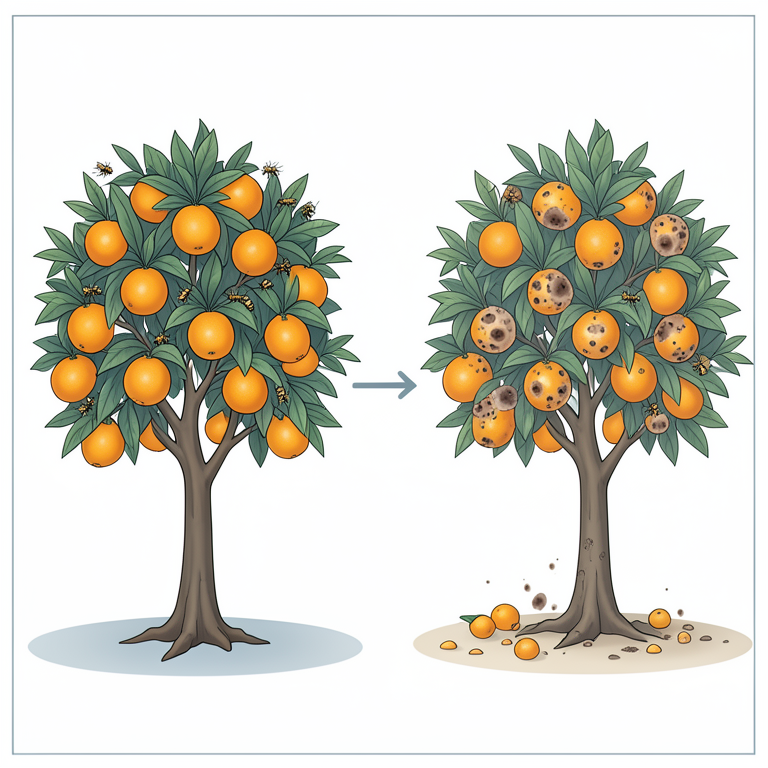
Impact Comparison
AI-generated conceptual illustration (orange trees in an orchard). It explains the idea and does not show study data.
View source evidence ↗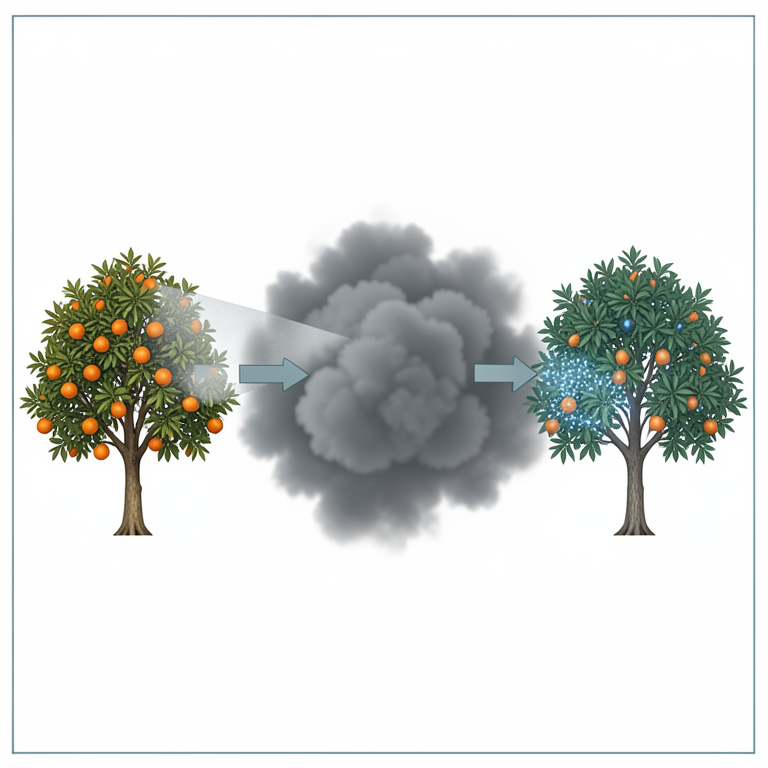
Farmer Perception Gap
AI-generated conceptual illustration (orange trees in an orchard). It explains the idea and does not show study data.
View source evidence ↗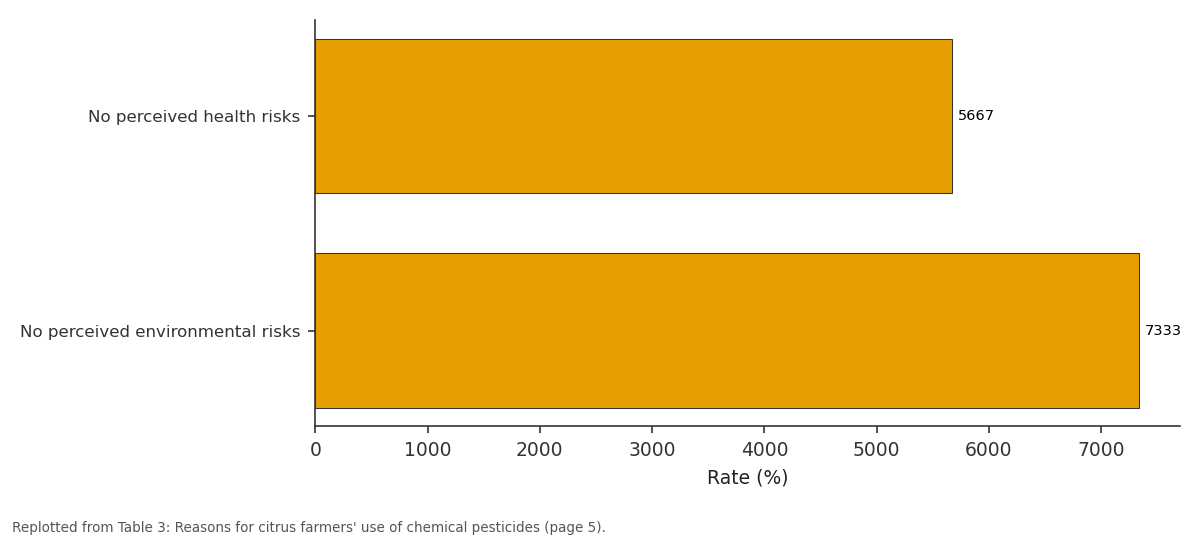
Rate (%): No perceived health... vs No perceived...
Replotted from Table 3 (page 5) of the original paper. Every bar is the paper's own table value.
View source evidence ↗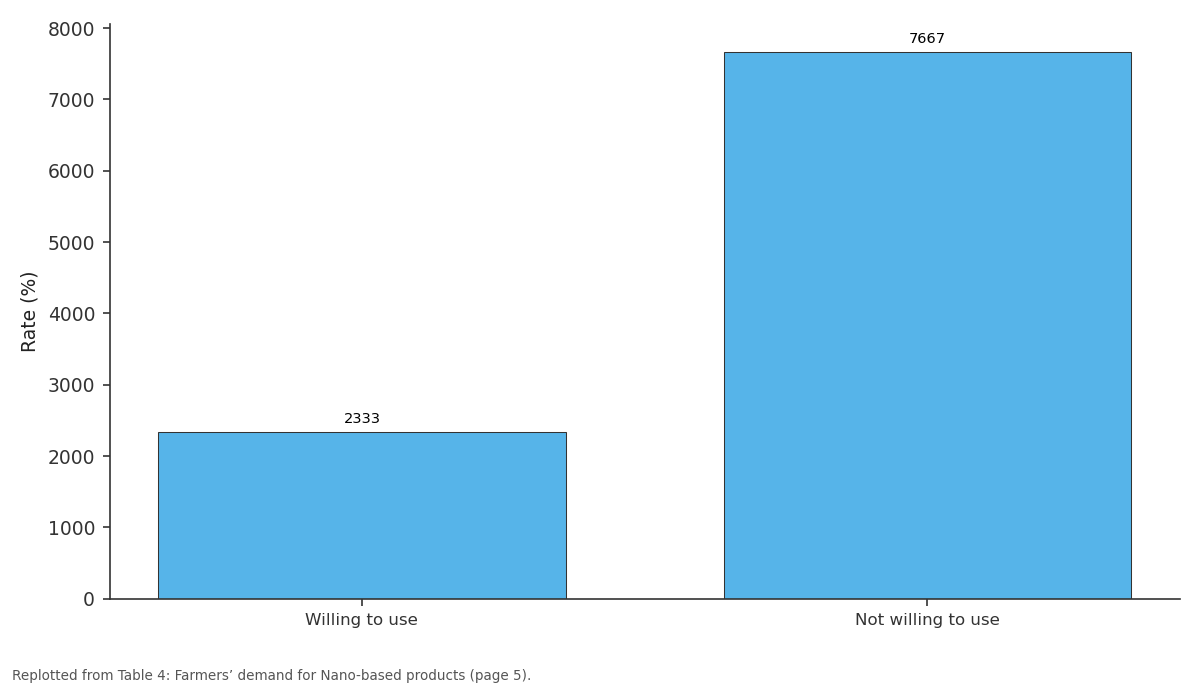
Rate (%): Willing to use vs Not willing to use
Replotted from Table 4 (page 5) of the original paper. Every bar is the paper's own table value.
View source evidence ↗Figures & tables
From the original paper Table 1
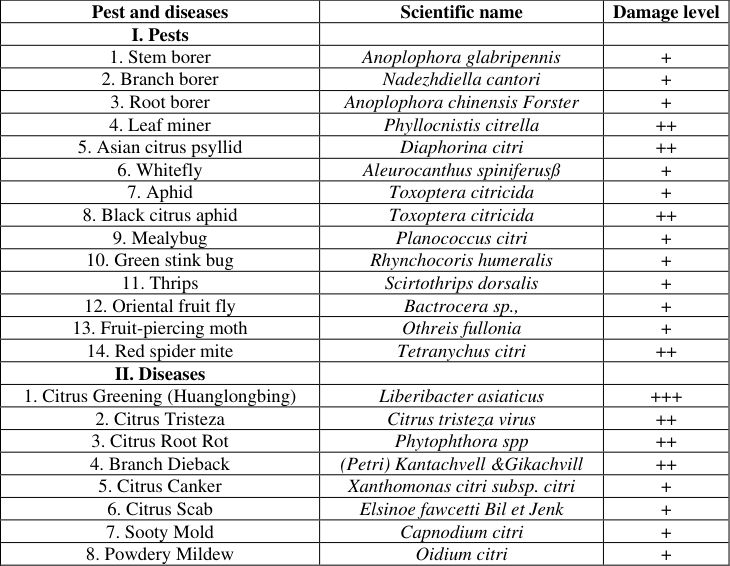 Table 2
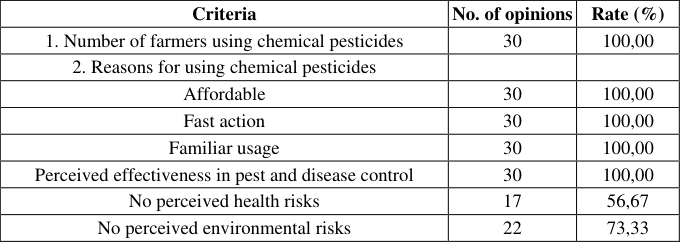 Table 3
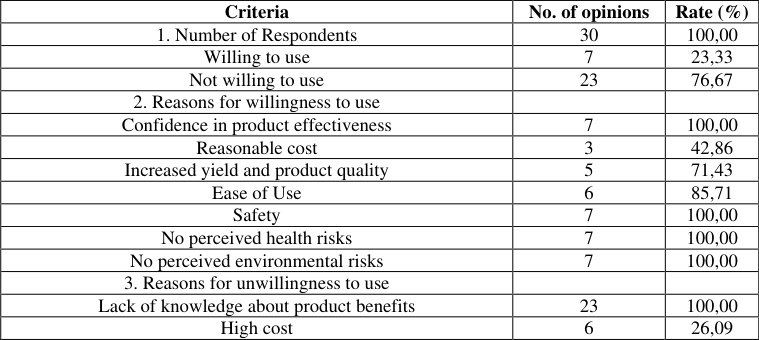 Table 4
Introduction
Ha Giang Province is one of the key orange-growing regions in northern Vietnam. Ha Giang's Sanh oranges (King mandarin) are renowned for their high quality and distinctive flavor. In recent years, farmers have also introduced yellow-orange varieties on a large scale besides Sanh oranges. Orange cultivation provides high economic returns for farmers; however, growing and managing orange orchards is challenging due to climatic conditions, unsustainable farming practices, and the prevalence of pests and diseases (Ha Giang Provincial Party Committee, 2020) [12] . In Ha Giang's orange-growing areas, several serious diseases, such as Huanglongbing (Greening), Citrus Tristeza Virus, and root rot-induced leaf yellowing, have become increasingly widespread. These diseases not only reduce fruit yield and quality but also weaken trees, potentially leading to large-scale die-offs if not properly managed. The use of chemical pesticides for disease control in crops in general, and in orange orchards in Ha Giang in particular, has raised concerns regarding its negative impacts on agricultural sustainability, food safety, human health, and the environment (Le Thanh Phong & Tran Anh Thong, 2020; Tung Dinh, 2024) [18,26] . The trend of reducing harmful pesticides and promoting the use of safer, next-generation biological control agents that are effective yet environmentally friendly is increasingly favored by farmers. This shift aligns with the Ministry of Agriculture and Rural Development's strong commitment to sustainable agricultural practices (Do Huong, 2024) [4] . In recent years, nano-based formulations have been regarded as advanced products that have been extensively researched and applied in agriculture (Nguyen Duy Hanh et al., 2018) [21] . Nanoparticles are solid particles with diameters ranging from a few nanometers to several tens of nanometers. The application of nanoparticles to promote plant growth, development, and yield enhancement has been studied and implemented in various countries (Nguyen Van Chuong et al., 2018) [26] . Numerous studies have demonstrated that nano-based formulations are effective in controlling plant diseases (Chu Trung Kien et al., 2020; Chu Trung Kien & Nguyen Thi Lan Anh, 2021; Nguyen Tuan Loc, 2022) [2,3,24] . Other studies have also shown that spraying nano-formulated products on orange trees is highly effective in controlling fungal and bacterial pathogens (Nguyen Thi Bich Ngoc et al., 2018, 2019) [23,24] . Research by Graham et al. (2016) [11] indicated that using silver-copper nanoparticles for disease control in orange orchards in Florida resulted in higher economic efficiency than conventional pesticides. Given the significant decline in orange cultivation areas in Ha Giang province in recent years, it is necessary to investigate the situation of pests and diseases, as well as the use of pesticides, to make recommendations to contribute to sustainable orange cultivation and reduce the use of chemical pesticides. Furthermore, Furthermore, the study investigated and assessed people's readiness to utilize nanoproducts to determine future research directions for disease control in orange trees.
Methodology Primary data collection:
A survey was conducted on 30 orange orchards in Quang Binh and Bac Quang districts to identify the types and severity of pests and diseases affecting orange trees. A structured questionnaire was used to assess farmers' demand for using nano-based formulations as an alternative to chemical pesticides for disease control. The survey was conducted in two main steps. In the first step, the advantages of nano-based formulations over chemical pesticides for disease control in orange trees were introduced, and farmers' concerns about these products were addressed. In the second step, farmers were asked about their willingness to use nano-based formulations for disease control, along with the reasons for their acceptance or reluctance. Additionally, the study also investigated the reasons behind the use of chemical pesticides for pest and disease management in orange cultivation.
Secondary data collection:
The status of orange production in Ha Giang Province and the occurrence of pests and diseases affecting orange trees were collected from the Ha Giang Provincial Statistics Office. Data compilation, processing, and analysis: Primary data were compiled and processed using SPSS 20.0 software. Analytical methods were applied to generate insights and evaluations related to the research objectives.
Results and Discussion
Orange production in Ha Giang province According to Luong Ha (2023) [19] , the total orange-growing area in Ha Giang Province reached 8,570.40 hectares in 2020, with 4,268.00 hectares certified under the VietGAP standard. The total harvested area was 6,997.40 hectares, with an average yield exceeding 13 tons per hectare, resulting in a total production of over 91,000 tons. The economic value of orange cultivation was estimated at approximately 1,000 billion VND, providing significant economic benefits to farmers. On average, one hectare of orange orchards generates an income of 20-25 million VND or more per household. For orchards following VietGAP production standards, the income can reach 40-50 million VND per hectare or higher, depending on the season. In 2016, the "Ha Giang's Sanh Orange" product received Geographical Indication certification from the Ministry of Science and Technology, covering 38 communes across three districts: Bac Quang, Quang Binh, and Vi Xuyen. The reputation of Ha Giang oranges has been increasingly recognized in the market, with thousands of tons being distributed annually through VinMart supermarkets, and wholesale markets in Hanoi, Hai Phong, Ha Tinh, Quang Ninh, Bac Ninh, and other regions. Four orange processing facilities were established to produce a variety of valuable products such as orange juice, orange essential oil, and concentrated orange extract. In response to these issues, Ha Giang province has implemented various sustainable development policies to promote the long-term viability of Sanh orange cultivation. These initiatives aim to mobilize resources for the sustainable development of orange orchards, enhance land use efficiency, and improve farmers' livelihoods (Ha Giang Provincial People's Council, 2015, 2017, 2018) [14][15][16] . Notably, on December 1, 2020, the Standing Committee of the Ha Giang Provincial Party Committee issued Resolution No. 04 on the sustainable development of Sanh oranges for the period 2021-2025, with a vision toward 2030. The resolution emphasizes improving fruit quality and integrating Sanh orange production into commercialized agriculture, thereby enhancing rural incomes and employment opportunities. By 2025, the province aims to maintain a stable 5,000-hectare Sanh orange cultivation area across 38 communes in three districts (Bac Quang, Quang Binh, and Vi Xuyen) that have received geographical indication certification. Additionally, 2,000 hectares will undergo intensive investment to enhance productivity, and quality, and establish a value chain linking production, processing, and marketing. By 2030, the remaining 3,000 hectares will also be upgraded through intensive farming practices, ensuring that the entire 5,000-hectare Sanh orange cultivation area meets quality standards (Ha Giang Provincial Party Committee, 2020) [12] . Resolution No. 17-NQ/TU, issued on October 10, 2021, by the Executive Committee of the Ha Giang Provincial Party Committee, emphasizes the development of high-quality, value-chain-based agricultural commodities while promoting brand-building for the province's key agricultural products. The resolution highlights the application of digital transformation and e-commerce in managing cultivation areas and marketing specialty agricultural products in Ha Giang Province (Ha Giang Provincial Party Committee, 2021) [13] . To further enhance the quality of Sanh oranges, the Ha Giang Provincial People's Council issued Resolution No. 58/2020/NQ-HĐND on December 9, 2020, introducing special policies to support the development of household orchard economies and the sustainable cultivation of Sanh oranges in the province for the 2021-2025 period (Ha Giang provincial People's Council, 2020) [17] . Additionally, on January 7, 2021, the Ha Giang Provincial People's Committee issued Decision No. These policies provide a foundation for key citrus-growing regions in Ha Giang to invest in restoring and expanding orange orchards, improving fruit quality, and continuously promoting and expanding market access. These policies serve as a foundation for districts and cities across Ha Giang Province to develop specific solutions for the sustainable development of Sanh orange cultivation, thereby contributing to socioeconomic growth, increasing farmers' incomes, and ensuring a stable livelihood for rural communities in the province.
Pest and Disease Status in Orange Cultivation and Control
Field surveys conducted by the National Technical Regulation on Methods for Detecting Pests in Citrus Trees (Ministry of Agriculture and Rural Development, 2012) [1] in Ha Giang Province indicate that 14 major insect pests and 8 major diseases commonly affect orange trees (Table 2). Each pest and disease impacts plant growth, yield, and fruit quality differently. Pests and diseases not only reduce the quality and productivity of orange crops but also increase production costs due to the necessity of applying pesticides and pruning infected branches and trees. Furthermore, the increasing prevalence of pests and diseases has contributed to the degradation of orange-growing areas in Ha Giang in recent years (Tung Dinh, 2024) [27] . Among the most prevalent and damaging insect pests affecting orange trees are the citrus leafminer, Asian citrus psyllid, black citrus aphid, and red spider mite. Citrus leafminer larvae feed by tunneling between the upper and lower epidermal layers of leaves, creating characteristic serpentine mines. Affected leaves curl, become deformed, and are prone to premature dropping. These wounds serve as entry points for secondary fungal and bacterial infections. This pest is most active from February to August. Asian citrus psyllid, both nymphs and adults, feed on the sap of young citrus leaves, causing leaf curling, stunting, and premature leaf drop. This pest is also a known vector for citrus greening disease (Huanglongbing) one of the most According to a survey of citrus-growing households, the presence of pests and diseases has led to significant reductions in citrus yield. However, diseases have a much greater impact on yield loss compared to insect pests, with reductions ranging from 19.4-27.1% and 2.2-4.1%, respectively. The degree of yield loss varies depending on the age of the citrus trees. The primary cause of yield reduction is the impact of diseases, which lead to leaf yellowing, wilting, fruit malformation, and premature fruit drop. Furthermore, diseases also degrade fruit quality. Infected citrus fruits are often misshapen, have dry segments, and exhibit poor appearance, making them less marketable. This adversely affects the income of citrus farmers. The prevalence of these diseases has also been documented in previous studies on citrus pests and diseases in Ha Giang Province (Nguyen Khac Anh et al., 2018) [22] . In Ha Giang Province, citrus farmers employ various strategies to prevent and control pests and diseases, including variety selection, soil improvement, orchard management, and the use of biological and chemical control agents. For common citrus diseases such as citrus greening (Huanglongbing), citrus tristeza, citrus root rot, and infestations by the Asian citrus psyllid, farmers typically adopt disease-free planting materials and avoid propagating seedlings from infected orchards. Additionally, farmers implement cultural practices such as soil preparation using lime and organic fertilizers or biological agents before planting. Pruning and canopy management are carried out to improve air circulation, while regular orchard monitoring helps with the early detection of infected trees. Severely diseased trees that cannot recover are destroyed, and the surrounding soil is treated with lime or biological agents. In severely affected citrus-growing areas, crop rotation with non-citrus species is practiced for 2-3 years to break the disease cycle. To manage insect vectors, farmers use traps or release weaver ants (Oecophylla smaragdina) in the orchard to suppress populations of the Asian citrus psyllid and aphids, which are major disease vectors.
| Pest and diseases | Scientific name | Damage level |
|---|---|---|
| I. Pests | ||
| 1. Stem borer | Anoplophora glabripennis | + |
| 2. Branch borer | Nadezhdiella cantori | + |
| 3. Root borer | Anoplophora chinensis Forster | + |
| 4. Leaf miner | Phyllocnistis citrella | ++ |
| 5. Asian citrus psyllid | Diaphorina citri | ++ |
| 6. Whitefly | Aleurocanthus spiniferusß | + |
| 7. Aphid | Toxoptera citricida | + |
| 8. Black citrus aphid | Toxoptera citricida | ++ |
| 9. Mealybug | Planococcus citri | + |
| 10. Green stink bug | Rhynchocoris humeralis | + |
| 11. Thrips | Scirtothrips dorsalis | + |
| 12. Oriental fruit fly | Bactrocera sp., | + |
| 13. Fruit-piercing moth | Othreis fullonia | + |
| 14. Red spider mite | Tetranychus citri | ++ |
| II. Diseases | ||
| 1. Citrus Greening (Huanglongbing) | Liberibacter asiaticus | +++ |
| 2. Citrus Tristeza | Citrus tristeza virus | ++ |
| 3. Citrus Root Rot | Phytophthora spp | ++ |
| 4. Branch Dieback | (Petri) Kantachvell &Gikachvill | ++ |
| 5. Citrus Canker | Xanthomonas citri subsp. citri | + |
| 6. Citrus Scab | Elsinoe fawcetti Bil et Jenk | + |
| 7. Sooty Mold | Capnodium citri | + |
| 8. Powdery Mildew | Oidium citri | + |
Table text extracted from the original PDF; superscript letters are shown inline. The original table image is below.
View original table image
In addition to these methods, farmers adopt pruning practices to maintain an open canopy with low humidity, apply balanced fertilization, and regulate irrigation to synchronize flush growth, thereby reducing psyllid populations. Infected citrus trees with HLB are uprooted and destroyed to prevent the spread of the disease. Other common strategies include releasing weaver ants, using traps, applying mineral oils to young flushes, and using chemical pesticides when necessary. Citrus farmers commonly apply both biological and chemical pesticides. Biological control products include plant-based formulations such as TP-ZEP, Trichoderma viride (Biobus 1.00 WP), and WAO BOOM. Chemical pesticides used include Bendazol 50 WP, Carbenzim 500 FL, and Carosal 50 SC (at concentrations of 0.15-0.2%), as well as active ingredients such as Carbendazim, Difenoconazole, Tebuconazole, Ridomil Gold 68WG, Mancozeb, and Carbenzim. Numerous studies have highlighted that chemical pesticides remain an integral part of agricultural practices worldwide due to their ease of application, rapid action, and effectiveness in pest and disease management (Marzban et al., 2012) [20] . Survey results (Table 3) indicate that 100% of citrus farmers in the study area use chemical pesticides, citing affordability, familiarity, quick action, and high efficacy as the main reasons for their continued use. However, despite scientific evidence linking chemical pesticide use to soil, surface water, and groundwater contamination (Garcerá et al., 2017) [10] , many farmers are unaware of their potential health and environmental risks. Survey findings revealed that 56.67% of respondents did not recognize the health hazards, while 73.33% were unaware of the environmental risks associated with chemical pesticide use. For severely diseased citrus trees with extensive root rot and complete leaf yellowing, removal, and destruction are necessary to prevent further disease spread. In cases of mild infection, heavily affected branches and non-viable shoots should be pruned to improve orchard ventilation. Rotten roots should be removed, and the topsoil around the root zone should be loosened to enhance aeration. Subsequently, one of the following fungicides should be applied: Metalaxyl 500 WP, Aliette 800 WG, or NustarR 40EC. These should be diluted according to the manufacturer's instructions and evenly applied around the root zone, ensuring thorough root contact. The treatment should be repeated twice, with an interval of 7-10 days between applications. Once disease progression is halted, organic manure decomposed with antagonistic fungi (Trichoderma, Streptomyces) should be incorporated into the soil at a rate of 3-5 kg per tree to restore soil microbial balance and suppress pathogenic fungi. Some farmers also use composted chicken manure enriched with Trichoderma to accelerate orchard recovery after fungicide application.
| Criteria | No. of opinions | Rate (%) |
|---|---|---|
| 1. Number of farmers using chemical pesticides | 30 | 100,00 |
| 2. Reasons for using chemical pesticides | ||
| Affordable | 30 | 100,00 |
| Fast action | 30 | 100,00 |
| Familiar usage | 30 | 100,00 |
| Perceived effectiveness in pest and disease control | 30 | 100,00 |
| No perceived health risks | 17 | 56,67 |
| No perceived environmental risks | 22 | 73,33 |
Table text extracted from the original PDF; superscript letters are shown inline. The original table image is below.
View original table image
For root and trunk mealybug infestations, if mealybugs are detected at the tree base, the soil around the trunk should be lightly disturbed, followed by the application of 25 g of Wellof 3GR per tree, Pyrimex 20EC, or Sago Super 20EC. The treated soil should then be covered and thoroughly irrigated. Alternatively, Pyrimex 20EC or Sago Super 20EC can be diluted according to recommended concentrations and applied around the tree base, or Sagosuper 3G can be broadcasted at a rate of 200-500 g per tree. After mealybug control, additional fertilization should be applied at the root zone or via foliar sprays to support tree recovery. Furthermore, integrated pest management (IPM) practices should be implemented for citrus orchards, prioritizing the conservation of natural enemies and the use of biological pesticides. Biologically derived insecticides such as Abamectin and Emamectin, in combination with mineral oils, are recommended for sustainable pest control (Hached et al, 2023) [25] . Farmers' awareness of Nano-based products for citrus disease.
Globally, nanotechnology has been applied for a long time across various fields, including agriculture, medicine, and industry. In Vietnam, in recent years, nanotechnology has also been effectively utilized in agriculture for the production of plant protection products, seed treatment, veterinary medicine for livestock and aquaculture, and water and environmental treatment products. These applications contribute to the development of sustainable agriculture by reducing costs, increasing productivity, and improving the quality of crops and livestock (Nguyen Duy Hanh et al., 2018) [21] . Several studies have demonstrated the effectiveness of nano-based products in plant disease management. However, survey results presented in Table 4 indicate that the proportion of farmers willing to use nanobased products for plant disease control in general, and for citrus trees in particular, remains relatively low, accounting for only 67.67% of the respondents. The primary reason for this reluctance is a lack of awareness regarding the benefits of nano-based products in disease prevention. Farmers also expressed concerns that the application of such products may negatively impact citrus yield and fruit quality.
| Criteria | No. of opinions | Rate (%) |
|---|---|---|
| 1. Number of Respondents | 30 | 100,00 |
| Willing to use | 7 | 23,33 |
| Not willing to use | 23 | 76,67 |
| 2. Reasons for willingness to use | ||
| Confidence in product effectiveness | 7 | 100,00 |
| Reasonable cost | 3 | 42,86 |
| Increased yield and product quality | 5 | 71,43 |
| Ease of Use | 6 | 85,71 |
| Safety | 7 | 100,00 |
| No perceived health risks | 7 | 100,00 |
| No perceived environmental risks | 7 | 100,00 |
| 3. Reasons for unwillingness to use | ||
| Lack of knowledge about product benefits | 23 | 100,00 |
| High cost | 6 | 26,09 |
Table text extracted from the original PDF; superscript letters are shown inline. The original table image is below.
View original table image
Additionally, they worry about potential adverse effects on soil, water, air quality, and human health and the possibility that nano-based products may not eliminate plant diseases. Despite these concerns, farmers who are willing to use nano-based products believe in their effectiveness, consider the price reasonable, and expect these products to enhance yield and fruit quality. Furthermore, they perceive the application process, when following the recommended guidelines, to be straightforward and manageable. To promote the widespread use of nano-based products for disease control in orange cultivation, in addition to encouraging and guiding farmers and cooperatives to invest in orange production following VietGAP, ASEAN-GAP, and EuroGAP standards, as well as improving soil conditions and applying advanced cultivation techniques, it is essential to enhance outreach and education efforts. These efforts should focus on providing farmers with information on the benefits of using nano-based products and ensuring their safe and effective application. Simultaneously, regulatory authorities must strengthen market oversight of plant protection products, particularly chemical pesticides, while reinforcing the management of pesticide use to safeguard the health of producers, consumers, and the environment.
Conclusion
The citrus trees are affected by 14 pest species and 8 major diseases, with varying degrees of impact depending on time and orchard age. Leaf miners, Asian citrus psyllid, red spider mite, huanglongbing, citrus tristeza, and citrus root rot are the most prevalent and damaging pests and diseases. Diseases have a more significant impact on yield than pests, with reductions ranging from 19.4% to 27.1% and 2.2% to 4.1%, respectively. The pest and disease management strategies include the use of disease-free seedlings, regular orchard monitoring, removal and disposal of severely infected trees, application of biological control agents, and the combined use of biological and chemical plant protection products (PPPs). Notably, 100% of citrus growers use chemical PPPs due to their rapid efficacy and costeffectiveness; however, 56.67% of farmers remain unaware of the potential health risks, while 73.33% do not recognize their environmental impact. The adoption rate of nanoformulated plant protection products remains low (67.67%) due to limited awareness of their benefits and concerns regarding efficacy, cost, health, and environmental impacts.
To promote the widespread application of nanoformulations, it is essential to enhance farmer education, provide clear guidelines for safe and effective use, and strengthen market regulation of PPPs, particularly chemical pesticides, to safeguard human health and environmental sustainability.
Figures and tables from the paper
| Criteria | Unit | 2020 | 2021 | 2022 | 2023 | 2024 |
|---|---|---|---|---|---|---|
| 1. Planted Area | ha | 8.570,40 | 7.256,30 | 5.824,10 | 4.715,20 | 4.330,50 |
| 2. Harvested Area | ha | 6.997,40 | 6.292,10 | 5.063,20 | 4.491,10 | 4.347,80 |
| 3. Yield | 100 kg/ha | 130,23 | 128,010 | 129,28 | 126,39 | 125,30 |
| 4. Production | tone | 91.123,80 | 80.547,40 | 65.808,90 | 56.761,70 | 54.476,60 |
Table text extracted from the original PDF; superscript letters are shown inline. The original table image is below.
View original table image
References
26 in the original paper- Ministry of Agriculture and Rural Development. National technical regulation on methods for detecting harmful organisms on citrus trees QCVN 01-119: 2012/BNNPTNT. 2012.
- Chu Trung Kien, Nguyen Hieu Hanh, Tran Anh Tuan, Ho Thi Thanh Huyen, Huynh Huu Tin, Chu Van Khuong, Mai Hai Chau. Effects of nano-silver spraying time on the effectiveness of powdery mildew control in cucumbers. The 19th National Conference on Plant Diseases in Vietnam. 2020;264-207.
- Chu Trung Kien, Nguyen Thị Lan Anh. Study on the application of silver nanoparticles for controlling major diseases in cucumbers (Cucumis sativus). J Agric Rural Dev. 2021;1(8):77-82.
- Do Huong. Pesticides: Proper use for sustainable crop production. Available from: https://baochinhphu.vn/thuoc-bao-ve-thuc-vat-su-dungdung-cach-giup-phat-trien-nganh-trong-trot102241108184250481.htm. Accessed 12 December 2024.
- Ha Giang Provincial Statistics Office. Report No. 337/BC-CTK dated 24 December 2021 on the estimated socio-economic situation in. 2021.
- Ha Giang Provincial Statistics Office. Report No. 312/BC-CTK dated 25 December 2022 on the estimated socio-economic situation in 2022.
- Ha Giang Provincial Statistics Office. Report No. 345/BC-CTK dated 25 December 2023 on the estimated socio-economic situation in 2023.
- Ha Giang Provincial Statistics Office. Report No. 01/BC-CTK dated 2 January 2025 on the estimated socio-economic situation in 2024.
- Garcerá C, Moltó E, Chueca P. Spray pesticide applications in Mediterranean citrus orchards: Canopy deposition and off-target losses. Sci Total Environ. 2017;599-600:1344-1362. DOI: 10.1016/j.scitotenv.2017.05.029
- Graham JH, Johnson EG, Myers ME, Young M, Rajasekaran P, Das S, Santra S. Potential of nanoformulated zinc oxide for control of citrus canker on grapefruit trees. Plant Dis. 2016;100(12):2442-2447. doi: 10.1094/PDIS-05-16-0598-RE
- Ha Giang Provincial Party Committee. Resolution No. 04-NQ/TU dated 01 December 2020 of the Standing Committee on the development of Sanh orange in Ha Giang province for the period 2021-2025, with an orientation toward 2025.
- Ha Giang Provincial Party Committee. Resolution No. 17-NQ/TU dated 10 October 2021 of the Provincial Party Executive Committee on developing high-quality specialty agricultural products based on value chains in Ha Giang province for the period 2021-2025.
- Ha Giang Provincial People's Council. Resolution No. 209/2015/NQ-HĐND dated 10 December 2015 on policies to promote commercial agricultural production in Ha Giang province.
- Ha Giang Provincial People's Council Resolution No. 86/2017/NQ-HĐND dated 14 July 2017 on amending and supplementing certain provisions of Article 1 of Resolution No. 209/2015/NQ-HĐND on policies to promote commercial agricultural production in Ha Giang province.
- Ha Giang Provincial People's Council. Resolution No. 58/2020/NQ-HĐND dated 9 December 2020, on special policies to support home gardens and sustainable International Journal of Agriculture and Nutrition https://www.agriculturejournal.net development of Cam Sành orange in Ha Giang province for the period 2021-2025.
- Le Thanh Phong, Tran Anh Thong. Overview report on hazardous pesticides in Vietnam. International Pollutants Elimination Network. 2020.
- Lương Ha. Current status of citrus development. Available from: https://Baohagiang.vn/KinhTe/202305/Thuc-Trang-Phat-Trien-Cay-Cam-13500ba/. Accessed 12 December 2024.
- Marzban A, Sheikdavoodi MJ, Almassi M, Bahrami H, Abdeshahi A, Shishebor P. Pesticide application poisoning incident among Iranian rice growers and influencing factors. Int Res J Appl Basic Sci. 2012;3(2):378-382.
- Nguyen Duy Hanh, Nguyen Tan Man, Nguyen Minh Hiep, Nguyen Trong Hoanh Phong. Application of nanotechnology in agriculture. J Sci Life. 2018;7:43-45.
- Nguyen Khac Anh, Pham Van Toan, Vu Van Hieu, Giang Duc Hiep. Composition of insect pests and diseases on Cam Sành orange in Bac Quang district, Ha Giang province, and proposed integrated control measures. J Agric Rural Dev. 2018;2(6):38-47.
- Nguyen Thi Bich Ngoc, Nguyen Hoai Chau, Hà Minh Thanh, Le Thi Phuong Thao, Do Duy Hung, Pham Thi Dung, et al. Testing on Using Nano Silver and Nano Copper to Control Phytophthora sp. and Colletotrichum sp. Caused Fruit Drops on King Mandarin. J Plant Protect. 2028;4:3-9.
- Nguyen Thi Bich Ngoc, Nguyen Hoai Chau, Nguyen Thi Tuong Van, Pham Thi Dung, Ngo Thi Thanh Huong, Do Duy Hung, et al. Effective of CopperSilver Nanoparticle on Citrus Fruit Drop Disease Caused by C. gloeosporioides and Phytophthora spp. in Small Plot Trial. J Plant Protect. 2019;6:51-59.
- Nguyen Tuan Loc. Application of nano-silver for controlling anthracnose disease in chili plants. Specialized J Sci Technol Nghe An. 2022;3:6-8.
- Hached W, Chakroun S, Naffeti S, Grissa-Lebdi K. Monitoring and control of the date moth Ectomyelois ceratoniae (Lepidoptera: Pyralidae) in a citrus orchard in El Alia region (Bizerte, Tunisia). Acta Entomol Zool. 2023;4(2):17-24. DOI:10.33545/27080013.2023.v4.i2a.109.
- Nguyen Van Chuong, Vo Van Quang, Vo Nhu Cam, Nguyen Hoai Chau, Nguyen Tuong Van. Evaluation of the impact of metallic nanoparticles (iron, copper, cobalt) on soybean variety HLĐN 29 in Dong Nai. Vietnam J Agric Sci Technol. 2018;7(92):50-56.
- Tung Dinh. Diagnosis and treatment for Ha Giang's citrus industry. Available from: https://nongnghiep.vn/bat-benh-boc-thuoc-cho-vungcam-ha-giang-d413497.html. Accessed 12 December 2024.