
Research article · 2025 · Full text
International Journal of Biology SciencesIsolation and characterization of Streptococcus thermophilus from traditionally prepared Misti dahi samples
Volume 7(2) · Pages 101–105 · DOI: 10.33545/26649926.2025.v7.i2b.305 ↗
Research areasMicrobial Metabolism and Applications
Abstract
Author-writtenTotal, 14 cocci isolate of lactic acid bacteria were isolated by pour plate by plating on milk sucrose agar media with suitable dilution for 42 °C/24-48 h. Separated colonies based on colony morphology were cultured in milk sucrose media for 42 °C/8-10 h. The purity of cultures was checked by evaluating morphology by simple staining, Gram's staining property and catalase test. Cocci isolates were further confirmed by different phenotypic tests. All the cocci isolates are negative for their growth in Modified enterococcus agar. The cultures were further checked to determine the quality of Misti dahi in skim milk with added sugar (20 and 22.5, 25 %) and shop prepared Misti dahi mix in terms of acidity, body, and texture. Characterization of Lactic acid bacteria was done based on sugar fermentation pattern. According to the sugar fermentation profile the identified organism for cocci isolate was Streptococcus thermophilus.
Summary
Source-checkedPlain-language reading of the full paper, prepared with AI and checked against the text. Each point links to the authors' own words.
Why it matters
- Starter cultures are essential in dairy production because they define the flavor, consistency, and overall characteristics of fermented products. View evidence ↗
- Streptococcus thermophilus is one of the most critical industrial dairy starters, second only to Lactococcus lactis. View evidence ↗
- Increasing global production of yogurt and cheese has driven a need to discover new strains of S. thermophilus. View evidence ↗
The question
- The study aimed to isolate and characterize Streptococcus thermophilus from traditionally prepared Misti dahi samples. View evidence ↗
What they did
- The researchers collected 15 samples of traditionally prepared Misti dahi from various locations across West Bengal. View evidence ↗
- Lactic acid bacteria were isolated using the pour plate method on milk sucrose agar media, incubated at 42 °C for 24-48 hours, resulting in 14 cocci isolates. View evidence ↗
- Purity and activity were evaluated using Gram staining for morphology and a catalase test using 3% hydrogen peroxide. View evidence ↗
- Growth capabilities were tested by inoculating isolates at 1% in skim milk sucrose medium and incubating them at 10 °C and 45 °C for 48 hours. View evidence ↗
- The isolates were tested for curd setting in skim milk (12% solids) with 20%, 22.5%, and 25% added sucrose, as well as in a commercial Misti dahi mix, with inoculation at 2% and incubation at 42 °C for 12-15 hours. View evidence ↗
What they found
- The isolates showed no growth at 10 °C or in 6.5% NaCl, and no maroon colonies on modified Enterococci agar, indicating they were not contaminated with enterococci. View evidence ↗
- All isolated cocci grew successfully at 45 °C and exhibited homo-fermentative behavior. View evidence ↗
- Every one of the 14 cocci isolates was able to ferment glucose, lactose, and sucrose. View evidence ↗
- Based on their sugar fermentation profiles, the cocci isolates were identified as Streptococcus thermophilus. View evidence ↗
Visual summary
1 visualsIllustrations explain the paper; they do not show study data.
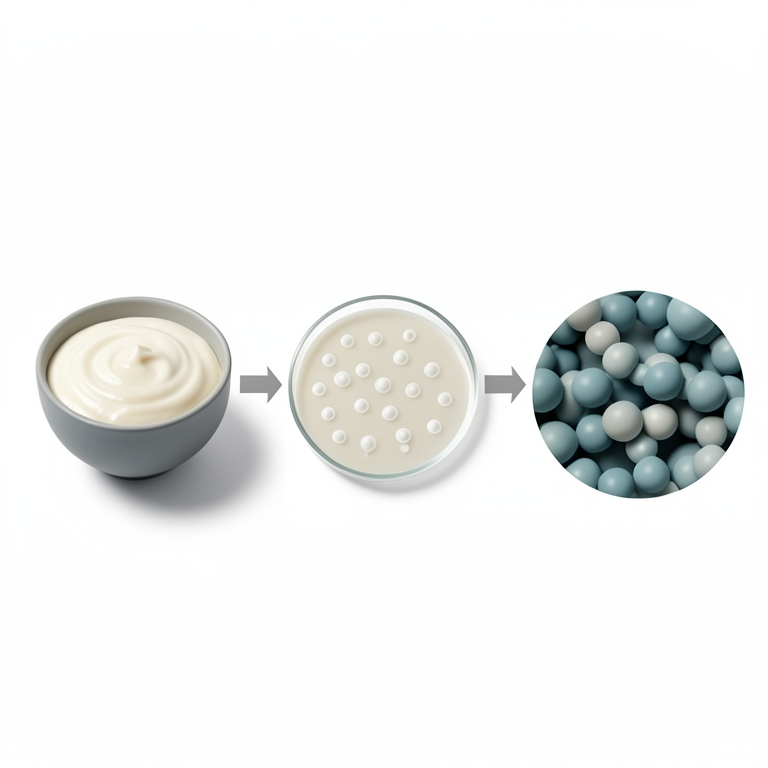
Isolation Workflow
AI-generated conceptual illustration (Misti dahi (sweetened yogurt) and Streptococcus thermophilus bacteria). It explains the idea and does not show study data.
View source evidence ↗Figures & tables
From the original paper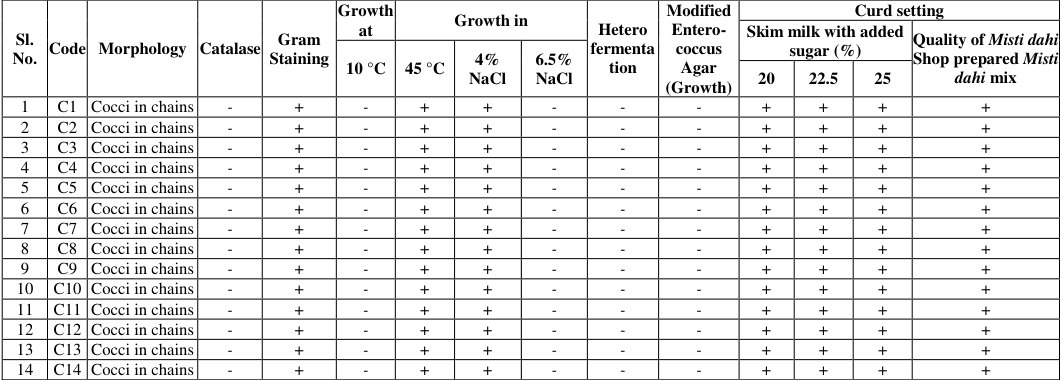 Table 1
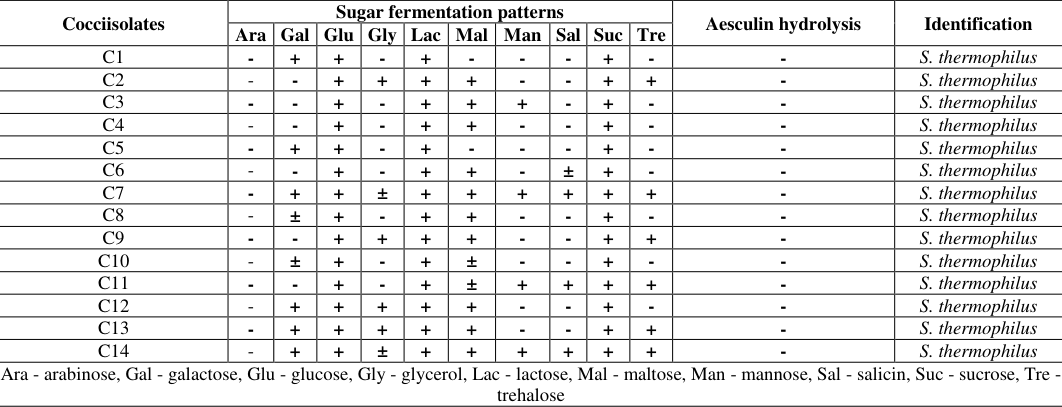 Table 2
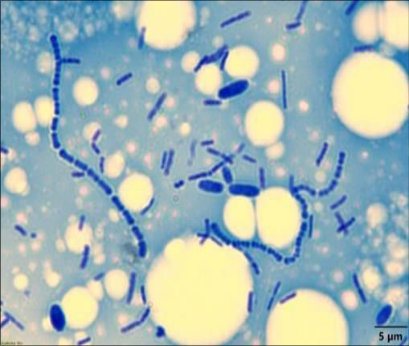 Plate 1
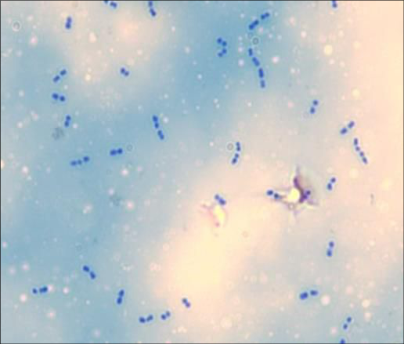 Plate 1
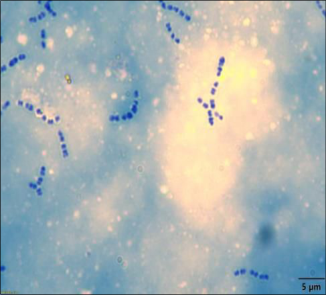 Plate 1
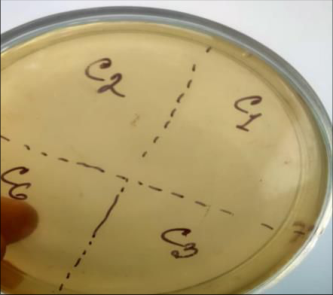 Plate 1
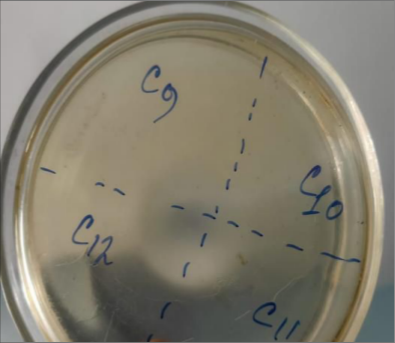 Plate 2
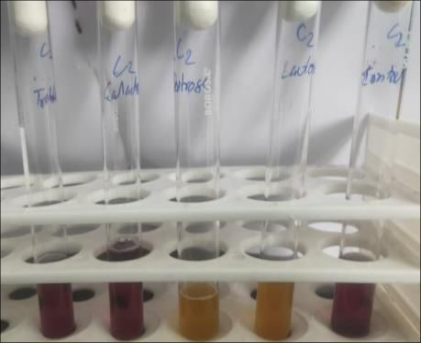 Plate 2
Introduction
The most frequently starter cultures used to produce fermented dairy products are thermophilic and mesophilic Lactic acid bacteria. The starter culture determines the distinctive flavor, consistency, and other characteristics of the fermented dairy products. The thermophilic lactic acid bacteria (LAB) can grow at temperatures between 37 and 45 °C, which is an important requirement for the technological method of producing fermented dairy products like yoghurt, baked fermented milk, and different types of cheese. The creation of diverse fermented dairy products depends heavily on LAB belonging to the genera Lactococcus, Leuconostoc, Lactobacillus, Streptococcus, and Pediococcus. Streptococcus and Enterococcus genera are typically represented by the thermophilic cocci strains that are isolated from raw milk and dairy products that spontaneously ferment. S. thermophilus from thermophilic LABs are "useful" examples as they can be used in starter cultures. An important issue in microbiology is the quick and precise classification of bacteria, which can be accomplished using standard approaches based on physiological, biochemical, and molecular methods. Streptococcus thermophilus, a streptococcus, grampositive, facultative anaerobe, with non-motile and non-spore forming homo-fermentative qualities (Dewan and Tamang, 2007) [2] . These bacterial strains perform the core function of milk acidification in addition to producing secondary metabolites such as antimicrobial peptides and having additional probiotic characteristics. As the second most significant industrial dairy starter after Lactococcus lactis, Streptococcus thermophilus is crucial for the food industry since it is widely used in the production of numerous fermented dairy products. The demand for discovering novel strains of S. thermophilus has grown significantly along with the significant increase in cheese and yoghurt production. The heat-loving Streptococcus thermophilus has spherical or ovoid cells that are 0.7-1.0 µm in diameter, occur in pairs or long chains, and are chemo-organotrophic. They can grow at 45 °C, but they cannot grow at 10 °C. Fructose, glucose, lactose, mannose, and sucrose all result in the production of acid. N-acetyl galactosamine, N-acetylglucosamine, arabinose, cellobiose, glycerol, glycogen, maltose, mannitol, rhamnose, salicin, trehalose, xylose etc. do not create acid. Galactose, raffinose, ribose, and other sugars show a range of responses. Esculin and gelatin are not hydrolyzed by strains.
Materials and Methods
Fifteen (15) traditionally prepared Misti dahi were collected from various locations of West Bengal in multipurpose clinical sample bottle (Plate 1) kept in an insulated box with ice gel pack and temperature was maintained at (5±1) °C. The collected samples were analyzed to check the morphology of microorganism present.
Isolation of lactic acid bacteria
Well isolated colonies (yellow colour) on skim milk sucrose agar plates were picked (5-6 colonies form each sample) aseptically with the help of micropipette (0.1 ml) and transferred in skim milk sucrose medium tubes. The tubes were incubated at 42 °C for12-15 h to get curd culture.
Evaluation of cultures for purity and activity
The culture was sub-cultured twice in skim milk sucrose medium (42 °C for 12-15 h) prior to further evaluation/ analysis.
Morphology and Gram's staining
The culture was checked for purity morphologically by Gram staining. Thin smear of active skim milk sucrose medium culture was prepared on clean glass slide. The smear was heat fixed and was stained using Gram stain kit (Himedia, Mumbai, India). After drying, stained slide was observed under oil immersion objective (100X) for Gram's reaction, shape and arrangements of cells.
Catalase test
An aliquot of the active skim milk sucrose medium culture was transferred on a clean glass slide. A few drops of 3% hydrogen peroxide were poured over it and was observed for effervescence. Absence of effervescence indicated the negative for catalase production (Norris et al., 1981).
Growth of cocci isolates at 10 and 45 °C
Active cocci isolates were inoculated (@1%) in skim milk sucrose medium tubes and the tubes were incubated at 10 and 45°C for 48 h. Formation of curd was indicated the positive for growth. Control tubes were kept at 42 °C.
Hetero-fermentation patterns
Active cocci isolates were inoculated (@1%) in bromocresol purple (0.004%) containing M17 broth tubes with inverted Durham's tubes. The tubes were incubated at 42 °C for 48 h.
Change of medium colour from purple to yellow indicated the acid production and accumulation of gas in the Durham's tubes indicated the hetero-fermentation (Tserovsks et al., 2002) [5] .
Growth in presence of 4 and 6.5%NaCl
Active cocci isolates were inoculated (@1%) in bromocresol purple (0.004%) containing M 17 broth tubes with 4 and 5% added NaCl. The tubes were incubated at 42°C for 48 h. Change of colour from purple to yellow indicated the acid production and growth. Medium without added NaCl was taken as control.
Growth of cocci isolates on modified Enterococci agar
Active cocci isolates were spot-inoculated on modified Enterococci agar plates. The plates were incubated at 42 °C for 24 h. Absence of maroon colony growth was taken as negative test.
The skim milk (12% milk solids) with added sucrose (20, 22.5 and 25%, separately) was prepared and sterilized by autoclaving (121°C/ 15 min.). Freshly shop-prepared misti dahi mix was collected from a local sweet shop in sterile glass flask. Active cocci isolate culture was inoculated (@2%) and incubated at 42 °C for 12-15 h. Quality of curd formed was observed.
Preservation of culture isolates
The active culture was inoculated skim milk sucrose medium (25 ml; 3% SMP and 20% sugar) in a centrifuge tube (50 ml) and was incubated at 42 °C for 12h. The cell biomass was harvested and washed with normal saline by centrifugation (8,000 rpm, 10 min, 4 °C). Cell pellet was suspended in cryo-protective medium and was preserved by freeze drying (Lyodel, delvac Freeze dryer, India). Dried culture powder was packed in sterile cryo-vials and stored at -20 °C.
Carbohydrate fermentation
Pure potent cocci isolate identification was carried based on sugar fermentation patterns. The test was conducted in CHL broth tubes devoid of sugars containing 0.004% BCP. Sterile sugar discs (Hi Media Laboratories Ltd., Mumbai) was aseptically added to sterile CHL broth tubes and kept in incubator (37 ºC) for overnight for sterility check. Active cultures were streaked on skim milk sucrose agar plates and the plates were incubated 42 °C for 24 h. Active colony was transferred in 1 ml sterile saline in eppendorf tube (2 ml) with sterile inoculating loop to get cell suspension. The cell pellet was obtained by centrifugation of eppendorf tube (10000 rpm/ 5 min). Cell pellet was washed twice with normal saline and finally was suspended in 1 ml saline for inoculation. CHL broth tubes (5 ml) with different carbohydrate discs [(Cocci isolates: Arabinose, Galactose, Glucose, Glycerol, Lactose, Maltose, Mannose, Salicin, Sucrose, Trehalose); were inoculated @1% with the cell suspension and the tubes were incubated at 42 ºC and examined up to 3 days. The change of colour from purple to yellow indicated the fermentation of carbohydrate with acid production.
Results and Discussion
Isolation of lactic acid bacteria from traditionally prepared misti dahi samples. Well isolated colonies (yellow colour) on skim milk sucrose agar plates were cultured in skim milk sucrose medium. Pure cocci isolate (Plate 1) were evaluated for purity tests followed by assessing of their activity (Table 1).
| Sl. No. | Code | Morphology | Catalase | Gram Staining | Growth at | Growth in | — | — | Hetero fermenta tion | Modified Entero- coccus Agar (Growth) | Curd setting | — | — | — |
|---|---|---|---|---|---|---|---|---|---|---|---|---|---|---|
| Skim milk with added sugar (%) | Quality of Misti dahi Shop prepared Misti dahi mix | |||||||||||||
| 10 °C | 45 °C | 4% NaCl | 6.5% NaCl | |||||||||||
| 20 | 22.5 | 25 | ||||||||||||
| 1 | C1 | Cocci in chains | - | + | - | + | + | - | - | - | + | + | + | + |
| 2 | C2 | Cocci in chains | - | + | - | + | + | - | - | - | + | + | + | + |
| 3 | C3 | Cocci in chains | - | + | - | + | + | - | - | - | + | + | + | + |
| 4 | C4 | Cocci in chains | - | + | - | + | + | - | - | - | + | + | + | + |
| 5 | C5 | Cocci in chains | - | + | - | + | + | - | - | - | + | + | + | + |
| 6 | C6 | Cocci in chains | - | + | - | + | + | - | - | - | + | + | + | + |
| 7 | C7 | Cocci in chains | - | + | - | + | + | - | - | - | + | + | + | + |
| 8 | C8 | Cocci in chains | - | + | - | + | + | - | - | - | + | + | + | + |
| 9 | C9 | Cocci in chains | - | + | - | + | + | - | - | - | + | + | + | + |
| 10 | C10 | Cocci in chains | - | + | - | + | + | - | - | - | + | + | + | + |
| 11 | C11 | Cocci in chains | - | + | - | + | + | - | - | - | + | + | + | + |
| 12 | C12 | Cocci in chains | - | + | - | + | + | - | - | - | + | + | + | + |
| 13 | C13 | Cocci in chains | - | + | - | + | + | - | - | - | + | + | + | + |
| 14 | C14 | Cocci in chains | - | + | - | + | + | - | - | - | + | + | + | + |
Table text extracted from the original PDF; superscript letters are shown inline. The original table image is below.
View original table image
Evaluation of isolates for purity and activity
All the cocci isolates were found Gram positive and catalase negative, which are the characteristics of lactic acid bacteria (Table 1). Streptococcus thermophilus and enterococci are closely related species in terms of their nutritional and growth requirements. There are chances for frequent contamination of these cultures with enterococci during different steps of isolation, preservation, and maintenance. The negative growth at 10 ºC and 6.5% NaCl concentration (Table 1) as well as absence of maroon colony growth on modified enterococci agar plates (Plate 2) indicated the absence of enterococci contamination (Bergey's Manual, 2007) [1] in cocci isolates. All the cocci isolates grew well at 45 ºC and were homo-fermentative (Table 1). The suitability of the isolates for preparation of misti dahi was evaluated from curd setting profile and quality of curd in skim milk with added sugar (20, 22.5, and 25%) as well as in shopprepared misti dahi mix. Fourteen cocci isolates showed clean curd formation in skim milk with added sugar and shop-prepared misti dahi mix. The quality of the curd from shop-prepared misti dahi mix was acceptable (Table 1). These cultures were preserved by freeze drying for further analysis.
Characterization of isolates
Sugar fermentation profiles of the 14 cocci isolates (C1-C14) was analyzed with different carbohydrate discs. All the 14 cocci isolate fermented glucose, lactose and sucrose. Fermentation of arabinose and asculin hydrolysis was found negative for all cocci isolates (Plate 2). Six isolates such as C1, C5, C7, C12, and C14 were positive for galactose fermentation. For other sugars were variably fermented by different cocci isolates. Based on the sugar fermentation profile cocci isolates were identified as Streptococcus thermophilus (Table 2). Variability in sugar fermentation patterns may indicate the close difference among the S. thermophilus isolates. Zourari et al. (1992) [6] reported S. thermophilus and Lb. delbrueckii spp. bulgaricus are homofermentative and during their metabolism, lactose is taken up as free sugar and split with β-galactosidase.
| Cocciisolates | Sugar fermentation patterns | — | — | — | — | — | — | — | — | — | Aesculin hydrolysis | Identification |
|---|---|---|---|---|---|---|---|---|---|---|---|---|
| Ara | Gal | Glu | Gly | Lac | Mal | Man | Sal | Suc | Tre | |||
| C1 | - | + | + | - | + | - | - | - | + | - | - | S. thermophilus |
| C2 | - | - | + | + | + | + | - | - | + | + | - | S. thermophilus |
| C3 | - | - | + | - | + | + | + | - | + | - | - | S. thermophilus |
| C4 | - | - | + | - | + | + | - | - | + | - | - | S. thermophilus |
| C5 | - | + | + | - | + | - | - | - | + | - | - | S. thermophilus |
| C6 | - | - | + | - | + | + | - | ± | + | - | - | S. thermophilus |
| C7 | - | + | + | ± | + | + | + | + | + | + | - | S. thermophilus |
| C8 | - | ± | + | - | + | + | - | - | + | - | - | S. thermophilus |
| C9 | - | - | + | + | + | + | - | - | + | + | - | S. thermophilus |
| C10 | - | ± | + | - | + | ± | - | - | + | - | - | S. thermophilus |
| C11 | - | - | + | - | + | ± | + | + | + | + | - | S. thermophilus |
| C12 | - | + | + | + | + | + | - | - | + | - | - | S. thermophilus |
| C13 | - | + | + | + | + | + | - | - | + | + | - | S. thermophilus |
| C14 | - | + | + | ± | + | + | + | + | + | + | - | S. thermophilus |
| Ara - arabinose, Gal - galactose, Glu - glucose, Gly - glycerol, Lac - lactose, Mal - maltose, Man - mannose, Sal - salicin, Suc - sucrose, Tre - trehalose |
Table text extracted from the original PDF; superscript letters are shown inline. The original table image is below.
View original table image
A slight variation in fermentation patterns was observed as compared to the fermentation patterns documented in Bergey's Manual (2007) [1] . Ishola and Adebayo-Tayo (2008) reported that fermented foods are potential source for isolation of lactic acid bacteria due to prevailing of favorable conditions for growth and development of the bacteria. In present investigation, fourteen cocci isolate were collected from traditionally prepared misti dahi samples. All the isolates were characterized based on phenotypic and biochemical characteristics.
Figures and tables from the paper
References
6 in the original paper- Krieg NR, Holt JG, editors. Bergey's Manual of Systematic Bacteriology, Vol. 2. Williams and Wilkins; 2007. p. 1209-1234.
- Dewan S, Tamang JP. Dominant lactic acid bacteria and their technological properties isolated from the Himalayan ethnic fermented milk products. Antonie van Leeuwenhoek. 2007;9(3):343-352.
- Ishola RQ, Adebayo-Tayo BC. Screening of lactic acid bacteria strains isolated from some Nigerian fermented foods for EPS production. World Appl Sci J. 2008;4(5):741-747.
- Norris JR. Sporosarcina and Sporolactobacillus. In: Berkeley RCW, Goodfellow M, editors. The Aerobic Endospore-Forming Bacteria: Classification and Identification. Academic Press; 1981. p. 322-357.
- Tserovska L, Stefanova S, Yordanova T. Identification of lactic acid bacteria isolated from Katyk, goats milk, and cheese. J Cult Collect. 2002;3:48-52.
- Zourari A, Accolas JP, Desmazeaud MJ. Metabolism and biochemical characteristics of yogurt bacteria: A review. Dairy Sci Tech. 1992;72:1-34