
Research article · 2025 · Full text
International Journal of Veterinary Sciences and Animal HusbandryBreeding Behaviors and Strategies in wild boars: A Comprehensive Overview
Volume 10(2) · Pages 293–302 · DOI: 10.22271/veterinary.2025.v10.i2e.2088 ↗
Research areasGenetic and phenotypic traits in livestock
Abstract
Author-writtenThis study investigates the breeding behaviors and strategies of the Indian Wild Boar (Sus scrofa) and addressing a critical need for detailed information on this species' reproductive biology to inform effective management plans. While wild boar populations have experienced substantial growth in recent decades, leading to escalating human-wildlife conflict, particularly regarding agricultural damage, and significant ecological impacts, a comprehensive understanding of their breeding dynamics, especially within the Indian subcontinent, remains limited. Existing research often focuses on European or North American populations, leaving a crucial knowledge gap regarding the specific reproductive characteristics of Indian wild boar. This research deficit hinders the development of targeted and context-specific mitigation strategies to minimize agricultural losses, mitigate disease transmission risks, and conserve biodiversity. This manuscript explores various facets of Indian wild boar reproduction, including social interactions related to mating, sexual behavior, male and female reproductive physiology (including puberty, seasonality, and factors influencing reproductive success), breeding season patterns, gestation length, birth processes, and offspring development, including maternal care and social structure. By elucidating these key aspects of Indian wild boar breeding biology, this study aims to provide a robust scientific foundation for improved wild boar management practices, contributing to both agricultural protection and ecosystem health within the region. Furthermore, this research offers valuable insights for comparative studies with other wild boar populations globally.
Summary
Source-checkedPlain-language reading of the full paper, prepared with AI and checked against the text. Each point links to the authors' own words.
Why it matters
- Wild boar populations have grown significantly, causing ecological impacts and human-wildlife conflicts such as agricultural damage, yet their breeding dynamics in the Indian subcontinent are not well understood. View evidence ↗
- Most existing research on wild boar reproduction focuses on populations in North America and Europe, creating a knowledge gap for the Indian species. View evidence ↗
- The lack of specific reproductive data for Indian wild boars prevents the creation of effective strategies to reduce agricultural loss and disease transmission while conserving biodiversity. View evidence ↗
The question
- The study aims to provide a comprehensive overview of Indian wild boar reproduction, covering physiology, social interactions, breeding patterns, and offspring development. View evidence ↗
What they did
- Field observations were conducted by a single observer who identified and tracked wild boars using pug marks and field signs from a distance. View evidence ↗
What they found
- Wild boars have an estrous cycle of about 21 days (with 2-3 days of receptivity) and a gestation period of approximately 115 days, resulting in an average of 3 to 7.6 piglets. View evidence ↗
- Sexual maturity is reached between 5 and 7 months for females and typically around 7 months for males. View evidence ↗
- Mature males can lose 20-25% of their total body mass during the breeding season due to increased testosterone suppressing foraging behavior. View evidence ↗
- The peak rutting period for Indian wild boars occurs from October to March, with the highest intensity observed in January. View evidence ↗
- Approximately 90% of female piglets reproduce within their first year, usually becoming pregnant between 7 and 10 months of age. View evidence ↗
- Boars reach peak ejaculate volumes in November and December, averaging around 150 ml. View evidence ↗
- Wild boars exhibit a flexible reproductive cycle, with farrowing occurring over a period of 6 to 9 months. View evidence ↗
- The average litter size for wild pigs typically ranges from 3.0 to 8.4 live fetuses per sow. View evidence ↗
- Piglets are typically weaned between 1 and 4 months of age and separate from their maternal group between 9 and 12 months. View evidence ↗
What it means
- The authors conclude that understanding species-specific reproductive biology is essential for developing sustainable management practices that allow humans and Indian wild boars to coexist while preserving biodiversity. View evidence ↗
- The authors suggest that future research should investigate the effects of climate change on breeding behaviors and compare reproductive strategies across global wild boar populations. View evidence ↗
Visual summary
1 visualsIllustrations explain the paper; they do not show study data.
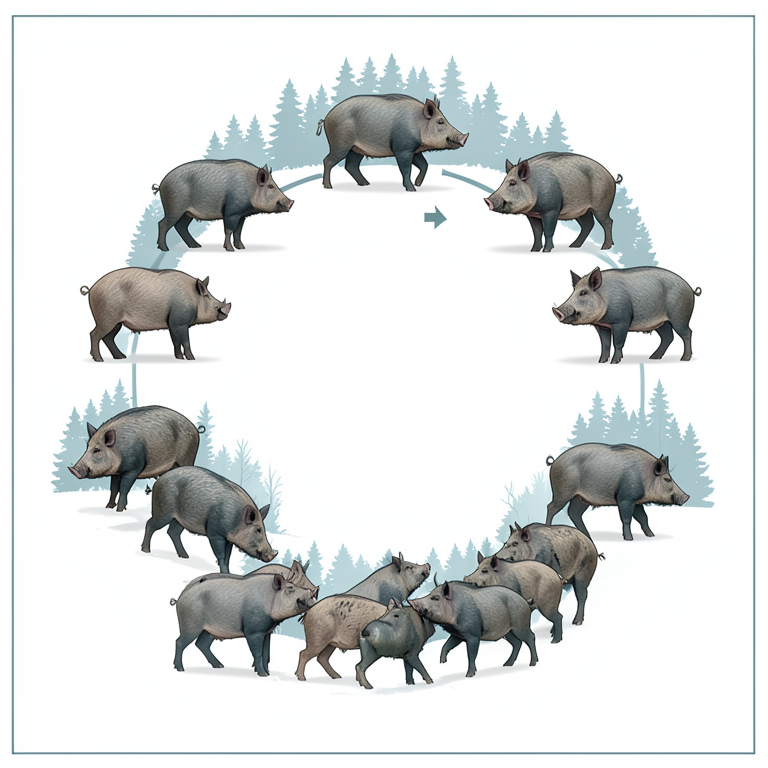
Seasonal Reproductive Cycle
AI-generated conceptual illustration (wild boars). It explains the idea and does not show study data.
View source evidence ↗Figures & tables
From the original paper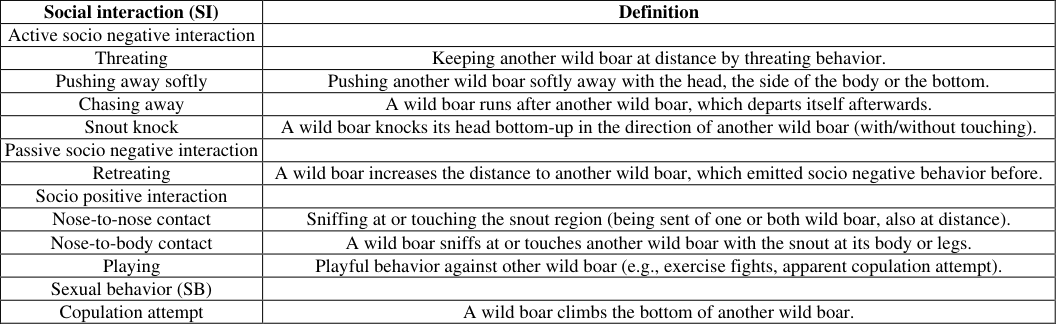 Table 1
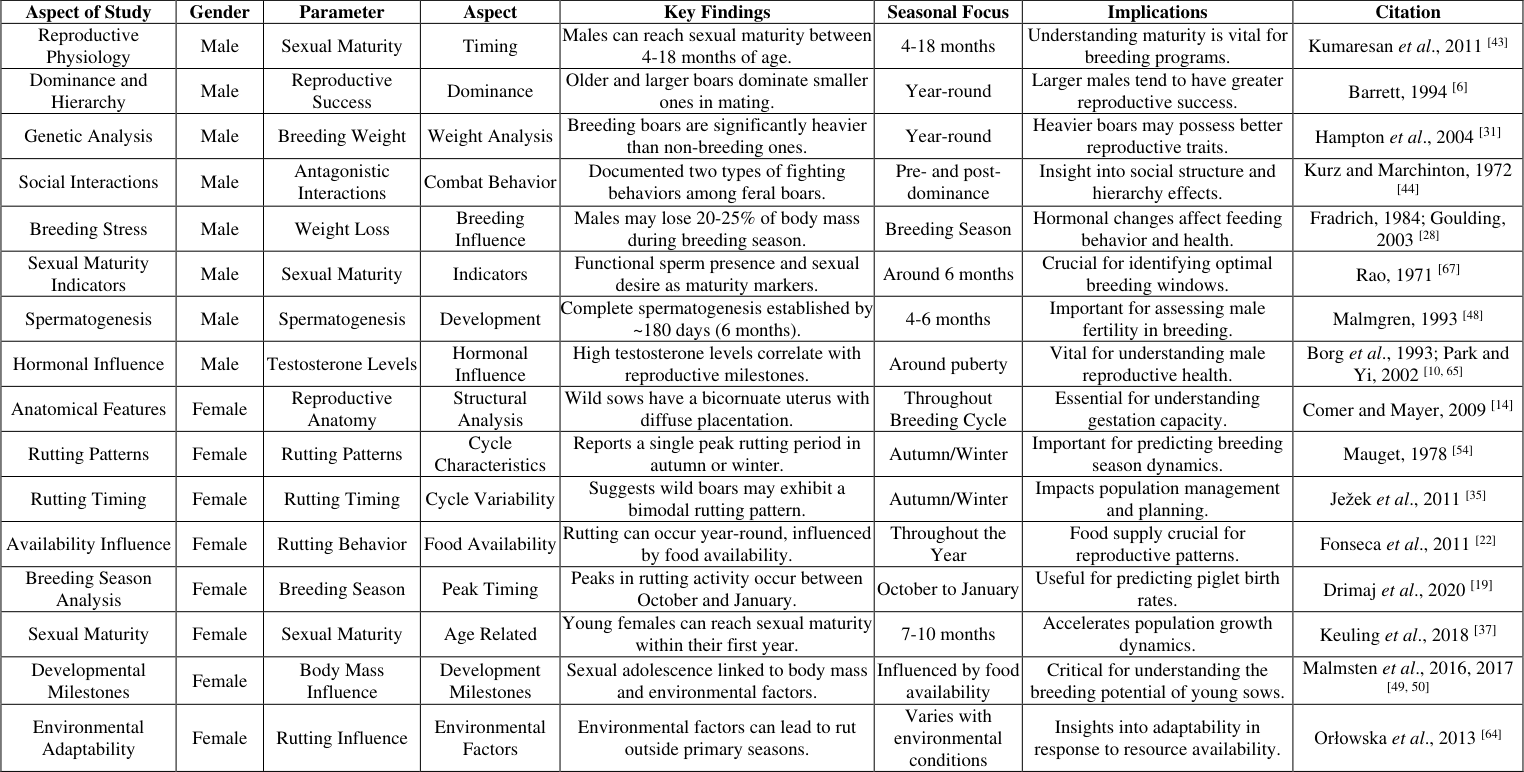 Table 2
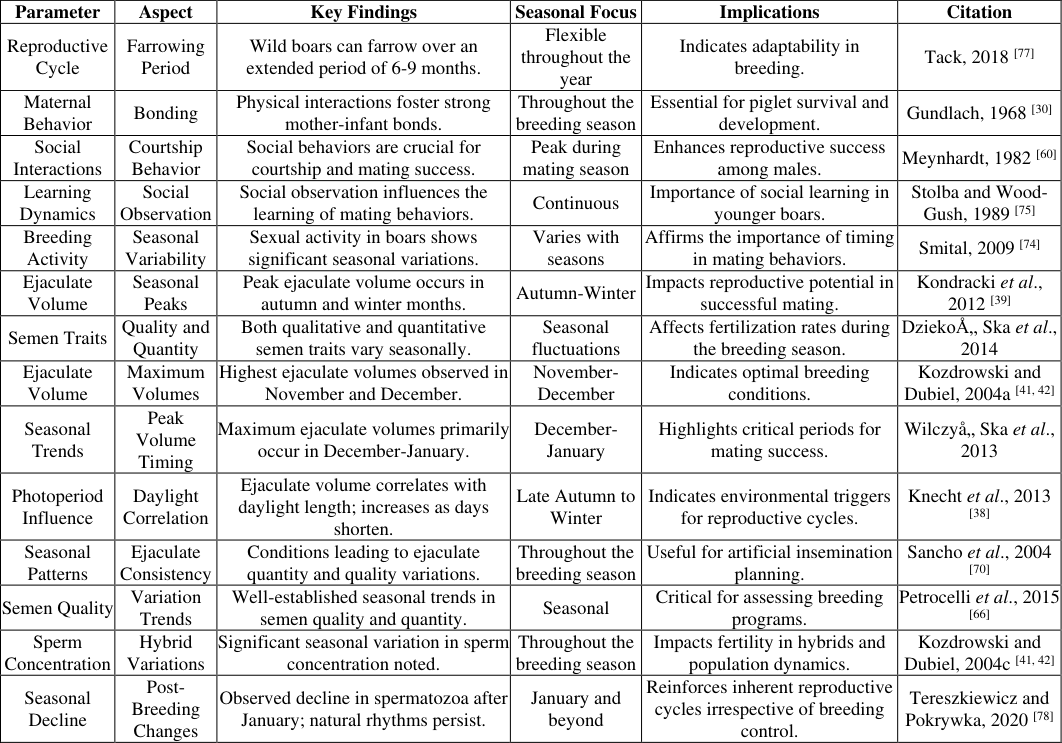 Table 3
Introduction
Indian Wild boar (Sus scrofa Linnaeus) commonly known as wild pigs are widely distributed over geographical regions with an exception to Antarctica region (Barrios-Garcia and Ballari 2012) [7] . Since the middle of the 1500s, wild boars were restricted to North America for several centuries and their distribution was largely stable (Mayer and Brisbin 2009) [57] . The spread of wild boar populations started with their rapid dispersal in 1990s (Mayer and Beasley 2018) [56] , which led to the present estimation surpassing 6.9 million in the United States (Lewis et al. 2019) [46] . Although range extension has aided in rapid population development of wild boars in North America, illegal animal transportation is considered to be the main cause of this rise (Beasley et al. 2018) [56] . Both native and invasive regions have seen a similar population expansion over the past several decades, although in Europe, warmer winters and easier access to food have made the most significant impact on wild boar population growth (Massei et al. 2014) [53] . The Indian wild boar is a member of Phylum:-Chordata, Class:-Mammalia, Order:-Artiodactyla, Family:-Suidae, Genus:-Sus and species:-S. scrofa. They have the highest population density in places like deep forests and ecotones where there is more food available, hiding spaces, and environmental camouflage (Maselli et al. 2014) [52] . Animals range from 150 to 230 kg in weight and 80 to 90 cm in height.
The organs of hearing and sight are not much developed as the organs of smell. Indian wild boars have short, sturdy trunks and their shoulders rise upward and contribute to the creation of the hump, and the neck is quite thick and short. The Indian wild boar's breeding season lasts from November to January in the majority of the region, however it mostly occurs before and after the rainy season. The population of the Wild boar has rapidly increased over the past decades. The increase is noticeable in areas of their natural habitat and in areas to which they have been introduced (Frauendorf et [25,53] . Such density increases the impact of the wild boars' presence, which makes them a key species significantly influencing farming economy, causing traffic accidents, and negatively affecting the biodiversity of both the animal and plant communities (e.g., Barrios-García and Ballari 2012) [7] . Their natural diet is predominantly plant-based (Briedermann 2009) [12] , but the wild boars are flexible in their food choices, and their diet changes significantly depending on the season (Herrero et al. 2008) [34] and the environment (Schley and Roper 2003). In addition to sufficient food supply, other factors benefiting wild boars are lenient farmers tolerating the wild boar's co-existence, and also the wild boar's high reproductive capability (Frauendorf et al. 2016) [25] . A wild boar's body condition, a reflection of its overall health and environmental quality, is a crucial indicator of its reproductive potential (Bradford et al. 2012) [11] . This condition is intrinsically linked to factors like nutrition, general health, population density, and ultimately, reproductive performance (Santos et [71,69,68] . In environments where artificial food sources are absent, wild boar population growth is largely dependent on the fluctuating availability of natural food, particularly mast crops like acorns and beechnuts (Servanty et al. 2009) [73] . The cyclical nature of these food sources can significantly impact population dynamics. Wild boars are short-day breeders, meaning their reproductive cycle is influenced by the decreasing daylight hours of autumn and winter. The peak of the breeding season, known as the rut, occurs in November and December (Mauget 1982) [55] . During this time, adult females enter estrus, or "rut," followed by younger females as they reach the minimum body weight necessary for successful breeding (Gethöffer et al. 2007; Malmsten and Dalin 2016) [27,49] . Wild boars are polyestrous, meaning they can cycle repeatedly if conception fails or if piglets die shortly after birth. This allows them multiple opportunities to breed within a season. Conversely, reproduction is unlikely during the anestrous period, which typically falls in the summer months (Delcroix et al. 1990) [16] . The estrous cycle lasts approximately 21 days, with the period of receptivity, or estrus, itself lasting 2 to 3 days. Gestation, the period of pregnancy, is around 115 days, after which females give birth to an average of 3 to 7.6 piglets (Keuling et al. 2018) [37] . The age at which wild boars reach sexual maturity varies. Females can reach puberty, the onset of sexual maturity, between 5 and 7 months of age (Gethöffer et al. 2007; Servanty et al. 2009) [27,73] , while males typically reach puberty around 7 months (Drimaj et al. 2019) [18] . Previous research on wild boar reproductive biology and behavior has emphasized weight and age as key determinants of puberty (Náhlik and Sándor 2003; Lustig et al. 2015) [63,47] . However, weight is itself a product of growth rate, which is influenced by both genetic factors and, critically, the quality and quantity of available food. This interplay between environmental resources, genetics, and individual development highlights the complexity of wild boar reproductive strategies. This study evaluates the breeding biology and strategies of the Indian Wild Boar to inform effective management plans. Understanding their reproductive behavior is crucial for mitigating agricultural damage, a growing concern due to expanding wild boar populations. This paper examines key aspects of wild boar reproduction, including social interactions, reproductive physiology, and offspring development, providing a basis for improved management strategies that balance agricultural protection and conservation. Ultimately, this research aims to contribute to more sustainable coexistence between humans and wild boars.
Materials and Methods
The wild boars were identified by their field signs and they were tracked by their pug marks and always observed from a vantage point, keeping in mind the critical distance. All observations were taken by a single observer so as to avoid variations. [43] . Males actively compete for breeding opportunities, with older and larger boars dominating smaller ones. Barrett (1994) [6] identified the presence of older boars as a key factor influencing male reproductive success. Genetic data from Hampton et al. (2004) [31] revealed that breeding boars were significantly heavier than non-breeding ones. Kurz and Marchinton (1972) [44] documented two types of antagonistic interactions between feral boars. The first type occurs before dominance is established and involves a head-on charge, followed by circling, pushing, and attempts to slash each other with their tusks. Once dominance has been established, interactions are much shorter, often consisting of only a few lunges by the dominant boar. Kurz and Marchinton (1972) [44] also documented an instance where a large boar attacked and drove away a smaller boar that was attempting to mate with an estrous sow. Male-male combat among wild pigs has been widely reported by various researchers, including Barrette (1986) [6] , Beuerle (1975) [9] , de Poncins (1914) [15] , and Frädrich (1974) [23] . To protect themselves during these intense intraspecific battles, male wild pigs develop a thick, protective shield of dense connective tissue over their shoulders and chest. This protective layer serves as armor against serious injuries caused by tusk slashes and becomes increasingly larger and thicker as the boar ages.
Although multiple paternity in wild pig litters has been documented, it is considered rare (Delgado et al. 2008) [17] .
The reproductive cycle also influences the body weight of boars at different times of the year. During the breeding season, mature males often experienced significant weight loss, with some individuals losing up to 20-25% of their total body mass. This decline is attributed to increased testosterone production, which suppresses foraging behavior as males prioritize seeking and competing for mates over feeding (Frädrich 1984, Goulding 2003, Weiler et al. 1996) [24,28,79] . Determining the exact onset of sexual maturity in male pigs is challenging, as it is a gradual and continuous process. However, it can be identified through specific physiological markers, such as the presence of functional sperm in the cauda epididymis and the emergence of sexual desire (Rao 1971) [67] . Studies indicated that most commercial boars exhibit mature semen characteristics by approximately six months of age. The process of spermatogenesis begins around 115 days (roughly four months) and is fully established by 180 days (six months), (Malmgren 1993) [48] . Similarly, research by Lagerlöf and Carlquist (1961) [45] found that the majority of boars produced normal, mature semen by six months, whereas semen collected at earlier ages displayed signs of immaturity. Testosterone plays a crucial role in the onset of sexual maturity, as it is essential for testicular development, the progression of puberty, and the initiation of sperm production.
Studies have demonstrated a strong correlation between peripheral testosterone levels and these reproductive milestones (Borg et al. 1993, Park and Yi 2002) [10,65] . Among the various factors influencing sexual development in boars, genetic makeup plays a significant role in determining gonadal growth, the timing of puberty, and overall sexual maturity (Harder et al. 1995) [33] . Additionally, testosterone levels in these pigs have been observed to rise around puberty and then stabilize, maintaining a plateau unless the boar is exposed to sexual stimulation (Kanematsu et al. 2006) [36] .
Female Reproductive Biology
The fundamental reproductive physiology of wild sows closely resembles that of domestic sows in most aspects. Like their domestic counterparts, wild sows possess a bicornuate uterus, which is characterized by two uterine horns, and they exhibit diffuse placentation, where the placenta forms a widespread attachment to the uterine lining, facilitating nutrient exchange between the mothers and developing fetuses. However, studies have indicated that wild sows display a notable tendency for embryo implantation to occur more frequently in the left uterine horn. Additionally, the uteri of feral sows have been observed to possess a greater capacity for expansion compared to those of domestic sows. This suggests that the primary factor limiting litter size in wild sows is not the physical capacity of the uterus but rather the number of ova released and successfully fertilized during the reproductive cycle (Comer and Mayer 2009) [14] . The rutting period in adult female wild boars tends to be highly synchronized during the primary reproductive season, lasting approximately three months. In contrast, female piglets in their first year of life experience a delayed onset of rut, with the cycle extending into spring. Research on wild boar rutting patterns has produced varying conclusions. Some studies report a single peak occurring in autumn or winter (Mauget 1978) [54] , while others suggest a bimodal pattern, with two distinct peaks (Ježek et al. 2011) [35] . Additionally, some researchers argue that rutting behavior can be observed year-round due to fluctuations in food availability (Fonseca et al. 2011) [22] . These findings aligned with the latter to some extent, as adult females were observed to enter rut throughout the year. However, the proportion of litters born outside the primary reproductive window of March to July remains minimal.
Based on these observations, it was confirmed that the peak rutting period occurs between October and March, reaching its highest intensity in January. Conversely, an anestrous phase, during which reproductive activity ceases, is typically observed in the summer months. Despite environmental changes and human-altered landscapes, wild boars have not significantly modified their reproductive strategy. However, a noticeable shift has occurred in juvenile females, as an increasing number of piglets now participate in reproduction within their first year of life. This shift has resulted in an extended rutting period for young females, lasting until the end of winter. The most significant rutting activity is estimated to take place in January.
In February, the number of conceptions declined sharply, followed by a period of stability until March, when another noticeable drop occurred. From April to July, instances of rutting in female wild boars were extremely rare, and very few piglets were born during this time. This reproductive lull coincided with the anestrous phase, which is attributed to environmental factors such as high temperatures, as well as the physiological demands of ongoing lactation in many females. Beginning in August, the number of females entering rut gradually increased, with a sharp rise observed in November. By early January, nearly all adult females were already pregnant, meaning the peak in conception rates during this time was primarily driven by young females reaching reproductive maturity and becoming actively involved in breeding (Drimaj et al. 2020) [19] . The reproductive success of first-year mothers is a crucial and somewhat variable factor that significantly contributes to the overall growth of the wild boar population. Recent studies indicate that female wild boars can reach sexual maturity within their first year of life. Under optimal environmental and nutritional conditions, a substantial proportion of these young females actively participate in reproduction, further accelerating population expansion (Keuling et al. 2018) [37] . Malmsten et al. (2016, 2017) [49,50] suggest that the onset of sexual adolescence in wild boars is closely linked to reaching a specific body mass and composition threshold. These developmental milestones are influenced by external environmental factors, such as the availability of natural food sources and climatic conditions. When food is abundant over extended periods, wild boars may enter rut outside their primary reproductive season, as observed by Orłowska et al.
It is generally assumed that piglets across various environmental conditions reach the critical parameters required for puberty at approximately seven months of age.
Estimates indicate that within their first year of life, around 90% of female piglets will engage in reproduction, typically becoming pregnant between the ages of 7 and 10 months. Consequently, their litters are usually born between May and July. This reproductive pattern suggested that piglets born between December and May are primarily offspring of yearling and adult sows. In contrast, piglets born later in the year are more likely to be the offspring of first-time mothers who have just reached one year of age or the result of a secondary litter conceived outside the primary breeding cycle (Drimaj et al. 2020) [19] .
Breeding Season
There is no single definitive parameter that determines whether an animal has reached full reproductive maturitymeaning it is capable of mating, producing sufficient viable gametes, sustaining pregnancy, and successfully giving birth. Instead, reproductive maturity is assessed based on a combination of physiological, behavioral, and environmental factors. Wild boar reproductive behavior differs significantly from that of domestic pigs, primarily in its seasonal nature. Unlike many other ungulates, which have a strictly defined and relatively short birthing period each year, wild boars exhibit a more flexible reproductive cycle. They can farrow over an extended period, typically ranging from six to nine months (Tack 2018) [77] . Social interactions play a crucial role in wild boar behavior, serving multiple functions within the species. Forms of physical contact, such as nose-to-nose and nose-to-body interactions, are key components of intraspecific communication. These behaviors are particularly important in fostering the mother-infant bond (Gundlach 1968; Meynhardt 1982) [30,60] and play a vital role in sexual behavior, including courtship and dominance battles among males. Each behavioral interaction within a group is observed by other members and carries social consequences (Stolba and Wood-Gush 1989) [75] . This allows wild boars to learn from one another through social observation and experience (Briedermann 2009) [12] . Young boars begin practicing essential adult behaviors, such as fighting and copulation, at an early age in a playful manner. These early experiences help them develop the skills needed for future mating competitions and reproductive success during the breeding season (Gundlach 1968; Meynhardt 1982; GÖT and BAT 2003) [30,60,26] . Numerous studies have demonstrated that seasonal variations significantly influence the sexual activity of boars (Smital 2009; Kondracki et al. 2012) [74,39] . These seasonal fluctuations are evident in both the qualitative and quantitative characteristics of boar semen. Research findings indicated that ejaculate volume is notably affected by the time of year, with a substantial increase observed during the autumn and winter months. Depending on the breed, the ejaculate volume was found to be higher by approximately 12.04 ml (P×D breed) to 47.60 ml (H breed) in November and December. Kozdrowski and Dubiel (2004a) [41,42] further confirmed that boars produce their highest ejaculate volumes during this period, averaging around 150 ml in November and December. In contrast, between May and July, semen production declines, with ejaculate volumes rarely exceeding 100 ml. Similar seasonal trends have also been recorded in hybrids resulting from the crossbreeding of wild boar males with domestic pigs (Kozdrowski and Dubiel 2004b) [41,42] . The pattern of increased ejaculate volume during the autumnwinter period has been consistently reported by various researchers (Milewska and [61,1,13] . This seasonal variation is likely influenced by environmental factors such as temperature, photoperiod, and natural breeding cycles, all of which contribute to optimizing reproductive success during the most favorable times of the year.
Reported that the highest ejaculate volumes are typically observed in December and January. Knecht et al. (2013) [38] found a correlation between ejaculate volume and the length of the daylight period, with ejaculate volume increasing as the length of the light day shortened. This relationship was also noted by other researchers, such as Sancho et al. (2004) [70] and Petrocelli et al. (2015) [66] , who observed similar patterns in their studies. Kozdrowski and Dubiel (2004c) [41,42] also highlighted significant seasonal variations in the concentration and total number of spermatozoa in the semen of both wild boars and their hybrids with domestic pigs. During the breeding season, particularly in November and December, the total number of spermatozoa per ejaculate reaches more favorable levels, contributing to the increased reproductive potential of boars during this time. These seasonal fluctuations in semen quality underscore the impact of environmental and photoperiodic factors on boar reproductive physiology. Starting in January, there is a marked decline in the total number of spermatozoa in boar semen. This seasonal variation in semen quality is a consistent and well-established phenomenon. Despite ongoing breeding efforts, selective practices, and attempts to minimize the impact of environmental factors, these seasonal fluctuations in semen quality have not diminished in recent years. This suggests that the natural rhythms of reproductive physiology in boars remain largely unchanged, even in the face of controlled breeding environments. (Tereszkiewicz, and Pokrywka 2020) [78] .
Gestation and Birth
The proportion of breeding females remains relatively consistent during both autumn and winter, with gestation frequency being highest in the winter months. The gestation period of wild sows is comparable to that of domestic sows, typically ranging between 112 and 120 days, though it can extend anywhere from 100 to 140 days. The average gestation duration for wild sows has been reported as 115 to 119 days. Wild sows are polyestrous, meaning they enter estrus every 18 to 24 days if not successfully bred. The average interval between estrus cycles is about 21 days (Sweeney et al. 2003) [76] .
The first estrus of a sow generally lasts about 24 hours, but subsequent estrus periods can extend from 48 to 72 hours. After weaning their young, sows typically resume estrus within a week and are often ready to breed again shortly thereafter. The age at which wild sows reach puberty varies significantly. In some cases, puberty may occur as early as 3 to 4 months of age, but it typically happens between 5 and 12 months. In contrast, domestic sows usually first breed between 5 and 8 months of age, while most female Eurasian wild boars tend to breed for the first time as yearlings, typically older than 18 months. This variation in the timing of puberty reflects the diverse environmental and genetic factors influencing reproductive development in wild sows. Based on fetal counts, the average litter size in wild pigs typically ranges from 3.0 to 8.4 live fetuses per sow (Comer and Mayer 2009) [14] .
Hanson and Karstad (1959) [32] reported observing a sow carrying 16 fetuses; however, ten of these were either dead in utero or in the process of being reabsorbed. These fetal litter sizes in wild and feral sows are generally smaller than those observed in domestic pigs, where litter sizes can reach up to 37 piglets per sow (ATI 2008). On average, Eurasian wild boars and hybrids tend to have smaller litters, typically ranging from 4 to 5 piglets, compared to feral hogs, which tend to average around 5 to 6 piglets per litter. The differences in litter sizes between wild/feral pigs and domestic hogs are likely due to variations in ovulatory rates, rather than differences in fetal survival or uterine capacity. Wild sows, being polyestrous, have the physiological ability to produce more than one litter per year, although this is relatively rare in free-ranging populations. The occurrence of multiple litters is more common when food resources are abundant (Barrett 1971) [3] and tends to be more frequent in adult wild sows compared to younger ones. Litter size in wild sows increases from puberty to around 2 to 3 years of age, after which it tends to decrease slightly. While wild pigs are biologically capable of breeding year-round, most populations typically experience one or two seasonal peaks in both breeding and farrowing. Interestingly, these seasonal patterns can vary from year to year, and even occur within the same population, depending on environmental conditions and resource availability (Comer and Mayer 2009) [14] .
Offspring Development
Wild sows typically build a nest in preparation for farrowing and limit their movements during the period when their piglets have limited mobility. About one month prior to farrowing, sows at the SRP (Southern Research Program) exhibit significantly reduced daily movements, which are focused around the locations where they plan to give birth (Kurz and Marchinton 1972) [44] . These farrowing nests are generally shallow depressions in the ground, with some nests containing an accumulation of bedding material both in and around the nest (Kurz and Marchinton 1972, Graves and Graves 1977, Barrett 1994, Mayer et al. 2002) [44,29,5,6,59] . While some nests may be unlined, sows are often observed using a variety of natural materials to line their nests. These materials can include grass stems, leaves, reeds, fern fronds, pine straw, tree or shrub leaves, twigs, sticks, and even more specific items such as eastern hemlock (Tsuga canadensis) boughs and algaroba (Prosopis chilensis) branches and stems. Interestingly, sows have been seen biting off woody branches and saplings, sometimes as long as 2 meters and 1 to 2 cm in diameter, and using them in the construction of their nests (Mayer 2005) [58] . This behavior highlights the sow's resourcefulness and the importance of nest preparation for the safety and comfort of their piglets during the farrowing process.
Both domestic and captive-reared wild or feral sows kept in pens have been observed rooting in straw bedding to create a depression nest prior to farrowing. After giving birth, wild sows typically remain close to their nests for about two weeks. During this time, their movements are significantly reduced, continuing for approximately three weeks (Kurz and Marchinton 1972) [44] . While the sow remains near the nest, the piglets stay in or around the nest. At around three weeks of age, the piglets begin to follow their mother during feeding excursions (Kurz and Marchinton 1972, Barrett 1978) [44,4] . Piglets are generally weaned at around 1 to 4 months of age, and they typically separate from the maternal group between 9 and 12 months. After this separation, the sow may form loose associations with other sows, potentially including relatives. These family groups usually consist of two or three adult sows, along with a varying number of piglets. The average number of lactating teats observed in a sow ranges from 4 to 6, though the number can vary from 1 to 12. There is a strong correlation between the number of teats and the size of the litter (Erdtmann and Keuling 2020) [21] .
Litter size in wild sows tends to decrease after about the 5th to 7th litter or after the sow reaches 4 to 5 years of age. The oldest documented breeding wild sow was 14 years old. This decrease in litter size with age reflects the natural reproductive cycle and limitations in the sow's ability to produce large litters as she ages (Comer and Mayer 2009) [14] .
Conclusion
In conclusion, this study offers valuable insights into the breeding behaviors and reproductive dynamics of the Indian Wild Boar emphasizing the complex interplay of ecological, physiological, and social factors that shape their reproductive strategies. The findings highlight critical aspects, such as polyestrous breeding patterns, seasonal variations aligned with environmental conditions, and the importance of social interactions in mate selection and reproductive success. As the population of wild boars continues to grow, they present significant challenges to agricultural sustainability and biodiversity conservation, necessitating the development of effective wildlife management strategies to mitigate conflicts with human communities. This research underscores the importance of understanding species-specific reproductive biology to inform targeted conservation efforts tailored to the unique context of the Indian subcontinent. Despite these contributions, there remain knowledge gaps that future studies should address. Further research could explore comparative reproductive strategies among different wild boar populations globally, as well as the impacts of climate change on breeding behaviors and population dynamics. Additionally, investigating the genetic diversity within populations and the implications of human-wildlife interactions on behavior and reproductive success could further enrich our understanding of this species. Overall, building upon these findings will enhance the development of sustainable wildlife management practices and contribute to broader conservation efforts, ensuring the coexistence of Indian Wild Boars and human communities while preserving biodiversity.
Figures and tables from the paper
| Social interaction (SI) | Definition |
|---|---|
| Active socio negative interaction | |
| Threating | Keeping another wild boar at distance by threating behavior. |
| Pushing away softly | Pushing another wild boar softly away with the head, the side of the body or the bottom. |
| Chasing away | A wild boar runs after another wild boar, which departs itself afterwards. |
| Snout knock | A wild boar knocks its head bottom-up in the direction of another wild boar (with/without touching). |
| Passive socio negative interaction | |
| Retreating | A wild boar increases the distance to another wild boar, which emitted socio negative behavior before. |
| Socio positive interaction | |
| Nose-to-nose contact | Sniffing at or touching the snout region (being sent of one or both wild boar, also at distance). |
| Nose-to-body contact | A wild boar sniffs at or touches another wild boar with the snout at its body or legs. |
| Playing | Playful behavior against other wild boar (e.g., exercise fights, apparent copulation attempt). |
| Sexual behavior (SB) | |
| Copulation attempt | A wild boar climbs the bottom of another wild boar. |
Table text extracted from the original PDF; superscript letters are shown inline. The original table image is below.
View original table image
References
78 in the original paper- Adamiak A, Kondracki S, Wysokinska A. Influence of season of the year on physical properties of ejaculates from Polish Large White and Polish Landrace boars. Rocz Nauk Zoot. 2010;37(2):159-167.
- Agricultural Training Institute (ATI). Annual reportInternational Training Center on Pig Husbandry. Marawoy, Lipa City, Batangas, Philippines: Agricultural Training Institute, 2008.
- Berkeley, CA: University of California, 1971.
- Barrett RH. The feral hog at Dye Creek Ranch, California. Hilgardia. 1978;46:283-355.
- Barrett RH, Birmingham GH. Wild pigs. In: Hygnstrom SE, Timm RM, Larson GE, editors. Prevention and control of wildlife damage. Lincoln, NE: Great Plains Agricultural Council, University of Nebraska, 1994, p. D65-D70.
- Barrette C. Fighting behavior of wild Sus scrofa. J Mammal. 1986;67(1):177-179.
- Garcia BMN, Ballari SA. Impact of wild boar (Sus scrofa) in its introduced and native range: A review. Biol Invasions. 2012;14(11):228-300.
- Beasley JC, Ditchkoff SS, Mayer JJ, Smith MD, VerCauteren KC. Research priorities for managing invasive wild pigs in North America. J Wildl Manag. 2018;82(4):674-681.
- Beuerle W. Freilanduntersuchungen zum Kampf-und Sexualverhalten des Europäischen Wildschweines (Sus scrofa L.). Z Tierpsychol. 1975;39(1-5):211-258.
- Borg KE, Lunstra DD, Christenson RK. Semen characteristics, testicular size, and reproductive hormone concentrations in mature Duroc, Meishan, Fengjing, and Minzhu boars. Biol Reprod. 1993;49:515-521.
- Bradford AL, Wellner DW, Punt AE, Ivashchenko YV, Burdin AM, Blaricom VGR, et al. Leaner leviathans: Body condition variation in a critically endangered whale population. J Mammal. 2012;93:251-66.
- Briedermann L. Schwarzwild: Neuausgabe bearbeitet. Stuttgart: Kosmos, 2009, p. 215-300.
- Brodzki P, Wrona Z, Klimont M, Krakowski L. Morphological characteristics of boar spermatozoa in the annual production cycle. Med Weter. 2015;71(2):109113.
- Comer CE, Mayer JJ. Wild pig reproductive biology. In: Mayer JJ, Brisbin IL, Editors. Wild pigs: Biology, damage, control techniques, and management, 2009, p. 51-75.
- Poncins DVE. How wild boars fight. J Bombay Nat Hist Soc. 1914;22:791-793.
- Delcroix I, Mauget R, Signoret JP. Existence of synchronization of reproduction at the level of the social group of the European wild boar (Sus scrofa). J Reprod Fertil. 1990;89:613-617.
- Delgado R, Llario FP, Azevedo M, Pereira BA, Santos P. Paternity assessment in free-ranging wild boar (Sus scrofa)-Are littermates full-sibs? Mamm Biol. 2008;73(3):169-76.
- Drimaj J, Kamler J, Hošek M, Zeman J, Plhal R, Mikulka O, et al. Reproductive characteristics of wild boar males (Sus scrofa) under different environmental conditions. Acta Vet Brno. 2019;88:401-412.
- Drimaj J, Kamler J, Hošek M, Plhal R, Mikulka O, Zeman J, et al. Reproductive potential of free-living wild boar in Central Europe. Eur J Wildl Res. 2020;66:1-11.
- Dziekonska A, Fraser L, Gilun KM, Strzezek J, Koziorowski M, Kordan W. Seasonal-dependent variations in metabolic status of spermatozoa and antioxidant enzyme activity in the reproductive tract fluids of wild boar/domestic pig hybrids. Pol J Vet Sci. 2014;17(2):307-313.
- Erdtmann D, Keuling O. Behavioural patterns of freeroaming wild boar in a spatiotemporal context. PeerJ. 2020;8:e10409.
- Fonseca C, Silva ADA, Alves J, Vingada J, Soares AMVM. Reproductive performance of wild boar females in Portugal. Eur J Wildl Res. 2011;57:363-371.
- Frädrich H. A comparison of behaviour in the Suidae. In: Geist V, Walther FR, editors. The behavior of ungulates and its relation to management. Morges, Switzerland: International Union for the Conservation of Nature and Natural Resources, 1974, p. 133-43.
- Frädrich H. Swine and peccaries. In: Grzimek B, editor. Grzimek's animal life encyclopedia. Vol. 13. New York: Van Nostrand Reinhold Company, 1984, p. 76-108.
- Frauendorf M, Gethöffer F, Siebert U, Keuling O. The influence of environmental and physiological factors on the litter size of wild boar (Sus scrofa) in an agriculturedominated area in Germany. Sci Total Environ. 2016;541:877-882.
- Gesellschaft für Ökologische Tierhaltung e.V. (GÖT), Verein Beratung artgerechter Tierhaltung e.V. (BAT). Verhalten, artgerechte Haltungssysteme und Stalleinrichtungen für Rind, Schwein und Huhn. Schlussbericht (Teil II) an das Bundesministerium für Ernährung, Landwirtschaft und Verbraucherschutz im Rahmen des Bundesprogramms Ökologischer Landbau. Witzenhausen: Bundesministerium für Ernährung, Landwirtschaft und Verbraucherschutz, 2003.
- Gethöffer F, Sodeikat G, Pohlmayer K. Reproductive parameters of wild boar (Sus scrofa) in three different parts of Germany. Eur J Wildl Res. 2007;53:287-297.
- Goulding MJ. Wild boar in Britain. Suffolk, UK: Whittet Books Ltd., 2003.
- Graves HB, Graves KL. Some observations on biobehavioral adaptations of swine. In: Wood GW, editor. Research and management of wild hog populations: Proceedings of a symposium. Georgetown, SC: Belle W. Baruch Forest Science Institute, Clemson University, 1977, p. 103-10.
- Gundlach H. Brutfürsorge, Brutpflege, Verhaltensontogenese und Tagesperiodik beim Europäischen Wildschwein (Sus scrofa L.). Z Tierpsychol. 1968;25:955-995.
- Hampton J, Pluske JR, Spencer PBS. A preliminary genetic study of the social biology of feral pigs in southwestern Australia and the implications for management. Wildl Res. 2004;31(4):375-381.
- Hanson RP, Karstad L. Feral swine in the southeastern United States. J Wildl Manag. 1959;23(1):64-74.
- Harder RR, Lunstra DD, Johnson RK. Growth of testes and testicular morphology after eight generations for increased predicted weight of testes at 150 days of age in boars. J Anim Sci. 1995;73:2186-2192.
- Herrero J, Giannatos G, Kranz A, Conroy J. Sus scrofa. The IUCN Red List of Threatened Species, 2008, eT41775A10562008.
- Ježek M, Štípek K, Kušta T, Červený J, Vícha J. Reproductive and morphometric characteristics of wild boar (Sus scrofa) in the Czech Republic. J For Sci. 2011;57:285-292.
- Kanematsu N, Jin WZ, Watanabe G, Taya K. Age-related changes of reproductive hormones in young Meishan boars. J Reprod Dev. 2006;52:651-656.
- Keuling O, Podgórski T, Monaco A, Melletti M, Merta D, Albrycht M, et al. Eurasian wild boar Sus scrofa (Linnaeus, 1758). In: Melleti M, Meijaard E, editors. Ecology, conservation and management of wild pigs and peccaies. Cambridge: Cambridge University Press, 2018, p. 202-33.
- Knecht D, Srodon S, Szulc K, Duzinski K. The effect of photoperiod on selected parameters of boar semen. Livest Sci. 2013;157(1):364-371. https://doi.org/10.1016/j.livsci.2013.06.027.
- Kondracki S, Iwanina M, Wysokinska A, Huszno M. Comparative analysis of Duroc and Pietrain boar sperm morphology. Acta Vet Brno. 2012;81(2):195-199. https://doi.org/10.2754/avb201281020195.
- Kozdrowski R, Dubiel A. The effect of season on the properties of wild boar (Sus scrofa L.) semen. Anim Reprod Sci. 2004;80:281-289. https://doi.org/10.1016/j.anireprosci.2003.08.006.
- Kozdrowski R, Dubiel A. Biologia rozrodu dzika [Reproductive biology of wild boars]. Med Weter. 2004;60(12):1251-1253. Polish.
- Kumaresan A, Bujarbaruah KM, Kadirvel G, Khargharia G, Sarma RG, Goswami J, et al. Early sexual maturity in local boars of Northeastern India: Age-related changes in testicular growth, epididymal sperm characteristics, and peripheral testosterone levels. Theriogenology. 2011;75(4):687-695.
- Kurz JC, Marchinton RL. Radiotelemetry studies of feral hogs in South Carolina. J Wildl Manag. 1972;36:12401248.
- Lagerlof N, Carlquist H. The semen of boars of the Yorkshire breed between the age of five and nine months. Proc 4 th Int Congr Anim Reprod AI, The Hague, 1961, p. 818-21.
- Lewis JS, Corn JL, Mayer JJ, Jordan TR, Farnsworth ML, Burdett CL, et al. Historical, current, and potential population size estimates of invasive wild pigs (Sus scrofa) in the United States. Biol Invasions. 2019;21:2373-2384.
- Lustig J, Frauendorf M, Gethöffer F, Keuling O. Influence of body weight on puberty and pregnancy of female piglets (Sus scrofa L.) in Germany. Mamm Biol. 2015;80:16.
- Malmgren L. Induced testicular alterations in prepubertal and mature boars [Thesis]. Uppsala: Department of Obstetrics and Gynaecology, Swedish University of Agricultural Sciences, 1993.
- Malmsten A, Dalin AM. Puberty in female wild boar (Sus scrofa) in Sweden. Acta Vet Scand. 2016;58:55.
- Malmsten A, Jansson G, Dalin AM. Post-mortem examination of the reproductive organs of female wild boars (Sus scrofa) in Sweden. Reprod Domest Anim. 2017;52:570-578.
- Malmsten A, Jansson G, Lundeheim N, Dalin AM. The reproductive pattern and potential of free-ranging female wild boars (Sus scrofa) in Sweden. Acta Vet Scand. 2017;59:52.
- Maselli V, Rippa D, Russo G, Ligrone R, Soppelsa O, D'Aniello B, et al. Wild boars' social structure in the Mediterranean habitat. Ital J Zool. 2014;81:610-617.
- Massei G, Kindberg J, Licoppe A, Gacic D, Sprem N, Kamler J, et al. Wild boar populations up, number of hunters down? A review of trends and implications for Europe. Pest Manag Sci. 2015;71(4):492-500.
- Mauget R. Seasonal reproductive activity of the European wild boar; comparison with the domestic sow. In: Assenmacher I, Earner DS, editors. Environmental Endocrinology. Springer Verlag, 1978, p. 79-80.
- Mauget R. Seasonality of reproduction in the wild boar. In: Cole DJA, Foxcroft GR, editors. Control of pig reproduction. Butterworth, London, 1982, p. 509-26.
- Mayer JJ, Beasley JC. Ecology and management of terrestrial vertebrate invasive species in the United States. Press, 2018, p. 12-35.
- Mayer JJ, Brisbin IL. Wild pigs: Biology, damage, control techniques, and management. Savannah River Nat Lab, 2009, p. 51-102.
- Mayer JJ. Wild hog. In: Kilgo JC, Blake JI, editors. Ecology and management of a forested landscape: Fifty years on the Savannah River Site. Island Press, 2005, p. 325-330.
- Mayer JJ, Martin FD, Brisbin IL Jr. Characteristics of wild pig farrowing nests and beds in the upper Coastal Plain of South Carolina. Appl Anim Behav Sci. 2002;78(1):1-17.
- Meynhardt H. Schwarzwild-Report: Mein Leben unter Wildschweinen. 7 th ed. Neumann-Neudamm, Leipzig, 1982.
- Milewska W, Falkowski J. Effects of season on selected semen traits in purebred and crossbred boars. Anim Sci Pap Rep. 2004;22(3):289-295.
- Morelle K, Podgórski T, Prévot C, Keuling O, Lehaire F, Lejeune P. Towards understanding wild boar Sus scrofa movement: A synthetic movement ecology approach. Mamm Rev. 2015;45:15-29. https://doi.org/10.1111/mam.12028.
- Náhlik A, Sándor G. Birth rate and offspring survival in a free-ranging wild boar Sus scrofa population. Wildl Biol. 2003;9:249-254.
- Orłowska L, Rembacz W, Florek C. Carcass weight, condition, and reproduction of wild boar harvested in north-western Poland. Pest Manag Sci. 2013;3:367-370.
- Park CS, Yi YJ. Comparison of semen characteristics, sperm freezability, and testosterone concentration between Duroc and Yorkshire boars during seasons. Anim Reprod Sci. 2002;73:53-61.
- Petrocelli H, Batista C, Gosálvez J. Seasonal variation in sperm characteristics of boars in southern Uruguay. Rev Bras Zootec. 2015;44(1):1-7. https://doi.org/10.1590/S1806-92902015000100001.
- Rao AR. Changes in the morphology of sperm during their passage through the genital tract in bull with normal and impaired spermatogenesis [Ph.D. thesis]. Stockholm, 1971.
- Risco D, Salguero FJ, Cerrato R, Merino GJ, New LS, Pérez BO, et al. Association between vitamin D supplementation and severity of tuberculosis in wild boar and red deer. Res Vet Sci. 2016;108:116-119.
- Roongsitthichai A, Tummaruk P. Importance of backfat thickness to reproductive performance in female pigs. Thai J Vet Med. 2014;44:171-178.
- Sancho S, Pinart E, Briz M, Gil GN, Badia E, Kadar E, et al. Semen quality of postpubertal boars during increasing and decreasing natural photoperiods. Theriogenology. 2004;62(7):1271-1282. https://doi.org/10.1016/j.theriogenology.2004.01.003.
- Santos JPV, Merta FDIG, Acevedo P, Boadella M, Fierro Y, Vicente J, et al. Optimizing the sampling effort to evaluate body condition in ungulates: a case study on red deer. Ecol Indic. 2013;30:65-71.
- Schley L, Roper TJ. Diet of wild boar Sus scrofa in Western Europe, with particular reference to consumption of agricultural crops. Mamm Rev. 2003;33:43-56.
- Servanty S, Gaillard JM, Toigo C, Brandt S, Baubet E. Pulsed resources and climate-induced variation in the reproductive traits of wild boar under high hunting pressure. J Anim Ecol. 2009;78:1278-1290.
- Smital J. Effects influencing boar semen. Anim Reprod Sci. 2009;110:335-346. https://doi.org/10.1016/j.anireprosci.2008.01.024.
- Stolba A, Gush WDGM. The behaviour of pigs in a seminatural environment. Anim Prod. 1989;48:419-425. https://doi.org/10.1017/S0003356100040411.
- Sweeney JM, Sweeney JR, Sweeney SW. Feral hog, Sus scrofa. In: Feldhammer GA, Thompson BC, Chapman JA, editors. Wild mammals of North America: Biology, management, and conservation. Baltimore, MD: The Johns Hopkins Univ. Press, 2003, p. 1164-79.
- Tack J. Wild boar (Sus scrofa) populations in Europe: A scientific review of population trends and implications for management. Brussels: European Landowners' Organization, 2018.
- Tereszkiewicz K, Pokrywka K. Results of breeding use of insemination boars of selected breeds in the seasons of the reproductive cycle of the European wild boar (Sus scrofa L.). Acta Sci Pol Zootech. 2020;19(2):37-46.
- Weiler U, Claus R, Dehnhard M, Hofacker S. Influence of the photoperiod and a light reverse programme on metabolically active hormones and food intake in domestic pigs compared with a wild boar. Can J Anim Sci. 1996;76(4):531-539.