
Research article · 2025 · Full text
International Journal of Horticulture and Food SciencePerspective review on nutritional therapies of fruits for reducing burden of chronic diseases in Urban areas
Volume 7(2) · Pages 07–19 · DOI: 10.33545/26631067.2025.v7.i2a.262 ↗
Research areasConsumer Attitudes and Food LabelingNutrition, Genetics, and Disease
Abstract
Author-writtenHorticultural crops are rich sources of dietary fibers and micronutrients and are associated with good health improvement in gastrointestinal health, reduced level of cancer, cardiovascular diseases, diabetes, anemia and other chronic diseases. Vegetables and fruit are extremely important in human nutrition as sources of nutrients and non-nutritive food constituents as well as for the reduction in disease risks. While their importance as sources of nutrients and non-nutritive food constituents is generally accepted, there are still uncertainties regarding their relevance for the prevention of diseases. For this reason, it has to be determined first, for which diseases studies have detected an association between the consumption of vegetables and fruit and the risk of disease, and subsequently, how this association has to be judged. This information provides an important basis to judge the preventive potential of a diet rich in vegetables and fruit. A healthy diet should be consumed throughout the life course as it aids in preventing a number of noncommunicable diseases (NCDs) and illnesses, as well as malnutrition in all of its manifestations. However, there has been a change in dietary patterns as a result of increased manufacturing of processed foods, rising urbanization, and changing lifestyles. Nowadays, individuals eat more meals that are heavy in calories, fats, free sugars, and salt and many people eat insufficient amounts of fruit, vegetables, and other dietary fiber-rich foods like whole grains. Due to this people are suffering from many chronic diseases. Fruits offer a variety of health advantages that lower risk for conditions like diabetes, high blood pressure, cancer, cancerous tumors and heat stroke. This review paper focuses on how to combat these chronic diseases by natural method like eating more fruits that have hidden healing power. We also examined the nutritional and health benefits of fruits that you can easily find in the market.
Summary
Source-checkedPlain-language reading of the full paper, prepared with AI and checked against the text. Each point links to the authors' own words.
Why it matters
- Horticultural crops provide essential dietary fibers and micronutrients that can improve gastrointestinal health and reduce the risk of chronic conditions like cancer, diabetes, and cardiovascular diseases. View evidence ↗
- Urbanization and the rise of processed foods have shifted dietary patterns toward high-calorie, high-fat, and high-sugar meals, leading to a deficiency in fruit and vegetable intake. View evidence ↗
- The World Health Organization estimates that 74% of global mortality is caused by noncommunicable diseases (NCDs) associated with urban living. View evidence ↗
The question
- The review aims to examine the nutritional and health benefits of commonly available fruits as a natural method to combat chronic diseases. View evidence ↗
What they did
- The authors conducted a perspective review focusing on the healing properties and nutritional benefits of market-available fruits. View evidence ↗
What they found
- Among NCD deaths, cardiovascular diseases are the leading cause at 44%, followed by cancer (23%), chronic respiratory disease (10%), and diabetes (5%). View evidence ↗
- In India, heart disease, diabetes, and cancer account for 55% of premature deaths in people aged 30 to 69 years. View evidence ↗
- Purple grapes contain Resveratrol, an antioxidant that is noted for its ability to fight cancer. View evidence ↗
- The process of drying plums to create prunes increases their antioxidant power by more than six times. View evidence ↗
- The Vitamin C found in oranges supports the immune system and helps prevent colds and recurrent ear infections. View evidence ↗
- Kiwi fruit is recognized as a blood-thinning alternative to aspirin for the protection of cardiovascular health. View evidence ↗
- Fresh lychees are a significant source of Vitamin C, providing 72mg per 100 grams. View evidence ↗
- Cranberries contain Proanthocyanidins (PACs), which prevent bacteria associated with urinary tract infections from adhering to the urinary tract walls. View evidence ↗
- The presence of Norepinephrine and Serotonin in bananas is reported to assist individuals suffering from depression. View evidence ↗
What it means
- The authors conclude that a balanced diet rich in fresh, ripe fruits is fundamental for ideal growth, development, and overall health. View evidence ↗
Figures & tables
From the original paper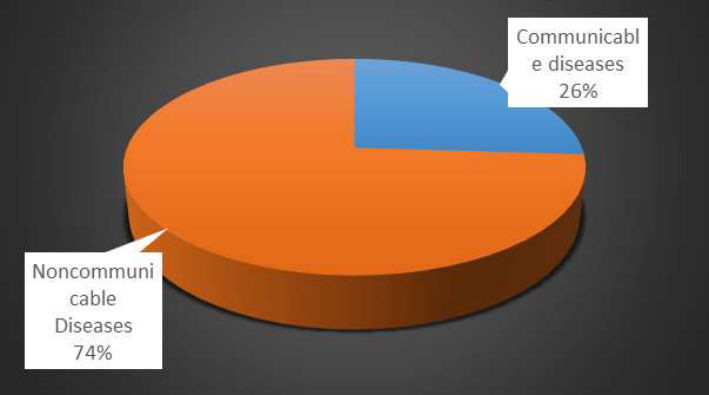 Figure 1
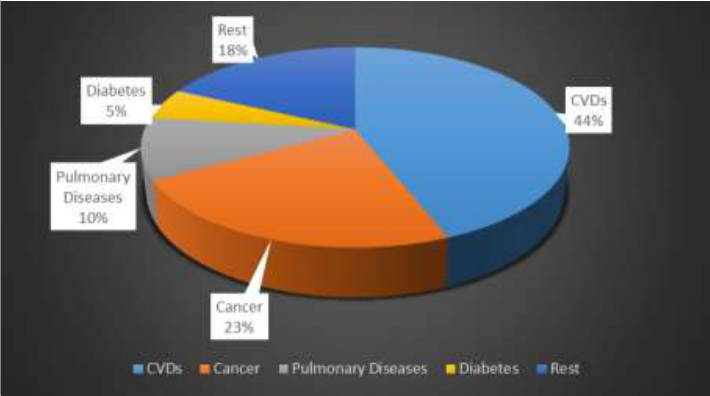 Figure 2
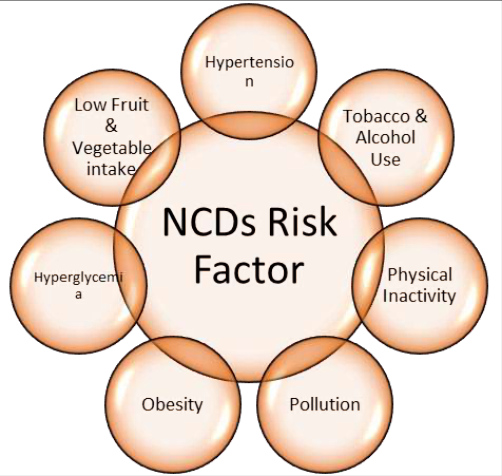 Figure 2
 Table 1
 Figure 3
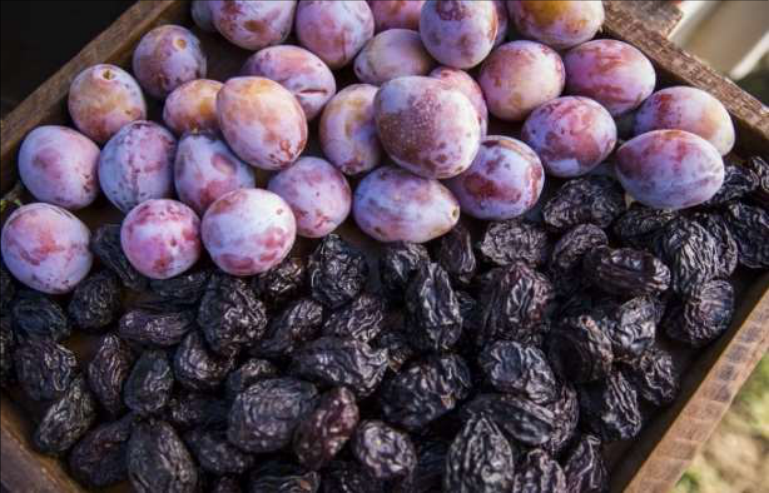 Figure 4
 Table 1
Introduction
There are many big health challenges for the people of India and worldwide i.e., Urbanization, A changing climate, Globalization, Mental health, Physical activity and Nutrition. Among them urbanization is one of the major issues that has a huge impact on health of people. Rapid urbanization has significant repercussions on the health of people. There are many factors of urbanization that cause the health risk to people of urban areas e.g. population, the natural and built environment, social and economic development and food security. In urban areas people are facing various potential health challenges in the aspect of chronic disease like poor housing, overpopulation, air pollution, inadequate water supply, poor sanitation and solid waste disposal etc. Some of the diseases that are faced by urban people are as follows Communicable diseases: Also known as Infectious diseases. For ex. HIV/AIDS, Tuberculosis, Pneumonia, Covid, Dengue and Diarrhea Non-communicable diseases: Heart disease, Stroke, Asthma, Cancer, Diabetes and COPD (chronic obstructive pulmonary disease).
People frequently look for specialized meals or vitamin supplements that are said to strengthen immunity during flu season or time of illness.
Citrus fruits, chicken soup, and tea with honey are a few examples of common foods that include vitamin C. The best way to prepare the body to fight with infection and disease is to consume a balanced diet rich in a variety of vitamins and minerals, together with healthy lifestyle choices like getting enough sleep, exercising regularly and reducing stress. A healthy immune system can be harmed by diets that are deficient in diversity and nutrients. It's also thought that diet heavy in sugar, fat and salt but light on fruits and vegetables can alter the balance of good intestinal bacteria, leading to persistent gut inflammation and the corresponding suppression of immunity. People who have HIV, TB, Malaria, and other infectious diseases are more likely to live longer and experience lower morbidity and mortality when they follow a healthy diet. People with these disorders can improve their quality of life, maximize the effects of their medications, and better control their symptoms by following a nutritious diet. According to survey there is a close link between diet and prevention of diseases. The people who consume more fruits and vegetables have a lower risk to get infected by any type of chronic diseases. Fruits are known as natural fighters as they have hidden healing power from various chronic diseases. A diet rich in fruits can lower B.P., reduce the risk of heart disease and stroke, prevent some type of cancer, lower risk of diabetes and digestive problems. The person who does not take these health boosting fruits in his diet, is more susceptible to get infected by diseases. Fruits are the source of many essential nutrients like vitamin K and C, dietary fibers, minerals and folate ( folic acid). These are low in fat, Sodium and calories. Fruits also contain health boosting antioxidants and Flavonoids. So, we can say that including more fruits in our diet is an excellent way to have sound health and also avoid the risk of diseases. Fruits contain a variety of health advantages that assist shield against conditions like diabetes, high blood pressure, heat stroke and cancer. They successfully combat skin conditions and encourage strong, wholesome hair development. To reap the greatest health advantages from fruits, it is usually advised to eat fresh and ripe.
Current Health Issues Prevalent in India
Although there are a lot of benefits in Urban living like, we find many facilities and opportunities of jobs and services in urban areas but simultaneously urban living also introduces new health risk and new hazards in human beings. In urban areas most of the health risks are faced by people who are living in slum areas or in poor hygienic conditions. These people also don't get enough nutrition due to lack of money. WHO estimates 74% global mortality due to NCD' s (Noncommunicable diseases) which are related to urban living. The health risk related to urban environment are physical inactivity and obesity, Cardiovascular and Pulmonary diseases, ischemic heart diseases, cancer and Asthma. These occur due to air pollution generated by transport and biomass energy use. Outdoor air pollution is alone responsible for millions of deaths annually, mainly due to NCD' s. In India a total of 50 lakh deaths were estimated from diseases like cancer, diabetes and heart problems in the year 2016. This is a matter of concern that the burden of NCD' s is rapidly increasing because of changing lifestyle and factors like pollution, intake of Tobacco, Unhealthy diet, Physical inactivity and harmful use of alcohols. Major metabolic risk factors are obesity, raised B.P., blood glucose and blood cholesterol levels. Cardiovascular diseases (coronary heart disease, Stroke and Hypertension) contribute to 44% of all NCD' s deaths followed by Cancer (23%) chronic respiratory disease (10%) and Diabetes (5%). In India cancer, diabetes and heart diseases alone accounts for 55% of the premature mortality in the age group of 30-69 years (WHO report 2022). Communicable diseases also related with unhealthy urban environment. These are Airborne diseases such as tuberculosis, Waterborne and Vector borne diseases such as Dengue, Malaria, Encephalitis, Kala-Azar due to poor waste management and unhygienic condition etc. It is a very big challenge to face infectious diseases. Every year huge number of Indians expire due to infectious diseases. T.B. is one of the most widespread infectious and communicable disease among Indians. Around 2.79 million individuals were diagnosed with TB in India in 2016. Concerns about resistant strains of TB are also growing in the country i.e., Multi drug resistant) remains a public health crisis and a health securely threat. Insect vector borne diseases are also a huge burden on the individual living in unhygienic condition. India was found to have the highest burden of malaria. Reason of this is unsanitary condition that creates breeding grounds for mosquitoes. Government has launched Clean India mission to carve out the malaria. The Asia Pacific Leaders Malaria Alliance (APLMA) claimed that India as well as the rest of the South East Asia region could eliminate malaria by 2030. Dengue fever is the world' s most rapidly spreading mosquito borne viral disease. Similarly, AIDS, Hepatitis, Measles, Zika virus, Pneumonia TB (MDR-TB and Nipah virus are also a worrisome prospect that are huge threat to life of People worldwide. Though India has shown considerable progress towards disease reduction for many years but the progress towards disease reduction is slow. A lack of financial investment by government also hurt the success of Indian medical system. According to a survey (National Institute of Nutrition), 2017 in urban areas people become unhealthy due to eating unhealthy food and doing less exercise. Inactivity and unhealthy diet are also seen in 10-12 yrs. kids. In this age more emphasis should be given to sports, physical activity and increased intake of fruits and vegetables and that is not seen in the children in urban areas. This is the reason of spreading the diseases hypertension, obesity and Diabetes in urban community. So, there is a need to aware the people about the hazards of junk processed food and educate them about the healthy lifestyle and eating habits.
Nutritional and Health benefits of Fruits 1. Grapes: Purple/White-The varying colors of grapes bring a spectrum of antioxidants protective power to these versatile fruits. The component of grape juice is reported to reduce the risk of cancer, stroke, heart disease and memory loss. Purple grapes contain Resveratrol, the potent cancer fighting antioxidant found in red wine and other grape products and making headlines around the world. Grape juice provides the benefits of:
Oranges:
The Oranges are the richest source of natural Vitamin C, which is also vital for the proper functioning of a healthy immune system, is good for preventing colds and preventing recurrent ear infections. Orange is known to have several health benefits and is among the most popular fruits around the world. Anti-oxidants in oranges help in protecting skin from free radical damage known to cause signs of aging. Fibersn in oranges help by keeping blood sugar levels under control. Oranges are safe for consumption and only in rare cases, people may have allergies after consuming this fruit. For people suffering from heartburn, consuming this citric fruit might make things worsen due to the presence of citric acid and ascorbic acid (vitamin C).
Conclusion
Fruits are an essential part of a healthy diet as they are parked with vitamins, minerals and antioxidants that are beneficial for our overall health. They are not only delicious but also provide us energy and help in boosting our immune system. Fruits contain a variety of health advantages that work as a shield against conditions like diabetes, high blood pressure, cancer and heart stroke. They successfully combat skin conditions and encourage strong, wholesome hair development. To reap the greatest health advantages from fruits, it is usually advised to eat fresh and ripe. So, we can say that nutritious and balanced diet rich in fruits is the basis of good health, happiness, and ideal growth and development.
Figures and tables from the paper
| Anti-aging | Anti-inflammatory |
|---|---|
| Arterial flexibility | Cardiovascular health |
| Inhibiting prostate cancer | Anti-bacterial/viral |
| Antioxidant | Brain, Skin, eye health |
| Gastric health |
Table text extracted from the original PDF; superscript letters are shown inline. The original table image is below.
View original table image
| Fighting infections | Boosting Bone density |
|---|---|
| Cardiovascular diseases | Reducing cholesterol |
| Preventing memory loss and Alzheimer’ s | Diabetes |
| Bowel cleansing, regularity | Liver cleansing |
| Reducing risk of estrogen dependent cancer | Diverticular disease |
Table text extracted from the original PDF; superscript letters are shown inline. The original table image is below.
View original table image
References
14 in the original paper- Healthy diet: World Health Organization; April 2020 https://www.who.int/news-room/factsheets/detail/healthy-diet
- Ask the expert: the role of diet and nutritional supplements during covid 19; c2020 https://www.hsph.harvard.edu/nutritionsource/2020/04/ 01/ask-the-expert-the-role-of-diet-and-nutritionalsupplements-during-covid-19/
- Wallace TC, Bailey RL, Blumberg JB, Burton-Freeman B, Chen CO, Crowe-White KM, et al. Fruits, vegetables, and health: A comprehensive narrative, umbrella review of the science and recommendations for enhanced public policy to improve intake. Critical Reviews in Food Science and Nutrition. 2020;60(13):2174-2211. DOI: 10.1080/10408398.2019.1632258.
- Wahl DR, Villinger K, König LM, et al. Healthy food choices are happy food choices: Evidence from a reallife sample using smartphone-based assessments. Scientific Reports. 2017;7:17069. DOI: 10.1038/s41598-017-17262-9.
- Wadyka S. Get the health benefits of fruits. Consumer Reports. 2018. Available from: https://www.consumerreports.org/fruitsvegetables/health-benefits-of-fruit/
- Perera T, Krishnarajah N. CareNet: A solution for noncommunicable disease prevention through the use of social marketing. 2023.
- Status of non-communicable diseases (NCDs) in India. PIB Delhi. 2022. Available from: https://www.pib.gov.in/PressReleaseIframePage.aspx?P RID=1796435.
- Sreeniwas Kumar A, Sinha N. Cardiovascular disease in India: A 360-degree overview. Medical Journal Armed Forces India. 2020;76(1):1-3. DOI: 10.1016/j.mjafi.2019.12.005.
- Nethan S, Sinha D, Mehrotra R. Non-communicable disease risk factors and their trends in India. Asian Pacific Journal of Cancer Prevention. 2017;18(7):20052010. DOI: 10.22034/APJCP.2017.18.7.2005.
- Slavin JL, Lloyd B. Health benefits of fruits and vegetables. Advances in Nutrition. 2012;3(4):506-516. DOI: 10.3945/an.112.002154.
- The Lancet Regional Health -Southeast Asia. 2022. Available from: https://www.thelancet.com/journals/lansea/article/PIIS2 772-3682(22)00149-4/fulltext. DOI: 10.1016/j.lansea.2022.100132.
- Joy E, Green R, Agrawal S, Aleksandrowicz L, Bowen L, Kinra S, et al. Dietary patterns and noncommunicable disease risk in Indian adults: Secondary analysis of Indian Migration Study data. Public Health Nutrition. 2017;20(11):1963-1972. DOI: 10.1017/S1368980017000416.
- Krishan B, Bathla S. Food and nutrition security under the public distribution system in Odisha. Agricultural Economics Research Review. 2019;32:159. DOI: 10.5958/0974-0279.2019.00029.6.
- Ohlhorst S, Russell R, Bier D, Klurfeld D, Li Z, Mein J, et al. Nutrition research to affect food and a healthy lifespan. Advances in Nutrition. 2013;4(6):579-584. DOI: 10.3945/an.113.004176.