
Research article · 2025 · Full text
International Journal of Agriculture and Food ScienceThe effect of Vitamin E and selenium on mastitis susceptibility in dairy cows: A mini review
Volume 7(2) · Pages 89–93 · DOI: 10.33545/2664844x.2025.v7.i2b.283 ↗
Research areasAnimal Diversity and Health StudiesSelenium in Biological SystemsMilk Quality and Mastitis in Dairy Cows
Abstract
Author-writtenMastitis, an inflammatory disease of the mammary gland, remains a major challenge in dairy farming due to its economic and animal welfare implications. Nutritional strategies, particularly supplementation with vitamin E and selenium (Se), have gained attention for their potential to enhance immune function and reduce mastitis susceptibility in cows. This review synthesizes current research on the roles of vitamin E and selenium in modulating oxidative stress, immune responses, and udder health. Evidence suggests that these micronutrients act synergistically to bolster antioxidant defenses, improve neutrophil function, and mitigate the incidence and severity of mastitis.
Summary
Source-checkedPlain-language reading of the full paper, prepared with AI and checked against the text. Each point links to the authors' own words.
Why it matters
- Mastitis is an inflammatory disease of the mammary gland that poses significant economic and animal welfare challenges in dairy farming. View evidence ↗
- The period around calving (periparturient period) is particularly risky for mastitis because cows experience oxidative stress and immunosuppression. View evidence ↗
- Oxidative stress during lactation and calving impairs the function of neutrophils, which are essential for defending against mastitis pathogens. View evidence ↗
The question
- The review examines whether supplementing dairy cows with vitamin E and selenium can enhance immune function and reduce susceptibility to mastitis. View evidence ↗
What they did
- The authors conducted a mini-review synthesizing existing research on how vitamin E and selenium modulate udder health, immune responses, and oxidative stress. View evidence ↗
What they found
- Selenium supplementation has been shown to enhance neutrophil activity by neutralizing reactive oxygen species (ROS) and reducing oxidative stress. View evidence ↗
- Vitamin E supports the fight against mastitis pathogens by improving neutrophil function, antibody production, and lymphocyte proliferation. View evidence ↗
- Combined supplementation of vitamin E and selenium was found to reduce the prevalence of mastitis by 25%. View evidence ↗
- Dietary vitamin E levels of 1000 IU/day were associated with decreased levels of inflammatory cytokines (IL-6 and TNF-α), protecting mastitic cows from tissue damage. View evidence ↗
- Prepartum supplementation with 2000 IU of Vitamin E and 20 mg of Selenium led to higher milk yield and significantly lower somatic cell counts (SCC) after calving. View evidence ↗
- A meta-analysis indicated that combined protocols of selenium and vitamin E can reduce the risk of mastitis by 40%. View evidence ↗
- Prepartum injectable selenium at a dose of 0.1 mg/kg improved the cure rates for cases of subclinical mastitis. View evidence ↗
- Organic selenium (Se-yeast) is more effective at reducing the severity of mastitis and is more bioavailable than inorganic selenium. View evidence ↗
What it means
- The authors conclude that combined supplementation of vitamin E and selenium is a promising strategy to improve dairy productivity and udder health by reducing mastitis susceptibility. View evidence ↗
- The authors state that further research is needed to determine the optimal ratios of selenium and vitamin E. View evidence ↗
- The authors warn that over-supplementation can lead to toxic effects, such as selenosis. View evidence ↗
Visual summary
1 visualsIllustrations explain the paper; they do not show study data.
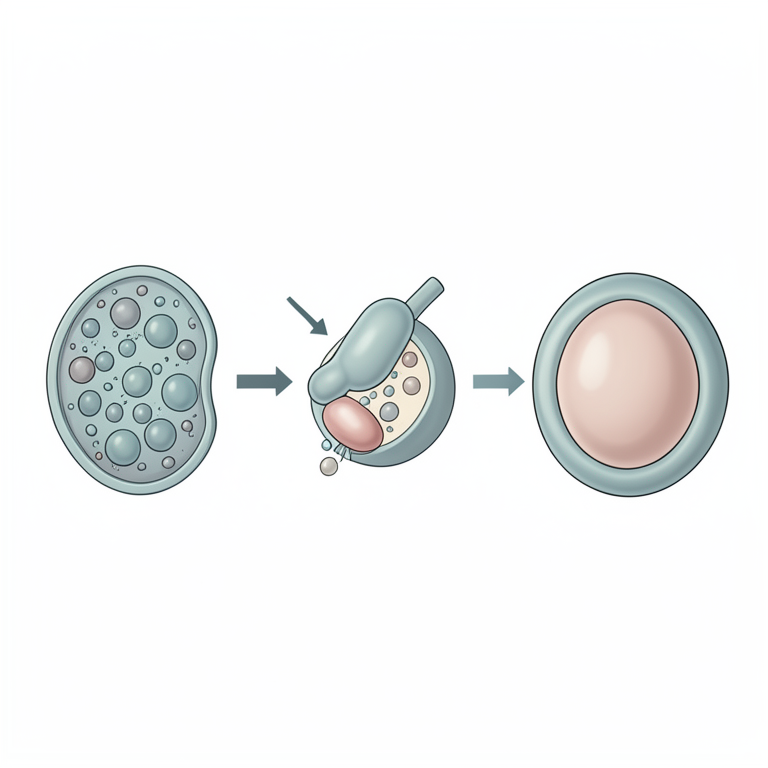
Synergistic Action of Vitamin E and Selenium
AI-generated conceptual illustration (dairy cow mammary gland cells and neutrophils). It explains the idea and does not show study data.
View source evidence ↗Figures & tables
From the original paper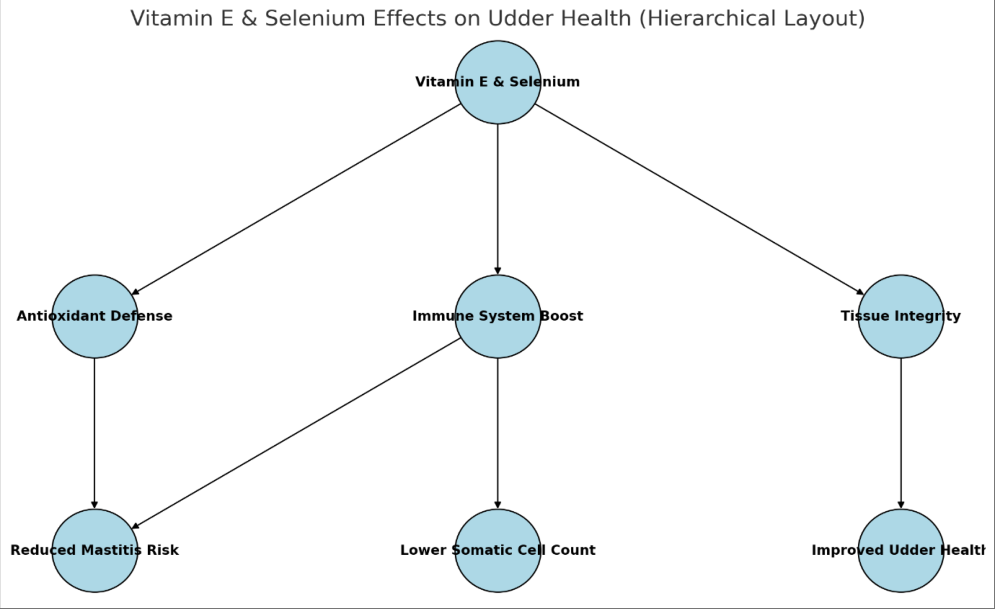 Figure 1
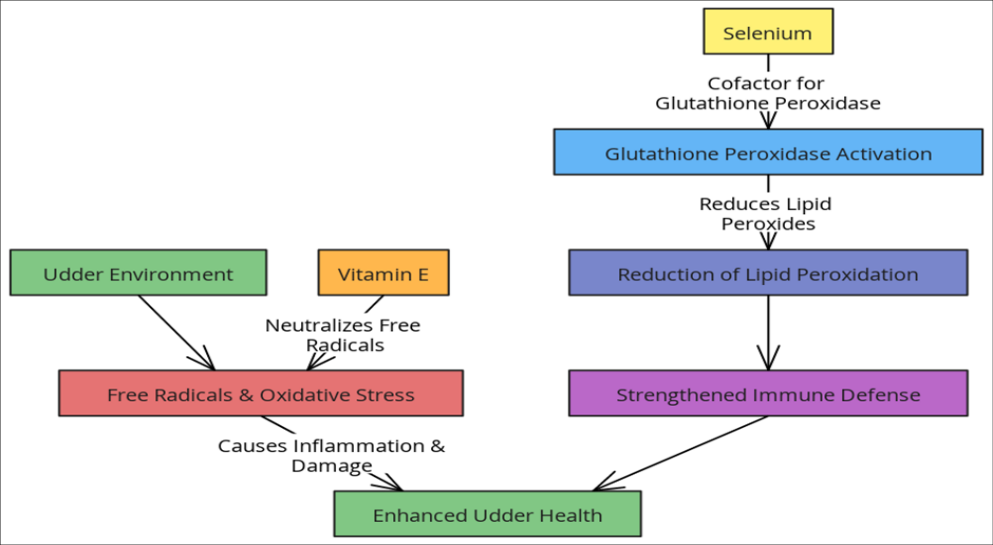 Figure 2
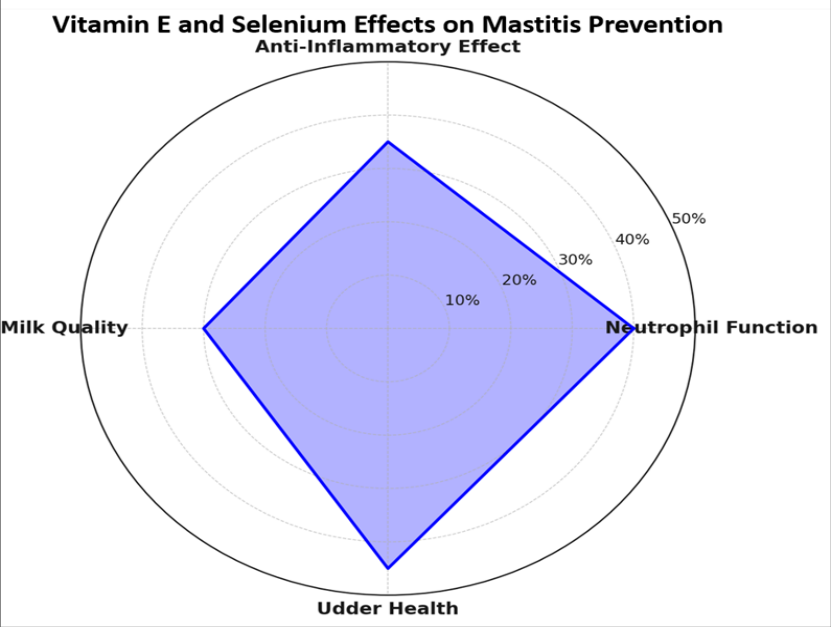 Figure 3
Introduction
Mastitis, primarily caused by bacterial pathogens such as Staphylococcus aureus, Streptococcus spp. and Escherichia coli, leads to reduced milk yield, elevated somatic cell counts (SCC), and economic losses in the dairy industry. The periparturient period (around calving) is a critical window of heightened mastitis risk due to immunosuppression and oxidative stress. Vitamin E, a lipid-soluble antioxidant, and selenium, a component of glutathione peroxidase (GPx), play pivotal roles in supporting immune function and reducing oxidative damage. Oxidative stress, characterized by an imbalance between reactive oxygen species (ROS) and antioxidants, is prevalent during lactation and calving. It impairs neutrophil function, a critical immune defense against mastitis pathogens. Research by Liu et al. (2020) [11] demonstrates that selenium supplementation reduces oxidative stress by neutralizing ROS, thereby enhancing neutrophil activity (Liu et al., 2020) [11] . Vitamin E prevents lipid peroxidation, preserving cellular integrity. Studies such as those by Mudroň & Rehage (2018) [13] reveal that vitamin E enhances lymphocyte proliferation, antibody production, and neutrophil function, crucial for combating mastitis pathogens (Mudroň & Rehage, 2018) [13] . Selenium's enzymatic role in GPx activity supports the neutralization of hydrogen peroxide and lipid peroxides. Research highlights its importance in promoting neutrophil bacterial killing, reducing inflammation, and enhancing udder health. Notably, Ferreira & Petzer (2019) [5] found selenium supplementation significantly reduced SCC in dairy cows. Recent studies, such as those by Vasil et al. (2022) [20] , emphasize the importance of targeted nutritional strategies during the transition period to mitigate mastitis susceptibility. Vitamin E and selenium work synergistically to enhance immune function and oxidative defense mechanisms, particularly in dairy animals. Vitamin E plays a crucial role in repairing oxidized lipids within cell membranes, preserving cellular integrity, while seleniumdependent enzymes such as glutathione peroxidase help neutralize reactive oxygen species (ROS), preventing oxidative stress (Figure 1). This combination has been shown to significantly reduce somatic cell count (SCC) and lower the prevalence of mastitis, contributing to improved udder health and milk quality. Additionally, it enhances neutrophil viability, which strengthens the immune response against infections and promotes better mammary tissue health, reducing inflammation and supporting overall lactation performance (Zhang et al., 2019) [24] . The combined antioxidant action of these nutrients is essential for maintaining cellular homeostasis and improving resistance to infections, highlighting their importance in livestock nutrition and health management.
Vitamin E & Selenium Synergy in Udder Health
Vitamin E and selenium play complementary roles in enhancing antioxidant defense, improving immune response, and maintaining tissue integrity in dairy cattle (Fig. 1). Vitamin E, a lipid-soluble antioxidant, protects mammary gland cells from oxidative stress by neutralizing free radicals, while selenium is an essential cofactor for glutathione peroxidase (GPx), which helps in the breakdown of harmful lipid peroxides (Figure 2). This dual action reduces oxidative stress and inflammation, preventing udder tissue damage and lowering the risk of mastitis (Vasil' et al., 2022) [20] . During lactation and calving, cows experience increased metabolic demands, leading to oxidative stress.
Reactive oxygen species (ROS) overwhelm antioxidant defenses, impairing neutrophil function the primary immune cells combating mastitis pathogens. Selenium supplementation boosts neutrophil activity, increasing the ability of immune cells to combat infections such as mastitis. A study found that selenium and vitamin E supplementation reduced the prevalence of mastitis by 25%, showing their role in immune modulation (Vasil' et al., 2022) [20] . Tissue Integrity and Udder Health: The combined supplementation of selenium and vitamin E improves mammary epithelial cell integrity, reducing somatic cell count (SCC) and enhancing milk quality (Netto et al., 2022) [16] .
Mechanisms of Action
The synergistic action of Vitamin E and Selenium is crucial for reducing mastitis prevalence, lowering SCC, and preserving udder health. Their combined effects enhance antioxidant defense, immune response, and tissue resilience, making them essential nutrients for dairy cattle productivity and well-being.
Vitamin E and Selenium play crucial roles in preventing mastitis by enhancing immune function and protecting mammary tissue integrity. These micronutrients improve neutrophil function, leading to enhanced chemotaxis, phagocytosis, and pathogen clearance, which are essential for controlling bacterial infections in the mammary gland (Hogan et al., 1993) [8] . Additionally, they contribute to reduced inflammation by lowering the production of prostaglandin E2 (PGE2), thereby minimizing tissue damage and promoting faster recovery from infections (Weiss et al., 1997) [22] . Another key mechanism is their role in mammary epithelial protection, where they help preserve tight junction proteins, reducing bacterial invasion and maintaining the integrity of the blood-milk barrier (Smith et al., 2004) [17] . These combined effects contribute to lower somatic cell counts and improved udder health, ultimately enhancing milk quality and production in dairy cows.
Current Research on the Use of Vitamin E and Selenium in Bovine Mastitis Prevention and Treatment
Bovine mastitis remains one of the most economically significant diseases in the dairy industry, and recent research continues to explore the role of Vitamin E and Selenium in its prevention and treatment. These micronutrients are wellknown for their antioxidant, immune-boosting, and antiinflammatory properties, which contribute to improved mammary gland health and reduced incidence of mastitis.
Role in Immune Function and Neutrophil Activity:
Recent studies highlight that adequate Vitamin E and Selenium supplementation enhances neutrophil function, improving chemotaxis, phagocytosis, and oxidative burst capacity, which are critical for bacterial clearance in the mammary gland (Alhussien & Dang, 2020) [1] . Research suggests that cows with optimal levels of these nutrients exhibit a faster immune response to mastitis-causing pathogens, leading to lower somatic cell counts (SCC) and reduced infection severity (Ceballos-Marquez et al., 2022) [3] .
Antioxidant and Anti-Inflammatory Effects: Vitamin
E and Selenium serve as antioxidants, reducing oxidative stress and lipid peroxidation in mammary epithelial cells. A study by Malbe et al. (2019) [12] found that higher dietary Vitamin E levels (1000 IU/day) led to decreased levels of inflammatory cytokines, such as TNF-α and IL-6, suggesting a protective role against tissue damage in mastitic cows. Selenium, particularly in the form of organic selenium (Se-yeast), has been found to be more bioavailable and effective in reducing mastitis severity compared to inorganic forms (Mudron et al., 2021) [14] . [9] demonstrated that prepartum supplementation with 20 mg of Selenium and 2000 IU of Vitamin E resulted in significantly lower SCC and higher milk yield post-calving, indicating long-term benefits in mastitis prevention (Figure 3).
Influence on Milk
Influence on Milk
Emerging Trends: Combination with Other
Nutrients and Probiotics: Modern research is now focusing on the synergistic effects of Vitamin E and Selenium with other nutrients, such as zinc, copper, and probiotics, to further enhance immune function and mastitis resistance. Some studies suggest that combining Vitamin E with probiotics like Lactobacillus spp. may provide additional protection against mastitis by promoting a healthier mammary micro biome (Ganda et al., 2022) [6] . Therefore, current research confirms that Vitamin E and Selenium supplementation significantly reduces mastitis incidence, enhances immune response, and improves udder health in dairy cows. Future studies continue to explore optimal dosing strategies, bioavailability of different Selenium forms, and combination approaches with probiotics and trace minerals to further optimize bovine mastitis prevention strategies.
Field Studies and Clinical Evidence
Vitamin E Supplementation: vitamin E supplementation had positive effects on the function of bovine neutrophils and milk quality in a commercial dairy herd found that Alpha-tocopherol supplementation of more than 3000 IU/day during the prepartum period can be important for the effective prevention of peripartum disease in high-yield dairy cows. Selenium Supplementation: For dairy cattle it can vary from 0.1 to 0.3 mg/kg DM (Vasil et al., 2017) [19] . Injectable selenium (0.1 mg/kg) prepartum improved cure rates in subclinical mastitis cases (Weiss, 2017) [22] . Combined Use: A meta-analysis by Sordillo (2018) [18] highlighted a 40% reduction in mastitis risk with combined vitamin E and selenium protocols.
Conclusion
Vitamin E and selenium are critical for mitigating oxidative stress and enhancing immune resilience in dairy cows, thereby reducing mastitis susceptibility. Their combined supplementation offers a promising strategy for improving udder health and dairy productivity. While evidence supports their combined use, tailored strategies based on herd-specific conditions are essential. Future research should explore interactions with other nutrients (e.g., zinc, beta-carotene) and long-term impacts on udder health.
References
24 in the original paper- Alhussien MN, Dang AK. Interaction between stress and immune system in dairy cows: Effects on production and mastitis. J Anim Sci Biotechnol. 2020;11(1):113-129.
- Ali R, Fazili MR, Ganie AA, Hamadani H, Parrah J, Haq S, et al. Effect of pre-partum supplementation of vitamin E and selenium on post-partum reproductive and productive performance in dairy cows. Asian J Dairy Food Res, 2022.
- Marquez CA, et al. Effects of vitamin E and selenium supplementation on immune response and mastitis resistance in dairy cows. Anim Nutr. 2022;8(3):75-83.
- Chen YH, Chen YM, Tu PA, Lee KH, Chen JY, Hsu J. Effect of supplementing vitamin E, selenium, copper, zinc, and manganese during the transition period on dairy cow reproductive performance and immune function. Vet Sci. 2023.
- Ferreira GM, Petzer I. Injectable organic and inorganic selenium in dairy cows, Effects on milk, blood, and somatic cell count levels. Onderstepoort J Vet Res, 2019.
- Ganda E, et al. Role of vitamin E, selenium, and probiotics in controlling bovine mastitis. Front Vet Sci. 2022;9:896732.
- Haga S, Ishizaki H, Roh S. The physiological roles of vitamin E and hypovitaminosis E in the transition period of high-yielding dairy cows. Animals (Basel). 2021;11(4):1088. DOI: 10.3390/ani11041088.
- Hogan JS, Weiss WP, Todhunter DA. Effects of an intramammary challenge with Escherichia coli on lactoferrin concentrations in milk. J Dairy Sci. 1993;76(5):1432-1439.
- Hussein HA, et al. Effects of periparturient vitamin E and selenium supplementation on udder health and milk yield. J Dairy Sci. 2023;106(5):3452-3465.
- Koujalagi S, Chhabra S, Randhawa S, Singh R, Gupta D. Effect of herbal vitamin E and organic selenium complex supplementation on oxidative stress, milk quality, and somatic cell count in transition dairy cows. J Entomol Zool Stud. 2020;8:660-665.
- Liu K, Ding T, Fang L, Cui L, Meng X, Zhu G, et al. Organic selenium ameliorates Staphylococcus aureusinduced mastitis in rats by inhibiting the activation of NF-κB and MAPK signaling pathways. Front Vet Sci, 2020, p. 7. International Journal of Agriculture and Food Science https://www.agriculturaljournals.com
- Malbe M, et al. Antioxidant and anti-inflammatory role of vitamin E in bovine mastitis. Vet Res Commun. 2019;43(2):95-107.
- Mudroň P, Rehage J. Effects of vitamin E and selenium supplementation on blood lipid peroxidation and cortisol concentration in dairy cows undergoing omentopexy. J Anim Physiol Anim Nutr (Berl). 2018;102:837-842.
- Mudron P, et al. Bioavailability and efficacy of different selenium sources in dairy cows. Anim Feed Sci Technol. 2021;274:114887.
- National Research Council (NRC). Nutrient requirements of dairy cattle, 2001.
- Netto AS, Salles M, Júnior RLC, Cozzolino S, Gonçalves MTM, Júnior FJEF, et al. Increasing selenium and vitamin E in dairy cow milk improves the quality of the milk as food for children. Nutrients, 2019, p. 11.
- Smith KL, Hogan JS, Weiss WP. Dietary vitamin E and selenium supplementation effects on milk quality and mastitis incidence. Vet Res. 2004;35(2):101-116.
- Sordillo LM. Animal Health Research Reviews. 2018;19(2):148-158.
- Vasil M, Zigo F, Elečko J, Zigová M, Farkašová Z. Effect of peroral supplementation with selenium and vitamin E during late pregnancy on udder health and milk quality in dairy cows. Potravinarstvo Slovak J Food Sci. 2017;11:535-538. DOI: 10.5219/766.
- Vasil' M, Zigo F, Farkasová Z, Kiełb PE, Bujok J, Illek J. Comparison of effect of parenteral and oral supplementation of selenium and vitamin E on selected antioxidant parameters and udder health of dairy cows. Pol J Vet Sci. 2022;25:155-164.
- Weiss WP. Vet Immunol Immunopathol. 2017;188:4551.
- Weiss WP, Hogan JS, Smith KL. The relationship between selenium and vitamin E status and per parturient disease in dairy cows. J Dairy Sci. 1997;80(7):1727-1733.
- Xiao J, Khan M, Ma Y, Alugongo G, Ma J, Chen T, et al. The antioxidant properties of selenium and vitamin E; their role in periparturient dairy cattle health regulation. Antioxidants (Basel), 2021, p. 10.
- Zhang Z, Guo Y, Li C, Qiu C, Guo M. Selenium influences mmu-miR-155 to inhibit inflammation in Staphylococcus aureus-induced mastitis in mice. Food Funct, 2019.
Cited by 1
From OpenAlex, OpenCitations and reference lists read by Scinovex
- Selenitetriglyceride-Induced Modulation of Selected Cellular and Humoral Immune Parameters in Kamieniecka Sheep ↗
Bartosz Orzechowski, Jan Miciński, Katarzyna Ząbek, Grzegorz Zwierzchowski, Roman Wójcik · Animals · 2025
With the aim to investigate the immunomodulatory potential of selenitetriglycerides (SeTG), a new lipophilic Se (IV) compound, 30 sheep (15 sheep/treatment) were used in a completely random design to receive the SeGT supplement as follows: (1) no SeGT supplement (Control) and (2) daily dosage of 2 mL of SeGT (equivalent to 1 mg Se/kg BW) during the first 7 days…
❝ 0PDF