
Research article · 2025 · Full text
International Journal of Agriculture and Food ScienceClimates influence on the resilient neem plant
Volume 7(1) · Pages 38–42 · DOI: 10.33545/2664844x.2025.v7.i1a.236 ↗
Research areasAgricultural pest management studiesInsect Pest Control StrategiesAgricultural Practices and Plant Genetics
Abstract
Author-writtenClimate variability, particularly extreme cold and sudden temperature drops, has stressed neem trees (Azadirachta indica). These trees are sensitive to frost and prolonged cold, which limits photosynthesis, reducing chlorophyll production. This leads to leaf discoloration, damage, or death of tree parts. In January and February, temperatures dropped consistently below 6°C for extended periods (IMD Chandigarh), with fewer sunny days and severe cold waves, hindering sugar production and causing dehydration in plants. Research shows that air temperature and soil moisture are key factors in regulating stem growth and carbon capture, essential for healthy growth (Clark & Clark, 1994; Banbury et al., 2021). Younger and healthier neem trees are more resilient to cold stress, while older or weakened trees are more vulnerable. Insufficient winter rainfall worsened the drying of trees. Data from Talwandi Sabo, Bathinda, Mansa, Sirsa, Sri Ganganagar, and Hanumanghar confirmed that younger trees had better survival rates compared to older ones. Research indicates that neem trees subjected to winter pruning showed enhanced growth, with 100% of pruned trees in open areas and near buildings showing improvement. Trees near buildings or taller trees, which offered shelter from harsh conditions, were less affected by cold stress. Recovery rates were high, with 84% of trees surviving winter stress. To protect neem trees from cold stress, practices such as mulching, proper watering, pruning, microclimate management, and the use of anti-desiccant sprays can improve resilience, mitigate climate impacts, and ensure long-term vitality.
Summary
Source-checkedPlain-language reading of the full paper, prepared with AI and checked against the text. Each point links to the authors' own words.
Why it matters
- The neem tree (Azadirachta indica) is native to the Indian subcontinent and is highly valued for its rapid growth and diverse economic applications. View evidence ↗
- While neem trees can withstand summer heat up to 50 °C, they are sensitive to frost and temperatures below 4 °C, which can cause leaf loss or death. View evidence ↗
- Climate variability, specifically sudden temperature drops and extreme cold, stresses neem trees by limiting photosynthesis and reducing chlorophyll production. View evidence ↗
The question
- The study aims to evaluate how various management practices and environmental factors influence the resilience of neem trees against cold stress. View evidence ↗
What they did
- Data was collected from several locations, including Talwandi Sabo, Bathinda, Mansa, Sirsa, Sri Ganganagar, and Hanumanghar. View evidence ↗
- The researchers compared the growth of neem plants that were pruned at the start of winter against those that were left unpruned. View evidence ↗
What they found
- Winter pruning led to enhanced growth in 100% of treated plants, compared to 84% in open areas and 90% near buildings for unpruned plants. View evidence ↗
- Trees sheltered by buildings or taller trees were less affected by cold stress (90%) than those in open areas (84%). View evidence ↗
- The overall recovery rate for neem trees following severe winter stress was 84%. View evidence ↗
- Younger neem trees showed significantly higher resilience, with 96% remaining unaffected by low temperatures. View evidence ↗
- Insufficient water availability during the winter period contributed to the desiccation of neem trees. View evidence ↗
What it means
- The authors conclude that tree age, temperature, and cultural management practices are the primary factors determining a neem tree's susceptibility to cold stress. View evidence ↗
- The authors recommend mulching, proper irrigation, pruning, microclimate management, and anti-desiccant sprays to improve the resilience and vitality of neem trees. View evidence ↗
Visual summary
1 visualsIllustrations explain the paper; they do not show study data.
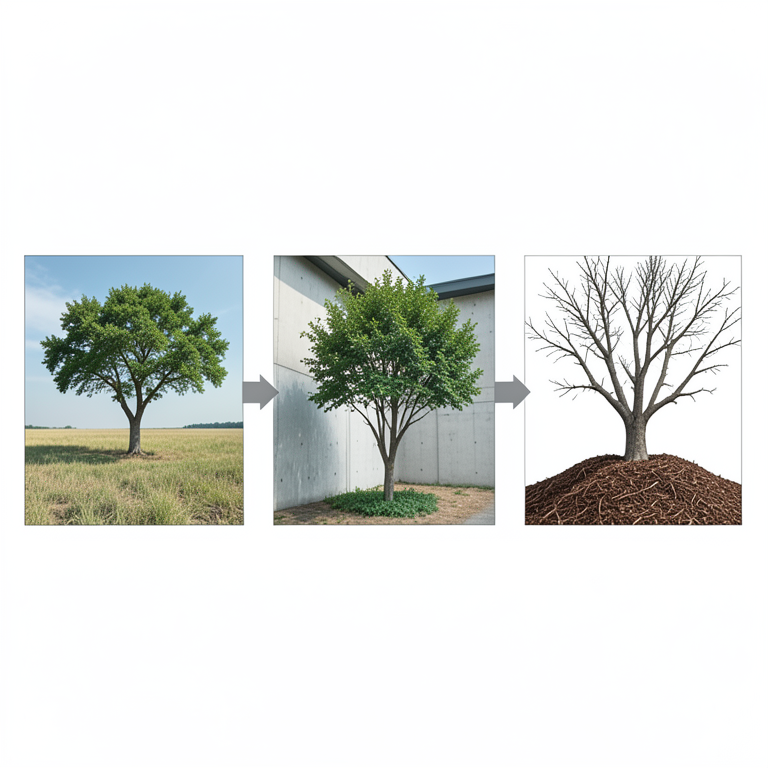
Neem Resilience Factors
AI-generated conceptual illustration (Neem trees (Azadirachta indica)). It explains the idea and does not show study data.
View source evidence ↗Figures & tables
From the original paper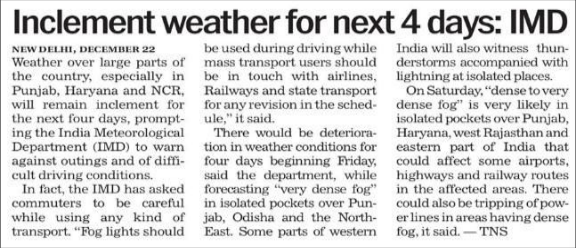 Figure 1
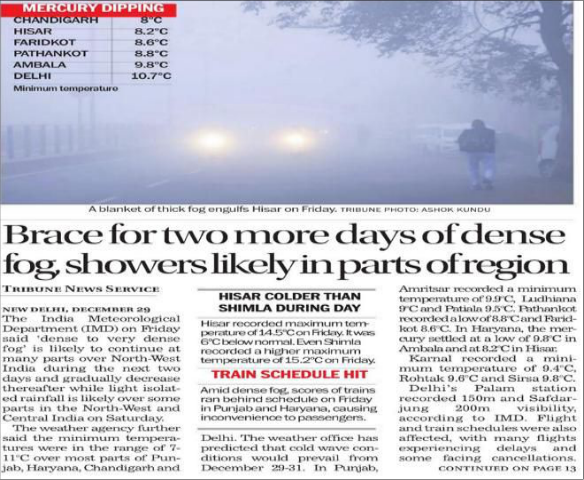 Figure 2
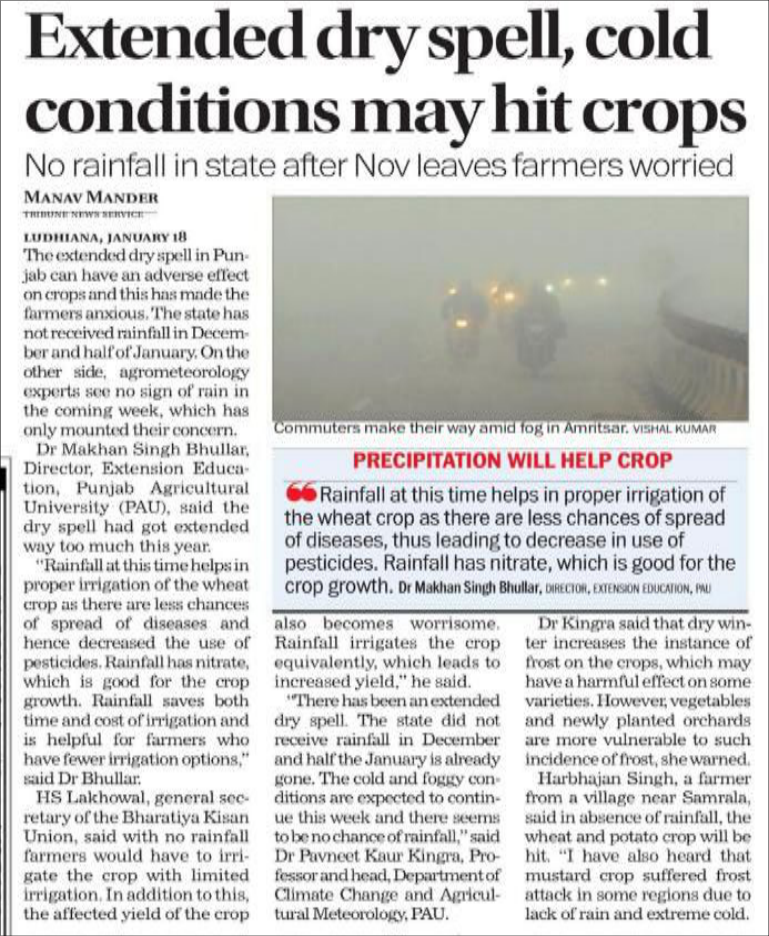 Figure 3
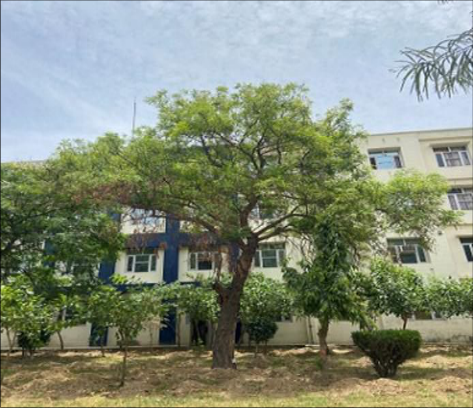 Figure 4
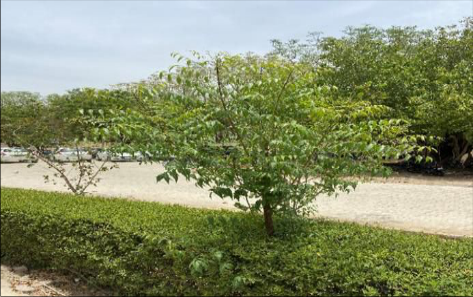 Figure 5
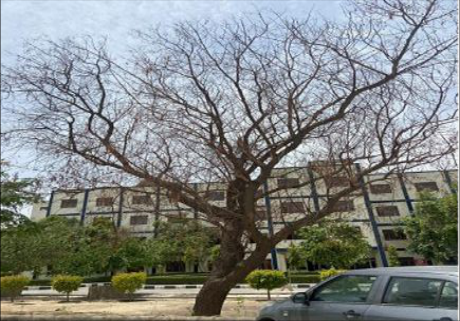 Figure 6
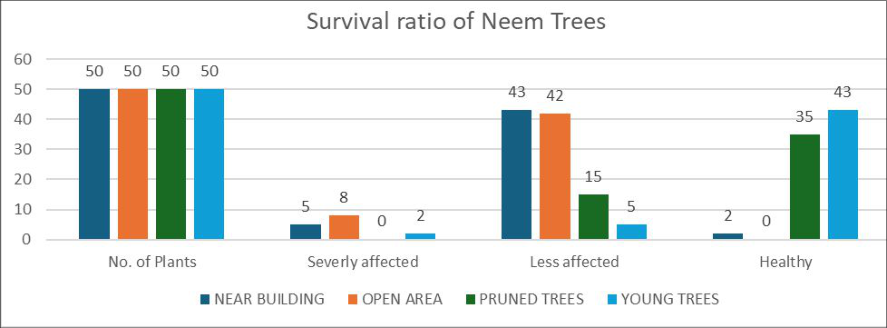 Figure 7
Introduction
Neem (Azadirachta indica A. Juss.) is an indigenous tree to the Indian subcontinent and characterised by its rapid growth, significant economic worth, and wide range of applications. More than 50% of the world's countries already have neem trees growing there, and the number of neem trees worldwide is steadily rising. Neem is a multipurpose tree, also known as "wonder tree" due to its numerous uses, which have been recognised in India since the Vedic period. Neem trees has showed potential as a natural source of insecticides, pesticides, and agrochemicals, making it valuable in a variety of industries in addition to its therapeutic effects. The neem tree, also referred to as 'Indian lilacs,' is notable for its rapid growth, reaching heights of up to 25 metres and living for more than 200 years (Ragit et al., 2011) [4] . Neem is adapted to subarid and subhumid areas with tropical and subtropical climates at altitudes between sea level and 700 m. Mean annual temperatures within its natural range are typically 21-32 ˚C (preferred temperature range of around 9.5-37 ˚C) (Stoney 1997) [7] . Neem can tolerate high summer temperatures (up to 50 ˚C) but does not tolerate frost or temperatures below 4 ˚C (leaf fall and death may result). Neem grows best in areas where annual rainfall is 450-1200 mm (with optimum growth where annual rainfall is around 1100 mm), but can tolerate annual rainfall as low as 150 mm if its roots can access ground water within 9-12 m of the ground surface (Stoney 1997) [7] . Once established, it is very drought tolerant and can survive 7-8 month dry seasons. In many villages and forest protected areas, the trees are still dry. Normally, the leaves of trees turn yellow during peak winter months and then gradually begin to fall, but at the same time, new shoots start to emerge. However, during extreme winter days, the neem trees was still drying. Drying of neems was a cause of worry for the wildlife experts too, who said that many wild animals depend on neem leaves and their twigs to remain healthy in the foothills and also inside the birs. "Not only monkeys, but also the birds depend on neem trees for health benefits, (Jaskaran Sandhu, a former member of Punjab State Board for Wildlife). "Dry trees always attract disease and fungus and it has infected neem trees of all sizes and ages. Apart from fruit rot, it causes twig blight in neem which means that fruit production falls drastically affecting birds, animals and rural communities who are economically dependent on neem seed," (Sandhu). The drying up of twigs and leaves of neem trees has become a familiar sight in many parts of Punjab, Haryana and Rajasthan over the last 3 months. Ironically, neem that has become synonymous with providing good health to other trees, animals and people through its twigs, leaves, flowers, bark, seeds and fruits, has been dying across the state. The experts of agriculture said that the neem already is a pesticide but, now itself a victim of pest and fungus due to the drying of leaves since the past 3 months.
Impact of climate on neem
Unusual weather patterns, such as extreme cold or sudden temperature drops, might have stressed the neem trees. Neem trees are sensitive to frost and prolonged cold conditions, which can cause reduction in Photosynthesis that depend on sunlight can be a big factor, this change leads to the reduction of chlorophyll and changes the overall colour of the leaf, which may damage or death to parts of the tree. This is noted that the temperature range in the months of January to February was recorded less than 6 0 C for the prolonged period (IMD Chandigarh). The sunny days also was very less and severe cold waves were noticed, so, that the plants can't prepare sugars due to less photosynthesis and ultimately turned dry. Multiple studies have identified that air temperature and soil humidity significantly regulate the stem growth rate (Clark, D.A.; Clark, D.B, 1994) [3] . Each species is considered to have a range of temperature and water availability for optimal growth, in which photosynthetic processes allow for sufficient carbon (C) capture to cover the maintenance and growth activities of the individual, which is reflected in an increase in secondary growth (Banbury Morgan, et al., 2021) [1] . Additionally, marginal resistance ranges are available, where the individual regulates photosynthesis and respiration; i.e., growth is suspended and the focus is on surviving (Brüggemann, N., 2011) [2] . If environmental conditions exceed resistance ranges, the individual will not survive. That we recorded data from the areas of Talwandi Sabo, Bathinda, Mansa, Sirsa, Sri Ganganagar and Hanumanghar and found that the younger and stronger neem trees have survived the attack. Older or previously weakened neem trees is more susceptible to adverse conditions and less likely to recover. Healthier trees are more resilient and capable of regrowth; this is notices from the data recorded. It is also noticed that the insufficient water during winter caused neem trees to dry out. This Winter period was of reduced rainfall and if the trees did not receive adequate water, they might have desiccated. Based on the available data, it was further observed that younger neem trees exhibited better health and resilience against cold stress (Figure 5). The 96% younger plants remained unaffected by the adverse effects of low temperatures compared to their older counterparts. This finding suggests that age plays a significant role in the susceptibility of neem trees to cold stress, with younger specimens displaying greater vitality and resistance to environmental challenges. Recovery rate of affected plants Analysis of the data revealed that 84% of neem trees successfully recovered from severe winter stress, demonstrating resilience in adverse conditions (Figure 7). However, the remaining 16% succumbed to the harsh weather and were either attacked by termites (Figure 6). This indicates a significant survival rate among neem trees despite the challenges posed by severe winter conditions. Strategies to protect neem plant from severe cold stress By employing these techniques, neem trees can recover more effectively from winter stress and resume healthy growth:
Mulching: Apply a thick layer of organic mulch around the base of the neem tree. Mulch helps to insulate the roots, retaining soil warmth and moisture. Ensure the mulch is kept a few inches away from the trunk to prevent rot. The impact of mulching on the growth of neem plants is significant. Mulching helps conserve soil moisture, suppress weeds, and regulate soil temperature, creating optimal conditions for neem tree growth. By reducing evaporation and erosion, mulching promotes root development and nutrient absorption, leading to healthier and more robust neem trees. Additionally, mulch acts as a natural fertilizer as it decomposes, enriching the soil with essential nutrients. Overall, the practice of mulching positively influences neem plant growth by providing a conducive environment for their development, ultimately contributing to better yields and overall plant health.
Watering: Ensure adequate watering before the onset of winter. Well-hydrated trees are better equipped to handle cold stress. Water deeply during dry periods in winter if the ground is not frozen. Irrigating neem trees during winter is crucial for their health. In winter, plants tend to receive less natural moisture, making irrigation essential to prevent water stress. Adequate watering during winter ensures that neem trees stay hydrated and healthy, promoting root development and overall growth. However, it's important to avoid overwatering, as cold temperatures can slow down the absorption of water by the roots. Proper irrigation during winter helps neem trees survive the season, maintain their vitality, and prepares them for healthy growth when spring arrives.
Pruning: Properly prune the neem tree to remove any dead or weak branches, which can reduce the overall stress on the tree and improve its resilience. Pruning plays a crucial role in enhancing the growth and health of neem plants. When done correctly, pruning helps maintain the plant's shape, removes dead or diseased branches, and stimulates new growth. By pruning, you can improve air circulation and sunlight penetration within the plant, promoting overall vigor and reducing the risk of pests and diseases. Additionally, pruning can encourage the production of more flowers and fruits in neem trees. Regular pruning not only keeps the neem plant aesthetically pleasing but also contributes to its overall well-being and productivity.
Fertilization: Apply a balanced fertilizer in the fall to provide the tree with essential nutrients before winter. Anti-Desiccant Sprays: Use anti-desiccant sprays to coat the leaves and reduce water loss through transpiration. This is particularly useful for evergreen neem trees that retain their leaves through winter. Anti-desiccant sprays can benefit neem tree growth by forming a protective layer on the leaves, reducing moisture loss through transpiration. These sprays are especially useful during dry or windy conditions when water loss from the leaves is high. By minimizing moisture loss, anti-desiccant sprays help neem trees retain hydration, promoting healthier foliage and overall plant vitality. Additionally, these sprays can protect the leaves from harsh environmental conditions, such as extreme temperatures or drought, thus supporting neem trees in maintaining their health and vigor. Regular application of anti-desiccant sprays can contribute to improved growth and resilience in neem plants.
Conclusion
It is concluded that the age, cultural practices and temperature plays a significant role in the susceptibility of neem trees to cold stress. However, the other 85 per cent of the trees are slowly getting back to normal and with good sunny days and start of rain in the month of June and July and back to normal state.
Acknowledgement
AcknowledgmentThe authors are highly thankful to the Dr. Jora Singh Brar for their guidance and support in the collection of data and writing of this article.
Figures and tables from the paper
References
7 in the original paper- Banbury Morgan R, Herrmann V, Kunert N, BondLamberty B, Muller-Landau HC, Anderson-Teixeira KJ. Global patterns of forest autotrophic carbon fluxes. Glob Chang Biol. 2021;27:2840-2855.
- Brüggemann N, Gessler A, Kayler Z, Keel SG, Badeck F, Barthel M, et al. Carbon allocation and carbon isotope fluxes in the plant-soil-atmosphere continuum: A review. Biogeosciences. 2011;8:3457-3489.
- Clark DA, Clark DB. Climate-induced annual variation in canopy tree growth in a Costa Rican tropical rain forest. J Ecol. 1994;82:865-872.
- Ragit SS, Mohapatra SK, Kundu K, Gill P. Optimization of neem methyl ester from transesterification process and fuel characterization as a diesel substitute. Biomass Bioenergy. 2011;35(3):11381144. https://doi.org/10.1016/j.biombioe.2010.12.004
- IMD Chandigarh. 2024. Available from: https://mausam.imd.gov.in/chandigarh/
- Sandhu J. Experts blame climate change for drying neem trees in Punjab. The Tribune. 2024. Available from: https://www.tribuneindia.com/news/patiala/expertsblame-climate-change-for-drying-neem-trees-in-punjab609162
- Stoney C. Fact sheet on Azadirachta indica (neem)-a versatile tree for the tropics and subtropics. Forest, Farm, and Community Tree Network (FACT Net), Arkansas, United States, 1997. Available from: www.winrock.org/forestry/factnet.htm