
Research article · 2024 · Full text
International Journal of Biology SciencesArticle review: The relationship between genetic polymorphisms and in vitro fertilization in women (IVF)
Volume 6(2) · Pages 247–253 · DOI: 10.33545/26649926.2024.v6.i2d.261 ↗
Research areasAgriculture and Biological Studies
Abstract
Author-writtenWhile infertility is a global problem that affects millions, in vitro Fertilization (IVF) provides hope for many. Despite technology-driven advancements in IVF, its success rates are still, to some extent, erratic due to a lack of profound knowledge about biological variables regulating fertility dynamics. Recent scientific findings focused on genetics, especially genetic polymorphisms, have underlined the great importance of being able to forecast IVF outcomes. In this literature review, the relationship between genetic predisposition in female infertility via case-control studies applying Single Nucleotide Polymorphism (SNP) analysis of ovarian reserve genes that control ovary tissue, plus hormone regulation and embryo cleavage, was reviewed. Chromosomal anomalies, including genetic disorders (e.g., Turner syndrome), are also reviewed with respect to their effects on IVF clinical outcomes due to their implications for implantation and miscarriage rates. This review highlights the promise of genetic screening in giving rise to personalized treatment options in reproductive medicine through a survey of studies on gene mutations and chromosomal aberrations. The observation implies that adding genetic profiling to routine IVF programs might increase the chance of success, helping personalized reproductive care.
Summary
Source-checkedPlain-language reading of the full paper, prepared with AI and checked against the text. Each point links to the authors' own words.
Why it matters
- Infertility is a widespread global issue affecting millions of people, making in vitro fertilization (IVF) a critical source of hope. View evidence ↗
- IVF success rates remain inconsistent because the biological variables that regulate fertility dynamics are not yet fully understood. View evidence ↗
- Recent research suggests that genetic polymorphisms are highly important for predicting the outcomes of IVF treatments. View evidence ↗
The question
- The review aims to examine how genetic predispositions, specifically Single Nucleotide Polymorphisms (SNPs) in genes controlling ovarian reserve, hormone regulation, and embryo cleavage, relate to female infertility. View evidence ↗
- The authors also seek to review the impact of chromosomal anomalies and genetic disorders, such as Turner syndrome, on implantation and miscarriage rates during IVF. View evidence ↗
What they did
- The authors conducted a literature review focusing on case-control studies that utilized Single Nucleotide Polymorphism (SNP) analysis. View evidence ↗
- The study methodology involved surveying existing research on gene mutations and chromosomal aberrations to evaluate the potential for personalized reproductive medicine. View evidence ↗
What they found
- The FSHR Asn680Ser genetic variant is associated with a reduced response to gonadotropin therapy during IVF ovulation induction. View evidence ↗
- Polymorphisms in the ESR1 gene, specifically XbaI and PvuII, are linked to changes in endometrial receptivity, which may affect pregnancy outcomes and implantation rates. View evidence ↗
- The -482A>G mutation in the AMHR2 gene reduces anti-Müllerian hormone (AMH) levels, leading to decreased ovarian responsiveness to stimulation. View evidence ↗
- The MTHFR C677T variant is associated with an increased rate of implantation failure and embryonic chromosomal abnormalities. View evidence ↗
- High-level chromosomal mosaicism in embryos is linked to higher miscarriage rates and lower implantation, whereas low-level mosaic embryos show implantation rates similar to normal (euploid) embryos. View evidence ↗
- Women with Turner syndrome typically experience ovarian dysgenesis, resulting in either a severely diminished ovarian reserve or a complete lack of functional ovarian tissue. View evidence ↗
- Embryos with high levels of mitochondrial DNA (mtDNA) mutations are more likely to experience developmental halt and have lower implantation rates. View evidence ↗
- Mutations in the HLA-G gene can lower embryo implantation rates by affecting the mother's immunological response and the control of Natural Killer (NK) cells. View evidence ↗
What it means
- The authors conclude that integrating genetic profiling into routine IVF programs could improve success rates and enable personalized reproductive care. View evidence ↗
- The authors recommend that future research focus on clarifying the genetic causes of infertility and exploring the use of advanced genetic technologies in IVF. View evidence ↗
Visual summary
1 visualsIllustrations explain the paper; they do not show study data.
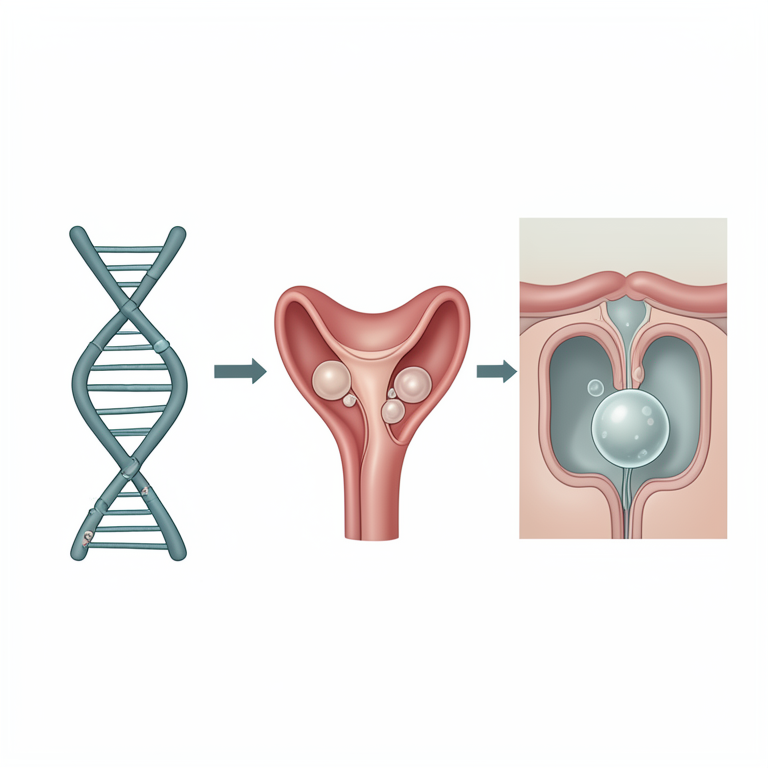
Genetic Factors in IVF
AI-generated conceptual illustration (human female reproductive system and embryos). It explains the idea and does not show study data.
View source evidence ↗Introduction
In vitro Fertilization (IVF) is a common kind of Assisted Reproductive Technology (ART). IVF has come a long way since successfully using it for the first time in 1978 and offers hope to couples all over the world who are struggling with fertility when other treatments have failed (Zhao et al., 2011) [1] . It consists of the removal of oocytes from a woman's ovaries, fertilization with sperm in vitro, and the transfer of an embryo to the uterus once it is formed. Nevertheless, despite these technological and scientific advances, there is wide variability in the success rate of IVF that can be influenced by multiple factors, including biological, environmental and genetic aspects (Iketubosin, 2018) [2] . Since then, the importance of genetics as a key player in fertility and IVF success has been implicated to an increasing extent. It has been suggested that the inheritance of specific genes or genetic variations of Single Nucleotide Polymorphisms (SNPs) may influence different types of reproductive processes such as ovarian response, oocyte and embryo production to quality issues, and implantation stage, but not necessarily disorders with major effects (Tahmasbpour et al., 2014) [4] . The interaction between genetics and IVF results has given rise to a saturated branch of research that seeks exactly what molecular constituents could serve as reliable prognosis markers or siblings-preparation tools for achieving in vitro Fertilization (IVF) treatment success rates (Karimian et al., 2021) [3] . Significant knowledge provides valuable insights into how various genetic-related factors interact to impact IVF and sheds light on the intricate biological pathways underlying reproductive success. Each of these genes contributes a distinct step along this path, from ovarian function to hormonal regulation. As an example, polymorphisms in both Follicle-Stimulating Hormone Receptor (FSHR) and anti-Müllerian hormone receptors have been linked to variability of ovarian reserve and response to hormonal stimulation during IVF cycles (Persani et al., 2014) [6] . However, advances in genetic research are paving the way for personalized medicine applications in reproductive health, that may adapt treatments to unique genetic profiles of patients, enhancing outcomes (De Pascali et al., 2018) [5] . Besides gene polymorphisms, chromosomal abnormalities are another genetic factor that could largely influence the success rate of in vitro Fertilization (IVF). It is well accepted that women carrying a chromosomal abnormality, such as a reciprocal translocation or chromosomal mosaicism are at greater risk of implantation failure or miscarriage (Viotti, 2020) [7] . This has been shown by studies using preimplantation genetic testing for aneuploidies (PGT-A), which demonstrate that the identification of chromosomal variation before embryo transfer can increase IVF success rates through selection of embryos with a normal chromosomal complement (Harris et al., 2021) [8] .
Literature review The role of genetic background in female infertility
Because genes control ovarian mechanisms, hormone production, and embryo development, the genetic background is an important determinant of a person's fertility. Several genetic traits are inherited, and they impact fertility where some gene variants contribute to follicle maturation, hormone secretion and, in general, reproductive cyclical attaint (Chen et al., 2023) [9] . An example is mutations affecting genes controlling ovarian reserve, such as the Anti-Müllerian Hormone (AMH) and its receptor gene AMHR2 which have been associated with a decrease in ovarian function of premature menopause ovaries failure. These gene variants lead to reduced follicular reserves, consequently affecting the reproductive lifespan and fertility in human females (Bedenk et al., 2020) [10] . Repetitive polymorphisms in reproductive hormone-related genes also strongly affect female infertility. As an example, polymorphism of the FSHR (follicle-stimulating hormone receptor) gene modifies the ovarian response to stimulation. One such example is the FSHR Asn680Ser variant, which has been associated with a lessened response to gonadotropin therapy used in ovulation induction for IVF (Riccetti et al., 2017; Binder et al., 2012) [11,12] . Decreased ovulatory response will ultimately lower the egg yield, and consequently influence the possibility of fertilization and pregnancy success, therefore reflecting a reproductive outcome for this gene (Cheung et al., 2019) [13] . Another important genetic factor is the Luteinizing Hormone Receptor (LHR) gene, which in female patients with infertility has been shown to be related to low plasma anti-Müllerian hormone concentrations (Di Clemente et al., 2021) [14] . Luteinizing Hormone Receptor (LHR) gene mediates the effects of Luteinizing Hormone (LH) on ovulation and steroidogenesis in the ovary. Perhaps most relevant to the effect of LH on stimulatory response. (Narayan, 2015) [15] . Many of these polymorphisms have been found to be associated with diseases such as Polycystic Ovary Syndrome (PCOS), among other causes, or, in some cases, the primary cause of infertility in women (Oduwole et al., 2021) [16] . In addition to hormone-related genes, variants in embryo development-associated genes affect fertility. Insulin-like Growth Factor (IGF) could regulate the activity of the embryo. Studies have shown that certain gene polymorphisms may interfere with those mechanisms and result in decreased embryo implantation potential leading to a higher rate of implantation failure in the case of assisted reproductive techniques (Javadmanesh, 2013) [17] . The genetic control of embryo development proves that different reproductive stages are environmentally and genetically affected (Dolinoy et al., 2007) [18] .
The impact of genetic polymorphisms on IVF clinical outcomes: Clinical results of in vitro Fertilization (IVF) are substantially influenced by genetic variations, especially Single Nucleotide Polymorphisms (SNPs). Several IVF phases have been demonstrated to be impacted by SNPs in genes linked to ovarian response, embryo quality, and endometrial receptivity. For example, polymorphisms in the Follicle-Stimulating Hormone Receptor (FSHR) gene including the Asn680Ser polymorphism have been associated to changes in ovarian response during stimulation. Women with certain FSHR genotypes show a reduced response to gonadotropin treatment, which results in less retrieved oocytes, therefore reducing the possibilities of successful fertilization and pregnancy (Čuš et al., 2019: Mohiyiddeen et al., 2013) [19,20] . Likewise, Variations in the Estrogen Receptor (ESR1) gene have been linked to affective outcome of IVF. Maintaining pregnancy and getting the endometrium ready for implantation depend on estrogen in great part. Studies have linked certain ESR1 gene variants such as XbaI and PvuII polymorphisms to changed endometrial receptivity, therefore influencing perhaps implantation rates and pregnancy outcomes. Reduced conception rates among women with these ESR1 mutations highlight the gene's importance in IVF cycle reproduction (Altmäe et al., 2007: De Mattos et al., 2014) [21,22] . Because of its impact on ovarian reserve and responsiveness, the Anti-Müllerian Hormone (AMH) and its receptor (AMHR2) also are crucial in IVF results. Commonly employed as a measure of ovarian reserve, AMH levels are linked to several AMHR2 gene mutations including the -482A>G variation, which lowers AMH levels and reduces ovarian responsiveness to stimulation. Women with these AMHR2 polymorphisms therefore typically have less accessible oocytes and may need more gonadotropin dosages, thereby influencing the general efficiency and success rates of IVF (Peluso et al., 2014) [23] . Moreover affecting embryo quality and viability are genetic differences. For example, aberrant methylation patterns due to mutations in the Methylenetetrahydrofolate Reductase (MTHFR) gene, which is important in folate metabolism, can cause disturbance of embryo development. Variants include MTHFR C677T have been linked to a higher incidence of embryonic chromosomal abnormalities and implantation failure. This link between MTHFR polymorphisms and embryo quality points to genetic screening's potential to assist in the identification of couples who could have poor IVF results (Enciso et al., 2016) [61] . Polymorphisms in the Progesterone Receptor (PGR) gene highlight even another way that genetic differences affect IVF results. Endometrial receptivity and embryo implantation depend on progesterone, so certain PGR variations have been related to variations in implantation success. Research on the PGR gene's polymorphism show that women with this variation might have reduced implantation and pregnancy rates during IVF, therefore underlining the gene's role in successful embryo transfer (Da Silva et al., 2018) [25] .
Influence of chromosomal variations on IVF outcomes
IVF results are substantially influenced by chromosomal changes including structural rearrangements and numerical anomalies, which affect elements like embryo quality, implantation success, and miscarriage rates. Commonly seen in embryos from older women, chromosomal abnormalities where embryos have an aberrant number of chromosomes are associated to increased odds of IVF failure and early pregnancy loss. Chromosomal analysis is a useful method in evaluating embryo viability as aneuploid embryos typically fail to implant or cause miscarriage when implantation takes place (Viotti, 2020) [7] . A form of chromosomal structural disorder, reciprocal translocations arise when parts of two chromosomes exchange sites without any genetic material lost or gained. Although carriers of balanced translocations may be phenotypically normal, their gametes may have imbalanced chromosomal complements, which may cause implantation failure or recurrent miscarriage and hence cause reproductive difficulties. Preimplantation Genetic Testing for Structural Rearrangements (PGT-SR) may help detect embryos with balanced chromosomes, therefore enhancing the selection process for viable embryos and raising IVF success rates for these patients (Ogur et al., 2020: Griffin & Ogur, 2023) [27,28] . Mosaicism, in which an embryo combines cells with various chromosomal makeup, is another often occurring chromosomal problem influencing IVF results (Watt, 2019) [29] . Preimplantation genetic testing for aneuploidies (PGT-A) reveals mosaic embryos, which may still result in viable pregnancies but depending on the degree and kind of mosaicism the results differ. While high-level mosaic embryos frequently have inferior implantation success and greater miscarriage rates, research has revealed that lowlevel mosaic embryos have similar implantation rates to euploid (normal chromosomal makeup). Thus, correct evaluation of mosaicism by genetic testing may direct embryo selection and enhance clinical results in IVF (Lee, et al., 2020) [30] . Furthermore contributing to fertility problems and influencing the outcome of assisted reproductive therapies are sex chromosomal abnormalities such Turner syndrome (45,X) and Klinefelter syndrome (47,XXY). Usually needing donor oocytes, women with Turner syndrome have decreased ovarian reserve and have difficulty with IVF. Men with Klinefelter syndrome, on the other hand, might have low sperm count or azoospermia, which calls for sophisticated reproductive technologies like IVF along with Testicular Sperm Extraction (TESE) (Rogol, 2023) [31] . By choosing embryos with a normal chromosomal makeup, Preimplantation Genetic Testing (PGT) for chromosomal abnormalities helps doctors enhance IVF results, therefore increasing the likelihood of successful implantation and lowering the miscarriage rates. Particularly for patients with known chromosomal defects or those suffering recurrent pregnancy loss, this method emphasizes the need of chromosomal screening in improving IVF success (Cheng, 2023) [9] .
Influence of chromosomal variations on IVF outcomes
Major determinant of the clinical results of in vitro Fertilization (IVF) are chromosomal abnormalities, especially aneuploidies and structural rearrangements. Common in human embryos, aneuploidy defined as an aberrant chromosome count highly affects implantation rates and pregnancy outcomes (Daughtry, & Chavez, 2016) [33] . Research indicates that aneuploid embryos especially those from women of advanced mother age are more likely to fail implantation or cause miscarriage should implantation take place. The great frequency of aneuploidy in embryos emphasizes the need of preimplantation genetic testing for aneuploidy (PGT-A), which may screen for embryos with a normal chromosomal complement and increase IVF success rates (Anderson et al., 2020) [34] . Also very important for IVF results are structural rearrangements include reciprocal and Robertsonian translocations (Verdoni et al., 2021) [35] . Although they have normal phenotypes, those with balanced translocations are prone to generate imbalanced gametes, which raises the likelihood of early pregnancy loss and implantation failure. Preimplantation Genetic Testing for Structural Rearrangements (PGT-SR) has become a useful tool in identifying embryos with balanced chromosome structures, so enabling carriers of translocations to choose viable embryos for transfer and so greatly improving clinical outcomes (Boynukalin et al., 2021) [36] . IVF results are further complicated by mosaicism where an embryo has a mix of cells with varying chromosomal makeup. Although the degree and kind of mosaicism will determine whether or not mosaic embryos found by sophisticated methods in preimplantation genetic testing have the chance for healthy pregnancies. While high-level mosaicism is linked with lower implantation rates and a greater probability of miscarriage, low-level mosaic embryos have implantation rates equivalent to those of euploid embryos. Mosaicism evaluation has therefore become essential for embryo selection as it enables doctors to improve their strategy to optimize IVF success (van Echten-Arends et al., 2011) [37] . Some sex chromosomal defects, including Klinefelter syndrome (47,XXY) and Turner syndrome (45,X), can affect fertility results and call for specific reproductive treatments (Acién, & Acién, 2020) [38] . While men with Klinefelter syndrome often show with reduced sperm count or azoospermia, necessitating procedures like Testicular Sperm Extraction (TESE) combined with IVF, women with Turner syndrome typically show a reduced ovarian reserve and may need donor oocytes for successful conception. These chromosomal abnormalities highlight the need of chromosomal screening in determining the most appropriate treatments for impacted people and evaluating reproductive issues (Achermann et al., 2021) [39] . Improving IVF success rates has shown mostly dependent on the incorporation of chromosomal screening for aneuploidies and structural rearrangements (PGT-A and PGT-SR). Choosing embryos with a normal chromosomal makeup helps doctor's lower miscarriage rates and raise the possibility of a successful implantation, therefore improving the odds of a pregnancy. Particularly for patients with recurrent pregnancy loss or known chromosomal abnormalities, this strategy shows the important function of genetic screening in reproductive medicine (Morales, 2024) [40] .
Genetic disorders in infertile women
Affecting a spectrum of reproductive processes from ovarian development to hormone control, genetic abnormalities play a major role in female infertility. Among the most often investigated genetic diseases connected to infertility is Polycystic Ovary Syndrome (PCOS), a complicated ailment marked by ovarian malfunction, hormone abnormalities, and irregular menstrual cycles (Legro & Strauss, 2002) [41] . Studies show that genetic predispositions specific genes such as those linked to insulin resistance (e.g., INSR) and androgen metabolism (e.g., CYP11A1) commonly shape PCOS development. PCOS is among the main causes of infertility among women as these genetic elements produce reproductive hormone abnormalities that affect ovulation (Piri-Gharaghie, 2021) [42] . Another hereditary condition linked to infertility is early ovarian insufficiency, also referred to as premature ovarian failure. Early depletion of ovarian follicles seen by women with POI causes menopause-like symptoms well before the usual age (Sharma et al., 2023) [43] . Pathogenesis of POI has been linked to genetic elements including mutations in the FMR1 gene and other genes engaged in ovarian activity (e.g., BMP15). Accelerated follicular atresia and altered ovarian function brought on by these abnormalities lower reproductive potential and complicate natural or aided technique of conception (Rossetti et al., 2017) [44] . Also significantly affects women's fertility Turner syndrome, a chromosomal condition marked by either partial or total lack of one X chromosome (45,X karyotype) (Fukami, 2023) [45] . Most women with Turner syndrome have ovarian dysgenesis, which drastically lowers ovarian reserve or often causes no functional ovarian tissue at all. Affected people have poor rates of spontaneous conception and often need assisted reproductive technologies due to a genetic anomaly; successful pregnancies depend mostly on donor eggs (Labrosse & Grynberg, 2022) [46] . Though mostly recognized as a gynecological disorder, endometriosis also has genetic roots related to infertility. Variations in the WNT4 and GREB1 genes are linked to higher endometriosis risk, which influences fertility by itself (Lalami et al., 2021) [47] . These genetic elements help endometrial-like tissue outside the uterus develop abnormally, which causes inflammation and scarring that might interfere with ovulation, fertilisation, and embryo implantation, therefore resulting in infertility in the afflicted women (Cardoso et al., 2020) [48] . Additionally linked to infertility is Kallmann syndrome, a hereditary condition that reduces reproductive hormone signaling by abnormalities in genes including KAL1 and FGFR1 (Kim, 2015) [49] . Lack of gonadotropin-releasing hormone (GnRH) production characterizes this disorder, which results in inadequate stimulation of the ovaries and no menstrual periods in women. Without appropriate GnRH signaling, ovarian function is reduced, leading to anovulation and infertility usually requiring hormone replacement treatment or assisted reproductive technologies for conception (Maggi et al., 2016) [50] .
Turner syndrome
A 45,X karyotype in afflicted people results from a partial or whole absence of one of the X chromosomes, defining the hereditary condition known as Turner Syndrome (TS). It affects reproductive health profoundly and happens in around 1 in 2,500 live female births. Usually experiencing ovarian dysgenesis, women with Turner syndrome either have a greatly decreased ovarian reserve or, in many instances, no functioning ovarian follicles. In most afflicted people, this chromosomal abnormality causes early ovarian failure and infertility so, natural conception is difficult and sometimes calls for assisted reproductive technologies for pregnancy (Lamanna et al., 2022) [51] . Although many women with Turner Syndrome have anomalies in the reproductive system, including shorter uterine length and a greater risk of anatomical deformities, the reproductive consequences of TS go beyond ovarian failure (White, 2014) [52] . These anatomical problems as well as ovarian insufficiency help to produce low fertility results. Studies show that only a tiny percentage of Turner syndrome sufferers have spontaneous pregnancies; many of them need oocyte donation to result in successful conception (Karnis et al., 2003) [53] . Although patients still run higher risks during pregnancy, like hypertension and aortic problems, assisted reproductive technologies especially IVF utilizing donor oocytes have improved the odds of conception for women with TS (Cameron et al., 2024) [54] . Apart from the physical difficulties related with infertility, women with Turner syndrome also run more danger during pregnancy. Studies have shown that structural cardiac problems common in TS provide major concerns about cardiovascular consequences including aortic dissection and rupture. For TS patients thinking about pregnancy, preconcept evaluations including cardiac imaging are crucial to evaluate their risk of problems and direct appropriate treatment planning. Women with TS are more likely to have disorders like preeclampsia and gestational hypertension, both of which may impair IVF and pregnancy outcomes, so cardiovascular monitoring throughout pregnancy is also very important (Oktay et al., 2016) [56] . Although developments in reproductive treatments provide optimism, Turner syndrome still presents psychological problems about reproduction. Because of infertility and the necessity for assisted reproductive choices, many people with TS feel psychological and socially stressed. For these patients, psychological assistance and genetic counseling are crucial elements of fertility treatment because they enable them to manage the emotional and social consequences of infertility and grasp the genetic elements of TS. For women with Turner syndrome, this kind of help together with a multidisciplinary approach to reproductive therapy may greatly enhance quality of life and results of treatment (Oktay et al., 2016: Yetman et al., 2021) [56,55] .
Gene mutations and their effect on IVF outcomes
By influencing ovarian response, embryo quality, and implantation success, gene abnormalities impacting reproductive processes may dramatically alter in vitro Fertilization (IVF) results. Linked to Fragile X-Associated Primary Ovarian Insufficiency (FXPOI), mutations in the FMR1 gene have been shown to compromise ovarian function (Agustí et al., 2024) [57] . Women with FXPOI frequently have low ovarian reserve, which results in less oocytes obtained during IVF cycles and hence lowers their chances of successful pregnancy. Lower embryo quality linked with FMR1 mutations has further complicated IVF success rates and raised the risk of cycle cancellation or embryo transfer failure (Sherman et al., 2016) [58] . IVF results also depend critically on mutations in genes controlling hormonal pathways including those of the LH and FSH receptor genes (LHR and FSHR). For example, some FSH receptor gene (FSHR) mutations might cause resistance to follicle-stimulating hormone, therefore restricting the ovarian response to IVF. Higher dosages of hormonal stimulation are usually required for this resistance, which increases cycle expenses and, sometimes reduces oocyte yields. Particularly in patients with inexplicable low ovarian response during IVF cycles, such alterations highlight the need of genetic screening in forecasting ovarian response (Rivero-Müller & Huhtaniemi, 2022) [59] . Given the important function of mitochondria in oocyte quality and embryo development, mitochondrial DNA (mtDNA) abnormalities also affect IVF results. Lower oocyte viability and more embryonic fragmentation follow from reduced energy generation caused by mutations in mitochondrial genes. Research indicates that high mtDNA mutation embryos have lower implantation rates and more risk of developmental halt. Considering these consequences, mtDNA screening in IVF has been investigated as a possible instrument to evaluate embryo viability especially for individuals with a history of recurrent implantation failure (Zhang & Wu, 2023) [60] . Known for their part in folate metabolism, mutations in the Methylenetetrahydrofolate Reductase (MTHFR) gene may also affect IVF effectiveness. Particularly specific mutations like MTHFR C677T have been linked to altered methylation patterns influencing embryo development and implantation. Higher homocysteine levels have been associated to this mutation, which may adversely affect placental development and raise the chance of early pregnancy loss. MTHFR gene screening is therefore often advised for women experiencing recurrent pregnancy loss or poor IVF results to better guide therapy and supplementing plans (Enciso et al., 2016) [61] . Maternal tolerance of the embryo may be influenced by gene alterations influencing immunological function, like those in the HLA-G gene. Because of their effect on the mother immunological response, especially the control of Natural Killer (NK) cell activity, HLA-G mutations have been linked with lowered embryo implantation rates. Because their immune systems may not sufficiently support the early stages of pregnancy, women with certain HLA-G gene variants may have higher rates of implantation failure or miscarriage. Thus, it has been advised that a technique to maximize embryo selection and enhance IVF results is genetic screening for HLA-G mutations (Hunt et al., 2005: Lynge Nilsson et al., 2014) [62,63] .
Conclusion
IVF results are highly influenced by genetic elements including particular gene mutations, chromosomal abnormalities, and polymorphisms. This study emphasizes how changes in genes linked to ovarian function, hormone control, and embryo development may greatly influence IVF procedures and shows the complicated interaction between genetic predispositions and reproductive success. Reduced fertility, poor embryo quality, and higher risk of implantation failure or miscarriage have been linked to genetic variations in hormone receptor genes (e.g., FSHR, LHR), chromosomal abnormalities including aneuploidy and mosaicism, and gene mutations in mtDNA, MTHFR, and FMR1. By helping to choose viable embryos and customizing procedures catered to individual genetic profiles, the incorporation of genetic screening including Preimplantation Genetic Testing (PGT) for aneuploidies and structural rearrangements holds promise for enhancing clinical results in IVF. Furthermore, knowing the genetic causes of diseases linked to infertility include Turner syndrome, PCOS, and early ovarian insufficiency helps doctors create individualized treatment programs, therefore improving the odds of successful conception and pregnancy. Future studies should concentrate on clarifying the genetic causes of infertility and investigating IVF use of cuttingedge genetic technology. This information may help to enable more customized, efficient methods of reproductive therapy, therefore improving the results for individuals with complicated genetic backgrounds. IVF success rates may rise with ongoing improvements in genetic screening and tailored reproductive therapy, therefore offering fresh hope to people dealing with infertility.
References
56 in the original paper- Zhao Y, Brezina P, Hsu CC, Garcia J, Brinsden PR, Wallach E. In vitro fertilization: Four decades of reflections and promises. Biochim Biophys Acta Gen Subj. 2011;1810(9):843-852.
- Iketubosin F. In vitro fertilization embryo transfer processes and pathway: A review from practice perspective. Trop J Obstet Gynaecol. 2018;35(3):227232.
- Karimian M, Parvaresh L, Behjati M. Genetic variations as molecular diagnostic factors for idiopathic male infertility: Current knowledge and future perspectives. Expert Rev Mol Diagn. 2021;21(11):1191-1210.
- Tahmasbpour E, Balasubramanian D, Agarwal A. A multi-faceted approach to understanding male infertility: Gene mutations, molecular defects and Assisted Reproductive Techniques (ART). J Assist Reprod Genet. 2014;31:1115-1137.
- De Pascali F, Tréfier A, Landomiel F, Bozon V, Bruneau G, Yvinec R, et al. Follicle-stimulating hormone receptor: Advances and remaining challenges. Int Rev Cell Mol Biol. 2018;338:1-58.
- Persani L, Rossetti R, Di Pasquale E, Cacciatore C, Fabre S. The fundamental role of bone morphogenetic protein 15 in ovarian function and its involvement in female fertility disorders. Hum Reprod Update. 2014;20(6):869-883.
- Viotti M. Preimplantation genetic testing for chromosomal abnormalities: aneuploidy, mosaicism, and structural rearrangements. Genes. 2020;11(6):602.
- Harris BS, Bishop KC, Kuller JA, Alkilany S, Price TM. Preimplantation genetic testing: A review of current modalities. F&S Rev. 2021;2(1):43-56.
- Chen M, Jiang H, Zhang C. Selected genetic factors associated with primary ovarian insufficiency. Int J Mol Sci. 2023;24(5):4423.
- Bedenk J, Vrtačnik-Bokal E, Virant-Klun I. The role of Anti-Müllerian Hormone (AMH) in ovarian disease and infertility. J Assist Reprod Genet. 2020;37(1):89-100.
- Riccetti L, De Pascali F, Gilioli L, Santi D, Brigante G, Simoni M, et al. Genetics of gonadotropins and their receptors as markers of ovarian reserve and response in International Journal of Biology Sciences https://www.biologyjournal.net controlled ovarian stimulation. Best Pract Res Clin Obstet Gynaecol. 2017;44:15-25.
- Binder H, Strick R, Zaherdoust O, Dittrich R, Hamori M, Beckmann MW, et al. Assessment of FSHR variants and antimüllerian hormone in infertility patients with a reduced ovarian response to gonadotropin stimulation. Fertil Steril. 2012;97(5):1169-1175.
- Cheung CT, Nguyen TV, Le Cam A, Patinote A, Journot L, Reynes C, et al. What makes a bad egg? Egg transcriptome reveals dysregulation of translational machinery and novel fertility genes important for fertilization. BMC Genomics. 2019;20:1-14.
- Di Clemente N, Racine C, Pierre A, Taieb J. AntiMüllerian hormone in female reproduction. Endocr Rev. 2021;42(6):753-782.
- Narayan P. Genetic models for the study of luteinizing hormone receptor function. Front Endocrinol. 2015;6:152.
- Oduwole OO, Huhtaniemi IT, Misrahi M. The roles of luteinizing hormone, follicle-stimulating hormone and testosterone in spermatogenesis and folliculogenesis revisited. Int J Mol Sci. 2021;22(23):12735.
- Dolinoy DC, Weidman JR, Jirtle RL. Epigenetic gene regulation: linking early developmental environment to adult disease. Reprod Toxicol. 2007;23(3):297-307.
- Čuš M, Vlaisavljević V, Repnik K, Potočnik U, Kovačič B. Could polymorphisms of some hormonal receptor genes, involved in folliculogenesis help in predicting patient response to controlled ovarian stimulation? J Assist Reprod Genet. 2019;36:47-55.
- Mohiyiddeen L, Newman WG, Cerra C, McBurney H, Mulugeta B, Roberts SA, et al. A common Asn680Ser polymorphism in the follicle-stimulating hormone receptor gene is not associated with ovarian response to gonadotropin stimulation in patients undergoing in vitro fertilization. Fertil Steril. 2013;99(1):149-155.
- Altmäe S, Haller K, Peters M, Hovatta O, StavreusEvers A, Karro H, et al. Allelic Estrogen Receptor 1 (ESR1) gene variants predict the outcome of ovarian stimulation in in vitro fertilization. MHR Basic Sci Reprod Med. 2007;13(8):521-526.
- De Mattos CS, Trevisan CM, Peluso C, Adami F, Cordts EB, Christofolini DM, et al. ESR1 and ESR2 gene polymorphisms are associated with human reproduction outcomes in Brazilian women. J Ovarian Res. 2014;7:1-9.
- Peluso C, Fonseca FLA, Rodart IF, Cavalcanti V, Gastaldo G, Christofolini DM, et al. AMH: An ovarian reserve biomarker in assisted reproduction. Clin Chim Acta. 2014;437:175-182.
- Enciso M, Sarasa J, Xanthopoulou L, Bristow S, Bowles M, Fragouli E, et al. Polymorphisms in the MTHFR gene influence embryo viability and the incidence of aneuploidy. Hum Genet. 2016;135:555568.
- Da Silva F, Pabalan N, Ekaratcharoenchai N, Serpa Neto A, Christofolini DM, De Oliveira R, et al. PROGINS polymorphism of the progesterone receptor gene and the susceptibility to uterine leiomyomas: a systematic review and meta-analysis. Genet Test Mol Biomarkers. 2018;22(5):295-301.
- Viotti M. Preimplantation genetic testing for chromosomal abnormalities: aneuploidy, mosaicism, and structural rearrangements. Genes. 2020;11(6):602.
- Griffin DK, Ogur C. PGT-SR: A comprehensive overview and a requiem for the interchromosomal effect. DNA. 2023;3(1):41-64.
- Lee CI, Cheng EH, Lee MS, Lin PY, Chen YC, Chen CH, et al. Healthy live births from transfer of lowmosaicism embryos after preimplantation genetic testing for aneuploidy. J Assist Reprod Genet. 2020;37:2305-2313.
- Rogol AD. Sex chromosome aneuploidies and fertility: 47, XXY, 47, XYY, 47, XXX and 45, X/47, XXX. Endocr Connect. 2023;12(9).
- Daughtry BL, Chavez SL. Chromosomal instability in mammalian pre-implantation embryos: potential causes, detection methods, and clinical consequences. Cell Tissue Res. 2016;363:201-225.
- Anderson RE, Whitney JB, Schiewe MC. Clinical benefits of Preimplantation Genetic Testing for Aneuploidy (PGT-A) for all in vitro fertilization treatment cycles. Eur J Med Genet. 2020;63(2):103731.
- Verdoni A, Hu J, Surti U, Babcock M, Sheehan E, Clemens M, et al. Reproductive outcomes in individuals with chromosomal reciprocal translocations. Genet Med. 2021;23(9):1753-1760.
- Boynukalin FK, Gultomruk M, Turgut NE, Rubio C, Rodrigo L, Yarkiner Z, et al. The impact of patient, embryo, and translocation characteristics on the ploidy status of young couples undergoing Preimplantation Genetic Testing for Structural Rearrangements (PGTSR) by Next Generation Sequencing (NGS). J Assist Reprod Genet. 2021;38:387-396.
- van Echten-Arends J, Mastenbroek S, Sikkema-Raddatz B, Korevaar JC, Heineman MJ, van der Veen F, et al. Chromosomal mosaicism in human preimplantation embryos: a systematic review. Hum Reprod Update. 2011;17(5):620-627.
- Acién P, Acién M. Disorders of sex development: classification, review, and impact on fertility. J Clin Med. 2020;9(11):3555.
- Achermann AP, Pereira TA, Esteves SC. Microdissection Testicular Sperm Extraction (microTESE) in men with infertility due to nonobstructive azoospermia: summary of current literature. Int Urol Nephrol. 2021;53(11):2193-2210.
- Morales C. Current applications and controversies in preimplantation genetic testing for aneuploidies (PGTA) in in vitro fertilization. Reprod Sci. 2024;31(1):6680.
- Legro RS, Strauss III JF. Molecular progress in infertility: polycystic ovary syndrome. Fertil Steril. 2002;78(3):569-576.
- Piri-Gharaghie T. Polycystic ovary syndrome and genetic factors influencing its development: A review article. Pers Med J. 2021;6(23):25-29.
- Sharma M, Sihag MK, Halder A, Sharma JB. Premature ovarian insufficiency in adolescents. Indian Obstet Gynaecol. 2023;13(3).
- Rossetti R, Ferrari I, Bonomi M, Persani L. Genetics of primary ovarian insufficiency. Clin Genet. 2017;91(2):183-198.
- Fukami M. Ovarian dysfunction in women with Turner syndrome. Front Endocrinol. 2023;14:1160258.
- Lalami I, Abo C, Borghese B, Chapron C, Vaiman D. Genomics of endometriosis: From genome-wide association studies to exome sequencing. Int J Mol Sci. 2021;22(14):7297.
- Cardoso JV, Perini JA, Machado DE, Pinto R, Medeiros R. Systematic review of genome-wide association studies on susceptibility to endometriosis. Eur J Obstet Gynecol Reprod Biol. 2020;255:74-82.
- Kim SH. Congenital hypogonadotropic hypogonadism and Kallmann syndrome: past, present, and future. Endocrinol Metab. 2015;30(4):456-466.
- Maggi R, Cariboni AM, Marelli MM, Moretti RM, Andre V, Marzagalli M, et al. GnRH and GnRH receptors in the pathophysiology of the human female reproductive system. Hum Reprod Update. 2016;22(3):358-381.
- Lamanna B, Vinciguerra M, Dellino M, Cascella G, Cazzato G, Macorano E, et al. Turner Syndrome Mosaicism 45, X/46, XY with Genital Ambiguity and Duchenne Muscular Dystrophy: Translational Approach of a Rare Italian Case. Int J Mol Sci. 2022;23(22):14408.
- Karnis MF, Zimon AE, Lalwani SI, Timmreck LS, Klipstein S, Reindollar RH. Risk of death in pregnancy achieved through oocyte donation in patients with Turner syndrome: a national survey. Fertil Steril. 2003;80(3):498-501.
- Cameron K, Luke B, Murugappan G, Baker VL. Assisted Reproductive Technology and Cardiovascular Risk in Women. Curr Cardiovasc Risk Rep. 2024;18(1):1-11.
- Yetman AT, Bisselou KSM, Sanmann JN, Katz RJ, Steingraeber CJ, Wilde M, et al. Vascular dissection in women with Turner syndrome. Int J Cardiol. 2021;325:127-131.
- Oktay K, Bedoschi G, Berkowitz K, Bronson R, Kashani B, McGovern P, et al. Fertility preservation in women with Turner syndrome: a comprehensive review and practical guidelines. J Pediatr Adolesc Gynecol. 2016;29(5):409-416.
- Agustí I, Méndez M, Borrás A, Goday A, Guimerà M, Peralta S, et al. Prevalence of the FMR1 Gene Premutation in Young Women with a Diminished Ovarian Reserve Included in an IVF Program: Implications for Clinical Practice. Genes. 2024;15(8):1008.
- Rivero-Müller A, Huhtaniemi I. Genetic variants of gonadotrophins and their receptors: Impact on the diagnosis and management of the infertile patient. Best Pract Res Clin Endocrinol Metab. 2022;36(1):101596.
- Zhang W, Wu F. Effects of adverse fertility-related factors on mitochondrial DNA in the oocyte: A comprehensive review. Reprod Biol Endocrinol. 2023;21(1):27.
- Enciso M, Sarasa J, Xanthopoulou L, Bristow S, Bowles M, Fragouli E, et al. Polymorphisms in the MTHFR gene influence embryo viability and the incidence of aneuploidy. Hum Genet. 2016;135:555568.
- Hunt JS, Petroff MG, McIntire RH, Ober C. HLA-G and immune tolerance in pregnancy. FASEB J. 2005;19(7):681-693.
- Lynge Nilsson L, Djurisic S, Hviid TVF. Controlling the immunological crosstalk during conception and pregnancy: HLA-G in reproduction. Front Immunol. 2014;5:198.