
Research article · 2024 · Full text
International Journal of Advanced Chemistry ResearchExtraction and antibacterial activity of pure and diluted eucalyptus oil against Corynebacterium diphtheriae and Streptococcus species
Volume 6(2) · Pages 222–227 · DOI: 10.33545/26646781.2024.v6.i2c.247 ↗
Research areasDiphtheria, Corynebacterium, and TetanusMycobacterium research and diagnosisStreptococcal Infections and Treatments
Abstract
Author-writtenThis study involved the extraction of pure eucalyptus oil using a Clevenger apparatus and its subsequent biological activity assessment. Oral swabs were collected from two individuals infected with SARS-CoV-20 and cultured on agar plates to isolate bacterial strains. Growth of Corynebacterium diphtheriae and Streptococcus species was observed. The sensitivity of these bacteria to pure eucalyptus oil and its dilutions in dimethyl sulfoxide (DMSO) was tested. The results demonstrated that pure eucalyptus oil exhibited high antibacterial activity (+++), while the 50% diluted oil showed moderate activity (++). However, further dilutions at 35% and 25% were found to be ineffective (-).
Summary
Source-checkedPlain-language reading of the full paper, prepared with AI and checked against the text. Each point links to the authors' own words.
Why it matters
- Eucalyptus oil is recognized for numerous health benefits, including its use in treating respiratory conditions, disinfecting wounds, and improving oral health. View evidence ↗
- Traditionally, the oil has been valued for its antimicrobial, anti-inflammatory, and analgesic properties. View evidence ↗
The question
- The study aims to explore the botanical and pharmacological characteristics of Eucalyptus, specifically its role in traditional medicine and modern industrial applications. View evidence ↗
What they did
- Pure eucalyptus oil was extracted from fresh leaves using a water distillation method with a Clevenger apparatus. View evidence ↗
- The extraction involved placing washed leaves in a 500 mL round-bottom flask with water and heating them at 50 °C. View evidence ↗
- Bacterial samples were collected via sterile swabs from the oral cavities of two individuals diagnosed with SARS-CoV-20. View evidence ↗
- The isolated bacterial strains used for testing were Corynebacterium diphtheriae and Streptococcus pyogenes. View evidence ↗
- Antibacterial sensitivity was tested using serial dilutions of the oil prepared in dimethyl sulfoxide (DMSO). View evidence ↗
What they found
- Pure (100%) eucalyptus oil showed high antibacterial activity (+++) against both tested bacterial strains. View evidence ↗
- A 50% dilution of the oil exhibited moderate antibacterial activity (++) against the bacteria. View evidence ↗
- Dilutions of 35% and 25% were found to be ineffective (-), showing a complete loss of antibacterial activity. View evidence ↗
- The amount of eucalyptus oil extracted increased over time during the distillation process. View evidence ↗
- Higher extraction temperatures led to an increase in the amount of eucalyptus oil recovered. View evidence ↗
- Increasing the agitation speed during extraction augmented the yield of eucalyptus oil. View evidence ↗
What it means
- The authors conclude that eucalyptus oil has the potential to treat ailments caused by Corynebacterium diphtheriae, bridging traditional and modern medicine. View evidence ↗
- The findings suggest that eucalyptus oil is a potential antibacterial agent for combating respiratory and oral infections. View evidence ↗
Visual summary
1 visualsIllustrations explain the paper; they do not show study data.
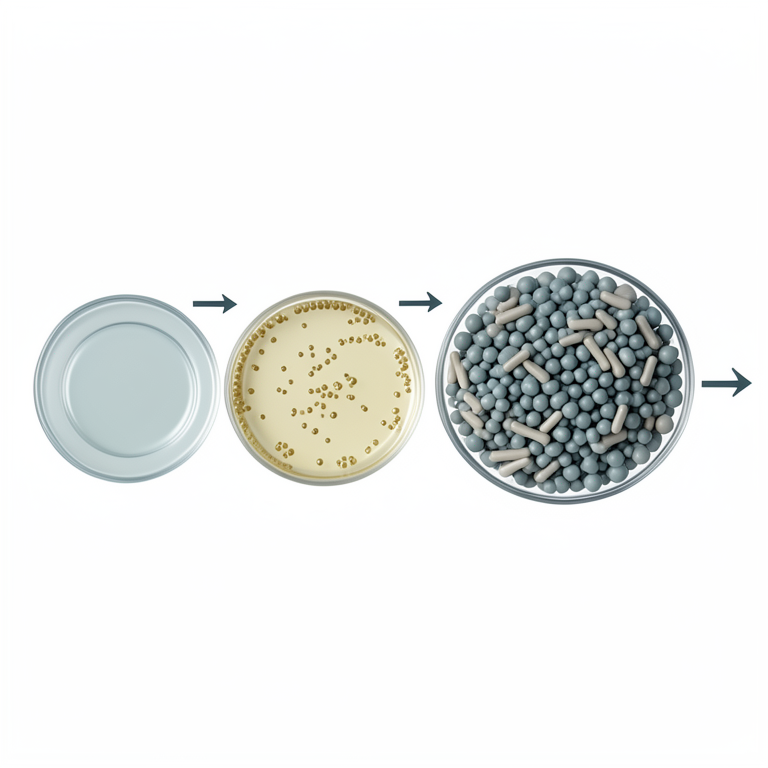
Concentration-Dependent Antibacterial Effect
AI-generated conceptual illustration (Corynebacterium diphtheriae and Streptococcus bacteria and eucalyptus oil). It explains the idea and does not show study data.
View source evidence ↗Figures & tables
From the original paper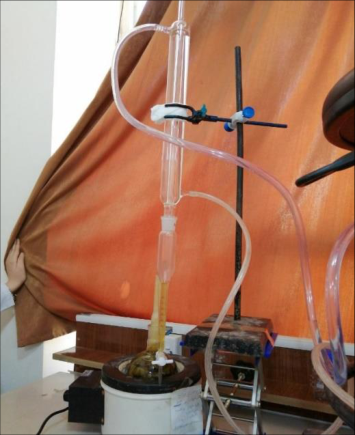 Figure 1
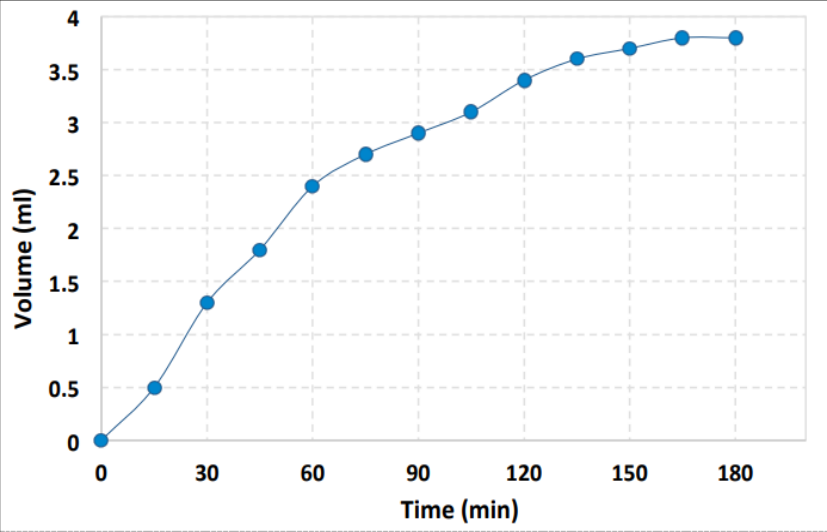 Figure 2
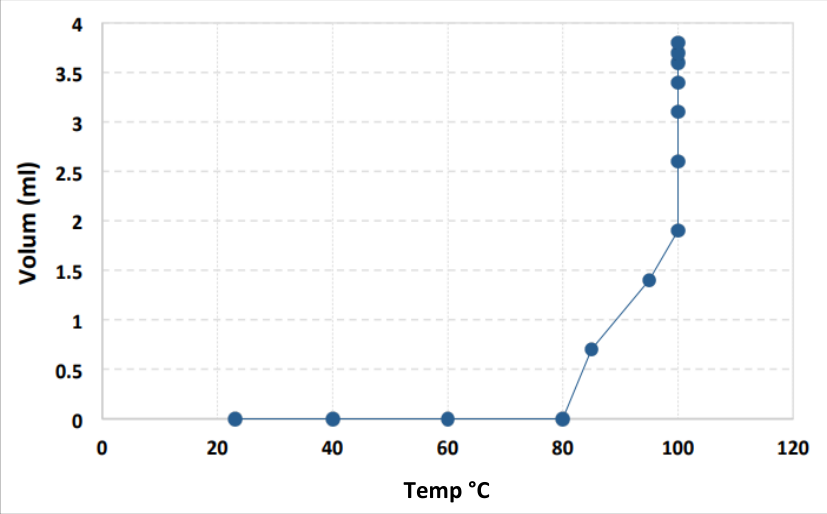 Figure 3
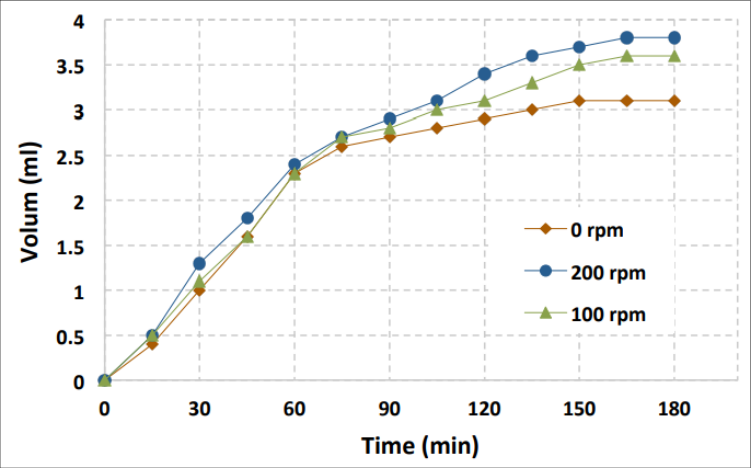 Figure 4
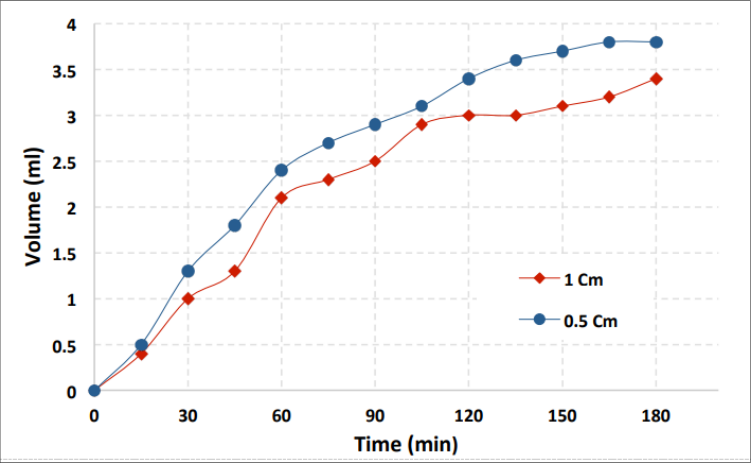 Figure 6
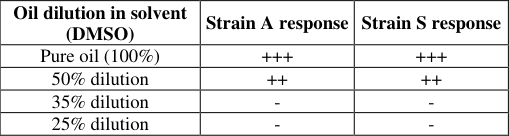 Table 1
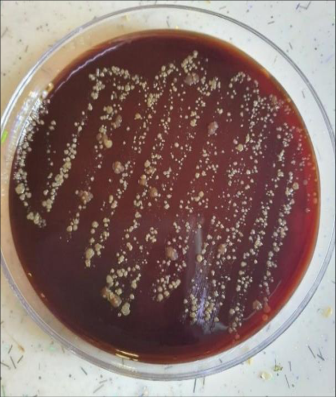 Figure 7
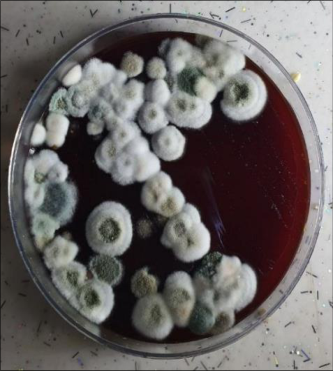 Figure 8
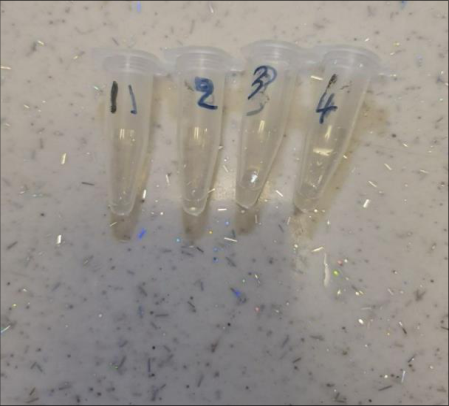 Figure 9
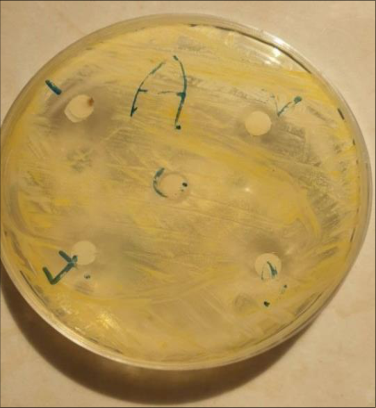 Figure 10
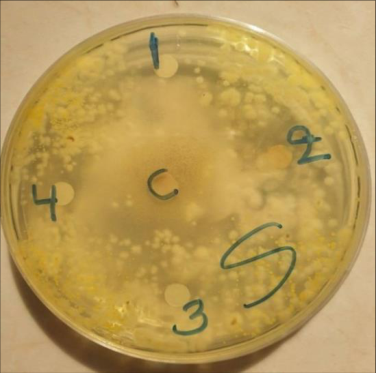 Figure 11
Introduction
The Eucalyptus, also known by various names such as Kalibtos, Qalimtus, or Qalam Tuz in Iraq, comprises a genus with a diverse history and applications. Initially, about 25 species of Eucalyptus were native to South America, but excessive exploitation during the 16th and 17th centuries nearly led to their extinction. Later, botanists identified approximately 700 similar species in Australia, many of which have found significant use in medicine [1] . Eucalyptus is a genus belonging to the family Rubiaceae, encompassing around 25 species originating from the Andean rainforests of South America. A limited number of species have Eppendorf tubes. This setup was essential for extracting pure eucalyptus oil and conducting the biological activity analysis.
Procedure
The process of extracting essential oil was carried out using the water distillation method with a Clevenger apparatus, as shown in Fig. 2, ensuring the preservation of the active components present in the oil. Fresh eucalyptus leaves were carefully harvested from public gardens and subjected to thorough washing with clean water to eliminate dust, soil, and other impurities. This preparatory step was crucial to obtaining a pure, uncontaminated yield of essential oil. The washed leaves were then placed into a 500 mL roundbottom flask, and a sufficient amount of water was added to completely immerse the leaves. This setup helped to ensure that the steam generated during the distillation process effectively interacted with the plant material for optimal oil extraction. The round-bottom flask was placed on a heating mantle, and the temperature was maintained at 50 °C to provide controlled heating without agitation. As the water began to boil, steam carried the volatile components of the essential oil through the apparatus. The vapors passed into the condenser, which is a critical cooling component of the system. To enhance the efficiency of the condensation process, the condenser was kept at a very low temperature by circulating cold water mixed with ice cubes, facilitated by a submersible pump. This setup ensured that the volatile compounds condensed effectively into a liquid form, which was then directed into the collection chamber of the Clevenger apparatus. In the Clevenger tube, the condensed mixture of water and oil accumulated, and the process of reflux ensured that the water returned to the flask, creating a continuous cycle of distillation. The distillation process was allowed to proceed for 5 to 6 hours to ensure the complete extraction of the essential oil from the fresh eucalyptus leaves. Over time, the mixture in the Clevenger tube naturally separated into two distinct layers based on their density: the upper layer comprised the essential oil, while the lower layer consisted of water. Once the extraction was complete, the valve at the bottom of the Clevenger tube was carefully opened to drain off the water, leaving only the oil in the collection chamber. The essential oil was then transferred into a clean, airtight container to prevent contamination and preserve its purity and quality. This meticulous method of extraction, utilizing the Clevenger apparatus, ensured the recovery of a highquality essential oil with all its active chemical components intact.
Results and Discussion Effect of extraction time
The effect of extraction time on eucalyptus oil extraction was studied until equilibrium was reached at 100 °C, using a water to eucalyptus leaves ratio of 6:1 (ml: g) and a mixing speed of 200 rpm. The data, presented in Figure 2, indicate that the amount of eucalyptus oil increased with time.
Initially, the extraction rate was fast, but it slowed down gradually as the free oil on the surface of the eucalyptus leaf particles was extracted quickly. This resulted in a rapid increase in the extraction rate when the material was exposed to fresh solvent. At the beginning of the extraction process, the oil concentration in the solvent was low, which facilitated the rapid diffusion of oil from the solid material to the liquid phase due to mass transfer. However, as extraction continued, the oil concentration in the solvent increased, leading to a decrease in the diffusion rate. These observations are consistent with previous studies, including the findings of Cassel and Vargas [14] . The effect of extraction temperature was evaluated at various temperatures, maintaining a water to eucalyptus leaves ratio of 6:1 (ml: g), a particle size of 0.5 cm for the eucalyptus leaves, and a mixing speed of 200 rpm. As shown in Figure 3, the amount of eucalyptus oil increased with higher extraction temperatures due to the enhanced vaporization of eucalyptus oil at elevated temperatures. Additionally, higher temperatures led to an increase in the oil's diffusion coefficient, resulting in a faster diffusion rate of eucalyptus oil [15] .
Effect of agitation speed
In order to evaluate the influence of agitation velocity on the extraction of eucalyptus oil via the water distillation technique, this investigation was executed at various agitation velocities ranging from 0 to 200 rpm, while sustaining a consistent extraction temperature of 100 °C. The ratio of water to eucalyptus leaves was established at 6:1 (ml: g), with a particle dimension of 0.5 cm for the eucalyptus leaves. Figure 4 depicts the relationship between agitation speed and the temporal progression of eucalyptus oil extraction. It was noted that the yield of eucalyptus oil was augmented with increasing agitation velocities. Furthermore, an elevation in agitation speed improved the diffusion coefficient of the oil, as it facilitates eddy diffusion, thereby enhancing the transfer of material from the particle surface to the bulk solution, which consequently elevates the mass transfer rate [16] .
Temp °C
Temp °C
Effect of Leaves Particle Size
The effect of particle size was investigated using two different sizes (0.5 cm and 1 cm) under the conditions of a water to eucalyptus leaves ratio of 6:1 (ml/g), an agitation speed of 200 rpm, and an extraction temperature of 100 °C, until equilibrium was reached. As shown in Figure 6, a smaller amount of eucalyptus oil was extracted from the larger eucalyptus leaves particles compared to the smaller particles. This is due to the larger particles having a smaller interfacial area between the leaves and the liquid phase. Consequently, less eucalyptus oil is transferred from the interior of the larger leaf particles to the surrounding solution, in contrast to the smaller particles.
Evaluation of the biological activity of the extracted oil
The biological activity of the essential oil extracted from eucalyptus leaves was evaluated in a detailed study. Sterile swabs were used to collect bacterial samples from the oral cavities of two individuals (designated A and S) who were diagnosed with SARS-CoV-20. These samples were cultured on Blood Agar, a nutrient-rich medium, to promote bacterial growth. Observations indicated the presence of two specific types of bacteria: Corynebacterium diphtheriae, which causes diphtheria, and Streptococcus pyogenes, a hemolytic streptococcus responsible for pharyngitis and tonsillitis.
To further assess the sensitivity of these bacteria to the extracted oil, additional samples were prepared and cultured on Nutrient Agar. Sensitivity testing was performed using serial dilutions of the essential oil, prepared in various concentrations as outlined in the Table 1. The dilutions were made using dimethyl sulfoxide (DMSO), a solvent chosen for its inert nature, as it does not interfere with bacterial viability or oil activity. The test involved applying different concentrations of the oil to the cultured bacteria on Nutrient Agar and observing their growth inhibition patterns. Results revealed that the eucalyptus oil exhibited a significant antibacterial effect, with varying degrees of sensitivity noted across the tested bacterial strains. The findings highlight the potential of eucalyptus essential oil as an effective antibacterial agent, particularly against Corynebacterium diphtheriae and Streptococcus pyogenes. These results open avenues for further exploration into the therapeutic applications of eucalyptus oil in combating oral and respiratory infections. 1 highlights the strong antibacterial activity of eucalyptus leaf essential oil against Corynebacterium diphtheriae. The data clearly show a significant inhibitory effect when the oil is used in its undiluted form, with both bacterial strains (A and S) displaying marked sensitivity, as indicated by the strong bacterial inhibition (+++). However, as the oil concentration is reduced through dilution with DMSO, its antimicrobial effectiveness decreases proportionally. At a 50% dilution, the oil still exhibits moderate antibacterial activity (++), capable of inhibiting bacterial growth, although it is less effective compared to the undiluted oil. Further dilutions to 35% and 25% result in a complete loss of antibacterial activity (-), with neither strain showing any sensitivity to these lower concentrations. This pattern emphasizes the critical role of concentration in determining the efficacy of eucalyptus essential oil as an antimicrobial agent. The results suggest that the oil's active compounds are most potent at higher concentrations, with a noticeable reduction in efficacy as the concentration decreases. These findings underscore the potential therapeutic value of undiluted or lightly diluted eucalyptus oil in treating bacterial infections, especially those caused by Corynebacterium diphtheriae. The results also highlight the importance of carefully considering the oil concentration in both clinical and experimental contexts to fully exploit its antimicrobial properties.
| Oil dilution in solvent (DMSO) | Strain A response | Strain S response |
|---|---|---|
| Pure oil (100%) | +++ | +++ |
| 50% dilution | ++ | ++ |
| 35% dilution | - | - |
| 25% dilution | - | - |
Table text extracted from the original PDF; superscript letters are shown inline. The original table image is below.
View original table image
Conclusion
Based on the results obtained from the extraction of eucalyptus oil and the subsequent study of its biological properties, it was found that the extracted oil is pure and concentrated, characterized by its pungent, hot, and refreshing taste, as well as its distinctive aroma. This unique fragrance is attributed to the presence of the compound 1,8cineole, also known as eucalyptol. Furthermore, when examining the biological properties of the oil, it was observed that it inhibits the activity of Corynebacterium diphtheriae, a bacterium known for causing infections such as pharyngitis, tonsillitis, and congestion. This suggests that eucalyptus oil has the potential to be utilized in treating various ailments caused by this bacterium, offering insights into the relationship between traditional remedies and modern pharmaceutical treatments.
Figures and tables from the paper
References
16 in the original paper- Cuzzolin L, Benoni G. Safety issues of phytomedicines in pregnancy and paediatrics. In: Herbal drugs: ethnomedicine to modern medicine. 2009:381-396. DOI: 10.1007/978-3-540-79116-4_21.
- Brenda NAMUTEBI, Sarad Pawar Naik BUKKE, Nabona Jackim, Kabali Moses, BUYINZA Nicholas, Narayana GORUNTLA, GR Neel. Evaluation of the antibacterial effect of a combination of the ethanolic extracts of Citrus limon peelsand Eucalyptus globulus leaves against Streptococcus pneumoniae. J Adv Microbiol Res 2024;5(2):50-57.
- Her L, Kanjanasilp J, Chaiyakunapruk N, Sawangjit R. Efficacy and safety of eucalyptus for relieving cough: a systematic review and meta-analysis of randomized controlled trials. J Integr Complement Med. 2022 Mar 1;28(3):218-226. DOI: 10.1089/jicm.2021.0226.
- Alsaimary IE, Mezaal TJ. Efficiency of some disinfectants and extracts of medicinal plants on bacterial pathogens isolated from post-operative wounds. J Med Plants Res. 2011 Feb 18;5(4):539-542.
- Shiekh RA, Atwa AM, Elgindy AM, Mustafa AM, Senna MM, Alkabbani MA, et al. Therapeutic applications of eucalyptus essential oils. Inflammopharmacology. 2024 Nov 5:1-20. DOI: 10.1007/s10787-024-01588-8.
- Salehi B, Sharifi-Rad J, Quispe C, Llaique H, Villalobos M, Smeriglio A, et al. Insights into Eucalyptus genus chemical constituents, biological activities and health-promoting effects. Trends Food Sci Technol. 2019 Sep 1;91:609-624. DOI: 10.1016/j.tifs.2019.08.003.
- Horváth G, Ács K. Essential oils in the treatment of respiratory tract diseases highlighting their role in bacterial infections and their anti-inflammatory action: a review. Flavour Fragr J. 2015 Sep;30(5):331-341. DOI: 10.1002/ffj.3252.
- Nilforoushzadeh MA, Asghari G, Jaffary F, Tabrizchi M. Anti-itching and healing effects of ointments containing herbal essential oils of Mentha piperita, Eucalyptus globulus, Caryophyllus aromaticus, Cinnamomum Ceylanicom in skin eczema. J Isfahan Med Sch. 2012 Feb 20;29(173):2945-2953.
- Mathew T. Essential oil-related brain disorders: an unexplored under-recognized conundrum. In: NeuroSystemic Applications in Learning. 2021:243-260. DOI: 10.1007/978-3-030-72400-9_12.
- Ragul P, Dhanraj M, Jain AR. Efficacy of eucalyptus oil over chlorhexidine mouthwash in dental practice. Drug Invent Today. 2018 May 1;10(5):638-641.
- Dobetsberger C, Buchbauer G. Actions of essential oils on the central nervous system: An updated review. Flavour Fragr J. 2011 Sep;26(5):300-316. DOI: 10.1002/ffj.2045.
- Sayyar S, Abidin ZZ, Yunus R, Muhammad A. Extraction of oil from Jatropha seeds optimization and kinetics. Am J Appl Sci. 2009 Jul 1;6(7):1390.
- Cassel E, Vargas RM. Experiments and modeling of the Cymbopogon winterianus essential oil extraction by steam distillation. J Mex Chem Soc. 2006 Sep;50(3):126-129.
- Kostić MD, Joković NM, Stamenković OS, Rajković KM, Milić PS, Veljković VB. Optimization of hempseed oil extraction by n-hexane. Ind Crops Prod. 2013 Jul 1;48:133-143.
- Abed KM, Kurji BM, Abdulmajeed BA. Extraction of Ocimum basilicum oil by solvent methods. Asian J Chem. 2018 May 1;30(5):958-960.
- Labate CA, de Assis TF, Oda S, de Mello EJ, González ER, Zauza EA, et al. Eucalyptus. In: Compendium of transgenic crop plants. 2009 Apr 15:35-108.