
Research article · 2024 · Full text
International Journal of Veterinary Sciences and Animal HusbandryAntibacterial activity of acetone extract o (Indian Frankincense) resin and its synergistic effects with selected phytochemicals against mastitis-causing pathogens
Volume 9(6) · Pages 667–672 · DOI: 10.22271/veterinary.2024.v9.i6j.1960 ↗
Research areasPharmacological Effects of Medicinal PlantsBotanical Research and ChemistryOral Health Pathology and Treatment
Abstract
Author-writtenPhytochemical analysis revealed the presence of carbohydrates, saponins, triterpenes, phenols, and flavonoids. Antioxidant activity of 0.1 mg/mL BORE was equivalent to 63.1±0.89 μg/mL of ascorbic acid. MIC values of BORE against E. coli and S. aureus were 2.5 mg/mL and 0.3125 mg/mL, respectively. Combined antibacterial action with antibiotics and phytochemicals showed additive effects. BORE also significantly reduced biofilm formation, with enhanced inhibition in combination with other agents. In conclusion, BORE demonstrated potent antimicrobial, antioxidant, and biofilm inhibition properties, highlighting its potential as a natural adjunct in managing bovine mastitis.
Summary
Source-checkedPlain-language reading of the full paper, prepared with AI and checked against the text. Each point links to the authors' own words.
Why it matters
- The dairy industry faces a significant challenge with antimicrobial resistance (AMR) caused by the overuse and improper application of antimicrobials in animal husbandry. View evidence ↗
- Indiscriminate antibiotic use in livestock leads to increased treatment costs, the presence of drug residues in milk, and a faster spread of bacterial resistance. View evidence ↗
- Plant-derived phytochemicals are promising alternatives or adjuncts because they can exhibit antimicrobial activity and improve the effectiveness of antibiotics. View evidence ↗
The question
- The study aims to evaluate the antibacterial activity of acetone extract of Boswellia ovalifoliolata resin (BORE) against S. aureus and E. coli, as well as its combined effects with other phytochemicals. View evidence ↗
What they did
- Minimum Inhibitory Concentrations (MIC) were determined using the broth microdilution method with serial dilutions of BORE, antibiotics, and phytochemicals in Mueller-Hinton broth. View evidence ↗
- The checkerboard method was used to assess the antibacterial activity of BORE in combination with other agents. View evidence ↗
- Biofilm inhibition was measured using a crystal violet assay, with bacterial cultures incubated at their respective MIC concentrations. View evidence ↗
What they found
- Phytochemical screening confirmed that BORE contains alkaloids, carbohydrates, reducing sugars, saponins, triterpenes, phenols, flavonoids, and proteins. View evidence ↗
- At a concentration of 0.1 mg/mL, BORE exhibited antioxidant activity equivalent to 63.1±0.89 μg/mL of ascorbic acid. View evidence ↗
- The MIC of BORE was 2.5 mg/mL against E. coli and 0.312 mg/mL against S. aureus. View evidence ↗
- Combinations of BORE with enrofloxacin, amoxicillin, and the tested phytochemicals showed additive antibacterial effects against both pathogens. View evidence ↗
- BORE alone showed no significant inhibition of biofilm formation against E. coli at 2.5 mg/mL. View evidence ↗
- BORE alone significantly inhibited S. aureus biofilm formation by 79.4±0.77% at a concentration of 0.312 mg/mL. View evidence ↗
- The combination of BORE (0.312 mg/mL) and carvacrol (0.390 mg/mL) produced the highest biofilm inhibition against S. aureus at 80.5±0.71%. View evidence ↗
What it means
- The authors conclude that BORE possesses potent antimicrobial, antioxidant, and antibiofilm properties due to its rich bioactive phytochemical content. View evidence ↗
- The authors recommend BORE as a potential natural adjunct to be used in combination with classical antibiotics and other phytochemicals to manage resistant mastitis-causing bacteria. View evidence ↗
Visual summary
1 visualsIllustrations explain the paper; they do not show study data.
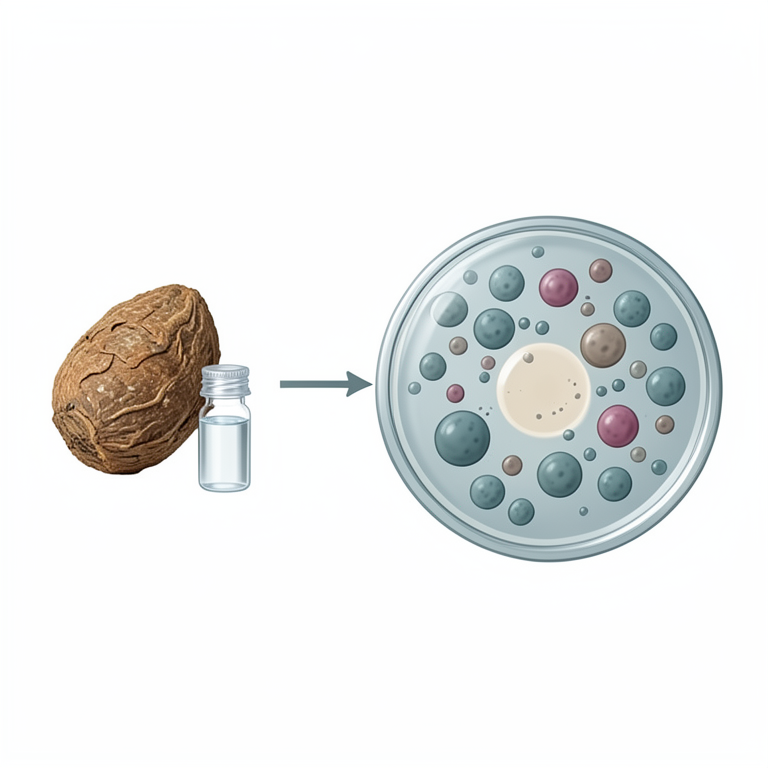
Synergistic Interaction Concept
AI-generated conceptual illustration (Boswellia ovalifoliolata resin and bacterial colonies of Staphylococcus aureus and Escherichia coli). It explains the idea and does not show study data.
View source evidence ↗Figures & tables
From the original paper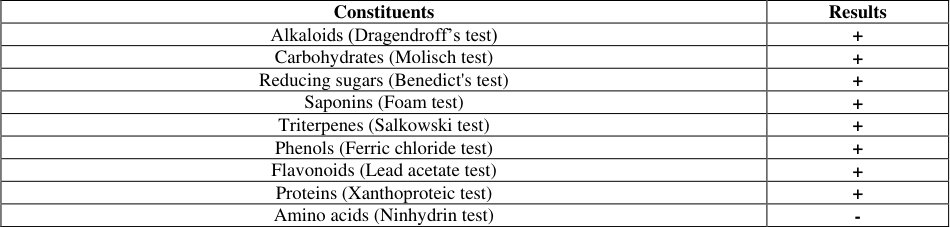 Table 1
 Table 2
 Table 3
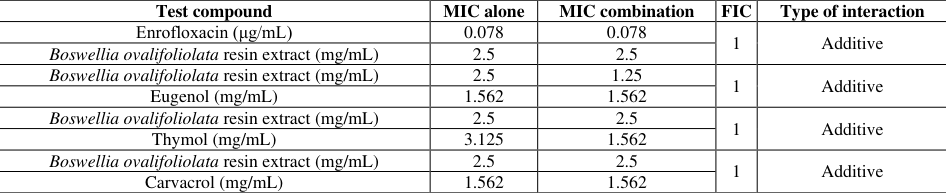 Table 4
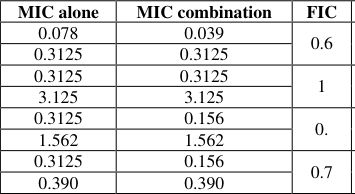 Table 5
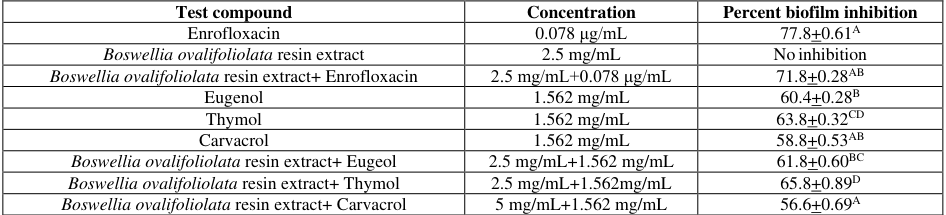 Table 6
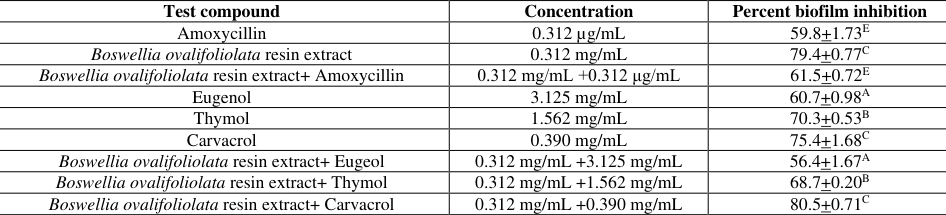 Table 7
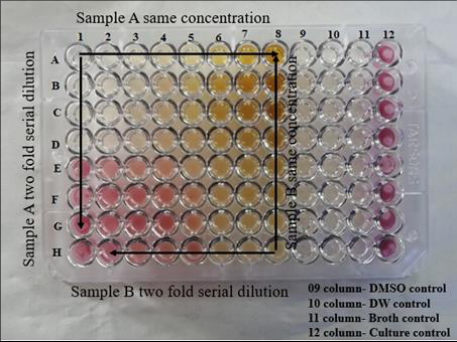 Figure 1
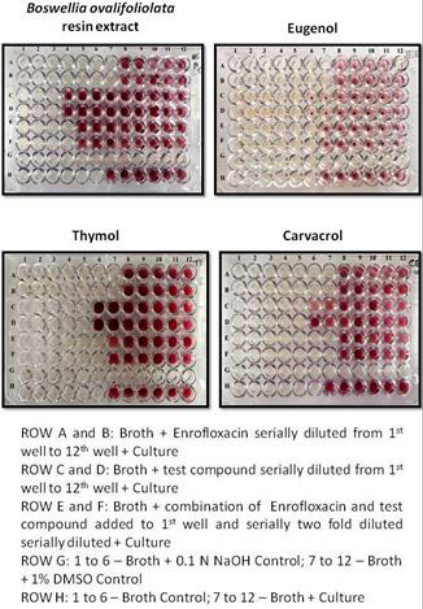 Figure 2
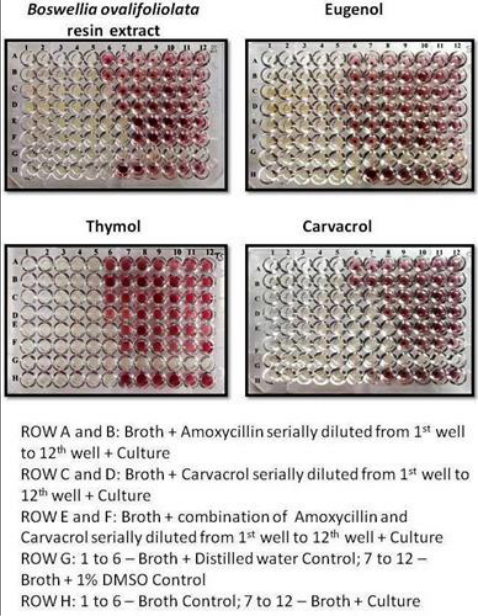 Figure 3
Introduction
The overuse and suboptimal application of antimicrobials in animal husbandry have been significant drivers of Antimicrobial Resistance (AMR), particularly in the dairy industry [1] . While antibiotics have substantially improved livestock health and productivity, they have also contributed to the emergence of resistant bacterial strains, complicating mastitis treatment [2,3] . The indiscriminate use of antibiotics has led to high treatment costs, drug residues in milk, and the rapid spread of resistance [4] . Despite the growing prevalence of AMR, the pace of new antibiotic development has slowed, leading to an urgent need for alternative strategies [5] . One promising approach involves combining antibiotics with other bioactive compounds to restore antibacterial activity and combat resistance [6,7] . Phytochemicals, derived from medicinal plants, have shown potent antimicrobial activity and the ability to enhance antibiotic efficacy while reducing adverse effects [8,9] . Medicinal plants have historically been used to treat livestock diseases, with many demonstrating activity against bacterial efflux pumps, quorum sensing, and biofilm formation [10, 11] . Secondary metabolites such as tannins, terpenes, quinones, alkaloids, phenols, and flavonoids are key contributors to these antimicrobial effects [12] . Some plant-derived compounds act in synergy with antibiotics or sensitize pathogens to previously ineffective antibiotics [13,14] . Boswellia ovalifoliolata resin, traditionally used to treat ailments such as ulcers, rheumatic pain, and dysentery, possesses significant antibacterial activity and immunostimulant properties [15] . Given its potential, this study evaluates the acetone extract of Boswellia ovalifoliolata resin for its antibacterial activity against mastitis-causing pathogens (Staphylococcus aureus and Escherichia coli) and its in vitro combined antibacterial effects with selected phytochemicals.
Materials and Methods
This study aimed to evaluate the antibacterial activity and biofilm inhibition potential of acetone extract of Boswellia ovalifoliolata resin (BORE), its synergistic effects with antibiotics (enrofloxacin and amoxicillin), and phytochemicals (eugenol, thymol, and carvacrol) against mastitis-causing pathogens (Escherichia coli and Staphylococcus aureus). All the drugs and chemicals used in the experiment are analytical grade and were obtained from standard and authorized manufacturers The resin was collected from Tirupati, Andhra Pradesh, and authenticated by a botanist (Dr. K. Madhava Chetty, Sri Venkateswara University). Twenty grams of powdered resin was extracted with acetone in a 1:10 ratio. The mixture was stirred overnight, filtered, and lyophilized until constant weight was achieved. Stock solutions of BORE (500 mg/mL), antibiotics, and phytochemicals were prepared. BORE was diluted to a working concentration of 10 mg/mL, and antibiotics and phytochemicals were diluted to appropriate concentrations for antibacterial testing. Phytochemical analysis of BORE was conducted using standard methods [16] . Tests included Dragendorff's test for alkaloids, Molisch's and Benedict's tests for carbohydrates and reducing sugars, foam test for saponins, Salkowski's test for triterpenes, ferric chloride test for phenols, lead acetate test for flavonoids, and Xanthoproteic and Ninhydrin tests for proteins and amino acids. Antioxidant activity was assessed using the phosphomolybdenum assay [17] . Reaction mixtures included varying concentrations of BORE (0.1-0.6 mg/mL) and standard ascorbic acid (10-60 µg/mL). Samples were incubated with phosphomolybdate reagent at 95°C for 90 minutes, and absorbance was measured at 695 nm. Antioxidant potential was expressed as ascorbic acid equivalents using the extinction coefficient calculated for vitamin C. Antibacterial activity was evaluated against clinical isolates of E. coli and S. aureus. Cultures were revived on selective media (Eosin Methylene Blue agar for E. coli and Mannitol Salt Agar for S. aureus). Isolated colonies were confirmed via PCR (NTR College of Veterinary Science). MIC was determined using the broth microdilution method [18] . Serial dilutions of BORE (10 to 0.0048 mg/mL), antibiotics (5 to 0.0024 μg/mL), and phytochemicals (25 to 0.012 mg/mL) were prepared in cation-adjusted Mueller-Hinton broth in 1 st well to 12 th well of micro titer plate. Each well received 10 μL of bacterial suspension (equivalent to 0.5 McFarland turbidity), and plates were incubated at 37°C for 18 hours. Growth was assessed by adding iodonitrotetrazolium chloride (INT) as an indicator. MIC was defined as the lowest concentration showing no visible growth. Antibacterial activity in combinations was assessed using the checkerboard method [19,20] (Fig 1). Serial two-fold dilutions of BORE and antibiotics/phytochemicals were combined in a microtiter plate. The first agent (Boswellia ovalifoliolata resin extract) of the combination in serially diluted concentrations was added along the abscissa (A to G wells of 1 to 8 columns added serially diluted concentration starting from the highest concentration in A well to lowest concentration in G well), while the second agent (enrofloxacin/amoxicillin or phytochemicals) in serially diluted concentration was added along the ordinate (concentration starting from the lowest in 2 nd well to highest in 8 th well of entire rows H to A). The resulting checkerboard contains a combination of two compounds with the highest concentration of two compounds at opposite corners (A1 and H8). 10 μl of prepared bacterial culture suspension with turbidity equivalent of 0.5 McFarland units was added to all the wells of microtiter trays. Bacterial growth was evaluated as described above. Fractional inhibitory concentration (FIC) indices were calculated to classify interactions as synergistic (<0.5), additive (0.5-1.0), indifferent (1.0-4.0), or antagonistic (>4.0). Biofilm inhibition was evaluated using a crystal violet assay [21] . Bacterial cultures were incubated with BORE, antibiotics, and phytochemicals at MIC concentrations. After incubation, wells were stained with crystal violet, destained with ethanol, and absorbance at 590 nm was recorded. Percent biofilm inhibition was calculated relative to untreated controls. Statistical analyses were performed using SPSS (IBM SPSS 19.0). One-way ANOVA followed by Duncan's post-hoc test compared biofilm inhibition percentages, expressed as Mean±SEM. A P-value <0.05 was considered statistically significant.
Results
The present study evaluated the acetone extract of Boswellia ovalifoliolata resin (BORE) for its phytochemical content, antioxidant activity, and antibacterial properties against mastitis-causing organisms (Escherichia coli and Staphylococcus aureus), including its synergy with antibiotics and phytochemicals. Phytochemical Screening: Qualitative analysis revealed that BORE contains alkaloids, carbohydrates, reducing sugars, saponins, triterpenes, phenols, flavonoids, and proteins, as confirmed by standard phytochemical tests (Table 1). Antioxidant Activity: The antioxidant potential of BORE (0.1 mg/mL) and other phytochemicals were evaluated using the phosphomolybdenum assay and expressed as ascorbic acid equivalents. BORE exhibited an antioxidant activity equivalent to 63.1±0.89 µg/mL of ascorbic acid, compared to 74.8±0.56, 53.8±0.32, and 106±1.21 µg/mL of ascorbic acid for eugenol, thymol, and carvacrol, respectively (Table 2).
| Test compounds | Concentration | Antioxidantactivity equivalent to ascorbic acid (µg/mL) |
|---|---|---|
| Boswellia ovalifoliolata resin extract | 0.1 mg/mL | 63.1+0.89 |
| Enrofloxacin | 0.1 mg/mL | 33.605+0.31 |
| Eugenol | 0.1 mg/mL | 74.80+0.56 |
| Thymol | 0.1 mg/mL | 53.80+0.32 |
| Carvacrol | 10 mg/mL | 106+1.21 |
Table text extracted from the original PDF; superscript letters are shown inline. The original table image is below.
View original table image
| Constituents | Results |
|---|---|
| Alkaloids (Dragendroff’s test) | + |
| Carbohydrates (Molisch test) | + |
| Reducing sugars (Benedict's test) | + |
| Saponins (Foam test) | + |
| Triterpenes (Salkowski test) | + |
| Phenols (Ferric chloride test) | + |
| Flavonoids (Lead acetate test) | + |
| Proteins (Xanthoproteic test) | + |
| Amino acids (Ninhydrin test) | - |
Table text extracted from the original PDF; superscript letters are shown inline. The original table image is below.
View original table image
Antibacterial Activity
Against Escherichia coli: The MIC of BORE was 2.5 mg/mL, while eugenol, thymol, and carvacrol exhibited MICs of 1.562 mg/mL each. Enrofloxacin, tested as a control, showed an MIC of 0.078 µg/mL (Table 3) (Figure 2). Against Staphylococcus aureus: The MIC of BORE was 0.312 mg/mL, and carvacrol showed the lowest MIC (0.390 mg/mL) among the phytochemicals. Amoxicillin, the control antibiotic, displayed an MIC of 0.312 µg/mL (Tables 3) (Figure 3). Antibacterial activity in combination: Combined antibacterial activity was assessed using the checkerboard method. FIC indices indicated additive effects for BORE combined with enrofloxacin, amoxicillin, and phytochemicals (eugenol, thymol, and carvacrol) against both E. coli and S. aureus. The type of interaction is detailed in Tables 4 and5.
| Test compound | Minimum Inhibitory Concentration of clinical isolates | — |
|---|---|---|
| Escherichia coli | Staphylococcus aureus | |
| Enrofloxacin (µg/mL) | 0.078 | -- |
| Amoxycillin (µg/mL) | -- | 0.312 |
| Boswellia ovalifoliolata resin extract (mg/mL) | 2.5 | 0.312 |
| Eugenol (mg/mL) | 1.562 | 3.125 |
| Thymol (mg/mL) | 1.562 | 1.562 |
| Carvacrol (mg/mL) | 1.562 | 0.390 |
Table text extracted from the original PDF; superscript letters are shown inline. The original table image is below.
View original table image
Biofilm Inhibition BORE, antibiotics, and phytochemicals were evaluated for biofilm inhibition using the crystal violet assay. For E. coli, the highest inhibition (77.8±0.61%) was observed with enrofloxacin, while combinations of enrofloxacin with BORE achieved 71.8±0.28% inhibition. BORE alone showed no significant inhibition (Table 6). For S. aureus, BORE and carvacrol exhibited significant biofilm inhibition (79.4±0.77% and 75.4±1.68%, respectively). The combination of BORE with carvacrol produced the highest inhibition (80.5±0.71%), while amoxicillin alone achieved 59.8±1.73% (Tables 6).
| Test compound | Concentration | Percent biofilm inhibition |
|---|---|---|
| Enrofloxacin | 0.078 μg/mL | 77.8+0.61A |
| Boswellia ovalifoliolata resin extract | 2.5 mg/mL | No inhibition |
| Boswellia ovalifoliolata resin extract+ Enrofloxacin | 2.5 mg/mL+0.078 μg/mL | 71.8+0.28AB |
| Eugenol | 1.562 mg/mL | 60.4+0.28B |
| Thymol | 1.562 mg/mL | 63.8+0.32CD |
| Carvacrol | 1.562 mg/mL | 58.8+0.53AB |
| Boswellia ovalifoliolata resin extract+ Eugeol | 2.5 mg/mL+1.562 mg/mL | 61.8+0.60BC |
| Boswellia ovalifoliolata resin extract+ Thymol | 2.5 mg/mL+1.562mg/mL | 65.8+0.89D |
| Boswellia ovalifoliolata resin extract+ Carvacrol | 5 mg/mL+1.562 mg/mL | 56.6+0.69A |
Table text extracted from the original PDF; superscript letters are shown inline. The original table image is below.
View original table image
Discussion
The indiscriminate use of antibiotics has led to widespread antimicrobial resistance (AMR), creating a global health crisis [4] . In dairy farming, the overuse of antibiotics as prophylactics and growth promoters has significantly contributed to the evolution of resistant bacterial strains, particularly those causing mastitis [2,3] . The challenge is exacerbated by the slow development of new antimicrobial agents and the rapid emergence of resistance to newly introduced antibiotics [5,6] . Phytochemicals offer a promising alternative due to their antimicrobial, antioxidant, and immunomodulatory properties [22, 23] . These natural compounds can also synergize with conventional antibiotics, enhancing their efficacy against resistant pathogens [24] . This study focused on the acetone extract of Boswellia ovalifoliolata resin, which contains bioactive compounds such as triterpenes, phenols, and flavonoids [16] , evaluating its antibacterial and biofilm inhibition properties against Escherichia coli and Staphylococcus aureus. The extract exhibited antioxidant activity equivalent to 63.1 μg/mL of ascorbic acid, consistent with reports attributing this activity to phenolic content [25] . It demonstrated minimum inhibitory concentrations (MICs) of 2.5 mg/mL against E. coli and 0.625 mg/mL against S. aureus, confirming its antibacterial potential [15,26] . Phytochemicals such as eugenol, thymol, and carvacrol also displayed notable activity, with MICs of 1.562 mg/mL, 1.562 mg/mL, and 0.781 mg/mL, respectively, in line with previous findings [27,28] . The combination of Boswellia ovalifoliolata extract with antibiotics and phytochemicals showed additive antibacterial effects. For instance, enrofloxacin combined with the resin extract enhanced antibacterial activity against E. coli, attributed to the disruption of bacterial membranes and DNA synthesis inhibition [29,26] . Similarly, combinations with amoxicillin, eugenol, thymol, and carvacrol displayed synergistic or additive effects against S. aureus [30,31] . While the extract lacked biofilm inhibition against E. coli, it demonstrated significant inhibition against S. aureus, both alone and in combination with carvacrol, reflecting its potential to disrupt biofilm formation by interfering with bacterial cell walls and membranes [32,33] . These findings highlight the therapeutic potential of Boswellia ovalifoliolata resin as an adjunct to antibiotics in managing resistant bacterial infections and mastitis in livestock.
Conclusion
In conclusion, Boswellia ovalifoliolata resin extract, rich in bioactive phytochemicals, exhibits potent antioxidant, antimicrobial, and antibiofilm properties. Its additive effects with antibiotics and phytochemicals suggest its potential antimicrobial phytochemical to use in combination with classical antibiotics and other phytochemicals against resistant mastitis-causing bacteria, offering an effective alternative strategy to conventional antimicrobial therapies.
Acknowledgement
AcknowledgmentsAuthors thank the Sri Venkateswara Veterinary University, Tirupati, Andhra Pradesh for funding the research work.
Figures and tables from the paper
| Test compound | MIC alone | MIC combination | FIC | Type of interaction |
|---|---|---|---|---|
| Enrofloxacin (μg/mL) | 0.078 | 0.078 | 1 | Additive |
| Boswellia ovalifoliolata resin extract (mg/mL) | 2.5 | 2.5 | ||
| Boswellia ovalifoliolata resin extract (mg/mL) | 2.5 | 1.25 | 1 | Additive |
| Eugenol (mg/mL) | 1.562 | 1.562 | ||
| Boswellia ovalifoliolata resin extract (mg/mL) | 2.5 | 2.5 | 1 | Additive |
| Thymol (mg/mL) | 3.125 | 1.562 | ||
| Boswellia ovalifoliolata resin extract (mg/mL) | 2.5 | 2.5 | 1 | Additive |
| Carvacrol (mg/mL) | 1.562 | 1.562 |
Table text extracted from the original PDF; superscript letters are shown inline. The original table image is below.
View original table image
| MIC alone | MIC combination | FIC |
|---|---|---|
| 0.078 | 0.039 | 0.6 |
| 0.3125 | 0.3125 | |
| 0.3125 | 0.3125 | 1 |
| 3.125 | 3.125 | |
| 0.3125 | 0.156 | 0. |
| 1.562 | 1.562 | |
| 0.3125 | 0.156 | 0.7 |
| 0.390 | 0.390 |
Table text extracted from the original PDF; superscript letters are shown inline. The original table image is below.
View original table image
| Test compound | Concentration | Percent biofilm inhibition |
|---|---|---|
| Amoxycillin | 0.312 µg/mL | 59.8+1.73E |
| Boswellia ovalifoliolata resin extract | 0.312 mg/mL | 79.4+0.77C |
| Boswellia ovalifoliolata resin extract+ Amoxycillin | 0.312 mg/mL +0.312 μg/mL | 61.5+0.72E |
| Eugenol | 3.125 mg/mL | 60.7+0.98A |
| Thymol | 1.562 mg/mL | 70.3+0.53B |
| Carvacrol | 0.390 mg/mL | 75.4+1.68C |
| Boswellia ovalifoliolata resin extract+ Eugeol | 0.312 mg/mL +3.125 mg/mL | 56.4+1.67A |
| Boswellia ovalifoliolata resin extract+ Thymol | 0.312 mg/mL +1.562 mg/mL | 68.7+0.20B |
| Boswellia ovalifoliolata resin extract+ Carvacrol | 0.312 mg/mL +0.390 mg/mL | 80.5+0.71C |
Table text extracted from the original PDF; superscript letters are shown inline. The original table image is below.
View original table image
References
32 in the original paper- Mutua F, Sharma G, Grace D, Bandyopadhyay S, Shome B, Lindahl J. A review of animal health and drug use practices in India, and their possible link to antimicrobial resistance. Antimicrob Resist Infect Control. 2020;9(1):13.
- Sharma C, Rokana N, Chandra M, Singh BP, Gulhane RD, Gill JPS, et al. Antimicrobial resistance: its surveillance, impact, and alternative management strategies in dairy animals. Front Vet Sci. 2018;4:237.
- Ameen F, Reda SA, El-Shatoury SA, Riad EM, Enany ME, Alarfaj AA. Prevalence of antibiotic resistant mastitis pathogens in dairy cows in Egypt and potential biological control agents produced from plant endophytic actinobacteria. Saudi J Biol Sci. 2019; 26(7):1492-1498.
- Usha PTA, Jose S, Nisha AR. Antimicrobial drug resistance -a global concern. Vet World. 2010; 3:138139.
- Coates A, Hu Y, Bax R, Page C. The future challenges facing the development of new antimicrobial drugs. Nat Rev Drug Discov. 2002;1(11):895-910.
- Khameneh B, Iranshahy M, Soheili V, Bazzaz BSF. Review on plant antimicrobials: a mechanistic viewpoint. Antimicrob Resist Infect Control. 2019; 8(1):1-28.
- Abo-EL-Sooud K. Ethnoveterinary perspectives and promising future. Int J Vet Sci Med. 2018;6(1):1-7.
- Borchers AT, Hackman RM, Keen CL, Stern JS, Gershwin ME. Complementary medicine: a review of immunomodulatory effects of Chinese herbal medicines. Am J Clin Nutr. 1997;66(6):1303-1312.
- Rachana S, Tarun A, Rinki R, Neha A, Meghna R. Comparative analysis of antibacterial activity of Jatropha curcas fruit parts. J Pharm Biomed Sci. 2012;15(15):1-4.
- Savoia D. Plant-derived antimicrobial compounds: Alternatives to antibiotics. Future Microbiol. 2012;7(8):979-90.
- Duraipandiyan V, Ayyanar M, Ignacimuthu S. Antimicrobial activity of some ethnomedicinal plants used by Paliyar tribe from Tamil Nadu, India. BMC Complement Altern Med. 2006;6(1):1-7.
- Aiyegoro OA, Okoh AI. Use of bioactive plant products in combination with standard antibiotics implications in antimicrobial chemotherapy. J Med Plants Res. 2009;3(13):1147-52.
- Adwan G, Mhanna M. Synergistic effects of plant extracts and antibiotics on Staphylococcus aureus strains isolated from clinical specimens. Middle-East J Sci Res. 2008;3:134-139.
- Reddy PAL, Ratnam VK. Chemical profile, antioxidant and antimicrobial activity of essential oils from Boswellia ovalifoliolata Bal. ET Henry. Int J Pharm Clin Res. 2015;7(1):96-101.
- Paul MJ, Basha SKM. Phytochemical analysis and antibacterial activities of Boswellia ovalifoliolata. Int J Sci Res. 2015; 6(7):589-598.
- Prieto P, Pineda M, Aguilar M. Spectrophotometric quantitation of antioxidant capacity through the formation of a phosphomolybdenum complex: specific application to the determination of vitamin E. Anal Biochem. 1999; 269(2):337-341.
- CLSI. Methods for dilution antimicrobial susceptibility tests for bacteria that grow aerobically; approved standard. 7th ed. CLSI document M7-A7, 2006.
- Schelz Z, Molnar J, Hohmann J. Antimicrobial and antiplasmid activities of essential oils. Fitoterapia. 2006;77(4):279-85.
- Orhan G, Bayram A, Zer Y, Balci I. Synergy tests by E test and checkerboard methods of antimicrobial combinations against Brucella melitensis. J Clin Microbiol. 2005; 43(1):140-3.
- Bazargani MM, Rohloff J. Antibiofilm activity of essential oils and plant extracts against Staphylococcus aureus and Escherichia coli biofilms. Food Control. 2016; 61:156-164.
- Chanda S, Dudhatra S, Kaneria M. Antioxidative and antibacterial effects of seeds and fruit rind of nutraceutical plants belonging to the Fabaceae family. Food Funct. 2010;1:308-15.
- Cragg GM, Boyd MR, Khanna R, Newman DJ, Sausville EA. Natural product drug discovery and development. In: Phytochemicals in human health protection, nutrition, and plant defense. Springer, 1999, p. 1-29.
- Gibbons S. An overview of plant extracts as potential therapeutics. Expert Opin Ther Pat. 2003;13:489-97.
- Savithramma N, Linga Rao M, Venkateswarlu P. Isolation and identification of phenolic compounds from Boswellia ovalifoliolata Bal. & Henry and their free radical scavenger activity. Int J Drug Deliv Technol. 2014; 4(1):14-21.
- Mahizan NA, Yang SK, Moo CL, Song AAL, Chong CM, Chong CW, et al. Terpene derivatives as a potential agent against antimicrobial resistance (AMR) pathogens. Molecules. 2019;24(14):1-21.
- Trombetta D, Castelli F, Sarpietro MG, Venuti V, Cristani M, Daniele A, et al. Mechanisms of antibacterial action of three monoterpenes. Antimicrob Agents Chemother. 2005; 49(6):2474-8.
- Xu JG, Liu T, Hu QP, Cao XM. Chemical composition, antibacterial properties and mechanism of action of essential oil from clove buds against Staphylococcus aureus. Molecules. 2016; 21(9):1-13.
- Wojdyło A, Oszmiański J, Czemerys R. Antioxidant activity and phenolic compounds in 32 selected herbs. Food Chem. 2007; 105(3):940-949.
- Nostro A, Roccaro AS, Bisignano G, Marino A, Cannatelli MA, Pizzimenti FC, et al. Effects of oregano, carvacrol and thymol on Staphylococcus aureus and Staphylococcus epidermidis biofilms. J Med Microbiol. 2007; 56(4):519-523.
- Rashan L, White A, Haulet M, Favelin N, Das P, Cock IE. Chemical composition, antibacterial activity, and antibiotic potentiation of Boswellia sacra Flueck. oleoresin extracts from the Dhofar region of Oman. Evid Based Complement Alternat Med, 2021, Article ID 9918935:1-23.
- Schillaci D, Arizza V, Dayton T, Camarda L, Stefano VD. In vitro anti-biofilm activity of Boswellia spp. oleogum resin essential oils. Lett Appl Microbiol. 2008;47(5):433-438.
- Raja AF, Ali F, Khan IA, Shawl AS, Arora DS, Shah BA, et al. Antistaphylococcal and biofilm inhibitory activities of acetyl-11-keto-β-boswellic acid from Boswellia serrata. BMC Microbiol. 2011; 11(1):1-9.