
Research article · 2024 · Full text
International Journal of Advanced Chemistry ResearchSynthesis, characterization, and kinetic analysis of the thermal rearrangement mechanism of tertiary amine oxides
Volume 6(2) · Pages 188–200 · DOI: 10.33545/26646781.2024.v6.i2c.243 ↗
Research areasChemical Reactions and MechanismsInorganic and Organometallic ChemistryOrganic Chemistry Cycloaddition Reactions
Abstract
Author-writtenThe study explores the synthesis of aromatic tertiary amines (S1-S3), which were prepared by reacting substituted piperidine derivatives with benzene derivatives under reflux conditions. The resulting primary amines were subsequently oxidized using 30% hydrogen peroxide, leading to the formation of N-oxide derivatives (S4-S6). These tertiary amine N-oxide compounds then underwent thermal rearrangement under reflux in dioxane, yielding the corresponding derivatives (S7-S9). Kinetic studies of the thermal rearrangement were also conducted to examine the reaction mechanism and rate. The synthesized compounds were characterized using a range of analytical techniques, including proton nuclear magnetic resonance (¹H-NMR), carbon-13 nuclear magnetic resonance (¹³C-NMR), Fourier transform infrared spectroscopy (FT-IR), and ultraviolet (UV) spectroscopy.
Summary
Source-checkedPlain-language reading of the full paper, prepared with AI and checked against the text. Each point links to the authors' own words.
Why it matters
- Tertiary amine oxides are important in industry as surfactants for detergents because they can stabilize emulsions and improve cleaning efficiency. View evidence ↗
- The amphiphilic nature of tertiary amine oxides makes them candidates for drug delivery systems to help control the release of medicine. View evidence ↗
The question
- The study aims to prepare and analyze the thermal rearrangement of specific N-arylpiperidine N-oxides. View evidence ↗
What they did
- Aromatic tertiary amines (S1-S3) were synthesized by refluxing benzene derivatives (0.094 mol) and piperidine derivatives (0.282 mol) in 30 mL of DMSO for 2 hours at 60 °C. View evidence ↗
- Tertiary amine N-oxides (S4-S6) were produced by reacting 0.025 mol of the aromatic tertiary amines with 17 mL of hydrogen peroxide in absolute ethanol under reflux. View evidence ↗
- Thermal rearrangement was studied by heating 1.0 g of the amine oxide derivatives in anhydrous dioxane. View evidence ↗
- The researchers used FT-IR, UV, 1H-NMR, and 13C-NMR spectroscopy to characterize the chemical structures of the synthesized compounds. View evidence ↗
What they found
- Compound S1 was synthesized as a yellow solid with a melting point of 137-139 °C and a yield of 78%. View evidence ↗
- The tertiary amine oxide S5 was obtained as a red solid with a melting point of 122-123 °C and a yield of 80%. View evidence ↗
- The rearrangement product S7 was a brown solid with a melting point of 96-98 °C and a yield of 95%. View evidence ↗
- Kinetic analysis showed that the thermal rearrangement of all investigated tertiary amine oxides follows first-order kinetics. View evidence ↗
- Compound S8 exhibited the highest reaction rate constant among the rearrangement products at 2.070×10⁻² min-1. View evidence ↗
- Compound S9 exhibited the lowest reaction rate constant among the rearrangement products at 9.40×10⁻³ min-1. View evidence ↗
What it means
- The authors conclude that they successfully synthesized aromatic tertiary amines and their oxides and established the kinetic data for their thermal rearrangement. View evidence ↗
Visual summary
2 visualsIllustrations explain the paper; charts are replotted from the paper's own table values.
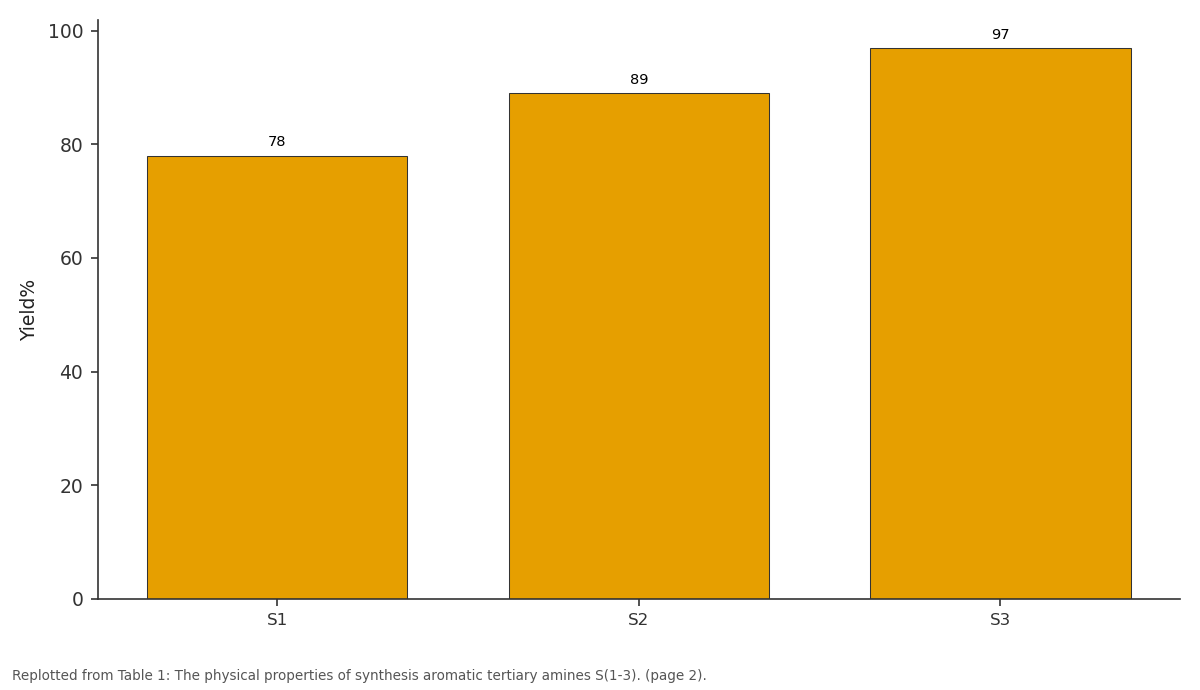
Yield%: S1 vs S2 vs S3
Replotted from Table 1 (page 2) of the original paper. Every bar is the paper's own table value.
View source evidence ↗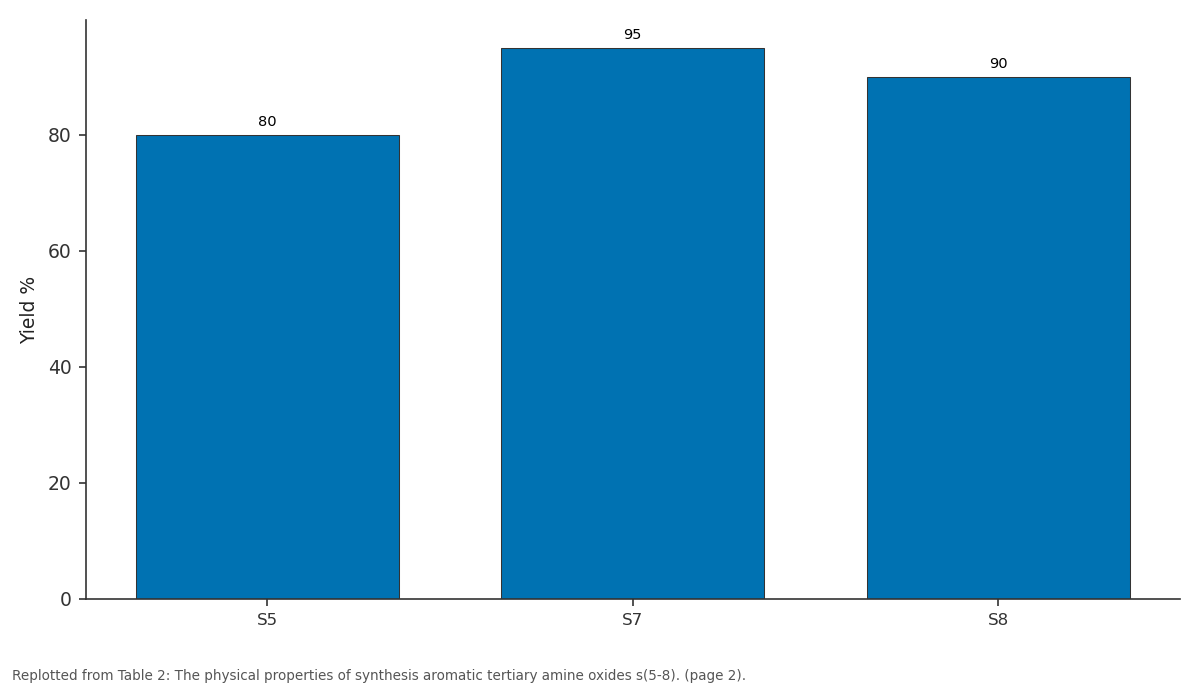
Yield %: S5 vs S7 vs S8
Replotted from Table 2 (page 2) of the original paper. Every bar is the paper's own table value.
View source evidence ↗Figures & tables
From the original paper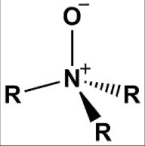 Figure 1Page 1
 Table 1Page 2
 Table 2Page 2
 Table 3Page 2
 Table 4Page 3
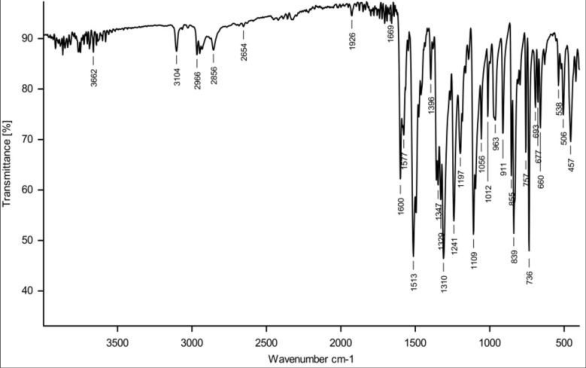 Figure 2Page 3
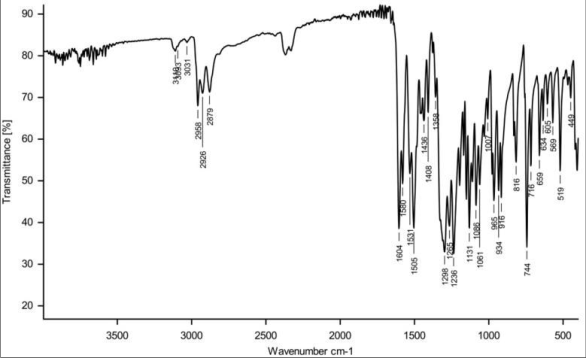 Figure 3Page 3
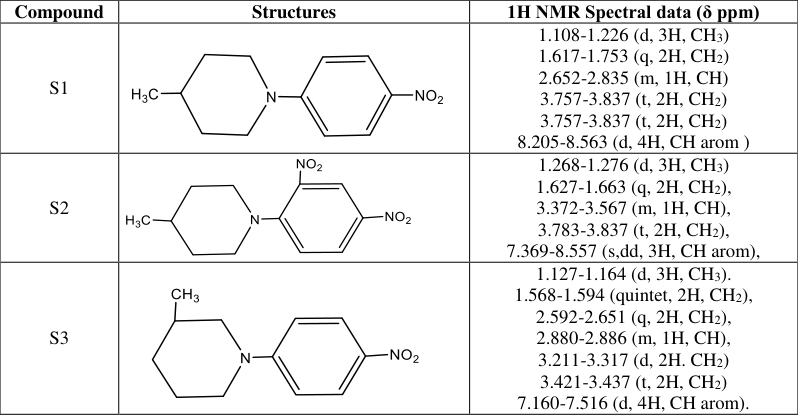 Table 5Page 4
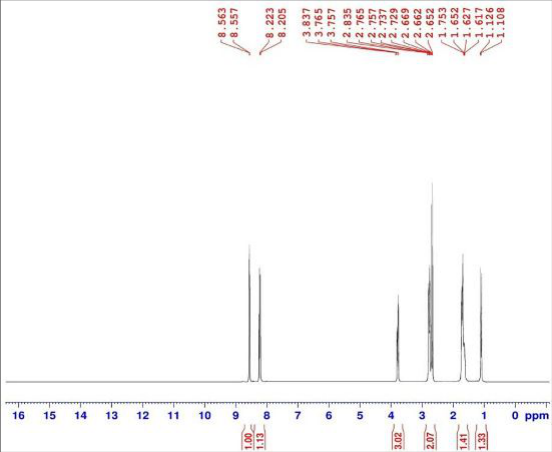 Figure 4Page 4
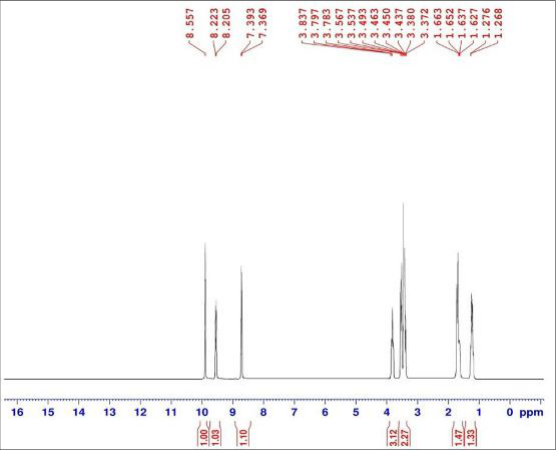 Figure 5Page 4
 Table 6Page 5
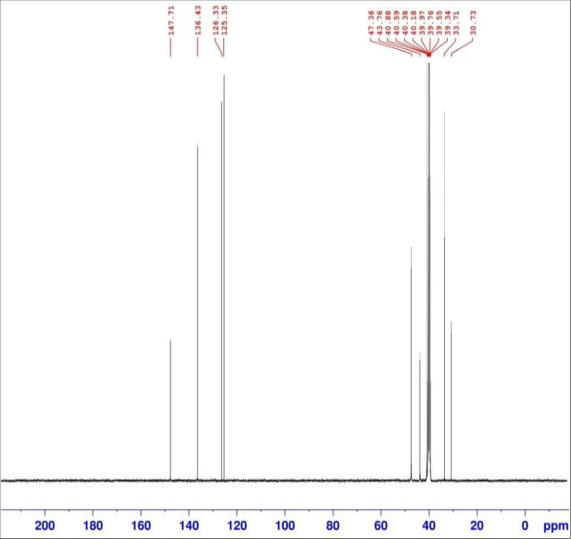 Figure 6Page 5
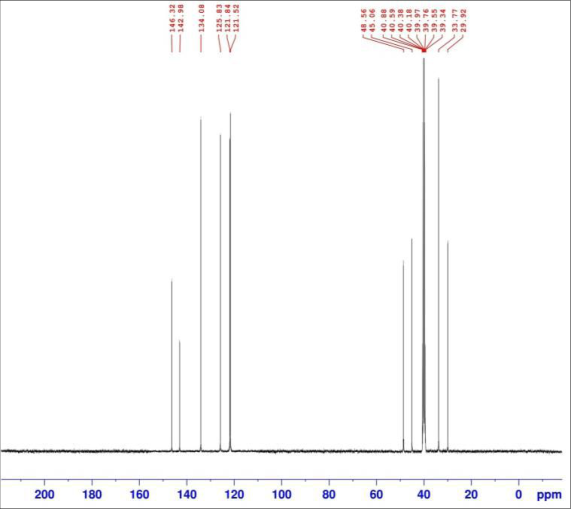 Figure 7Page 5
 Table 7Page 6
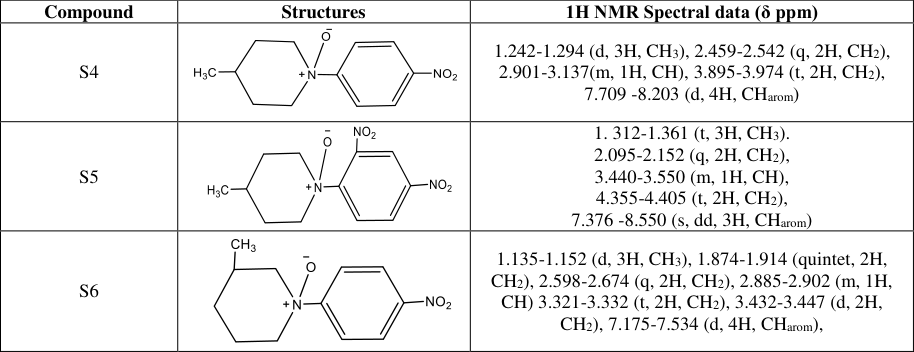 Table 8Page 6
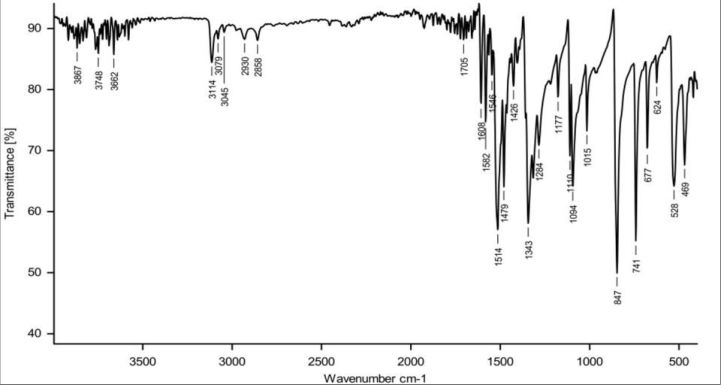 Figure 8Page 6
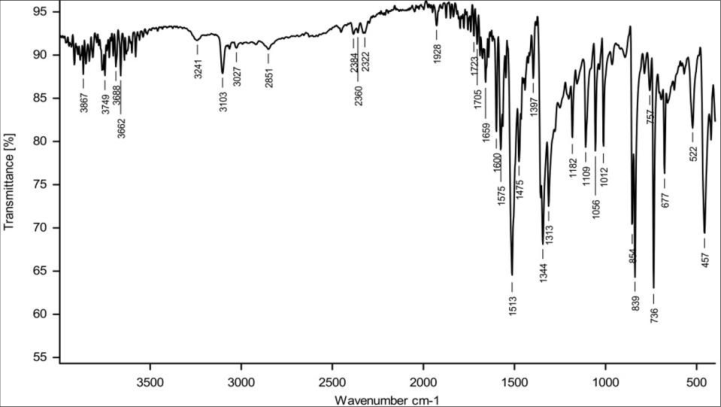 Figure 9Page 6
 Table 9Page 7
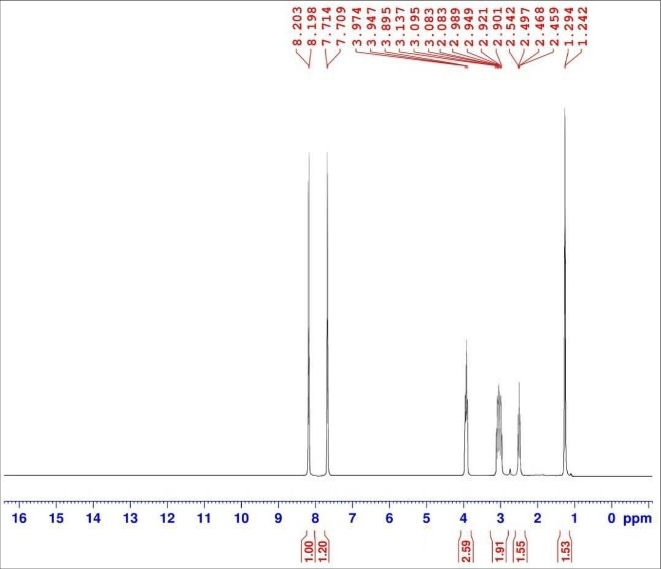 Figure 10Page 7
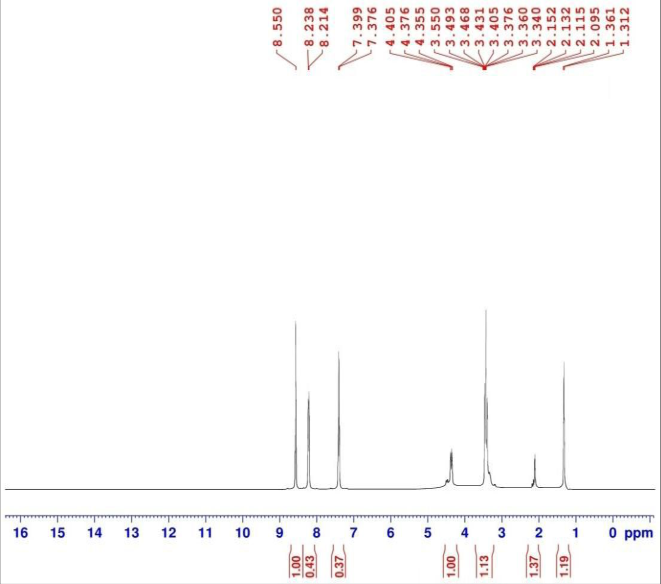 Figure 11Page 7
 Table 10Page 8
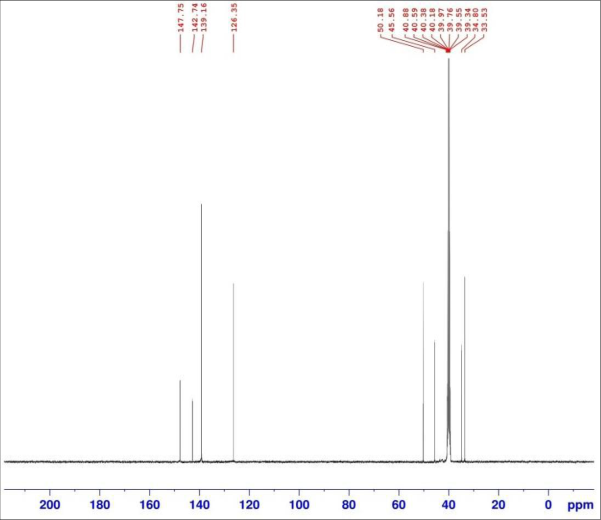 Figure 12Page 8
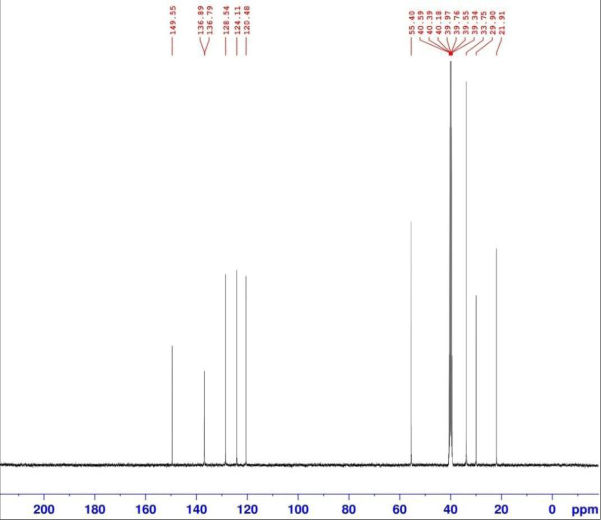 Figure 13Page 8
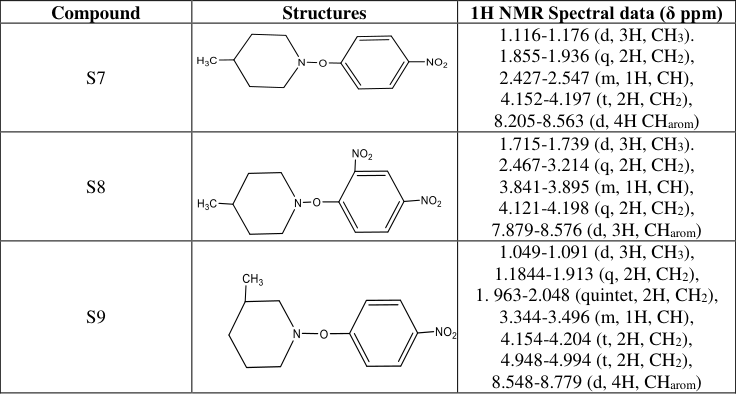 Table 11Page 9
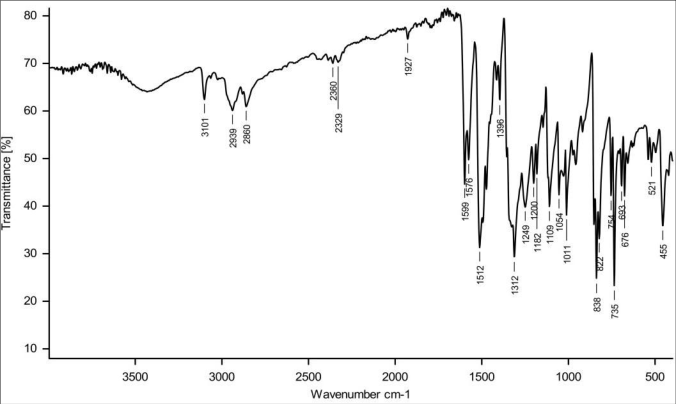 Figure 14Page 9
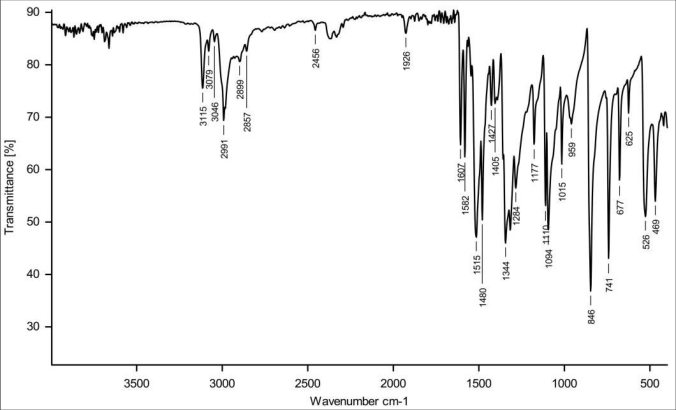 Figure 15Page 9
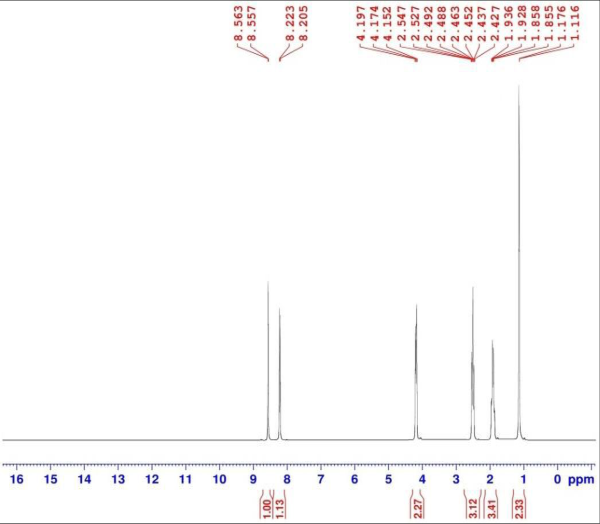 Figure 16Page 10
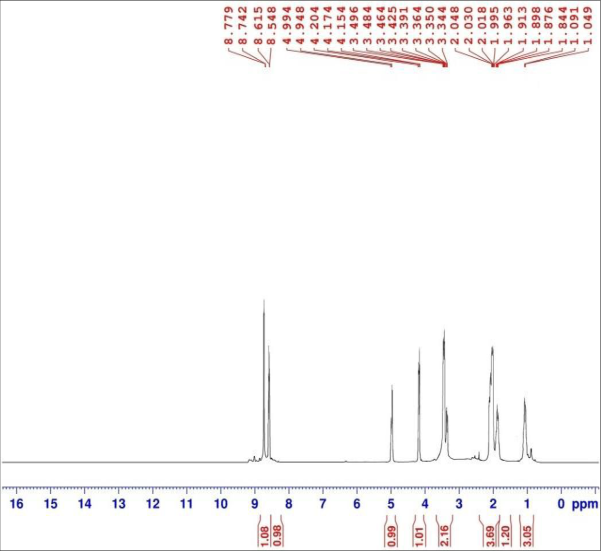 Figure 17Page 10
 Table 12Page 11
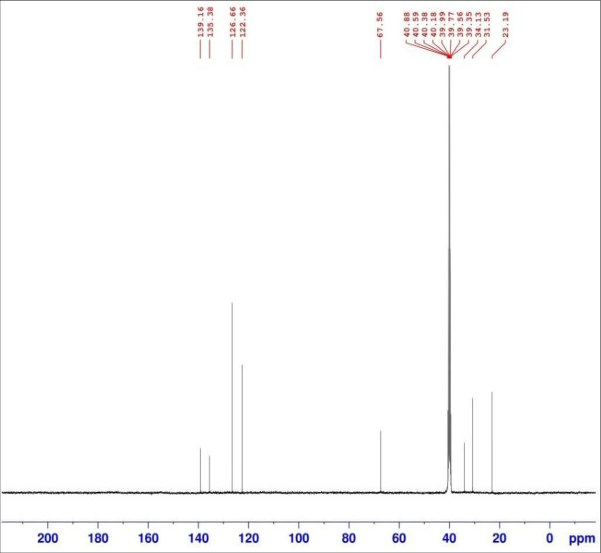 Figure 18Page 11
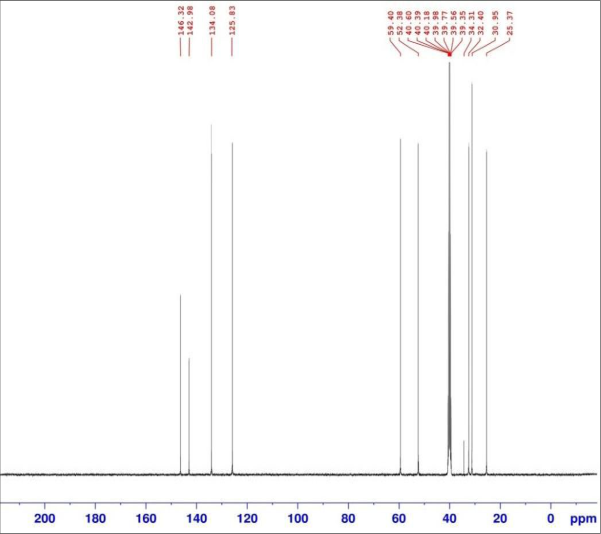 Figure 19Page 11
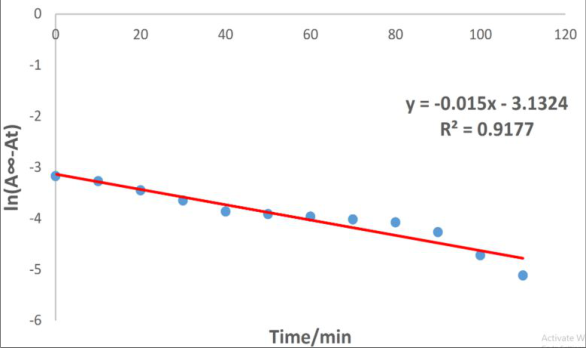 Figure 20Page 12
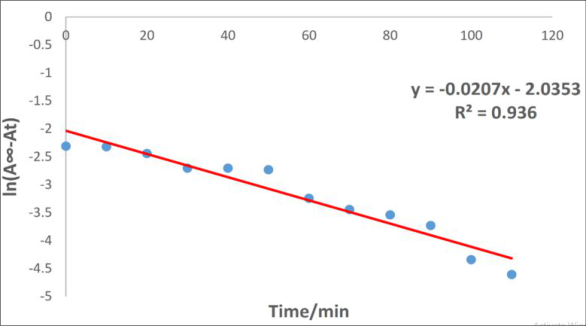 Figure 21Page 12
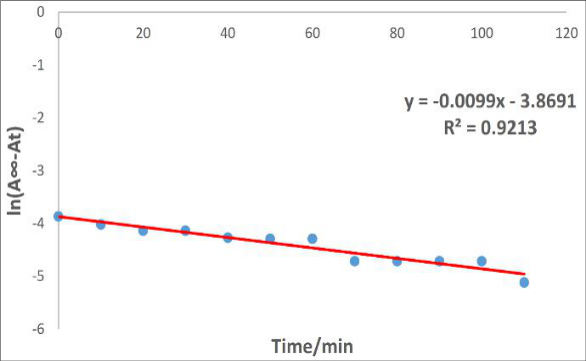 Figure 22Page 12
 Table 13Page 13
Introduction
Tertiary amine oxides, characterized by the general formula R3N + -O -, where R represents organic groups (typically alkyl or aryl) attached to a nitrogen atom (Figure 1), The first report of an amine N-oxide was due to Pinner and Wolffenstein, and dates back to the end of the 19 th century [1] .
Fig 1:
The structure of tertiary amine oxide Their unique chemical configuration, characterized by a positively charged nitrogen atom and an oxygen atom possessing a lone pair of electrons, constitutes a distinctive category of compounds which endows them with a diverse array of chemical and physical characteristics that render them indispensable in both industrial and biological contexts. Within industrial applications, tertiary amine oxides are extensively utilized as surfactants within detergent formulations [2][3][4][5][6] , where they effectively reduce surface tension, augment cleaning efficiency, and stabilize emulsions. Their capability to act as proficient fabric softeners further underscores their significance in textile manufacturing, enhancing the texture and durability of fabrics while enabling high-performance finishes [7,8] . Moreover, they function as catalysts in various industrial processes [9] . Additionally, their prospective contributions to environmental sustainability are currently being investigated, particularly in the realm of wastewater treatment [10][11][12] , wherein they facilitate the elimination of pollutants, including oils and organic contaminants. From a biological perspective, tertiary amine oxides demonstrate pronounced antimicrobial properties [13] , compromising bacterial and fungal cell membranes, which renders them valuable in the formulation of disinfectants and antiseptics. They are also the subject of research for potential application in drug delivery systems [14] , as their amphiphilic characteristics enable interaction with biological membranes, thereby promoting the controlled release of therapeutic agents. Their membraneactive properties have prompted investigations into their utility for treating neurodegenerative disorders, such as Alzheimer's disease [15] , as well as for enhancing the efficacy of cancer therapies [16] . This paper is concerned with the preparation and rearrangement of some selected Narylpiperidine N-oxides.
Materials and Methods
All reagents employed in this study were sourced from Aldrich, Fluka, and BDH and were used as received without any further purification. 1H-NMR and 13C-NMR spectra were recorded on a Bruker AVANCE NEW-400, 400 MHz high-performance digital NMR spectrometer. FT-IR spectra were acquired using KBr discs on a SHIMADZU FT-IR spectrometer. UV-Vis spectra were measured with a T92+ double-beam spectrophotometer, using a 1.0 mm quartz cell. The melting points of the compounds were determined with a Stuart SMP30 melting point apparatus.
Procedure General synthesis of aromatic tertiary amines S(1-3)
All novel aromatic tertiary amines S(1-3) were synthesized through the reaction of benzene derivatives (0.094 mol) with piperidine derivatives (0.282 mol) in the presence of 30 mL of dimethyl sulfoxide (DMSO). The reaction mixture was stirred and refluxed for 2 h at 60 °C. After completion, the mixture was allowed to cool, then filtered. The filtrate was washed with water and dried. The resulting precipitate was subsequently recrystallized from ethanol. The physical properties of synthesis aromatic tertiary amines are shown in Table 1.
| Compound | A | B | Molecular formula | Melting point, °C | Color | Yield% |
|---|---|---|---|---|---|---|
| S1 | 2-CH3 | H | C12H16O2N2 | 137-139 | yellow | 78 |
| S2 | 4-CH3 | NO2 | C12H15O4N3 | 83-86 | orange | 89 |
| S3 | 3-CH3 | H | C12H16O2N2 | 132-135 | Orange | 97 |
Table text extracted from the original PDF; superscript letters are shown inline. The original table image is below.
View original table image
General synthesis of tertiary amines oxide S(4-6)
The dropwise addition of hydrogen peroxide (H2O2, 17 mL) to a solution of aromatic tertiary amine derivatives (0.025 mol) in absolute ethanol was carried out with continuous stirring. The mixture was then heated to reflux. After 4 hours, the reaction mixture was allowed to cool, and the excess H2O2 was decomposed using manganese dioxide (MnO2). The mixture was then filtered to remove the MnO2, and the filtrate was dissolved in diethyl ether, washed with water, and dried, yielding the tertiary amine oxide derivatives. The physical properties of synthesis aromatic tertiary amine oxides are shown in Table 2. Thermal rearrangement of tertiary amine oxides S(7-9) Heat 1.0 g of amine oxide derivatives in anhydrous dioxane with gradual heating and stirring over a specified duration. After heating, allow the mixture to cool and remove the solvent (dioxane) under reduced pressure. The mixture was then poured into a neutral alumina column under controlled pressure. The resulting compounds were eluted using a mixture of chloroform and petroleum ether. The solvent was then evaporated. The final product obtained is solid or semisolid. The physical properties of synthesis Rearrangement of the N-Oxides are shown in Table 3.
| Compound | A | B | Molecular Formula | Melting point, °C | Color | Yield% |
|---|---|---|---|---|---|---|
| S7 | 2-CH3 | H | C12H16O3N2 | 96-98 | Brown | 95 |
| S8 | 4-CH3 | NO2 | C12H15O5N3 | Oil | Yellow | 69 |
| S9 | 3-CH3 | H | C12H16O3N2 | 91-93 | Red | 68 |
Table text extracted from the original PDF; superscript letters are shown inline. The original table image is below.
View original table image
| Compound | A | B | Molecular formula | Melting point °C | Color | Yield % |
|---|---|---|---|---|---|---|
| S5 | 2-CH3 | H | C12H16O2N2 | 122-123 | Red | 80 |
| S7 | 4-CH3 | NO2 | C12H15O4N3 | Oil | Yellow | 95 |
| S8 | 3-CH3 | H | C12H16O2N2 | 119-121 | Red | 90 |
Table text extracted from the original PDF; superscript letters are shown inline. The original table image is below.
View original table image
Results and Discussion
The synthesis of tertiary amine oxides was executed through a tripartite reaction sequence. In the P; OL Ttertiary aromatic amines. This reaction was conducted in an appropriate organic solvent under meticulously regulated temperature conditions, thereby ensuring adequate mixing to attain a high yield of the desired tertiary amine derivatives. Upon completion of the reaction, the resulting mixture underwent purification via conventional separation and purification methodologies, aimed at isolating the tertiary aromatic amines. In the subsequent phase, the isolated secondary amine derivatives were subjected to oxidation processes to produce tertiary amine oxides, utilizing hydrogen peroxide as the oxidizing agent. The reaction was carried out under mild conditions to avert over-oxidation or degradation of the resultant product. In the final phase, a kinetic investigation of the rearrangement of the tertiary amine oxides was undertaken to elucidate the factors impacting their stability and reactivity. The rearrangement was monitored under a variety of conditions, including variations in temperature and solvent composition, to ascertain the activation energy and reaction kinetics. The data amassed during this investigation facilitated the optimization of the reaction conditions to ensure maximal stability of the tertiary amine oxides, thereby providing profound insights into their behavior under diverse environmental conditions. All resultant compounds were subsequently purified, dried, and characterized utilizing spectroscopic techniques (such as NMR, IR, and UV) to validate their chemical structure and purity. All synthesized compounds are presented in Scheme 1.
Scheme 1: Synthesis of tertiary amine, tertiary amine oxide, and thermal rearrangement of tertiary amine oxide derivatives
Characterization of aromatic tertiary amines S(1-3)
The analysis demonstrated distinct physical characteristics in the synthesized compounds compared to the starting materials, as revealed by infrared spectroscopy. The spectra indicated various functional group vibrations, including those related to, aromatic C-H stretching, aliphatic C-H stretching, and aromatic C=C vibrations [17][18][19] . Additional peaks were observed for C-N stretching, as detailed in as detailed in Table 4 and Figures 2 and3.
| FT-IR , (KBr), cm-1 | — | — | — | — |
|---|---|---|---|---|
| S. No. | ν(=CH)Ar | ν(C-H( Aliph | νC=CAr | νC-N |
| S1 | 3104 | 2966 | 1557 | 1241 |
| S2 | 3031 | 2958 | 1604 | 1236 |
| S3 | 3079 | 2884 | 1537 | 1259 |
Table text extracted from the original PDF; superscript letters are shown inline. The original table image is below.
View original table image
Table 4:
The FT-IR data of compounds (S1-S3). The 1H-NMR spectrum of compounds was obtained using dimethyl sulfoxide as the solvent with deuterium lock. The 1H-NMR spectral data of tertiary amines are shown in Table 5 and Figure 4 and5. The 13 C-NMR spectrum spectrum of compounds was obtained using dimethyl sulfoxide as the solvent with deuterium lock. The 1 H-NMR spectral data of tertiary amine oxides are shown in Table 6 and Figure 6 and7.
| Compound | 13C-NMR Spectral data (δ ppm) |
|---|---|
| S1 | 125.35, 126.33, 136.43 and 147.71(C arom ), 47.36, 43.76, 33.71, 30.73. |
| S2 | 121.52, 121.84, 125.83, 134.08, 142.98 and 146.32 (C arom), 48.56, 45.06, 33.77, 29.92. |
| S3 | 125.77, 126.68, 130.31 and 136.29 (Carom), 54.47, 47.52, 32.90, 30.55, 24.78, 22.31. |
Table text extracted from the original PDF; superscript letters are shown inline. The original table image is below.
View original table image
FT-IR , (KBr), cm
FT-IR , (KBr), cm
Characterization of tertiary amines oxide (S4-S6)
The analysis demonstrated distinct physical characteristics in the synthesized compounds compared to the starting materials, as revealed by infrared spectroscopy. The spectra indicated various functional group vibrations, including those related to aromatic C-H stretching, alphatic C-H stretching, and aromatic C=C vibrations. Additional peaks were observed for C-N and, as detailed in Table 7 and illustrated in Figures 8 and9.
| No. | FT-IR , (KBr), cm-1 | — | — | — |
|---|---|---|---|---|
| ν(=CH)Ar | ν(C-H( Aliph | νC=CAr | νC-N | |
| S4 | 3079 | 2930 | 1608 | 1284 |
| S5 | 3103 | 2851 | 1575 | 1313 |
| S6 | 3012 | 2914 | 1597 | 1252 |
Table text extracted from the original PDF; superscript letters are shown inline. The original table image is below.
View original table image
Characterization of thermal rearrangement of tertiary amine oxides (S7-S9)
The analysis demonstrated distinct physical characteristics in the synthesized compounds compared to the starting materials, as revealed by infrared spectroscopy. The spectra indicated various functional group vibrations, including those related to aromatic C-H stretching, alphatic C-H stretching, and aromatic C=C vibrations. Additional peaks were observed for C-N and, as detailed in Table 10 and illustrated in Figures 14 and15.
| No. | FT-IR , (KBr), cm-1 Fixed bands in structure | — | — | — | — |
|---|---|---|---|---|---|
| ν(=CH) Ar | ν(C-H( Aliph | νC=CAr | vC-O | νC-N | |
| S7 | 3101 | 2939 | 1599 | 1512 | 1249 |
| S8 | 3022 | 2976 | 1604 | 1518 | 1265 |
| S9 | 3046 | 2991 | 1607 | 1515 | 1284 |
Table text extracted from the original PDF; superscript letters are shown inline. The original table image is below.
View original table image
Table 10:
The FT-IR data of compounds (S7-S9). The 13 C-NMR spectrum spectrum of compounds was obtained using dimethyl sulfoxide as the solvent with deuterium lock.
FT-IR , (KBr), cm
The 1 H-NMR spectral data of tertiary amine oxides are shown in Table 12 and Figures 18 and19. Table 13: The physical properties of synthesis rearrangement of the N-oxides (S7-S9).
| Compound | Reaction order | Reaction rate constant, min-1 |
|---|---|---|
| S7 | First-order | 1.497×10⁻² |
| S8 | First-order | 2.070×10⁻² |
| S9 | First-order | 9.40×10⁻³ |
Table text extracted from the original PDF; superscript letters are shown inline. The original table image is below.
View original table image
| Compound | 13C-NMR spectral data (δ ppm) |
|---|---|
| S7 | 122.36, 126.66, 135.38 and 139.26 (Carom), 67.56, 34.13, 31.53, 23.19. |
| S8 | (122.33, 124.23, 124.62, 127.22, 138.91 and 148.03 (Carom), 53.12, 44.62, 34.33, 29.98. |
| S9 | 125. 83, 134.08, 142.98, and 146.32 (Carom), 59.40, 52.38, 34.31, 32.40, 30.95, 25.37 |
Table text extracted from the original PDF; superscript letters are shown inline. The original table image is below.
View original table image
Compound Reaction order
Reaction rate constant, min -1 S7 First-order 1.497×10 -2 S8 First-order 2.070×10 -2 S9 First-order 9.40×10 -3
Conclusion
The study successfully synthesized a series of aromatic tertiary amines and their oxides, and provided valuable kinetic data on the thermal rearrangement of these compounds. The combination of structural characterization and kinetic analysis using advanced spectroscopic techniques offered a comprehensive understanding of the chemical behaviors and transformations of these amine derivatives.
Figures and tables from the paper
| Compound | 13C-NMR Spectral data (δ ppm) |
|---|---|
| S4 | 126.35, 139.16, 142.74 and 147.75 (Carom), 50.18, 45.56, 34.80, 33.53 |
| S5 | (120.48, 124.11, 128.54, 136.79, 136.89 and 149.55 (Carom), 55.40, 33.75, 29.90, 21.91. |
| S6 | 125.77, 126.68, 130.31 and 137.62 (Carom), 54.47, 47.52, 32.90, 30.55, 24.78, 22.3147. |
Table text extracted from the original PDF; superscript letters are shown inline. The original table image is below.
View original table image
References
19 in the original paper- Bernier D, Wefelscheid UK, Woodward S. Properties, preparation and synthetic uses of amine N-oxides. An update. Org Prep Proced Int. 2009;41(3):173-210. https://doi.org/10.1080/00304940902955756
- Wieczorek D, Kwasniewska D. Novel Trends in Technology of Surfactants. Chemical Technologies and Processes; Staszak, K., Wieszczycka, K., Tylkowski, B., Eds. 2020 Jul 20:23-50. https://doi.org/10.1515/9783110656367-008
- Hassabo AG, Saad F, Hegazy BM, Sediek A, Ghazal H. The use of cationic surfactants in the textiles industry. Journal of Textiles, Coloration and Polymer Science. 2023 Sep 1;20(2):227-242. https://dx.doi.org/10.21608/jtcps.2023.216820.1189
- Fabozzi A, Vitiello R, Russo Krauss I, Iuliano M, De Tommaso G, Amoresano A. Synthesis, surface properties, and self-aggregation behavior of a branched N, N-dimethylalkylamine oxide surfactant. Journal of Surfactants and Detergents. 2019 Jan;22(1):115-124. https://doi.org/10.1002/jsde.12205
- Kelland MA. Tailored Amine Oxides-Synergists, Surfactants, and Polymers for Gas Hydrate Management, a Minireview. Energy & Fuels. 2023 Jun 27;37(13):8919-8934. https://doi.org/10.1021/acs.energyfuels.3c01365
- Abdel-Halim NM, Soliman EA, El Dib FI, Mohamed AS, Mohamed DE. Synthesis and Evaluation of Some Amine Oxide Surfactants and Their Antimicrobial Activity. Egyptian Journal of Chemistry. 2024 Jan 1;67(1):101-109. https://doi.org/10.21608/ejchem.2023.217783.8173
- Yang L, Zhang X, Ma W, Raisi B, Liu X, An C. Trimethylamine N-oxide-derived zwitterionic polyamide thin-film composite nanofiltration membranes with enhanced anti-dye deposition ability for efficient dye separation and recovery. Journal of Membrane Science. 2023 Jan 5;665:121083. https://doi.org/10.1016/j.memsci.2022.121083
- Dai L, Guo Y, Su Z, Huang M, Chen QY, Zhao ZG. The surface properties of amine oxides with a fluoroether chain. Journal of Fluorine Chemistry. 2021 Jun 1;246:109793. https://doi.org/10.1016/j.jfluchem.2021.109793
- Didas SA, Choi S, Chaikittisilp W, Jones CW. Amineoxide hybrid materials for CO2 capture from ambient air. Accounts of chemical research. 2015 Oct 20;48(10):2680-2687. https://doi.org/10.1021/acs.accounts.5b00284
- Bollini P, Didas SA, Jones CW. Amine-oxide hybrid materials for acid gas separations. Journal of Materials Chemistry. 2011;21(39):15100-15120. https://doi.org/10.1039/C1JM12522B
- Ivanković T, Hrenović J. Surfactants in the environment. Arhiv za higijenu rada i toksikologiju. 2010 Mar 17;61(1):95-109. https://doi.org/10.2478/10004-1254-61-2010-1943
- Merrettig-Bruns U, Jelen E. Anaerobic biodegradation of detergent surfactants. Materials. 2009 Mar 16;2(1):181-206. https://doi.org/10.3390/ma2010181
- Battista S, Bellio P, Fagnani L, Allegritti E, Nazzicone L, Galantini L. Structurally Related Liposomes Containing N-Oxide Surfactants: Physicochemical Properties and Evaluation of Antimicrobial Activity in Combination with Therapeutically Available Antibiotics. Molecular Pharmaceutics. 2022 Feb 16;19(3):788-797. https://doi.org/10.1021/acs.molpharmaceut.1c00609
- Xiang J, Shen Y, Zhang Y, Liu X, Zhou Q, Zhou Z. Multipotent Poly(Tertiary Amine-Oxide) Micelles for Efficient Cancer Drug Delivery. Adv Sci (Weinh). 2022 Apr;9(12):e2200173. https://doi.org/10.1002/advs.202200173
- Li D, Lu Y, Yuan S, Cai X, He Y. Gut microbiotaderived metabolite Trimethylamine-N-oxide (TMAO) and. atherosclerosis. 2013;19(5):576-585. https://doi.org/10.1093/ajcn/nqac074
- Kobus M, Friedrich T, Zorn E, Burmeister N, Maison W. Medicinal Chemistry of Drugs with N-Oxide Functionalities. Journal of Medicinal Chemistry. 2024 Mar 29;67(7):5168-5184. https://doi.org/10.1021/acs.jmedchem.4c00254
- M. Al-Tufah M, Beebaeny S, Salem Jasim S, Lateef Mohammed B. Synthesis, Characterization of Ethyl Dioxoisoindolinyl Cyclohexenone Carboxylate Derivatives from Some Chalcones and its Biological Activity Assessment. Chemical Methodologies, 2023;7(5):408-418. DOİ: 10.22034/chemm.2023.388126.1654
- Al-Khazraji SI, Ahamed LS, Ali RA. Synthesis and Characterization of some new heterocyclic derivatives from aromatic carbonyl compounds and carboxylic acids with Evaluation some of them for biological activity. Iraqi J Sci. 2024;1855-1869.
- SaadSalimJasim MG, Ghazei MF. Synthesis and Identification of some (pyrazole, pyridine-2-one, indazole and isoquinol-3-one) Compounds which derived from Chalcone and Evaluation of their Antibacterial. Kirkuk Journal of Science. 2018, 13(3)..