
Research article · 2024 · Full text
International Journal of Biology SciencesLeveraging neuroplasticity for enhanced rehabilitation: Mechanisms and innovations
Volume 6(2) · Pages 170–172 · DOI: 10.33545/26649926.2024.v6.i2c.250 ↗
Research areasStroke Rehabilitation and RecoveryCerebral Palsy and Movement Disorders
Abstract
Author-writtenNeuroplasticity, the brain's ability to reorganize itself by forming new neural connections, plays a critical role in rehabilitation following neurological injury or disease. This dynamic process allows the brain to adapt to changes, recover lost functions, and improve cognitive and motor skills. Advances in neuroscience have revealed the mechanisms underlying neuroplasticity, including synaptic plasticity, neuronal growth, and the modulation of brain networks. Rehabilitation strategies leverage these principles to enhance recovery outcomes. Techniques such as physical therapy, occupational therapy, and cognitive training aim to stimulate neuroplasticity by engaging patients in targeted, repetitive tasks that promote functional improvements. Emerging approaches, including brain-computer interfaces, neurostimulation, and virtual reality, are showing promise in further enhancing neuroplasticity and rehabilitation efficacy. Research continues to explore how factors such as age, severity of injury, and individual differences affect neuroplastic responses, and how to optimize rehabilitation protocols accordingly. Understanding the interplay between neuroplasticity and rehabilitation not only advances therapeutic strategies but also provides insights into how the brain adapts and recovers from injury. As our knowledge of neuroplasticity expands, so too does the potential for more effective and personalized rehabilitation interventions, ultimately improving patient outcomes and quality of life.
Summary
Source-checkedPlain-language reading of the full paper, prepared with AI and checked against the text. Each point links to the authors' own words.
Why it matters
- Neuroplasticity is the brain's capacity to reorganize by creating new neural connections, which is essential for recovering from neurological diseases or injuries. View evidence ↗
- The ability of the brain to adapt is particularly important for rehabilitating patients with stroke, neurodegenerative diseases, and traumatic brain injuries. View evidence ↗
- Studying how neuroplasticity interacts with rehabilitation helps develop better therapeutic strategies and explains the brain's recovery process. View evidence ↗
The question
- The paper aims to review the biological mechanisms of neuroplasticity, the rehabilitation strategies that use them, and recent technological innovations in the field. View evidence ↗
What they did
- The review analyzes neuroplasticity through three primary biological drivers: structural cellular changes, cortical remapping, and synaptic plasticity. View evidence ↗
- The analysis focuses on Long-Term Potentiation (LTP) for synaptic strengthening and Long-Term Depression (LTD) for synaptic weakening. View evidence ↗
What they found
- Task-specific training, involving repetitive activities like walking and grasping, is effective for improving motor function in stroke patients. View evidence ↗
- Mirror therapy and Constraint-Induced Movement Therapy (CIMT) have been shown via functional imaging to encourage cortical remapping. View evidence ↗
- Transcranial Direct Current Stimulation (tDCS) and Transcranial Magnetic Stimulation (TMS) facilitate neural circuit reorganization to improve motor recovery in stroke patients. View evidence ↗
What it means
- The authors conclude that understanding neuroplasticity mechanisms allows for the development of innovative therapies that improve a patient's quality of life and functional recovery. View evidence ↗
Visual summary
1 visualsIllustrations explain the paper; they do not show study data.
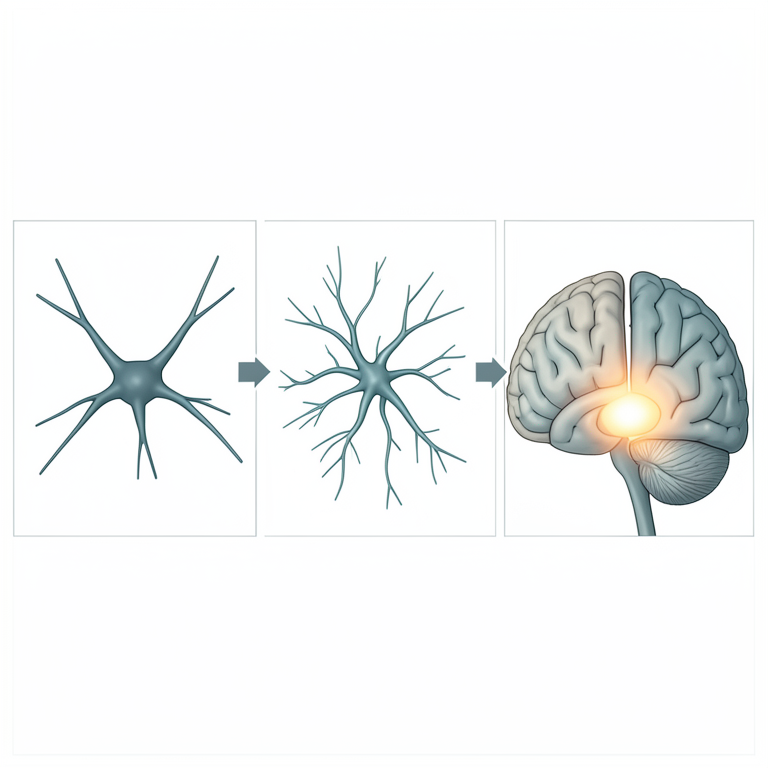
Mechanisms of Neuroplasticity
AI-generated conceptual illustration (human brain and neurons). It explains the idea and does not show study data.
View source evidence ↗Introduction
Neuroplasticity, the brain's remarkable ability to reorganize and adapt by forming new neural connections, is a fundamental mechanism underlying learning, memory, and recovery from brain injuries. This property has profound implications for rehabilitation, especially in conditions involving neurological damage, such as stroke, traumatic brain injury, and neurodegenerative diseases. By leveraging neuroplasticity, clinicians and researchers can devise innovative therapeutic strategies that enhance recovery and functional restoration in patients suffering from such conditions. This review provides a comprehensive overview of the mechanisms underpinning neuroplasticity, examines various rehabilitation strategies that harness these mechanisms, and highlights recent innovations that offer promising advancements in the field. Understanding how neuroplasticity can be manipulated to optimize recovery can pave the way for more effective interventions, ultimately improving patients' quality of life.
Mechanisms of neuroplasticity
Neuroplasticity is driven by several biological processes, including synaptic plasticity, cortical remapping, and structural changes at the cellular level. These mechanisms work synergistically to reorganize neural circuits and compensate for lost or damaged functions.
Synaptic plasticity
Synaptic plasticity refers to the strengthening or weakening of synapses, the junctions between neurons, in response to activity. Two key forms of synaptic plasticity are Long-Term Potentiation (LTP) and Long-Term Depression (LTD), which involve the persistent strengthening and weakening of synapses, respectively. LTP is often associated with learning and memory, while LTD is thought to play a role in synaptic pruning and refinement of neural circuits (Bliss &Lømo, 1973) [2] .
International Journal of Biology Sciences https://www.biologyjournal.net
In the context of rehabilitation, therapies that stimulate LTP can promote the formation of new neural pathways and enhance the recovery of motor and cognitive functions. Techniques such as repetitive task practice and motor imagery have been shown to induce LTP in motor networks, thereby improving functional outcomes after brain injury (Nudo, 2013) [18] .
Cortical remapping
Cortical remapping, also known as functional reorganization, occurs when intact regions of the brain take over the functions previously performed by damaged areas. This process is critical for recovery following brain injuries like stroke, where the primary motor cortex may be compromised, but neighboring areas can compensate by adopting new roles (Cramer et al., 2011) [6] . Functional imaging studies have demonstrated that rehabilitation interventions such as Constraint-Induced Movement Therapy (CIMT) and mirror therapy can promote cortical remapping. These interventions enhance the brain's ability to reorganize its functional map, allowing patients to regain lost abilities (Taub et al., 2006) [20] .
Structural changes
Neuroplasticity also involves structural changes in the brain, including dendritic branching, axonal sprouting, and the formation of new synapses (synaptogenesis). These structural adaptations are essential for long-term recovery and are often accompanied by changes in brain volume and connectivity, as observed through neuroimaging techniques (Johansen-Berg et al., 2010) [9] . Rehabilitation strategies that promote neurogenesis and synaptogenesis, such as aerobic exercise and cognitive training, have been found to enhance these structural changes. These strategies not only aid in recovery but also help to maintain brain health and prevent further decline in neurodegenerative conditions (Kempermann et al., 2008) [10] .
Rehabilitation strategies leveraging neuroplasticity
Several rehabilitation techniques have been developed to exploit neuroplasticity and facilitate functional recovery in patients with neurological impairments. These strategies include task-specific training, non-invasive brain stimulation, and pharmacological interventions.
Task-specific training
Task-specific training involves repetitive practice of tasks that are directly relevant to the patient's functional goals. This approach is based on the principle of "use-dependent" plasticity, where repeated use of neural circuits strengthens them over time (Kleim & Jones, 2008) [11] . Task-specific training has been particularly effective in stroke rehabilitation, where patients engage in activities such as grasping, reaching, and walking to improve motor function.
Studies have shown that task-specific training induces LTPlike changes in the motor cortex, leading to improved coordination and muscle control (Buch et al., 2017) [4] . Moreover, this approach is often combined with techniques such as robotic-assisted therapy and Virtual Reality (VR) to enhance the intensity and variability of training, further promoting neuroplasticity.
Non-invasive brain stimulation
Non-invasive brain stimulation techniques, such as Transcranial Magnetic Stimulation (TMS) and Transcranial Direct Current Stimulation (tDCS), have gained significant attention in rehabilitation for their ability to modulate neural activity and promote plasticity (Bolognini et al., 2009). TMS uses magnetic fields to induce electric currents in specific brain regions, while tDCS applies low-intensity electrical currents to enhance or inhibit neural activity. Both TMS and tDCS have been used to enhance motor recovery in stroke patients by stimulating the motor cortex and facilitating the reorganization of neural circuits. These techniques can be combined with physical therapy to optimize outcomes, as the stimulation primes the brain for plastic changes, making rehabilitation exercises more effective (Hummel & Cohen, 2006) [7] .
Pharmacological interventions
Pharmacological agents that enhance neuroplasticity are being explored as adjuncts to rehabilitation therapies. Drugs such as Selective Serotonin Reuptake Inhibitors (SSRIs), dopamine agonists, and N-methyl-D-aspartate (NMDA) receptor modulators have been shown to facilitate plasticity by modulating neurotransmitter systems involved in synaptic transmission and learning (Berthier et al., 2011) [1] . For example, SSRIs like fluoxetine have been found to enhance motor recovery in stroke patients by promoting neurogenesis and synaptic plasticity in the motor cortex (Chollet et al., 2011) [5] . Similarly, dopamine agonists have been used to improve cognitive function and attention in patients with traumatic brain injury by enhancing dopaminergic transmission in the prefrontal cortex (Whyte et al., 2008) [21] .
Innovations in rehabilitation
Recent technological advancements and emerging therapies are pushing the boundaries of neuroplasticity-based rehabilitation, offering new hope for patients with neurological impairments.
Virtual reality and gaming
Virtual Reality (VR) has emerged as a powerful tool for rehabilitation, providing immersive and engaging environments for patients to practice motor and cognitive tasks. VR-based therapies leverage the brain's natural ability to learn through experience, creating a motivating and interactive platform for promoting neuroplasticity (Laver et al., 2017) [13] .
Studies have shown that VR-based rehabilitation can improve balance, coordination, and motor function in patients with stroke, Parkinson's disease, and cerebral palsy (Massetti et al., 2018) [17] . By providing real-time feedback and allowing for individualized task progression, VR enhances the intensity and effectiveness of rehabilitation, driving greater neuroplastic changes.
Brain-Computer Interfaces (BCIs)
Brain-Computer Interfaces (BCIs) are cutting-edge technologies that enable direct communication between the brain and external devices, bypassing damaged neural pathways (Lebedev & Nicolelis, 2006) [14] . BCIs can be used in rehabilitation to restore motor function in patients with paralysis or severe motor impairments. [19] .
Stem cell therapy
Stem cell therapy holds great promise for enhancing neuroplasticity and promoting recovery in neurological disorders. Stem cells have the potential to differentiate into various cell types, including neurons and glial cells, and can contribute to the repair of damaged brain tissue (Lindvall & Kokaia, 2006) [16] . Preclinical studies have shown that stem cell transplantation can promote neurogenesis, synaptogenesis, and axonal sprouting in animal models of stroke and spinal cord injury (Li et al., 2010) [15] . While clinical applications are still in the early stages, ongoing research is exploring the potential of stem cell therapy to enhance neuroplasticity and improve outcomes in patients with neurological injuries.
Challenges and future directions
While significant progress has been made in leveraging neuroplasticity for rehabilitation, several challenges remain. One of the main challenges is individual variability in the capacity for neuroplasticity. Factors such as age, genetics, and the severity of brain injury can influence the brain's ability to reorganize and recover (Johansson, 2000) [8] . Additionally, the timing and intensity of rehabilitation interventions are critical factors that affect outcomes. Research suggests that early and intensive rehabilitation is more effective in promoting neuroplasticity, but the optimal dosage and timing of interventions remain unclear (Kwakkel et al., 2004) [12] . Future research should focus on developing personalized rehabilitation strategies that take into account individual differences in neuroplasticity and recovery potential. Advances in neuroimaging and neurophysiological techniques will also enable more precise monitoring of plasticity changes, allowing for more targeted and effective interventions.
Conclusion
Neuroplasticity offers a powerful framework for enhancing rehabilitation and promoting recovery in patients with neurological impairments. By understanding the mechanisms underlying neuroplasticity, clinicians and researchers can develop innovative therapies that optimize functional recovery and improve quality of life. Emerging technologies such as virtual reality, brain-computer interfaces, and stem cell therapy hold great promise for the future of neuroplasticity-based rehabilitation. However, further research is needed to refine these approaches and overcome the challenges associated with individual variability and intervention timing. With continued advancements in the field, neuroplasticity will remain a cornerstone of rehabilitation, offering hope for patients with debilitating neurological conditions.
References
21 in the original paper- Berthier ML, Pulvermüller F, Dávila G, Green C. Drug therapy of post-stroke aphasia: A review of current evidence. Neuropsychol Rev. 2011;21(3):302-319.
- Bliss TVP, Lømo T. Long-lasting potentiation of synaptic transmission in the dentate area of the anesthetized rabbit following stimulation of the perforant path. J Physiol. 1973;232(2):331-356.
- Bolognini N, Pascual-Leone A, Fregni F. Noninvasive brain stimulation: A new strategy to improve neurorehabilitation after stroke? Lancet Neurol. 2009;8(8):702-712.
- Buch ER, et al. Enhancing motor skill learning through neuroplasticity induction in chronic stroke patients. J Neurosci. 2017;37(3):671-684.
- Chollet F, et al. Fluoxetine for motor recovery after acute ischemic stroke (FLAME): a randomized placebo-controlled trial. Lancet Neurol. 2011;10(2):123-130.
- Cramer SC, et al. Understanding recovery following stroke: leveraging the brain's neuroplastic potential. J Clin Invest. 2011;121(4):1102-1109.
- Hummel FC, Cohen LG. Non-invasive brain stimulation: A new strategy to improve neurorehabilitation after stroke? Lancet Neurol. 2006;5(8):708-712.
- Johansson BB. Brain plasticity and stroke rehabilitation: The Willis lecture. Stroke. 2000;31(1):223-230.
- Johansen-Berg H, et al. Structural plasticity in the human brain: Can training change the structure of the brain? Nat Rev Neurosci. 2010;11(9):672-682.
- Kempermann G, et al. The neuroplasticity of the hippocampus in adult mammals: How much and how far? Annu Rev Neurosci. 2008;31:563-588.
- Kleim JA, Jones TA. Principles of experiencedependent neural plasticity: Implications for rehabilitation after brain damage. J Speech Lang Hear Res. 2008;51(1):S225-S239.
- Kwakkel G, et al. Intensity of leg and arm training after primary middle-cerebral-artery stroke: A randomised trial. Lancet. 2004;364(9431):191-196.
- Laver KE, et al. Virtual reality for stroke rehabilitation. Cochrane Database Syst Rev. 2017;11:CD008349.
- Lebedev MA, Nicolelis MAL. Brain-machine interfaces: Past, present and future. Trends Neurosci. 2006;29(9):536-546.
- Li Y, et al. Stem cell therapy for ischemic stroke: Progress and challenges. Transl Stroke Res. 2010;1(3):151-160.
- Lindvall O, Kokaia Z. Stem cells for the treatment of neurological disorders. Nature. 2006;441(7097):10941096.
- Massetti T, et al. Virtual reality in pediatric rehabilitation: A systematic review of randomized controlled trials. Pediatr Phys Ther. 2018;30(1):84-92.
- Nudo RJ. Recovery after brain injury: mechanisms and principles. Front Hum Neurosci. 2013;7:887.
- Ramos-Murguialday A, et al. Brain-machine interface in chronic stroke rehabilitation: a controlled study. Ann Neurol. 2013;74(1):100-108.
- Taub E, et al. Constraint-induced movement therapy: a new family of techniques with broad application to physical rehabilitation -A clinical review. J Rehabil Res Dev. 2006;43(3):293-304.
- Whyte J, et al. Dopamine agonists and neurorehabilitation after traumatic brain injury: A randomized, double-blind, placebo-controlled study. J Head Trauma Rehabil. 2008;23(5):288-296.
Cited by 1
From OpenAlex, OpenCitations and reference lists read by Scinovex
- A conceptual approach to comprehensive interdisciplinary cognitive rehabilitation: A description using the TIDieR-rehab framework ↗
Lisa A.S. Walker, Marcia L. Finlayson, Julie Cameron, Sarah J. Donkers, Katherine B. Knox, Nancy E. Mayo et al. · Multiple Sclerosis and Related Disorders · 2025
❝ 1PDF