
Research article · 2024 · Full text
International Journal of Biology SciencesExploring the interplay between candidiasis and diabetes mellitus: Risk factors, pathogenesis and management
Volume 6(2) · Pages 183–187 · DOI: 10.33545/26649926.2024.v6.i2c.253 ↗
Research areasDiabetes and associated disordersAntifungal resistance and susceptibility
Abstract
Author-writtenThe fungal infection known as candidiasis has become a major cause of morbidity and mortality worldwide in recent times, especially in people who are critically ill. The metabolic disease Diabetes Mellitus (DM), which damages the immune system, increases the risk of candidiasis. The interaction between candidiasis and diabetes, including its biology, causes, symptoms, and management options, is the main topic of this review. Results show that those with poorly managed diabetes are more vulnerable to severe and frequent yeast infections, with uncontrolled hyperglycemia making this vulnerability worse. Furthermore, because some diabetes drugs contain added carbohydrates that encourage the yeast to colonize at harmful levels and there is a relationship between these prescriptions and an increased risk of urogenital candidiasis. Patients with diabetes who have severe candidiasis may experience severe urinary tract infections, during pregnancy, and recurrent infections. These infections frequently result in prolonged hospital stays and increased care expenses, especially when indwelling medical devices are used for longer periods of time. In order to address the rising prevalence of candidiasis among diabetes patients and lessen the growing worldwide burden of these infections, the review emphasizes the urgent need for improved prevention and treatment techniques.
Summary
Source-checkedPlain-language reading of the full paper, prepared with AI and checked against the text. Each point links to the authors' own words.
Why it matters
- Candidiasis is a significant global cause of illness and death, particularly among critically ill patients. View evidence ↗
- Diabetes Mellitus increases the risk of developing candidiasis because it damages the patient's immune system. View evidence ↗
- The global prevalence of diabetes was estimated at 425 million people in 2017 and is projected to reach approximately 629 million by 2045. View evidence ↗
The question
- This review aims to explore the interplay between candidiasis and diabetes, focusing on the biological mechanisms, causes, symptoms, and management strategies. View evidence ↗
What they did
- The authors conducted a review of existing literature to synthesize information on the relationship between diabetes and Candida infections. View evidence ↗
What they found
- Patients with type 1 and type 2 diabetes who exhibit poor glycemic control have higher quantities of Candida species in their stools compared to healthy individuals. View evidence ↗
- The rate of stomach colonization by Candida increased to 40% in diabetic patients compared to healthy persons. View evidence ↗
- Candida colonization rates are significantly higher in people with type 1 diabetes (84%) and type 2 diabetes (68%) than in those without diabetes (27%). View evidence ↗
- Oral candidiasis is 4.4 times more common in elderly people with diabetes. View evidence ↗
- High blood glucose levels common in diabetes promote the formation of biofilms, which increases the pathogenicity of Candida species. View evidence ↗
- Certain diabetes medications containing added carbohydrates can increase the risk of urogenital candidiasis by encouraging yeast colonization. View evidence ↗
- Hyperglycemia reduces the effectiveness of antifungal drugs like voriconazole and amphotericin B by lowering their sensitivity. View evidence ↗
- The use of SGLT2 inhibitors is associated with an increased risk of vaginal infections. View evidence ↗
What it means
- The authors conclude that there is an urgent need for better prevention and treatment techniques to reduce the global burden of candidiasis in diabetic patients. View evidence ↗
- Poorly managed diabetes leads to more severe and recurrent yeast infections, resulting in longer hospitalizations and increased healthcare costs. View evidence ↗
Visual summary
1 visualsIllustrations explain the paper; they do not show study data.
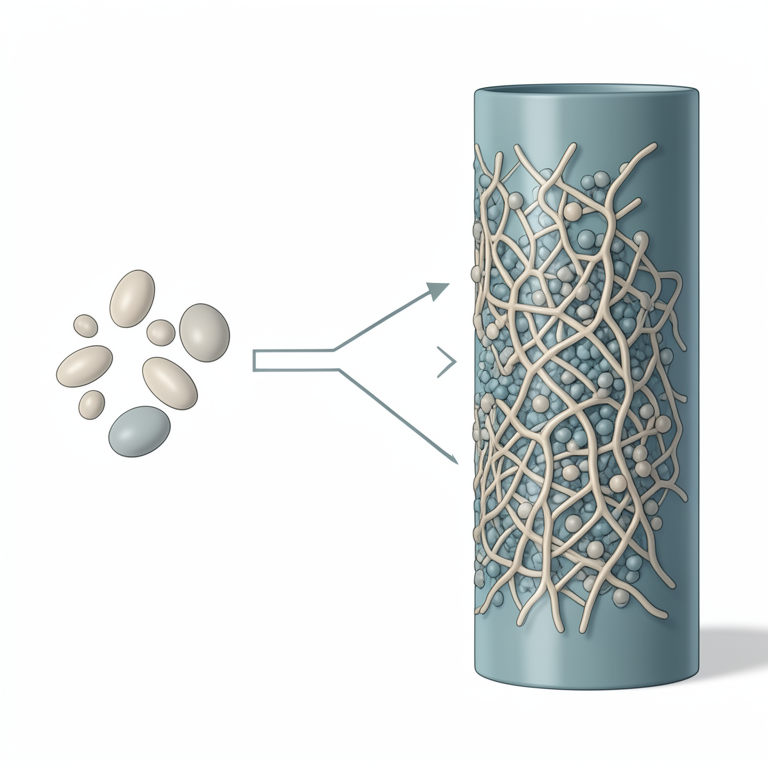
Biofilm Formation in Hyperglycemia
AI-generated conceptual illustration (Candida albicans yeast cells on a medical catheter surface). It explains the idea and does not show study data.
View source evidence ↗Introduction
Diabetes Mellitus (DM) is a long-term metabolic disease that is characterized by high blood glucose levels and is linked to retinopathy, neuropathy, and nephropathy. These issues frequently hasten alterations in the macro-and microvascular systems. Insulin resistance, which affects mitochondrial metabolism, mitochondrial density, ATP generation, and mitochondrial RNA (mtRNA) levels, is a distinctive feature of type 2 diabetes mellitus in the twenty-first century [1] . Elevated stress indicators indicate that this resistance also contributes to increased oxidative stress. Under these circumstances, extended exposure to circular mtRNA can cause substantial tissue changes in the pancreas and endothelial cells, which can lead to secondary vascular problems and complicate the cardiovascular, renal, ophthalmic, and neurological systems [2] . The World Health Organization and the International Diabetes Federation estimate that there were 425 million persons worldwide who had diabetes in 2017. By 2045, that number is expected to rise to around 629 million. Older persons with candidemia have greater rates of diabetes, cardiovascular disease, and respiratory disorders [3] . A great deal of study has been done on the relationship between diabetes and candidiasis, especially because people with diabetes are more susceptible to fungal infections than people without the disease [4] . Patients with Diabetes Mellitus (DM) are more vulnerable to systemic or localized Candida sp. infections due to a number of reasons. The adherence of yeast to epithelial surfaces, increased salivary glucose levels, decreased salivary flow, microvascular damage, and decreased neutrophil candidacidal activity are important factors that facilitate candidal colonization and infection [5] . When there is a generalized condition of immunosuppression, the release of different degradative enzymes, or excessive glucose levels, these problems are much worse. These elements considerably upset the delicate equilibrium between the host's defenses and Candida sp., allowing the latter to change from a commensal to a pathogenic organism and causing infection [6] . These findings are highlighted in a recent study. Studies indicate that individuals with diabetes may be more likely to have intestine Candida albicans, and there may even be a connection between type 1 diabetes and elevated intestinal Candida albicans. Through a process known as the phenotypic switch system or white-opaque transition, Candida albicans is known to lie dormant, waiting for a change in the physiological milieu of the host that often restricts its growth and invasiveness. This process, which occurs at infection sites and recurs in certain diabetic individuals after recurrent episodes of infection, is a heritable and reversible flip between distinct cellular phenotypes [7] . Although the gut microbiota typically contains yeasts, their cell counts typically do not surpass 10 colony-forming units (CFU)/g of feces. Nonetheless, compared to healthy people, those with type 1 and type 2 diabetes who have poor glycemic control had larger quantities of Candida sp. in their stools [8] . This higher colonization is most likely the result of either the direct consequences of elevated blood glucose levels, which foster widespread fungal growth, or impaired immune system function in diabetic individuals with poor glycemic control [9] . In contrast to healthy persons, the rate of colonization in the stomach increased to 40%, a considerable rise. The balance of the intestinal microbiota in type 1 diabetes may be upset by this increase's correlation with a decrease in commensal bacteria, possibly as a result of yeast and bacteria competing with one another [10] . In relation to gastrointestinal colonization, Kowalewska et al.'s results suggested that these patients' elevated IL-12 levels would prevent yeast-like fungal infections. However, more investigation is required to confirm IL-12's antifungal activity [11] . Morbidity and death rates are greatly affected by the formation of drug-resistant Candida species, which are influenced by regional differences in Candida natural flora. By altering colonization patterns, the widespread use of drugs especially azoles have contributed to the selection of resistant species like Candida glabrata, Candida dubliniensis, and Candida krusei. There are currently several species of Candida in the world, but the most common ones are Candida albicans, Candida glabrata, Candida tropicalis, Candida parapsilosis, and Candida krusei. Ninety percent of fungemia cases are caused by species of Candida, which have mortality rates of 40% to 80% in immunocompromised hosts, 60% in nonimmunocompromised patients, and 67% in people with diabetes [12] . The proliferation of Candida species in diabetes individuals has been studied, especially as it relates to the metabolism of glucose and fructose. Research has demonstrated that the concentration of glucose directly influences the growth of Candida albicans, which may be responsible for recurrent yeast infections in uncontrolled diabetes patients. Interestingly, it has been discovered that fructose inhibits the growth of Candida albicans, indicating that diets high in fructose may aid in the prevention of candidiasis. Additional carbon sources including lactose, sucrose, and maltose can reduce the efficacy of antifungal agents by increasing the density of fungal populations. The effect of hyperglycemia on Candida species susceptibility to antifungal drugs in diabetic mice has been studied in recent papers. Results show that by generating hydrogen bonds and lowering the sensitivity of voriconazole and amphotericin B to chemotherapy, hyperglycemia decreases their effectiveness [13] . According to in vivo findings, antifungal medications may become less effective in diabetic mice due to interactions with elevated glucose levels. For diabetic individuals to control infectious illnesses, appropriate medication selection is essential.
Characteristics of Candida sp. and increase occurrence of Candidiasis in patients with DM Enzymatic action
Several investigations have established a connection between increased pathogenic potential of Candida species and the activity of hydrolytic enzymes [14] .
Studies have shown that elevated blood glucose levels cause enhanced hemolytic and esterase enzyme activity in Candida species isolated from diabetes individuals, which may increase the pathogenicity of these organisms. These enzymes, which include Phospholipase (PL) and Secreted Aspartyl Proteinases (SAP), are critical for Candida's ability to bind to and enter oral mucosa, break down host proteins, and obtain vital nutrients. Furthermore, SAP and PL can cause inflammation, raise vascular permeability, and interfere with the host's humoral defenses. Recently, it has been determined that C. albicans hyphae produce a cytolytic peptide toxin known as candidalysin, which plays a major role in both modulating innate immunity and causing harm to epithelial cells. In vitro and in vivo models of oropharyngeal candidiasis, the lack of candidalysin dramatically reduces the invasive capacity of Candida by inducing cell injury and membrane destabilization [15] .
Mechanism of formation of biofilm
Treatment problems arise because Candida species greatly increase their resistance to antifungal therapies and immunological responses by forming biofilms on both living and non-living surfaces. Candida species can colonize medical equipment like central venous catheters, leading to serious infections like candidemia, which has a fatality rate close to 40%. Candida biofilms develop over the course of four phases, the final stage being the mature biofilm, which is made up of a dense network of cells embedded in an extracellular matrix. High blood glucose levels, which are frequently observed in diabetes patients, encourage the production of biofilms and make Candida species more pathogenic. Biofilms therefore present a serious therapeutic issue, especially for patients utilizing medical devices or those with diabetes [16] .
Hydrophobic property of Candida sp.
Agglutinin-like sequence proteins, which are affixed to the fungal cell wall and boost cell surface hydrophobicity, enhance adhesion in Candida species and hence augment pathogenicity by adherence to host tissues. While some Als proteins, including Als5, Als6, and Als7, have different effects on adhesion, others, like Als3p, are essential for epithelial infection. Als protein homologues are also present in Candida species other than Candida albicans, such as Candida glabrata, where they exhibit structural homology with Als proteins. Hydrophobic interactions are crucial for Candida species to invade tissues, and hydrophobicity is a virulence factor that is controlled by genes and frequently associated with biofilm metabolic activity. Candida species are more hydrophobic when grown in anaerobic environments; isolates from diabetes individuals are more likely to be hydrophobic. Moreover, the virulence of Candida species might be increased by germ tubes adhering to extracellular matrix components, which hinders phagocytosis and increases resistance to blood clearance [17] .
Interplay between candidiasis and diabetes mellitus Oral candidiasis
Oral candidiasis is a frequent fungal infection that is becoming more widespread. It is defined by specific alterations to the mucosa, including red patches, pseudomembranous lesions, and biofilm forms. Research shows that compared to people without diabetes (27%), persons with type 1 diabetes (84%) and type 2 diabetes (68%) have far greater rates of Candida colonization. Even though colonization doesn't always mean infection, it can be a sign of a higher risk, especially in people with impaired immune systems, of developing serious systemic infections.
In healthcare settings, managing these infections effectively is a significant problem [18] . Evaluating oral Candida isolates' responsiveness to antifungal drugs is essential for successful diabetes management. Studies reveal that individuals with diabetes have increased levels of Candida species, particularly Candida albicans and Candida glabrata, which can result in fungal infections. Furthermore, research has shown a higher risk of Candida colonization and antifungal medication resistance with inadequate glycemic control. Although antifungal medications like itraconazole, fluconazole, and ketoconazole are generally effective against Candida species, there has been evidence of drug resistance to several of these medications. The medicine and patient population can have an impact on how susceptible Candida isolates are to antifungal drugs. Chlorhexidine gluconate has also been shown to be successful in lessening Candida colonization on dentures.
In conclusion, treating fungal infections in diabetic patients requires an understanding of how isolates of Candida react to antifungal medications [19] .
In healthy people, fungus-related periodontal illnesses are rare; nevertheless, they are more common in those with compromised immune systems or altered oral flora. Diabetes increases the likelihood of developing periodontitis, which can be made worse by immunosuppressive medications, problems with collagen metabolism, and changed host reactions. Candida species, particularly Candida albicans, colonize periodontal pockets and adhere to epithelial cells, which contributes to periodontal inflammation [20] .
Research has indicated that diabetic patients with chronic periodontitis have elevated levels of Candida species, and maintaining good glycemic control can alleviate periodontal inflammation and reduce oral Candida carriage. Monitoring HbA1c levels is essential for managing diabetes-related periodontal diseases, as high Candida infection levels are linked to poor diabetic control [21] . Different microbial communities that occupy different niches live in the oral cavity. By competing for resources and space, commensal bacteria and yeast are crucial in limiting the establishment of harmful microbes. This equilibrium can be upset by broad-spectrum antibiotics, which can have negative consequences. According to recent studies, commensal bacteria interact with tissues to enhance healthy growth and function in addition to providing protection for the host. In biofilm form, dentures can act as reservoirs for bacteria, particularly yeast, increasing their resistance to treatment and capacity for infection. Oral yeast infections are more common in certain populations, such as the elderly and people with serious medical issues. Furthermore, diabetes raises this risk; oral candidiasis is 4.4 times more common in senior diabetic people. Research has shown that Candida albicans is the most prevalent type of yeast in people with and without diabetes, while other species such as Candida tropicalis and Candida glabrata are also found. But occasionally, identification methods could have trouble telling apart species that are similar to one another, such C. dubliniensis and C. albicans [22,23] . Diabetes usually coexists with several oral disorders.
Studies have looked at the connection between glycemic control in type 2 diabetics with periodontitis and Candida species colonization on the tongue and in subgingival plaque. The results showed that both the tongue and subgingival plaque were frequently colonized by Candida species, with a higher frequency in individuals who had poorly controlled diabetes and female patients. Significantly, biofilms were formed by Candida species in dental plaque, and C. albicans isolated from subgingival plaque exhibited enhanced adherence to epithelial cells, suggesting that the oxygen content of periodontal pockets may affect the pathogenicity of C. albicans.
Another study looked at the relationship between gingivitis severity and Candida species and disease-related variables in children and adolescents with diabetes and Nephrotic syndrome. The findings demonstrated that gingivitis was mostly caused by poor dental hygiene, with Candida species being more commonly detected in healthy people. On the other hand, oral candidiasis was exclusively seen in diabetic and Nephrotic syndrome individuals. The severity of gingivitis has been linked to lipid problems, age, and increased body mass, with Candida species playing a role in the condition. Patients with Nephrotic syndrome most likely had worsening plaque-related gingivitis as a result of immunosuppressive therapy and uncontrolled hyperglycemia [24] . Patients with Diabetes Mellitus (DM) are moderately affected by oral problems such as Candida species esophagitis and oropharyngeal candidiasis. DM has been identified in recent studies as a risk factor for oropharyngeal colonization and Candida species esophagitis. Additionally, research suggests that people with diabetes are more likely to become colonized by Candida, with C. albicans being the most common species. If left untreated, candidiasis of the mouth and throat can cause mucosal hyperplasia and eventually progress to cancer. An investigation into alternative therapies looked at the antifungal properties of probiotics, particularly Lactobacillus, in an animal model of diabetes. The results indicated a possible advantage of probiotics for treating oral candidiasis in diabetes patients by suggesting that LG21 yogurt may reduce proliferative and inflammatory alterations caused by C. albicans infection in the forestomach [25] .
Vulvovaginal candidiasis
Vulvovaginal candidiasis and diabetes mellitus (DM) are related in a number of ways. Studies on VVC epidemiology have shown that the prevalence of Candida species has changed and that vaginal colonization is higher in diabetic women. The most common isolated species are Candida albicans and Candida glabrata. The type and severity of diabetes, as well as glucose control, are associated with an increased risk of VVC. VVC risk has been linked to sodium glucose co-transporter 2 inhibitors, which are used to treat type 2 diabetes. Pregnancy and uncontrolled diabetes both increase the risk of infection. Vaginal mucosae biofilms are associated with VVC, and under high glucose circumstances, Candida adheres to epithelial cells through the production of ICAM-1. Although the exact connection between DM and VVC is not entirely understood, studies indicate that controlling metabolic disorders and diabetes effectively can help lower the risk of VVC [26] .
Urinary tract candidiasis
Urinary Tract Infections (UTIs) are becoming more frequently associated with Candida species, especially in hospitalized patients with Diabetes Mellitus (DM). DM causes changes in the genitourinary system that predispose people to severe and complex UTIs. Patients with diabetes are more likely to have candiduria, or the presence of Candida in their urine. Risk factors for candiduria include uncontrolled diabetes, bladder retention, and catheter use. The most common species causing candiduria, according to research, are Candida glabrata and Candida albicans, with C. glabrata being more commonly observed in many nations. Candida can be resolved by properly managing diabetes and getting rid of urinary catheters. Research indicates that appropriate management of blood sugar levels is crucial for shielding diabetics against urinary tract infections and genital tract infections. SGLT2 inhibitors have been associated with a higher risk of vaginal infections; however, this risk can be reduced with appropriate medical education. Fungal infections can cause emphysematous cystitis, an uncommon illness linked to gas formation that is more common in persons with diabetes. Furthermore, bloodstream infections are linked to biofilmforming Candida species in diabetic patients who use urinary catheters. In general, treating and preventing Candida-related UTIs requires good diabetes management as well as addressing contributory factors [27] .
Invasive candidiasis
Due to micro-vascular illness, weakened host defense, and diabetic vasculopathy, which causes hypoperfusion, hyperglycemia, and immunological dysfunction, Diabetes Mellitus (DM) raises the risk of systemic candidiasis. Biofilms are related with a prevalent problem in intensive care units called catheter-associated candiduria. Research has shown that Diabetes Mellitus (DM) is a strong risk factor for candidemia, candiduria, and invasive fungal diseases. The most often isolated species in these studies is Candida albicans. There are other species that are also common, like C. glabrata, C. parapsilosis, and C. tropicalis. Candida species that create biofilms raise mortality and medical expenses. Immunosuppressive conditions, diabetes mellitus, critical illness, and mechanical ventilation are risk factors for both bloodstream infections and candidemia. DM patients and older individuals had greater levels of antifungal resistance. In order to prevent and treat infections linked to Candida, it is imperative to manage diabetes mellitus and address risk factors [28] .
Candidiasis in others form
High blood glucose levels increase the risk of cutaneous fungal infections in diabetics, which can result in thick biofilm formation and the need for medical device drainage.
Due to the possibility of developing diabetic foot syndrome, foot infections including tinea pedis and onychomycosis are especially dangerous for those with diabetes. Candida species are known to induce onychomycosis and to be predictive of diabetic foot syndrome, particularly Candida albicans. Due to their ability to build biofilms, non-C. albicans Candida species are becoming more widely acknowledged as major causes of diabetic foot ulcers, posing a significant diagnostic and treatment challenge [29] . A high frequency of fungal infections in individuals with diabetes, with Aspergillus flavus and Candida albicans being prevalent isolates [30] . Onychomycosis and diabetic foot ulcers are related Varying susceptibility of antifungal drugs to Candida species Diabetics have a higher incidence of onychomycosis than do healthy people. Effects of protein glycation and hyperglycemia on immunological response and neutrophil activity in diabetics [31] .
Conclusion
A fungal infection called candidiasis is a major source of morbidity and mortality, particularly in individuals with Diabetes Mellitus (DM) who are in severe condition. Diabetes that is not well managed raises the risk of severe and recurring yeast infections, which can have major consequences, need longer hospital stays, and result in higher medical expenses. In order to address the increased incidence of candidiasis in diabetes patients and lessen its worldwide burden, the review highlights the need for improved prevention and treatment techniques.
References
31 in the original paper- Karaa A, Goldstein A. The spectrum of clinical presentation, diagnosis, and management of mitochondrial forms of diabetes. Pediatr Diabetes. 2015;16(1):1-9.
- Martin SD, McGee SL. The role of mitochondria in the aetiology of insulin resistance and type 2 diabetes. Biochim Biophys Acta. 2014;1840(4):1303-1312.
- Agarwal S, Raman R, Paul PG, Rani PK, Uthra S, Gayathree R, McCarty C, Kumaramanickavel G, Sharma T. Sankara Nethralaya-Diabetic Retinopathy Epidemiology and Molecular Genetic Study (SNDREAMS 1): study design and research methodology. Ophthalmic Epidemiol. 2005;12(2):143-153.
- Kumar BV, Padshetty NS, Bai KY, Rao MS. Prevalence of Candida in the oral cavity of diabetic subjects. J Assoc Physicians India. 2005;53:599-602.
- Duggan S, Essig F, Hünniger K, Mokhtari Z, Bauer L, Lehnert T, Brandes S, Häder A, Jacobsen ID, Martin R, Figge MT, Kurzai O. Neutrophil activation by Candida glabrata but not Candida albicans promotes fungal uptake by monocytes. Cell Microbiol. 2015;17(9):12591276.
- Gürsoy S, Koçkar T, Atik SU, Önal Z, Önal H, Adal E. Autoimmunity and intestinal colonization by Candida albicans in patients with type 1 diabetes at the time of the diagnosis. Korean J Pediatr. 2018;61(7):217-220.
- Bommanavar SB, Gugwad S, Malik N. Phenotypic switch: The enigmatic white-gray-opaque transition system of Candida albicans. J Oral Maxillofac Pathol. 2017;21(1):82-86.
- Gosiewski T, Salamon D, Szopa M, Sroka A, Malecki MT, Bulanda M. Quantitative evaluation of fungi of the genus Candida in the feces of adult patients with type 1 and 2 diabetes -a pilot study. Gut Pathog. 2014;6(1):43.
- Soyucen E, Gulcan A, Aktuglu-Zeybek AC, Onal H, Kiykim E, Aydin A. Differences in the gut microbiota of healthy children and those with type 1 diabetes. Pediatr Int. 2014;56(3):336-343.
- Kowalewska B, Zorena K, Szmigiero-Kawko M, Wąż P, Myśliwiec M. High Interleukin-12 Levels May Prevent an Increase in the Amount of Fungi in the Gastrointestinal Tract during the First Years of Diabetes Mellitus Type 1. Dis Markers. 2016;2016:4685976.
- Colombo AL, Nucci M, Salomão R, Branchini ML, Richtmann R, Derossi A, Wey SB. High rate of nonalbicans candidemia in Brazilian tertiary care hospitals. Diagn Microbiol Infect Dis. 1999;34(4):281-286.
- Rodaki A, Bohovych IM, Enjalbert B, Young T, Odds FC, Gow NA, Brown AJ. Glucose promotes stress resistance in the fungal pathogen Candida albicans. Mol Biol Cell. 2009;20(22):4845-4855.
- Ingham CJ, Boonstra S, Levels S, de Lange M, Meis JF, Schneeberger PM. Rapid susceptibility testing and microcolony analysis of Candida spp. cultured and imaged on porous aluminum oxide. PLoS One. 2012;7(3):e33818.
- Moyes DL, Wilson D, Richardson JP, Mogavero S, Tang SX, Wernecke J, Höfs S, Gratacap RL, Robbins J, Runglall M, Murciano C, Blagojevic M, Thavaraj S, Förster TM, Hebecker B, Kasper L, Vizcay G, Iancu SI, Kichik N, Häder A, et al. Candidalysin is a fungal peptide toxin critical for mucosal infection. Nature. 2016;532(7597):64-68.
- Chandra J, Kuhn DM, Mukherjee PK, Hoyer LL, McCormick T, Ghannoum MA. Biofilm formation by the fungal pathogen Candida albicans: development, architecture, and drug resistance. J Bacteriol. 2001;183(18):5385-5394.
- Rodrigues AG, Mårdh PA, Pina-Vaz C, Martinez-deOliveira J, Fonseca AF. Germ tube formation changes surface hydrophobicity of Candida cells. Infect Dis Obstet Gynecol. 1999;7(5):222-226.
- Lott TJ, Holloway BP, Logan DA, Fundyga R, Arnold J. Towards understanding the evolution of the human commensal yeast Candida albicans. Microbiology. 1999;145(Pt 5):1137-1143.
- Indira P, Kumar PM, Shalini S, Vaman K. Opportunistic Infections among People Living with HIV (PLHIV) with Diabetes Mellitus (DM) Attending a Tertiary Care Hospital in Coastal City of South India. PLoS One. 2015;10(8):e0136280.
- Al Mubarak S, Robert AA, Baskaradoss JK, Al-Zoman K, Al Sohail A, Alsuwyed A, Ciancio S. The prevalence of oral Candida infections in periodontitis patients with type 2 diabetes mellitus. J Infect Public Health. 2013;6(4):296-301.
- Weykamp C. HbA1c: a review of analytical and clinical aspects. Ann Lab Med. 2013;33(6):393-400.
- Webb BC, Thomas CJ, Whittle T. A 2-year study of Candida-associated denture stomatitis treatment in aged care subjects. Gerodontology. 2005;22(3):168-176.
- Fongsmut T, Deerochanawong C, Prachyabrued W. Intraoral candida in Thai diabetes patients. J Med Assoc Thai. 1998;81(6):449-453.
- Olczak-Kowalczyk D, Pyrżak B, Dąbkowska M, Pańczyk-Tomaszewska M, Miszkurka G, Rogozińska I, Swoboda-Kopeć E, Gozdowski D, Kalińska A, Piróg A, Mizerska-Wasiak M, Roszkowska-Blaim M. Candida spp. and gingivitis in children with nephrotic syndrome or type 1 diabetes. BMC Oral Health. 2015;15:57.
- Terayama Y, Matsuura T, Uchida M, Narama I, Ozaki K. Probiotic (yogurt) containing Lactobacillus gasseri OLL2716 is effective for preventing Candida albicansinduced mucosal inflammation and proliferation in the forestomach of diabetic rats. Histol Histopathol. 2016;31(6):689-697.
- Mikamo H, Yamagishi Y, Sugiyama H, Sadakata H, Miyazaki S, Sano T, Tomita T. High glucose-mediated overexpression of ICAM-1 in human vaginal epithelial cells increases adhesion of Candida albicans. J Obstet Gynaecol. 2018;38(2):226-230.
- Suzuki M, Hiramatsu M, Fukazawa M, Matsumoto M, Honda K, Suzuki Y, Kawabe Y. Effect of SGLT2 inhibitors in a murine model of urinary tract infection with Candida albicans. Diabetes Obes Metab. 2014;16(7):622-627.
- Maki DG, Tambyah PA. Engineering out the risk for infection with urinary catheters. Emerg Infect Dis. 2001;7(2):342-347.
- Wang D, Jiang Y, Li Z, Xue L, Li X, Liu Y, Li C, Wang H. The Effect of Candida albicans on the Expression Levels of Toll-like Receptor 2 and Interleukin-8 in HaCaT Cells Under High-and Lowglucose Conditions. Indian J Dermatol. 2018;63(3):201207.
- Pupim ACE, Campois TG, Araújo EJA, Svidizinski TIE, Felipe I. Infection and tissue repair of experimental cutaneous candidiasis in diabetic mice. J Med Microbiol. 2017;66(6):808-815.
- Wróblewska M, Kuzaka B, Borkowski T, Kuzaka P, Kawecki D, Radziszewski P. Fournier's gangrene-- current concepts. Pol J Microbiol. 2014;63(3):267-273.
- Saha K, Sit NK, Maji A, Jash D. Recovery of fluconazole sensitive Candida ciferrii in a diabetic chronic obstructive pulmonary disease patient presenting with pneumonia. Lung India. 2013;30:338340.4o mini