
Research article · 2024 · Full text
International Journal of Biology SciencesRole of exercise in prevention and management of cancer: A review
Volume 6(2) · Pages 230–232 · DOI: 10.33545/26649926.2024.v6.i2d.257 ↗
Research areasCancer Research and TreatmentDiverse Scientific Research Studies
Abstract
Author-writtenExercise plays a crucial role in both the management and prevention of cancer. Regular physical activity has been shown to reduce cancer risk, improve outcomes for those undergoing cancer treatment, and enhance quality of life during and after treatment. Studies show that regular physical activity lowers the risk of developing several types of cancer, including: Breast Cancer, Colon Cancer, lung Cancer, Endometrial cancer, prostate cancer. Exercise helps balance hormones such as insulin, oestrogen, and testosterone, which are linked to cancer development. Physical activity strengthens the immune system, helping it identify and eliminate abnormal cells before they can turn into cancer. Regular exercise reduces systemic inflammation, a known risk factor for cancer. Obesity is a risk factor for many cancers. Exercise helps maintain a healthy weight, reducing cancer risk. Cancer treatments can be harsh, but exercise helps patients tolerate treatments better by improving overall physical health, reducing nausea, and enhancing recovery. Some cancer treatments, especially hormone therapies, can lead to weight gain. Exercise helps patients maintain a healthy weight, which is important for reducing the risk of cancer recurrence. Exercise is increasingly recognized as a vital component in the prevention, management, and recovery from cancer, offering both physical and psychological benefits.
Summary
Source-checkedPlain-language reading of the full paper, prepared with AI and checked against the text. Each point links to the authors' own words.
Why it matters
- Physical exercise is considered a critical factor in both preventing the onset of cancer and managing the disease. View evidence ↗
- Obesity is identified as a known risk factor for the development of various types of cancer. View evidence ↗
- While cancer treatments are often harsh, exercise can improve a patient's ability to tolerate them by enhancing recovery and reducing nausea. View evidence ↗
The question
- The review aims to explore the wide-ranging benefits of exercise in the context of cancer prevention and therapy. View evidence ↗
What they did
- The authors conducted a literature review to examine the involvement of exercise in cancer treatment. View evidence ↗
- The review considers different modalities of exercise, including aerobic activities (walking, cycling, swimming) and resistance training (weight lifting, bodyweight exercises). View evidence ↗
What they found
- Regular physical activity is associated with a lower risk of developing breast, colon, lung, endometrial, and prostate cancers. View evidence ↗
- Exercise helps regulate hormones linked to cancer development, specifically insulin, estrogen, and testosterone. View evidence ↗
- Physical activity strengthens the immune system, which aids in the identification and elimination of abnormal cells before they become cancerous. View evidence ↗
- Exercise is linked to lower recurrence rates for specific cancers, most notably breast, colon, and prostate cancer. View evidence ↗
- Resistance training helps patients maintain muscle mass, which is critical for recovery and overall strength during treatment. View evidence ↗
- Exercise improves psychological well-being by reducing depression, anxiety, and cancer-related fatigue. View evidence ↗
- Exercise may inhibit tumor growth by reducing the levels of pro-inflammatory cytokines. View evidence ↗
- Exercise reduces insulin-like growth factors and enhances insulin sensitivity, both of which impact cancer progression. View evidence ↗
What it means
- The authors conclude that personalized exercise programs tailored to the patient's health status, treatment phase, and cancer type are essential to maximize benefits. View evidence ↗
- The authors note that not all patients can perform the same exercises due to treatment side effects like neuropathy, pain, and fatigue, necessitating adaptive regimens. View evidence ↗
Visual summary
1 visualsIllustrations explain the paper; they do not show study data.
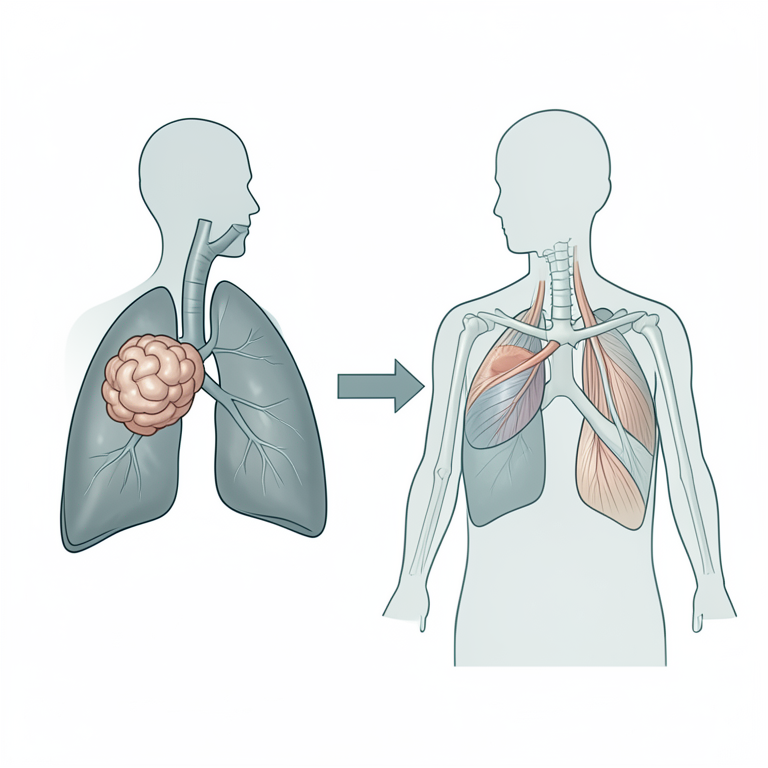
Study overview
AI-generated conceptual illustration (human organs and skeletal muscle). It explains the idea and does not show study data.
View source evidence ↗Introduction
Exercise has become an important area of interest in cancer therapy due to its wide-ranging benefits for both cancer prevention and treatment. Research shows that physical activity can enhance the effectiveness of cancer treatments, reduce side effects, and improve the quality of life for cancer patients [1] . Multiple benefits can be observed in terms of incorporating exercises in daily routine. Exercise has been associated with lower recurrence rates for certain cancers, particularly breast, colon, and prostate cancer. It helps regulate hormones like estrogen and insulin, which play a role in cancer development [2,3] . Physical activity can strengthen the immune system, enabling the body to fight cancer cells more effectively. Exercise promotes the circulation of immune cells, improving their ability to target cancer cells [4] . Cancer treatments often lead to muscle wasting and weight loss. Resistance training and other forms of exercise help maintain muscle mass, which can be important for overall strength and recovery [5] . Exercise reduces cancer-related fatigue, anxiety, and depression, and it improves mood and overall well-being. It can also help patients feel more in control of their treatment journey. Cancer treatments can strain the cardiovascular system, particularly with therapies like certain chemotherapies or radiation targeting the chest area. Exercise supports heart health and reduces the risk of cardiovascular disease [6] . Regular physical activity helps maintain flexibility, balance, and overall physical function, preventing the decline in mobility that some patients experience during treatment. Regular physical activity can help patients tolerate chemotherapy, radiation, and other cancer treatments by reducing fatigue and managing side effects like nausea and pain [7,8] . There are various forms of exercise which can be incorporated in the process of getting benefits in terms of recovery and gaining benefits. Activities like walking, cycling, or swimming which are basically aerobic exercise can improve cardiovascular fitness and reduce cancer-related fatigue. Resistance exercises (e.g., weight lifting or bodyweight exercises) help maintain or rebuild muscle mass, which can be lost during cancer treatment.
Stretching or yoga can help maintain range of motion and reduce stiffness, particularly for patients who may have undergone surgery or radiation [9] . These are important, especially for older patients or those who experience neuropathy (nerve damage) due to chemotherapy. Balance exercises can help prevent falls. Even more some personalised exercise regime can be also designed to treat the patients with best care and effort [10] . Oncologists often work with physiotherapists or exercise physiologists to design tailored exercise programs based on the patient's cancer type, treatment plan, and fitness level. Even low-tomoderate intensity exercises during chemotherapy or radiation can help reduce fatigue and enhance treatment outcomes [12] . Exercise can aid recovery after surgery or treatment, restoring strength, and addressing physical limitations from surgery, radiation, or chemotherapy. Some cancer patients, especially those undergoing aggressive treatments or with metastasis, may need supervised exercise sessions to ensure safety. Although cancer patients often feel fatigued, exercise (even in small amounts) can help alleviate that fatigue over time [13] . Patients with bone metastasis or osteoporosis from certain cancer treatments need low-impact exercises to protect fragile bones. Exercise is increasingly recognized as a vital part of cancer care, contributing to better treatment outcomes, improved survival rates, and enhanced quality of life [14] . Whether during or after treatment, staying physically active helps patients manage both the physical and emotional challenges of cancer therapy.
Literature review in involvement of exercise and cancer treatment
Exercise has emerged as an important component in cancer treatment and survivorship, with research indicating significant benefits in terms of physical and psychological health for cancer patients. Key areas of research focus on the effects of exercise on various aspects of cancer treatment, recovery, and overall quality of life [15] . Studies have shown that regular physical activity is associated with a lower risk of developing several types of cancer, particularly breast, colon, and endometrial cancer. Mechanisms behind this may include regulation of hormone levels, reduction of inflammation, improvement in immune function, and reduction in obesity known risk factor for many cancers [16] . Exercise has been shown to mitigate many side effects of cancer treatments, such as chemotherapy, radiation, and surgery. It can help reduce fatigue, improve physical function, and enhance mental well-being. Chemotherapy and radiation often lead to muscle wasting and weakness [17] . Exercise, especially resistance training, helps preserve muscle mass and strength during treatment. Some research suggests that exercise may boost immune function, helping patients tolerate treatments better and potentially reducing recurrence risks [18] . Cancerrelated fatigue is one of the most common and debilitating side effects of treatment. Both aerobic and resistance exercises have been shown to reduce fatigue in cancer patients, potentially through improved cardiovascular health, better oxygen utilization, and enhanced energy levels. Several studies indicate that exercise may improve survival rates, particularly in breast, colorectal, and prostate cancer [19] . For instance, breast cancer survivors who engage in regular physical activity tend to have a lower risk of recurrence and mortality. Exercise is thought to influence cancer biology by reducing insulin levels, inflammation, and certain growth factors that promote tumour development [20] . It may also help repair DNA and improve cellular health. Different cancers and treatments can affect patients differently, leading to personalized exercise regimens. Helps in preserving lean body mass, improving muscle strength, and preventing bone loss in patients undergoing treatments like hormone therapy or chemotherapy [21] . Cardiovascular activities like walking, swimming, and cycling help enhance heart and lung function, reduce anxiety, and promote overall stamina. Yoga, Pilates, and stretching exercises can improve flexibility, range of motion, and reduce the risk of falls, which can be significant for patients weakened by treatment [22] . Exercise is associated with a reduced risk of cancer recurrence and improved survival, particularly in breast, colon, and prostate cancers [23] . Regular physical activity can reduce depression and anxiety, improving quality of life and overall mental health for cancer survivors. Exercise helps manage weight, reducing obesity, a risk factor for cancer recurrence [24] . Research is ongoing to understand the molecular and cellular mechanisms by which exercise exerts its effects [25] . These include: Exercise reduces levels of pro-inflammatory cytokines, which can promote tumour growth. Exercise enhances insulin sensitivity and reduces insulin-like growth factors, which are involved in cancer progression [26] . Physical activity may alter the tumour microenvironment, making it less conducive to cancer growth and spread. Not all cancer patients can engage in the same types of exercise due to the severity of their condition or treatment side effects. Fatigue, pain, neuropathy, and other conditions may require adaptive exercise regimens [27] . The psychological barrier is also a challenge, as many patients feel too exhausted or depressed to engage in physical activity, even if it's beneficial [28] . Exercise interventions are developed in consultation with healthcare providers to ensure safety and proper integration into cancer treatment plans. Researchers are exploring the doseresponse relationship of exercise in cancer patients, aiming to determine how much and what type of exercise is optimal for improving outcomes [29] . Some studies are investigating exercise as an adjunct therapy, potentially working alongside chemotherapy, radiation, or immunotherapy to improve efficacy and reduce side effects. Digital health tools and wearable devices are being studied to track exercise and optimize personalized fitness plans for cancer patients, particularly during remote care [30] .
Conclusion
Research on exercise and cancer treatment highlights its significant role in improving outcomes for patients. From boosting physical fitness to reducing cancer-related fatigue, improving survival rates, and mitigating treatment side effects, exercise is increasingly being recognized as a complementary strategy in cancer care. The development of personalized exercise programs, based on the patient's cancer type, treatment phase, and individual health status, is key to maximizing these benefits.
References
30 in the original paper- Newton RU, Galvao DA. Exercise in prevention and management of cancer. Curr Treat Options Oncol. 2008;9:135-146.
- Hayes SC, Spence RR, Galvão DA, Newton RU. The Exercise and Sports Science Australia position statement: Exercise medicine in cancer management. Pensaren Movimiento: Rev Cienc Ejercicio Salud. 2023;21(2).
- Stricker CT, Drake D, Hoyer KA, Mock V. Evidencebased practice for fatigue management in adults with cancer: exercise as an intervention. Oncol Nurs Forum. 2004 Sep;31(5).
- Litterini AJ, Jette DU. Exercise for managing cancerrelated fatigue. Phys Ther. 2011;91(3):301-304.
- Kimmel GT, Haas BK, Hermanns M. The role of exercise in cancer treatment: Bridging the gap. Curr Sports Med Rep. 2014;13(4):246-252.
- Santa Mina D, Langelier D, Adams SC, Alibhai SM, Chasen M, Campbell KL, et al. Exercise as part of routine cancer care. Lancet Oncol. 2018;19(9):e433e436.
- Courneya KS, Booth CM. Exercise as cancer treatment: a clinical oncology framework for exercise oncology research. Front Oncol. 2022;12:957135.
- Cormie P, Zopf EM, Zhang X, Schmitz KH. The impact of exercise on cancer mortality, recurrence, and treatment-related adverse effects. Epidemiol Rev. 2017;39(1):71-92.
- Pollán M, Casla-Barrio S, Alfaro J, Esteban C, SeguiPalmer MA, Lucia A, et al. Exercise and cancer: a position statement from the Spanish Society of Medical Oncology. Clin Transl Oncol. 2020;22(10):1710-1729.
- Jones LW, Demark-Wahnefried W. Diet, exercise, and complementary therapies after primary treatment for cancer. Lancet Oncol. 2006;7(12):1017-1026.
- Rutledge L, Demark-Wahnefried W. Weight management and exercise for the cancer survivor. Clin J Oncol Nurs. 2016;20(2):129.
- Hussey C, Gupta A. Exercise interventions to combat cancer-related fatigue in cancer patients undergoing treatment: a review. Cancer Investig. 2022;40(9):822838.
- Mishra SI, Scherer RW, Snyder C, Geigle P, Gotay C. The effectiveness of exercise interventions for improving health-related quality of life from diagnosis through active cancer treatment. Oncol Nurs Forum. 2015 Jan;42(1):E33-E53.
- Zhang YB, Zhong XM, Han N, Tang H, Wang SY, Lin WX et al. Effectiveness of exercise interventions in the management of cancer-related fatigue: a systematic review of systematic reviews. Support Care Cancer. 2023;31(3):153.
- D'Ascenzi F, Anselmi F, Fiorentini C, Mannucci R, Bonifazi M, Mondillo S et al. The benefits of exercise in cancer patients and the criteria for exercise prescription in cardio-oncology. Eur J Prev Cardiol. 2021;28(7):725-735.
- Courneya KS, Friedenreich CM. Physical exercise and quality of life following cancer diagnosis: a literature review. Ann Behav Med. 1999;21(2):171-179.
- Cormie P, Atkinson M, Bucci L, Cust A, Eakin E, Hayes S, et al. Clinical Oncology Society of Australia position statement on exercise in cancer care. Med J Aust. 2018;209(4):184-187.
- McNeely ML, Courneya KS. Exercise programs for cancer-related fatigue: evidence and clinical guidelines. J Natl Compr Cancer Netw. 2010;8(8):945-953.
- Feng Y, Feng X, Wan R, Luo Z, Qu L, Wang Q et al. Impact of exercise on cancer: Mechanistic perspectives and new insights. Front Immunol. 2024;15:1474770.
- Watson G, Coyne ZL, Houlihan E, Leonard G. Exercise oncology: An emerging discipline in the cancer care continuum. Postgrad Med. 2022;134(1):26-36.
- Thomas R, Kenfield SA, Yanagisawa Y, Newton RU. Why exercise has a crucial role in cancer prevention, risk reduction and improved outcomes. Br Med Bull. 2021;139(1):100-119.
- Grande AJ, Silva V, Maddocks M. Exercise for cancer cachexia in adults: Executive summary of a Cochrane Collaboration systematic review. J Cachexia Sarcopenia Muscle. 2015;6(3):208-211.
- Douglas E. Exercise in cancer patients. Phys Ther Rev. 2005;10(2):71-88.
- Phillips KM, Jim HS, Small BJ, Tanvetyanon T, Roberts WS, Jacobsen PB et al. Effects of self-directed stress management training and home-based exercise on stress management skills in cancer patients receiving chemotherapy. Stress Health. 2012;28(5):368-375.
- Knols R, Aaronson NK, Uebelhart D, Fransen J, Aufdemkampe G. Physical exercise in cancer patients during and after medical treatment: A systematic review of randomized and controlled clinical trials. J Clin Oncol. 2005;23(16):3830-3842.
- Scott JM, Nilsen TS, Gupta D, Jones LW. Exercise therapy and cardiovascular toxicity in cancer. Circulation. 2018;137(11):1176-1191.
- Cormie P, Lamb S, Newton RU, Valentine L, McKiernan S, Spry N, et al. Implementing exercise in cancer care: study protocol to evaluate a communitybased exercise program for people with cancer. BMC Cancer. 2017;17:1-10.
- Koper M, Bochenek O, Nowak A, Kałuża J, Konaszczuk A, Ratyna K, et al. From Diagnosis to Recovery: The Life-Changing Benefits of Exercise for Cancer Patients. Qual in Sport. 2024;20:54212-54212.
- Wang Q, Zhou W. Roles and molecular mechanisms of physical exercise in cancer prevention and treatment. J Sport Health Sci. 2021;10(2):201-210.
- Scott K, Posmontier B. Exercise interventions to reduce cancer-related fatigue and improve health-related quality of life in cancer patients. Holist Nurs Pract. 2017;31(2):66-79.