
Research article · 2024 · Full text
International Journal of Biology SciencesExploring quality of life in patients with traumatic brain injury: A literature review
Volume 6(2) · Pages 82–84 · DOI: 10.33545/26649926.2024.v6.i2b.235 ↗
Research areasTraumatic Brain Injury Research
Abstract
Author-writtenTraumatic Brain Injury (TBI) is a significant public health concern that affects millions of individuals worldwide, leading to a wide range of physical, cognitive, emotional, and behavioural impairments. These impairments profoundly impact patients' Quality of Life (QoL), influencing their ability to perform daily activities, maintain social relationships, and achieve personal and professional goals. This review examines the multidimensional aspects of QoL in patients with TBI, considering factors such as the severity of the injury, rehabilitation outcomes, and psychosocial support. Cognitive dysfunction, emotional instability, chronic pain, and sensory impairments, including visual disturbances, are common sequelae that can negatively affect QoL. The study explores various assessment tools used to measure QoL in TBI patients, highlighting the importance of patient-reported outcomes to capture the nuanced experiences of this population. Moreover, the paper discusses the role of multidisciplinary rehabilitation approaches, including physical therapy, neuro-optometry, and psychological support, in enhancing QoL. Evidence suggests that tailored rehabilitation programs that address cognitive, emotional, and sensory deficits can significantly improve QoL outcomes. The findings underscore the need for comprehensive care models that integrate medical, psychological, and social interventions to support the long-term well-being of TBI survivors. Future research should focus on developing and validating QoL-specific interventions and exploring the long-term effects of TBI on various life domains to optimize recovery and adaptation strategies for patients.
Summary
Source-checkedPlain-language reading of the full paper, prepared with AI and checked against the text. Each point links to the authors' own words.
Why it matters
- Traumatic Brain Injury (TBI) is a major global public health issue that causes various physical, cognitive, emotional, and behavioral impairments in millions of people. View evidence ↗
- TBI is particularly concerning for adults over 65, with occurrence rates increasing by 25% in recent decades. View evidence ↗
- The World Health Organization projects that by 2030, TBI will become a leading cause of disability and death globally, surpassing many other diseases. View evidence ↗
The question
- The review aims to examine the multidimensional aspects of Quality of Life (QoL) in TBI patients, focusing on injury severity, psychosocial support, and rehabilitation outcomes. View evidence ↗
What they did
- The authors used a systematic review approach, searching the PubMed, Scopus, and Google Scholar databases. View evidence ↗
- The review included studies published from 2000 to 2023 that involved human TBI patients and utilized validated QoL assessment tools. View evidence ↗
- Studies were included if they were peer-reviewed, assessed QoL in TBI patients, and used standardized instruments like SF-36, QOLIBRI, or WHOQOL-BREF. View evidence ↗
- The researchers used thematic analysis to identify patterns and synthesize factors affecting QoL in TBI patients. View evidence ↗
What they found
- The severity of cognitive impairments serves as a key predictor for a decrease in the quality of life for TBI patients. View evidence ↗
- Depression is a frequent psychiatric condition after TBI, affecting up to 50% of patients within the first year following the injury. View evidence ↗
- Many TBI patients suffer from chronic pain, including musculoskeletal discomfort, neck pain, and headaches, which persist long after the injury. View evidence ↗
- TBI patients with strong social networks report higher quality of life compared to those without such support. View evidence ↗
- The lifetime costs for a patient with severe TBI can exceed $3 million, encompassing both indirect productivity losses and direct medical expenses. View evidence ↗
What it means
- The authors conclude that rehabilitation must be multidimensional, addressing cognitive function, emotional health, and social reintegration in addition to physical disabilities. View evidence ↗
- The authors recommend that healthcare providers use a patient-centered approach to address the unique needs of individuals across all dimensions of quality of life. View evidence ↗
- The authors state that future research needs to focus on long-term follow-up studies to track QoL changes over time and the effectiveness of various interventions. View evidence ↗
Visual summary
1 visualsIllustrations explain the paper; they do not show study data.
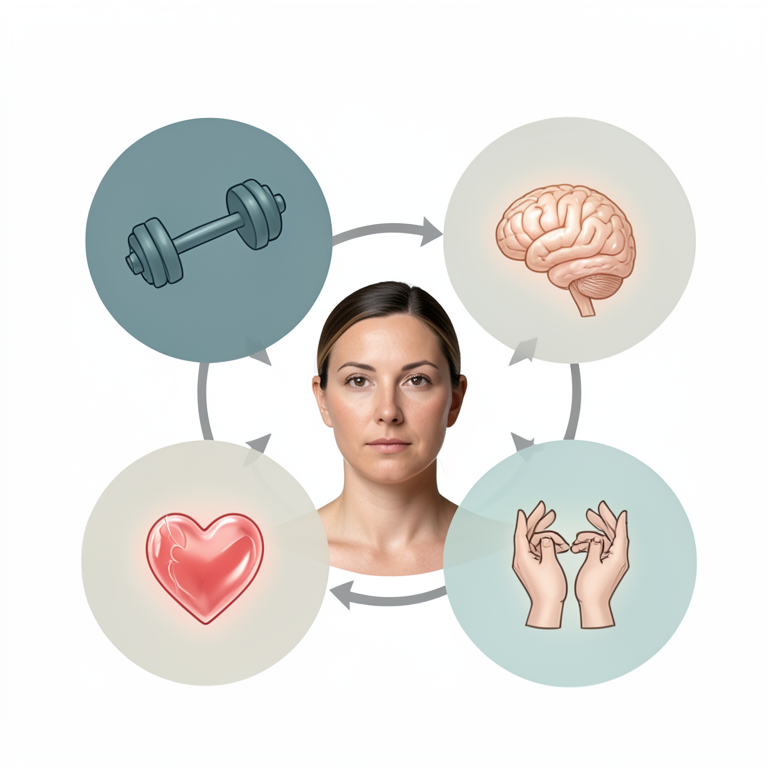
Multidimensional Rehabilitation Model
AI-generated conceptual illustration (adult human head and torso). It explains the idea and does not show study data.
View source evidence ↗Introduction
Traumatic brain injury is defined as an injury to the brain resulting from an external mechanical force such as a blow or jolt to the head or a penetrating head injury that disrupts normal brain function. The severity of TBI ranges from mild (concussions) to severe injuries that may result in coma or death. Globally, TBI contributes significantly to disability and mortality. Traumatic brain injury is a global concern specially in older adults (>65 years), as the occurrence rate has increased by 25% over the past few decades. Increased motorisation in developing countries and aging suggests the increase in this rate. It is seen that hospitalisation of older adults with TBI is four times more than the younger ones, accompanied by poor prognosis and functional abilities. The World Health Organization (WHO) has projected that by 2030, TBI will surpass many diseases as a major cause of death and disability worldwide (WHO, 2020) [1] . A subset of severe TBI survivors, following extended hospital treatment and rehabilitation care may experience long term physical, cognitive and psychological disorders. These disorders can have serious social and economic repercussions by upsetting past relationships and making it impossible to return to work. Due to the global burden the life expectancy of the TBI survivors is shorter than the general population. The patient viewpoint on Quality of Life (QoL) has recently gained attention as a crucial indicator after Traumatic Brain Injury. QoL is defined as the self-reported measurement of fulfilment in various aspects of life, such as physical health, social connections and community. In TBI patients, QoL is often significantly diminished due to long-term cognitive impairments, emotional disturbances, and physical disabilities. Evaluating QoL in TBI patients is essential to understanding the broader impact of the injury beyond clinical recovery, as it encompasses an individual's ability to reintegrate into society and maintain meaningful relationships and roles.
Methodology Study design and search strategy
This study follows a systematic review approach to explore the QoL in patients with TBI. Databases including PubMed, Scopus, and Google Scholar were searched using the following keywords: "Traumatic Brain Injury," "Quality of Life," "Cognitive Impairment," "Emotional Disturbances," and "Physical Disabilities." The review focused on studies published between 2000 and 2023, involving human participants with confirmed TBI and using validated QoL assessment tools.
Inclusion and exclusion criteria
Inclusion criteria for this review were studies that i) Assessed QoL in TBI patients, ii) Utilized standardized QoL instruments such as the SF-36, QOLIBRI (Quality of Life after Brain Injury), or WHOQOL-BREF, and iii) Were published in peer-reviewed journals. Studies involving animal models, case reports, or those focusing solely on clinical recovery without QoL assessments were excluded.
Data extraction
The selected studies were evaluated for their sample size, patient demographics, severity of TBI, QoL assessment tools, and key findings related to the various dimensions of QoL. A thematic analysis was conducted to identify patterns in the data and to synthesize the information into a coherent narrative on the factors affecting QoL in TBI patients.
Result and Discussion
Result and Discussion
Cognitive impairments and QoL
Cognitive dysfunction is one of the most debilitating outcomes of TBI, affecting memory, attention, and executive functioning. These impairments directly influence QoL by reducing the ability of patients to perform everyday tasks, return to work, or engage in social activities. Several studies have demonstrated that the severity of cognitive impairments is a key predictor of diminished QoL in TBI patients (Ponsford et al., 2014) [4] . For instance, memory loss and difficulties with concentration hinder the ability to manage personal affairs and reintegrate into society, leading to a perception of diminished autonomy. Moreover, cognitive impairments can affect emotional regulation, further compounding the negative impact on QoL. Patients with severe cognitive deficits often experience frustration, anger, and feelings of hopelessness, which can exacerbate emotional disturbances such as anxiety and depression (Jorge et al., 2010) [3] . Cognitive rehabilitation programs have shown promise in improving some aspects of cognitive function, but their impact on overall QoL remains variable and often limited to short-term gains.
Emotional disturbances and QoL
Emotional disturbances, including depression, anxiety, and irritability, are prevalent among TBI patients and have a profound impact on QoL. Depression, in particular, is one of the most common psychiatric conditions following TBI, affecting up to 50% of patients within the first-year postinjury (Jorge et al., 2010) [3] [5] . However, long-term follow-up studies are needed to assess whether improvements in emotional health led to sustained improvements in QoL.
Physical disabilities and QoL
Physical disabilities following TBI, such as motor dysfunction, chronic pain, and sensory impairments, are closely linked to reduced QoL. Chronic pain is particularly common, with many patients experiencing headaches, neck pain, and musculoskeletal discomfort that persists long after the initial injury (Dikmen et al., 2009) [2] . Motor impairments, including loss of coordination, balance issues, and reduced mobility, can severely limit independence and the ability to engage in activities of daily living. Physical disabilities not only affect the physical domain of QoL but also have a cascading effect on other areas such as emotional health and social functioning. For example, patients who require assistance with mobility may feel a loss of autonomy, leading to emotional distress and withdrawal from social interactions. Rehabilitation programs focusing on physical therapy and pain management are critical for improving physical function, but their impact on QoL is often limited unless they are integrated with cognitive and emotional support.
Conclusion
The findings of this review underscore the importance of a multidimensional approach to improving QoL in TBI patients. Effective rehabilitation strategies must go beyond addressing physical disabilities and incorporate interventions aimed at improving cognitive function, emotional health, and social reintegration. Healthcare providers should adopt a patient-centered approach that considers the individual's unique needs and challenges across all dimensions of QoL. Future research should focus on long-term follow-up studies to assess how QoL changes over time in TBI patients and the effectiveness of different interventions in improving QoL outcomes. There is also a need for more research on the role of social support and community-based programs in enhancing QoL for TBI patients, particularly in underserved populations. Additionally, studies exploring the economic impact of TBI and its influence on access to care could provide valuable insights into reducing healthcare disparities in this population. TBI has far-reaching consequences that extend beyond clinical recovery, profoundly impacting patients' QoL.
Cognitive impairments, emotional disturbances, and physical disabilities all play a significant role in reducing QoL, and addressing these factors through comprehensive rehabilitation programs is essential for improving long-term outcomes. By focusing on the broader aspects of QoL, healthcare providers can offer more holistic care that supports patients in achieving meaningful societal reintegration and maintaining fulfilling relationships.
References
7 in the original paper- Dikmen SS, Machamer JE, Fann JR, Temkin NR. Rates of functional outcome following traumatic brain injury. Journal of Trauma. 2009;66(5):150-156.
- Jorge RE, Robinson RG, Starkstein SE. Depression following traumatic brain injury: A 1-year longitudinal study. Journal of Neuropsychiatry and Clinical Neurosciences. 2010;22(2):201-213.
- Ponsford J, Draper K, Schonberger M. Functional outcomes 10 years after traumatic brain injury. Journal of Head Trauma Rehabilitation. 2014;29(6):507-516.
- Kreutzer JS, Seel RT, Gourley E. The prevalence and symptom rates of depression after traumatic brain injury: a comprehensive examination. Brain Injury. 2001;15(7):563-576.
- Sander AM, Clark A, Pappadis MR. What is community integration anyway? Defining meaning following traumatic brain injury. Journal of Head Trauma Rehabilitation. 2014;29(5):427-432.
- Zaloshnja E, Miller T, Langlois JA. Prevalence of longterm disability from traumatic brain injury in the civilian population of the United States, 2005. Journal of Head Trauma Rehabilitation. 2008;23(6):394-400.
- Andelic N, Anke A, Skandsen T, Sigurdardottir S, Sandhaug M, Ader T, et al. Incidence of hospitaladmitted severe traumatic brain injury and in-hospital fatality in Norway: A national cohort study. Neuroepidemiology. 2012 Jun 5;38(4):259-267.
Cited by 1
From OpenAlex, OpenCitations and reference lists read by Scinovex
- Strengthening Strategies in Traumatic Brain Injury: Evidence-Based Prevention, Rehabilitation and Emerging Technology ↗
Donavella Alvacite Cardenas · IntechOpen eBooks · 2026
Traumatic brain injury (TBI) is a leading cause of long-term disability worldwide, with profound physical, cognitive, and socioeconomic consequences. Traditional management has largely focused on acute medical care and symptom-based recovery pathways; however, growing evidence highlights the importance of modifiable biomechanical and neuromuscular factors in both injury prevention and rehabilitation. This chapter critically examines strengthening strategies, particularly cervical spine and…
❝ 0PDF
Social and occupational reintegration
One of the most challenging aspects of recovery for TBI patients is social and occupational reintegration. Many individuals with TBI struggle to return to their previous jobs or roles within the family, leading to feelings of inadequacy and loss of identity. Social isolation is common, as patients may have difficulty maintaining relationships due to emotional instability, cognitive impairments, or physical disabilities (Sander et al., 2014) [6] .
A study by Andelic et al., (2010) [8] highlighted the importance of social support in the recovery process.
Patients with strong social networks reported higher levels of QoL than those who lacked such support. Family members, friends, and community support groups play a critical role in helping patients regain a sense of normalcy and connection to society. Conversely, individuals who lack these supports often experience feelings of loneliness and despair, which further diminishes their QoL.
Economic burden and access to care TBI imposes a significant economic burden on patients and their families, particularly in cases of severe injury that result in long-term disability. The costs associated with ongoing medical care, rehabilitation, and loss of income can be overwhelming. Economic strain not only affects the patient's QoL but also places immense stress on caregivers and family members. A study by Zaloshnja et al., (2008) [7] estimated that the lifetime costs associated with severe TBI can exceed $3 million per patient, including direct medical costs and indirect costs related to lost productivity. Access to high-quality rehabilitation services is often limited by socioeconomic factors, with low-income individuals facing barriers to comprehensive care. Disparities in healthcare access can lead to poorer QoL outcomes for patients who cannot afford specialized treatments, exacerbating existing inequalities in health and well-being.