
Research article · 2024 · Full text
International Journal of Advanced Chemistry ResearchThe impact of antioxidants in fruits and vegetables and their potential in health
Volume 6(2) · Pages 100–105 · DOI: 10.33545/26646781.2024.v6.i2b.232 ↗
Research areasConsumer Attitudes and Food Labeling
Abstract
Author-writtenA well balanced nutritious diet is an outcome of a good health. Fruits and vegetables are suggested by the nutritional pyramid as a fundamental component of a balanced diet as they serve excellent nutritious value that includes vitamins, minerals, fibers, and antioxidant. These potent antioxidants protect our bodies from damage and stave off free radicals. Fruits and vegetables are the analogue of nature of avengers. According to the study of epidemiological research announce that increased consumption of fruits and vegetables can result in lower risk of developing diseases such as diabetes, arthritis, ageing, atherosclerosis, and cancer. They are also known as “Cascade of youth" as they proof how strongly they slow down the ageing process. For this reason, fruits and vegetables have been given the title of "valuable foods," meaning they can either prevent or treat diseases and promote overall health. Among the most well researched antioxidants include glucosinolates, carotenoids, phenolic flavonoids, and lycopene. This review highlights the antioxidants that are found in fruits and vegetables and chemistry behind it as well as effect of antioxidant in health.
Summary
Source-checkedPlain-language reading of the full paper, prepared with AI and checked against the text. Each point links to the authors' own words.
Why it matters
- Fruits and vegetables are considered essential parts of a balanced diet because they provide critical nutrients, including vitamins, minerals, fibers, and antioxidants. View evidence ↗
- Epidemiological research suggests that eating more fruits and vegetables can reduce the risk of several conditions, including cancer, diabetes, atherosclerosis, arthritis, and aging. View evidence ↗
- Antioxidants found in these foods are important because they protect the body from damage by neutralizing free radicals. View evidence ↗
The question
- The aim of this review is to highlight the types of antioxidants present in fruits and vegetables, the chemistry of these substances, and their effects on human health. View evidence ↗
What they did
- The 2,2-diphenyl-1-picrylhydrazyl (DPPH) method is a commonly used, affordable, and quick approach for measuring the antioxidant activity of plant-based foods. View evidence ↗
- In the DPPH assay, antioxidant activity is measured using a UV-visible spectrophotometer to track the reduction of absorbance at 517 nm. View evidence ↗
What they found
- Fresh apple extracts with peel contain higher levels of phenolics (290.2±4.2 mg) and flavonoids (142.7±3.7 mg) per 100 g compared to those without peel (219.8±1.8 mg and 97.6±3.9 mg, respectively). View evidence ↗
- The antioxidant capacity of 100 g of thoroughly cleaned apples is equivalent to 1500 mg of vitamin C. View evidence ↗
- Generally, fruits have a higher Total Antioxidant Capacity (TAC) than vegetables, although berries, plums, and citrus fruits are noted as exceptions. View evidence ↗
- Cruciferous vegetables, orange vegetables, and leafy greens are identified as rich sources of fat-soluble carotenoids. View evidence ↗
- Spinach (containing 41 calories and 0 g fat per 100 g) provides lutein and zeaxanthin, which are phytotherapeutic compounds essential for eye health. View evidence ↗
- Blueberries (81 calories and 0 g fat per 100 g) contain anthocyanins, which inhibit cancer cell growth and help treat urinary tract infections. View evidence ↗
- Replacing red meat or other high-fat foods with walnuts can increase HDL (good cholesterol) and decrease LDL (bad cholesterol). View evidence ↗
What it means
- The authors recommend consuming a diverse range of fruits and vegetables to maximize the benefits of their various antioxidant profiles. View evidence ↗
- A limitation of the DPPH method is that it provides only a broad assessment of antioxidant capacity and cannot identify specific antioxidant molecules. View evidence ↗
Visual summary
1 visualsIllustrations explain the paper; they do not show study data.
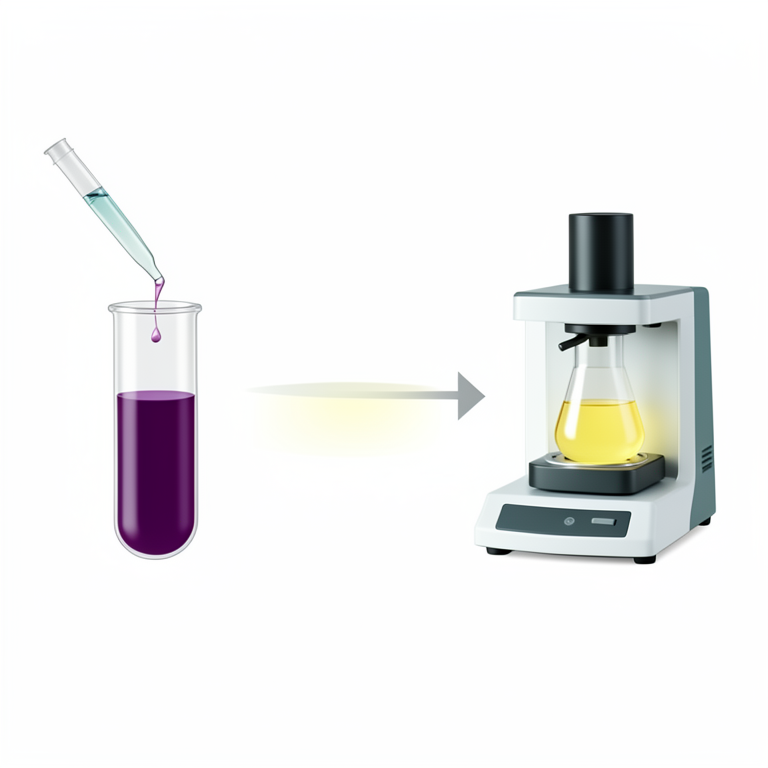
DPPH Assay Process
AI-generated conceptual illustration (purple DPPH solution, plant extract, and a UV-visible spectrophotometer). It explains the idea and does not show study data.
View source evidence ↗Figures & tables
From the original paper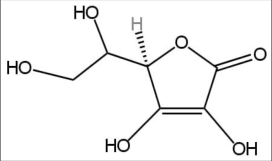 Figure 1
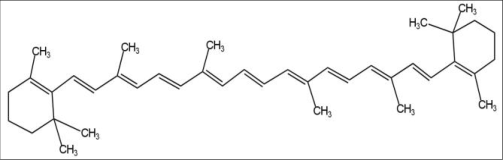 Figure 2
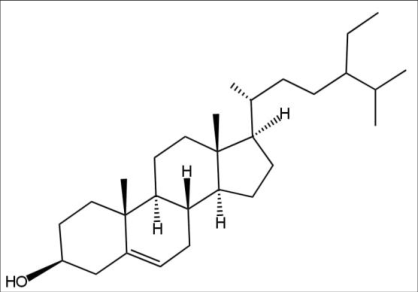 Figure 3
Introduction
Endogenous antioxidants: The natural defense system of the body Despite the fact that we typically associate antioxidants with brightly colored fruits and vegetables, the truth is that our bodies also naturally generate a powerful supply of endogenous antioxidants, which are created to combat the harmful effects of free radicals. These volatile substances have the potential to damage cells and play a part in the emergence of chronic illnesses such as heart disease, cancer, and neurological problems. They are created both when the environment contains pollutants and during normal metabolism. Thankfully, our internal antioxidant army combats free radicals and protects our health.
The endogenous lineup 1. Enzymatic antioxidants: These powerful agents directly counteract free radicals by means of specific chemical reactions. Among the significant players are: 2. Superoxide Dismutase (SOD): Converts superoxide radicals (O 2-) into hydrogen peroxide (H 2 O 2 ). 3. Catalase (CAT) converts H 2 O 2 into water and oxygen. 4. Glutathione Peroxidase (GPx): Decreases lipid peroxides and H 2 O 2 by using glutathione (GSH).
Control and output
The following are only a few of the many variables that influence the production of endogenous antioxidants: 1. Diet: Although antioxidants in food are vital, some elements, like zinc, vitamin C, and selenium, are also required cofactors for the antioxidants created by enzymes to be effective.
Age:
Oxidative stress is more prevalent as people age since antioxidant levels frequently decline with age.
The endogenous line-up 1. Enzymatic antioxidants: These powerful agents directly counteract free radicals by means of specific chemical reactions. Among the significant players are: 2. Superoxide Dismutase (SOD): Converts superoxide radicals (O 2-) into hydrogen peroxide (H 2 O 2 ). 3. Catalase (CAT) converts H2O2 into water and oxygen.
Glutathione Peroxidase (GPx): Decreases lipid
peroxides and H 2 O 2 by using glutathione (GSH).
Control and Output:
The following are only a few of the many variables that influence the production of endogenous antioxidants:
1. Diet: Although antioxidants in food are beneficial, other nutrients-like zinc-are more likely to 2. Lifestyle: Exercise, stress reduction, and adequate sleep can all positively impact the production of antioxidants.
Pathological conditions:
Two diseases that might lower antioxidant levels include cancer and chronic inflammation.
Fruits and vegetables containing antioxidant
A high daily consumption of fruits and vegetables enhances health, as evidenced by several researches on nutritional concerns that have shown how vital it is to eat a diet rich in fruits and vegetables because they are sources of nutrients and nonnutritive food elements. In the meantime, it is well recognized that a poor intake of fruits and vegetables is associated with a higher risk of dying from cancer and vascular disease; antioxidants, vitamins, and phytochemicals are partial contributors to these advantages. Since the body burns oxygen to metabolize calories, it produces free radicals as a result; therefore, the more calories consumed, the more free radicals produced. This is true even though fruits, vegetables, and cereals contain phytotherapeutic substances and antioxidants in their purest form. Research has indicated that patients with cancer may be at risk for an imbalanced antioxidant uptake. This is because both an excess and deficiency of antioxidants can adversely impact normal cellular processes. Therefore, it is important to take both pathological conditions like cancer and antioxidant uptake into account. Phytotherapeutic chemicals are natural molecules that function as a plant defence mechanism; there are about 2000 of these substances found in food. Antioxidants and phytotherapeutic compounds, such the following, are abundant in different types of food:
Apple: In vitro colon and liver cancer cell growth is suppressed in a dose-dependent manner by apple extracts, and 100 g of thoroughly cleaned apples show antioxidant capacity equivalent to 1500 mg of vitamin C. The amount of phenolics and flavonoids in Red Delicious apples extracted with 80% acetone was measured. For every 100 g of apples, with and without peel, the fresh apple extracts contained 290.2±4.2 mg and 219.8±1.8 mg phenolics compounds, as well as 142.7±3.7 mg and 97.6 ±3.9 mg flavonoids.
Comparing apple extracts with and without peel, the latter demonstrated a marked increase in tumour cell proliferation. At every dose tested, the apple extracts exhibited no cytotoxicity.
Strawberries: Due to their widespread consumption, both raw and processed, strawberries offer a substantial amount of several chemicals that have been shown to have health advantages against a variety of ailments. For instance, the antioxidative and antiproliferative qualities of phenolic compounds Studies have demonstrated the antiinflammatory, anti-cancer, and heart disease prevention properties of strawberry extracts and their constituents due to decreased platelet aggregation and low-density lipoprotein oxidation.
Tomatoes: A medium tomato has 28 calories and 0 grammes of fat. Lycopene and vitamin C are abundant in tomatoes from a biochemical perspective.
In addition to being high in iron, folic acid, and B vitamins, 100 g of spinach has just 41 calories and 0 g of fat.
Moreover, spinach has two phytotherapeutic compounds that are crucial for eye health: lutein and zeaxanthin [. Eat it as raw or scalded as possible, according to recommendations.
Nuts: 30 g of nuts include 150 calories and 12 g of fat.
Walnuts have good levels of monosaturated and polyunsaturated fats despite their high fat content. Walnuts can raise HDL (Good cholesterol) and decrease LDL (bad cholesterol) when they are consumed in place of red meat or other high-fat foods. Vitamin E, a well-known antioxidant, is also present in nuts. But because they are richer in calories, it is advised to consume them in moderation.
Broccoli: Cooked broccoli has 0 g of fat and 44 calories per 100 g. Broccoli is a good source of calcium, fiber, and vitamin C. Additionally, this vegetable contains phytotherapeutic compounds that are employed as natural antibiotics, antiviral medications, and antimycotics; these compounds help guard against DNA damage and stop the growth of cancerous cells. Since the enzymes and associated nutrients are destroyed during the intense thermal processing of this vegetable, it is best to eat it raw or barely cooked.
Blueberries: 100 g of blueberries provide 81 calories, 0 g of fat, and are a notable antioxidant source. The phytotherapeutic ingredient that gives blueberries their distinctive dark blue colour, anthocyanin, also has a healing impact on urinary tract infections and inhibits the growth of cancer cells. Consuming blueberries and/or anthocyanins on a daily basis has been linked to improved weight management, neuroprotection, and a lower risk of cardiovascular disease and type 2 diabetes.
Green tea: In Asia, people drink green tea at a rate equal to that of coffee drinkers in the West. Research links green tea use to a lower risk of liver, esophageal, and stomach cancers. The phytotherapeutic component of green tea, polyphenol, has been shown to have anticancer properties.
Grape juice: Grapes are rich in phenolic chemicals, particularly red grapes. Both the health advantages of phenolic compounds and their role in the creation of grape products are being researched. They can shield cells from oxidative damage and possess a variety of antioxidant qualities.
Common antioxidants found in fruits and vegetables
Phenolic compounds: These are secondary metabolites that are formed by aromatic compounds such as benzene so the
presence of hydrogen atoms can be replaced by hydroxyl groups or carboxylic acids which are often present in plants and play a direct role in antioxidant activity. They are highly helpful in the defense mechanisms against radiation and infections. The advantage over phenolic acid is not only their bioavailability but also properties it includes such as solubility which provides increases digestive tract absorption and also serves as one of the most important concerns in the food industry due to the fact that they slow down the oxidative breakdown of fats, improving the nutritional value and quality of meals. The most prominent phenolic acids present in meals derived from vegetables are gallic acid and syringic acid, which belong to the benzoic acid derivatives category, and couramic acid, ferulic acid, and chlorogenic acid, which belong to the cinnamic acid derivatives group. Several antioxidants, including watersoluble vitamins like ascorbic acid and fat-soluble vitamins like alpha tocopherol, as well as enzymes like superoxide dismutase, catalase, and gluthionereducase, are found in plants instead of phenolic compounds. These substances possess anti-inflammatory, antibacterial, and anticancer effects. Compared to beta carotene, vitamin C, and glutathione, certain flavonoids have higher antioxidant action. Extracts from beetroot pomace contain significant levels of phenolic chemicals, according to earlier research.
According to current research, the extract of Melilotus officinalis, which has the largest concentration of phenolic and flavonoid components, demonstrated the strongest antioxidant activity. Cartenoids: These are main resources for antioxidant activity, immune system activity as well as communication that occurs intercellularily. Several studies have conducted that has already proved carotenoids reduce the incidence of cardiovascular diseases, malignancies, age-related macular degenerations, and cataract development. For instance, pumpkins have significant levels of antioxidants that change depending on their maturation state. The cartenoids which present in case of fruits and vegetables are in the form of acyclic molecules which benefits in human health that are provided by this compound. These are potent antioxidants because they may lower the amount of free radicals in the environment, operate as reactive scavengers of oxygen species, and function as chemical inhibitors. This lowers oxidative stress, which is linked to the emergence of processes linked to a number of chronic illnesses. Apart from their anti-oxidant characteristics, they are regarded as precursors of vitamin A, with β-carotene being particularly notable. However, eating foods high in carotene has also been linked to numerous health benefits, including a decreased risk of cardiovascular disease, an enhanced immune system, a decrease in the growth of cancer cells, and hepato protective and neuro protective effects. Vitamin: Vitamins are necessary substances that the body uses for a number of metabolic and biological functions. Of all the vitamins needed, the ones found in fruits and vegetables that stand out are vitamins A, C, and E. Vitamin A: Because it is involved in multiple metabolic processes, vitamin A is regarded as an essential micronutrient. Among these are the maintenance of antioxidant and immune defense mechanisms, which may avert the emergence of illnesses linked to oxidative stress and the existence of free radicals, including some forms of cancer, heart and neurological conditions, and cell deterioration. Provitamin A carotenoids, which are found in fruits and vegetables, are a good source of vitamin A.
Approximately half of what is consumed is absorbed straight into the mucosal cells. Since retinol has the most reactive structure and can effectively scavenge and break chains in the peroxyl radical process, it is the most favourable form of vitamin A in terms of antioxidant activities. However, the potential effectiveness of vitamin A in the three most prevalent antioxidant reaction mechanisms-hydrogen atom transfer, electron and proton transfer, and proton loss mechanism-has been investigated. In the form of retinol, it may also function as an antioxidant by supplying hydrogen atoms and/or protonated species. Vitamin C: These are the main source of absorbicacid, Ascorbic acid may also function as an enzyme cofactor in the immune system, cell control and regeneration, and the manufacture of hormones and neurotransmitters, advantage over this vitamin is this has greater antioxidant capacity however, this vitamin's capacity to regenerate Vitamin E's antioxidant form is another significant benefit. This means that these vital substances can be more easily accessed and present during the body's metabolic processes, which can have positive effects on health. n terms of its antioxidant properties, it can donate a hydrogen atom to neutralize both ROS and nitrogen oxide species. Due to its water solubility, vitamin C has the additional benefit of acting both intracellularly and extracellularly. Vitamin E: Tocopherols and tocotrienols together make up vitamin E. This well-known vitamin is soluble in fat but insoluble in water in the diet. Despite having different hydrocarbon tails, tocopherols and tocotrienols have the same aromatic chromanol head. For instance, avocados contain vitamin E. The transfer of a hydrogen atom from the phenolic group found in the ring of the vitamin E structure-also known as the chromanol ring-is the basis for the simple mechanism of action. The oxidised form of alpha-tocopherol may be able to restore its original antioxidant active state by a reduction reaction with other antioxidants, like vitamin C or retinol, among other substances. This is a crucial aspect of this mechanism. Vitamin E contributes to the immune system in a number of ways, including by preventing bacterial infections, preventing the synthesis of mutagenic substances, and repairing damaged cell tissue. Due to its ability to strengthen the immune system, vitamin E is now thought to be a necessary component in lowering the risk of cancer cell and tumor formation.
Phytosterols: Such compounds are known as triterpenes, and they are crucial elements of plant structure. The majority of phytosterols, like animal sterols, have 28 or 29 carbons with carbon-carbon double bonds and a structure akin to that of cholesterol. Inhibiting intestinal cholesterol absorption, phytosterols and phytostanols lower the risk of coronary heart disease. For instance, avocados contain phytosterols. Fruits taste quite good, especially the juicy ones with a high water and sugar content that are also packed with vitamins, minerals, and fibre.
Minerals:
The advantageous impact of minerals in fruits and vegetables is ascribed to their capability to maintain electro neutrality, which preserves the water balance in cell membranes, and their role as cofactors for enzymes. The minerals magnesium, copper, zinc, selenium, and selenium are present in the highest amounts. When applied to thiol groups, zinc can also function directly as an antioxidant. Zinc has the ability to inhibit reactive nitrogen and oxygen species, including hydrogen peroxide, hydroxyl radicals, superoxide anions, and peroxynitrites. Furthermore, it should be mentioned that oxidative stress can result from both an excess and a deficit of zinc, thus it's crucial to maintain an appropriate level of zinc to protect human health. Antioxidant enzymes containing selenium include thioredoxinreductase, which keeps thioredoxins in reduced form, and glutathione peroxidase, which catalyses the reduction reactions of hydrogen peroxide and peroxide radicals (Iodothyronines, which can catalyse the removal of iodide and thyroxine). However, selenium can also contribute to the formation of antioxidant-rich selenioprotein molecules. Because a lack of copper has been demonstrated to promote oxidative damage in cells, copper is regarded as an important trace element. Because it may function as a cofactor for many oxidation reactions that convert ROS into water, its presence is essential. In addition, Cu is necessary for a number of biological and metabolic processes that are connected to immunological response, molecule synthesis, enzyme activation, and iron metabolism in addition to antioxidant defense. Due to their various antioxidant profiles and other advantageous substances, both fruits and vegetables are essential components of a balanced diet. To fully benefit from antioxidant power, aim for a range of fruits and vegetables. Here are the following differences that are possessed by fruits and vegetables:
Characteristics Fruits Vegetables Type of antioxidant Anthocyanins, potent antioxidants with varying degrees of potency, and vitamin C tend to be more abundant.
Tend to have greater concentrations of carotenoids like as lutein and beta-carotene. solubility Vitamin C is water-soluble antioxidant that combats free radicals throughout the body. Anthocyanins are pigment-based antioxidants found in berries and other vividly colored fruits that provide protection against inflammation and cell damage.
Leafy greens, orange vegetables, and cruciferous vegetables are rich sources of carotenoids, fat-soluble antioxidants.
Carotenoids are vital for healthy eyesight and shield cells from harm caused by free radicals.
Antioxidant capacity
Possess a greater Total Antioxidant Capacity (TAC) than vegetables in general, with berries, plums, and citrus fruits being the exception. This indicates that they have a greater range of antioxidants and could offer more protection all around.
Some particular veggies, such as spinach, kale, and broccoli, might have lower TAC than fruits, but they are still effective providers of antioxidants. Broccoli has sulforaphane, an antioxidant with anti-cancer qualities, while other veggies have special antioxidants not present in fruits.
Overall
Fruits often possess a greater overall antioxidant capacity The overall antioxidant capacity of veggies is often lower than that of fruits Antioxidant activity using DPPH method: An approach that is often used and well-liked for determining the antioxidant activity of fruits and vegetables is the 2,2diphenyl-1-picrylhydrazyl (DPPH) method. It's a rather easy, quick, and affordable test that offers insightful information about how well different plant-based meals can scavenge free radicals.
Working 1. DPPH radical:
The main participant in this experiment is the stable purple molecule known as the DPPH radical, which has one unpaired electron. Because of its single electron, DPPH is very reactive and prone to absorbing hydrogen atoms from other molecules.
Antioxidant action:
The radical receives hydrogen atoms from the antioxidants when an antioxidant-rich fruit or vegetable extract is introduced to a DPPH solution. In doing so, the DPPH radical is neutralized and turns into a yellow molecule, losing its purple hue. The DPPH technique is widely used to measure antioxidant activity, especially in fruits and vegetables due to several benefits 1. Ease and simplicity: This test is simple and may be quickly adjusted for use in both lab and field settings.
Cost-effectiveness:
The low cost of the DPPH radical and other reagents makes it possible to analyze a large number of samples on a budget.
Versatility:
The technique is adaptable to a wide range of food samples, such as fruits, vegetables, drinks, and medicinal plants. This makes it a useful instrument for a range of research and analytical purposes. 4. Quantitative results: The DPPH technique measures the change in absorbance to offer quantitative data on the antioxidant capacity of samples. This data may be compared and analyzed statistically. 5. Data interpretation ease: Even without complex equipment, it is simple to see the scavenging action because of the obvious color shift from purple to yellow.
The DPPH method's drawbacks 1. DPPH is a particular kind of radical that is measured, hence the results may not accurately represent the action against other free radical subtypes found in biological systems. 2. Does not offer details on certain antioxidants: Although the test cannot identify the specific antioxidant molecules present in the sample, it does offer a broad assessment of antioxidant capacity.
Figures and tables from the paper
References
6 in the original paper- Munteanu IG, Apetrei C. Analytical methods used in determining antioxidant activity: a review. International Journal of Molecular Sciences. 2021;22(7):3380.
- Kaur C, Kapoor HC. Antioxidants in fruits and vegetables -the millennium's health. International Journal of Food Science & Technology. 2001;36(7):703-725.
- Shinde ST, Pawar VS. The antioxidant effect of certain fruit and vegetables: A review. J Curr Res Food Sci 2023;4(1):11-16.
- Rahaman MM, Hossain R, Herrera-Bravo J, Islam MT, Atolani O, Adeyemi OS, et al. Natural antioxidants from some fruits, seeds, foods, natural products, and associated health benefits: an update. Food Science & Nutrition. 2023;11(4):1657-1670.
- Arias A, Feijoo G, Moreira MT. Exploring the potential of antioxidants from fruits and vegetables and strategies for their recovery. Innovative Food Science & Emerging Technologies. 2022;77:102974.
- Negreanu-Pirjol BS, Oprea OC, Negreanu-Pirjol T, Roncea FN, Prelipcean AM, Craciunescu O, et al. Health benefits of antioxidant bioactive compounds in the fruits and leaves of Lonicera caerulea L. and Aronia melanocarpa (Michx.) Elliot. Antioxidants. 2023;12(4):951.