
Research article · 2024 · Full text
International Journal of Biology SciencesIntervention of climate change on zoonotic, infectious and vector borne disease: Concept and evidence review
Volume 6(2) · Pages 42–51 · DOI: 10.33545/26649926.2024.v6.i2a.232 ↗
Research areasZoonotic diseases and public healthViral Infections and Vectors
Abstract
Author-writtenEvery aspect of society, including health, is anticipated to be impacted by climate change. The global burden of infectious disease is being negatively impacted by climate change, posing a challenge to health security. Most people on the planet are vulnerable to infectious diseases that are pathogenic and whose life cycles are influenced by environmental variables in various physical stages, such as soil, water, and air. In addition to reviewing the state of the art in terms of research on how climate change may impact the spread of zoonotic, infectious, vector-borne illnesses and this study provides an introduction to the terms and techniques used in forecasting climate change.
Summary
Source-checkedPlain-language reading of the full paper, prepared with AI and checked against the text. Each point links to the authors' own words.
Why it matters
- Climate change is negatively affecting the global burden of infectious diseases, which creates a significant challenge for global health security. View evidence ↗
- Climate change can reverse decades of global health progress by threatening essential needs like clean air, drinking water, nutrient-rich food, and secure housing. View evidence ↗
- More than 3.6 billion people live in areas that are considered extremely vulnerable to the effects of climate change. View evidence ↗
The question
- The study aims to review current research on how climate change impacts the spread of zoonotic, infectious, and vector-borne diseases, while introducing forecasting terms and techniques. View evidence ↗
What they did
- The review utilizes the modified Koppen climate classification system, which categorizes climates into five major groups (A-E) and 14 types, plus a highland (H) category. View evidence ↗
What they found
- Animals are estimated to be the source of approximately 60% of all human pathogens and 75% of newly emerging infectious diseases. View evidence ↗
- The 13 most common zoonotic diseases cause 2.4 billion cases and 2.7 million human deaths annually, primarily affecting poor livestock workers in low- and middle-income countries. View evidence ↗
- Melting ice in Siberia released anthrax microbes from 75 cm of frozen earth, resulting in one death of a 12-year-old and 20 hospitalizations. View evidence ↗
- Vector-borne disease cases in the US have doubled, with a 2021 West Nile virus outbreak in Phoenix affecting up to 5% of the population. View evidence ↗
- In Colombia and Ethiopia, malaria has spread to higher elevations linked to temperature increases of 0.2 °C per decade. View evidence ↗
- Peak incidence of West Nile virus among humans nationwide is observed at an air temperature of 24 °C. View evidence ↗
- Diagnosed Lyme disease cases in the US increased from 329,000 (2005-2010) to 470,000 (2010-2018). View evidence ↗
- Yellow fever mortality in Africa was estimated at over 78,000 in 2013, suggesting ineffective control efforts. View evidence ↗
What it means
- The authors conclude that climate change accelerates the spread and severity of zoonotic, infectious, and vector-borne diseases by altering environmental conditions to favor pathogen survival. View evidence ↗
- To mitigate these impacts, the authors recommend sustained funding and global collaboration for monitoring systems, vaccination, and community-based vector control. View evidence ↗
Visual summary
1 visualsIllustrations explain the paper; they do not show study data.
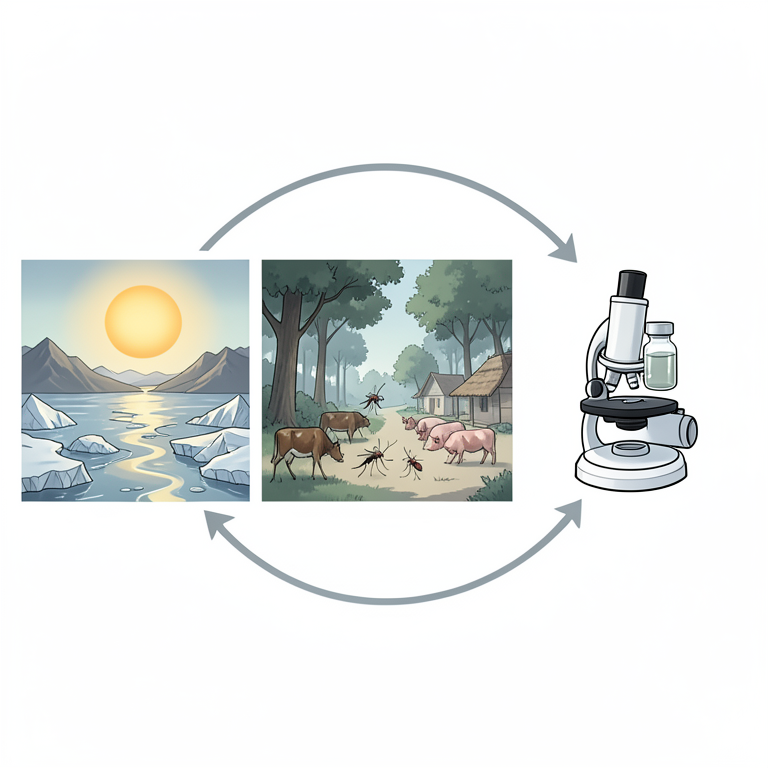
Climate-Disease Feedback Loop
AI-generated conceptual illustration (A landscape featuring a forest, a wetland, and a small village with livestock and wild animals). It explains the idea and does not show study data.
View source evidence ↗Figures & tables
From the original paper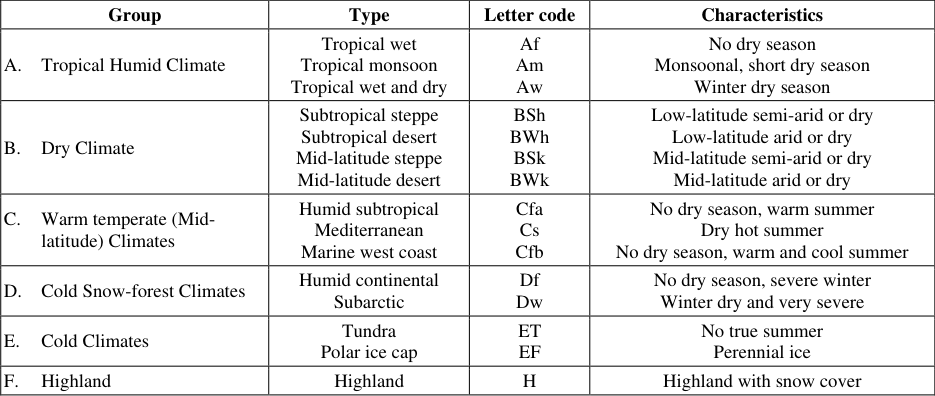 Table 1
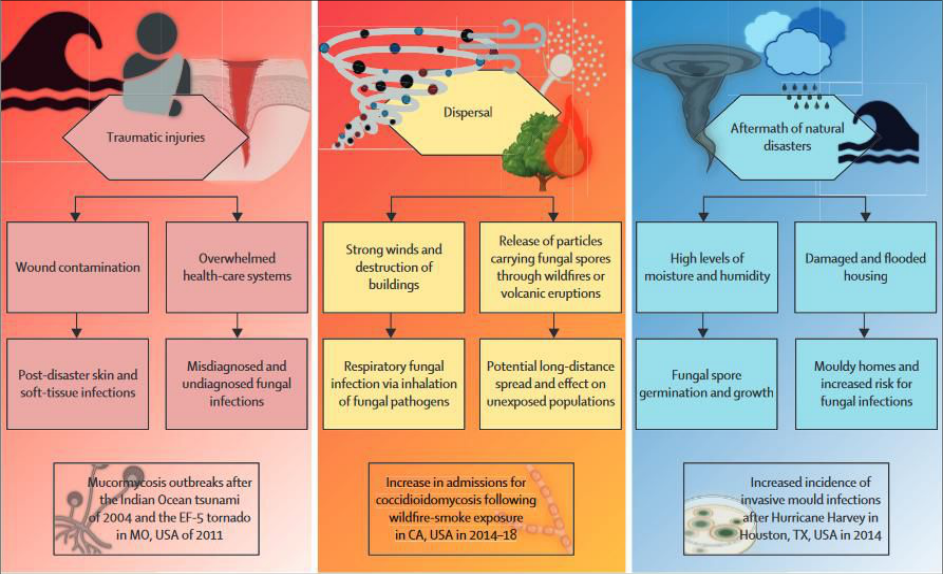 Figure 1
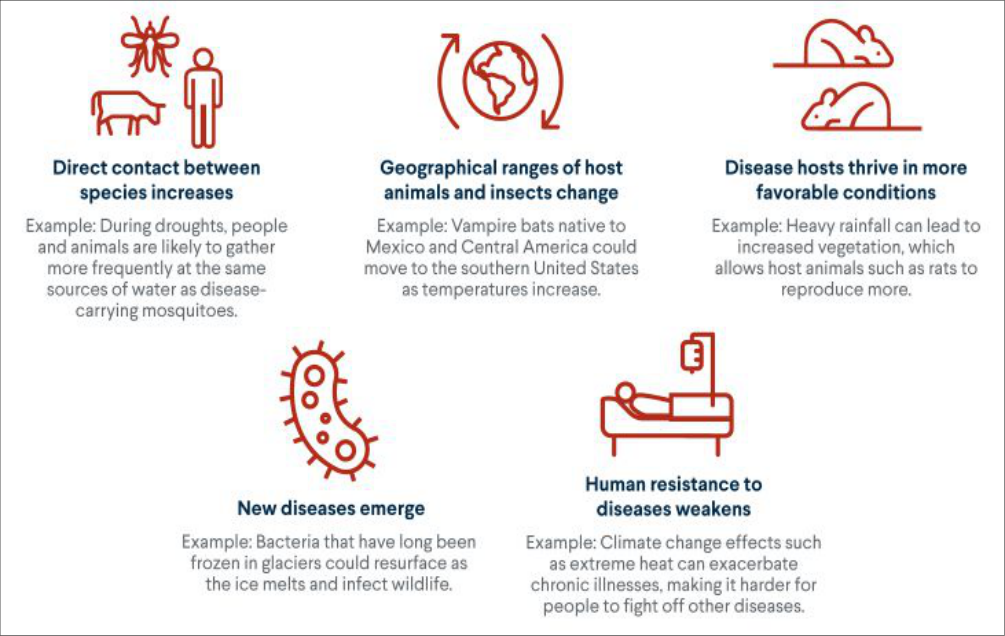 Figure 2
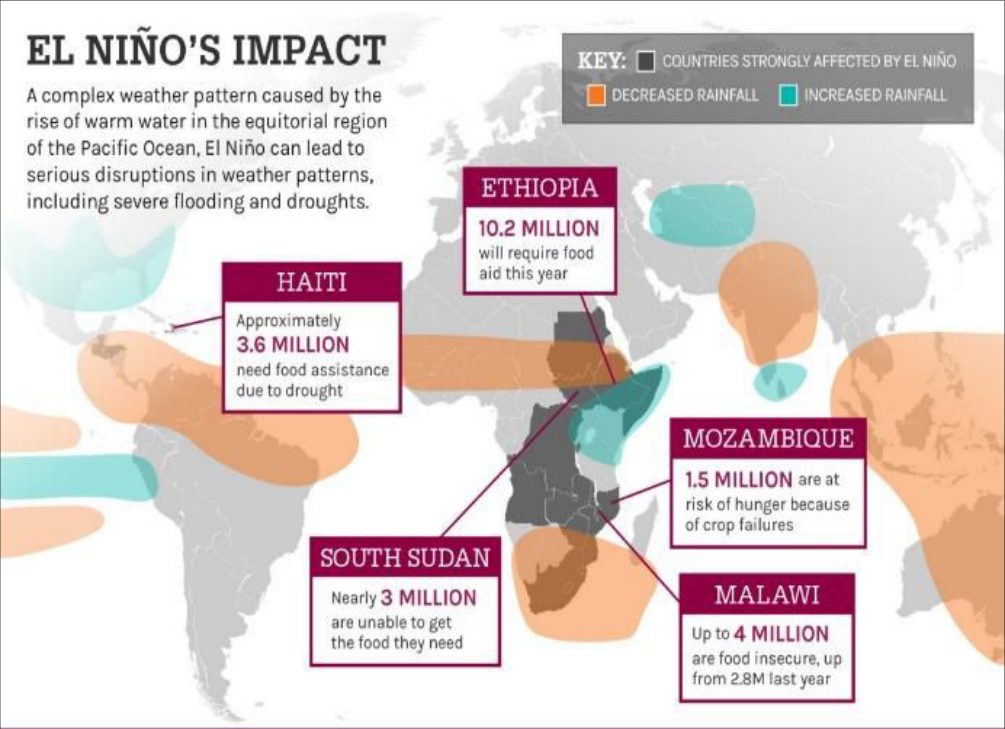 Figure 3
Introduction Background
Numerous rural or peri-urban regions are becoming cities as a result of urbanization. It is estimated that 60% more people will reside in cities by 2050. In Asia and Africa's tropical regions, the share of the population living in cities is rising by 1.1% and 1.5% per year, respectively [3] . The effects of climate change are widespread, intensifying quickly, and primarily caused by greenhouse gas emissions from burning fossil fuels [9] . There are several ways in which climate change is affecting people's lives and health. It has the power to undo decades of improvement in global health by endangering the necessities of good health, including as healthy air and water to drink, a plentiful supply of nutrient-rich food, and a secure place to live [11] . The health of the world's population will unavoidably be impacted by long-term climate change since there is convincing evidence that causes numerous health problems. Moreover, climate change is expected to affect a variety of both natural and public systems, and its recovery will likely be slow, challenging and expensive [1] . According to the Sixth Assessment Report (AR6) of the Intergovernmental Panel on Climate Change (IPCC) a United Nations agency that assesses climate change science shows that recovery will be more challenging as global warming increases and environmental risks develop quicker and become more severe [10] . It also shows that over 3.6 billion individuals currently reside in regions that are extremely vulnerable to climate change. The health effects are greatest in low-income nations and Small Island Developing States (SIDS), even if their relative contributions to global emissions are negligible. Compared to less sensitive areas, the death rate of extreme weather events during the past ten years was fifteen times higher in vulnerable regions [10] . Since 1900, global mean temperatures have already increased by 1.1 °C, with the majority of this change occurring in the last 50 years. The extent of this change is greatest in highland and Polar Regions, and temperatures in tropical regions are gradually approaching the thermal limits of many organisms [9] . With increased urbanization and rising temperatures, pollution-a significant contributor to respiratory-related illnesses will undoubtedly become a more substantial issue. Warmer temperatures and growing population density will increase the number of people without
International Journal of Biology Sciences https://www.biologyjournal.net consistent access to freshwater and worsen the predicted rise in mortality from heat-related causes. In megacities, unsanitary circumstances brought on by inadequate infrastructure and probable increases in floods will contribute to a rise in the prevalence of diarrheal illnesses including rotavirus and cholera [5,6] . The tropics are susceptible to changes in the composition, intensity, and seasonality of pathogen transmission and disease incidence due to urbanization and climate change. However, since these changes will happen simultaneously, complex interactions will occur between the drivers of these disease systems, determining the prevailing diseases and their corresponding patterns of infection, disease, and mortality [2] . The warmer months of the year will probably see a rise in their role in disease-related mortality. Warmer weather generally benefits mosquitoes and the infections they spread but only to a certain extent [8] . Many infectious diseases have a strong seasonal component that is influenced by climatic variables; however, no single climatic factor has a uniform effect on all infectious diseases. Temperature increases have a significant impact on chronic diseases like respiratory and cardiovascular disorders, which are ongoing risks in metropolitan areas [5] .
Koppen climate classification system
Wladimir Koppen (1846-1940) was a Russian-born German climatologist who was also an amateur botanist. The first version of his climate classification scheme appeared in 1918, and he continued to modify and refine it for the rest of his life, the last version being published in 1936. The modified Koppen system describes five major climate groups (groups A, B, C, D, and E) subdivided into 14 individual climate types, along with the special category of highland (H) climate as shown in Table 1 [45] .
Evidence of climate change on disease
The first recorded fungal epidemics linked to natural disasters occurred almost 40 years ago, in 1985 when eight people hurt during a Colombian volcano eruption developed soft-tissue infections caused by Rhizopus arrhizus. Since then, the incidence of these outbreaks has been rising globally [46] . The Pacific Northwest of the United States, Israel, and coastal Chile have all shown signs of increased seasonal duration, concentration, and geographic spread of Vibrio infections as a result of long-term sea surface warming. In 1994, reports of Vibrio vulnificus were made throughout the German coast, following an unusually warm summer. A rise in Vibrio vulnificus infections has been linked to long-term warming and temperature anomalies in the Baltic Sea.
According to methods used in climate modeling, for every degree Celsius that the annual maximum water temperature is raised, the number of Vibrio infections from the Baltic region might almost double [12] . The emergence of the Zika virus as a public health problem in Latin America in 2015 caused concern among global public health practitioners. Zika virus is an arbovirus of the Flaviviridae family, known to be transmitted to humans through the bite of Aedes mosquitoes historically, the infection has been known to be endemic in parts of Africa {particularly Nigeria) and parts of Southeast Asia (including Borneo and the Philippines [23] . The World Health Organization (WHO) recognized the potential significance of the virus and, in February 2016, declared a public health emergency due to the infection's spread across 69 nations and territories, resulting in thousands of cases of microcephaly. The WHO continued to argue that Zika was a high-priority issue even after the classification was withdrawn in November 2016. The Zika virus was listed as one of the diseases that needed the most research and development at the time [24] . Nature's disasters can significantly harm both urban and natural environments, which may lead to the creation of possibilities for fungal exposure or favorable conditions for the growth of fungi (figure 1). Natural catastrophes increase the chance of traumatic injuries, including cuts, abrasions, and wounds which harm the skin's barrier and allow fungi to enter the body [46] . The first recorded fungal epidemics linked to natural disasters occurred almost 40 years ago, in 1985 when eight people hurt during a Colombian volcano eruption developed soft-tissue infections caused by Rhizopus arrhizus. Since then, the incidence of these outbreaks has been rising globally [46] . Skin and soft tissue after the disaster, bacterial infections can result in organic matter-contaminated damage.
Moreover, psychological stress and traumatic injuries have complex and severe negative effects on the immune system, increasing the tendency of victims of natural disasters to develop aggressive fungal infections. The ash left behind by wildfires and volcanic eruptions alters soil pH levels. It increases nutrient contents, which could impact microbial communities and create entirely novel environments for the colonization of fungi that have beneficial features that allow them to survive extreme conditions and become harmful to humans [46] . Fungal spores can affect populations far away and unexposed by traveling great distances in a fire stream. Immediately after flooding events, there have also been reports of widespread fungus contamination. This is because high humidity and moisture levels can make fungal spores and biological fragments (like mycotoxins) released into the air and disperse over wide areas, which are further assisted by strong winds. When particles containing fungal spores can be released into the atmosphere during severe storms or volcanic eruptions, the spores can travel great distances [46] . Fungal pathogens can eventually spread after storms, wildfires, or damage to buildings. The inhalation of fungal spores which are small enough to enter the lungs and cause chronic inflammation, asthma, or respiratory fungal infections. Heavy rains, floods, and tsunamis can also cause noticeable increases in humidity and damage to buildings in the affected areas, which creates an environment that is favourable to the germination and growth of fungi.
In the end, an environment where the land has been seeded with pathogenic watery germs may be carried into existence through tsunamis. This interesting theory might clarify the entrance of the subtropical fungus Cryptococcus gattii to the Pacific Northwest 35 years after the Great Alaskan Earthquake in 1964, along with the tsunami that resulted. Example of fungal epidemics caused by natural catastrophes [46] Zoonotic diseases due to climate change The term "zoonosis" was first used at the end of the 19th century by German physician and pathologist Rudolf Virchow to describe diseases that humans and animals shared. "Zoonosis" was derived from the ancient Greek words, "zoon" (animals) and "noson" (disease). The Expert Committee on Zoonosis defined zoonotic diseases as "diseases and infections that are naturally transmitted between vertebrate animals and man" [25,26] . Over 200 zoonotic disease types have been discovered till date, and they are responsible for a significant percentage of new and emerging illnesses in humans [10] . Moreover, it is known that animals are the source of about 60% of all human pathogens and 75% of newly emerging infectious diseases [29] . Zoonotic diseases originating in animals accounted for over 60% of human infectious diseases that emerged between 1940 and 2004. This significantly impacts public health and the global economy. Among them, 71.8% had their origins in animals, while 22.8% were caused by arthropods [32] .
In South America, particularly in Brazil, zoonotic epidemics of the dimorphic fungus Sporothrix brasiliensis have been linked to slow rises in temperature, which have allowed the fungus to adapt to the growth of invasive yeast [48] .
Research indicates that rabies may be responsible for up to 60,000 deaths per year. Other zoonosis, such as avian flu, the virus that causes Ebola, or Rift Valley disease, may also be dangerous. It is important to note that these diseases affect the health of both humans and animals, resulting in decreased production (such as the safety and quality of milk or eggs) or mortality, which influences farmers' livelihoods and national economies. At the global level, the 13 most widespread zoonosis had a significant impact on poor livestock workers in low-and middle-income countries by causing 2.4 billion disease cases and 2.7 million deaths per annum in humans [27,28] .
Fig 2:
Causes of zoonotic disease [47] The COVID-19 pandemic, with its initial cases reported in Wuhan, China, in December 2019 was believed that COVID-19 was a zoonotic illness and that SARS-CoV-2 was reservoir-hosted by bats. The Food and Agriculture Organization of the UN (FAO), the World Organization for Animal Health (OIE), and the World Health Organization (WHO) released a guide on March 11, 2019, regarding nations that use a One Health approach to address zoonotic disease risks. The guide highlights the growing public health threat posed by zoonotic diseases, and the upward trend appears consistent with it. Notably, at the start of the twenty-first century, the WHO designated the Eastern Mediterranean Region as a hotspot for newly emerging zoonosis [30,31] . The melting of the ice sheet, which has been there for thousands of years, is one of the much-known dangers connected to global warming. Not only could melting ice cause numerous cities and the river delta to vanish, but it would also cause frozen biological components that have been kept in frozen soil to come out. The breakdown of the ice layer will not only reveal to us the remains of longextinct species, such as mammoths but, unfortunately, there are also hidden organic materials beneath the snow [32] . It has also been possible to isolate viable bacteria from ice samples that are 25,000 years old and from Dominican amber that is 20-40 million years old. 2012 saw the discovery of the Virola virus in a 300-year-old frozen mummy in Siberia. NASA scientists isolated 8-million-yearold bacteria from Antarctic ice samples in 2005, while others were able to recover germs that had been frozen in Alaska for 32,000 years in 2016, a 12-year-old child died and 20 were hospitalized in Siberia due to anthrax infections. The microbes were hidden under 75 cm of frozen earth and then released when the ice melted [33,34] .
El Nino climate effect
El Nino is a climate phenomenon linked to rising sea surface temperatures in the central-east equatorial Pacific. Scientists have warned that it return in the future, bringing "off the chart" temperatures and producing never-before-seen heatwaves.
The UN issued a warning in late 2017 stating that global warming is already expected to exceed 2 °C. In an interview with The Guardian, experts stated that its reappearance increases the probability that global average temperatures will rise by more than 1.5 °C. Even a half degree more warming will greatly increase the risk of droughts, floods, and extreme heatwaves, as well as cause food and water insecurity and poverty for millions of people worldwide. Unexpected heat waves triggered by a huge El Nino event made 2016 the warmest year on record. After that 2023 is history 's first hottest year according to the global database [35] .
Fig 3:
El NiNOimpact [35] Climate change intervention with infectious disease This describes infectious diseases whose spread and transmission are impacted by fluctuations in the weather and climate.
Temperature sensitivity: Temperature has the potential to impact the dynamics of vector populations, change the rate at which disease-carrying vectors come into contact with humans, and control the growth of these vectors by changing their bite rates. Lastly, the duration of the transmission season can change due to a change in the temperature regime.
Although small temperature variations can have a variety of impacts, extreme temperatures are frequently fatal to disease-causing microorganisms [16,17] . Elevated temperatures have the potential to prolong the seasonal pattern or modify the spatial arrangement of diseases transmitted by water. Warm temperatures in the marine environment are conducive to red tides, or blooms of poisonous algae, which can raise the risk of shellfish poisoning [18] . The survival of enteric diseases, including Vibrio cholera, can be indirectly affected by rising sea surface temperatures since it increases the food supply available to their reservoir. Hospital admissions of diarrheal children from Peru have also been associated with rising ambient air temperatures [19] .
The geographic distribution of disease-carrying vectors may shift in response to temperature fluctuations. As the outside air temperature rises the mosquito vector may be changing its habitat to adapt to the colder environment in the African highlands, leading to the emergence of malaria. According to new research, another theory is that in reaction to rising temperatures, vectors go through an evolutionary transition.
The pitcher-plant mosquito (Wyeomyia smithii) may be able to genetically adapt to survive the longer expansion seasons driven by climate change [37] .
Bradshaw and Holzapfel confirmed this by observing a shift in the photoperiodic response in two populations of pitcherplant mosquitoes over two distinct periods. The response's alteration was connected to a major genetic change within the species of mosquitoes. This research, even limited to a single mosquito species, implies that other mosquito species, potentially serving as disease vectors, could experience an equivalent micro-evolution that would enable them to adjust to modified seasonal patterns linked to worldwide climate change [38] .
Humidity sensitivity: Humidity, especially for insect vectors, can have a significant impact on the spread of diseases carried by vectors. In dry conditions, the chances of mosquitoes and ticks surviving are reduced and they can quickly desiccate. One of the most important factors in climate/disease models, such as those for dengue fever and Lyme disease has been discovered to be saturation deficit, which is comparable to relative humidity [20,21] .
Sea level sensitivity: Effects of rising sea levels on specific vector-borne infections reduce or eliminates specific mosquito breeding areas by altering the flow of rivers and lakes, changing salt marshes that are already present and the species that are connected with them (e.g. reduced habitat)
The predicted rise in sea level due to climate change will most likely result in fewer or no salt marsh mosquito breeding sites (Raju Suresh Gaware, 2024) [52] . One risk could be the extinction of the animal and avian hosts that occupy this habitat. It would also aid in eliminating infections that are natural to this environment. On the other hand, saltwater intrusion has the potential to transform portions of freshwater habitat into salt marsh areas, providing a home for host and vector species that have been removed from previously existing salt marsh areas [22] .
Precipitation sensitivity
The Variability in precipitation can directly affect the occurrence of infectious disease epidemics. Because more precipitation creates new breeding grounds and enlarges existing larval habitats, it may also increase the number of disease vectors. Furthermore, a rise in food supplies, which in turn supports a larger population of vertebrate reservoirs, may be supported by higher precipitation. Unacceptably high rainfall can lead to flooding and a decline in vector populations by destroying larval habitats and altering the appropriate conditions for vertebrate reservoirs. On the other hand, floods can drive rodent or insect vectors inside of homes, increasing the possibility of vector-human interaction. Leptospirosis is a rodent-borne disease that has been known to go viral in Brazil after significant flooding [36] .
Rainfall that is too heavy can contaminate rivers by introducing other wastes including human and animal faeces into groundwater. Giardia, E. coli, and Cryptosporidium have all been linked to water contamination after periods of intense rainfall [39] . Since microbial transmission is more effective under high soil saturation conditions, this kind of event may occur more frequently. On the other hand, in poorer nations, a lack of water has been linked to a rise in outbreaks of diarrheal illness, which is probably caused by poor hygiene. Unseasonal droughts in the humid tropics can slow rivers, increasing stagnant pools that serve as perfect breeding grounds for vectors [40] .
Effects of changes in precipitation on selected vectorborne pathogens 1. Reduced rainfall can create habitat by forcing rivers to dry into pools (dry season malaria) 2. More increased rain may increase larval habitat and vector population size by creating new habitats. 3. Excess rain or snowpack can eliminate habitat by flooding, decreasing vector population.
epic rainfall events can synchronize vector host-seeking and virus transmission
epic rainfall events can synchronize vector host-seeking and virus transmission
Vector-borne disease due to climate sensitivity
The Intergovernmental Panel on Climate Change stated that it is highly probable that vector-borne disease prevalences have increased in the last several decades and that, if adaptation and strengthening of control strategies are not implemented, the prevalence of malaria, dengue, Lyme disease, and West Nile virus infection, in particular, are predicted to rise over the next 80 years [41,42] . Warming temperatures also aid in the migration of tick-carrying mammals to the north, including the white-footed mouse, which has been linked to the spread of Borrelia burgdorferi, the agent responsible for Lyme disease, into completely unexplored regions [49] .
According to research Ticks only eat one blood meal at each stage of life, and they only do it when the humidity and temperature are ideal. The larvae of ticks in the Northeast region peak in late fall, although growth rates and peak hostseeking periods differ between ticks in the Midwest and the Northeast. The Midwest's warmer fall weather, without the protection of East Coast winds, causes larvae to undergo the diapause (delayed development) soon after and postpone feeding until spring, whereas North-Eastern ticks continue to be active. Climate changes that affect life cycles may potentially affect the incidence of Lyme disease if nymph and larval seasons coincide since the disease can only move upward. For example, larvae feeding off an infected nymph to obtain the bacteria is usually necessary for the maintenance of B. burgdorferi [49] . According to Dr. Christopher Braden, who is acting Director of the Centers for Disease Control and Prevention (CDC) Centre for Emerging and Infectious Zoonotic Diseases, "more Americans are at risk than in the past as mosquitoes and ticks spread into new areas of the country, increasing cases and geographic ranges of vector-borne diseases." Ten new infections have been identified since 2005, and the number of cases of vector-borne diseases in the United States has doubled. The first domestic Zika and chikungunya virus outbreaks in the United States took place in the ten years before 2018, while the largest-ever West Nile virus outbreak in U.S. history originated in Phoenix in 2021, affecting up to 5% of the population [49] .
Temperature effects on selected vectors and vectorborne pathogens
Vector Variations in the susceptibility of vectors to certain pathogens, such as higher temperatures reducing the size of some vectors but increasing the activity of others, can lead to a decrease or increase in survival depending on the species Changes in feeding rate and host contact (which may affect survival rate). Changes in the seasonality of populations. Pathogenic extrinsic pathogen incubation period in vectors at higher temperatures Modifications to the transmission season and distribution a reduction in the spread of viruses.
Malaria
Malaria has a highly complex and various epidemiology; therefore, it is crucial to understand how climate affects malaria. There has been plenty of debate on the relationship between climate change and malaria outbreaks, and new research indicates that malaria cases are rising in the world's coldest regions as a result of global warming. The ecology of the dominant major vector species, the biology of Plasmodium, the host's immunity and resistance, and meteorological variables like humidity, temperature, and precipitation are most likely the determining factors [51] . The deadliest and extensively researched climate-sensitive vector-borne disease is malaria, which is spread by infected female Anopheles mosquitoes. Even efforts to control the disease, malaria was responsible for over 600,000 deaths in 2020, mostly in Africa among pregnant women and young children. In many areas, malaria is an epidemic or seasonal illness that reacts to brief variations in temperature, humidity, and rainfall. In the highlands of Colombia and Ethiopia, temperature increases of 0.2 °C per decade have been linked to the spread of malaria to higher elevations in these nations [43,44] . The primary climatic parameters influencing Anopheles development and proliferation, the Plasmodium life cycle, and the prevalence of malaria include temperature, precipitation, relative humidity, and wind intensity and direction. Numerous researchers have discussed several studies linking temperature variations to malaria incidences, with a focus on changes in the malaria distribution scenario, specifically in the African continent. However, other studies have been carried out in Asia, South America, and Latin America [51] . Between 1999 and 2016, there were around 7 million cases of infection. Mechanistic models based on vector and pathogen thermal performance curves predicted temperatures ranging from 24°C to 25 °C, which is in close agreement with the observed air temperature of 24 °C that causes a peak incidence of the virus among humans nationwide. As is already the case in Europe, rising temperatures are predicted to move the disease's transmission northward; local transmission was recently found in Germany following exceptionally warm weather.
West nile virus
West nile virus
Lyme disease
The most common tick borne sickness globally is Lyme disease, which is caused by the Borrelia burgdorferi sensu lato group. With an estimated rate of 14.5%, the reported prevalence is highest in the temperate regions of central and western Europe as well as East Asia. Infections can lead to serious multi-systemic chronic diseases if they are not treated early [9] . Four major tick species are linked to Lyme disease globally, although typically just one tick species is significant in a specific area.The ecological complexity of this disease includes wide-ranging reservoir hosts including birds, lizards, and mammals (such as squirrels and mice), but humans are not involved in the disease's continuous transmission [9] . The number of reservoir hosts and the ambient air temperature have a significant impact on the life cycle and predominance of tick vectors, namely Ixodes scapularis and I. pacificus ticks in North America and Ixodes ricinus and I. persulcatus ticks in Europe. According to government statistics, there were 470,000 cases of Lyme disease diagnosed and treated in the US between 2010 and 2018, compared to 329,000 occurrences between 2005 and 2010.Although ticks are present in both regions, the Northeast has a higher prevalence of Lyme disease than the Southeast; this geographic pattern can be explained by differences in the ticks' preferred hosts (such as mice or lizards), their host-seeking behavior, and their density [9] .
Yellow fever
Aedes mosquitoes carry the virus that causes yellow fever, which belongs to the Flaviviridae family and is closely linked to dengue. South America and Africa are where it is most commonly seen. Historically, successful vaccination campaigns have helped to partially control yellow fever, unlike the majority of other VBDs. Recent estimates place the mortality toll in Africa for 2013 at over 78,000, indicating that control efforts have not been effective [53] . Yellow fever outbreaks have brought attention to several problems, primarily connected to widespread urbanization and a lack of immunization efforts in East and Central Africa. There is a concern that this widespread might contribute to the virus spreading globally since it will open up direct air routes from East Africa to regions where mosquito populations are vulnerable [53] . It's unclear why YFV isn't present in Southeast Asia. Several theories have been put out there including the following: Asian strains of Aedes lack the potential to transmit large populations; historically, there has been little movement from endemic regions to Asia; dengue infectionrelated cross-immunity; there is no sylvatic cycle in Asia; and there is no African slave trade [53] .
Public health interventions
The foundation of adaptation plans for a changing environment is formed by investments in monitoring and control, which have improved public knowledge of vector borne diseases and their detection, prevention, and treatment combination of improved and novel land-use management strategies, climate-informed early-warning systems, improved access to preventive measures (e.g., biologic mosquito control, personal protective measures, insecticides, and vaccines), and new and improved therapies may be used, depending on the disease, pathogen life cycle, and risk level [9] . The estimated advantages of adaption strategies in relation to the rates of vector-borne disease are shown in Figure . Strategies need to be recognized and supported by the community and households, as well as have sustainable funding. A 2017 assessment of 1083 vector-control programs in the United States revealed that 84% of the programs were classified as "needs improvement" in one or more basic competencies (for example, pesticide resistance testing) [9] . Malaria brings attention to several potential difficulties with putting adaptation plans into action. Worldwide support has stagnated after two decades of coordinated national and international investment, consistent declines in malaria cases and deaths related to the disease, and a rise in drug and insecticide resistance. In addition, the coronavirus disease 2019 (COVID-19) pandemic has led to service disruptions [9] . The primary means of preventing West Nile virus infection and dengue fever is through community-based mosquito control programs. The way these programs are carried out fluctuates depending on several factors, including management and finance [9] . Lyme disease prevention through public awareness campaigns has always included avoiding the vector habitat during the transmission season. There is a lack of data supporting the efficacy of the many personal protective measures (like insect repellent and protective clothing) and tick-control techniques (like deer culling) that have been suggested as ways to lower the risk of Lyme disease [9] . Three vector-borne illnesses have been successfully prevented by vaccination: tick-borne encephalitis, Japanese encephalitis, and yellow fever. Although there has been little success with the registered vaccinations against dengue and malaria in recent years, work is being done to create new and more potent vaccines that target vector-borne illnesses [9] . A recent phase 2 experiment conducted in Mali during malaria season demonstrated the efficacy of a single infusion of a monoclonal antibody against Plasmodium falciparum infection throughout a 6-month follow-up period. A novel vaccination for Lyme disease is presently being tested in a phase 3 trial (ClinicalTrials.gov number, NCT05477524), following the discontinuation of an earlier, effective vaccine [9] . Improved surveillance data and early warning systems that take climate change seriously are necessary to raise public awareness, make it easier to direct financial and human resources toward better responses, indicate knowledge gaps, and highlight regions in need of further research [9] . Adaptation plans must be time-sensitive and contextspecific, taking into consideration variables including changing disease patterns, extreme weather, and trends and variations in the climate both now and in the future. Several sectors, including local health communities, urban planners, and climate specialists, will need to work together to implement this strategy [9] .
Conclusion
Climate change is accelerating the spread and severity of zoonotic, infectious, and vector-borne diseases through shifts in environmental conditions that enhance pathogen survival and transmission. Rising temperatures and extreme weather events promote pathogen proliferation, vector adaptation, and increased human-vector interactions. These factors combine with urbanization and pollution to create high-risk environments, especially in vulnerable tropical and high-density urban areas. Public health strategies, including monitoring systems, vaccination, and community-based vector control, are essential to mitigate these impacts but require sustained funding and global collaboration to adapt to evolving climate challenges.
Figures and tables from the paper
References
48 in the original paper- Reiner RC, Smith DL, Gething PW. Climate change, urbanization and disease: summer in the city. Trans R Soc Trop Med Hyg. 2014;109(3):171-172. https://doi.org/10.1093/trstmh/tru194.
- United Nations Department of Economic and Social Affairs. 2014 revision of the World Urbanization Prospects | Latest Major Publications. https://www.un.org/en/development/desa/publications/2 014-revision-world-urbanization-prospects.html.
- Climate Change 2013 -The Physical Science Basis. Cambridge University Press eBooks; 2014. https://doi.org/10.1017/cbo9781107415324.
- Burkart K, Khan MMH, Schneider A, Breitner S, Langner M, Krämer A, et al. The effects of season and meteorology on human mortality in tropical climates: a systematic review. Trans R Soc Trop Med Hyg. 2014;108(7):393-401. https://doi.org/10.1093/trstmh/tru055.
- McDonald RI, Green P, Balk D, Fekete BM, Revenga C, Todd M, et al. Urban growth, climate change, and freshwater availability. Proc Natl Acad Sci USA. 2011;108(15):6312-6317. https://doi.org/10.1073/pnas.1011615108.
- Gething PW, Smith DL, Patil AP, Tatem AJ, Snow RW, Hay SI. Climate change and the global malaria recession. Nature. 2010;465(7296):342-345. https://doi.org/10.1038/nature09098.
- Thomson MC, Stanberry LR. Climate change and vectorborne diseases. N Engl J Med. 2022;387(21):1969-1978. https://doi.org/10.1056/nejmra2200092.
- World Health Organization: WHO. Climate change, 2023 Oct 12. https://www.who.int/news-room/factsheets/detail/climate-change-and-health.
- World Health Organization: WHO. Climate change, 2019 Aug 9. https://www.who.int/health-topics/climatechange#tab=tab_1.
- Baker-Austin C, Trinanes JA, Taylor NGH, Hartnell R, Siitonen A, Martinez-Urtaza J. Emerging Vibrio risk at high latitudes in response to ocean warming. Nat Clim Chang. 2012;3(1):73-77. https://doi.org/10.1038/nclimate1628.
- Altizer S, Ostfeld RS, Johnson PTJ, Kutz S, Harvell CD. Climate change and infectious Diseases: From evidence to a predictive framework. Science. 2013;341(6145):514-519. https://doi.org/10.1126/science.1239401.
- Van De Vuurst P, Escobar LE. Climate change and infectious disease: a review of evidence and research trends. Infect Dis Poverty, 2023, 12(1). https://doi.org/10.1186/s40249-023-01102-2.
- World Health Organization: WHO. Vector-borne diseases. 2020 Mar 2. https://www.who.int/news-room/factsheets/detail/vector-borne-diseases.
- Lindsay SW, Birley MH. Climate change and malaria transmission. Ann Trop Med Parasitol. 1996;90(5):573588. https://doi.org/10.1080/00034983.1996.11813087.
- Gubler DJ, Reiter P, Ebi KL, Yap W, Nasci R, Patz JA, et al. Climate variability and change in the United States: potential impacts on vector-and rodent-borne diseases. Environ Health Perspect. 2001;109(suppl 2):223-233. https://doi.org/10.1289/ehp.109-1240669.
- Epstein PR. Algal blooms in the spread and persistence of cholera. Biosystems. 1993;31(2-3):209-221. https://doi.org/10.1016/0303-2647(93)90050-m.
- Checkley W, Epstein LD, Gilman RH, Figueroa D, Cama RI, Patz JA, et al. Effects of El Niño and ambient temperature on hospital admissions for diarrhoeal diseases in Peruvian children. Lancet. 2000;355(9202):442-450. https://doi.org/10.1016/s0140-6736(00)82010-3.
- Mount GA, Haile DG, Daniels E. Simulation of management strategies for the blacklegged tick (Acari: Ixodidae) and the Lyme disease spirochete, Borrelia burgdorferi. J Med Entomol. 1997;34(6):672-683. https://doi.org/10.1093/jmedent/34.6.672.
- Focks DA, Daniels E, Haile DG, Keesling JE. A simulation model of the epidemiology of urban dengue fever: literature analysis, model development, preliminary validation, and samples of simulation results. Am J Trop Med Hyg. 1995;53(5):489-506. https://doi.org/10.4269/ajtmh.1995.53.489.
- Reeves WC, Hardy JL, Reisen WK, Milby MM. Potential effect of global warming on mosquito-borne arboviruses. J Med Entomol. 1994;31(3):323-332. https://doi.org/10.1093/jmedent/31.3.323.
- Marchette NJ, Garcia R, Rudnick A. Isolation of Zika virus from Aedes aegypti mosquitoes in Malaysia. Am J Trop Med Hyg. 1969;18(3):411-415. https://doi.org/10.4269/ajtmh.1969.18.411.
- World Health Organization: WHO. WHO DirectorGeneral summarizes the outcome of the emergency Committee regarding clusters of microcephaly and Guillain-Barré Syndrome. 2016 Feb 1. https://www.who.int/en/news-room/detail/01-02-2016who-director-general-summarizes-the-outcome-of-theemergency-committee-regarding-clusters-ofmicrocephaly-and-guillain-barr%c3%a9-syndrome.
- Filho WL, Ternova L, Parasnis SA, Kovaleva M, Nagy GJ. Climate change and zoonoses: A review of concepts, definitions, and bibliometrics. Int J Environ Res Public Health. 2022;19(2):893. https://doi.org/10.3390/ijerph19020893.
- Humphreys G. Public health round-up. Bull World Health Organ. 2021;99(09):612-613. https://doi.org/10.2471/blt.21.010921.
- Rahman MT, Sobur MA, Islam MS, Levy S, Hossain MJ, Zowalaty MEE, et al. Zoonotic diseases: etiology, impact, and control. Microorganisms. 2020;8(9):1405. https://doi.org/10.3390/microorganisms8091405.
- Mohammadpour R, Champour M, Tuteja F, Mostafavi E. Zoonotic implications of camel diseases in Iran. Vet Med Sci. 2020;6(3):359-381. https://doi.org/10.1002/vms3.239.
- Liu Y, Kuo R, Shih S. COVID-19: The first documented coronavirus pandemic in history. Biomed J. 2020;43(4):328-333. https://doi.org/10.1016/j.bj.2020.04.007.
- World Health Organization: WHO. FAO, OIE, and WHO launch a guide for countries on taking a onehealth approach to addressing zoonotic diseases. WHO; 2019 Mar 11. https://www.who.int/news/item/11-032019-fao-oie-and-who-launch-a-guide-for-countries-ontaking-a-one-health-approach-to-addressing-zoonoticdiseases.
- El-Sayed A, Kamel M. Climatic changes and their role in the emergence and re-emergence of diseases. Environ Sci Pollut Res Int. 2020;27(18):22336-22352. https://doi.org/10.1007/s11356-020-08896-w.
- Biagini P, Thèves C, Balaresque P, Geraut A, Cannet C, Keyser C, et al. Variola virus in a 300-year-old Siberian mummy. N Engl J Med. 2012;367(21):2057-2059. https://doi.org/10.1056/nejmc1208124.
- Bidle KD, Lee S, Marchant DR, Falkowski PG. Fossil genes and microbes in the oldest ice on Earth. Proc Natl Acad Sci USA. 2007;104(33):13455-13460. https://doi.org/10.1073/pnas.0702196104.
- Igini M. El Niño will push global temperatures 'Off the chart' in 2023, scientists warn. Earth.Org; 2023 Jun 20. https://earth.org/el-nino-2023/.
- Ko AI, Reis MG, Dourado CMR, Johnson WD, Riley LW. Urban epidemic of severe leptospirosis in Brazil. Lancet. 1999;354(9181):820-825. https://doi.org/10.1016/s0140-6736(99)80012-9.
- Bradshaw WE, Holzapfel CM. The genetic shift in photoperiodic response correlated with global warming. Proc Natl Acad Sci U S A. 2001;98(25):14509-14511. https://doi.org/10.1073/pnas.241391498.
- Atherholt TB, LeChevallier MW, Norton WD, Rosen JS. Effect of rainfall on Giardia and crypto. J Am Water Works Assoc. 1998;90(9):66-80. https://doi.org/10.1002/j.1551-8833.1998.tb08499.x.
- Thomson MC, Stanberry LR. Climate change and vectorborne diseases. N Engl J Med. 2022;387(21):1969-1978. https://doi.org/10.1056/nejmra2200092.
- IPCC. Climate Change 2022: Impacts, adaptation and Vulnerability. IPCC; 2022. https://www.ipcc.ch/report/ar6/wg2/.
- Jagannathan P, Kakuru A. Malaria in 2022: Increasing challenges, cautious optimism. Nat Commun. 2022;13(1). https://doi.org/10.1038/s41467-022-30133w.
- Lyon B, Dinku T, Raman A, Thomson MC. Temperature suitability for malaria climbing the Ethiopian Highlands. Environ Res Lett. 2017;12(6):064015. https://doi.org/10.1088/1748-9326/aa64e6.
- Kamal. Koppen Climate Classification System. NATURAL GEOGRAPHY UPSC; 2023 May 18. https://naturalgeographyupsc.blogspot.com/2023/05/ko ppen-climate-classification-system.html.
- Seidel D, Wurster S, Jenks JD, Sati H, Gangneux J, Egger M, et al. Impact of climate change and natural disasters on fungal infections. Lancet Microbe. 2024;5(6). https://doi.org/10.1016/s2666-5247(24)00039-9.
- Klobucista C. Perilous Pathogens: How climate change is increasing the threat of diseases. Council on Foreign Relations; 2022 Nov 4. International Journal of Biology Sciences https://www.biologyjournal.net https://www.cfr.org/article/perilous-pathogens-howclimate-change-increasing-threat-diseases.
- Etchecopaz A, Toscanini MA, Gisbert A, Mas J, Scarpa M, Iovannitti CA, et al. Sporothrix brasiliensis: A review of an emerging South American fungal pathogen, its related disease, presentation and spread in Argentina. J Fungi. 2021;7(3):170. https://doi.org/10.3390/jof7030170.
- How pathogens survive and thrive in a changing climate. ASM.org. ASM.org. https://asm.org/magazine/2022/fall/how-pathogenssurvive-and-thrive-in-a-changing-cli.
- Stone L. Climate change and infectious diseases. NETEC; 2024 Mar 26. https://netec.org/2024/03/25/climate-change-andinfectious-diseases/.
- Cella W, Baia-Da-Silva DC, De Melo GC, Tadei WP, De Souza Sampaio V, Pimenta P, et al. Do climate changes alter the distribution and transmission of malaria? Evidence assessment and recommendations for future studies. Rev Soc Bras Med Trop. 2019;52. https://doi.org/10.1590/0037-8682-0308-2019.
- Gaware RS. Impact of climate change on various aspects of human sphere. Int J Geogr Geol Environ 2024;6(1):238-241. DOI: 10.22271/27067483.2024.v6.i1d.225
- Booth M. Climate change and the neglected tropical diseases. Adv Parasitol. 2018;39-126. https://doi.org/10.1016/bs.apar.2018.02.001.