
Research article · 2024 · Full text
International Journal of Veterinary Sciences and Animal HusbandryEfficacy of green silver nano particles of Azadirachta indica against Staphylococcus aureus isolated from bovine mastitis
Volume 9(5) · Pages 630–637 · DOI: 10.22271/veterinary.2024.v9.i5j.1783 ↗
Research areasNanoparticles: synthesis and applications
Abstract
Author-writtenBackground: Staphylococcus aureus being the major etiological agent of bovine mastitis causing huge economic loss of dairy sector in India, the research work was undertaken in and around Shirwal village of Satara district by screening of unorganized and organized farms for bovine mastitis to isolate, identify and to perform antibiogram studies of Staphylococcus aureus, furthermore green synthesis of Silver nanoparticles carried out using green leaves of Azadirachta indica and its characterization was performed by SEM, TEM and UV visible spectrophotometry. Efficacy of green silver nanoparticles against Staphylococcus aureus was investigated by Minimum inhibitory concentration (MIC) and Minimum bactericidal concentration (MBC) test.Method: A total of 270 milk samples of cow were screened for mastitis by using California mastitis test (CMT). The CMT positive milk samples were processed for isolation of erization Staphylococcus aureus and its identification was carried out with different biochemical tests. The antibiogram studies were undertaken to know the antibiotic susceptibility of isolated Staphylococcus aureus. The Green synthesis of nanoparticles was undertaken using fresh green neem leaves extract in which 0.1 N AgNO3 was added. Characterization was done by TEM, SEM and UV visible spectrophotometry. The In-vitro efficacy studies of GAgNP were carried out against Staphylococcus aureus isolated from bovine mastitis by microdilution MIC test for which the bacterial count in bacterial culture was maintained at 105 CFU/ml by serial dilution method. The combination with lowest MIC was used for MBC test.Result: Out of total 270 milk samples screened by California mastitis test (CMT) 200 samples were CMT positive in which prevalence of clinical, sub-clinical mastitis and chronic mastitis was 18%,71.5% and 10.5% respectively. 90 Staphylococcal isolates were obtained from CMT positive milk samples. Antibiogram studies of Staphylococcus aureus isolates revealed that all 90 isolates were methicillin resistant (MRSA) with highest sensitivity for Gentamicin. Green synthesis of Siver nanoparticles using green leaves of Azadirachta indica was confirmed with characterization by Transmissible Electron Microscopy (TEM), Scanning Electron Microscopy (SEM), Spectrophotometry. The in-vitro efficacy of green silver nanoparticles against Staphylococcus aureus using tests like Minimum Inhibitory Concentration (MIC) and Minimum Bactericidal Concentration (MBC) revealed the antimicrobial effect of Green Silver nanoparticles of Azadirachta indica against Staphylococcus aureus.
Summary
Source-checkedPlain-language reading of the full paper, prepared with AI and checked against the text. Each point links to the authors' own words.
Why it matters
- Staphylococcus aureus is a primary cause of bovine mastitis, which leads to significant economic losses in India's dairy industry. View evidence ↗
- The widespread use of antimicrobial agents has led to the spread of resistant bacterial strains, reducing the effectiveness of standard treatments. View evidence ↗
- Green synthesis of nanoparticles is viewed as a promising alternative due to its low toxicity, biocompatibility, and environmentally friendly process. View evidence ↗
The question
- The study aimed to investigate the efficacy of green silver nanoparticles against Staphylococcus aureus using MIC and MBC tests. View evidence ↗
What they did
- Researchers screened 270 cow milk samples for mastitis using the California Mastitis Test (CMT). View evidence ↗
- The synthesized nanoparticles were characterized for size and shape using SEM, TEM, and UV-visible spectrophotometry. View evidence ↗
What they found
- Of the 270 samples screened, 200 were positive for mastitis, with sub-clinical mastitis being the most prevalent at 71.5%, followed by clinical (18%) and chronic (10.5%) mastitis. View evidence ↗
- All 90 isolated strains of Staphylococcus aureus were found to be methicillin-resistant (MRSA). View evidence ↗
- Gentamicin showed the highest sensitivity among tested antibiotics, with 91.11% (82/90) of isolates being sensitive. View evidence ↗
- Ceftriaxone + Tazobactam showed poor efficacy, with 72.22% (65/90) of isolates being resistant. View evidence ↗
- Transmission Electron Microscopy (TEM) revealed that the green silver nanoparticles had a size range of 5-10 nm. View evidence ↗
- Sample N3 (3 ml neem extract and 1 ml silver nitrate) demonstrated a Minimum Inhibitory Concentration (MIC) of 0.1953125 µl. View evidence ↗
- The highest dilution of green silver nanoparticles that inhibited growth also showed no visible bacterial growth upon incubation, confirming its bactericidal activity. View evidence ↗
What it means
- The authors conclude that the green synthesis of silver nanoparticles is an efficient, economical, and rapid method for creating alternative therapies against MRSA. View evidence ↗
Visual summary
3 visualsIllustrations explain the paper; charts are replotted from the paper's own table values.
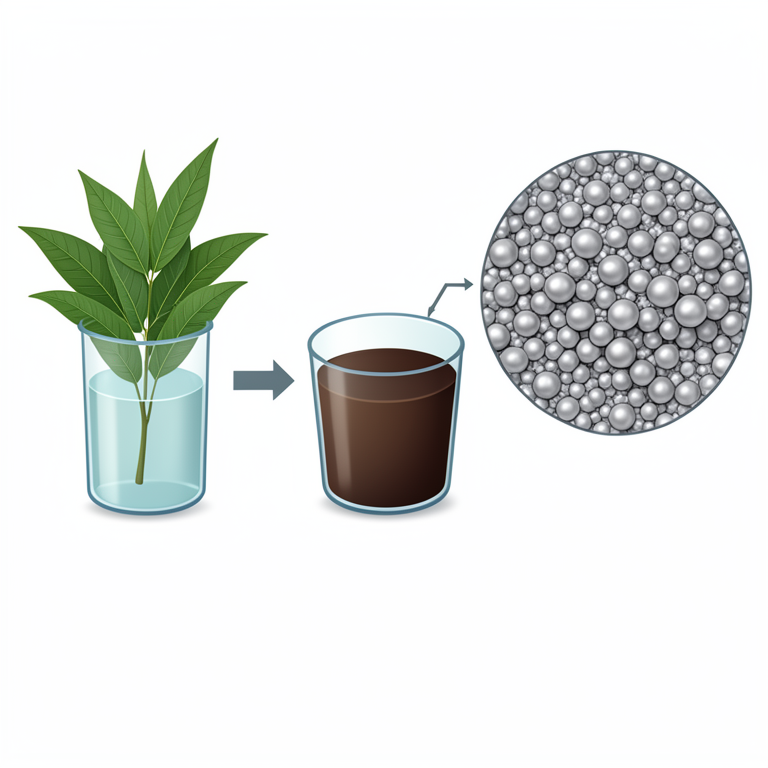
Green Synthesis Process
AI-generated conceptual illustration (Neem leaves (Azadirachta indica) and silver nitrate solution in laboratory glassware). It explains the idea and does not show study data.
View source evidence ↗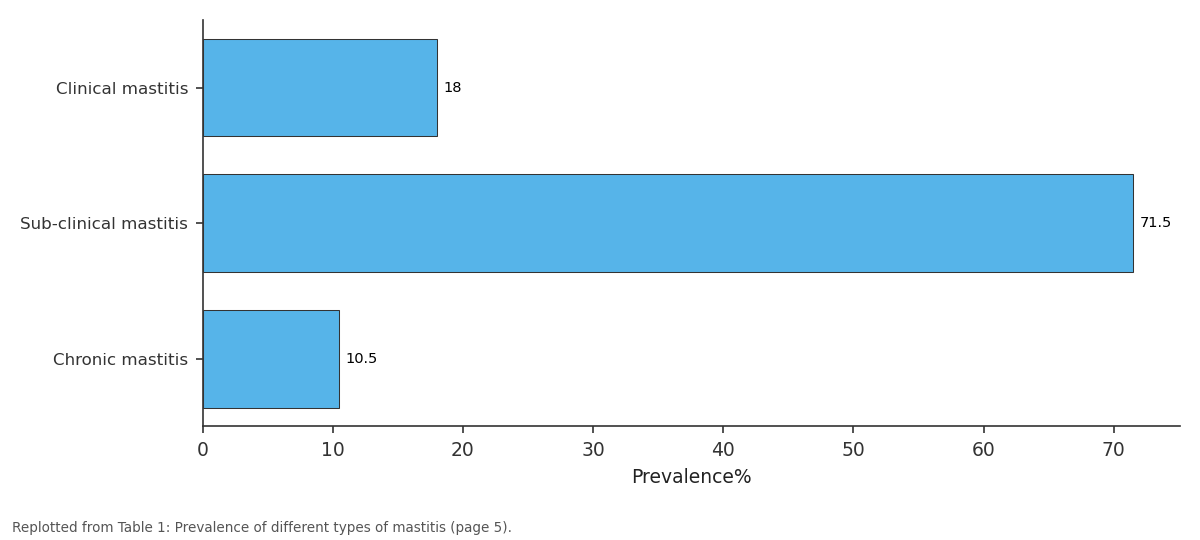
Prevalence%: Clinical mastitis vs Sub-clinical mastitis vs Chronic mastitis
Replotted from Table 1 (page 5) of the original paper. Every bar is the paper's own table value.
View source evidence ↗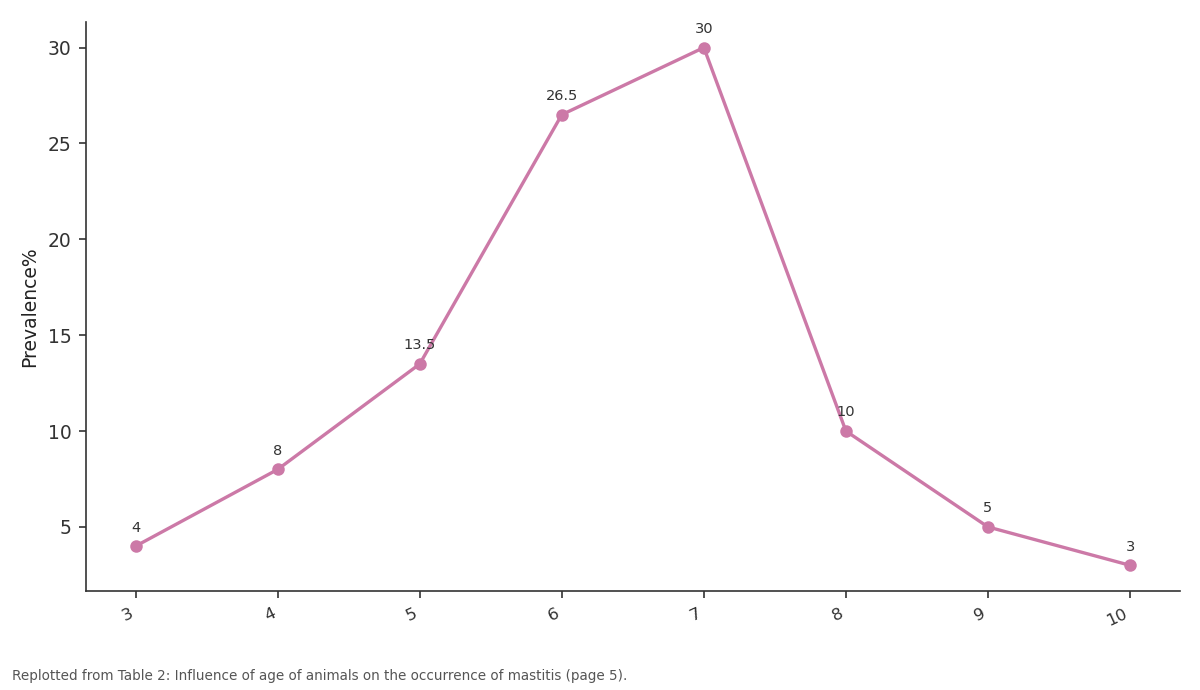
Prevalence%: 3 vs 4 vs 5 vs 6 vs 7
Replotted from Table 2 (page 5) of the original paper. Every bar is the paper's own table value.
View source evidence ↗Figures & tables
From the original paper Table 1
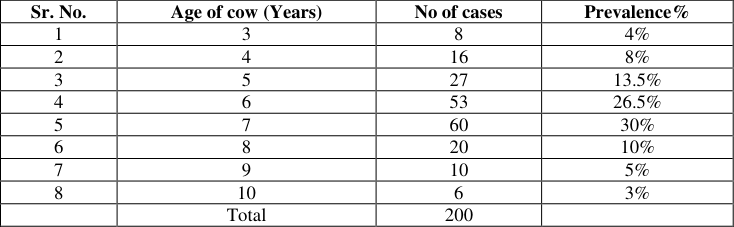 Table 2
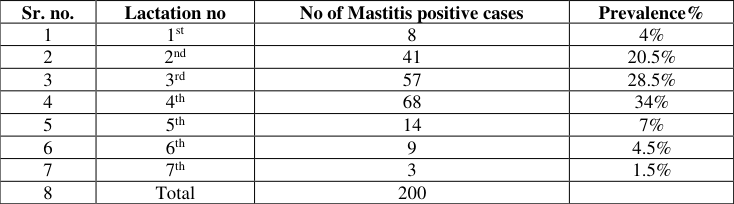 Table 3
 Table 4
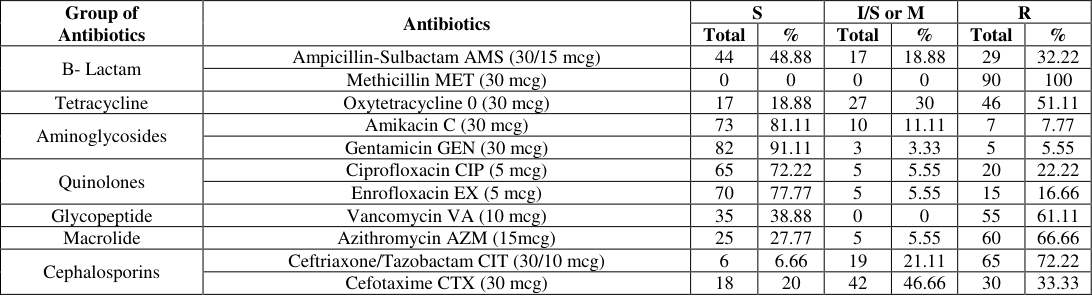 Table 5
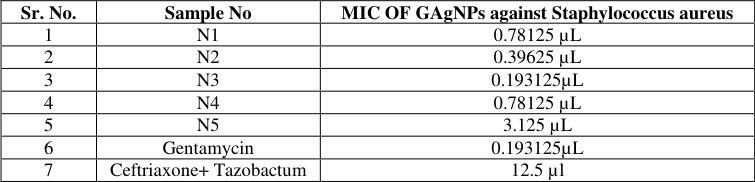 Table 6
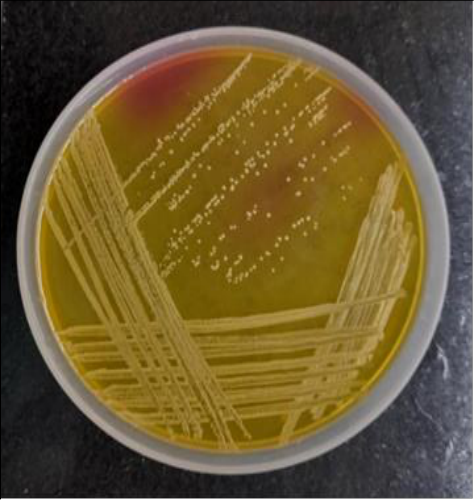 Figure 1
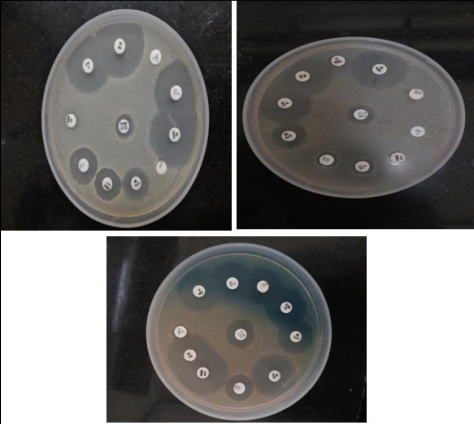 Figure 2
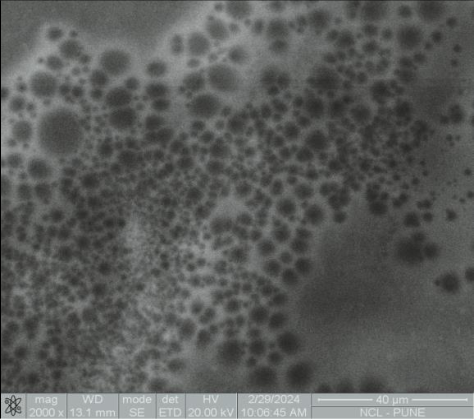 Figure 2
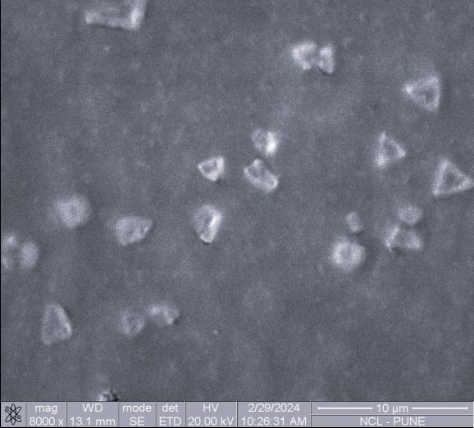 Figure 3
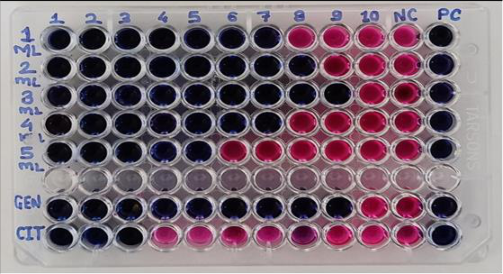 Figure 4
Introduction
Indian economy is based on agriculture as its backbone, especially in rural India. Dairying, which was previously known as secondary to agriculture, now has emerged as the sole bread earner for many native farmer families and replaced agriculture as the main business. The most extensive inventory of cattle in the world is in India in 2023, followed by Brazil and China. India's cattle inventory was reported at 307.5 million head in 2023, accounting for roughly 33% of the world's inventory. Milk Production during 2021-22 was 221.06 million tonnes. The availability of milk per capita in India was around 444 grams/day in 2021-22 (Annual report AHD GOI, 2022-23). The leading cause of mastitis in bovines is Staphylococcus aureus. Inspite of known methods of understanding the disease pathogenesis, control of infections in mastitis has many limitations. Staphylococcus aureus mastitis remains a significant disease burden. Staphylococcus aureus is highly pathogenic and most frequently causes severe clinical and sub-clinical mastitis in bovines. In the wake of evolution, Staphylococcus aureus has acquired many factors that actively contribute to antibiotic resistance. Mastitis is one of the most common reasons for antimicrobial use to control or prevent bacterial infections of the udder, especially Staphylococcal infections, being found in the majority of dairy cattle. Unfortunately, the selective pressure from antimicrobial agents significantly contributes to the dissemination of resistant strains, which greatly attenuates the therapeutic effectiveness of antimicrobial therapy (Ahmed et al., 2020) [5] . Initially, penicillin was considered efficacious against many staphylococcal infections, but in the mid-1940s, the strains of Staphylococcus aureus started showing resistance to penicillin. Due to its increased resistance towards penicillin, methicillin drugs were used, which were semi-synthetic beta-lactam antibiotics and resistant to βlactamase enzyme and were considered efficacious against penicillin-resistant Staphylococcus aureus. However, the acquisition of the mecA gene caused methicillin resistance with a decreased affinity for β-lactam antibiotics. The process of rendering green nanoparticles environmentally friendly by the use of different plants with potent bactericidal properties, like neem, was supposed to deliver the added advantage of synergistic antibacterial effect to the biosynthesized nanoparticles. This type of nanoparticle was used successfully for the delivery of therapeutic agents against chronic diseases. Green synthesis of nanoparticles has been considered as one of the promising methods because of their biocompatibility, low toxicity, and eco-friendly nature. Green nanoparticle synthesis is a simple, convenient, economical, and environmentally friendly method as the toxic nature of metals is reduced. Recently, new nature-friendly processes have been adopted, making use of organic reducing and stabilizing agents.
Material and Methods
Screening of cows and collection of samples: Total 270 cows from different organized and unorganized farms in and around Shirwal were screened for mastitis using California Mastitis Test (CMT). The milk samples positive for CMT were carried to the laboratory in box with ice packs and without any contamination. Milk samples were preserved in a refrigerator at 4 °C until further processing.
Isolation of organisms from milk samples:
Collected mastitic milk samples were subjected to the isolation of organisms as per the standard methods described in Bergey's Manual of Systematic Bacteriology, 1986. A loopful of milk sample was inoculated in a test tube containing 3 ml of sterile nutrient broth. It was incubated at 37 o C for 12 h. After 12 h, the test tubes were checked for turbidity/sedimentation/ pellet formation. The mastitic milk samples collected were inoculated on media such as Blood agar and Nutrient agar using a sterile loop around the Bunsen burner. Other selective and differential media such as Mannitol Salt Agar (MSA), Baird Parker Agar (BPA) were also used for the cultivation of organisms. Colonies grown on different types of media were stained by Gram's method and then examined microscopically for Gram staining reaction (positive staining purple or negative staining pink), size (small, medium, or large), and shape (rods, cocci, or coccobacilli). Further confirmation of the organisms was done biochemically. Different
Antibiogram Studies of Staphylococcus aureus by disc diffusion method
Antibiogram sensitivity and resistance pattern of Staphylococcus aureus isolated from mastitis milk was interpreted as per (Bauer, 1966) [10] . Antibiotic discs were obtained from M/s HiMedia Laboratories Pvt. Ltd. Mumbai and results were recorded following the guidelines given by the Clinical and Laboratory Institute. Overuse of antibiotics not only hampers the health of animal but also compromise the health of human and environment so that "one health" concept is getting attention worldwide. This study was undertaken to evaluate the antibiotic sensitivity in study area. Total 11 antibiotic discs were used for antibiogram studies.
Synthesis, characterization and efficacy studies of Green Silver Nanoparticles against Staphylococcus aureus isolated from bovine mastitis.
Fresh green fully grown neem leaves were collected from the area around Shirwal town, Dist. Satara, Maharashtra. Leaves were thoroughly washed in running water to remove the dirt and dust on the surface. Twenty grams of finely chopped Neem leaves were added to 100 ml of double-distilled water and boiled for 10 min. The extract was cooled, filtered, and stored in the refrigerator at 4 o C-8 o C until further use. This solution was used for the green synthesis of Silver Nanoparticles (GAgNPs). Silver Nitrate solution 0.1N (HiMedia, India) was used for the green synthesis of silver nanoparticles. A set of 05 clean, sterile test tubes were taken labeled 1 ml, 2 ml, 3 ml, 4 ml, and 5 ml, respectively. Then 1 ml, 2 ml, 3 ml, 4 ml, and 5 ml of Neem silver foil, and the entire setup was incubated in the dark chamber to minimize the photo-activation of Silver Nitrate at room temperature. The color change from colorless to brown confirms the reduction of silver ions. Optical density was also used to measure the concentration of formed GAgNPs. 50 µl of the sample was used to calculate the Optical Density (OD) at 48 h with the help of an Enzyme-Linked Immunosorbent Assay (ELISA) reader at different wavelengths, such as 405 nm, 420 nm, and 450 nm, to record peak absorbance. The characterization of synthesized nanoparticles was done for assessment of its size and shape by visual inspection, Transmissible Electron Microscopy (TEM), Scanning Electron Microscopy (SEM), and Uv-visible spectrophotometry using ELISA reader.
Assessment of antimicrobial efficacy of Green Silver Nanoparticles against Staphylococcus aureus
The antimicrobial activity of the prepared GAgNP was assessed by performing the minimum inhibitory concentration (MIC) within the micro-titer plates using the micro-dilution method described by Roy et al. (2018) and Ramteke et al.
(2024) with slight modification. For this purpose, stock solutions of GAgNP and Nutrient broth were prepared. The MIC test was performed in a 96-well flat-bottom microtiter plate using standard broth microdilution methods. The Staphylococcus aureus inoculums were adjusted to the concentration of 10 5 CFU/ml. For dilution of samples 50 µl NB is added in each of the well, then 50 µl Green Nanoparticle sample from test tube N1, N2, N3, N4, N5 added to the 1st well of each row which is named as 1ML, 2ML, 3ML, 4ML, 5mL and in two separate well Gentamicin and Ceftriaxone/Tazobactam was added as they so show highest and lowest sensitivity against Staphylococcus aureus respectively. After this perform two fold dilution up to 10 th well and discard 50µl from last well. Then add the 50 µl bacterial inoculum in each well and incubate the plate at 37 °c for 24 hrs. The 11 th well is considered as negative control and 12 th well is considered as positive control. Each well of the microtiter plate was added with 30 µl of the Resazurin solution and incubated at 37 °C for 3 h, 6 h, 9 h, 12 h, and 24 h. Any color changes were observed. Blue/purple color indicated no bacterial growth while pink/colorless indicated concentration of an antimicrobial drug that is bactericidal. MBC was determined as per described by Sykes and Rankin (2013) [28] . [23] with 70% sensitivity to enrofloxacin. Also, similar results were observed by Awandkar et al. (2013) [6] , who showed more than 50% sensitivity to enrofloxacin and ciprofloxacin. Pati and Mukherjee (2022) found 72% sensitivity of enrofloxacin against Staphylococcus aureus. The data and information collected from farmers during the screening of cows for mastitis in the research area showed that the most frequently used antibiotic for mastitis treatment was Ceftriaxone + Tazobactam. Out of 90 isolates of Staphylococcus aureus, 65/90 (72.22%) were resistant, 19/90 (21.11%) isolates were intermediate sensitive, and only 6/90 (6.66%) isolates were sensitive to Ceftriaxone + Tazobactam. Use of long-acting Ceftriaxone + Tazobactam without necessity may have created resistance to this antibiotic combination. Like many other potent antibiotics, ceftriaxone + Tazobactam also loses its efficacy against staphylococcus aureus. Awandkar and Kulkarni (2021) found more than 50% resistance of Ceftriaxone + Tazobactam for Staphylococcus aureus. Crossbreeds cows in the research area with a previous history of affection of mastitis suffer from reoccurring mastitis, and such relapsing mastitis cases are resistant to treatment with Ceftriaxone +Tazobactam.
Result and Discussion
Result and Discussion
Synthesis and Characterization of Green Silver Nanoparticles of Azadirachta indica:
The Green Silver nanoparticle synthesis was carried out with reference to Roy et al. (2017) [25] and Ramteke et al. (2024) with slight modifications. The synthesized silver nanoparticles were set up in a dark room for 24-48 hours as direct light exposure hampers the synthesis of nanoparticles. For the synthesis of green silver nanoparticles, the neem extract was added to an aqueous silver nitrate solution. The phytochemicals terpenoids and flavonoids present in the neem leaf extract act as reducing agents, and the synthesis of green silver takes place Ramteke et al. (2024). Besides this, terpenoids and flavonoids act as capping and stabilizing agents, which enhance the antimicrobial effect of green silver nanoparticles. After incubation in a dark room, the pale yellow colour is changed into a dark brown colour, which is visible to the naked eye and is the primary indication of the biosynthesis of green silver nanoparticles. The dark brown color also signifies that the concentration of Silver nanoparticles increases with time. This happens due to the Plasmon resonance (SPR) phenomenon (Plate 4.7).
Biosynthesis and analysis of Green silver nanoparticles by Optical Density:
The change in colour previously discussed was considered the endpoint of Green silver Nanoparticles biosynthesis. Further evaluation involved measuring the optical density (OD) values of each sample treated with varying concentrations of Neem extract using ELISA reader set at different wavelengths (420 nm,405 nm,445 nm) to record peak absorbance. The results observed in Table no. 4.7 revealed that the absorbance at 405 nm for sample N1, N2, N3, N4, N5 have the OD values 0.3421, 0.4325, 0.5111, 0.3225, 0.3371 respectively. At 420 nm, the OD values for Sample N1, N2, N3, N4, and N5 are 0.6785, 1.234, 1.564, 0.8343, 0.5864, respectively. Similarly, at 490 nm, the OD values for samples N1, N2, N3, N4, and N5 are 0.0882, 0.1308, 0.1332, 0.1237, 0.1175, respectively. The absorbance at different wavelengths and their OD values indicate that sample no N5 has the highest OD values for all wavelengths as it contains 5 ml neem extract, which, ultimately, provides more capping and reducing agents, which results in an increased concentration of Nanoparticles in it. For this study, a wavelength between 390-520 nm range was preferred, as we got higher absorbance at 420 nm. The OD values and absorbance at a preferable range of wavelength were primary indications of the formation of Green silver nanoparticles from neem leaf extract. Ahmed et al. (2016) [11] reported similar findings from their study. They concluded that as the concentration of neem extract increased, the absorbance also increased, which resulted in an increase in OD values. Asif et al. (2022) synthesized Green Silver nanoparticles using neem leaf extract. After UV-visible spectrophotometry, he found peak absorbance around 419 nm wavelength.
Characterization of GAgNPs by Scanning Electron Microscopy
(SEM) and Transmission Electron Microscopy (TEM) SEM revealed the size, shape, and morphology of GAgNP. The nanoparticles were clustered and varied in size and shape. The characterization of GAgNP by SEM confirms the formation of nanoparticles (Plate 4.7). Sengupta and Sarkar (2022) [27] carried out the characterization of nanoparticles by ESEM and concluded that generated nanoparticles were spherical in shape. The TEM revealed the size of GAgNPs was 10-5 nm. The nanoparticles were scattered and less dense. Ramteke et al. (2023) [24] carried out a characterization of GAgNP and revealed the size of the nanoparticle was 10-70 nm with height 15-25 nm. Regmi et al. (2021) investigate the nanoparticles with size 2-14 nm under TEM. (Plate 4.7).
Antimicrobial effect of Green Silver Nanoparticles against
Antimicrobial effect of Green Silver Nanoparticles against
Staphylococcus aureus A) MIC of GAgNPs against Staphylococcus aureus
isolated from bovine mastitis The efficacy of Green Silver Nanoparticles was estimated by the Minimum inhibitory concentration test. The sample from test tube N3 had 3 ml neem extract and 1 ml 0.1N silver nitrate, which inhibited the bacterial growth up to the 9 th well. In 1 st well, a 50 µl sample was added, and by two-fold dilution in the 9 th well, the concentration was 0.1953125 µl, which was taken as the MIC value for sample N3. Similarly, for N1, complete inhibition up to the 7 th well was observed, so MIC was 0.78125 µl; for N2, inhibition was up to the 8 th well, so MIC was 0.39625 µl; for N4, inhibition was up to the 7 th well, so MIC was 0.78125 µl, and for N5 inhibition was up to 5 th well MIC was 3.125 µl. Along with Green Silver Nanoparticles, the MIC of Gentamicin and Ceftriaxone/Tazobactam was also estimated, which showed that Gentamicin inhibits bacterial growth up to 9 th well, having MIC similar to sample N3 and the efficacy of Ceftriaxone + Tazobactam is poor as it inhibited the growth up to 3 rd well with MIC 12.5 µl. As we got the effective OD values of Green silver nanoparticles, we concluded that the absorbance of UV light for each wavelength we used was higher for sample no 3. Hence, the higher OD values for the N3 sample were indicative of the fact that the concentration of nanoparticles achieved at this dilution was higher for all isolates of Staphylococcus aureus; thus, MIC for the N3 sample was considered promising and selected for further evaluation. The antimicrobial efficacy of GAgNP was estimated by Roy et al. (2017) [25] and Ramteke et al. (2023) [24] . The highest dilution of GAgNP, which inhibits the growth of Staphylococcus aureus, was further processed for MBC. The sample with the same dilution was poured on NA and incubated overnight. No visible growth of Staphylococcus aureus was observed on the plate, which indicates the antimicrobial activity of GAgNP against Staphylococcus aureus.
Conclusion
Exotic cow breeds were more susceptible to mastitis than native breeds, and extrinsic and intrinsic factors like age, lactation number, and environment played an important role in the incidence of mastitis. The prevalence of Sub-clinical mastitis was more which remains undetected and causes huge economic losses of dairy industry. In the study area, Staphylococcus aureus was predominantly isolated from bovine mastitis cases. Staphylococcus aureus showed complete resistance against methicillin, indicated the threat of complete resistance for cephalosporins like Ceftriaxone+ Tazobactam and β-lactam antibiotics. Green synthesis of Silver Nanoparticles was easy, economical and quick method of preparing the alternative drugs for therapy against MRSA.
Acknowledgement
AcknowledgementThe sincere thanks to National Agricultural Higher Education Project (NAHEP) who supported this work by providing necessary consumables. Special thanks to National Chemical International Journal of Veterinary Sciences and Animal Husbandry https://www.veterinarypaper.com Laboratory (NCL) who provides precious facility necessary for characterization of Green Silver Nanoparticles.
Figures and tables from the paper
| Sr. No. | Mastitis | Total no of cases | Prevalence% |
|---|---|---|---|
| 1 | Clinical mastitis | 36 | 18% |
| 2 | Sub-clinical mastitis | 143 | 71.5% |
| 3 | Chronic mastitis | 21 | 10.5% |
Table text extracted from the original PDF; superscript letters are shown inline. The original table image is below.
View original table image
| Sr. No. | Age of cow (Years) | No of cases | Prevalence% |
|---|---|---|---|
| 1 | 3 | 8 | 4% |
| 2 | 4 | 16 | 8% |
| 3 | 5 | 27 | 13.5% |
| 4 | 6 | 53 | 26.5% |
| 5 | 7 | 60 | 30% |
| 6 | 8 | 20 | 10% |
| 7 | 9 | 10 | 5% |
| 8 | 10 | 6 | 3% |
| Total | 200 |
Table text extracted from the original PDF; superscript letters are shown inline. The original table image is below.
View original table image
| Sr. no. | Lactation no | No of Mastitis positive cases | Prevalence% |
|---|---|---|---|
| 1 | 1st | 8 | 4% |
| 2 | 2nd | 41 | 20.5% |
| 3 | 3rd | 57 | 28.5% |
| 4 | 4th | 68 | 34% |
| 5 | 5th | 14 | 7% |
| 6 | 6th | 9 | 4.5% |
| 7 | 7th | 3 | 1.5% |
| 8 | Total | 200 |
Table text extracted from the original PDF; superscript letters are shown inline. The original table image is below.
View original table image
| Season | Sub-clinical mastitis | Clinical mastitis | Chronic Mastitis | Total | % |
|---|---|---|---|---|---|
| Pre-monsoon | 39 | 6 | 7 | 52 | 26 |
| Monsoon | 87 | 19 | 13 | 119 | 59.5 |
| Post-monsoon | 17 | 11 | 1 | 29 | 14.5 |
Table text extracted from the original PDF; superscript letters are shown inline. The original table image is below.
View original table image
| Group of Antibiotics | Antibiotics | S | — | I/S or M | — | R | — |
|---|---|---|---|---|---|---|---|
| Total | % | Total | % | Total | % | ||
| Β- Lactam | Ampicillin-Sulbactam AMS (30/15 mcg) | 44 | 48.88 | 17 | 18.88 | 29 | 32.22 |
| Methicillin MET (30 mcg) | 0 | 0 | 0 | 0 | 90 | 100 | |
| Tetracycline | Oxytetracycline 0 (30 mcg) | 17 | 18.88 | 27 | 30 | 46 | 51.11 |
| Aminoglycosides | Amikacin C (30 mcg) | 73 | 81.11 | 10 | 11.11 | 7 | 7.77 |
| Gentamicin GEN (30 mcg) | 82 | 91.11 | 3 | 3.33 | 5 | 5.55 | |
| Quinolones | Ciprofloxacin CIP (5 mcg) | 65 | 72.22 | 5 | 5.55 | 20 | 22.22 |
| Enrofloxacin EX (5 mcg) | 70 | 77.77 | 5 | 5.55 | 15 | 16.66 | |
| Glycopeptide | Vancomycin VA (10 mcg) | 35 | 38.88 | 0 | 0 | 55 | 61.11 |
| Macrolide | Azithromycin AZM (15mcg) | 25 | 27.77 | 5 | 5.55 | 60 | 66.66 |
| Cephalosporins | Ceftriaxone/Tazobactam CIT (30/10 mcg) | 6 | 6.66 | 19 | 21.11 | 65 | 72.22 |
| Cefotaxime CTX (30 mcg) | 18 | 20 | 42 | 46.66 | 30 | 33.33 |
Table text extracted from the original PDF; superscript letters are shown inline. The original table image is below.
View original table image
| Sr. No. | Sample No | MIC OF GAgNPs against Staphylococcus aureus |
|---|---|---|
| 1 | N1 | 0.78125 µL |
| 2 | N2 | 0.39625 µL |
| 3 | N3 | 0.193125µL |
| 4 | N4 | 0.78125 µL |
| 5 | N5 | 3.125 µL |
| 6 | Gentamycin | 0.193125µL |
| 7 | Ceftriaxone+ Tazobactum | 12.5 µl |
Table text extracted from the original PDF; superscript letters are shown inline. The original table image is below.
View original table image
References
23 in the original paper- Aarestrup FM, Wegener HC, Rosdahl VT. Evaluation of phenotypic and genotypic methods for epidemiological typing of Staphylococcus aureus isolates from bovine mastitis in Denmark. Vet Microbiol. 1995;45(2-3):13950.
- Abdeen EE, Mousa WS, Abdel-Tawab AA, El-Faramawy R, Abo-Shama UH. Phenotypic, genotypic and antibiogram among Staphylococcus aureus isolated from bovine subclinical mastitis. Pak Vet J. 2021;41(2):28993.
- Abebe R, Hatiya H, Abera M, Megersa B, Asmare K. Bovine mastitis: prevalence, risk factors and isolation of Staphylococcus aureus in dairy herds at Hawassa milk shed, South Ethiopia. BMC Vet Res. 2016;12:1-11.
- Abera M, Demie B, Aragaw K, Regassa F, Regassa A. Isolation and identification of Staphylococcus aureus from bovine mastitic milk and their drug resistance patterns in Adama town, Ethiopia. J Vet Med Anim Health. 2010;2(3):29-34.
- Ahmad S, Ahmed S, Sabir MS, Khan H, Rehman M, Niaz Z. Frequency and comparison among antibiotic resistant Staphylococcus aureus strains in selected hospitals of Peshawar, Pakistan. J Pak Med Assoc. 2020;70(7):1199-202.
- Awandkar SP, Bhikane AU, Kulkarni MB. Antibiotic resistance trends in subclinical bovine mastitis. Biolife. 2013;1(3):139-43.
- Baghel A, Chhabra D, Sharda R, Shukla S, Audarya S, Sikrodia R, Gangil R. Isolation of Staphylococcus from bovine mastitis and their antibiotic sensitivity pattern. Indian J Vet Sci Biotech. 2018;13(4):49-52.
- Barber DA, Miller GY, McNamara PE. Models of antimicrobial resistance and foodborne illness: examining assumptions and practical applications. J Food Prot. 2003;66(4):700-9.
- Baştan A, Kaçar C, Acar DB, Şahin M, Cengiz M. Investigation of the incidence and diagnosis of subclinical mastitis in early lactation period cows. Turk J Vet Anim Sci. 2008;32(2):119-21.
- Bauer AW. Antibiotic sensitivity testing by a standardized disc diffusion method. Am J Clin Pathol. 1966;45(4):149-58.
- Ahmed S, Ahmad M, Swami BL, Ikram S. Green synthesis of silver nanoparticles using Azadirachta indica aqueous leaf extract. J Radiat Res Appl Sci. 2016;9(1):17.
- Chandrasekaran DP, Nambil AP, Thirunavukkarasu PS, Venkatesan P, Tirumurugaan KG, Vairamuthu S. Incidence of resistant mastitis in dairy cows in Tamil Nadu, India. J Appl Nat Sci. 2015;7(1):304-8.
- Cui L, Ma X, Sato K, Okuma K, Tenover FC, Mamizuka EM, Hiramatsu K. Cell wall thickening is a common feature of vancomycin resistance in Staphylococcus aureus. J Clin Microbiol. 2003;41(1):5-14.
- Abdeen EE, Walid M, Hussien H, Roshdy S. PCR for detection of virulence and antibiotic resistance genes of coagulase positive Staphylococcus aureus from clinical mastitis in Egypt. Int J Basic Appl Sci. 2015;4(3):315-9.
- Jagadeesh DS, Puttamallappa RK, Keregallokoppalu HG, Lakshminarasimhiah M. Prevalence of sub-clinical mastitis in cattle and effect on milk quality. Adv Anim Vet Sci. 2016;4(5):237-40.
- Krishnamoorthy P, Goudar AL, Suresh KP, Roy P. Global and countrywide prevalence of subclinical and clinical mastitis in dairy cattle and buffaloes by systematic review and meta-analysis. Res Vet Sci. 2021;136:561-86.
- Kumari SA, Patlolla AK, Madhusudhanachary P. Biosynthesis of silver nanoparticles using Azadirachta indica and their antioxidant and anticancer effects in cell lines. Micromachines. 2022;13(9):1416.
- Pavulraj S, Amsaveni S, Kalaiselvi L, Ramesh S. Screening of Staphylococcus aureus isolates from mastitis for antibacterial susceptibility pattern and betalactamase production. Tamilnadu J Vet Anim Sci. 2013;9(4):300-7.
- Roy P, Das B, Mohanty A, Mohapatra S. Green synthesis of silver nanoparticles using Azadirachta indica leaf extract and its antimicrobial study. Appl Nanoscience. 2017;7(8):843-50. doi: 10.1007/s13204-017-0726-7.
- Sadashiv SO, Kaliwal BB. Prevalence of bovine mastitis in north Karnataka, India. Int J Pharma Health Care Res. 2013;1(4):169-77.
- Sengupta A, Sarkar A. Synthesis and characterization of nanoparticles from neem leaves and banana peels: a green prospect for dye degradation in wastewater. Ecotoxicol. 2022;31(4):537-48.
- Yadav MM. Prevalence of Staphylococcus aureus in lactating cows with subclinical mastitis and their antibiogram in organized dairy farm, Maharashtra, India. Int J Curr Microbiol Appl Sci. 2018;7(3):3674-80.
- Yang F, Shi W, Meng N, Zhao Y, Ding X, Li Q. Antimicrobial resistance and virulence profiles of staphylococci isolated from clinical bovine mastitis. Front Microbiol. 2023;14:1190790.