
Research article · 2024 · Full text
International Journal of Veterinary Sciences and Animal HusbandryEvaluation of the antimicrobial efficacy of aerial root extract of Ficus benghalensis against mastitis-causing bacterial pathogens in bovine
Volume 9(5) · Pages 503–509 · DOI: 10.22271/veterinary.2024.v9.i5h.1760 ↗
Research areasPhytochemistry and biological activities of Ficus speciesFood Science and Nutritional StudiesEthnobotanical and Medicinal Plants Studies
Abstract
Author-writtenThis study aimed to evaluate the phytochemical constituents, antioxidant activity, biofilm inhibition potential, and antibacterial efficacy of the methanol extract of Ficus benghalensis aerial roots (FBARE), along with its synergistic antibacterial effects when combined with the synthetic antibiotics enrofloxacin and amoxicillin. The study targeted clinical isolates of Escherichia coli and Staphylococcus aureus, known pathogens responsible for bovine mastitis. Phytochemical analysis revealed the presence of alkaloids, carbohydrates, reducing sugars, saponins, triterpenes, phenols, flavonoids, proteins, and amino acids in the extract. The antioxidant activity of FBARE was found to be equivalent to 54.6±0.142 µg/mL of ascorbic acid per 0.1 mg/mL of extract. The antibacterial activity, demonstrated by a minimum inhibitory concentration (MIC) of 2.5 mg/mL, was effective against clinical isolates of both E. coli and S. aureus. FBARE exhibited an additive effect when combined with enrofloxacin and amoxicillin, enhancing their antibacterial efficacy. Additionally, FBARE significantly inhibited biofilm formation, with biofilm inhibition rates of 70.7±0.76% for E. coli and 70.14±0.57% for S. aureus. Overall, the additive antibacterial and significant increase in the percentage of anti-biofilm properties of FBARE may offer a promising strategy for combating clinical strains of mastitis-causing bacteria, potentially reducing the risk of resistance development.
Summary
Source-checkedPlain-language reading of the full paper, prepared with AI and checked against the text. Each point links to the authors' own words.
Why it matters
- Antimicrobial resistance (AMR) is a major global health problem affecting both human and veterinary medicine. View evidence ↗
- Pathogens like Staphylococcus aureus and Escherichia coli, which cause bovine mastitis, have developed antibiotic resistance, leaving a lack of long-term effective treatments. View evidence ↗
- Natural plant-based products are considered a promising alternative to combat increasing bacterial resistance. View evidence ↗
The question
- The study aimed to evaluate the antimicrobial activity of a methanol extract from the aerial prop roots of Ficus benghalensis against organisms that cause mastitis. View evidence ↗
- The researchers specifically sought to assess antibacterial and antibiofilm activity against S. aureus and E. coli, both alone and in combination with enrofloxacin and amoxicillin. View evidence ↗
What they did
- The study used clinical isolates of E. coli and S. aureus obtained from bovine milk samples. View evidence ↗
- Minimum inhibitory concentrations (MIC) were determined using a broth dilution method in 96-well microplates. View evidence ↗
- The microdilution checkerboard method was employed to evaluate the interactions between the plant extract and synthetic antibiotics. View evidence ↗
What they found
- The antioxidant activity of 0.1 mg/mL of the extract was found to be equivalent to 54.67±0.146 µg/mL of ascorbic acid. View evidence ↗
- The minimum inhibitory concentration (MIC) of the extract alone was 2.5 mg/mL for both E. coli and S. aureus. View evidence ↗
- When combined with enrofloxacin against E. coli, the MIC of the extract decreased to 1.25 mg/mL, showing an additive interaction (FIC = 1). View evidence ↗
- When combined with amoxicillin against S. aureus, the MIC of the extract decreased to 1.25 mg/mL, also showing an additive interaction (FIC = 1). View evidence ↗
- At a concentration of 2.5 mg/mL, the extract alone inhibited biofilm formation by 70.78±0.76% for E. coli and 70.14±0.57% for S. aureus. View evidence ↗
- Combining the extract with antibiotics increased biofilm inhibition to 83.5±1.2% for E. coli (with enrofloxacin) and 73.2±1.02% for S. aureus (with amoxicillin). View evidence ↗
What it means
- The authors conclude that the extract exhibits significant antibacterial and antibiofilm activity, and when combined with conventional antibiotics, it reduces the required antibiotic concentration through additive effects. View evidence ↗
- The authors state that further research is needed to isolate specific phytochemicals and identify the exact antimicrobial components of the extract. View evidence ↗
Visual summary
1 visualsIllustrations explain the paper; they do not show study data.
Additive Antibacterial Effect
AI-generated conceptual illustration (Ficus benghalensis aerial roots and bovine mastitis bacteria). It explains the idea and does not show study data.
View source evidence ↗Figures & tables
From the original paper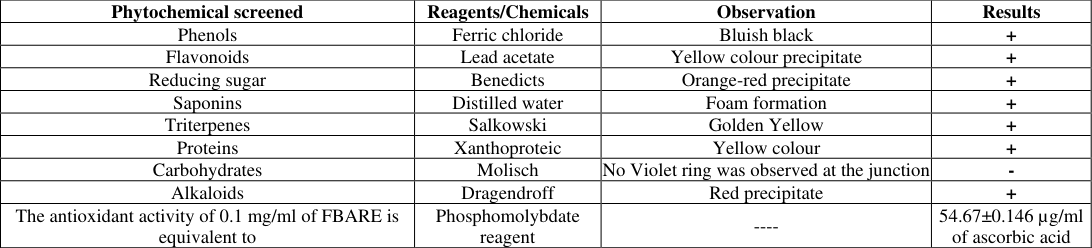 Table 1
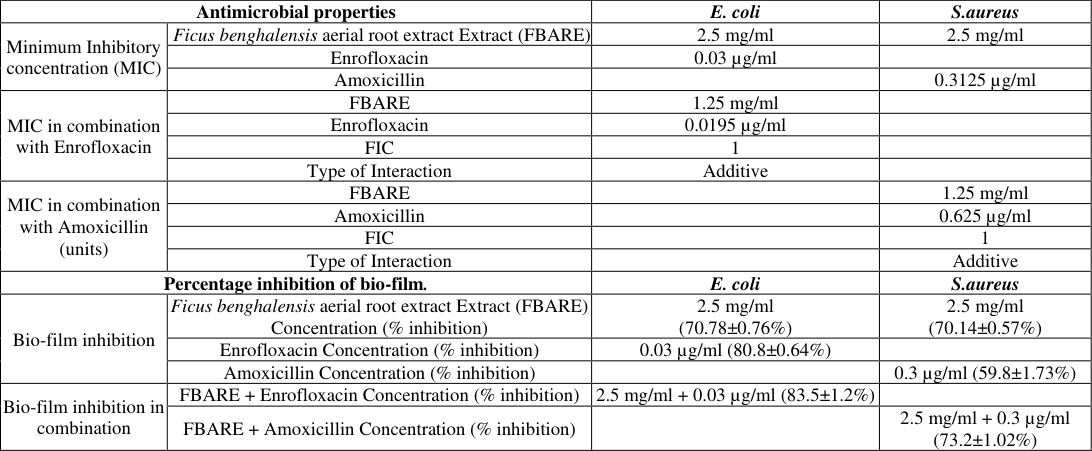 Table 2
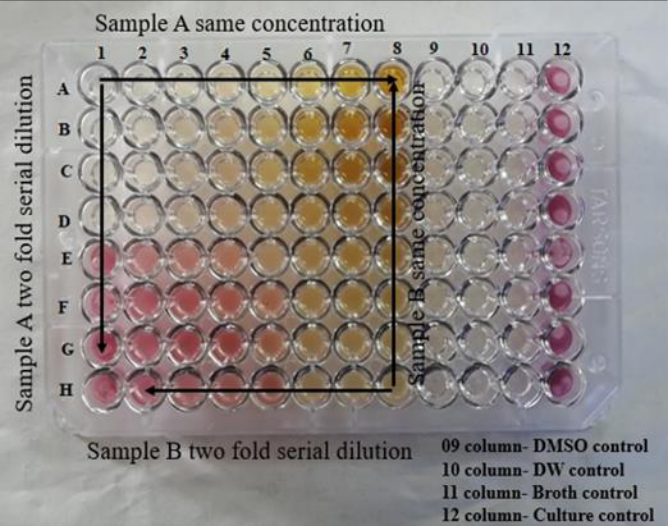 Figure 1
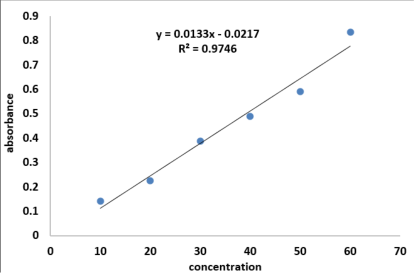 Figure 2
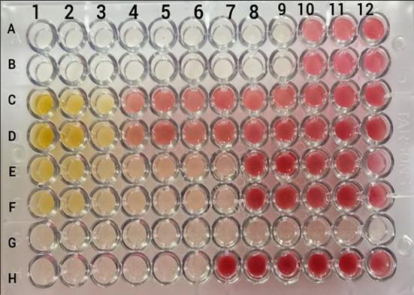 Figure 3
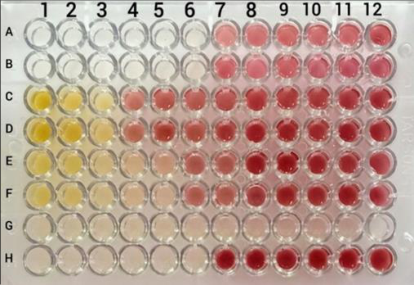 Figure 4
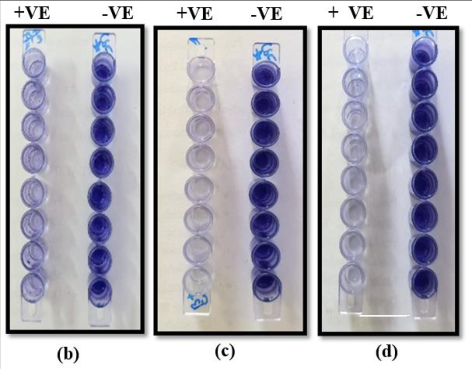 Figure 5
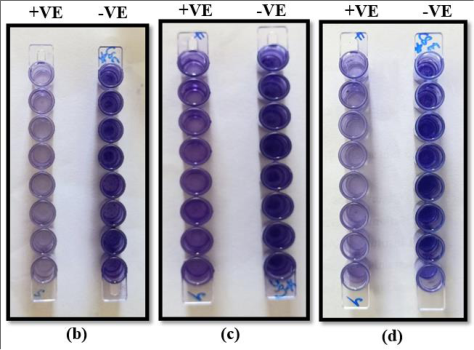 Figure 6
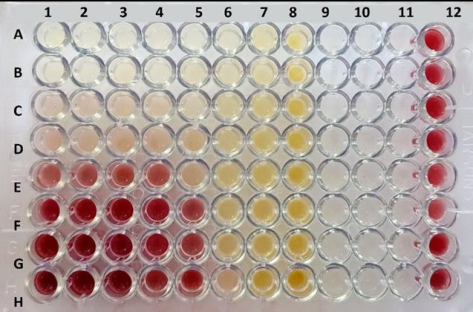 Figure 7
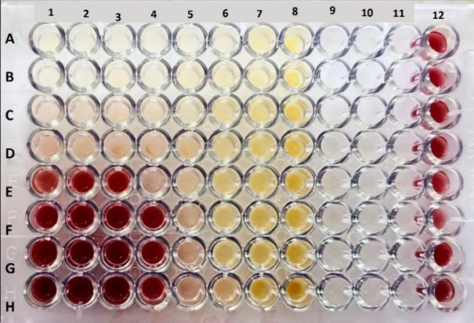 Figure 8
Introduction
In recent years, antimicrobial resistance (AMR) has become a significant global health concern, emerging as a central issue in both human and veterinary medicine. The widespread availability and inappropriate use of antimicrobials have contributed to the accelerated development of AMR, posing a major threat to public health. As noted by Barbosa and Levy (2000) [1] , antimicrobial resistance is an increasingly pressing issue, drawing the attention of policymakers who are now prioritizing long-term action plans to address this growing challenge. Conventional antimicrobial agents are associated with the risk of developing acquired drug resistance. This poses a dual threat to both animal and human health due to the selection and spread of resistant strains (Marshall and Levy, 2011; Saini et al., 2012) [2,3] . The evolution of antibiotic resistance in mastitis-causing pathogens, such as Staphylococcus aureus (S. aureus) and Escherichia coli (E. coli), exemplifies this problem, with no long-lasting remedies available for effective control. The limited number of antimicrobial drug classes and the frequent occurrence of cross-resistance between and within these classes further complicate the situation. As a result, there is an urgent need for alternative strategies or more effective antimicrobial agents (Bayramov and Neff, 2017) [4] . One promising approach to combat the rise of bacterial resistance is the use of natural plantbased products. Many plants possess diverse pharmacological properties, and Ficus benghalensis, commonly known as the Indian Banyan Tree, is one such plant with remarkable medicinal properties. Ancient medicine systems such as Ayurveda extensively used this tree to treat a wide range of ailments (Papitha et al., 2017) [5] . Previous studies have reported the presence of several bioactive compounds in Ficus benghalensis (Verma et al., 2015) [6] , including lupenyl acetate, α-amyrenyl acetate, γ-sitosterol, palmitic acid, and lupeol. These compounds have demonstrated various pharmacological activities, such as antibacterial, antioxidant, anti-inflammatory, anti-diabetic, and anticancer properties. Among these, Ficus benghalensis extracts exhibited high antioxidant activity when compared to standard gallic acid through FRAP assay. Additionally, the synergistic effects of plant extracts in combination with antibiotics have been shown to enhance antimicrobial activity, with several studies documenting additive effects in such combinations (Adwan and Mhanna, 2008; Niculae et al., 2015; Mun et al., 2013) [7,8,9] . In light of these considerations, the present study aims to evaluate the methanol extract of the aerial prop roots of Ficus benghalensis for its antimicrobial activity against mastitiscausing organisms. The specific objectives include assessing the antibacterial activity of Ficus benghalensis against Staphylococcus aureus and Escherichia coli, evaluating the in vitro antibacterial efficacy, and determining the antibiofilm activity in combination with the synthetic antibiotics enrofloxacin and amoxicillin.
Materials and Methods
All the chemicals are of analytical grade and were procured from (Himedia and Merck) Mumbai, India.
Preparation of Extract
Aerial roots of F. benghalensis were collected from the Guntur region, Andhra Pradesh, authenticated by a botanist, shade-dried, and powdered. Twenty grams of the powder was soaked in methanol (1:10 ratio) and stirred overnight at room temperature. The filtrate was lyophilized to a constant weight. The extract (FBARE) was mixed with DMSO to prepare a 500 mg/mL stock solution, which was diluted with 1% DMSO to obtain a 10 mg/mL working solution.
Test Bacteria and Culture Media
Freeze-dried cultures of E. coli and S. aureus were revived using tryptic soya broth, streaked onto eosin methylene blue (EMB) and mannitol salt agar (MSA) respectively, and incubated. Clinical isolates from milk samples were processed via centrifugation and cultured in brain heart infusion broth (BHI) at 37 °C (Cruickshank et al., 1975) [10] . Specific media (EMB for E. coli and MSA for S. aureus) were used to study the isolates, and PCR confirmed their identity.
Qualitative Phytochemical Analysis
FBARE was tested for alkaloids, carbohydrates, reducing sugars, saponins, triterpenes, phenols, flavonoids, proteins, and amino acids using standard methods (Swargiary et al., 2016) [11] .
Total Antioxidant Activity
The total antioxidant capacity of the sample was evaluated by phospho-molybdenum method (Prieto et al., 1999) [12] . Serial six concentrations of standards of ascorbic acid ranging from 10-60 μg/ml were made in distilled water. An aliquot of 0.2 ml of the sample solution was mixed with 2 ml of the phosphomolybdate reagent (0.6 M sulfuric acid, 28 mM sodium phosphate, and 4 mM ammonium molybdate). For the blank, 0.2 ml of distilled water was mixed with 2 ml of the reagent. The test tubes were incubated in a water bath at 95°C for 90 min. After incubation, the test tubes were cooled and the absorbance was measured at 695 nm for the extinction coefficient for vitamin C reduced phosphomolybdenum complex from six serial concentrations of ascorbic acid versus absorbance by using the line of the best-fit method. Antioxidant activity of FBARE expressed as equivalent to Ascorbic acid that formed the green phosphomolybdenum complex.
Antibacterial Activity Assay Preparation of Cation-Adjusted Muller-Hinton Broth (CAMHB)
CAMHB was prepared, autoclaved, and cooled. Magnesium (0.2 ml of MgCl2 solution) and calcium ions (0.4 ml of CaCl2 solution) were added to the chilled broth to achieve final concentrations of 10 mg/L and 20 mg/L, respectively, with a pH of 7.2-7.4 (CLSI, 2012) [13] .
Estimation of MIC by Broth Dilution Method
The minimum inhibitory concentration (MIC) was evaluated in a 96-well microplate (CLSI, 2006) [14] . Serial dilutions of antibiotics and FBARE were prepared in CAMHB. Bacterial cultures (0.5 McFarland units) were added to each well, and positive and negative controls were maintained. Plates were incubated at 37 °C for 18 hours, and microbial growth was determined using iodonitrotetrazoline chloride (INT). MIC was defined as the lowest concentration showing no color change, indicating bacterial inhibition.
Biofilm Inhibition Assay
FBARE, amoxicillin, and enrofloxacin (at MIC concentrations) were tested for biofilm inhibition (Bazargani and Rohloff, 2016) [15] . Cultures were incubated with test compounds in a microtiter plate, washed, stained with crystal violet, and de-stained with ethanol. Absorbance at 590 nm was measured, and percentage inhibition was calculated against controls.
Antibacterial Activity in Combination with Antibiotics
The microdilution checkerboard method (Schelz et al., 2006; Orhan et al., 2005) [16,17] was used to evaluate interactions between FBARE and antibiotics. Serial dilutions of FBARE, enrofloxacin, and amoxicillin were prepared, and bacterial cultures were added. Fractional inhibitory concentration (FIC) indices were calculated to determine synergistic, additive, indifferent, or antagonistic effects. (fig. 1)
Statistical Analysis
Statistical analysis was performed using SPSS 19.0. One-way ANOVA with Duncan's post-hoc test was used to compare biofilm inhibition, represented as Mean ± SEM. A value of P < 0.05 was considered significant.
Results
The present study evaluated the FBARE for the qualitative phytochemicals analysis, in-vitro antioxidant activity, in-vitro antimicrobial activity, and antibiofilm activity against mastitis-causing bacteria Staphylococcus aureus and Escherichia coli, clinical isolates cultures and also evaluated in-vitro antimicrobial activity interaction with synthetic antibiotics enrofloxacin and amoxycillin respectively.
Phytochemical analysis:
The phytochemical analysis revealed the presence of various secondary metabolites including alkaloids, reducing sugars, saponins, triterpene, phenols, flavonoids, and proteins (Table 1).
| Phytochemical screened | Reagents/Chemicals | Observation | Results |
|---|---|---|---|
| Phenols | Ferric chloride | Bluish black | + |
| Flavonoids | Lead acetate | Yellow colour precipitate | + |
| Reducing sugar | Benedicts | Orange-red precipitate | + |
| Saponins | Distilled water | Foam formation | + |
| Triterpenes | Salkowski | Golden Yellow | + |
| Proteins | Xanthoproteic | Yellow colour | + |
| Carbohydrates | Molisch | No Violet ring was observed at the junction | - |
| Alkaloids | Dragendroff | Red precipitate | + |
| The antioxidant activity of 0.1 mg/ml of FBARE is equivalent to | Phosphomolybdate reagent | ---- | 54.67±0.146 µg/ml of ascorbic acid |
Table text extracted from the original PDF; superscript letters are shown inline. The original table image is below.
View original table image
Antioxidant activity
The antioxidant activity of FBARE was expressed as antioxidant activity equivalent to µg/ml of ascorbic acid. A standard curve was plotted with OD values at 695 nm obtained against six serial concentrations of ascorbic acid that reduced phosphomolybdenum complex and by using the line of the best-fit method extinction coefficient for ascorbic acid was calculated. (fig. 2) Antioxidant activity of FBARE expressed as equivalent of Ascorbic acid that formed the green phosphomolybdenum complex. The estimated antioxidant activity of 0.1 mg/ml of FBARE and enrofloxacin was 54.6±70.146 µg/ml and 33.60±0.31 µg/ml of ascorbic acid respectively (table 1).
Antibacterial activity of FBARE against
Escherichia coli E. coli growth inhibition was observed at a concentration of 2.5 mg/ml for FBARE and in combination with enrofloxacin, the FBARE inhibited the growth at a concentration of 1.25 mg/ml (fig. 3) (table 2).
| Antimicrobial properties | — | E. coli | S.aureus |
|---|---|---|---|
| Minimum Inhibitory concentration (MIC) | Ficus benghalensis aerial root extract Extract (FBARE) | 2.5 mg/ml | 2.5 mg/ml |
| Enrofloxacin | 0.03 µg/ml | ||
| Amoxicillin | 0.3125 µg/ml | ||
| MIC in combination with Enrofloxacin | FBARE | 1.25 mg/ml | |
| Enrofloxacin | 0.0195 µg/ml | ||
| FIC | 1 | ||
| Type of Interaction | Additive | ||
| MIC in combination with Amoxicillin (units) | FBARE | 1.25 mg/ml | |
| Amoxicillin | 0.625 µg/ml | ||
| FIC | 1 | ||
| Type of Interaction | Additive | ||
| Percentage inhibition of bio-film. | E. coli | S.aureus | |
| Bio-film inhibition | Ficus benghalensis aerial root extract Extract (FBARE) Concentration (% inhibition) | 2.5 mg/ml (70.78±0.76%) | 2.5 mg/ml (70.14±0.57%) |
| Enrofloxacin Concentration (% inhibition) | 0.03 µg/ml (80.8±0.64%) | ||
| Amoxicillin Concentration (% inhibition) | 0.3 µg/ml (59.8±1.73%) | ||
| Bio-film inhibition in combination | FBARE + Enrofloxacin Concentration (% inhibition) | 2.5 mg/ml + 0.03 µg/ml (83.5±1.2%) | |
| FBARE + Amoxicillin Concentration (% inhibition) | 2.5 mg/ml + 0.3 µg/ml (73.2±1.02%) |
Table text extracted from the original PDF; superscript letters are shown inline. The original table image is below.
View original table image
Antibacterial activity of FBARE against Staphylococcus aureus
S. aureus growth inhibition was observed at a concentration of 2.5 mg/ml for FBARE and in combination with amoxycillin inhibited the growth at 0.625 mg/ml concentration. (fig. 4) (table 2).
Biofilm Inhibition Potential Against Escherichia coli
The biofilm inhibition potential of enrofloxacin and FBARE against E. coli was evaluated using the crystal violet assay (Table 2). FBARE inhibited the 70.78±0.76% of biofilm formation at 2.5 mg/ml concentration; whereas in combination with enrofloxacin 83.5±1.2% biofilm formation was inhibited at 2.5 mg/ml of FBARE and 0.03 µg/ml concentration of enrofloxacin. Enrofloxacin alone inhibited 80.8±0.64% of biofilm formation at 0.03 µg/ml concentration (Fig 5).
Biofilm inhibition potential against Staphylococcus aureus
The biofilm inhibition potential of amoxycillin and FBARE was evaluated against S. aureus using the crystal violet assay (Table 2). FBARE inhibited the 70.14±0.57% of biofilm formation at 2.5 mg/ml concentration; whereas in combination with amoxycillin 73.2±1.02% biofilm formation was inhibited at 2.5 mg/ml of FBARE and 0.3 µg/ml concentration of amoxycillin. Amoxycillin alone inhibited 59.8±1.73% of biofilm formation at 0.03 µg/ml concentration (Fig 6).
Antibacterial activity interaction of FBARE with synthetic antibiotics
Antibacterial activity interaction of FBARE with antibiotics enrofloxacin and amoxicillin against E. coli and Staphylococcus aureus respectively by micro-dilution checker board method was evaluated for combined action and type of interaction by estimating fractional inhibitory concentration index.
FBARE in combination with Enrofloxacin
The FIC index of FBARE in combination with enrofloxacin was 1 which indicates the additive antibacterial activity of Enrofloxacin in combination with FBARE that is, the combined action is equal to the sum of the individual effects (fig 7) (Table 2).
FBARE in combination with amoxycillin
The FIC index of FBARE in combination with amoxycillin was 1 which indicates the additive antibacterial activity of Amoxycillin in combination with FBARE that is, the combined action is equal to the sum of the individual effects (fig 8) (Table 2).
Discussion
The current study explored the antimicrobial and antioxidant properties of Ficus benghalensis aerial root extract (FBARE) and evaluated its antibacterial activity against Staphylococcus aureus and Escherichia coli clinical isolates. Additionally, we examined the interaction between FBARE and synthetic antibiotics such as enrofloxacin and amoxycillin, as well as the biofilm inhibition potential of FBARE. Phytochemical screening of FBARE revealed secondary metabolites including alkaloids, reducing sugars, saponins, triterpenes, phenols, flavonoids, and proteins, aligning with findings by Tuse et al. (2011) [18] . These bioactive compounds are known to contribute significantly to the plant's medicinal properties. The antioxidant activity of FBARE, measured at 54.67 µg/ml ascorbic acid equivalent, supports previous studies by Verma et al. (2015) [6] , which reported the presence of bioactive compounds such as quinic acid, palmitic acid, and ergosterol acetate responsible for antioxidant effects. Similarly, Rajkumar et al. (2011) [19] found methanolic extracts of Ficus benghalensis to exhibit high antioxidant and antiradical activities. The antibacterial efficacy of FBARE was demonstrated against the clinical isolates of E. coli and S. aureus. The MIC of FBARE was 2.5 mg/mL, consistent with the results from Verma et al. (2015) [6] , who found Ficus benghalensis to be effective against gram-positive and gram-negative bacteria. The antimicrobial activity can be attributed to phenols and flavonoids, which disrupt bacterial cytoplasmic membranes and interact with proteins and microbial enzymes (Maria et al., 2018) [20] . These phytochemicals may enhance the permeability of bacterial membranes, potentiating the antibacterial effects. The biofilm inhibition potential of FBARE was evaluated using crystal violet staining, with significant inhibition observed against E. coli and S. aureus. In combination with enrofloxacin, FBARE exhibited significantly enhanced biofilm inhibition, particularly against E. coli, demonstrating 83.5±1.2% inhibition at MIC values. FBARE alone inhibited biofilm formation by 70.78±0.76%, while enrofloxacin alone showed 80.8±0.64% inhibition. The results align with studies by Awolola et al. (2017) [21] , who reported potent antiadhesion potential in methanol extracts of Ficus species. Against S. aureus, FBARE exhibited 70.14±0.57% biofilm inhibition, which was further enhanced when combined with amoxicillin to 73.2±1.02%. Flavonoids in FBARE may act on the enzyme sortase, crucial for anchoring protein virulence factors in Gram-positive bacteria, thereby suppressing biofilm formation (Maria et al., 2018) [20] . These findings suggest that FBARE could serve as a complementary agent in combination therapy to combat biofilm-related infections in veterinary and clinical settings. Our study is the first to evaluate the interaction of FBARE with synthetic antibiotics using the microdilution checkerboard method. The combination of FBARE with enrofloxacin against E. coli demonstrated an additive effect (FIC index of 1), indicating that the combined antibacterial action is equal to the sum of individual effects. Enrofloxacin inhibits bacterial DNA synthesis, while flavonoids and phenols in FBARE disrupt bacterial membranes, together providing a complementary mechanism of action (Verma et al., 2015) [6] . Similarly, FBARE exhibited additive antibacterial activity when combined with amoxicillin against S. aureus. Amoxicillin targets bacterial cell wall synthesis, while FBARE's phytochemicals further enhance antibacterial effects by acting on bacterial proteins and membranes, aligning with previous reports of Ficus benghalensis' efficacy (Verma et al., 2015) [6] .
Conclusion
The aerial roots of Ficus benghalensis treasure various phytochemicals which are excellent sources to exhibit various important pharmacological activities. These active metabolites in the Methanol extract of tender prop roots exhibited significant antibacterial activity against both grampositive and gram-negative bacteria causing bovine mastitis also exhibit antibiofilm activity. In combination with conventional antibiotics, enrofloxacin, and amoxycillin, inhibited in-vitro bacterial growth at reduced concentrations with additive antibacterial activity and also a significant increase in the percentage of biofilm formation by the above organisms. Further studies are required to separate various phytochemicals and establish the exact antimicrobial constituent.
References
18 in the original paper- Barbosa TM, Levy SB. The impact of antibiotic use on resistance development and persistence. Drug Resistance Updates. 2000; 3(5):303-311.
- Marshall BM, Levy SB. Food animals and antimicrobials impact on human health. Clinical Microbiology Reviews. 2011; 24(4):718-733.
- Saini V, McClure JT, Léger D, Dufour S, Sheldon AG, Scholl DT, Barkema HW. Antimicrobial use on Canadian dairy farms. Journal of Dairy Science. 2012; 95(3):12091221.
- Bayramov DF, Neff JA. Beyond conventional antibioticsNew directions for combination products to combat biofilm. Advanced Drug Delivery Reviews. 2017;112:4860.
- Papitha R, Ravi L, Kaviyarasi R, Bhuvaneswari M. Phytochemical investigation, gas chromatography-mass spectrometry, and Fourier transform infrared analysis in adventitious roots of Ficus benghalensis. International Journal of Green Pharmacy. 2017;11(2):127-131.
- Verma VK, Sehgal N, Prakash O. Characterization and screening of bioactive compounds in the extract prepared from aerial roots of Ficus benghalensis. Int J Pharm Sci Res. 2015; 6(12):5056-5069.
- Adwan G, Mhanna M. Synergistic effects of plant extracts and antibiotics on Staphylococcus aureus strains isolated from clinical specimens. Middle-East Journal of Scientific Research. 2008; 3:134-139.
- Niculae M, Stan L, Pall E, Pastiu AI, Balaci IM, Muste S, Spinu M, et al. In vitro synergistic antimicrobial activity of Romanian propolis and antibiotics against Escherichia coli isolated from bovine mastitis. Notulae Botanicae Horti Agrobotanici Cluj-Napoca. 2015; 43(2):327-334.
- Mun SH, Joung DK, Kim YS, Kang OH, Kim SB, Seo YS, et al. Synergistic antibacterial effect of curcumin against methicillin-resistant Staphylococcus aureus. Phytomedicine. 2013; 20(8-9):714-718.
- Swargiary A, Daimari A, Daimari M, Basumatary N, Narzary E. Phytochemicals, antioxidant, and anthelmintic activity of selected traditional wild edible plants of lower Assam. Indian Journal of Pharmacology. 2016;48(4):418.
- Prieto P, Pineda M, Aguilar M. Spectrophotometric quantitation of antioxidant capacity through the formation of a phosphomolybdenum complex: specific application to the determination of vitamin E. Analytical Biochemistry. 1999;269(2):337-341.
- Bazargani MM, Rohloff J. Antibiofilm activity of essential oils and plant extracts against Staphylococcus aureus and Escherichia coli biofilms. Food Control. 2016;61:156-164.
- Schelz Z, Molnar J, Hohmann J. Antimicrobial and antiplasmid activities of essential oils. Fitoterapia. 2006;77(4):279-285.
- Orhan G, Bayram A, Zer Y, Balci I. Synergy tests by E test and checkerboard methods of antimicrobial combinations against Brucella melitensis. Journal of Clinical Microbiology. 2005;43(1):140-143.
- Tuse TA, Bidkar AA, Bhale SA, Patanka RD. In-vitro anthelmintic activity of aerial roots of Ficus benghalensis. International Journal of Pharmacological Research. 2011;1(1):10-13.
- Rajkumar SK, Seasotiya L, Rohilla SK. Evaluation of antioxidant activity and radical scavenging property of Ficus benghalensis L. applying various spectroscopic and spin-trapping methods. Journal of Biologically Active Products from Nature. 2011;1(4):248-261.
- Miklasińska-Majdanik M, Kępa M, Wojtyczka RD, Idzik D, Wąsik TJ. International Journal of Environmental Research and Public Health. 2018;15(10):2321.
- Awolola GV, Chenia H, Baijnath H, Koorbanally NA. The anti-adhesion potential of non-polar compounds and extracts from Ficus natalensis. Revista Brasileira de Farmacognosia. 2017;27:599-602.