
Research article · 2024 · Full text
International Journal of Geography Geology and EnvironmentMigration dynamics: Material exchanges at the heart of translocality in Burkina Faso
Volume 6(2) · Pages 128–133 · DOI: 10.22271/27067483.2024.v6.i2b.296 ↗
Research areasMigration, Identity, and HealthAfrican Studies and Geopolitics
Abstract
Author-writtenThis article explores the exchange of in-kind resources between Burkina Faso migrants and their households back home, in the context of translocal migration. Based on empirical data collected in the provinces of Kouritenga, Boulkiemdé and Ioba, it sheds light on the nature, frequency and factors influencing these transfers. Around 9.25% of migrants sent resources in kind, underlining the importance of family ties despite the distances involved. The analysis reveals significant gender disparities, with women often migrating to support their families. Food, clothing and medical goods dominate remittances, illustrating concerns for food security and the well-being of loved ones. The article also looks at reciprocal transfers, showing that only 7.77% of migrants receive resources, often food, from their households. This framework of complex exchanges highlights the interdependence and translocal identities that are forming within Burkinabe communities.
Summary
Source-checkedPlain-language reading of the full paper, prepared with AI and checked against the text. Each point links to the authors' own words.
Why it matters
- In Burkina Faso, migration serves as both a survival strategy and a resilience mechanism for households due to ongoing security and socio-economic challenges. View evidence ↗
- The concept of 'translocality' describes how migrants integrate into new residences while maintaining meaningful relationships with their original localities. View evidence ↗
- In-kind remittances are critical for the survival of households in Burkina Faso, making translocal relationships particularly significant. View evidence ↗
The question
- The study aims to explore the exchange of in-kind resources between migrants from Burkina Faso and their households of origin. View evidence ↗
- The research specifically examines how socio-economic context, distance, and gender influence resource transfers and the reinforcement of translocal identities. View evidence ↗
What they did
- The survey was conducted from June 1 to 16, 2022, across the provinces of Ioba, Boulkiemdé, and Kouritenga. View evidence ↗
- Villages were selected based on population (800 to 3,000 inhabitants) and distance (at least 60 minutes from provincial capitals and 90 minutes from regional metropolises). View evidence ↗
- The study surveyed 540 households (45 per village), with 75% having migration experience and 25% without. View evidence ↗
- The survey of 540 households allowed the researchers to identify 811 migrants within the sample. View evidence ↗
What they found
- In the year before the survey, 9.25% of migrants sent in-kind resources to their households of origin. View evidence ↗
- Female migrants sent resources at a higher rate (14.38%) than male migrants (8.12%). View evidence ↗
- Foodstuffs were the most common resource sent, with rates of 89.7% in Boulkiemdé, 86.7% in Kouritenga, and 80.6% in Ioba. View evidence ↗
- Medicine transfers were highest in Ioba (54.8%), followed by Boulkiemdé (20.7%) and Kouritenga (13.3%). View evidence ↗
- Agricultural inputs were sent by 38.7% of migrants in Ioba, 16.3% in Kouritenga, and 6.9% in Boulkiemdé. View evidence ↗
- Reciprocal transfers were less common, with only 7.77% of migrants receiving resources from their households of origin. View evidence ↗
- Among migrants who received resources, food was the primary item, reported by 95.2% in Boulkiemdé, 93.8% in Ioba, and 90% in Kouritenga. View evidence ↗
What it means
- The authors recommend that policies facilitate resource flow infrastructure and create programs specifically supporting migrant women due to their central role in transfers. View evidence ↗
- The authors suggest that future research should explore the long-term impacts of transfers on family dynamics and conduct comparative analyses with other African contexts. View evidence ↗
Visual summary
3 visualsIllustrations explain the paper; charts are replotted from the paper's own table values.
Bidirectional Resource Flow
AI-generated conceptual illustration (A rural village in Burkina Faso and a modern West African city). It explains the idea and does not show study data.
View source evidence ↗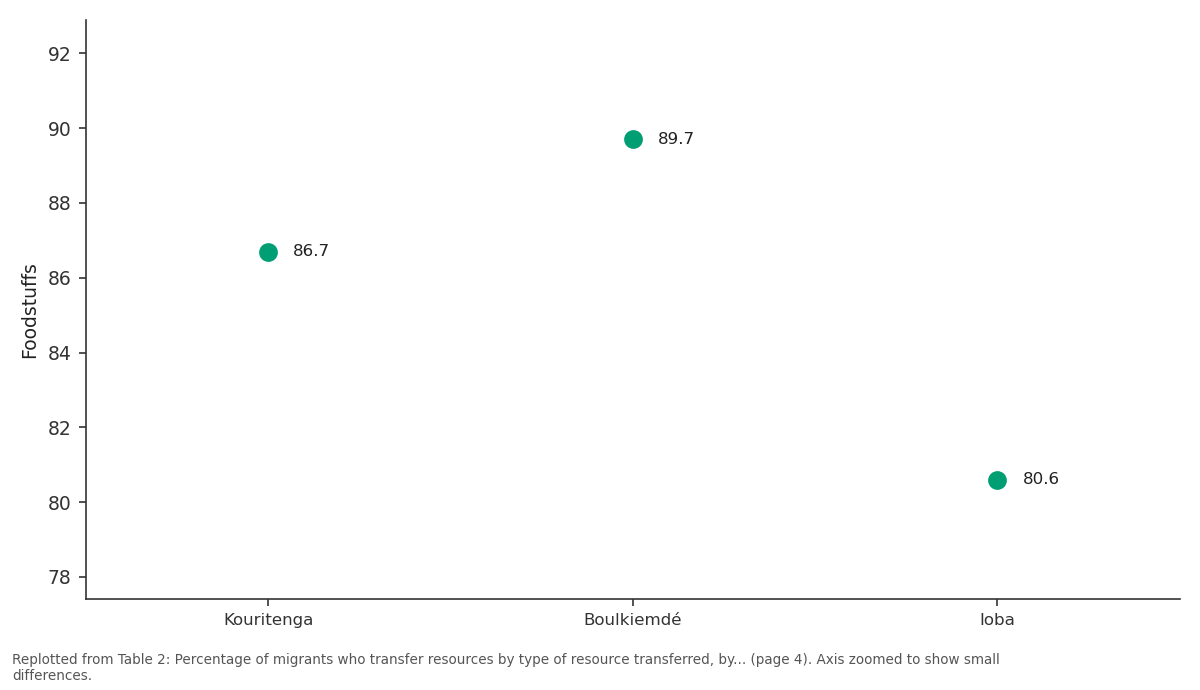
Foodstuffs: Kouritenga vs Boulkiemdé vs Ioba
Replotted from Table 2 (page 4) of the original paper. Every bar is the paper's own table value.
View source evidence ↗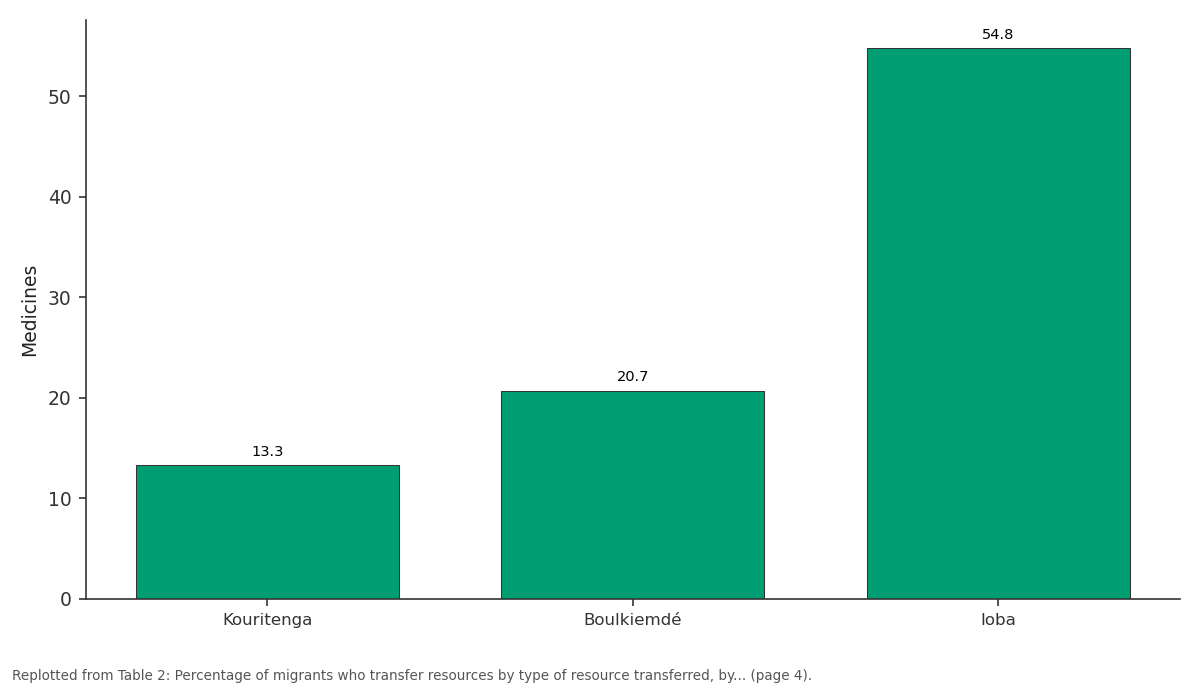
Medicines: Kouritenga vs Boulkiemdé vs Ioba
Replotted from Table 2 (page 4) of the original paper. Every bar is the paper's own table value.
View source evidence ↗Figures & tables
From the original paper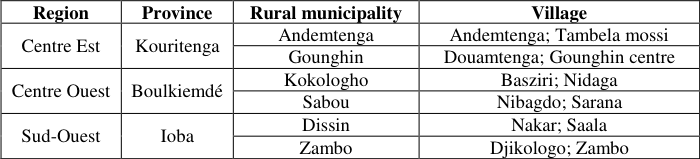 Table 1
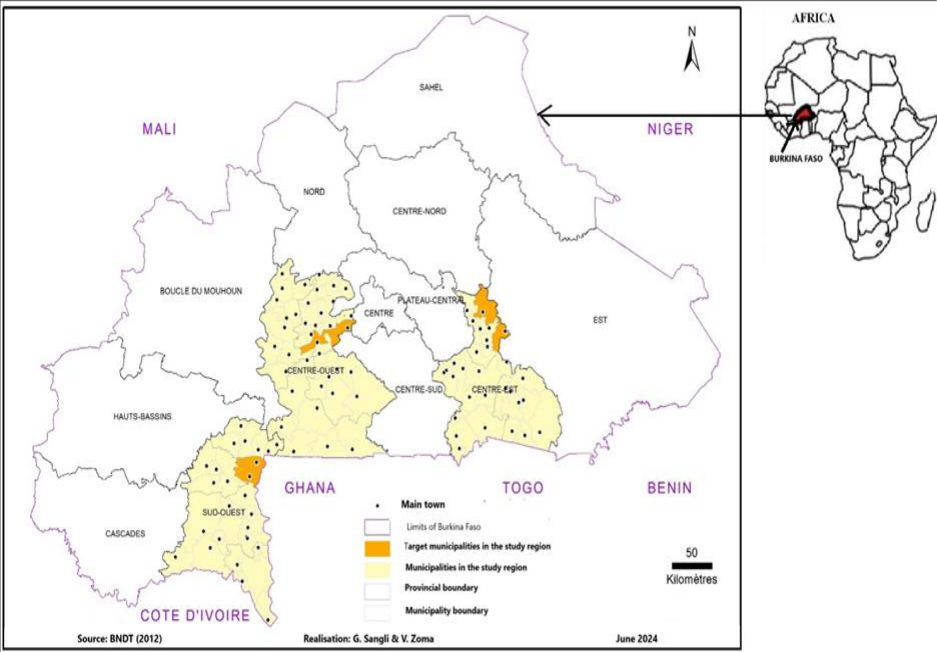 Figure 1
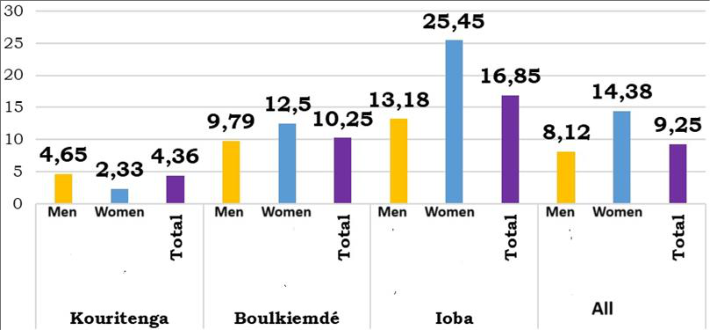 Figure 2
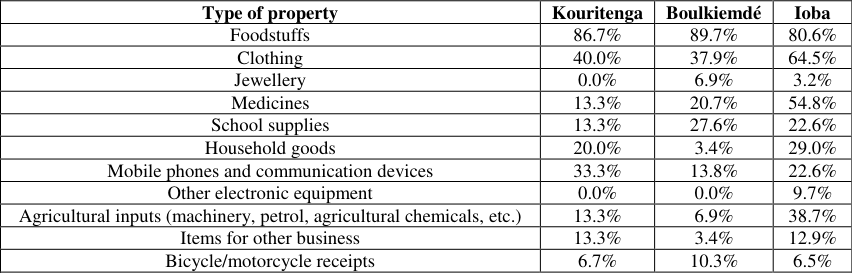 Table 2
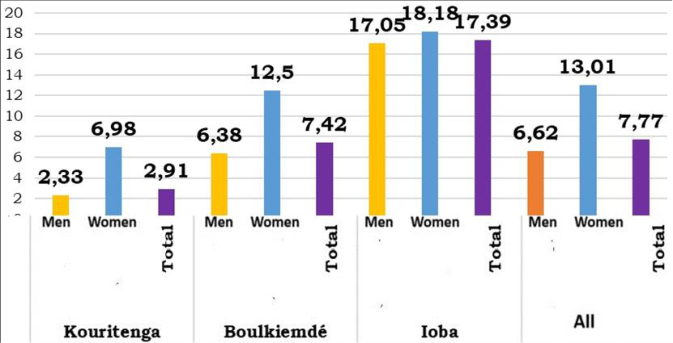 Figure 3
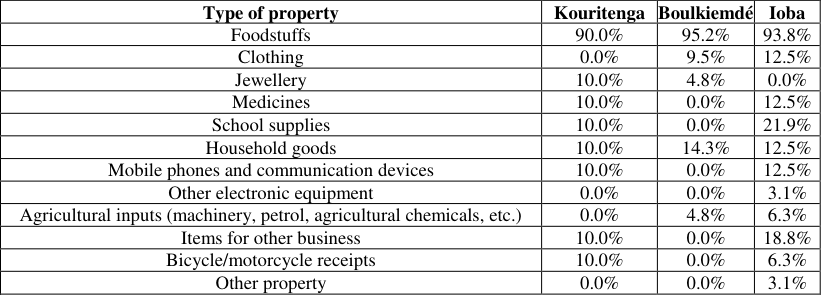 Table 3
Introduction
Migration is a global phenomenon that has been reshaping the socio-economic and cultural contours of societies of origin and destination for decades. On an international scale, migration is often perceived as a unidirectional movement, but the reality is much more complex. The work of Glick Schiller & al (1992) [3] introduced the concept of 'translocality', which emphasises the idea that migrants maintain meaningful relationships with their locality of origin, while integrating into their new place of residence. This phenomenon is particularly relevant in Africa, where millions of people cross borders in search of better opportunities. In Burkina Faso, a country beset by socio-economic and security challenges, migration is not only a survival strategy, but also a resilience mechanism for households left behind. According to a report by the International Organisation for Migration (IOM, 2020), several million Burkinabè live outside their region of origin, seeking to support their families by transferring resources. These exchanges, whether material or financial, contribute to a translocal dynamic in which migrants become key players in local development, despite the geographical distances that separate them from their loved ones. Translocality, as a concept, therefore refers to a framework of analysis that recognises and integrates these multidimensional interactions. It goes beyond simple migration, considering the practices, networks and identities that are formed within migrant communities. The work of Wissink & Mazzucato (2018) [8] highlights the importance of these networks in the mutual support between migrants and their families, illustrating the complexity of the socioeconomic relationships that are established across distances. These relationships are all the more significant in the context of Burkina Faso, where in-kind remittances are crucial to the survival of households back home. The aim of this research is to explore the exchange of in-kind resources between Burkina Faso migrants and their households of origin. Based on empirical data collected in the provinces of Kouritenga, Boulkiemdé and Ioba in Burkina Faso, the article sheds light not only on the nature and frequency of these exchanges, but also on the factors that influence their dynamics. More specifically, it examines how gender, distance and socio-economic context impact on resource transfers and how these solidarity practices reinforce translocal identities.
Firstly, this work looks at translocal links by detailing the transfers of resources from migrants to their families of origin, with an emphasis on gender disparities. Secondly, it analyses the diversity of gifts sent by migrants, looking at the types of resources transferred and their significance. Finally, it explores resource transfers from households to migrants, highlighting reciprocal exchanges and the typology of resources received, as well as the impact of these exchanges on the dynamics of family relationships.
Methodological approach
This essentially quantitative study was carried out in Burkina Faso, West Africa, focusing on rural localities with high emigration (Figure 1).
Fig 1: Location of the study area
The survey took place between 1 and 16 June 2022 in the provinces of Kouritenga (Centre-East), Boulkiemdé (Centre-West) and Ioba (South-West). The choice of these provinces is based on two main criteria: the size of the migratory balance and security. While these areas are accessible, they are also characterised by high levels of migration. The methodological approach adopted is based on a reasoned selection of the villages studied, on the basis of several criteria. Firstly, the population of the villages selected had to be between 800 and 3,000 inhabitants. Secondly, these rural localities had to be at least 60 minutes from the nearest urban centres (provincial capitals) and 90 minutes from regional metropolises such as Ouagadougou or Bobo-Dioulasso. In addition, a climatic criterion was taken into account: the villages chosen are located in areas where conditions are unfavourable for agriculture or human settlement, exacerbated by climate change. Finally, for security reasons, only localities deemed safe were selected, as Burkina Faso has been facing increasing insecurity for almost a decade, due to terrorist attacks. These criteria were used to select the localities listed in Table 1, which summarises the survey areas by region, province, rural commune and village. [4] during the Recensement Général de la Population et de l'Habitation (RGPH). Each village, treated as a DZ, is a territorial unit comprising around 800 rural inhabitants.
| Region | Province | Rural municipality | Village |
|---|---|---|---|
| Centre Est | Kouritenga | Andemtenga | Andemtenga; Tambela mossi |
| Gounghin | Douamtenga; Gounghin centre | ||
| Centre Ouest | Boulkiemdé | Kokologho | Basziri; Nidaga |
| Sabou | Nibagdo; Sarana | ||
| Sud-Ouest | Ioba | Dissin | Nakar; Saala |
| Zambo | Djikologo; Zambo |
Table text extracted from the original PDF; superscript letters are shown inline. The original table image is below.
View original table image
The sampling method was carried out in two stages. First, the villages were selected according to the above-mentioned criteria. Then, within each village, households were selected at random. In accordance with current practice in Burkina Faso, the number of secondary units retained in a cluster survey varies between 15 and 55. For this study, it was decided to survey 45 households per village, for a total of 540 households. Of these households, 75% had migration experience and 25% had no migration experience. The 45 households per village were selected at random after an exhaustive enumeration of all households, under the supervision of the research team. There were several stages in the drawing procedure:
-At the level of each village, a complete enumeration was carried out, differentiating between households with and without migratory experience.
-Based on the sample to be surveyed (34 households with migratory experience and 11 without per village), the draw step was calculated and applied.
-The selected households were then surveyed in depth. A total of 540 households were identified and surveyed, making it possible to identify 811 migrants in the sample.
For the purposes of this study, migration is defined as the planned, long-term or permanent movement or resettlement of a person. This definition includes both cross-border movements (to other countries) and internal migration (within Burkina Faso), in particular rural-urban migration or internal displacement. A temporal threshold of three months was used to define migration. The following are therefore considered to be migrants -People who have been away from their place of residence for more than three months, whether inside or outside the country; -People who have been away for less than three months but intend to stay longer than three months at their new destination.
Households with no experience of migration are defined as those in which no member was migrating at the time of the survey. These households only responded to the general household questionnaire. Conversely, households with migration experience are defined as those with at least one emigrant, whether inside or outside Burkina Faso, for more than three months or with the intention of residing there for more than three months. These households answered a more detailed questionnaire, including specific questions on emigrants.
In short, this rigorous methodological approach made it possible to gather representative data on migration in the selected rural areas, taking into account various factors, both demographic and environmental.
Results and Discussion
Translocal links: resource transfers from migrants to their families of origin Translocal migration in Burkina Faso reveals significant material exchanges between migrants and their households of origin. These transfers, which testify to the persistence of family ties despite geographical distances, embody the concept of translocality. According to the data collected, 9.25% of migrants sent resources in kind to their households of origin during the year preceding the survey.
The results highlight the importance of socio-economic links that transcend localities, facilitating a flow of resources that strengthens the resilience of households back home. This dynamic is in line with recent migration theories that view migration flows as networks of exchanges, rather than unidirectional movements (de Haas & 2018) [2] .
Gender and generosity: An analysis of resource transfers between migrants and households
Figure 2 shows the transfers of material resources from migrants to their households of origin in the three provinces by gender.
Source: Fieldwork (June, 2022) An in-depth analysis of resource transfers shows a marked disparity according to the gender of migrants. Female migrants appear to play a particularly active role in sending resources, with a rate of 14.38% compared with just 8.12% for men. Women, who are often responsible for household expenses, are more inclined to support their families back home. Variations in transfer rates by province further illustrate this dynamic. In Kouritenga, only 4.36% of migrants send remittances, while this figure rises to 10.25% in Boulkiemdé and 16.85% in Ioba. In Boulkiemdé and Ioba, women clearly outnumber men: 12.50% compared with 9.79% in Boulkiemdé, and 25.45% compared with 13.18% in Ioba. In contrast, in Kouritenga, men, at 4.65%, send slightly more resources than women (2.33%). This prevalence of transfers by women can be interpreted as an affirmation of their role in household survival strategies. As Dabiré & Soumahoro (2024) [1] point out, these transfers reinforce gender identities, in which women, as the main providers of resources, play a central role in the economic revitalisation of their communities.
Diversity of donations: analysis of the types of resources sent by migrants
The diversity of resources transferred by migrants is another significant aspect of this study (table 2). The main goods sent include food, clothing, jewellery, medicines and school items. In all three provinces, foodstuffs predominate, with 89.7% of migrants in Boulkiemdé, 86.7% in Kouritenga and 80.6% in Ioba sending foodstuffs. This highlights the importance of food security in transfers, especially in a context of increased vulnerability (Yiriyibin, 2015) [9] . Transfers of clothing, 64.5% of which are sent in Ioba, 40% in Kouritenga and 37.9% in Boulkiemdé, also reflect migrants' concern for the material well-being of their families. As far as medicines are concerned, 54.8% of migrants in Ioba contributed to these consignments, followed by 20.7% in Boulkiemdé and 13.3% in Kouritenga. These results reveal a growing awareness of the health and well-being of relatives back home, an aspect often neglected in traditional analyses of migratory flows. Household goods, although less frequent, are distributed by 29% in Ioba, 20% in Kouritenga, and only 3.4% in Boulkiemdé. The sending of agricultural inputs is significant, with 38.7% of migrants in Ioba, 16.3% in Kouritenga and 6.9% in Boulkiemdé, illustrating the importance of agriculture for rural families and the need to support local production. The sending of jewellery, mainly from Boulkiemdé (6.9%) as opposed to Ioba (3.2%), could also symbolise cultural and emotional values, strengthening family ties and intergenerational solidarity. School items, which are particularly important for children's education, show a similar trend, with Boulkiemdé migrants being more inclined to send these resources, which could be interpreted as a desire to invest in the future of future generations. Finally, transfers of bicycles and motorbikes are notable, with 10.3% of migrants in Boulkiemdé sending them, compared with 6.5% in Kouritenga and Ioba. This shows the importance of mobility for households and the efforts made by migrants to facilitate access to means of transport for their families.
| Type of property | Kouritenga | Boulkiemdé | Ioba |
|---|---|---|---|
| Foodstuffs | 86.7% | 89.7% | 80.6% |
| Clothing | 40.0% | 37.9% | 64.5% |
| Jewellery | 0.0% | 6.9% | 3.2% |
| Medicines | 13.3% | 20.7% | 54.8% |
| School supplies | 13.3% | 27.6% | 22.6% |
| Household goods | 20.0% | 3.4% | 29.0% |
| Mobile phones and communication devices | 33.3% | 13.8% | 22.6% |
| Other electronic equipment | 0.0% | 0.0% | 9.7% |
| Agricultural inputs (machinery, petrol, agricultural chemicals, etc.) | 13.3% | 6.9% | 38.7% |
| Items for other business | 13.3% | 3.4% | 12.9% |
| Bicycle/motorcycle receipts | 6.7% | 10.3% | 6.5% |
Table text extracted from the original PDF; superscript letters are shown inline. The original table image is below.
View original table image
Resource transfers from household members to migrants
Resource transfers between migrants and their households take place in both directions, which enriches our understanding of the dynamics of translocal migration. Migrants, while being senders of resources, also become receivers. This duality highlights the interdependence that characterises family and social relations, and reflects the complexity of translocal practices.
Reciprocal exchanges: household support for migrants
The data reveals that only 7.77% of migrants received resource transfers from their households of origin. Although this figure seems low, it reveals patterns of exchange that are essential for maintaining family ties (Figure 3). The province of Ioba stands out with 17.39% of migrants having benefited from these remittances, 18.18% of whom are women and 17.05% men. This phenomenon can be interpreted in the light of the work of Simoni & Voirol (2020) [6] , who highlight the crucial role of women in resource transfers, often linked to their position as managers of family expenditure. In Boulkiemdé, 12.50% of women migrants receive resources, compared with only 6.38% of men. This highlights a trend whereby women are more likely to receive support from their households. In contrast, the province of Kouritenga has the lowest rate, with only 2.91% of migrants receiving transfers, where women (6.98%) receive more than men (2.33%). This imbalance can be attributed to local socio-economic factors, such as the diversity of income sources and access to markets. These transfers reflect solidarity strategies that transcend geographical distances. Households send resources not only to meet the material needs of migrants, but also to maintain an emotional and cultural bond. These remittances help migrants to feel integrated and supported in their new environments, thereby strengthening their identity and sense of belonging.
From origin to recipient: the typology of resources received by migrants
In terms of the nature of the resources received, food is the main category of support. Indeed, 95.2% of migrants from Boulkiemdé, 93.8% from Ioba, and 90% from Kouritenga report having received foodstuffs (table 3). This predominance of food illustrates the importance of food security in the context of translocal practices. As noted by Tapsoba & al (2023) [7] , food remittances are essential for the well-being of migrants, enabling them to subsist and maintain a link with the culinary traditions of their country of origin.
| Type of property | Kouritenga | Boulkiemdé | Ioba |
|---|---|---|---|
| Foodstuffs | 90.0% | 95.2% | 93.8% |
| Clothing | 0.0% | 9.5% | 12.5% |
| Jewellery | 10.0% | 4.8% | 0.0% |
| Medicines | 10.0% | 0.0% | 12.5% |
| School supplies | 10.0% | 0.0% | 21.9% |
| Household goods | 10.0% | 14.3% | 12.5% |
| Mobile phones and communication devices | 10.0% | 0.0% | 12.5% |
| Other electronic equipment | 0.0% | 0.0% | 3.1% |
| Agricultural inputs (machinery, petrol, agricultural chemicals, etc.) | 0.0% | 4.8% | 6.3% |
| Items for other business | 10.0% | 0.0% | 18.8% |
| Bicycle/motorcycle receipts | 10.0% | 0.0% | 6.3% |
| Other property | 0.0% | 0.0% | 3.1% |
Table text extracted from the original PDF; superscript letters are shown inline. The original table image is below.
View original table image
In addition to food, other items such as school supplies (21.9% in Ioba), clothing (12.5%) and communications equipment are also sent. These transfers are indicative of households' desire to support migrants in their daily lives, facilitate their integration and encourage their success. The sending of school items, in particular, shows that families wish to invest in their children's education, even at a distance. This shows the role of migrants as vectors for change and for improving living conditions in their families of origin. In Kouritenga, around 10% of migrants received various items, including jewellery, medicines and communications equipment. These shipments show not only a material dimension, but also a symbolic one, where the resources transferred carry with them cultural and emotional values. Jewellery, for example, may represent family ties and commitments, while medicines testify to a concern for the migrants' health. Finally, the province of Boulkiemdé, which is characterised by more modest remittances, illustrates the regional inequalities in terms of the resources available for remittances. Migrants from this province appear to be less supported by their households, which could have implications for their ability to adapt and prosper in their new environments. Variations in the resources transferred may also be influenced by local economic conditions and family support networks. This dynamic of resource transfers underlines the complexity of translocal practices and highlights the networks of interdependence that form between migrants and their families. Exchanges are not limited to a simple economic transaction, but also involve social and cultural dimensions that strengthen family ties and collective identity.
Conclusion
Migration is a multidimensional phenomenon that transcends simple population movements. It is a vector of social, economic and cultural change. In the context of Burkina Faso, the study of exchanges of resources in kind between migrants and households of origin reveals complex dynamics that merit particular attention. Through surveys carried out in the provinces of Kouritenga, Boulkiemdé and Ioba, the article highlights the translocal links forged between émigrés and their families, underlining the importance of intergenerational solidarity and social networks.
The concept of translocality provides a relevant framework for analysing migratory flows. It highlights the importance of the connections that persist between migrants and their communities of origin. Exchanges of resources in kind are evidence of migrants' desire to maintain meaningful relationships with their families, despite the geographical distance. This notion of translocality is particularly relevant in Burkina Faso, where households often depend on external support for their economic survival. The research findings show that migrants are not only agents of change in their new localities, but also play a key role in the development of their villages of origin.
The study highlights striking gender disparities in resource transfers. Female migrants send more resources than their male counterparts. This trend can be interpreted through the prism of family responsibilities. Women, who are often responsible for managing domestic resources, are motivated to support their families, thereby reinforcing their status within the communities. On the other hand, men, who have traditionally been seen as the main providers for the family, seem to adopt a different role in migratory contexts, raising questions about gender norms and their evolution in the context of migration. Analysis of the types of resources transferred shows a diversity that reflects household priorities and needs. Food items dominate, underlining the importance of food security in a context of increased vulnerability. The predominance of food remittances can be interpreted as a survival strategy for households remaining in the country. Remittances of clothing, medicines and agricultural inputs also reflect migrants' concern for the material well-being and health of their loved ones. These results highlight the crucial role of migrants as providers of vital resources, while revealing the complex family dynamics that develop within households.
Resource transfers are not limited to remittances from migrants to households. The study also reveals a reciprocal dynamic, where households send resources to migrants. Although these transfers are less frequent, they highlight the interdependence of family relationships. Families send goods to support migrants, but also to maintain an emotional bond, which reinforces family identity. The results indicate that households are motivated not only by material considerations, but also by cultural and emotional values that cross geographical boundaries. This underlines the importance of solidarity and mutual support networks in translocal practices.
The study of in-kind exchanges of resources between migrants and households in Burkina Faso has significant implications for migration and development policies. Firstly, it is essential to recognise the role of migrants as agents of development. Policies must encourage the flow of exchanges and resources, by facilitating infrastructure and support networks. In addition, it is crucial to take gender disparities into account and promote programmes that specifically support migrant women, who play a central role in the dynamics of resource transfers.
Finally, this research paves the way for new studies on translocal migration and resource exchanges. It would be relevant to explore the long-term impacts of these transfers on family dynamics and household living conditions in Burkina Faso. Similarly, a comparative analysis with other African contexts could enrich our understanding of translocal practices and their implications. Research should also look at the impact of crises, such as conflict or climate change, on migratory flows and the exchange of resources.
In short, the exchange of resources in kind between Burkinabe migrants and their households of origin reveals the complexities of family relationships and the socioeconomic dynamics that are formed through migration. The study highlights the importance of solidarity, translocal identities and mutual support practices in a context where socio-economic challenges remain pressing. The results of this research underline the importance of adopting a holistic approach to understanding migration-related issues, taking into account the cultural, economic and social dimensions that shape the experiences of migrants and their families.
References
5 in the original paper- Glick Schiller N, Basch L, Blanc-Szanton C. Transnationalism: a new analytic framework for understanding migration. Ann NY Acad Sci. 1992;645(1):1-24. https://doi.org/10.1111/j.1749-6632.1992.tb33484.x
- Simoni V, Voirol J. Remittances and morality: family obligations, development, and the ethical demands of migration. J Ethnic Migr Stud. 2020;47(11):2516-2536. https://doi.org/10.1080/1369183X.2020.1779678
- Tapsoba TA, Motel PC, Combes JL. Transferts de migrants, sécurité alimentaire et variabilité climatique: le cas du Burkina Faso. Rev Écon. 2023;74(2):53-81.
- Wissink M, Mazzucato V. In transit: changing social networks of sub-Saharan African migrants in Turkey and Greece. Soc Netw. 2018;53:30-41. https://doi.org/10.1016/j.socnet.2017.03.005
- Yiriyibin Bambio. Impact of remittances on household food security in rural Burkina Faso. CEDRES. 2015;4(60):78-98.
Cited by 8
From OpenAlex, OpenCitations and reference lists read by Scinovex
- Agricultural produce and artisanal goods in the translocal economy of migrant families
Tadesse Bekele-Worku Meseret Hailu-Desta Yohannes Gebre-Selassie, Almaz Teferra · International Journal of Agriculture Extension and Social Development · 2026
Ethiopia’s agricultural heartlands and its rapidly growing cities are connected by more than roads. Between them flows a steady current of teff, berbere spice, woven baskets, hand-forged tools, and dozens of other goods that sustain both the material and cultural lives of migrant families. This research examined the role of agricultural produce and artisanal goods in the translocal economy linking rural communities in the Amhara and Oromia regions with Addis Ababa. A mixed-methods design combined a structured survey (n = 402) of migrant households in four Addis Ababa sub-cities with 42 semi-st
- Material culture and identity negotiation among migrant communities in West African Savannahs ↗
Moussa Diallo · International Journal of Sociology and Humanities · 2024
An estimated 63 million people moved within West Africa’s borders between 2015 and 2023, yet the material dimension of their cultural adaptation remains poorly mapped. This research investigated how migrant communities in Senegal’s savannah zones use physical objects clothing, food items, ceremonial artefacts, and household tools to negotiate, maintain, and reshape their cultural identities across origin and destination settings. A
- Reciprocity, redistribution and migration: A material perspective on translocal livelihoods ↗
Hassan el-Amrani · International Journal of Political Science and Governance · 2024
When a Moroccan migrant in Casablanca sends olive oil to his mother in the Rif Mountains and simultaneously contributes to a community fund that rebuilds a village school, he is operating in two economic modes at once: reciprocity and redistribution. This research investigated how these two modes alongside market exchange structure the material dimension of translocal livelihoods among internal migrants
- Infrastructure of connection: How material flows reinforce translocal social fields ↗
Kouamé Yao-Koffi · International Journal of Social Science and Education Research · 2024
Social fields do not sustain themselves. They require infrastructure transport routes, storage facilities, communication networks, financial channels, and social brokers through which material flows can circulate between origin and destination sites. This research investigated how the quality and configuration of material flow infrastructure shapes the strength of translocal social fields among internal migrants in Côte d’Ivoire. A cross-sectional mixed-methods design
- Remittance flows and household livelihood strategies in rural-urban migration corridors ↗
Kwame Asante-Mensah · International Journal of Social Science and Education Research · 2024
How do remittances reshape household decision-making in corridors linking rural and urban economies across sub-Saharan Africa? This research examined the patterns, volume, and end-use of monetary and in-kind transfers sent by urban migrants back to their rural origin households in three migration corridors within Ghana's Greater Accra and Northern regions. A mixed-methods approach combined structured household surveys (n = 384)
- Gendered dimensions of material exchange practices in internal migration contexts ↗
Chidinma Okafor-Eze · International Journal of Home Science · 2024
Gender shapes nearly every aspect of migration, yet its influence on the material dimension who selects, who sends, who receives, and who controls exchanged goods remains poorly documented in Nigerian internal migration contexts. This research examined gendered differences in material exchange practices among migrants in Lagos who had relocated from Igbo-speaking communities in southeastern Nigeria. A cross-sectional survey (n =
- Translocal networks and the circulation of goods: Rethinking migration beyond mobility ↗
James Mwangi-Kariuki · Asian Journal of Management and Commerce · 2024
Migration research has long centred on the movement of people, treating the circulation of physical goods as a secondary concern. This research challenged that hierarchy by investigating how translocal networks in Kenya’s Rift Valley-Nairobi migration corridor facilitate the bidirectional flow of agricultural produce, manufactured goods, and culturally significant objects. A cross-sectional survey (n = 318) was administered to migrant households
- Gift economies and social obligations in seasonal labour migration systems ↗
Thabo Mokoena, Naledi Dlamini-Zwane, Sipho Nkosi, Zanele Mthembu · International Journal of Arts Humanities and Social Studies · 2024
For over a century, seasonal labour migration has connected South Africa’s rural Eastern Cape with urban employment centres in the Western Cape, Gauteng, and KwaZulu-Natal. This research examined the gift economy that operates within these seasonal circuits, focusing on the types, timing, and perceived social obligations attached to material transfers between migrant workers and their origin households. A sequential explanatory