
Research article · 2024 · Full text
International Journal of Veterinary Sciences and Animal HusbandryChallenges of using herbal medicine for one health approach in ecologically sensitive areas
Volume 9(5) · Pages 163–166 · DOI: 10.22271/veterinary.2024.v9.i5c.1671 ↗
Research areasComplementary and Alternative Medicine StudiesZoonotic diseases and public healthEthnobotanical and Medicinal Plants Studies
Abstract
Author-writtenThe One Health concept emphasizes the interconnectedness of human, animal, and environmental health (Trinh et al., 2018). Humans, domestic animals, wild animals, and ecosystems are all intricately linked, and maintaining a healthy microbiome is a key objective of this approach. As human populations have grown. This increased contact with isolated microbes creates a higher risk for zoonotic diseases - those transmissible between animals and humans. This can lead to the transfer of existing diseases and even the emergence of entirely new ones in both humans and animals. Our study was conducted in the tribal areas of Gondia district, India, where humans and animals, both domestic and wild, coexist in close proximity. We aimed to identify the key challenges associated with the use of traditional herbal medicines for animal health. Information regarding herbal medicine was disseminated through pamphlets, seminars, and personal interactions. Simultaneously, a questionnaire in the local Marathi language (Figure 1) was administered to the tribal population. The questionnaire, comprising five questions listed below, was designed to assess their understanding and willingness to use herbal remedies was filled up during pre and post dissemination of information. Each correctly answered question was awarded marks. The difference in the pre-campaign questionnaire marks obtained and post-campaign questionnaire marks obtained was analyzed there was a noticeable improvement in their knowledge of herbal treatments. The scores obtained for questions 2 to 5 increased significantly (Figure 4b), suggesting that the campaign effectively disseminated information about recommended herbal medicines. Furthermore, the campaign encouraged the responsible use of herbal remedies, as 8 out of 25 participants kept the pamphlets safe for future reference. This study suggest that lack of knowledge, coupled with the ready availability of allopathic medicines and the ease of obtaining medical or veterinary advice, often leads to a preference for modern healthcare. Furthermore, low literacy rates among tribal people hinder their ability to understand and utilize information about herbal medicine. The use of local languages, different from the common Marathi language, poses another barrier to effective communication and knowledge transfer. The study also emphasizes the importance of easy access to herbal medicines, as tribal people are less likely to use them if they are difficult to obtain. The private sector can play a crucial role in developing affordable and user-friendly herbal products (Karki et al., 2017).
Summary
Source-checkedPlain-language reading of the full paper, prepared with AI and checked against the text. Each point links to the authors' own words.
Why it matters
- The One Health approach focuses on the interconnected nature of human, animal, and environmental health, with a primary goal of maintaining a healthy microbiome across these linked systems. View evidence ↗
- Human expansion into previously untouched ecological areas increases contact with isolated microbes, raising the risk of zoonotic diseases that can spread between animals and humans. View evidence ↗
- Uncontrolled antibiotic use in livestock disrupts the environmental microbiome through excretion, which promotes the development of antibiotic-resistant microbes. View evidence ↗
The question
- The study aimed to identify the primary challenges that hinder the use of traditional herbal medicines for animal health in tribal areas. View evidence ↗
What they did
- The research was conducted across five selected villages (Kupla, Sitepar, Khedepar, Bodalkasa, Alezari, and Pindkepar) to increase awareness of herbal medicine and conservation among tribal communities. View evidence ↗
- Information was shared via seminars, pamphlets, and personal interactions, while a Marathi-language questionnaire was used to assess the population's understanding. View evidence ↗
- The study used a pre- and post-campaign design, with the same questionnaire administered again after 15 to 30 days to measure knowledge improvement and adoption of herbal remedies. View evidence ↗
What they found
- Before the campaign, 23 out of 25 villagers expressed a desire to use herbal remedies for their animals. View evidence ↗
- After the campaign, interest remained high, although there was a slight decrease to 22 out of 25 participants willing to use herbal medicine. View evidence ↗
- The campaign successfully increased knowledge, as evidenced by a significant increase in scores for questions 2 through 5 in the post-campaign analysis. View evidence ↗
- Behavioral shift toward responsible use was noted, with 8 out of 25 participants retaining the informational pamphlets for future use. View evidence ↗
- A preference for modern healthcare is driven by a lack of specific herbal knowledge combined with the easy availability of allopathic medicines and medical advice. View evidence ↗
- Low literacy rates and the use of local languages that differ from common Marathi act as significant barriers to the communication and transfer of herbal medicine knowledge. View evidence ↗
What it means
- The authors conclude that a comprehensive approach involving research and development, specifically scientific studies on plant efficacy and safety, is essential for the sustainable use of medicinal plants. View evidence ↗
- The authors recommend that the private sector be involved in creating herbal products that are both affordable and user-friendly to increase adoption. View evidence ↗
Visual summary
2 visualsIllustrations explain the paper; charts are replotted from the paper's own table values.
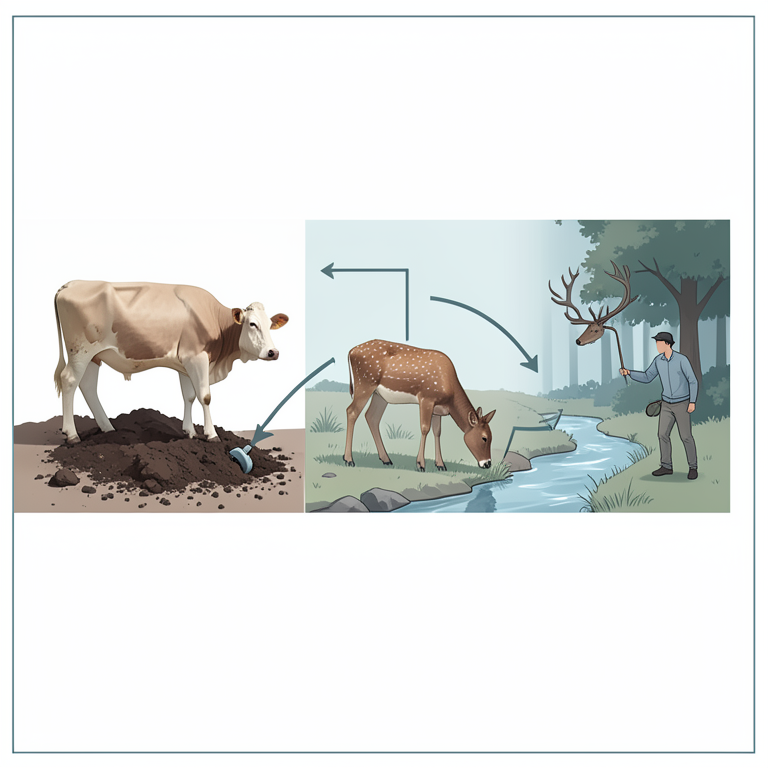
One Health Interconnectivity
AI-generated conceptual illustration (A landscape containing a domestic cow, a wild forest animal, and a human figure, integrated with a soil and water system). It explains the idea and does not show study data.
View source evidence ↗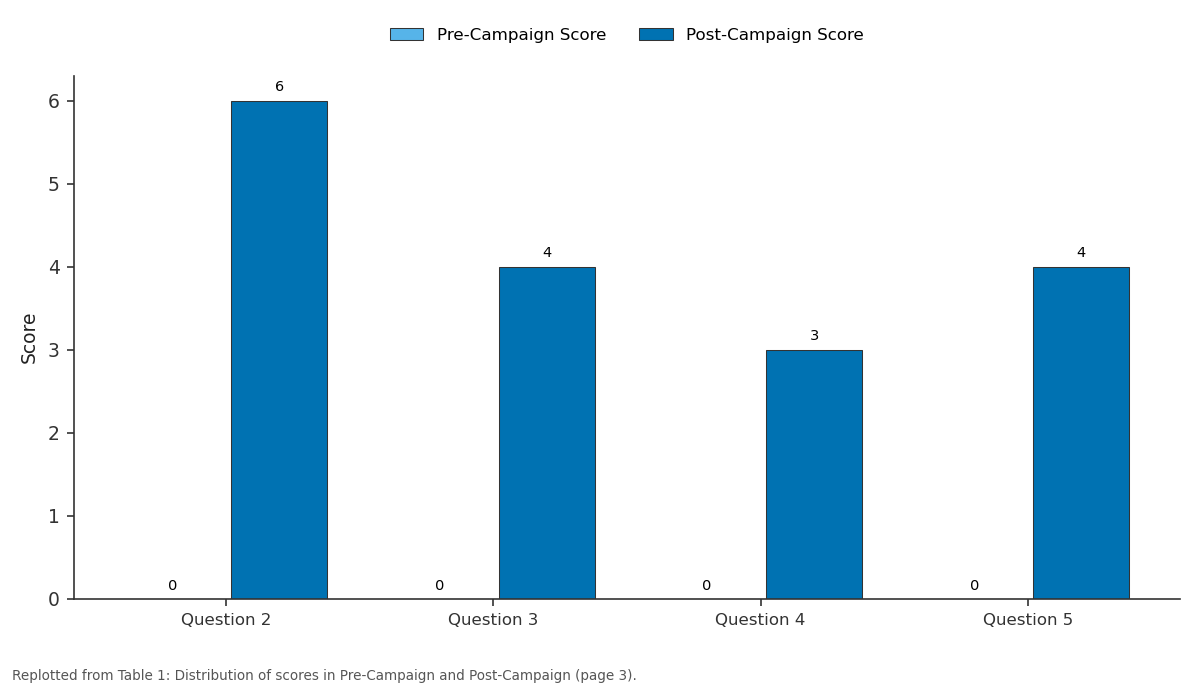
Pre-Campaign Score and Post-Campaign Score: Question 2 vs Question 3 vs Question 4 vs Question 5
Replotted from Table 1 (page 3) of the original paper. Every bar is the paper's own table value.
View source evidence ↗Figures & tables
From the original paper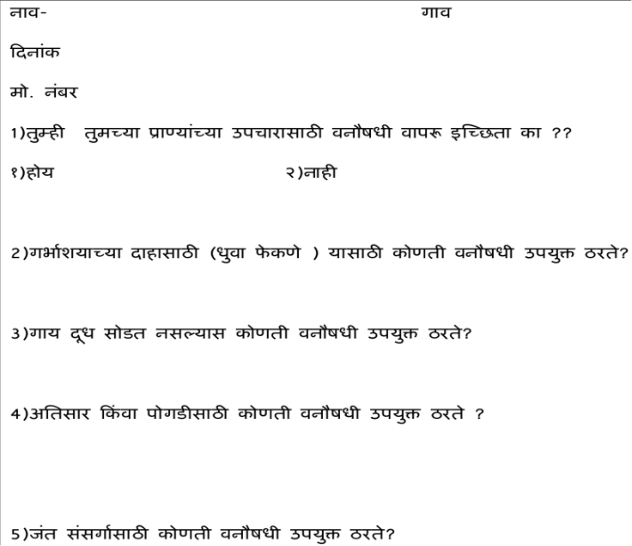 Figure 1
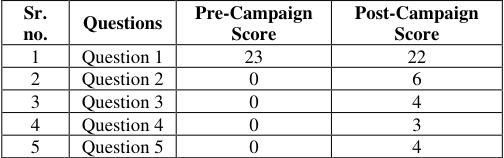 Table 1
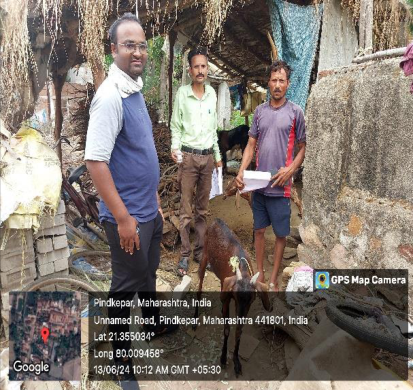 Figure 2
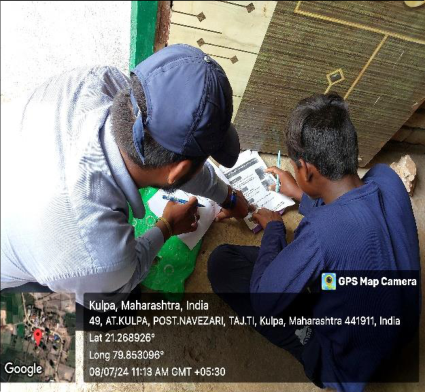 Figure 2
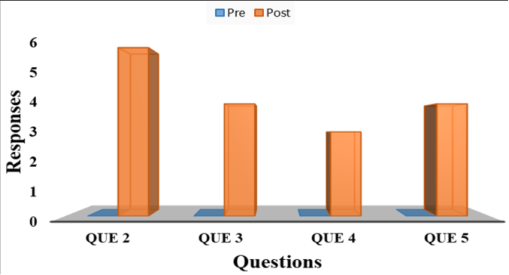 Figure 3
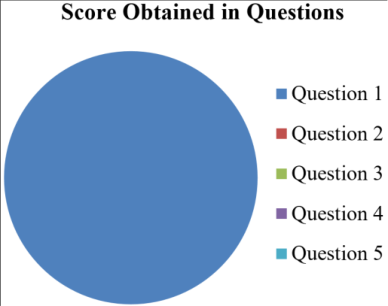 Figure 4
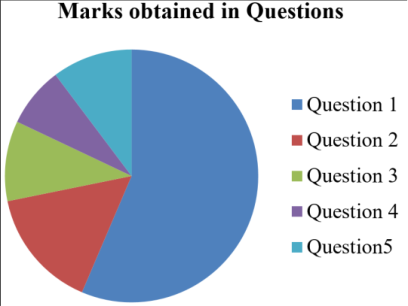 Figure 4
Introduction
The One Health concept emphasizes the interconnectedness of human, animal, and environmental health (Trinh et al., 2018) [1] . Humans, domestic animals, wild animals, and ecosystems are all intricately linked, and maintaining a healthy microbiome is a key objective of this approach. One health study integrates human, animal, and environmental knowledge (Davis et al., 2017) [2] . Historically, these microbiomes existed in a natural balance, regulated by the host immune system and the surrounding environment. This balance acted as a filter, weeding out weaker microbes and naturally regulating animal and human populations. However, the discovery of antibiotics disrupted this equilibrium. While antibiotics have undoubtedly improved human health, their widespread use in both humans and animals has disturbed the natural microbiome. This disruption is most evident in untouched ecosystems, where the natural balance remains largely intact. As human populations have grown due to advancements in medicine, so too has our encroachment on previously untouched areas. This increased contact with isolated microbes creates a higher risk for zoonotic diseases -those transmissible between animals and humans. This can lead to the transfer of existing diseases and even the emergence of entirely new ones in both humans and animals.
The uncontrolled use of antibiotics in livestock further complicates the issue. These drugs are excreted through urine and feces, entering the environment and interacting with the natural microbiome. This disrupts the balance, promoting the development of antibiotic-resistant microbes and eliminating non-resistant ones. When these resistant microbes encounter wild animals, they can trigger severe disease outbreaks. Simultaneously, both domestic animals and humans encountering these previously unexposed wild animal microbes face similar risks. Here's where medicinal plants come into play. They are a natural treasure trove of potential solutions (Pola et al., 2018) [5] . Utilizing herbal remedies in domestic animals could significantly reduce reliance on antibiotics and other drugs, thereby preventing the development of resistance in untouched ecological areas and ultimately mitigating disease outbreaks. Our study was conducted in the tribal areas of Gondia district, India, where humans and animals, both domestic and wild, coexist in close proximity. We aimed to identify the key challenges associated with the use of traditional herbal medicines for animal health. Tribal communities in this region often lack access to formal veterinary services. This limited access, coupled with illiteracy, forces many to rely on para vets or untrained individuals for animal care. The uncontrolled misuse of medications by these individuals can have significant detrimental effects on animal health and ultimately, human health as well. Developing strategies to promote the responsible use of herbal medicine in these communities is crucial. Educational initiatives and training programs can empower tribal communities to care for their animals safely and sustainably, ultimately promoting a healthier environment for all.
Materials and Methods
To enhance awareness about herbal medicine, forest conservation, and wildlife protection among tribal communities, five villages (Kupla, Sitepar, Khedepar, Bodalkasa, Alezari and Pindkepar) were selected. The study focused on identifying common livestock problems and infectious diseases. Information regarding herbal medicine was disseminated through pamphlets, seminars, and personal interactions. Simultaneously, a questionnaire in the local Marathi language (Figure 1) was administered to the tribal population. The questionnaire, comprising five questions listed below, was designed to assess their understanding and willingness to use herbal remedies. Each correctly answered question was awarded marks. The answers were noted, and the same questionnaire was filled up by the villagers after a gap of 15-30 days to determine how many of them had started or were trying to use the herbs for their livestock health improvement and whether there had been any improvement in the knowledge of the tribals (Figure 2). Some of them were only allowed to use the pamphlets if they were kept safe by them, as most of the herbal preparations consisted of 2-3 steps and were difficult to remember. The problems they faced while using the medicines were also noted, and marks were given to the same questionnaire solved correctly. The difference in the precampaign questionnaire marks obtained and post-campaign questionnaire marks obtained was analyzed. The various practical problems that occurred in the use of herbal medicine were discussed in the result and discussion part.
Results
Firstly we collected pre-campaign and post-campaign responses for the questionnaire and counted the responses (Figure 3). The distribution of scores in Pre-Campaign and Post-Campaign questionnaires is depicted in Table 1. After that, separately we score that as per the responses.
| Sr. no. | Questions | Pre-Campaign Score | Post-Campaign Score |
|---|---|---|---|
| 1 | Question 1 | 23 | 22 |
| 2 | Question 2 | 0 | 6 |
| 3 | Question 3 | 0 | 4 |
| 4 | Question 4 | 0 | 3 |
| 5 | Question 5 | 0 | 4 |
Table text extracted from the original PDF; superscript letters are shown inline. The original table image is below.
View original table image
Pre-Campaign Analysis
Prior to the campaign, a questionnaire was administered to 25 villagers to assess their knowledge of herbal medicine for livestock health. When presented with the option of using herbal medicine (Option A) or not (Option B), a significant majority (23 out of 25) expressed a desire to utilize herbal remedies for their animals (Table 1). However, their understanding of specific herbal treatments was limited. Questions 2 to 5, which required knowledge of herbal medicines from the distributed pamphlets, resulted in zero scores for all participants, indicating a lack of familiarity with the recommended treatments (Figure 4a).
Post-Campaign Analysis
Following the campaign, the same questionnaire was administered to the same group of villagers. A slight decrease in the number of participants willing to use herbal medicine was observed, with 22 out of 25 individuals still expressing interest. However, there was a noticeable improvement in their knowledge of herbal treatments. The scores obtained for questions 2 to 5 increased significantly (Figure 4b), suggesting that the campaign effectively diseminated information about recommended herbal medicines.
Furthermore, the campaign encsouraged the responsible use of herbal remedies, as 8 out of 25 participants kept the pamphlets safe for future reference. This indicates a positive shift in behavior and a willingness to learn more about herbal medicine.
Discussion
The findings of this study align with the broader understanding of the interconnected challenges facing humanity in the 21st century, as highlighted by Keune et al.
(2017) [3] . The crises in health, food, nutrition, water, energy, climate change, biodiversity loss, and poverty are deeply intertwined, both in their origins and their impacts. This study specifically focuses on the intersection of traditional knowledge and modern healthcare in South Asian tribal communities.
While these communities possess a rich heritage of herbal medicine, their adoption of modern healthcare practices poses significant challenges. The study revealed that tribal people are interested in herbal medicine if it is economical and easy to use, but they lack specific knowledge about various medicinal plants and their preparation. This lack of knowledge, coupled with the ready availability of allopathic medicines and the ease of obtaining medical advice, often leads to a preference for modern healthcare. Furthermore, low literacy rates among tribal people hinder their ability to understand and utilize information about herbal medicine. The use of local languages, different from the common Marathi language, poses another barrier to effective communication and knowledge transfer. The study also emphasizes the importance of easy access to herbal medicines, as tribal people are less likely to use them if they are difficult to obtain. The private sector can play a crucial role in developing affordable and user-friendly herbal products (Karki et al., 2017) [4] . Our findings corroborate those of Keune et al. (2017) [3] , emphasizing the need for interventions to enhance the knowledge, organization, and living standards of traditional medicine practitioners. Without their active participation, forest conservation and biodiversity protection are at risk. The conservation and development of medicinal plants face various constraints, including limited information exchange, coordination, and funding. A comprehensive approach, emphasizing research and development, is crucial to addressing these challenges and promoting the sustainable use of medicinal plants in the region. This involves investing in scientific studies to better understand the properties, efficacy, and safety of these plants (Shinwari et al., 2002) [6] . Additionally, developing innovative methods for cultivation, processing, and preservation can help ensure a consistent supply of high-quality herbal products. By fostering collaboration between researchers, healthcare providers, and local communities, we can leverage the potential of traditional knowledge to improve healthcare outcomes and protect biodiversity.
In conclusion, the study provides valuable insights into the challenges and opportunities associated with the use of herbal medicine in South Asian tribal communities. By understanding the factors influencing their healthcare choices and addressing the identified constraints, we can promote the integration of traditional knowledge into modern healthcare systems and contribute to a more sustainable and equitable future.
Acknowledgement
AcknowledgmentWe would like to express our sincere gratitude to Mr. Simpal G., Mr. Bansode Bhagwan, and Ms. Mina Chandrakant Gajare for their invaluable contributions to this research. Their dedicated assistance during the fieldwork and data collection process was instrumental in the successful completion of this study.
Figures and tables from the paper
References
2 in the original paper- Trinh P, et al. One health relationships between human, animal, and environmental microbiomes: A mini-review. Front Public Health. 2018;6:235.
- Davis MF, et al. Checklist for one health epidemiological reporting of evidence (COHERE). One Health. 2017;4:14-21.