
Research article · 2024 · Full text
International Journal of Advanced Chemistry ResearchEco-friendly production of silver nanoparticles with crocus plant extract: Properties and Antimicrobial Efficacy
Volume 6(2) · Pages 22–27 · DOI: 10.33545/26646781.2024.v6.i2a.221 ↗
Research areasSaffron Plant Research Studies
Abstract
Author-writtenIn this investigation, we focus at how AgNPs can improve the efficiency of antimicrobial treatment. In this study, silver nanoparticles were produced using a "green synthesis" approach that used Silver nitrate solution was stirred by magnetic stirrer at 60C and the Crocus plant (AgNPs). Based on their investigations into produced nanoparticles of AgNPs, and their optical, structural, and topographical characteristics, the researchers have concluded that the AgNPs thin film is poly-crystalline and has numerous peaks. Crystallite sizes in the film were calculated using Scherrer's method. Antibacterial efficacy was evaluated by the disk method on two distinct microorganisms. The identified inhibitory zones prove that the as-synthesized AgNPs are an effective antibacterial agent against dangerous bacteria and other pathogens.
Summary
Source-checkedPlain-language reading of the full paper, prepared with AI and checked against the text. Each point links to the authors' own words.
Why it matters
- Traditional chemical and physical methods for producing nanoparticles are considered hazardous and toxic. View evidence ↗
- Using plant extracts for silver nanoparticle (AgNP) synthesis is an environmentally friendly alternative because they are safe, non-toxic, and readily available. View evidence ↗
- Silver nanoparticles are highly effective at fighting various antibiotic-resistant pathogenic microorganisms. View evidence ↗
The question
- The study aims to investigate how silver nanoparticles can enhance the efficiency of antimicrobial treatments. View evidence ↗
What they did
- The plant extract was prepared by heating 1 g of Crocus plant in 100 ml of deionized water at 50°C for 30 minutes. View evidence ↗
- The synthesized material was applied to glass substrates using a drop-casting process, with each drop dried for 10 minutes. View evidence ↗
What they found
- Analysis of the AgNP thin film revealed a poly-crystalline structure with multiple peaks. View evidence ↗
- Scanning Electron Microscopy (SEM) showed that the AgNPs had an approximate average particle size of 74.13 nm. View evidence ↗
- Due to the quantum size effect, the energy gap of the AgNPs expanded by 5.5 eV compared to bulk thin films. View evidence ↗
- The AgNPs showed significant antibacterial activity, producing inhibition zones of 30 mm for Staphylococcus aureus and 29 mm for E. coli, compared to a 6 mm control. View evidence ↗
What it means
- The authors conclude that using aqueous leaf extracts for AgNP production is a risk-free, simple, and effective strategy. View evidence ↗
- The study concludes that the synthesized AgNPs are effective agents for inhibiting the growth of pathogenic bacteria. View evidence ↗
Visual summary
1 visualsIllustrations explain the paper; they do not show study data.
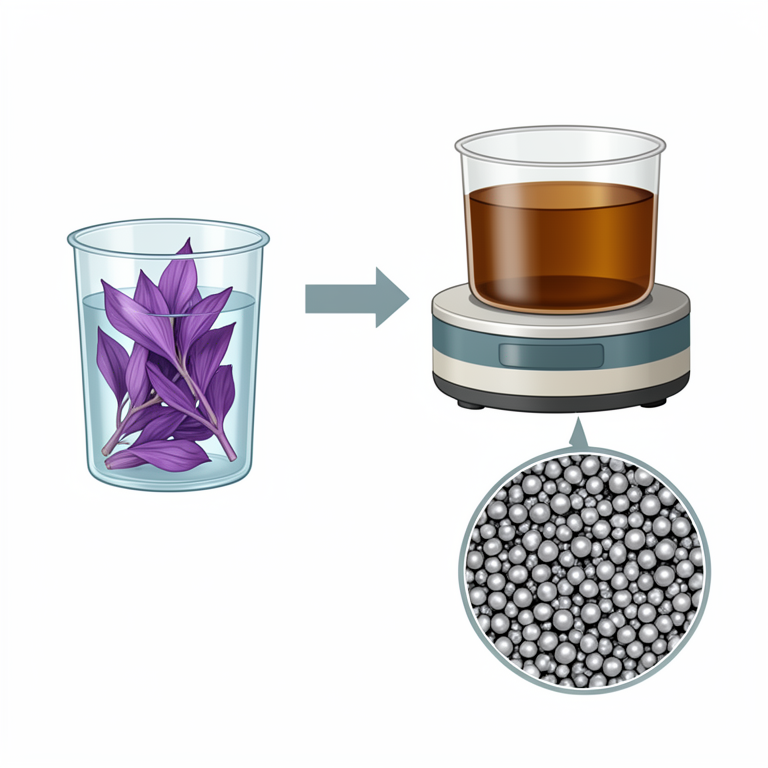
Green Synthesis Workflow
AI-generated conceptual illustration (Crocus sativus plant and silver nanoparticles in laboratory glassware). It explains the idea and does not show study data.
View source evidence ↗Figures & tables
From the original paper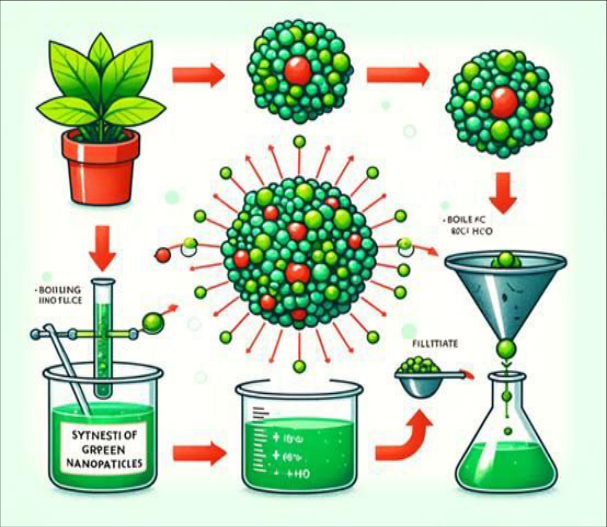 Figure 1
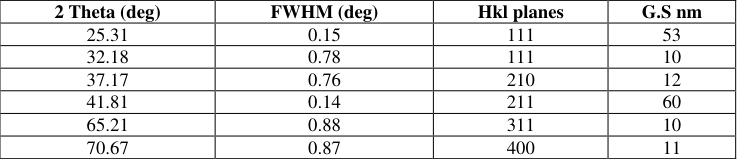 Table 1
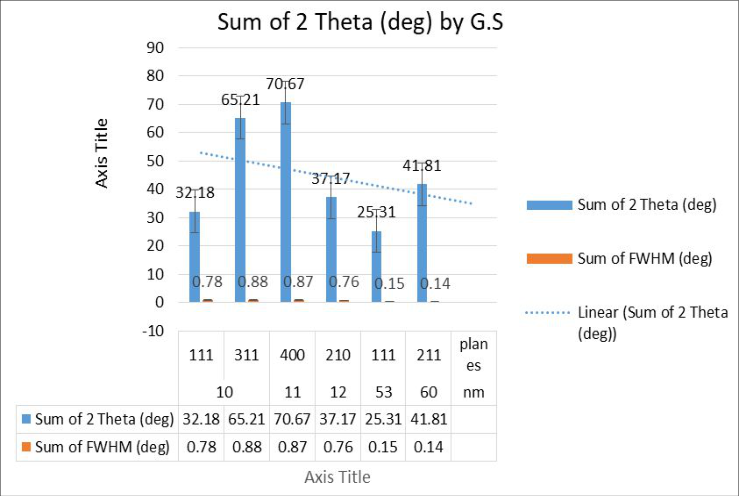 Figure 2
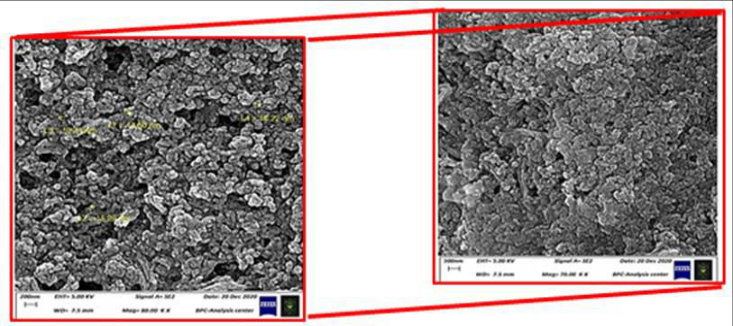 Figure 3
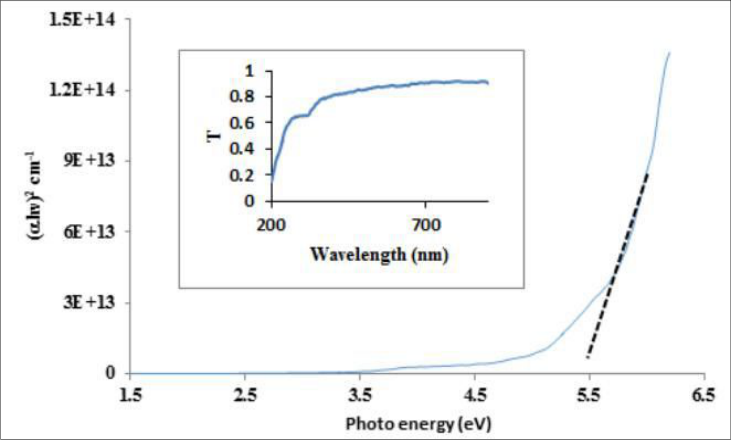 Figure 4
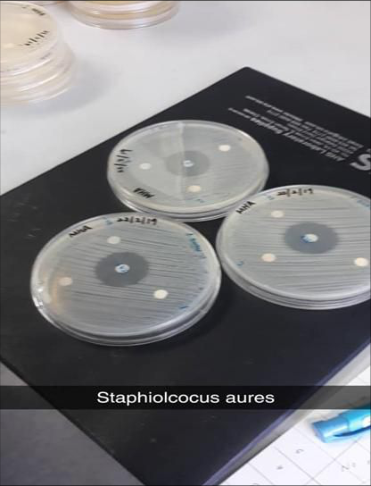 Figure 4
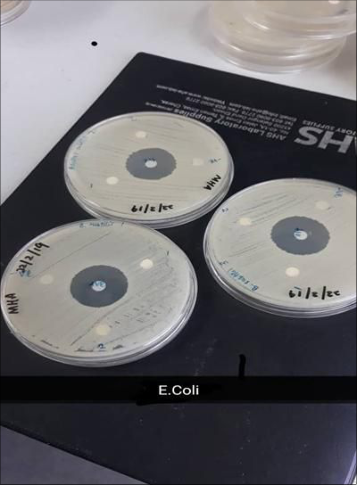 Figure 4
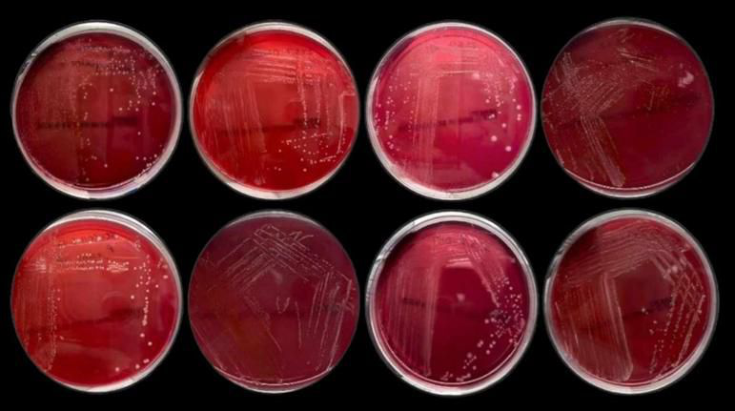 Figure 5
 Table 2
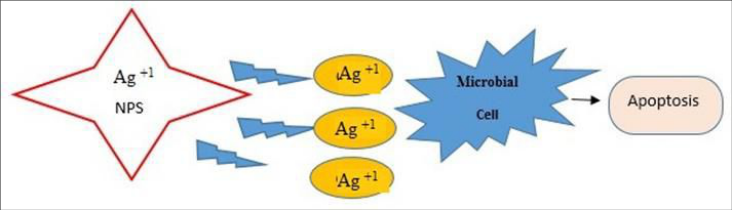 Figure 6
Introduction
Applications for Nanoparticles (NPs) may be broken down into many subcategories because of their unique combination of chemical and physical properties. The production of NPs has become a topic of concern as a result of the fact that both the chemical processes and the physical processes involved are hazardous (toxic). As a consequence of this, people all over the world felt the need for a different alternative in the production of nanoparticles, which ultimately led to the development of green nanotechnology (or environmentally friendly NANO biotechnology). The term "green nanotechnology" refers to the use of biological processes in general, such as the production of Nanoparticles (NPs) by organisms such as plants, bacteria, and fungus [1][2][3] . The fact that plant extracts are readily available, safe, nontoxic, and kind to the environment are among the key benefits associated with the synthesis of AgNPs utilizing plant materials. Conductivity in AgNPs is of the n-type, and its energy gap is rather substantial 3.3 and 2.2 eV. This material is distinguished by its ionic structure, low electrical resistance, and high transmission in a visible region of the solar spectrum. The most well-known uses of silver nanoparticles (AgNPs) are optoelectronics, phototransistor photodiodes, and photovoltaics. AgNPs also cleared the door for novel approaches to the elimination of cancer cells and the administration of drugs [4] . AgNPs NPs have exceptional antibacterial efficacy against a wide variety of antibiotic-resistant pathogenic microorganisms [5,6] .
Experimental part
To begin the process of preparation, AgNO 3 from Sigma (169.873 g/mol) was combined with 0.169 gm of AgNO 3 , which was then dissolved in 1 litter of pure water at room temperature. The solution was then agitated for 15 minutes to ensure that it was completely mixed. A dark container is used to store the solution in order to prevent was completely mixed. A dark container is used to store the solution in order to prevent oxidation and mixing. Crocus plant (1) g was heated at 50 degrees Celsius for 30 minutes in 100 milliliters of deionized water. In order to remove any solid particles, the resultant solution was filtered using paper. After the filtering step, after adding the crocus solution to the cadmium acetate solution, stir the mixture for a certain amount of time to ensure a uniform mixture, and then cool the solution to room temperature. The needed material is constructed from the top using a specialized syringe, and the drop-casting process is utilized to cast the material onto the glass substrate once the material has been dropped from the syringe. The first step in the process involves placing one drop at a predetermined location on the glass sample using a syringe. Once this is done, the sample is dried at a specific temperature for a predetermined amount of time (10min). After heating the substrate to dry for 10 minutes, we added a second drop of the same amount right on top of the first. After that, we saw that the film had changed hue, which is a telltale sign that we had really acquired a film with AgNPs embedded inside it. We employed X-ray diffraction to ensure that the substance we got did, in fact, contain AgNPs.
Results and Dissection 3.1 XRD analysis
Figure 1 demonstrates X-ray Diffraction (XRD) patterns of drop-cast AgNPs on glass substrates. After the film was synthesized using a method that didn't harm the surrounding ecosystem, it was deposited. Peaks in the AgNPs film matched those in the standard X-ray pattern file (ICDD card No. 801916, JCPDS file No. 039-1221) for the (111), (111), (210), (211), and (400) planes [7] . The crystal size may be calculated using the Debye-Scherer equation given in [7,8] .
AgNPs thin film's surface microstructural characteristics
Material microstructure study is a typical application of Scanning Electron Microscopy (SEM). Figure 3 showed that the images of AgNPs NPs applied to a substrate by drop casting were distinct and well-defined. The thin film AgNPs are composed of evenly distributed, spherically formed grains with a tiny amount of irregularly shaped patches. Their approximate average particle size is 74.13 nm.
Result of the included optical band data, the UV-Vis spectrum is given top priority. As can be seen in Figure (4), the AgNPs thin film's optical transmission was only around 15% when tested at a wavelength of 200 nm, but it increased considerably to 90% when measured at a wavelength of 900 nm. The influence of quantum size can be responsible for both the high transmittance exhibited by the AgNPs film and the blue shift of the absorption edge [9] . This effect happens as particles get smaller and widens the energy gap as a result. The Tauc equation was used to get the parameters for the optical energy gap (Eg) of the AgNPs film.
The direct band difference (hv) can be measured using the (alpha hv) 2 vs. photon energy graph. By extending the line until it reaches the point where (alpha hv) 2=0, one can determine the band gap. As seen in Figure 4, the quantum size influence causes the energy gap to expand by 5.5 eV in comparison to bulk thin film [10,11] .
Antimicrobial activity
When E. coli and Staphylococcus aureus strains were cultured at 37 degrees Celsius for twenty fun hours, the antibacterial properties of silver Nanoparticles (NPs) were investigated using the disk technique of diffusion in agar wells. Figure 5 depicts this. As can be shown in Table 2, the antibacterial activities of the AgNPs have been demonstrated to be quite effective against harmful microorganisms. Potential variables affecting the efficacy of AgNPs' antibacterial action include: Significant aspects in the actions that take places, such as Reactive Oxygen Species (ROS) formation, cadmium +2 ion release, and the size and shape of the produced AgNPs. Due to DNA, membrane, and protein damage, bacteria die when Reactive Oxygen Species (ROS) are generated and certain species are allowed to pass past the membranes of their cells. In the presence of water, the samples release Ag +1 ions, which are taken up by bacteria through a transport system once they reach the cells. As can be observed in Fig. 6, due to intense electrostatic contact with a negatively charged cell layer, this causes the bacterium to die [12][13][14][15] .
Conclusions
The production of silver nanoparticles utilizing a green chemistry process that involved the aqueous extract of leaf material was shown to be risk-free, uncomplicated, and an effective strategy. Producing silver nanoparticles (Ag NPs), characterizing them, and discussing their antibacterial characteristics are all included in this study. X-ray powder diffraction analysis confirmed its polycrystalline nature. Antimicrobial experiments were performed on a large panel of pathogenic bacteria to determine the effectiveness of NPs as an antibacterial agent. The observed zone of inhibition demonstrates that Ag NPs are effective at inhibiting bacterial growth.
Figures and tables from the paper
| 2 Theta (deg) | FWHM (deg) | Hkl planes | G.S nm |
|---|---|---|---|
| 25.31 | 0.15 | 111 | 53 |
| 32.18 | 0.78 | 111 | 10 |
| 37.17 | 0.76 | 210 | 12 |
| 41.81 | 0.14 | 211 | 60 |
| 65.21 | 0.88 | 311 | 10 |
| 70.67 | 0.87 | 400 | 11 |
Table text extracted from the original PDF; superscript letters are shown inline. The original table image is below.
View original table image
References
11 in the original paper- International Journal of Advanced Chemistry Research https://www.chemistryjournals.net Journal of Ayurveda and Integrative Medicine. 2020 Jan 1;11(1):37-44.
- Hamed AS, Ali EM. Cu(II)-metformin immobilized on graphene oxide: An efficient and recyclable catalyst for the Beckmann arrangement, Research on Chemical Intermediates. 2020;46:701-714.
- Yin IX, Zhang J, Zhao IS, Mei ML, Li Q, Chu CH. The antibacterial mechanism of silver nanoparticles and its application in dentistry. International Journal of Nanomedicine. 2020;15:25-55.
- Varma US, Gautham P, Kumar DR, Sreekanth KM, Sivasubramanian G, Sreedhar KM. Co-precipitation as a tool for effective doping of magnesium in zinc oxide: Studies on structural, optical and photocatalytic properties. Rasāyan Journal of Chemistry. 2018;11(4):1491-500.
- Eid AM, Fouda A, Niedbała G, Hassan SE, Salem SS, Abdo AM, et al. Endophytic Streptomyces laurentii mediated green synthesis of Ag-NPs with antibacterial and anticancer properties for developing functional textile fabric properties. Antibiotics. 2020 Sep 24;9(10):641.
- Rahi SK, Hassoni MH, Abd AN. Study effect of reinforcement and moisture on impact strength of hybrid and single polymeric composites, Journal of Engineering and Applied Sciences. 2018;13(18):76247629.
- Huq MA, Ashrafudoulla M, Rahman MM, Balusamy SR, Akter S. Green synthesis and potential antibacterial applications of bioactive silver nanoparticles: A review. Polymers. 2022 Feb 15;14(4):742.
- Sheng Y, Narayanan M, Basha S, Elfasakhany A, Brindhadevi K, Xia C, et al. In vitro and in vivo efficacy of green synthesized AgNPs against Gram negative and Gram positive bacterial pathogens. Process Biochemistry. 2022 Jan 1;112:241-7.
- Abd AN, Abdullah MT, Rahi SK, Habubi NF. The effect of x-rays in some optical properties of the thin film polystyrene (Ps) dissolved in phenyl methane (toluene), Journal of Physics: Conference Series. 2020;1660(1):012047.
- Yassin MT, Mostafa AA, Al-Askar AA, Al-Otibi FO. Synergistic antibacterial activity of green synthesized silver nanomaterials with colistin antibiotic against multidrug-resistant bacterial pathogens. Crystals. 2022 Jul 29;12(8):1057.
- Bergal A, Matar GH, Andaç M. Olive and green tea leaf extracts mediated green synthesis of silver nanoparticles (AgNPs): Comparison investigation on characterizations and antibacterial activity. Bio Nano Science. 2022 Jun;12(2):307-321.