
Research article · 2021 · Full text
International Journal of Horticulture and Food ScienceNutritional value comparison of tomatoes under varying drying conditions
Volume 3(2) · Pages 62–65 · DOI: 10.33545/26631067.2021.v3.i2a.222 ↗
Research areasAgricultural Practices and Plant GeneticsPostharvest Quality and Shelf Life ManagementGreenhouse Technology and Climate Control
Abstract
Author-writtenTomatoes are widely recognized for their rich nutritional profile, containing essential phytochemicals, vitamins, and minerals that contribute to various health benefits. However, the drying process, a common preservation method, can significantly alter the nutritional composition of tomatoes. This study aimed to compare the effects of different drying conditions-room temperature drying, sun drying, and oven drying-on the nutritional value of tomatoes. Fresh, ripe tomatoes were sourced from local markets in Godhara, Panchmahal, Gujarat, India, and subjected to these drying methods. The nutritional parameters analyzed included moisture content, ash content, lipid content, crude protein content, and carbohydrate content. The results demonstrated significant reductions in moisture content across all drying methods, with oven drying being the most effective. Ash and carbohydrate contents increased due to the concentration effect as moisture was removed, whereas crude protein content decreased, particularly in sun-dried tomatoes. Lipid content showed minor variations, with slight losses observed in sun-dried and room temperature-dried samples. These findings highlight the impact of drying conditions on the nutritional integrity of tomatoes, offering insights into the best practices for preserving their nutritional value.
Summary
Source-checkedPlain-language reading of the full paper, prepared with AI and checked against the text. Each point links to the authors' own words.
Why it matters
- Tomatoes are highly valued for their nutritional content, which includes minerals, vitamins, and phytochemicals that provide health benefits. View evidence ↗
- The antioxidant lycopene in tomatoes is specifically noted for helping protect against various degenerative diseases. View evidence ↗
- While drying is a common way to preserve tomatoes, the process can significantly change their nutritional makeup. View evidence ↗
The question
- The study aimed to compare how room temperature, sun, and oven drying affect the nutritional value of tomatoes. View evidence ↗
What they did
- Fresh, ripe tomatoes were obtained from local markets in Godhara, Gujarat, India. View evidence ↗
- Tomato samples were prepared by slicing them horizontally into pieces 10-20 mm thick. View evidence ↗
- The study used four groups: fresh control tomatoes, room temperature dried (120 hours), sun dried (120 hours), and oven dried (65 °C for 72 hours). View evidence ↗
- The researchers measured five nutritional parameters: moisture, ash, lipid, crude protein, and carbohydrate content. View evidence ↗
What they found
- Moisture content decreased across all drying methods, dropping from 38.37% in fresh tomatoes to a low of 5.32% in oven-dried samples. View evidence ↗
- Ash content increased with drying due to mineral concentration, with sun-dried tomatoes reaching the highest level (41.48%) compared to fresh tomatoes (19.89%). View evidence ↗
- Lipid content showed minor decreases after drying, with the lowest value found in sun-dried samples (1.15%) compared to fresh samples (1.89%). View evidence ↗
- Crude protein content decreased significantly from 27.89% in fresh tomatoes to as low as 12.68% in sun-dried tomatoes. View evidence ↗
- Carbohydrate content increased significantly during drying, with oven-dried tomatoes showing the highest concentration at 34.67% compared to 7.89% in fresh tomatoes. View evidence ↗
What it means
- The authors concluded that oven drying is the most effective method for reducing moisture and concentrating nutrients while better preserving protein than sun drying. View evidence ↗
- The authors recommend choosing a drying method based on the specific balance needed between extending shelf life and preserving nutrients. View evidence ↗
- The authors state that further research is needed to examine how drying affects sensory properties and other bioactive compounds. View evidence ↗
Visual summary
3 visualsIllustrations explain the paper; charts are replotted from the paper's own table values.
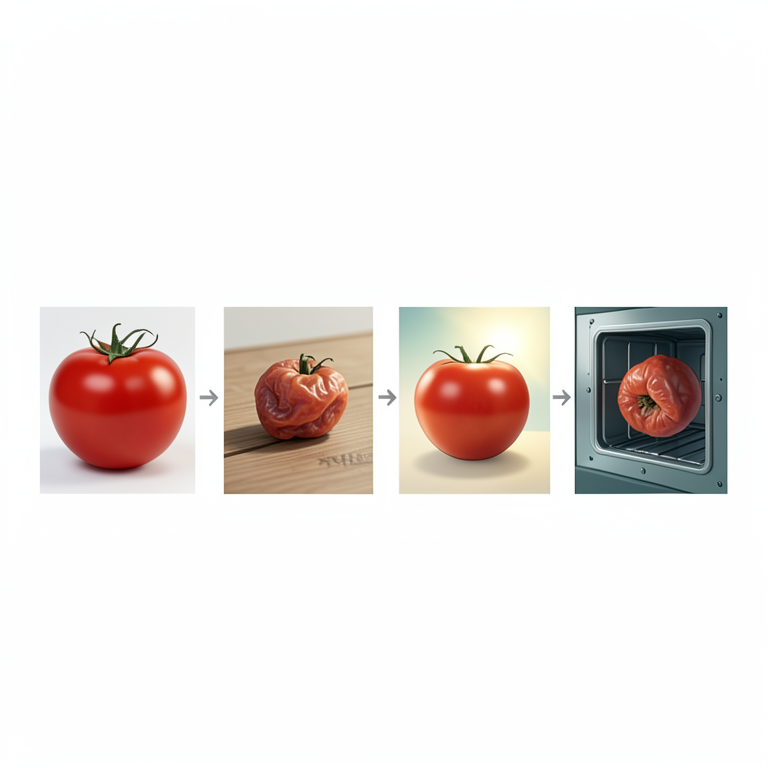
Comparison of Drying Methods
AI-generated conceptual illustration (tomato fruits). It explains the idea and does not show study data.
View source evidence ↗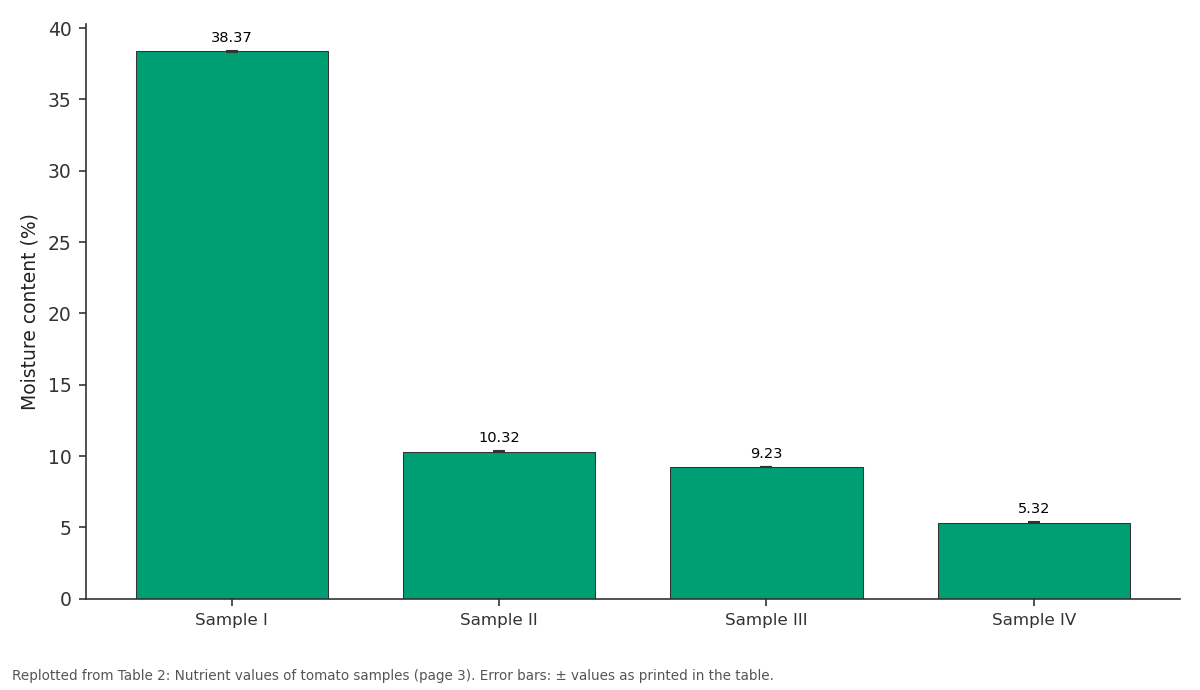
Moisture content (%): Sample I vs Sample II vs Sample III vs Sample IV
Replotted from Table 2 (page 3) of the original paper. Every bar is the paper's own table value.
View source evidence ↗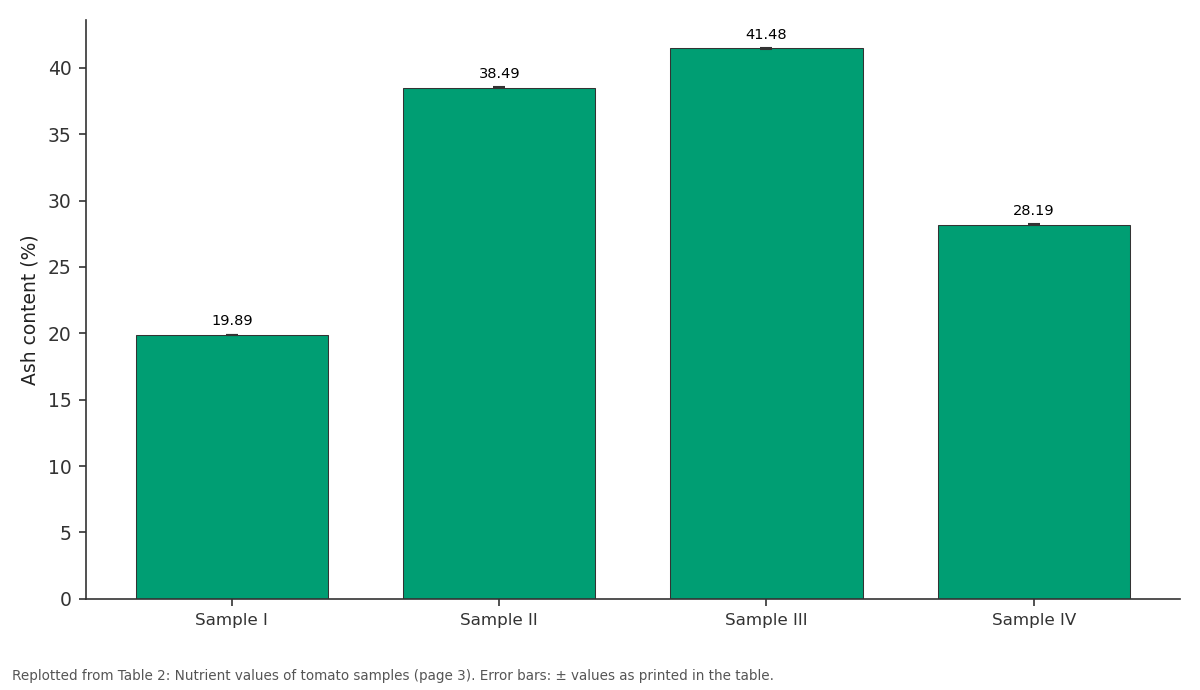
Ash content (%): Sample I vs Sample II vs Sample III vs Sample IV
Replotted from Table 2 (page 3) of the original paper. Every bar is the paper's own table value.
View source evidence ↗Figures & tables
From the original paper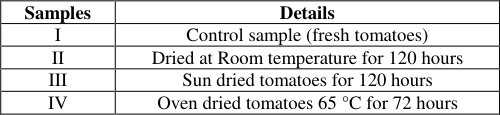 Table 1
 Table 2
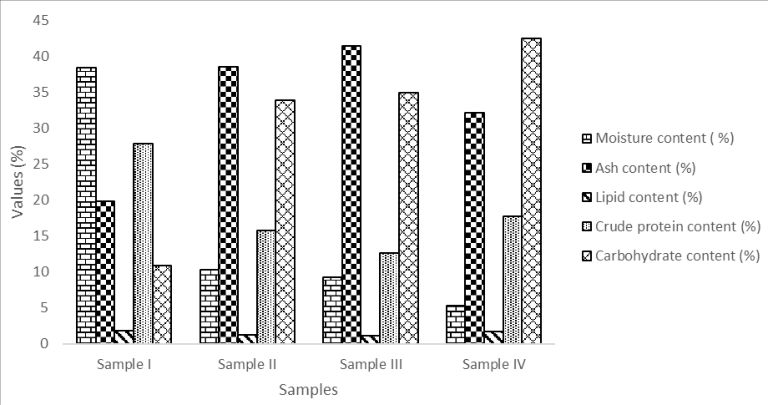 Figure 1
Introduction
Tomatoes are a remarkable fruit, rich in health-promoting phytochemicals that play a significant role in preventing chronic degenerative disorders (Shah et al., 2021) [10] . They are an excellent source of phenolic compounds, including phenolic acids and flavonoids, carotenoids such as lycopene, α-carotene, and β-carotene, as well as vitamins like ascorbic acid (vitamin C) and vitamin A, and glycoalkaloids like tomatine (Domínguez et al., 2020) [3] [3] . The bioactive constituents in tomatoes exhibit a range of beneficial activities, including antioxidant, anti-mutagenic, anti-proliferative, anti-inflammatory, and anti-atherogenic properties (Chaudhary et al., 2018) [2] . These health-promoting bioactivities make tomatoes a valuable ingredient in the development of functional foods. One of the most well-known benefits of tomatoes is their protective role against various degenerative diseases, largely attributed to lycopene, a potent antioxidant (Imran et al., 2020) [5] . Numerous studies have shown that regular consumption of tomatoes is inversely related to the incidence of cancer, cardiovascular diseases, aging-related conditions, and many other health problems (Rysz et al., 2021; Salehi et al., 2020; Wallace et al., 2020) [8,9,11] . Specifically, individuals who include tomatoes in their diet regularly have been found to have a reduced risk of developing cancers such as lung, prostate, stomach, cervical, breast, oral, colorectal, esophageal, pancreatic, and other types of cancer. Importantly, the bioavailability of the phytoconstituents in tomatoes is generally not compromised by routine cooking processes, making them even more beneficial for human consumption. This characteristic enhances the practicality of including tomatoes in daily diets, whether consumed raw or cooked. The present research paper delves into the nutritional value of tomatoes, particularly focusing on how different drying conditions affect their nutritional composition. Drying is a widely used method to preserve tomatoes, extending their shelf life and enhancing convenience. However, the drying process can significantly alter the nutritional content of tomatoes, impacting essential nutrients such as vitamins, minerals, and bioactive compounds. This study aims to systematically compare the effects of various drying techniques-including sun drying, oven drying, and freeze-drying-on key nutritional parameters.
By identifying the drying methods that best preserve the nutritional integrity of tomatoes, this research seeks to provide valuable insights for both the food industry and consumers. The findings are expected to guide better practices in tomato processing, ensuring that the health benefits of this versatile fruit are retained even after preservation.
Materials and Methods
Materials and Methods
Selection and sample preparation
Fresh, ripe tomatoes were sourced from local markets in Godhara, Panchmahal, Gujarat, India. The tomatoes were selected based on their ripeness, size, and absence of physical damage, using visual inspection and standard maturity indices. Ensuring the selection of high-quality tomatoes was critical for the study, so manual sorting and grading were carefully performed. The tomatoes were first thoroughly washed under running tap water to remove soil, plant debris, and other contaminants. Grading was then carried out according to essential quality criteria, including cleanliness, firmness, soundness, maturity, weight, color, size, shape, and the absence of foreign matter, insect damage, or mechanical injury. Only tomatoes that were undamaged and free from visible discoloration were chosen. All the samples were sliced horizontally with slice thickness of 10-20 mm and treated as shown in table 1.
| Samples | Details |
|---|---|
| I | Control sample (fresh tomatoes) |
| II | Dried at Room temperature for 120 hours |
| III | Sun dried tomatoes for 120 hours |
| IV | Oven dried tomatoes 65 °C for 72 hours |
Table text extracted from the original PDF; superscript letters are shown inline. The original table image is below.
View original table image
Analysis
When analyzing the nutritional element compositions of food items, ash content is a crucial step. Ash is the term for the inorganic residue (mineral content) that is left over after heating a meal sample in a furnace until all organic matter has completely oxidized and the water has been removed (Harris et al., 2017) [4] . Total solids, or moisture content, is significant because it influences food's chemical and physical properties, which impact how fresh and stable it is for storage (Nielsen et al., 2010) [6] . Proteins are vital macromolecules that are present in food and are important for both biological processes and cellular structure.
Understanding the biological activities and functional characteristics of food items, as well as nutritional labeling, depend on the analysis of protein content (Phizicky et al., 2003) [7] . Since carbohydrates make up more than 70% of the energy in many diets, they are an important source of energy, making their examination crucial. The nutritional content, identification criteria, water-holding capacity, tastes, textures, and stability of food items are all covered in great detail by this research (Bemiller 2010) [1] .
Results and Discussion
This section presents the results of the study on the nutritional value of tomatoes under varying drying conditions. The results, as shown in Table 2 and Figure 1, highlight significant variations in moisture content, ash content, lipid content, crude protein content, and carbohydrate content across the different drying treatments.
| Parameters | Sample I | Sample II | Sample III | Sample IV |
|---|---|---|---|---|
| Moisture content (%) | 38.37±0.012 | 10.32±0.021 | 9.23±0.018 | 5.32±0.029 |
| Ash content (%) | 19.89±0.010 | 38.49±0.036 | 41.48±0.028 | 28.19±0.048 |
| Lipid content (%) | 1.89±0.015 | 1.29±0.016 | 1.15±0.012 | 1.67±0.018 |
| Crude protein content (%) | 27.89±0.011 | 15.78±0.031 | 12.68±0.015 | 16.77±0.021 |
| Carbohydrate content (%) | 7.89±0.013 | 29.89±0.019 | 29.23±0.037 | 34.67±0.023 |
Table text extracted from the original PDF; superscript letters are shown inline. The original table image is below.
View original table image
The moisture content of the tomato samples exhibited a marked decrease with drying. Fresh tomatoes (Sample I) had the highest moisture content at 38.37%, which is typical of fresh produce. Room temperature drying (Sample II) and sun drying (Sample III) both resulted in a substantial reduction in moisture, with values of 10.32% and 9.23%, respectively. Oven drying (Sample IV) at 65°C for 72 hours led to the lowest moisture content of 5.32%. This progressive reduction in moisture content demonstrates the effectiveness of each drying method in removing water, with oven drying being the most efficient. The lower moisture content in dried samples is crucial for extending shelf life, as it reduces the water activity, thereby minimizing the risk of microbial spoilage. Ash content, indicative of the total mineral content, showed a significant increase with drying. The fresh tomato sample (Sample I) had the lowest ash content at 19.89%. In contrast, dried samples exhibited higher ash contents, with Sample II at 38.49%, Sample III at 41.48%, and Sample IV at 28.19%. The increase in ash content is directly related to the decrease in moisture content, as the concentration of minerals becomes more pronounced with water loss. Notably, sun drying (Sample III) resulted in the highest ash content, suggesting that this method may be more effective in retaining or concentrating the mineral content. However, the lower ash content in oven-dried tomatoes (Sample IV) could be attributed to the possible volatilization of some minerals at higher temperatures.
The lipid content across all samples showed relatively minor variations. Fresh tomatoes (Sample I) had the highest lipid content at 1.89%, while the dried samples showed slight reductions, with Sample II at 1.29%, Sample III at 1.15%, and Sample IV at 1.67%. The slight decline in lipid content with drying could be due to the oxidation of lipids, especially in sun-dried (Sample III) and room temperaturedried (Sample II) samples. However, the lipid content in the oven-dried sample (Sample IV) was slightly higher than in the other dried samples, possibly due to the relatively short drying time and controlled environment, which might reduce lipid oxidation.
The crude protein content of tomatoes decreased significantly with drying. The fresh tomatoes (Sample I) had the highest protein content at 27.89%. In contrast, dried samples showed a marked reduction, with Sample II at 15.78%, Sample III at 12.68%, and Sample IV at 16.77%. The reduction in protein content could be attributed to the denaturation of proteins during the drying process, especially in sun-dried (Sample III) tomatoes, where exposure to sunlight might have accelerated protein degradation. The relatively higher protein content in ovendried tomatoes (Sample IV) suggests that controlled drying conditions may help preserve protein integrity better than sun drying. Carbohydrate content increased significantly as a result of the drying process. Fresh tomatoes (Sample I) had the lowest carbohydrate content at 7.89%, while the dried samples exhibited much higher values, with Sample II at 29.89%, Sample III at 29.23%, and Sample IV at 34.67%. The increase in carbohydrate content is primarily due to the concentration effect, as water is removed, leaving behind a higher concentration of sugars and other carbohydrates. Among the dried samples, oven drying (Sample IV) resulted in the highest carbohydrate content, indicating that this method might be the most effective in concentrating carbohydrates.
The results of this study clearly demonstrate the impact of different drying methods on the nutritional composition of tomatoes. Drying significantly reduced the moisture content, with oven drying being the most effective method. Ash and carbohydrate contents increased with drying, reflecting the concentration of minerals and carbohydrates as moisture was removed. However, crude protein content decreased, particularly in sun-dried tomatoes, suggesting potential protein degradation. Lipid content showed minor variations, with some loss in sun-dried and room temperature-dried samples due to oxidation. These findings highlight the tradeoffs associated with different drying methods. While drying is essential for extending the shelf life and concentrating nutrients in tomatoes, it can also lead to the degradation of certain nutritional components, such as proteins. The choice of drying method should, therefore, be guided by the desired balance between nutrient preservation and shelf life extension.
Conclusion
This study provides a comprehensive analysis of how different drying methods affect the nutritional value of tomatoes. The results underscore that while drying is essential for extending the shelf life of tomatoes, it also leads to significant changes in their nutritional composition.
Oven drying proved to be the most effective method for reducing moisture content and concentrating nutrients like carbohydrates and minerals, while also preserving more of the crude protein content compared to sun drying. However, all drying methods led to some degree of nutrient loss, particularly in protein content, highlighting the importance of carefully selecting drying conditions to maintain the nutritional quality of tomatoes. These findings are crucial for both the food industry and consumers, as they offer guidance on optimizing drying processes to retain the maximum nutritional benefits of tomatoes. Further research is recommended to explore the effects of drying on other bioactive compounds and the sensory properties of dried tomatoes.
Conflict of interest:
No potential competing interest was reported by the author(s).
Funding information: This research did not receive any specific grant from funding agencies in the public, commercial, or not-for-profit sectors.
References
8 in the original paper- Chaudhary P, Sharma A, Singh B, Nagpal AK. Bioactivities of phytochemicals present in tomato. Journal of Food Science and Technology. 2018;55:2833-2849.
- Domínguez R, Gullón P, Pateiro M, Munekata PE, Zhang W, Lorenzo JM, et al. Tomato as potential source of natural additives for meat industry. A review. Antioxidants. 2020;9(1):73.
- Imran M, Ghorat F, Ul-Haq I, Ur-Rehman H, Aslam F, Heydari M, et al. Lycopene as a natural antioxidant used to prevent human health disorders. Antioxidants. 2020;9(8):706.
- Phizicky E, Bastiaens PIH, Zhu H, Snyder M, Fields S. Protein analysis on a proteomic scale. Nature. 2003;422:208-215. DOI: 10.1038/nature01512.
- Rysz J, Franczyk B, Rysz-Górzyńska M, GlubaBrzózka A. Ageing, age-related cardiovascular risk and the beneficial role of natural components intake. International Journal of Molecular Sciences. 2021;23(1):183.
- Salehi B, Azzini E, Zucca P, Maria Varoni E, V Anil Kumar N, Dini L, et al. Plant-derived bioactives and oxidative stress-related disorders: A key trend towards healthy aging and longevity promotion. Applied Sciences. 2020;10(3):947.
- Shah KK, Modi B, Lamsal B, Shrestha J, Aryal SP. Bioactive compounds in tomato and their roles in disease prevention. Fundamental and Applied Agriculture. 2021;6(2):210-224.
- Wallace TC, Bailey RL, Blumberg JB, Burton-Freeman B, Chen CO, Crowe-White KM, et al. Fruits, vegetables, and health: A comprehensive narrative, umbrella review of the science and recommendations for enhanced public policy to improve intake. Critical Reviews in Food Science and Nutrition. 2020;60(13):2174-2211.